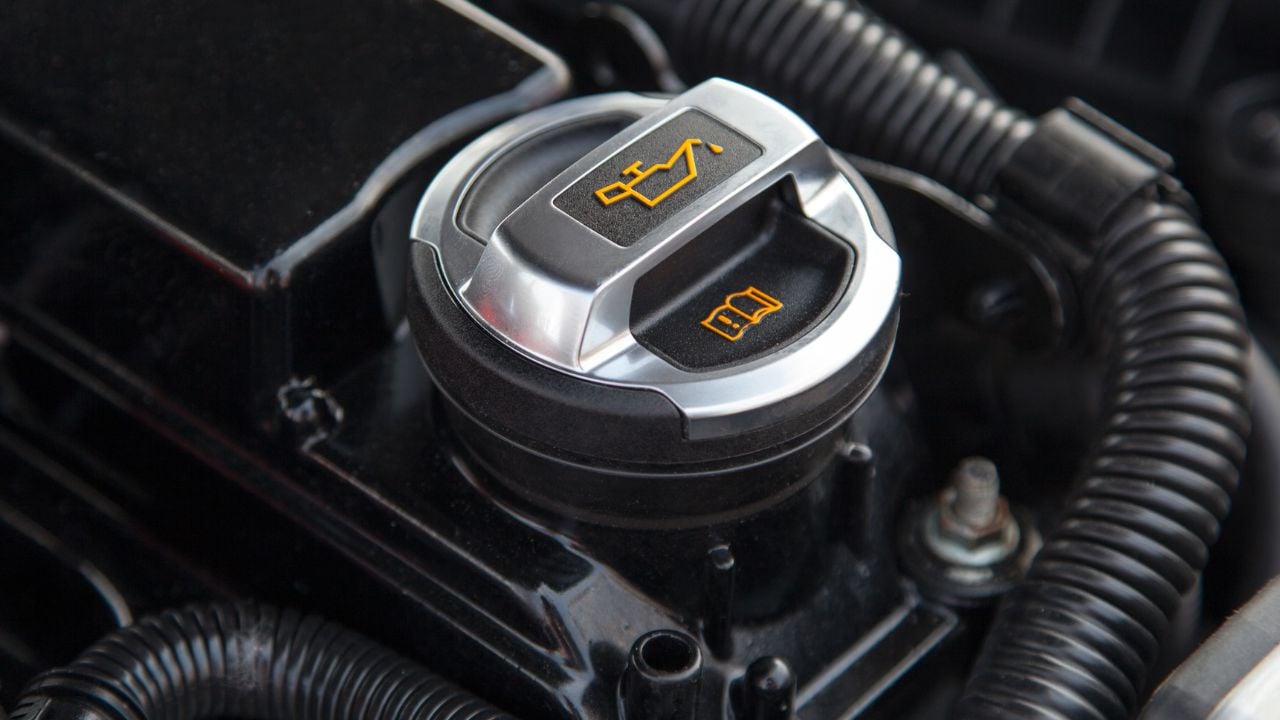
Oil changes are one of the simplest yet most important steps in keeping an engine running smoothly. Most drivers have heard plenty of advice on when to change oil, what type to use, and how much difference it really makes. Some of it is accurate, but some of it is based on outdated practices or half-truths. Engines, motor oil, and maintenance standards have come a long way, yet a lot of drivers are still working off advice that hasn’t changed since their parents, or even grandparents, were behind the wheel.
Questions like “Am I changing my oil too often?” or “Is synthetic oil really worth it?” continue to circulate. The problem is, believing outdated information can waste money, create unnecessary stress, and in some cases, even harm your engine. In this article, we’ll separate fact from fiction, address the most common oil change myths, and give you clear, up-to-date guidance you can trust.
Separating Engine Truth from Garage Gossip

Oil change myths stick around because they often come from people we trust, like friends, family, or mechanics, who are repeating advice that might have been true decades ago. Engines, oils, and maintenance standards have changed, and much of that old guidance no longer applies.
This article focuses on separating fact from fiction so drivers can protect their engines without wasting money or skipping important maintenance. Each myth we cover has been around long enough to seem true, but we’ll explain what’s actually accurate in plain language. By the end, you’ll have a clear, up-to-date understanding of oil changes, tailored to modern vehicles and real-world driving.
You Must Change Oil Every 3,000 Miles
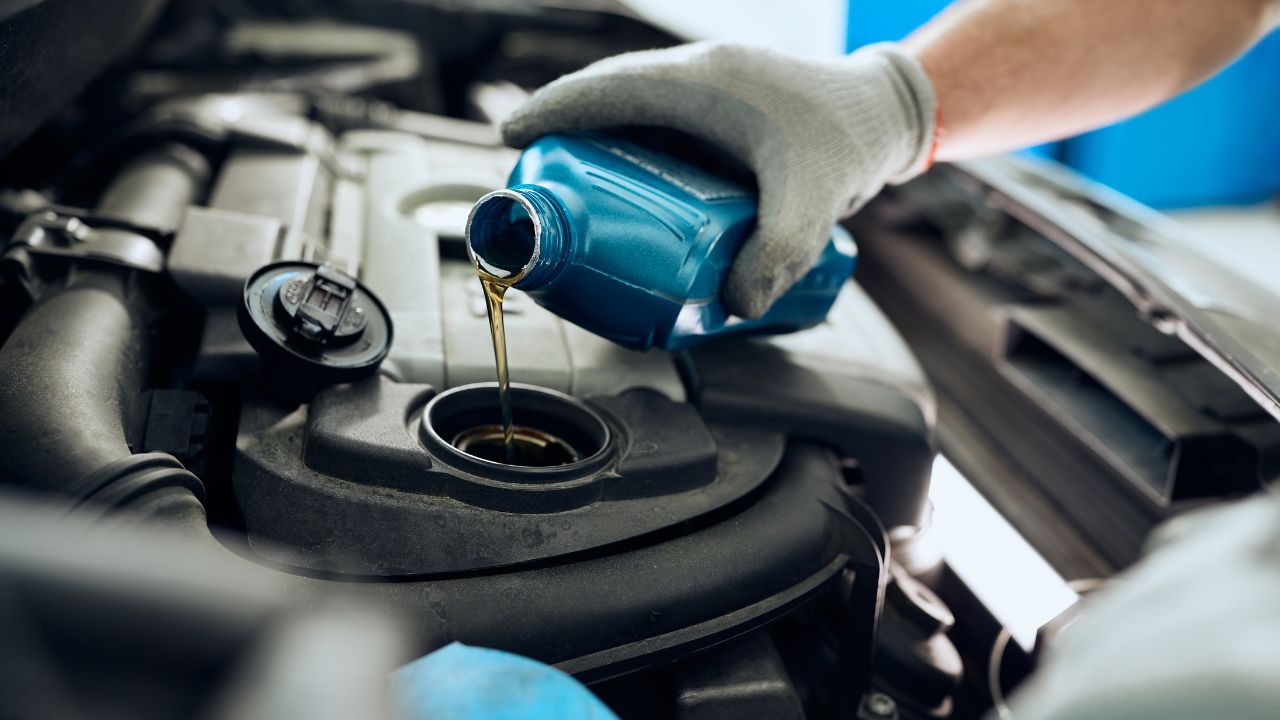
MYTH: You must change your oil every 3,000 miles.
For years, the 3,000-mile oil change was treated as gospel in repair shops and driveways. That advice made sense when engines ran dirtier and oils broke down faster. But modern engines paired with synthetic or high-quality blended oils can often go much farther without risk.
Today, many manufacturers recommend intervals between 5,000 and 10,000 miles, depending on how and where you drive. Changing oil too soon wastes money, time, and resources, and adds to environmental waste from unnecessary disposal. While certain conditions, like frequent short trips or extreme temperatures, can shorten oil life, the blanket 3,000-mile rule simply doesn’t reflect current technology. You don’t even have to take our word for this, just check your specific vehicle’s maintenance schedule and follow it to a T.
Synthetic Oil Causes Leaks in Older Cars
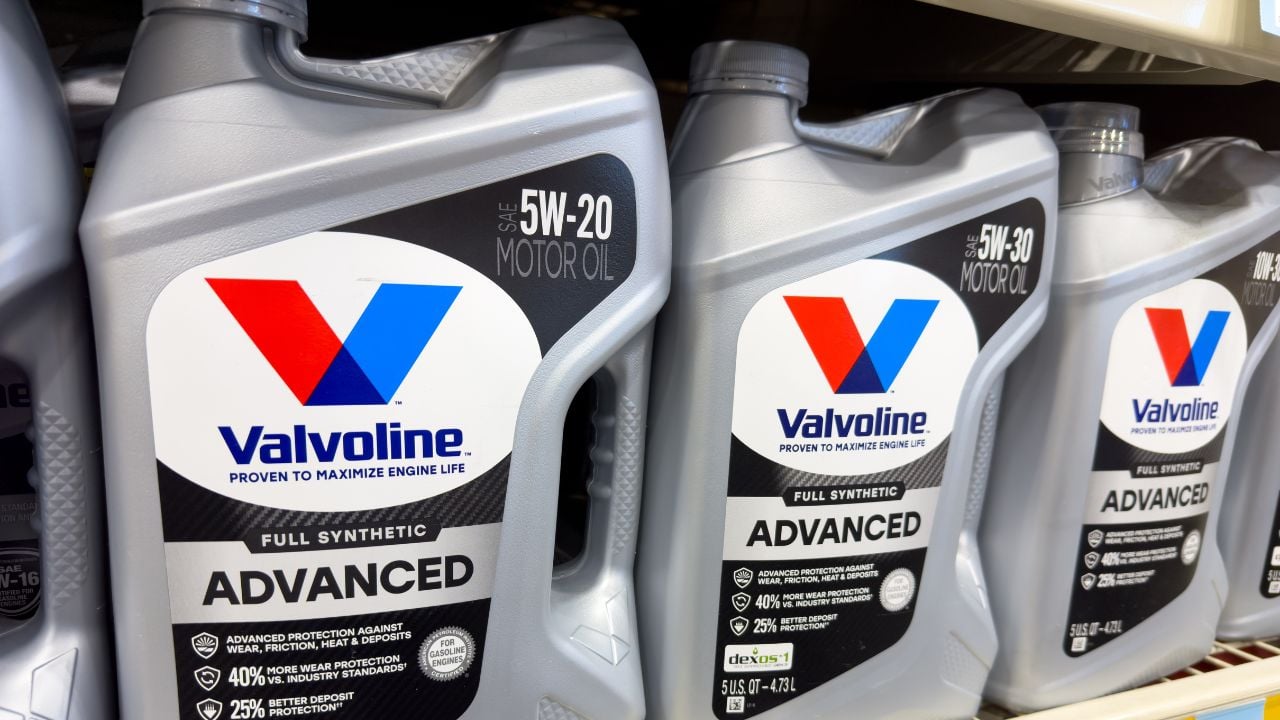
MYTH: Synthetic Oil Causes Leaks in Older Cars.
Back when synthetic oils first hit the market, some blends could cause seals in older engines to shrink, which sometimes led to leaks. That’s where the myth started. But today’s synthetic oils are made to be fully compatible with seals and gaskets, whether the engine is brand new or decades old. In many cases, they actually offer better protection against wear and extreme temperatures—something older engines, which often run harder, can benefit from the most.
If you do see leaks after switching, it’s usually because a seal was already worn, not because the oil caused the damage. Synthetic simply flows more easily, making existing problems more obvious. Plenty of classic and vintage car owners now run synthetic oil without issue, enjoying its stability and slower breakdown over time.
Dark Oil Always Means It Needs Changing
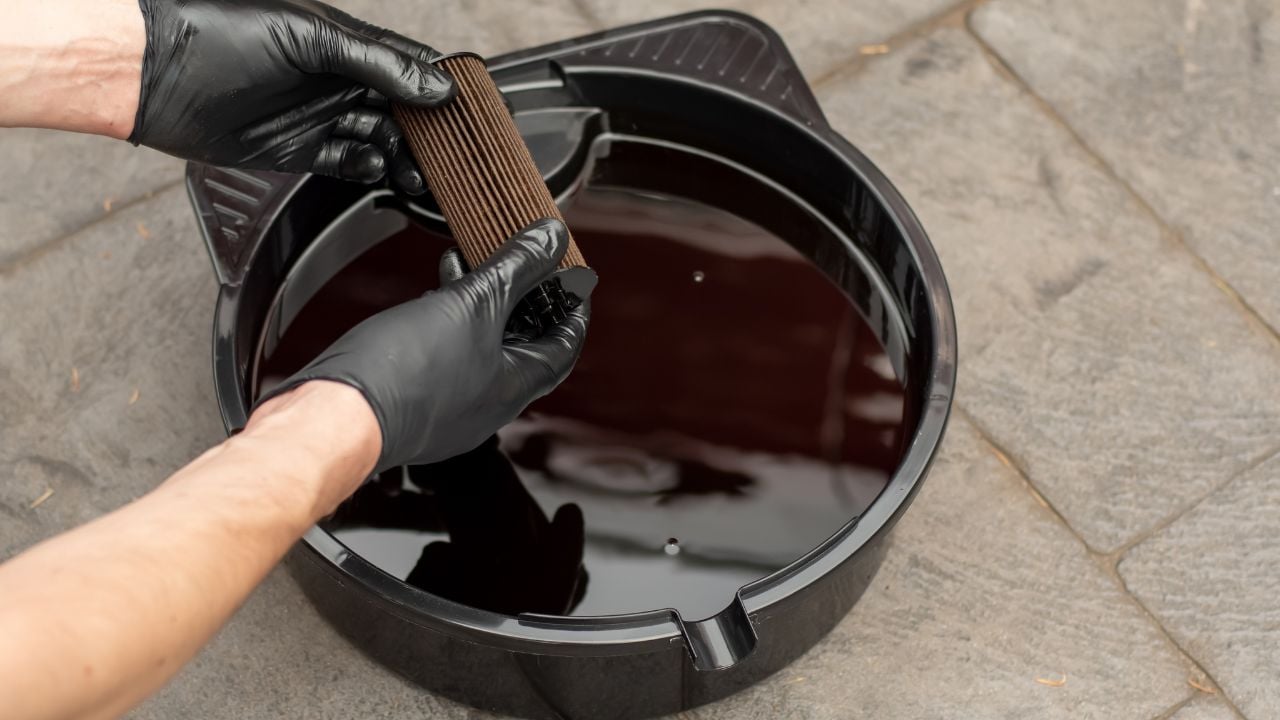
MYTH: Dark oil always means it needs changing.
I know what you’re thinking….”What?” Yes, oil will almost always darken as it does its job, picking up carbon and other combustion byproducts as it circulates through the engine. That change in color isn’t a sign it’s gone bad, it’s proof it’s working. Modern oils are loaded with detergents that hold those particles in suspension until your next change, keeping them from settling where they could cause harm.
Color alone isn’t a reliable way to judge oil life. Modern cars with oil-life monitors track factors like temperature, driving style, and trip length to give a more accurate service interval. Even without that tech, following the mileage and time guidelines in your owner’s manual is a better approach. Swapping oil just because it looks dark often means throwing out perfectly good fluid and your money along with it.
You Cannot Switch Between Synthetic and Conventional Oil

MYTH: You cannot switch between synthetic and conventional oil.
Some drivers think that once you switch to synthetic oil, you can never go back, or that mixing synthetic and conventional oil will harm the engine. In reality, both types meet the same industry standards for lubrication and can work together without causing damage. In fact, many off-the-shelf “synthetic blends” are exactly that, a mix of synthetic and conventional oil.
The important thing is to stick with the viscosity and specs recommended in your owner’s manual. Synthetic oil does have an edge in extreme heat, cold, or under heavy use, but conventional oil can still handle everyday driving just fine. In most cases, the choice comes down to your budget and driving habits, not some strict “once synthetic, always synthetic” rule.
Thicker Oil Always Protects Better

MYTH: Thicker oil always protects better.
A lot of people figure thicker oil must protect better, but modern engines don’t work that way. Every engine is designed for a specific viscosity, and going too thick can make it sluggish to circulate on cold starts, while going too thin can leave parts unprotected when things heat up.
Today’s engines are built with tight tolerances that depend on a specific grade for proper lubrication, performance, and fuel economy. The right choice is always the one listed in your owner’s manual, adjusted only if your manufacturer recommends it for extreme conditions, or if your car is heavily modified for performance (in which case, talk to your tuner).
If You Do Not Drive Much, You Do Not Need Frequent Changes
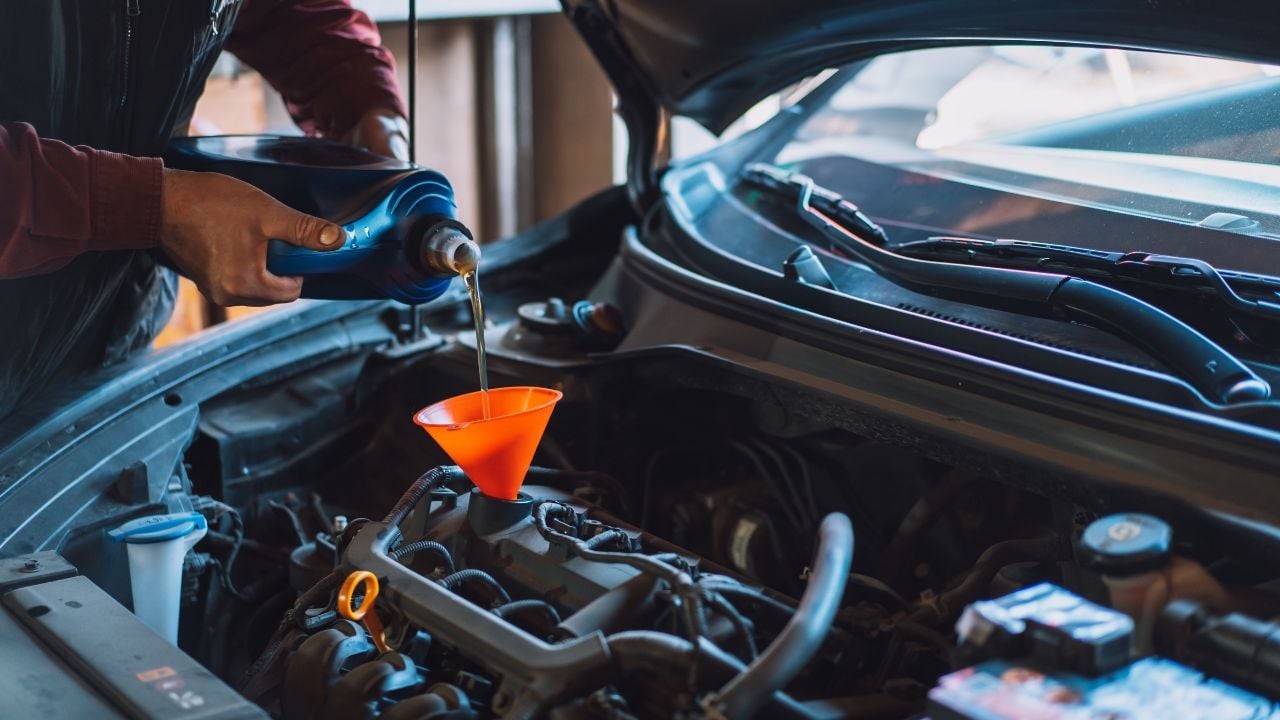
MYTH: If you do not drive much, you do not need frequent changes.
Some drivers think low or no mileage means they can go years without an oil change, but oil breaks down with time just as much as it does with miles. Moisture, temperature swings, and contaminants can build up even if the car mostly sits, leading to corrosion and weaker lubrication when you do start it.
That’s why most manufacturers give a time-based service interval, often once or twice a year, no matter the mileage. In fact, cars driven only occasionally can be harder on oil, since short trips don’t get the engine hot enough to burn off moisture and fuel residue. Regular changes keep your oil fresh and your engine protected, whether you rack up miles or not.
Changing Oil Yourself Always Saves Money

MYTH: Changing oil yourself always saves money.
It used to be true that changing your own oil almost always saved money, but these days the gap isn’t as wide as many think. By the time you buy quality oil, the right filter, and pay disposal fees for the old oil, the cost can get close to what a shop charges, especially since shops buy supplies in bulk and often throw in extras like fluid top-offs, tire pressure checks, and belt inspections.
If you already have the setup, it can be satisfying and cost-effective. But for many drivers, the convenience and added services of a professional oil change are worth the small price difference.
New Cars Can Go Years Without an Oil Change

MYTH: New cars can go years without an oil change.
You might think a brand-new car doesn’t need an oil change for ages, but that’s a risky assumption. Yes, modern engines are more efficient, and today’s oils are better than ever, but heat, contaminants, and moisture still break oil down over time. Even top-tier synthetic oil has a shelf life. That’s why most new cars still recommend changes every 5,000–10,000 miles or every 6–12 months, often guided by built-in oil life monitoring systems.
Skipping service just because your car feels “like new” can invite sludge, varnish, and wear that chip away at performance. Sticking to the manufacturer’s schedule keeps your engine healthy and your investment protected. It’s still one of the easiest, cheapest ways to make sure your car stays strong for years to come.
The Oil Filter Does Not Need to Be Changed Every Time
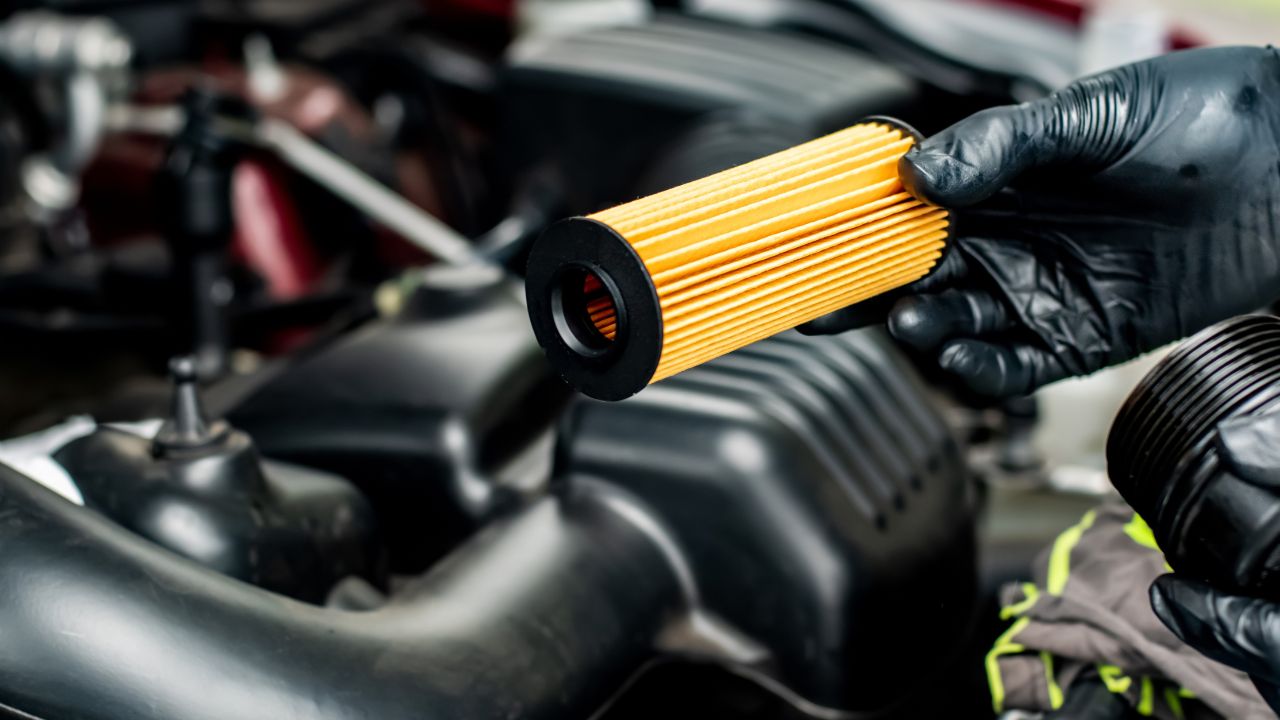
MYTH: The oil filter doesn’t need to be changed every time.
Some drivers try to stretch the life of an oil filter through multiple oil changes, but that’s cutting corners in the wrong place. The filter’s job is to catch dirt, metal shavings, and other contaminants so they don’t keep circulating through the engine. Once it’s full, it can’t trap any more, and at that point, dirty oil just bypasses it and heads right back into the system.
Skipping a new filter after adding fresh oil is like cleaning your house but leaving the vacuum bag full, you’ve done most of the work, but the results aren’t what they should be. Filters are cheap insurance compared to the price of oil or an engine repair. If you’re changing the oil, change the filter too, and give your engine clean lubrication from the very first mile.
Topping Off Oil is the Same as Changing It
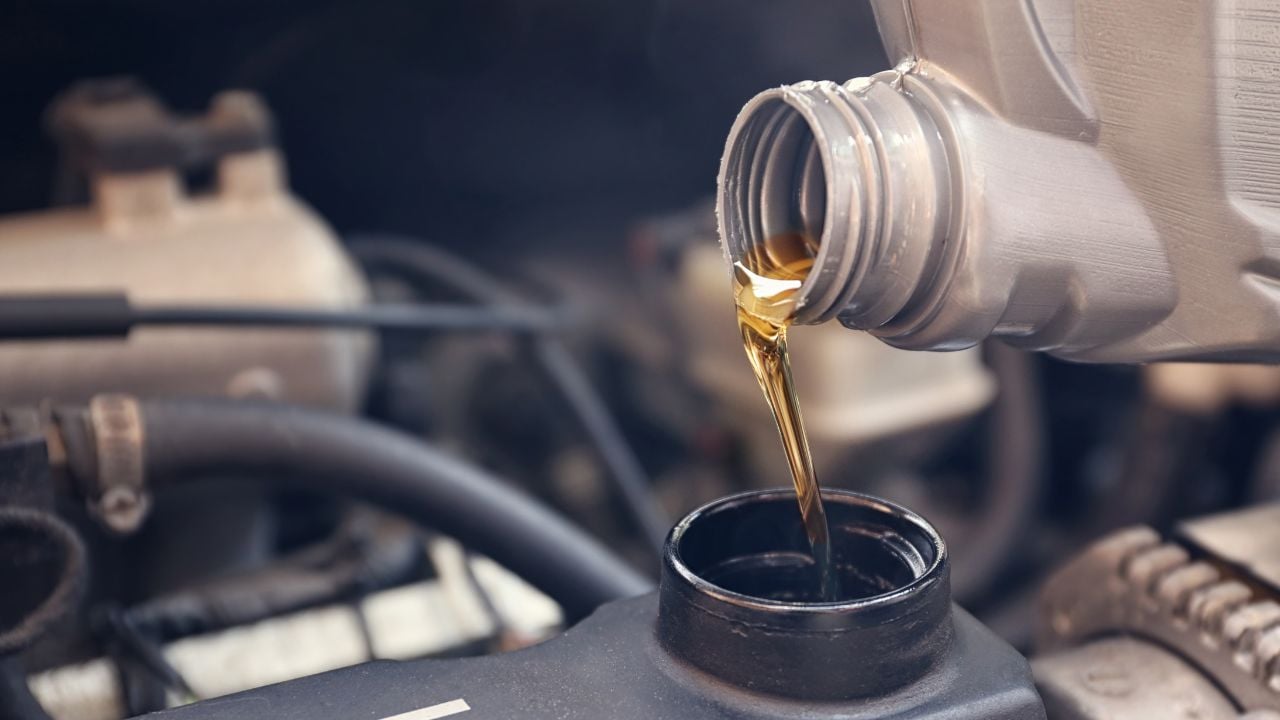
MYTH: Topping off oil is the same as changing it.
Topping off oil when it’s low will keep your engine running at the right level, but it doesn’t fix what’s really going on inside. The old oil in the system still carries dirt, fuel residue, and moisture, and adding fresh oil only mixes with that used fluid, it doesn’t replace it. You might get a small boost in lubrication for the moment, but the contaminants are still there doing their slow damage.
An oil change, on the other hand, drains everything out so the engine gets a full dose of clean oil with fresh additives ready to protect. Topping off should be treated as a short-term fix, not a substitute for proper maintenance. It’s like adding clean water to a muddy glass, it might look a little better, but it’s nowhere near clean.
All Oils Are the Same

MYTH: All oils are the same.
If you’re a car enthusiast, you’ve got a favorite brand of engine oil, and you’ll defend it like it’s part of your family crest. Viscosity, additive packages, and base stocks all affect how well oil protects your engine, and the wrong blend might lack the detergents, anti-wear agents, or temperature stability your car actually needs.
Manufacturers spend years testing and approving specific oils for their engines to guarantee proper lubrication, fuel efficiency, and emissions control.
If Oil Looks Clean, It is Still Good

MYTH: If oil looks clean, it is still good.
A freshly changed oil will look amber and clear, but appearances can be deceiving. Oil can lose its protective properties long before it looks dirty to the eye. Heat, moisture, and chemical breakdown gradually weaken its ability to lubricate, regardless of color. Additives that prevent wear, clean internal parts, and control temperature diminish over time.
This means oil can appear fine but still fail to protect the engine as it should. Trusting looks instead of service intervals risks running oil past its useful life. Following the mileage or time guideline from the manufacturer is the safest way to know when it is due. A well-timed oil change is an investment in performance and longevity, and relying on appearance alone can lead to missed maintenance at the worst possible time.
The Truth Keeps Your Engine Strong
Oil change myths may sound convincing, but the facts tell a very different story. Modern engines and oils are designed with precision, and maintenance should follow informed guidelines rather than outdated traditions. By letting go of these misconceptions, you protect your car, your wallet, and your peace of mind. The beauty of knowing the truth is that it makes every maintenance decision simpler.
Every myth debunked here was once common advice or genuine belief, yet time and technology have left it behind. Drivers who adapt to current information enjoy better performance, longer engine life, and fewer surprises. Oil changes are one of the most affordable and effective ways to maintain a vehicle, and doing them right ensures that the benefit is fully realized. Think of your engine as a partner in every trip. Give it what it needs, when it needs it, and it will repay you in reliability. Facts replace fear, clarity replaces confusion, and your car stays ready for the road ahead.