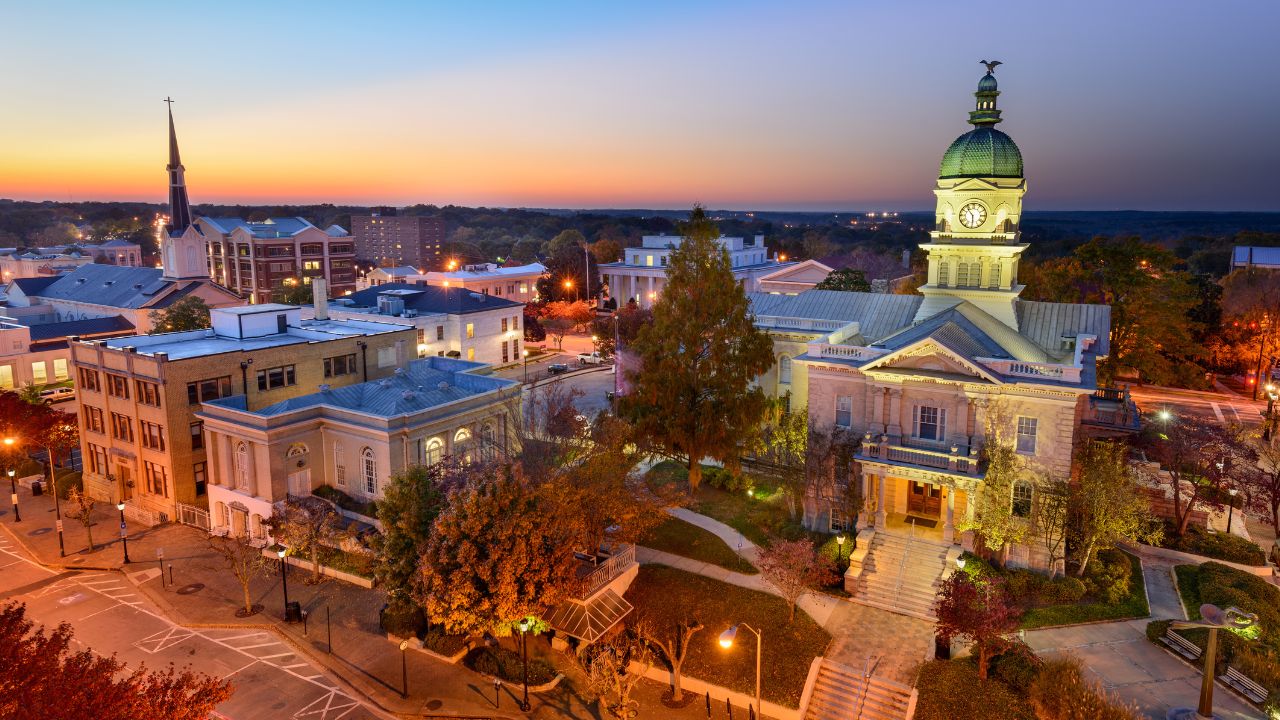

There’s something therapeutic about cruising through the South with your windows down and nowhere urgent to be. Sure, your GPS is probably screaming at you to stay on the interstate for maximum efficiency, but where’s the fun in that? The real magic happens when you take those exits marked “Historic Downtown” and discover towns that make you want to park your ride and actually walk around.
While major cities get all the press (and traffic jams), it’s these smaller towns that often provide the best stories. We’re talking about places where classic cars still outnumber crossovers at the local diner, where main streets were built wide enough for a proper burnout (not that we’re suggesting anything), and where the local mechanic actually knows how to work on something older than a smartphone.
In these towns, life moves at the speed of a Sunday cruise. People still wave — even if they can’t identify your make and model from a distance — and the local coffee shop serves more than just overpriced lattes. History isn’t locked behind museum glass; it’s parked right there on the street corner in the form of someone’s pristine ’67 Mustang or daily-driven ’85 pickup that somehow still runs.
Some towns are famous for their food (perfect for post-drive refueling), others for their history, and a few for car shows that’ll make you wish you’d brought the weekend warrior instead of the daily driver. We believe the real soul of the South reveals itself in these smaller places, where a good car story is currency and parking is actually free.
How We Chose These Towns: Our Road-Tested Approach
We’ve put serious miles on our odometers exploring the South, but for this list, we combined our own road-tested experience with recommendations from fellow enthusiasts, classic car clubs, and locals who know which roads are worth the detour. We prioritized towns that offer something special: great driving roads to get there, decent parking when you arrive, and enough character to make the fuel costs worthwhile.
We looked for towns that welcome visitors without trying to separate them from their wallets at every turn, and places where you’re more likely to find a genuine conversation about carburetors than a lecture about emissions standards.
Most importantly, we considered the “extended stay factor:” how likely you are to find yourself still there three hours later because you struck up a conversation with someone restoring a ’72 Chevelle in their garage. This left us with 10 distinct towns that all offer something a little different on your road trip. These aren’t just dots on your route; they’re the kind of stops that make road trips memorable.
Beaufort, South Carolina
Population: 13,607 | Founded: 1711 | Distance from I-95: 25 miles
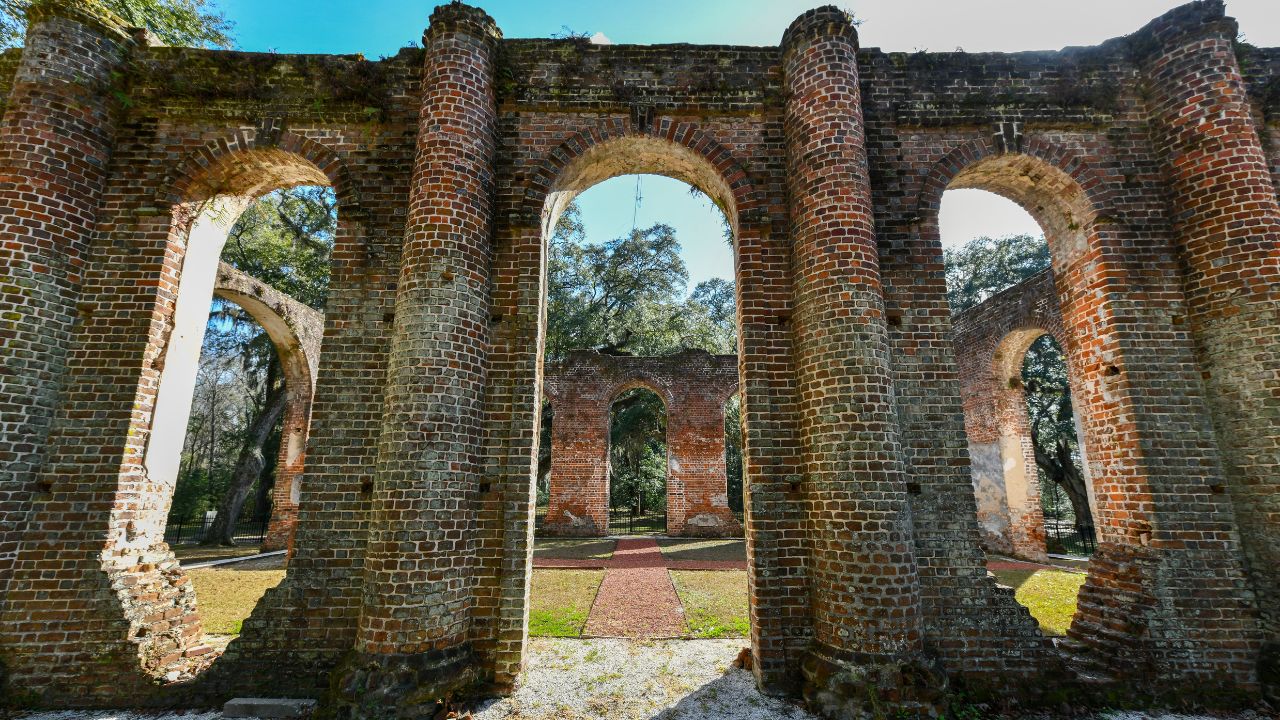
Beaufort doesn’t just look like a movie set — it actually has been one. This Lowcountry gem served as the backdrop for Forrest Gump, The Great Santini, and about a dozen other films that needed “quintessential Southern charm” on demand. Beyond Hollywood’s stamp of approval, Beaufort offers something many coastal towns have lost: authenticity that doesn’t feel manufactured.
The drive in on US-21 gives you plenty of time to appreciate Spanish moss-draped oak trees that predate your great-grandfather’s Model T. Downtown Bay Street features wide parking spaces (remember those?) and buildings that were constructed when craftsmanship actually meant something. The Henry C. Chambers Waterfront Park provides waterfront views without the tourist trap pricing, and the local restaurants serve shrimp that were swimming yesterday, not last month in a freezer truck.
The annual Beaufort International Film Festival draws vintage car owners who use the weekend as an excuse to trailer their babies down for photos against those iconic oak trees. Also, the relatively traffic-free downtown makes it one of the few places where you can actually enjoy driving a low-slung sports car without scraping on every speed bump or pothole.
Oxford, Mississippi

Population: 25,416 | Founded: 1837 | Distance from I-55: 45 miles
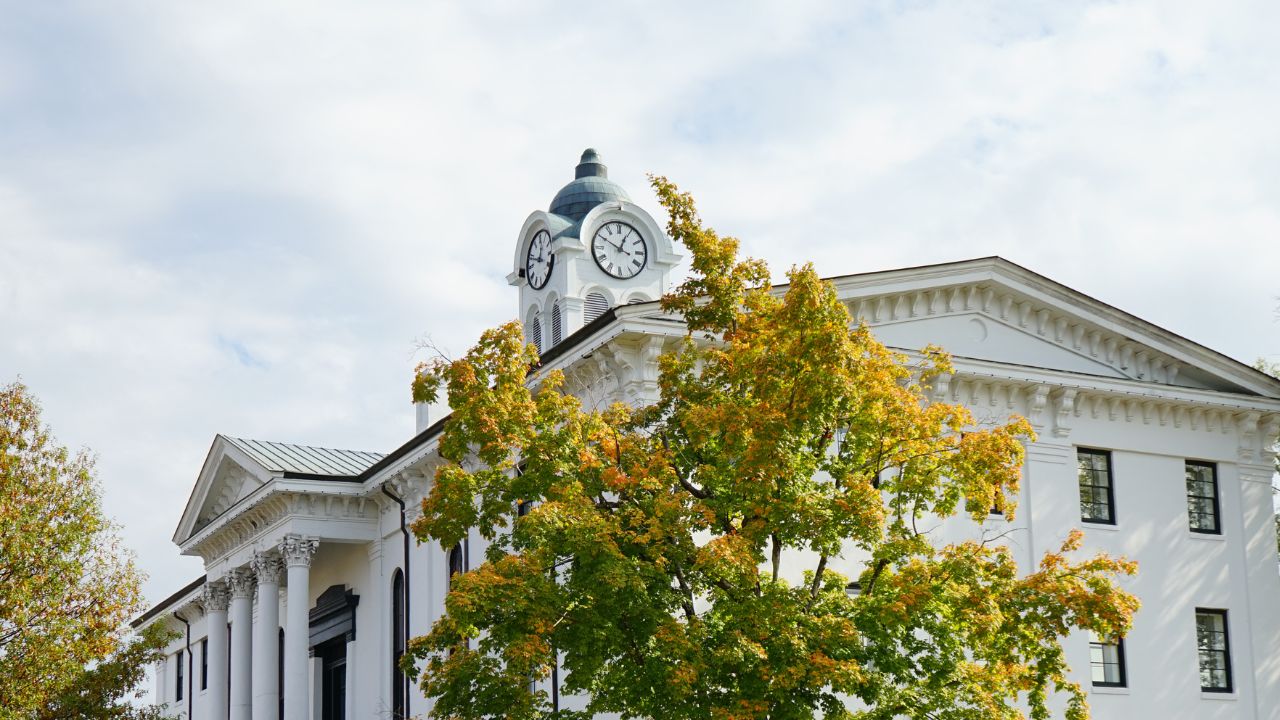
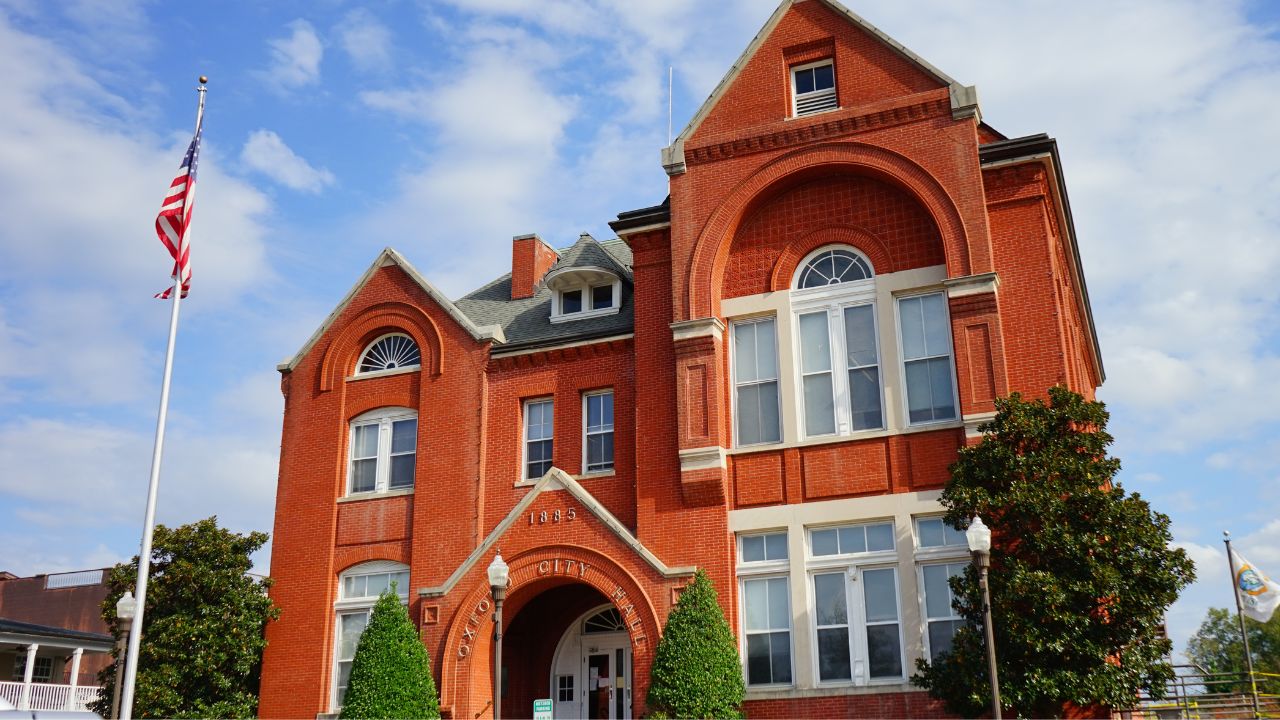
Home to the University of Mississippi and the ghost of William Faulkner, Oxford manages to be both intellectual and welcoming: a rare combination anywhere, but especially rare in a college town. The historic Square downtown has been carefully preserved, which means actual character instead of the usual chain store wasteland.
The drive to Oxford on Highway 6 features rolling hills and curves that’ll remind you why you bought that car with the sport suspension. Once you’re there, parking around the Square can be competitive during football season (Ole Miss fans are serious about their Rebels), but the people-watching is worth the hunt for a spot. Local restaurants blend Southern tradition with college town innovation, which means you can get both excellent barbecue and decent coffee.
Oxford hosts several classic car shows throughout the year, and the University’s automotive program means there’s always someone around who can discuss the finer points of engine rebuilds. Plus, Faulkner was reportedly a terrible driver himself, so you’re in good literary company if you’ve ever backed into a mailbox.
Visit during football season if you want to see the full parade of pickup trucks, tailgating rigs, and the occasional Ferrari whose owner clearly hasn’t learned about gravel parking lots yet.
Eureka Springs, Arkansas

Population: 2,166 | Founded: 1879 | Distance from I-40: 50 miles
If Eureka Springs looks like someone built a town specifically for motorcycle commercials, that’s because the Ozark Mountains provide some of the best driving roads in the region. This Victorian village tumbles down hillsides in a way that seems to defy both gravity and city planning, creating a maze of narrow streets that reward drivers who know the difference between a corner and a turn.
Originally founded around natural springs that supposedly had healing properties (the 19th-century version of energy drinks), Eureka Springs has reinvented itself as an arts town without losing its small-town charm. The entire downtown is listed on the National Register of Historic Places, which means the architecture is protected but, thankfully, not the parking rates.
The roads leading to Eureka Springs through the Ozarks are genuinely spectacular: the kind of twisty, well-maintained asphalt that makes you glad you opted for the manual transmission. The town hosts multiple motorcycle rallies, but don’t let that intimidate you; four-wheeled vehicles are equally welcome.
Just remember, those Victorian-era streets within the town itself were designed for horses, not F-150s. If you’re driving anything wider than a Suburban, you might want to park on the outskirts and walk in. Consider it a character-building exercise.
Abingdon, Virginia
Population: 8,376 | Founded: 1778 | Distance from I-81: 10 miles
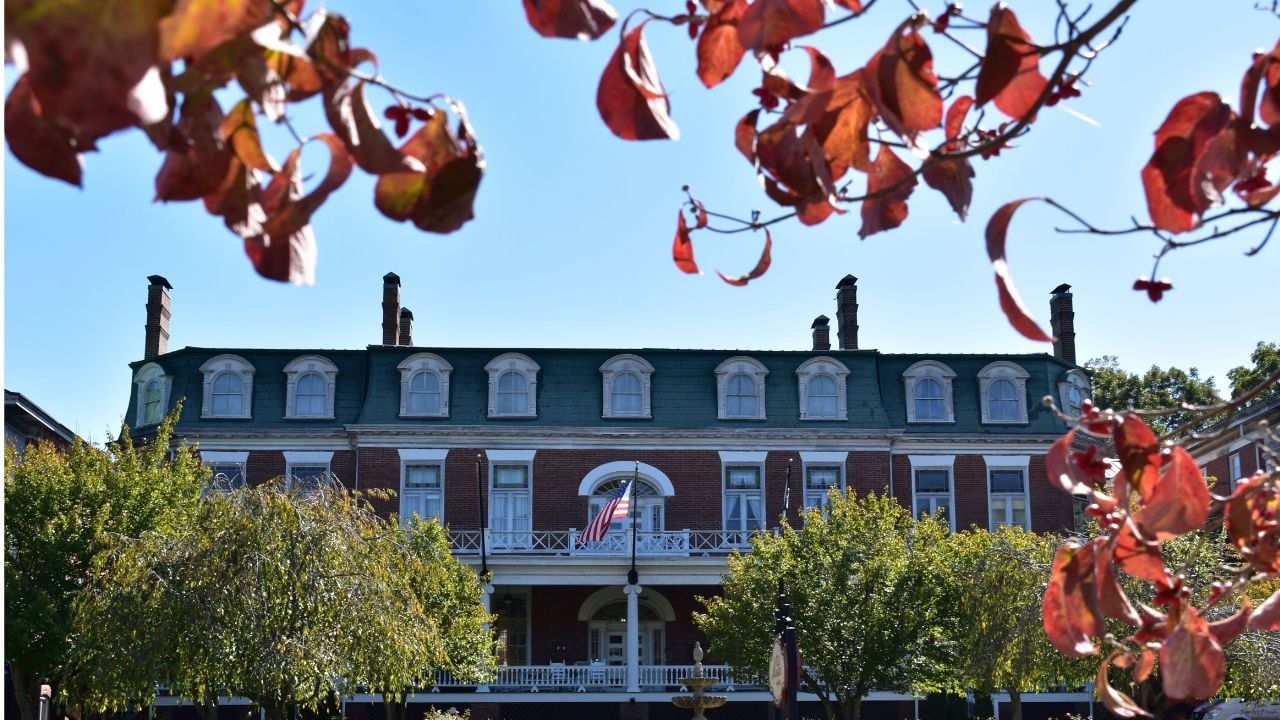
Abingdon punches well above its weight in the culture department. The Barter Theatre, known as the “State Theatre of Virginia,” launched careers, including Gregory Peck’s, back when actors had to actually project their voices instead of relying on digital enhancement. Theater isn’t the only draw; Abingdon sits at the head of the Virginia Creeper Trail, a 34-mile converted railroad track that’s perfect for cyclists, hikers, and anyone who wants to see beautiful scenery without burning fossil fuels (we won’t judge).
Downtown Abingdon features brick sidewalks, restored 18th and 19th-century buildings, and restaurants that source ingredients from local farms instead of distant warehouses. The town has managed to preserve its historic character while adapting to modern needs; a balance that many places talk about but few achieve.
The drive through Southwest Virginia to reach Abingdon includes some genuinely challenging mountain roads that’ll test your cooling system and your cornering skills. The town’s Main Street is wide enough for comfortable parallel parking, and local law enforcement seems more focused on actual crime than minor traffic violations.
The Virginia Creeper Trail follows an old railroad grade, which means gentle curves and scenic bridges. If you’ve got a classic car that doesn’t appreciate steep grades, this area offers beautiful drives without punishing your transmission.
Natchez, Mississippi
Population: 14,520 | Founded: 1716 | Distance from I-55: 85 miles
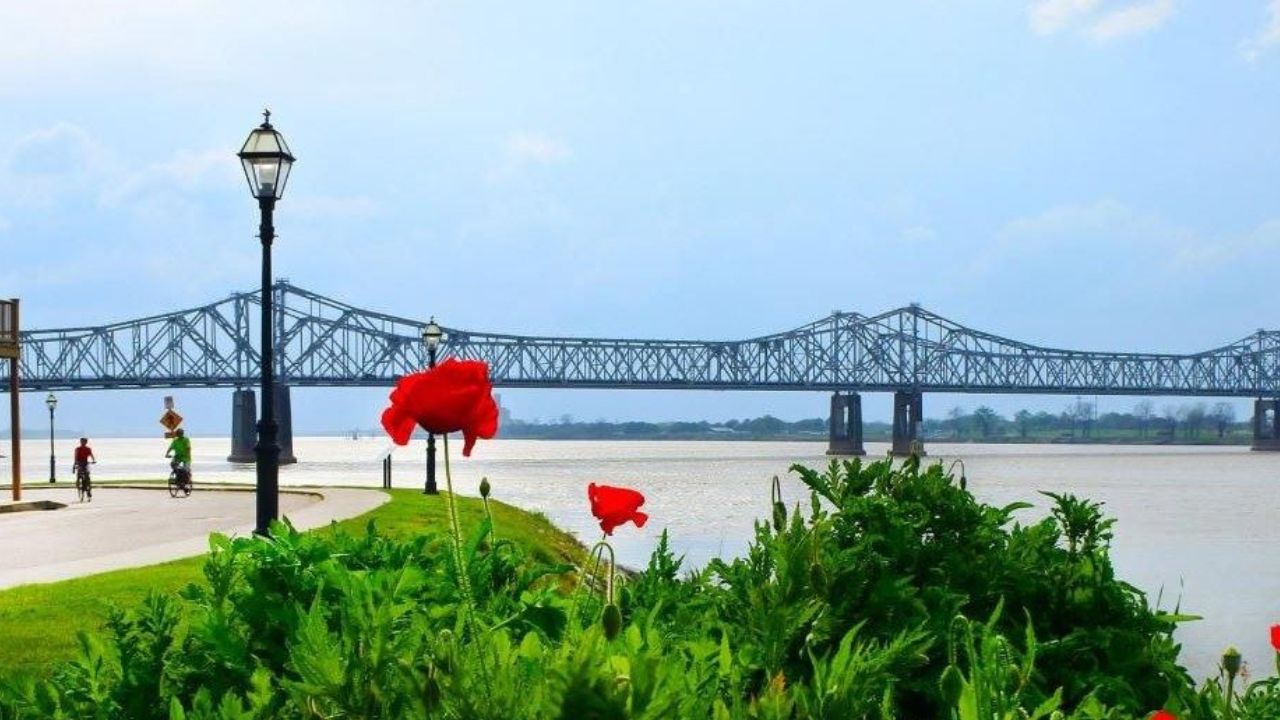
Perched on bluffs overlooking the Mississippi River, Natchez has the kind of dramatic setting that makes you want to pull over just to take photos. This is one of the oldest settlements on the Mississippi River, and unlike many historic towns that feel frozen in amber, Natchez has maintained a living connection to its past.
The antebellum mansions are genuinely impressive: the kind of architecture they simply don’t build anymore, partly because of cost and partly because modern contractors would probably charge extra just to figure out how to install central air in a house designed around natural ventilation. The Natchez Trace Parkway, a 444-mile scenic route, begins (or ends) here, offering some of the most pristine driving experiences in the country.
The Natchez Trace Parkway is a driver’s dream: no commercial traffic, no billboards, posted speed limits that acknowledge you’re not actually driving a horse and buggy. The road surface is maintained to federal standards, which means it’s smoother than most interstates. Plus, it’s patrolled by federal officers who seem more interested in helping lost tourists than writing tickets for minor infractions.
Natchez was once the western terminus of the Natchez Trace, a 500-mile trail used by everyone from postal riders to bandits. Today, it’s the kind of place where you can drive a modern car on roads that follow routes used by travelers for centuries.
Franklin, Tennessee
Population: 83,454 | Founded: 1799 | Distance from I-65: 2 miles
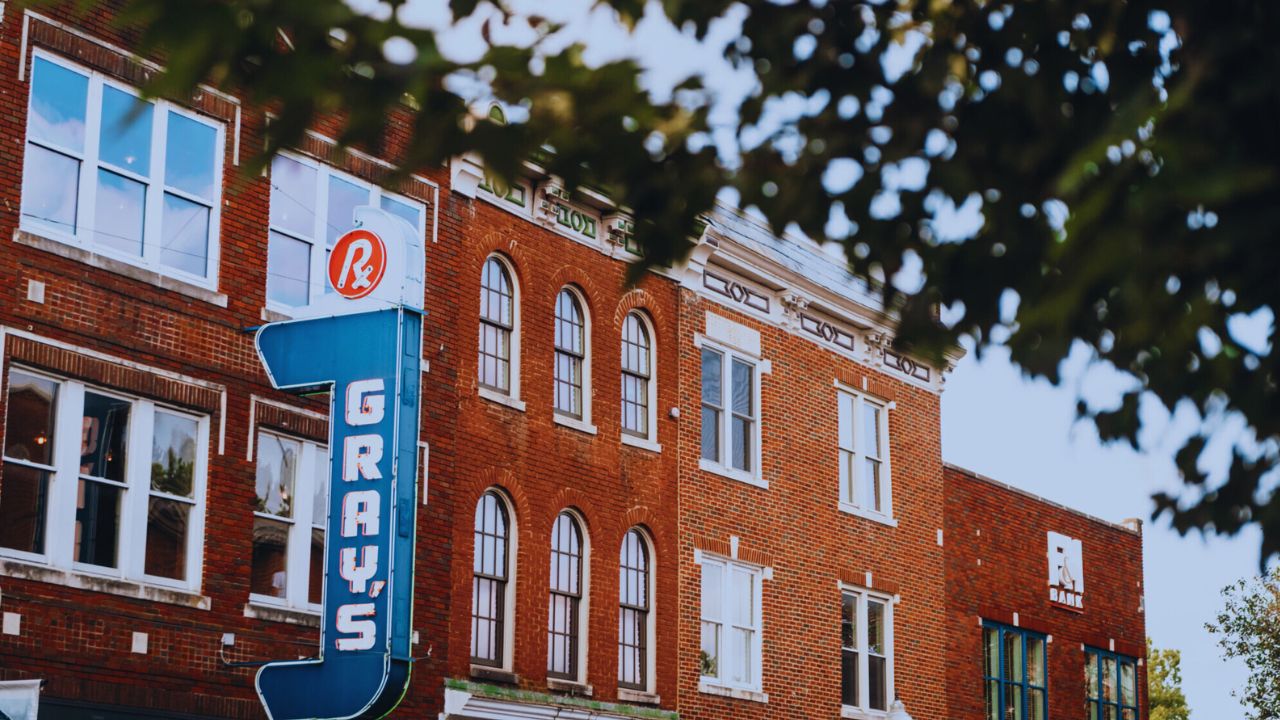
Just 20 miles south of Nashville, Franklin offers all the charm of a small town with the convenience of being close to a major city, and its airport, should you need to fly somewhere that doesn’t appreciate your driving habits. The downtown area looks like a movie set for “Small Town America,” except it’s the real deal, with brick sidewalks, restored Victorian buildings, and local businesses that have survived the chain store invasion.
Civil War history runs deep here, with several well-preserved battlefield sites that provide sobering reminders of the area’s past. The Carter House and Carnton Plantation offer guided tours that focus on historical accuracy rather than romanticized mythology — a refreshing approach in a region where history is sometimes more wishful thinking than fact.
Franklin hosts several classic car shows throughout the year, and its proximity to Nashville means you’ll see everything from pristine restorations to daily drivers that have clearly been loved for decades. The downtown area offers ample parking, and the local police seem more interested in directing traffic during festivals than writing citations for cars that are actually older than the officers driving the patrol cars.
Music Connection: Nashville’s influence means Franklin attracts musicians, including those who appreciate cars that match their guitars: vintage, well-maintained, and with stories to tell.
St. Francisville, Louisiana
Population: 1,545 | Founded: 1809 | Distance from I-10: 30 miles
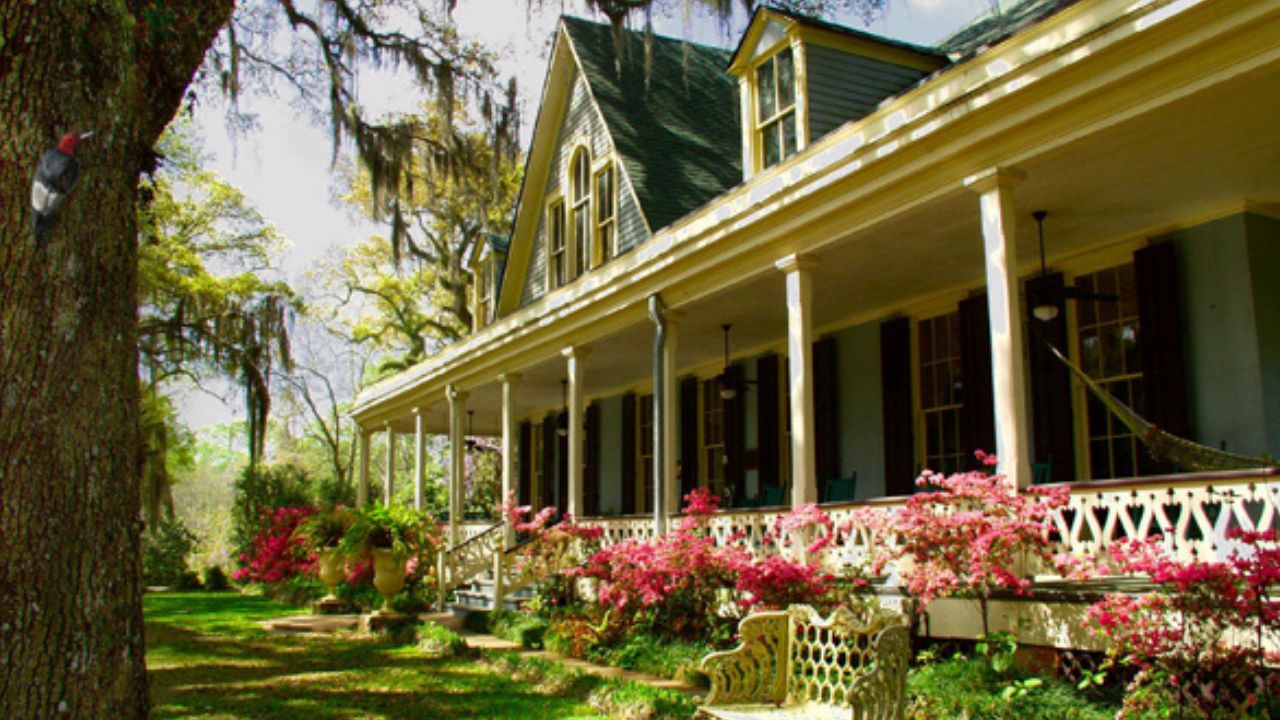
St. Francisville sits on bluffs above the Mississippi River, providing views that remind you why people settled here long before air conditioning made the rest of Louisiana bearable. Known for its plantation homes and moss-draped oaks, this town offers a Southern atmosphere without the theme park feel that plagues some historic destinations.
The local cuisine represents genuine Cajun and Creole traditions: food that developed from necessity and tradition rather than marketing surveys. You can tour historic plantations that provide honest assessments of the region’s complex past, or simply enjoy the river views while contemplating how different travel was when the fastest way to get anywhere was by steamboat.
Car Guy Bonus: The roads through Louisiana’s Tunica Hills to reach St. Francisville offer some surprisingly challenging curves and elevation changes in a state that’s famously flat. The town’s annual Audubon Pilgrimage includes a classic car show that draws owners from across the region; serious enthusiasts who trailer their cars hundreds of miles for the chance to show them off in this spectacular setting.
Practical Note: Louisiana roads can be rough on low-riding vehicles, but the routes to St. Francisville are generally well-maintained. Just don’t expect German autobahn smoothness; think of it as character-building for both you and your suspension.
Blue Ridge, Georgia
Population: 1,378 | Founded: 1886 | Distance from I-75: 45 miles
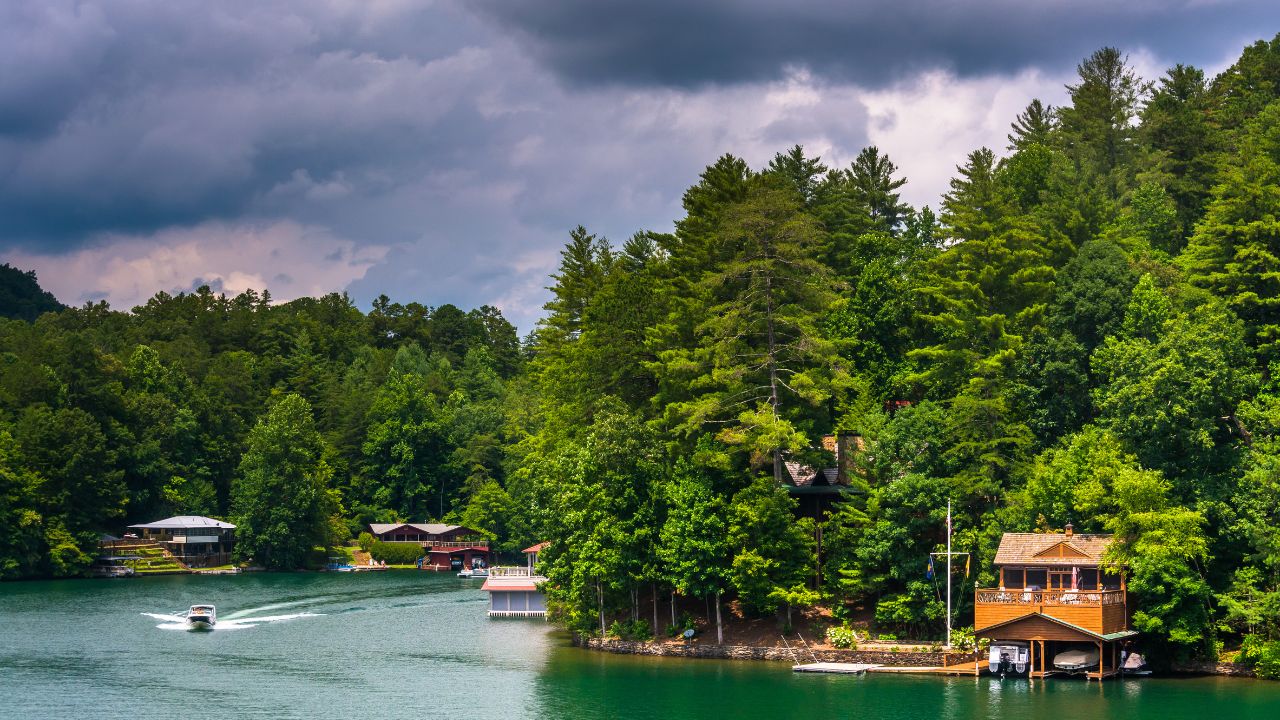
Blue Ridge sits in the North Georgia mountains at 1,739 feet elevation, which means your naturally aspirated engine will lose about 5% of its power, but the scenery more than compensates. This small town has become a destination for outdoor enthusiasts without losing its mountain community character.
The Blue Ridge Scenic Railway offers rides through the Chattahoochee National Forest aboard vintage trains — a reminder of when long-distance travel required planning, patience, and a strong stomach. Downtown Blue Ridge features local businesses, craft breweries, and restaurants that focus on regional ingredients rather than corporate consistency.
The drive to Blue Ridge includes some of Georgia’s best mountain roads, with elevation changes and curves that’ll remind you why you chose the car with the sport package. The town hosts several classic car gatherings, and the cooler mountain air means summer driving is actually pleasant instead of an endurance test for your air conditioning.
Mountain driving means your engine works harder on climbs and your brakes work harder on descents. Make sure your cooling system is up to the challenge, and remember that engine braking is your friend on long downhill sections.
Laurel, Mississippi
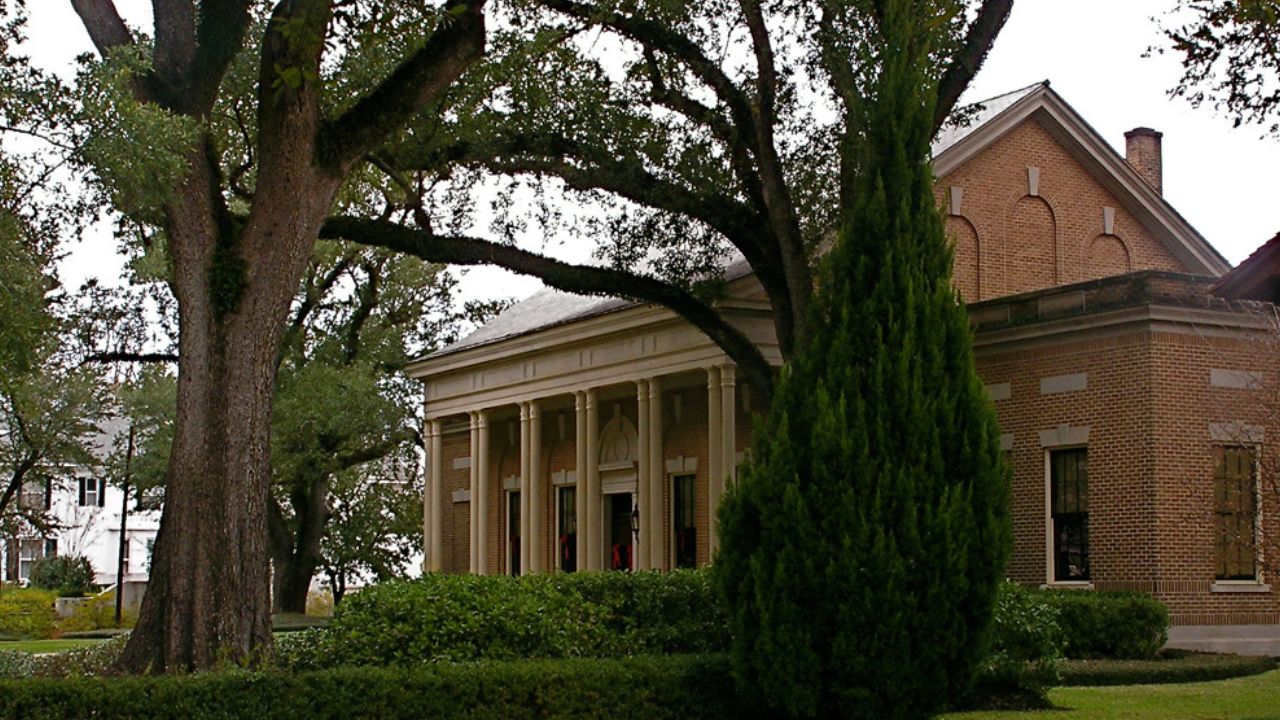
Population: 17,161 | Founded: 1882 | Distance from I-59: 8 miles
Thanks to HGTV’s Home Town, Laurel has gained national attention for its downtown revitalization: proof that small Southern towns can reinvent themselves without selling their souls to chain stores and strip malls. The restored downtown features local businesses, art galleries, and restaurants housed in early 20th-century buildings that were built to last.
The Lauren Rogers Museum of Art, opened in 1923, houses an impressive collection in a building that represents the kind of civic investment that built strong communities. Local murals and public art projects show a commitment to culture that goes beyond tourist attractions.
Laurel’s downtown renovation includes modern infrastructure that can actually handle today’s vehicles: wider parking spaces, smooth pavement, and traffic flow that doesn’t assume everyone is driving a Model T. The town hosts classic car shows that draw serious collectors, and the local enthusiasm for restoration projects extends beyond houses to include vehicles.
Yes, the show has increased tourism, but Laurel’s charm existed long before television discovered it. The locals are genuinely welcoming, probably because they’re proud of what they’ve accomplished rather than defensive about outside attention.
Fairhope, Alabama

Population: 23,253 | Founded: 1894 | Distance from I-10: 15 miles
Located on the eastern shore of Mobile Bay, Fairhope offers small-town charm with big-town amenities, and waterfront views that remind you why people fought wars over this coastline. Tree-lined streets lead to a downtown that balances local businesses with enough sophistication to keep visitors interested.
The town’s iconic pier extends into Mobile Bay, providing sunset views that are genuinely spectacular rather than just Instagram-worthy. Local festivals and farmers’ markets create community events that feel organic rather than manufactured for tourist consumption.
Fairhope’s flat terrain and well-maintained roads make it perfect for low-riding sports cars or classic vehicles that don’t appreciate rough pavement. The town hosts several car shows throughout the year, including events that focus on specific makes or eras: serious gatherings for serious enthusiasts.
Salt air can be tough on vehicles, but Fairhope’s distance from the immediate shoreline means less corrosion risk while still providing bay breezes and water views. Plus, the flat roads are easy on clutches and transmissions.
Why These Stops Matter
Road trips aren’t about reaching your destination as quickly as possible; that’s what airlines are for. These Southern small towns offer something that interstates can’t: the chance to actually enjoy driving, meet people who appreciate a well-maintained vehicle, and experience regions where car culture is still alive and well.
Each town brings its own character, whether it’s Eureka Springs’ mountain roads, Oxford’s literary atmosphere, or Natchez’s river views. These are places where a 20-year-old pickup truck gets the same respect as a pristine restoration, where parking is free, and where a conversation about carburetors won’t result in blank stares.
We’ve learned that the best road trips include time for unplanned discoveries: the classic car show you stumble across, the local mechanic who shares stories about the ’69 Camaro he’s been working on for fifteen years, or the mountain road that makes you understand why someone invented the sports car in the first place.
Next time you’re driving through the South, ignore your GPS’s protests and take a few exits marked “Historic Downtown.” Leave room in your schedule and your fuel budget for discoveries. These towns are worth the detour, not just for what you’ll see, but for the reminder that some places still appreciate the journey as much as the destination.