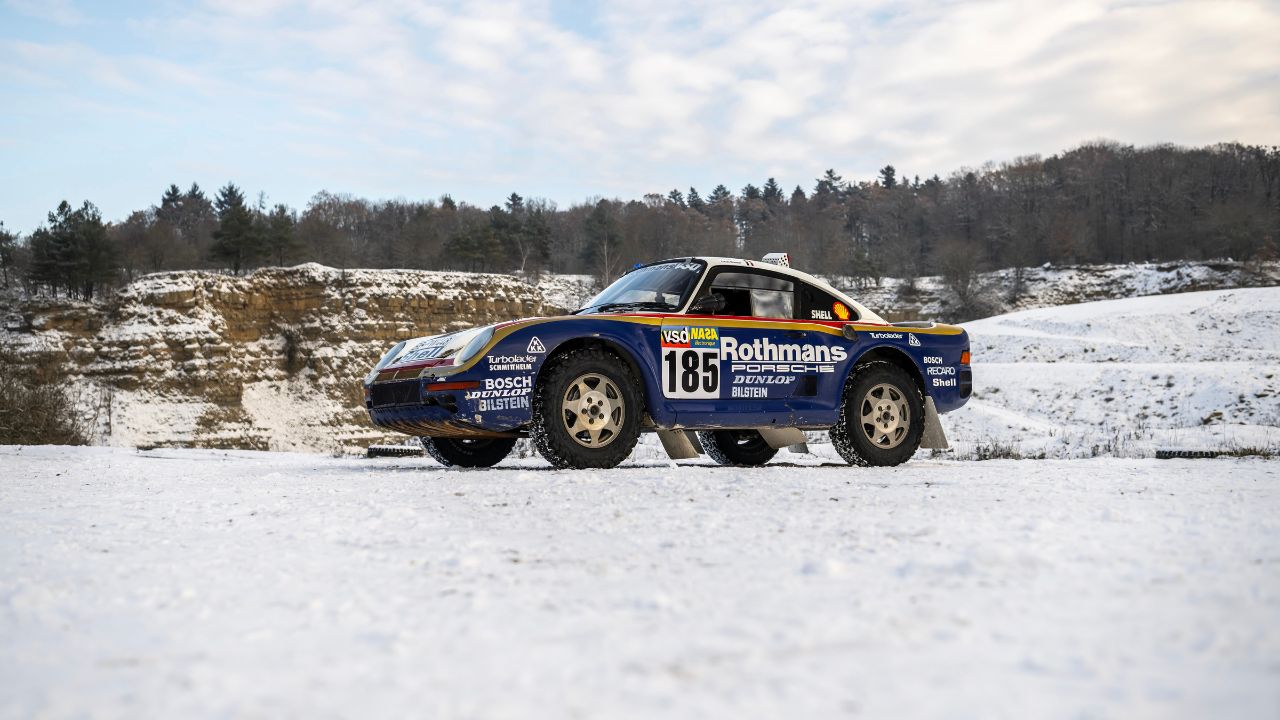
Back in the mid-1980s, a Stuttgart-built sports car left the comfort of smooth asphalt and charged headfirst into the dirt. The Porsche 959 carried the stance of a supercar and the grit of a rally veteran, proving that cutting-edge engineering could live comfortably alongside mud splatter and gravel dust.
The 959 was in its element the moment the pavement ended. This was a car that could blast across gravel, sand, and rock with the same confidence it had on a track day at Spa. It’s still the gold standard for what happens when cutting-edge engineering meets a little bit of madness. What follows is how this machine rewrote the rulebook on going fast, where most exotics wouldn’t even pull off the trailer.
Advanced All-Wheel Drive System

One of the 959’s biggest aces was its adaptive all-wheel drive system that felt like it came from the future. Instead of just shuffling power from front to rear, it actively sent torque where it was needed most, and it did it in real time.
On rally stages, that meant you could carry serious speed into surfaces that would normally have a supercar skating sideways. Cornering felt planted and precise, with the system reading the road and reacting almost instantly. Combine that with 0 to 60 mph times recorded as quick as about 3.6 seconds, and the 959 was setting the pace off the beaten track. Every launch felt like a flex, a way of saying that traction and brute speed could live happily under the same roof.
Suspension Innovation
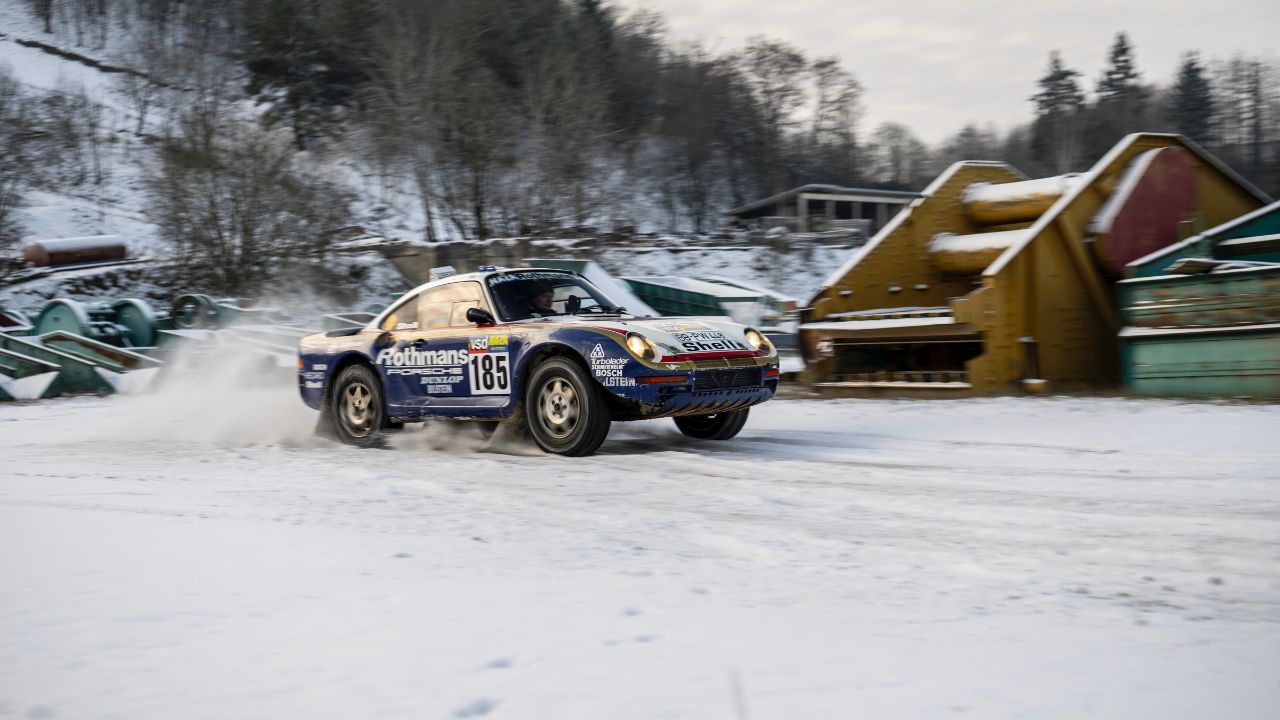
The 959’s suspension setup was just as advanced as its drivetrain. Porsche paired it with a computer-controlled self-leveling suspension featuring adjustable ride height and adjustable damping, giving it the rare ability to balance compliance and precision. Long-travel dampers soaked up jumps and ruts so cleanly that the car could land, settle, and keep charging without breaking stride.
On rally stages, that meant you could hit rough sections at speed and trust the chassis to stay planted. Deep compressions didn’t unsettle it, and rebound was kept in check so the tires stayed glued to the surface. It transitioned from loose, sweeping corners to flat-out straights with the kind of composure you’d expect from a tarmac car, not one ripping through gravel. In a sport where rough ground usually slows you down, the 959’s suspension made it feel like an invitation to go faster.
Aerodynamic Stability in Rugged Conditions

The 959’s shape worked just as hard off-road as it did on the autobahn. The aero package kept the car stable when it crested hills and got light, and it handled crosswinds in open desert stages without twitching. Even at rally speeds on loose surfaces, it sliced through the air cleanly and stayed planted when changing direction.
Low drag and smartly managed downforce meant the tires stayed hooked up, letting drivers carry more speed into corners without second-guessing how the car would react. Mid-range punch never let up, and the bodywork was shaped to reduce drag and improve stability at speed. In a rally setting, that smooth, balanced shape was as much a performance tool as the engine or suspension.
Tire Technology for Mixed Terrain
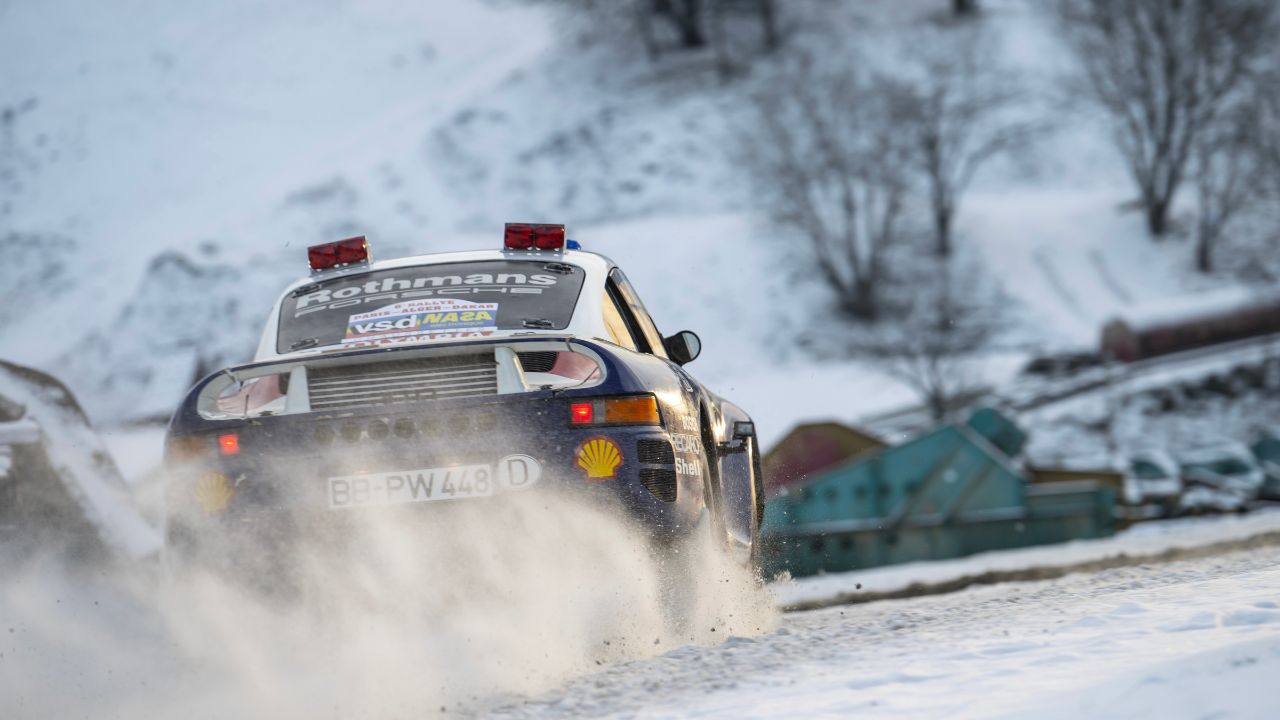
Just as crucial to the driving experience were the tires, and the 959 engineers didn’t skimp out. The tread pattern struck a balance that was aggressive enough to bite into loose dirt but not so blocky that it slowed the car down on faster, harder sections.
The sidewalls had enough give to soak up sharp rocks and deep ruts, yet they kept the steering response quick and precise. On packed surfaces, reduced rolling resistance helped the car fire out of corners with the same urgency it had on dirt. Braking stayed strong, even when the tires were caked in dust, and that meant the 0–60 bursts felt just as fierce no matter what was under the wheels. In rallying, confidence starts where the tires meet the ground, and the 959 never left its drivers guessing.
Rally-Proven Reliability
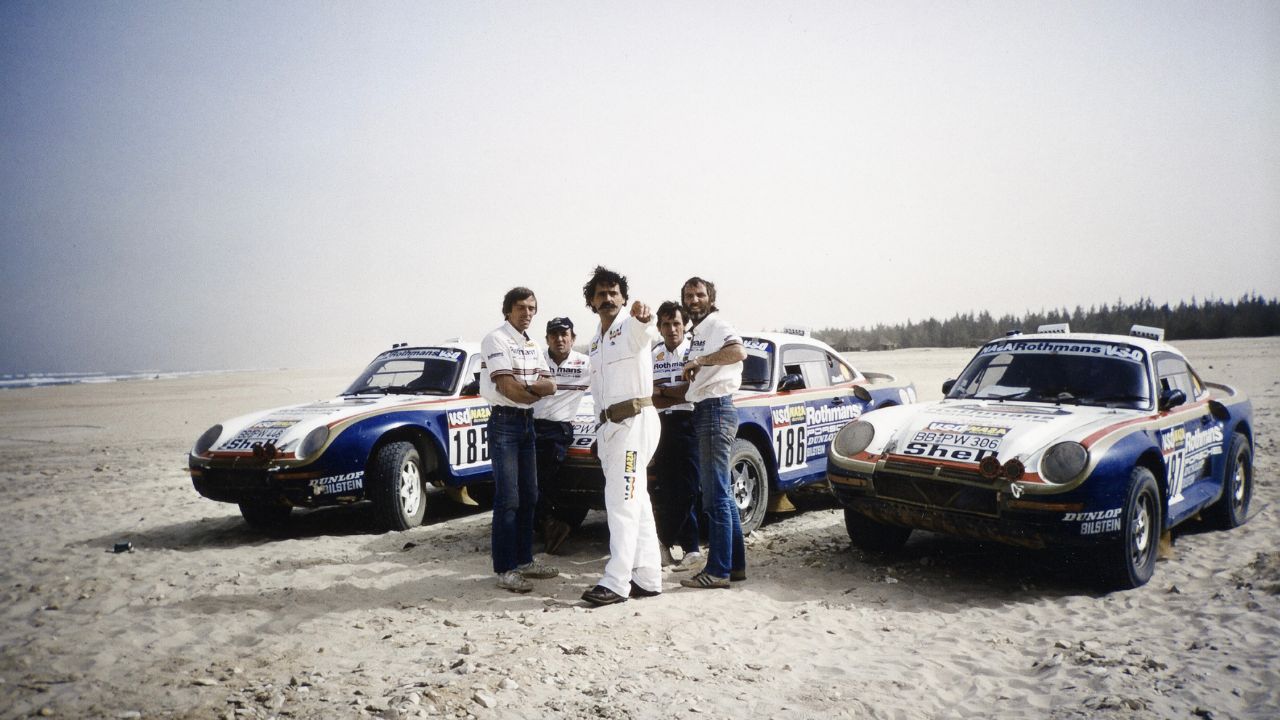
Endurance rallies push cars far beyond anything a standard road test could simulate, yet the 959 seemed to come alive under that kind of strain. It wasn’t just about speed; it was about surviving the worst the course could throw at it. Mile after mile of rocks, sand, and brutal heat tested its transmission, cooling system, and electronics, yet the works cars proved durable enough to finish at the front. Every component felt engineered with a margin for abuse, built to take the next pounding and keep charging forward.
Drivers could push hard from the first mile to the last, knowing the car would still be delivering clean shifts and full power at the end of a stage. In an era when many fast cars struggled to survive a rally’s brutality, the 959 proved you could have speed and stamina in the same package and win with both.
Technology Transfer from Road to Dirt
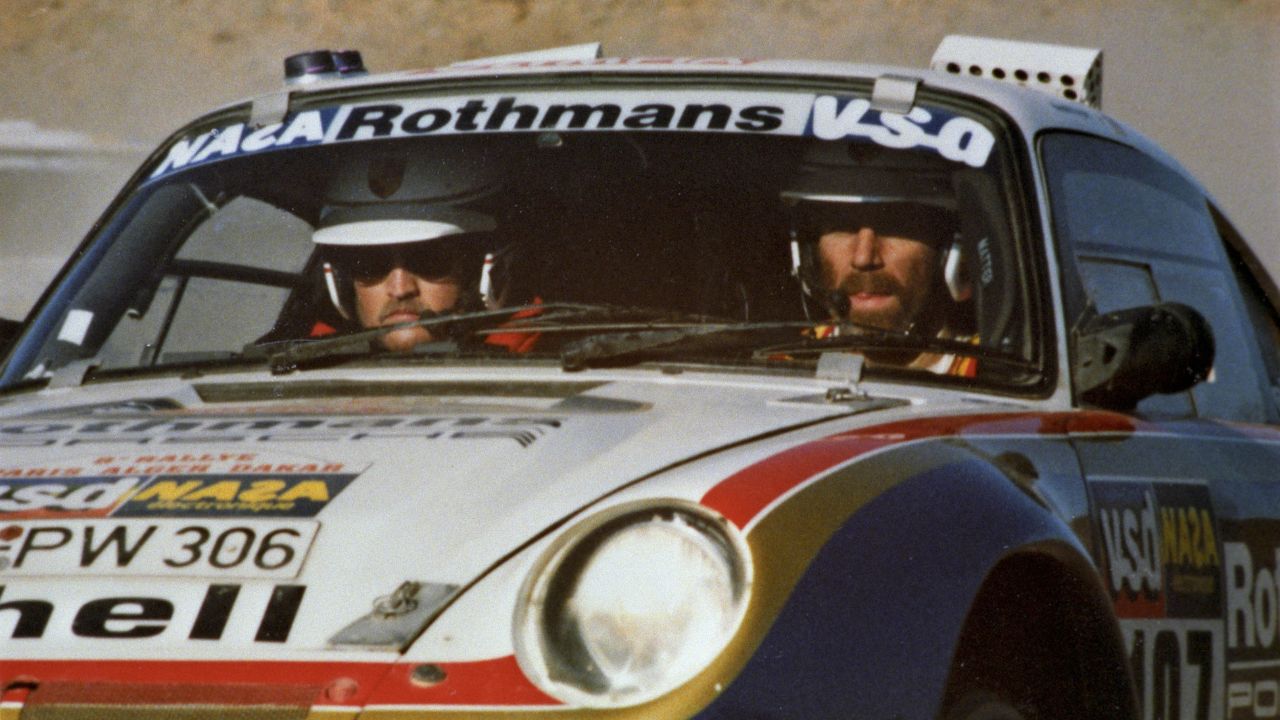
The rally 959 shared much of its cutting-edge technology with the road-going 959 that followed, with electronics that monitored traction and adjusted torque delivery on the fly. Rally drivers got the benefit of systems originally tuned for high-speed grip on pavement, now refined to handle gravel, sand, and mud with equal poise.
The 959’s brain was constantly at work, reading the surface and fine-tuning how power reached each wheel. One moment it was digging into loose gravel, the next it was floating over packed dirt without breaking stride. Steering felt locked in, and the throttle delivered exactly what the driver asked for—no lag, no surprises.
Balanced Weight Distribution
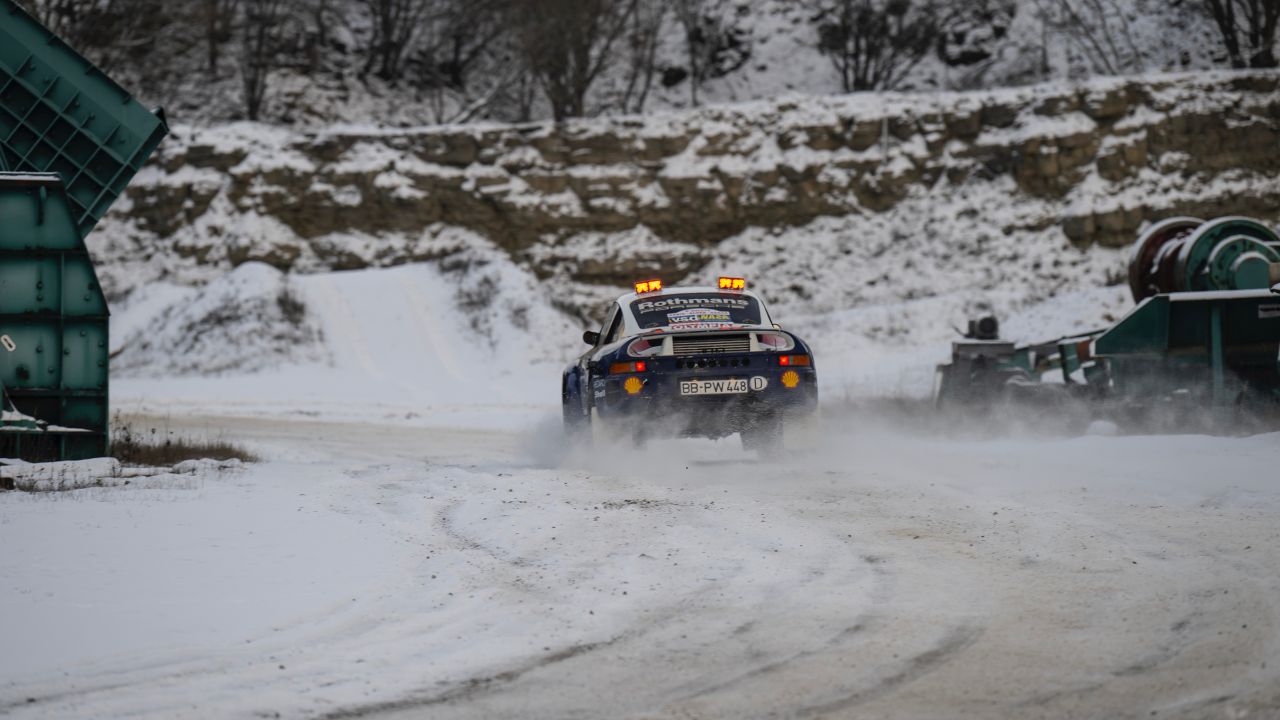
The 959’s weight balance was engineered to work with the terrain, not against it. With a rear-biased layout paired to its all-wheel drive, the car dug in under power and stayed planted under braking. That meant it could change direction fast without feeling twitchy, letting drivers push harder into corners and fire out the other side with grip to spare.
On loose ground, stability is the difference between holding the line and losing the stage, and the 959 had it dialed in. It stayed composed through rapid direction changes, putting power down cleanly without unsettling the car. Acceleration was seamless; no wheelspin tantrums, just forward thrust. With that kind of balance, crests, ruts, and off-camber turns stopped being obstacles and started looking like opportunities to claw back time, giving drivers the confidence to stay flat when it counted.
Dakar Rally Legacy
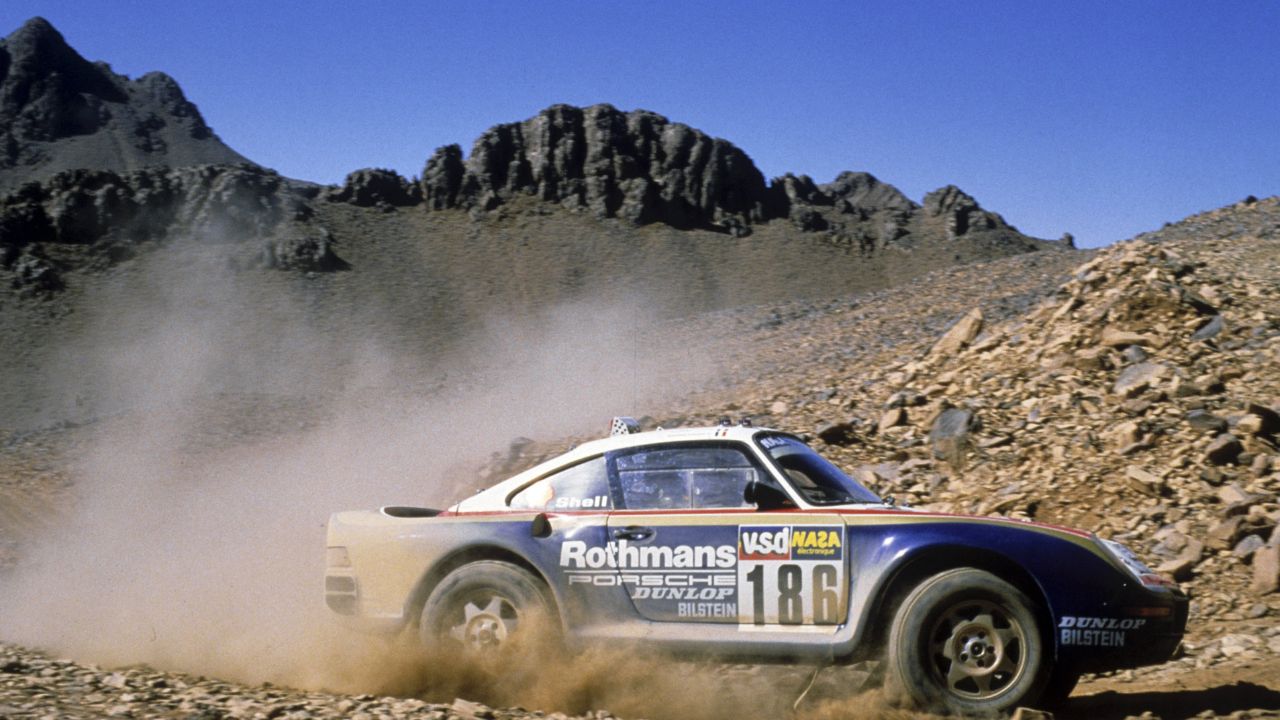
A win at the 1986 Paris-Dakar Rally locked the 959 into off-road legend status, with another 959 finishing second. Few events test a car more brutally, with endless dunes, jagged rock fields, and punishing distances under searing desert heat. The 959 took it all in stride. Its cooling system kept temperatures in check, traction systems clawed through soft sand, and power delivery stayed sharp from the first mile to the last.
Stages swung from wide-open, full-throttle blasts to tight, technical navigation, and the car handled both with the same composure. It could launch up a dune face, crest cleanly, and drop into the next valley without losing pace. Dakar proved the 959 was a genuine off-road contender. That performance still echoes today in every high-performance machine built to venture beyond the blacktop.
Legacy That Still Shapes Off-Road Speed

The Porsche 959 is proof that motorsport boundaries are meant to be pushed. Its rally record remains one of the most striking examples of a supercar stepping far outside its comfort zone and dominating.
Every part of the 959 worked in harmony: advanced tech, well-balanced weight distribution, and rock-solid reliability came together to make it as quick on loose dirt as it was on a smooth straight. Its success earned trophies and shifted the way engineers and fans thought about off-road speed. Even today, elements of its design live on in modern performance cars, a lasting reminder of what happens when innovation meets ambition.