
Off-roading begins where the map ends and where the real fun starts. It’s the challenge of climbing the sandstone slickrock of Moab’s Hell’s Revenge, crawling across the granite slabs of the Rubicon Trail, or carving your own line through a nameless desert wash. Every rut, rock garden, and water crossing delivers a surge of adrenaline, along with the very real possibility of getting stuck. Out here, mud can swallow tires, sand can stall your progress, and a hidden boulder can halt your day if you’re not prepared.
That’s why recovery gear isn’t an afterthought, it’s part of the adventure. The right tools can turn a trip-ending setback into a quick pit stop, putting you back on the trail in minutes. With the right kit in your rig, you can venture deeper into the backcountry without that lingering “what if.” These 12 essentials might be the difference between camping where you planned and camping where your truck decided to stop.
Why Preparedness is the Ultimate Off-Road Skill

Choosing the right recovery gear is about being truly prepared for whatever the trail throws your way. Every tool serves a purpose, whether it’s pulling you from a muddy section of the TransAmerica Trail or helping you get unstuck halfway up a snowy Colorado pass. Without them, an epic day can quickly turn exhausting. The best setups promote self-reliance, so you’re not hoping a stranger with a winch happens to drive by.
Different terrain calls for different solutions. Mud, snow, sand, and loose rock each bring their own challenges, and the right gear helps you handle them with control, not chaos. Quality recovery tools also protect your rig, your passengers, and your equipment while getting you back on the move. Beyond the peace of mind, they’re part of responsible off-roading, empowering you to push farther, explore longer, and tackle obstacles safely. Out here, preparation isn’t just a backup plan. It’s what keeps the adventure alive.
Winch
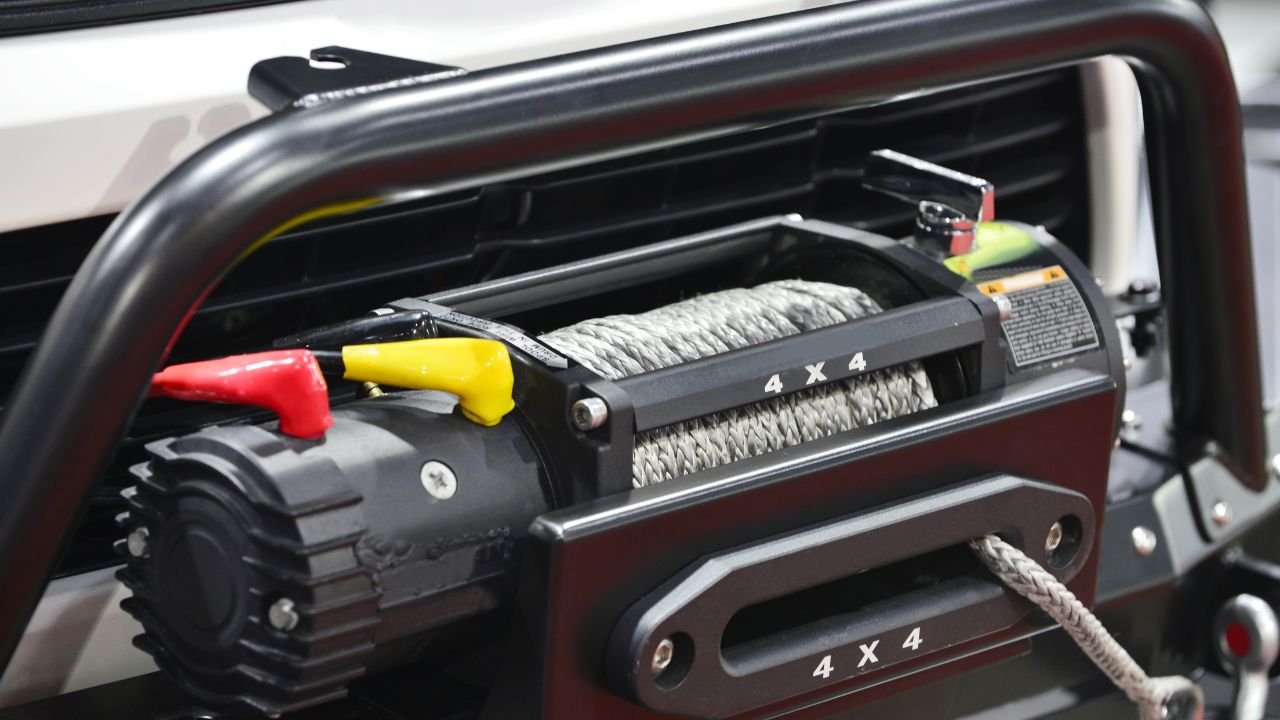
A winch is often the first tool serious off-roaders install on their vehicles, but it’s only one part of the recovery equation. Often mounted to a bumper or winch plate on the front or rear of the vehicle, it uses a powerful motor and steel or synthetic rope to pull a stuck vehicle to safety, offering control and steady force when wheel traction is gone. It can retrieve a rig from deep mud, sand, or snow, but only if you’ve got the rest of the right kit.
If you plan on doing any winching, always carry essential safety gear such as heavy-duty gloves, eye protection, and winch dampers or safety blankets to reduce the risk of injury if a line fails. Your winch also needs something solid to pull against, so make sure you have recovery straps, tree saver straps, and, when anchor points are scarce, a winch anchor or pull pal.
Choosing the right winch means matching its pulling capacity to your vehicle’s weight with a margin for loaded gear, and mastering safe anchoring techniques and line handling. With the right accessories and know-how, a winch becomes a dependable rescue tool that turns immovable obstacles into recoverable challenges.
Lug Wrench
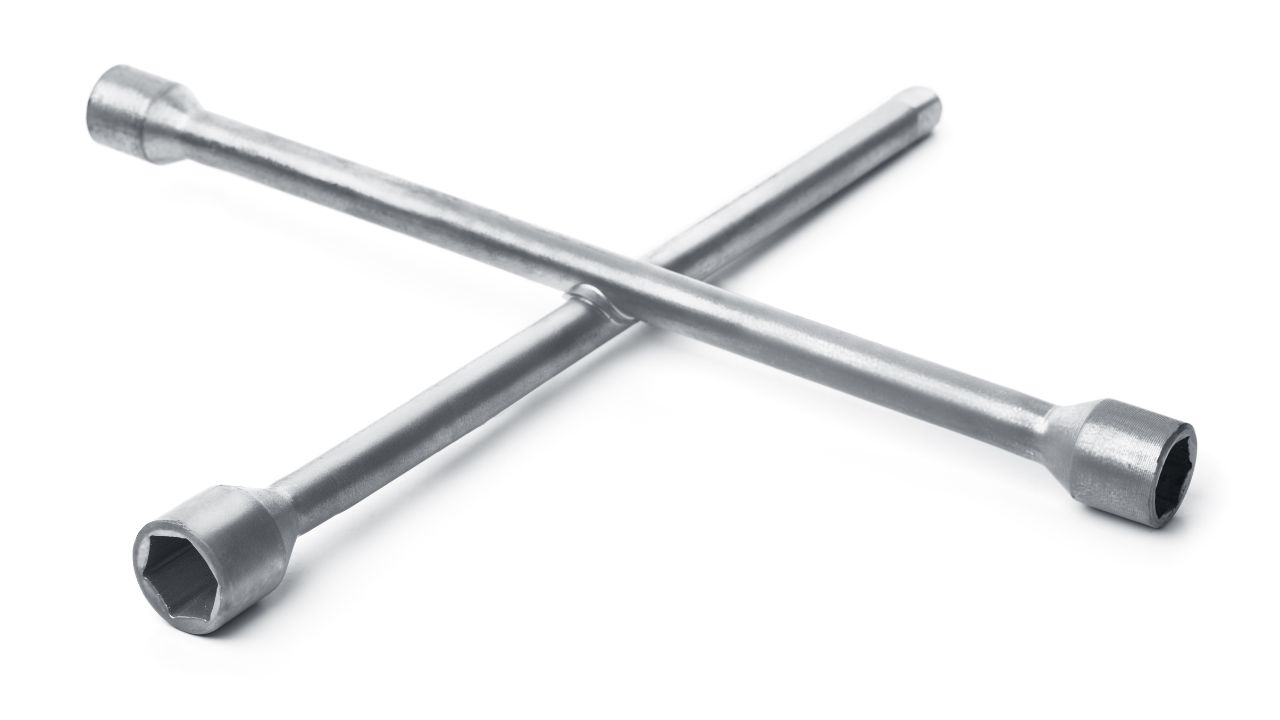
A lug wrench is one of the most fundamental tools for off-road recovery and vehicle maintenance. It allows the quick removal and tightening of wheel nuts during tire changes or repairs. A quality lug wrench fits securely on the nuts, reducing the risk of rounding or stripping them. Cross-style designs offer extra leverage, while folding or telescoping models save space without sacrificing performance.
On the trail, a dependable lug wrench means a flat tire becomes a short pause instead of a major problem. It works in all conditions and requires no special setup, making it one of the most practical and frequently used tools in any vehicle. Keeping one within easy reach ensures you are always ready for the simplest yet most common off-road fixes.
Traction Boards
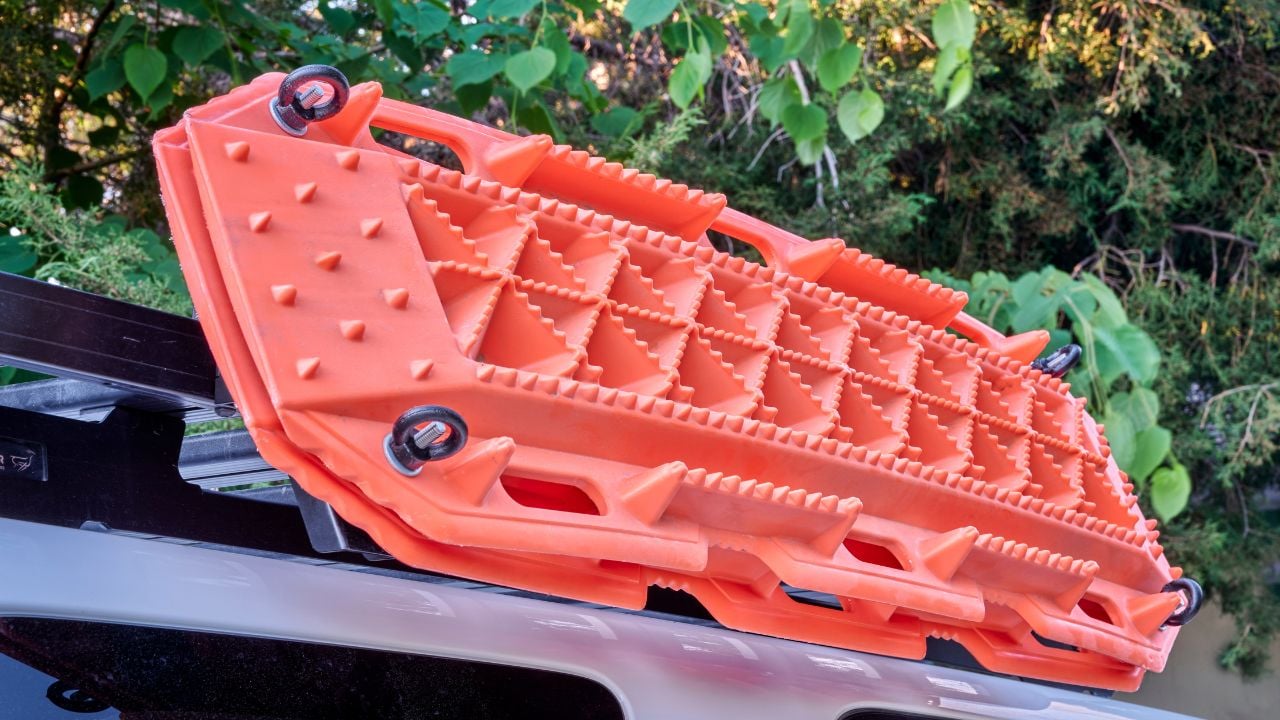
Traction boards are durable panels designed to provide grip under the tires when natural traction disappears. Made from reinforced plastics or composites, they have textured surfaces that bite into both tire tread and ground. Placed under spinning wheels, they create an instant path out of sand, snow, or mud.
Their lightweight construction makes them easy to carry, and they can double as shovels in a pinch. Quality boards withstand repeated use without warping or cracking. They require no mechanical power, making them ideal for solo drivers. With traction boards, recovery can often be completed in minutes, without strain on the vehicle or the driver. Their value lies in their ability to turn a hopeless wheel spin into forward movement with minimal effort.
Hi-Lift Jack
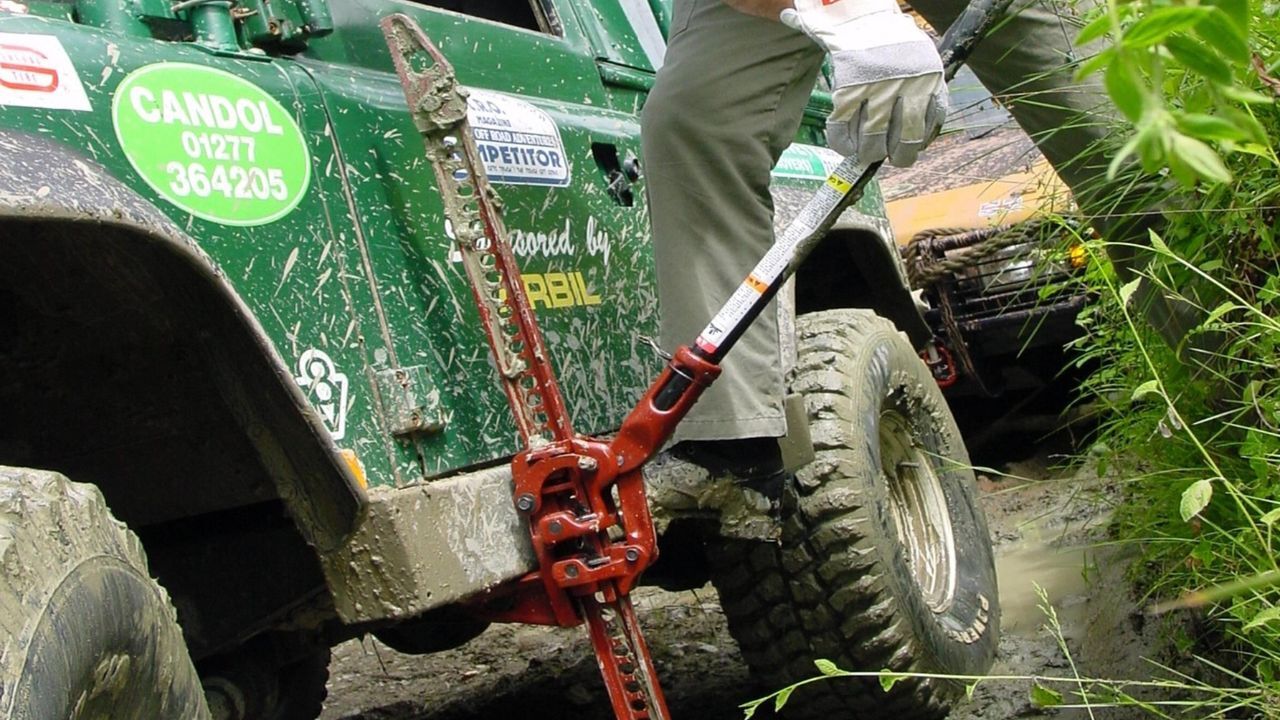
The hi-lift jack is a tall, versatile mechanical jack capable of lifting a vehicle from uneven terrain. Its long range of motion allows it to work where standard jacks cannot. This makes it invaluable for changing a tire in deep ruts or raising the vehicle to place rocks or boards for traction. Built from steel or cast components, it is strong enough to handle heavy vehicles.
With the proper winching accessories, the Hi-Lift can also be used for short, controlled pulls in certain situations, using its climbing mechanism to move a load. It requires careful handling, as the stored energy in the mechanism can be powerful. Mastering its safe use adds a significant recovery option to any off-road setup. In remote areas, a hi-lift jack can be the difference between staying put and continuing the journey.
Shovel
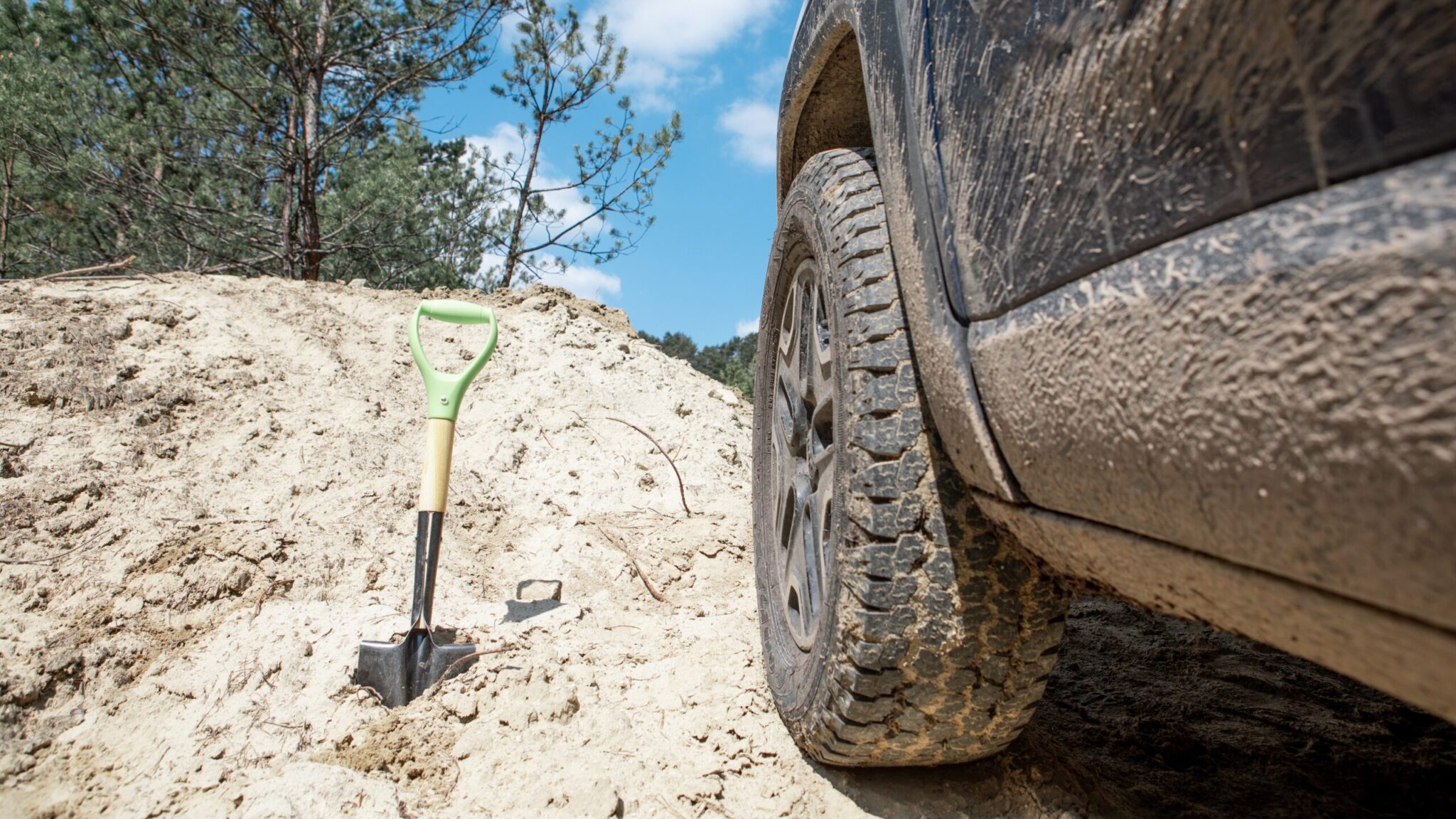
A shovel may seem basic, but in off-road recovery, it becomes a multipurpose tool. Clearing sand, snow, or mud from around tires can create the space needed to gain traction. It can be used to dig channels for water drainage or to create ramps for easier movement. A good off-road shovel is compact, lightweight, and made from strong materials that can handle rocky or frozen ground.
Folding designs fit easily into a storage compartment, while full-size versions offer more leverage. In soft terrain, quick digging can prevent the vehicle from sinking deeper. Combined with other recovery tools, a shovel turns a difficult extraction into a manageable task. It is the kind of tool that proves its worth time and again in the field.
Tire Repair Kit
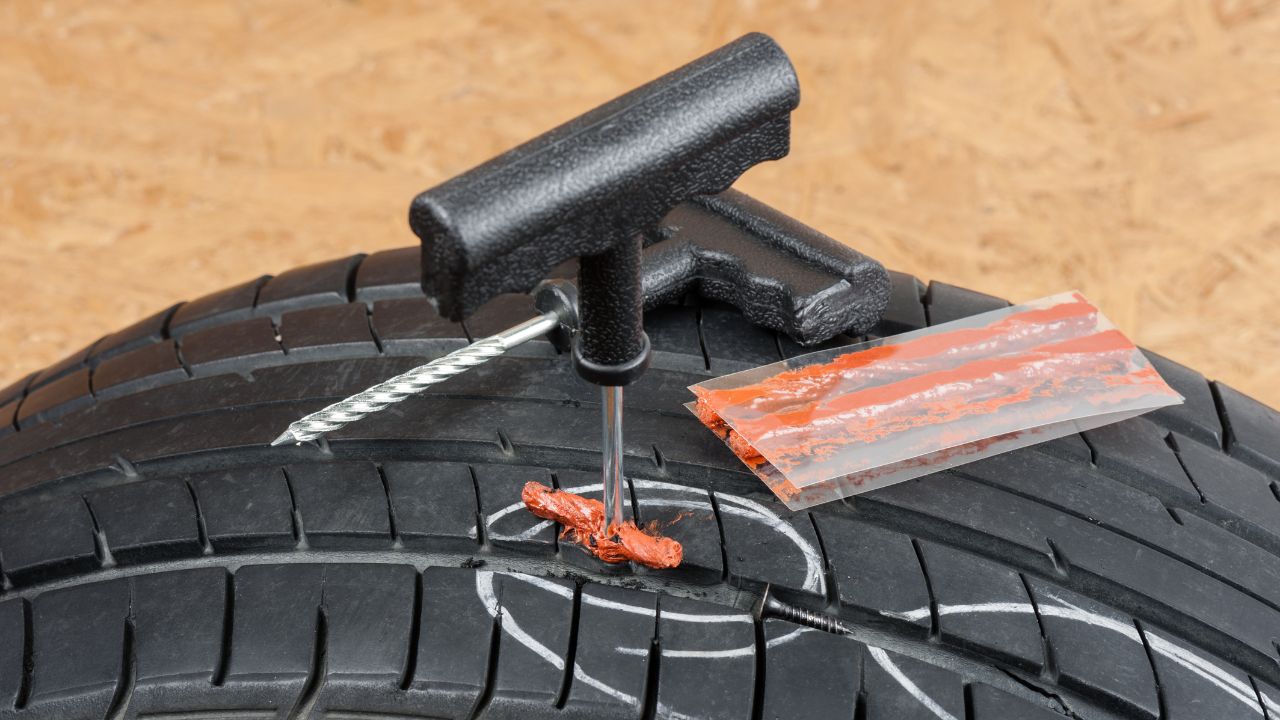
A tire plug kit can be useful for emergency repairs on tubeless tires when the puncture is in the center of the tread and within the kit’s limits. It is not a substitute for a proper inspection and an internal patch plug style repair by a trained technician, and damage in the shoulder, sidewall, or bead area is generally not repairable. Carry a plug kit to get moving again, then have the tire inspected and repaired correctly or replaced as soon as practical.
Spare Tire

A spare tire is one of the most reliable solutions for getting back on the road after serious tire damage. When a puncture is small and confined to the tread, a repair kit or plug can seal it quickly, allowing you to drive on safely. If the damage is larger, such as a torn sidewall, a deep cut, or a complete blowout, replacement becomes the only safe choice.
A ready-to-use spare ensures the damaged tire can be swapped immediately, avoiding long delays or risky driving. Regularly checking the spare for proper inflation and tread condition keeps it dependable for emergencies. Whether traveling in the city or exploring remote areas, having a spare tire provides peace of mind, covering situations where repair tools alone cannot solve the problem.
Air Compressor
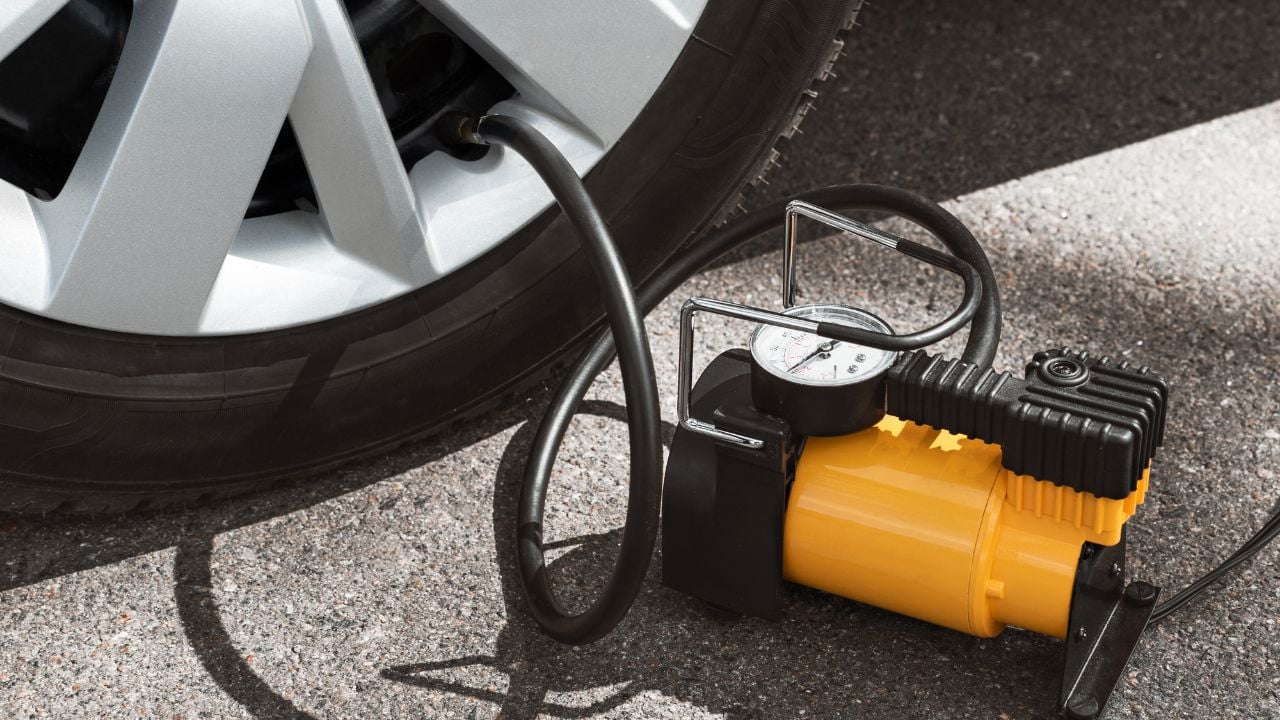
A portable air compressor is essential for restoring tire pressure after adjustments for off-road terrain. It also serves for inflating a spare tire or operating small pneumatic tools. Quality compressors connect directly to the vehicle’s battery for reliable power and deliver consistent airflow. In remote locations, the ability to manage tire pressure independently is a major advantage.
The compressor pairs naturally with tire deflators, forming a complete tire management system. It ensures that after navigating soft ground or rough trails, the vehicle is ready for safe travel on paved roads. Investing in a dependable compressor means one less worry when venturing into unpredictable landscapes.
D-Ring Shackles
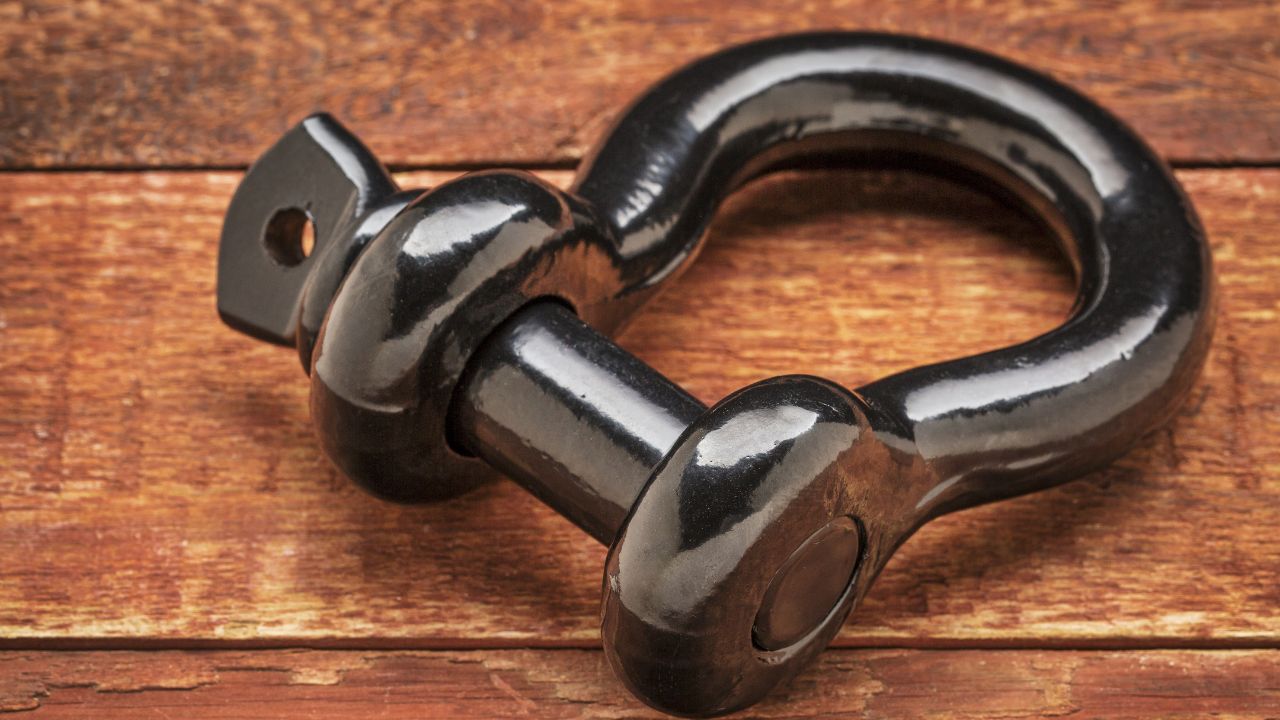
D-ring shackles are essential connectors for secure vehicle recovery, and they are generally categorized by shape as D shackles or bow shackles. Made from forged steel with high load ratings, they create strong, reliable links between recovery straps, winch lines, and anchor points. Their simple threaded pin design makes them easy to attach and remove, yet they hold firm under extreme tension.
D-ring shackles work with a variety of recovery setups, from snatch straps to tree saver straps, making them one of the most versatile pieces of equipment in a kit. Quality shackles are coated to resist rust and corrosion, ensuring long service life in wet, muddy, or sandy environments. Having multiple shackles allows flexibility in complex recoveries. Compact enough to store anywhere, they deliver the strength and reliability needed to make every connection count.
Wheel Chocks
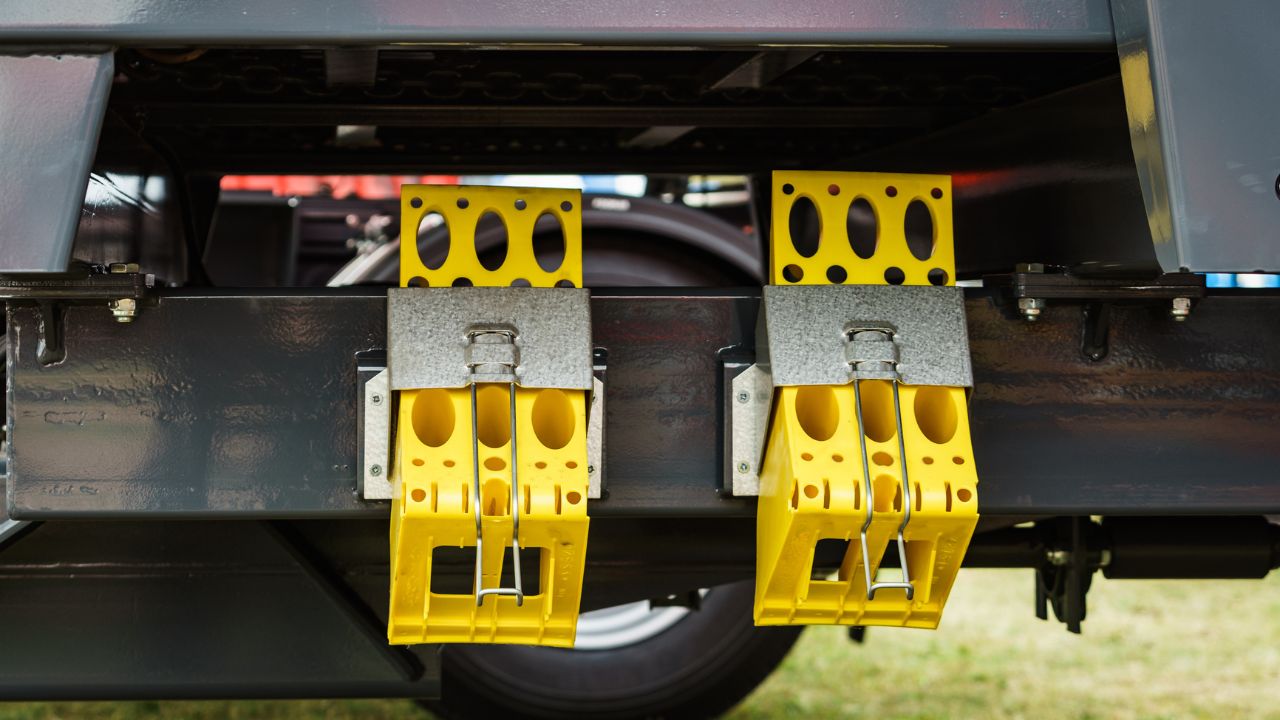
Wheel chocks are simple yet vital for safety during recovery and repairs. Placed in front of or behind the tires, they prevent a vehicle from rolling unexpectedly on uneven or sloped terrain. Made from heavy-duty rubber, plastic, or metal, quality chocks grip the ground securely in mud, gravel, or asphalt.
They are especially important when using a jack or working under a vehicle, keeping it stable throughout the process. Lightweight designs are easy to store, while larger models provide extra holding power for heavy trucks and SUVs. Carrying wheel chocks shows a commitment to safety in every recovery situation. They provide peace of mind, ensuring the vehicle stays exactly where it should while the real work takes place.
Lighting
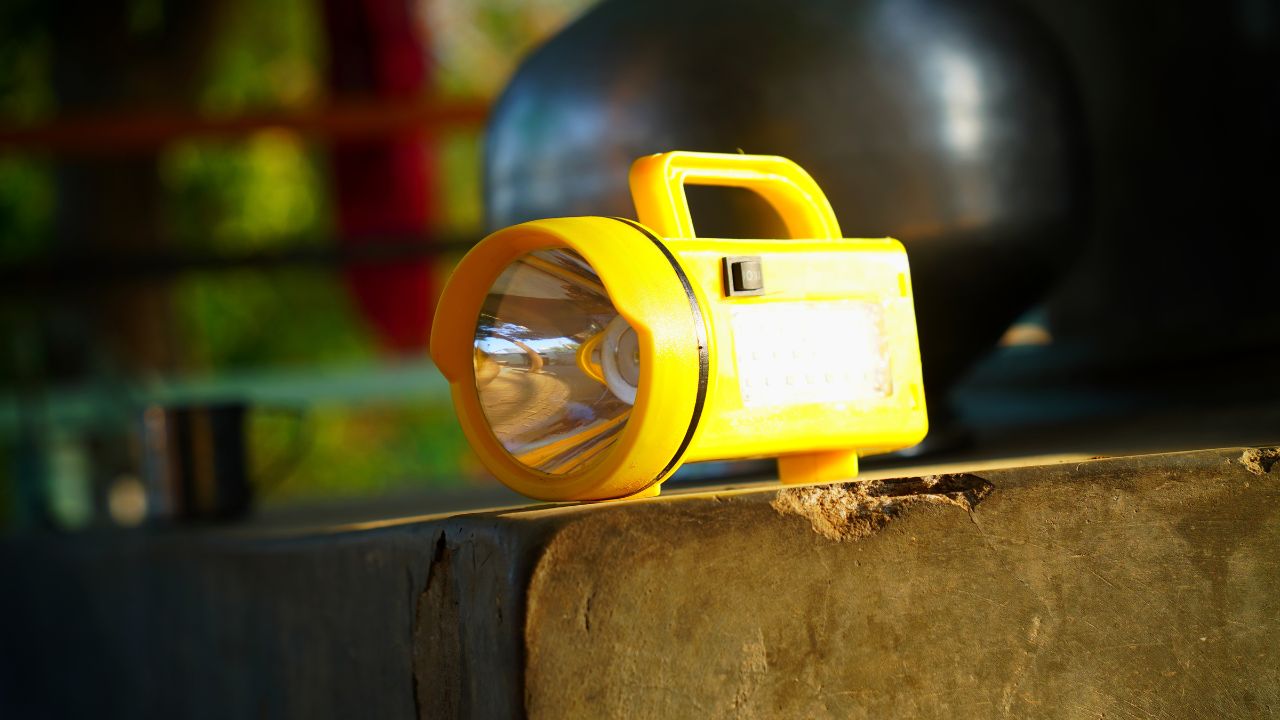
Portable lighting ensures recovery efforts continue safely in low visibility or nighttime conditions. LED work lights, headlamps, and lanterns make it possible to see what you are doing and spot hazards. Bright, focused beams illuminate anchor points, cable paths, and ground conditions. Rechargeable designs offer hours of operation and can be mounted on tripods or magnetic bases for hands-free use.
Proper lighting improves safety and efficiency, allowing for accurate placement of equipment. In challenging terrain, visibility is as important as traction. Bringing portable lights turns night recoveries into controlled, manageable situations rather than dangerous guesswork.
Portable Jump Starter
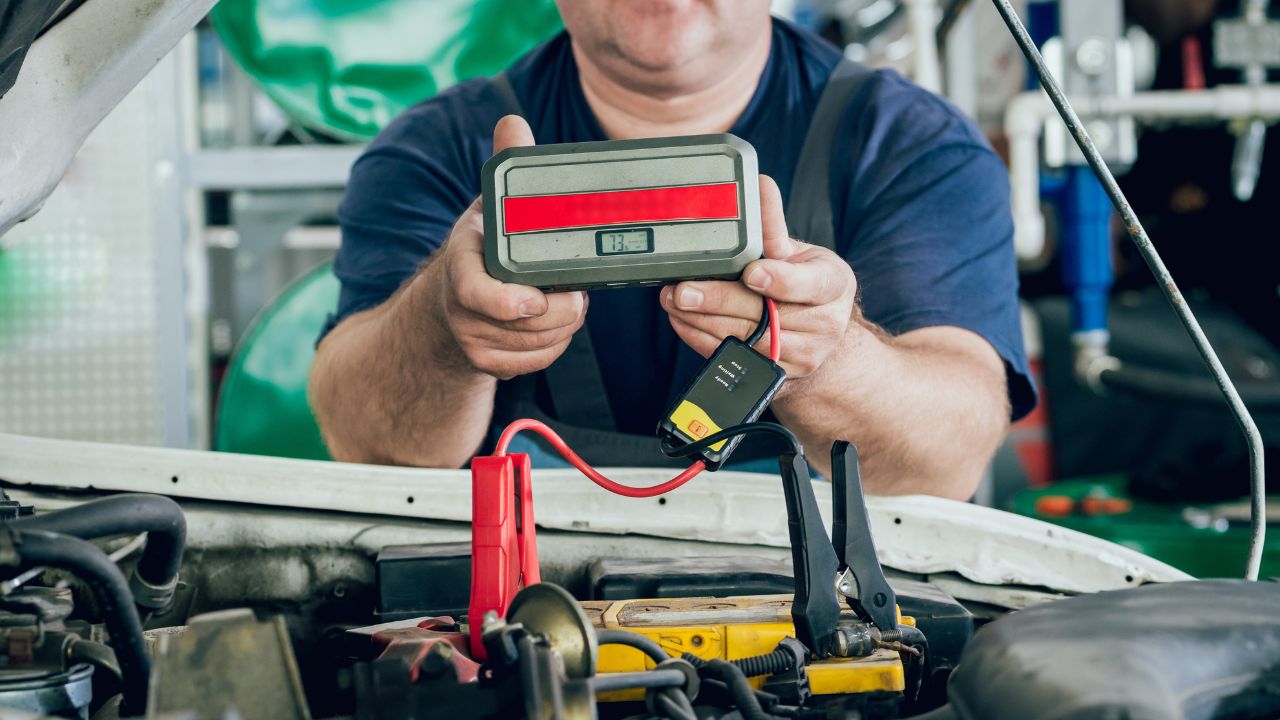
A portable jump starter might not seem like classic “recovery gear,” but it can save the day if you’ve accidentally left your off-road rig in accessory mode for too long while using the lights, charging a phone, or running camp gear.
These compact, lithium-ion units can often provide enough power to start an engine when the battery is weak, but results vary by vehicle and battery condition, and they may struggle if the battery is deeply discharged or the rig has been heavily winched.
They’re especially handy for solo travel, though serious off-roading is generally safer with at least one other vehicle, where help is closer if something goes wrong.
Your Safety Net on Every Trail

The best off-road memories are made where preparation meets the unpredictable, and recovery gear makes that possible. With the right tools, a buried axle or high-centered frame isn’t a disaster, just another story in the making. Every piece of equipment is a safeguard for your rig, your passengers, and your adventure, transforming “trip over” moments into quick problem-solving stops. Quality gear isn’t just an expense, it’s your insurance policy for the freedom to keep moving.
When used properly, recovery gear cuts downtime, reduces stress, and helps keep your footprint on the trail light. Anyone who’s driven routes like the Alpine Loop or the White Rim knows how quickly conditions can change, snow in the morning, mud by midday. That’s why a well-stocked recovery kit belongs right alongside a full tank and a dependable map. The road ahead may be uncertain, but with the right preparation, every obstacle becomes another step toward the next breathtaking view.
Out here, freedom is measured by how far you can go, and recovery gear ensures the answer is always farther.