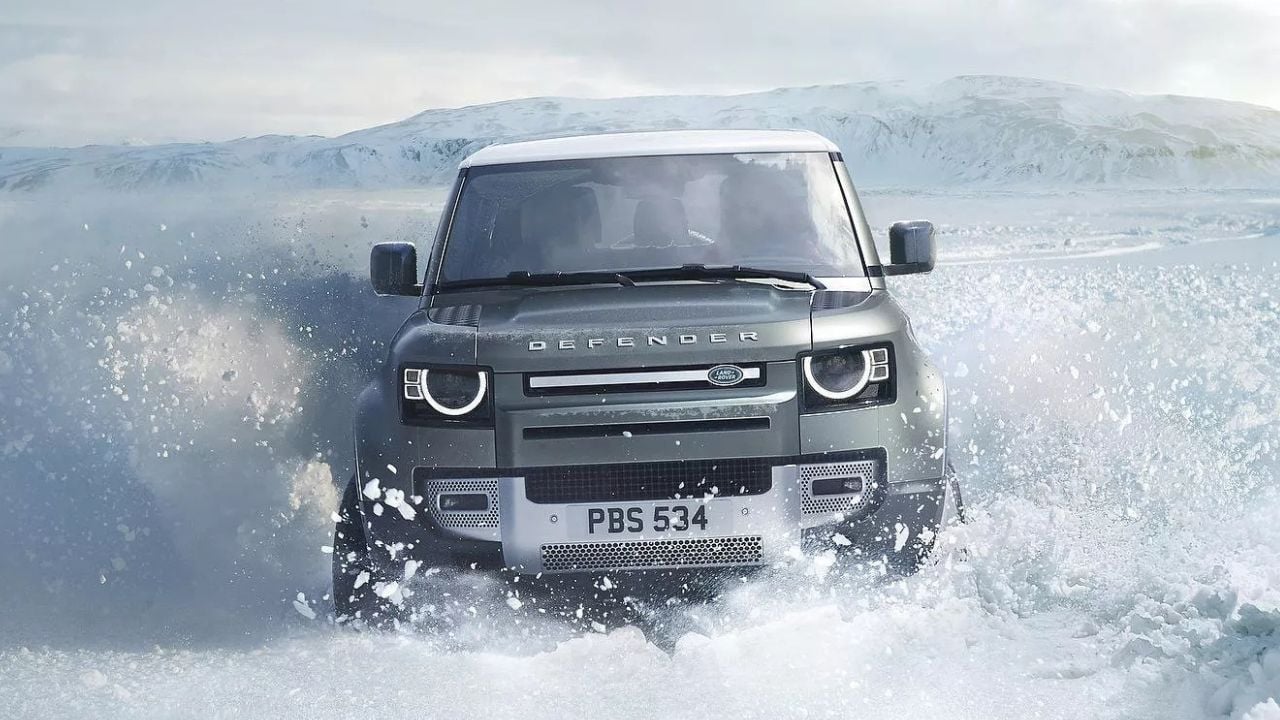

The Alps are where driving dreams go to either flourish or die a humiliating death in front of German tourists with dashcams. These aren’t your local suburban hills where your crossover feels sporty, these are proper mountains with 12% grades, 180-degree hairpins, and weather that changes faster than a BMW driver’s lane preference.
Driving here is a masterclass in physics, patience, and picking the right machine for the job. Get it wrong, and you’ll be that guy holding up a convoy of irritated Europeans while your rental Ford struggles up a 15% grade in second gear, hazards blinking like a distress beacon.
When we compiled this list, we looked at real-world alpine performance: torque delivery at altitude, all-wheel-drive systems that actually work (looking at you, part-time systems that engage when it’s already too late), suspension that can handle both autobahn cruising and mountain goat paths, and cargo space for all the gear you’ll inevitably overpack.
From threading the needle through Italian dolomite passes to conquering Swiss mountain routes that would make a rally driver sweat, these machines prove that the right car doesn’t just get you there, it makes the journey worth bragging about back home.
How We Chose These Alpine Champions

Our selection process was brutally simple: Would we trust this car with our dignity on a mountain pass where locals drive like they’re late for dinner with their grandmother? That eliminated about 90% of the automotive landscape right there.
We focused on three non-negotiables: genuine all-wheel-drive capability (not marketing fluff), suspension systems that understand the difference between sporty and spine-crushing, and enough torque to pull you up alpine grades without sounding like a food processor having an existential crisis.
We also considered the human element because, well, we’re human! After six hours of driving through mountain passes, will you still love this car, or will you be plotting its demise in a Swiss ravine? We demanded comfortable seats, intuitive controls, and interiors that don’t assault your senses with fake carbon fiber and mood lighting borrowed from a nightclub. In other words, is the driving experience enjoyable? We love to smile while we drive, personally.
Audi A6 Allroad: The Discreet Alpine Master

The A6 Allroad is what happens when German engineers decide to build a mountain conqueror disguised as a sensible family hauler. It’s the Clark Kent of alpine driving, mild-mannered in appearance, but hiding superpowers that reveal themselves the moment you hit the first switchback.
With its adaptive air suspension, this wagon can raise itself about 1.4 inches for rough terrain, with an additional lift mode that adds about 0.4 inch at low speeds, and it can also lower itself at higher speeds for stability. The quattro all wheel drive system can vary front to rear torque split, with published figures commonly cited as up to about 70% to the front or up to about 85% to the rear depending on conditions, which means real traction when you need it.
The 3.0-liter V6 produces 335 horsepower and 369 lb-ft of torque, but more importantly, it delivers that power smoothly across the rev range. No turbo lag drama when you need to merge onto the autobahn or power through a steep hairpin. The seven-speed dual-clutch automatic is sharp enough to satisfy enthusiasts but smooth enough that your passengers won’t spill their alpine coffee.
Inside, it’s a masterclass in Germanic functionality. The seats are designed for thousand-mile days, not showroom posing. The cargo area swallows ski equipment, hiking gear, and that ridiculous amount of duty-free chocolate you’ll inevitably buy. Unlike some luxury interiors that prioritize Instagram-ability over usability, everything here makes actual sense.
It’s the car for drivers who understand that true sophistication whispers rather than shouts. While others are gesticulating wildly about their Italian sports cars, you’ll be quietly making better time with superior comfort and twice the cargo space.
Porsche Macan: The Sporty Soul of the Slopes
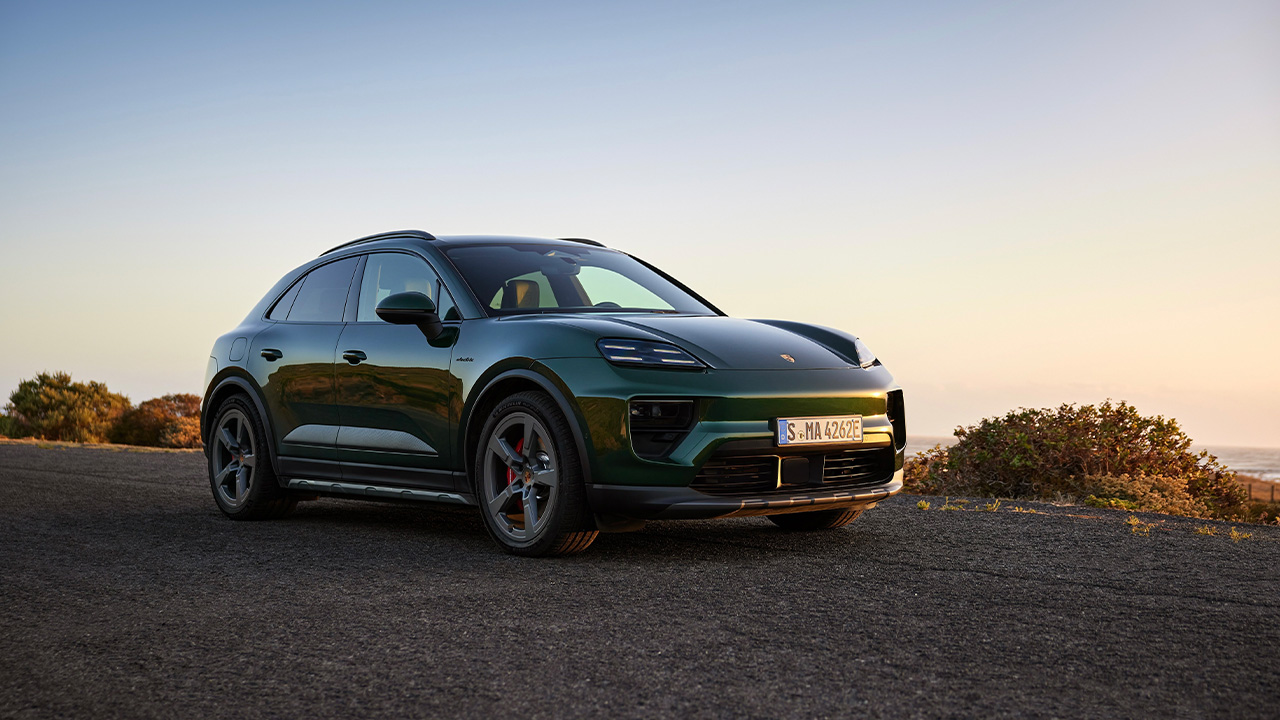
The Macan is proof that Porsche hasn’t forgotten how to build a proper driver’s car, even when market forces demanded they build something tall enough for American parking lots. This isn’t just a 911 with a lift kit, it’s a genuinely brilliant SUV that happens to have sports car DNA.
The Macan S delivers 375 hp from its 2.9-liter twin-turbo V6, but the real magic is in the chassis. The suspension is available with Porsche Active Suspension Management, which uses sensors to continuously adjust damping in milliseconds based on driving inputs and road conditions. On alpine roads, this translates to supernatural composure through corners that would even impress a Miata.
Porsche Traction Management uses an electronically controlled multi-plate clutch to vary torque distribution front to rear as needed. This gives it proper sports car handling characteristics while maintaining SUV capability. The steering is weighted with typical Porsche precision: heavy enough to feel substantial, light enough that you won’t develop tennis elbow after a day of hairpins.
Here’s where it gets interesting for mountain driving: in the Macan S, peak torque of 383 lb-ft is available from about 1,850 to 5,000 rpm, meaning you have strong pulling power across a wide band. No hunting for the “sweet spot” when climbing 12% grades at altitude where naturally aspirated engines start gasping like chain smokers.
The interior strikes the perfect balance between sport and luxury. The seats hold you in place during spirited driving but won’t punish you on eight-hour slogs. The cargo area is generous enough for weekend adventures, and the rear seats actually accommodate real humans, not just small luggage.
It’s the car for drivers who want to have their cake and eat it too: SUV practicality without surrendering their driving license to the gods of bland competence
Land Rover Defender 90: Rugged Without Apology
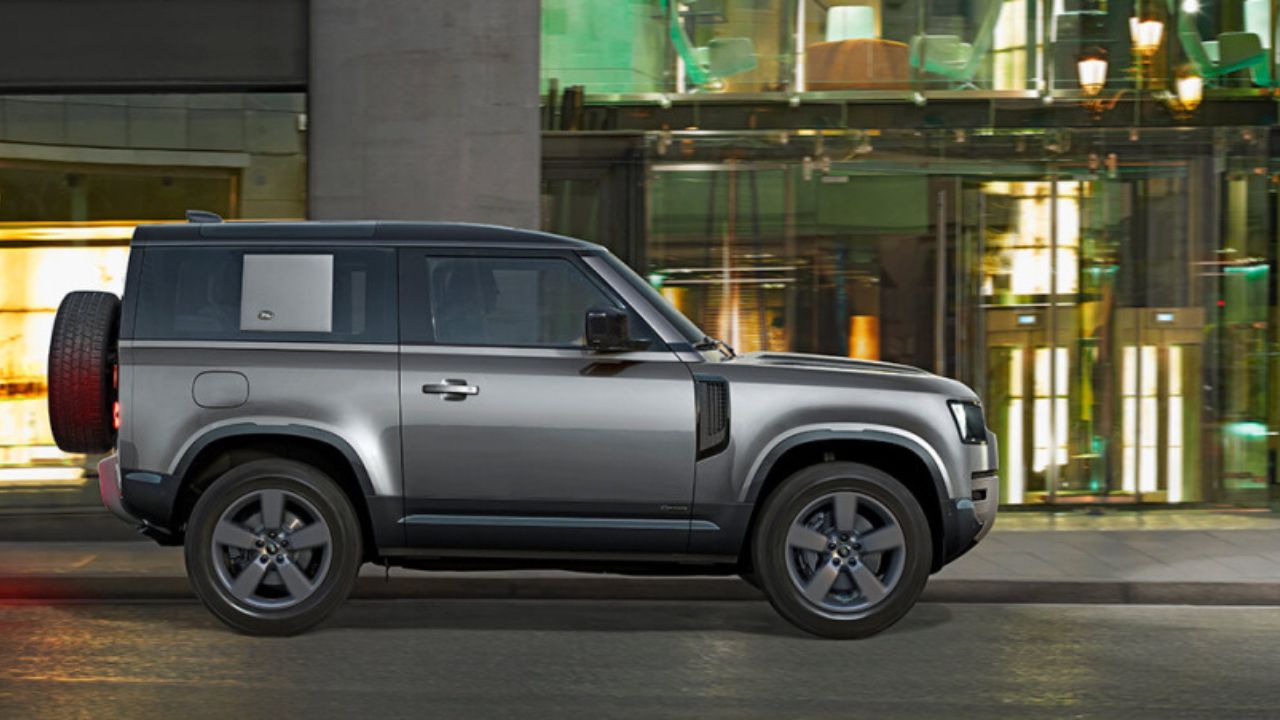
The new Defender 90 is what happens when Land Rover’s engineers finally get to build something without committee interference from people who think “reliability” is a dirty word. It looks like it could survive the apocalypse, and in alpine conditions, that’s not entirely hyperbole.
The 90’s wheelbase is about 17 inches shorter than the 110, making it genuinely nimble on tight mountain roads where the longer version feels like you’re piloting a luxury yacht through a bathtub. The approach and departure angles (38° and 40° respectively) mean you can tackle steep alpine driveways without scraping expensive bodywork.
The P400 engine, a 3.0-liter mild-hybrid inline-six, produces 395 hp and 406 lb-ft of torque. More importantly, its peak torque arrives around 2,000 rpm, which is exactly what you want when crawling up a 20% grade covered in loose gravel. The eight-speed automatic is calibrated for actual work, not just smooth mall cruising.
The Terrain Response 2 system genuinely adapts throttle response, transmission behavior, and differential settings for different surfaces. Snow mode actually works, unlike the similar-sounding features in mall-crawling crossovers that do little more than limit wheel spin and your dignity simultaneously.
Inside, it’s surprisingly civilized for something that could climb Mount Everest. The seats are supportive without being punishing, and the materials feel substantial rather than precious. The infotainment system is intuitive enough that you won’t need a PhD in computer science to adjust the climate control.
It’s the vehicle for drivers who want genuine capability without having to explain why they need it. Sometimes you just want a truck that looks like a truck and works like a truck, even if you’ll mostly use it to intimidate other drivers at the grocery store.
BMW 4 Series Coupe xDrive: Grand Touring, Redefined
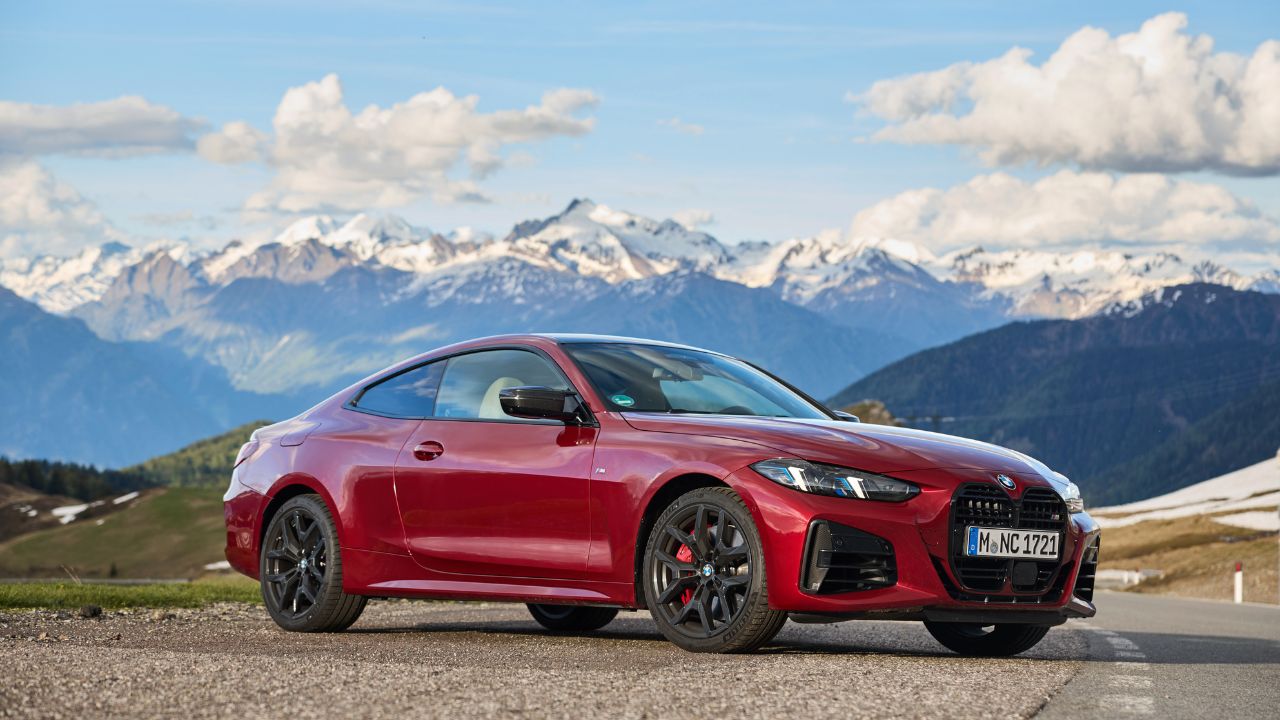
The 4 Series xDrive is BMW’s answer to the age-old question: “Can I have a proper sports coupe that won’t leave me stranded in the Alps when the weather turns nasty?” The answer, thankfully, is yes, assuming you can get past those kidney grilles that look like they could inhale small aircraft.
The 430i xDrive serves up 255 hp and 295 lb-ft of torque from its 2.0-liter turbo-four, but the real story is the chassis. This is classic BMW: rear-wheel-drive handling characteristics with all-wheel-drive security. The xDrive system is rear-biased in feel and can shift torque proactively between the axles based on sensor data, not only after slip is detected. It’s smart enough to feel sporty but intelligent enough to keep you out of guardrails.
The eight-speed automatic is one of the best in the business, with shift logic that actually anticipates what you want rather than what some focus group decided was “smooth.” In Sport mode, it holds gears longer and downshifts more aggressively, turning mountain descents into automotive symphonies.
The suspension strikes an ideal compromise between sport and comfort. It’s firm enough to maintain composure through sweeping curves but compliant enough that you won’t arrive at your destination feeling like you’ve been in a paint mixer. The electronically controlled dampers adjust continuously, reading road conditions faster than most drivers can think.
Inside, it’s quintessentially BMW, driver-focused without being antisocial. The seats are supportive enough for spirited driving, comfortable enough for continental touring. The rear seats exist mainly to satisfy insurance companies and carry grocery bags, but that’s fine; this is a driver’s coupe with two doors.
It’s perfect for drivers who want to cover ground quickly and stylishly without sacrificing practicality. Plus, it’s subtle enough that you won’t attract the wrong kind of attention from European traffic enforcement.
Volvo V90 Cross Country: Elegance Meets Endurance
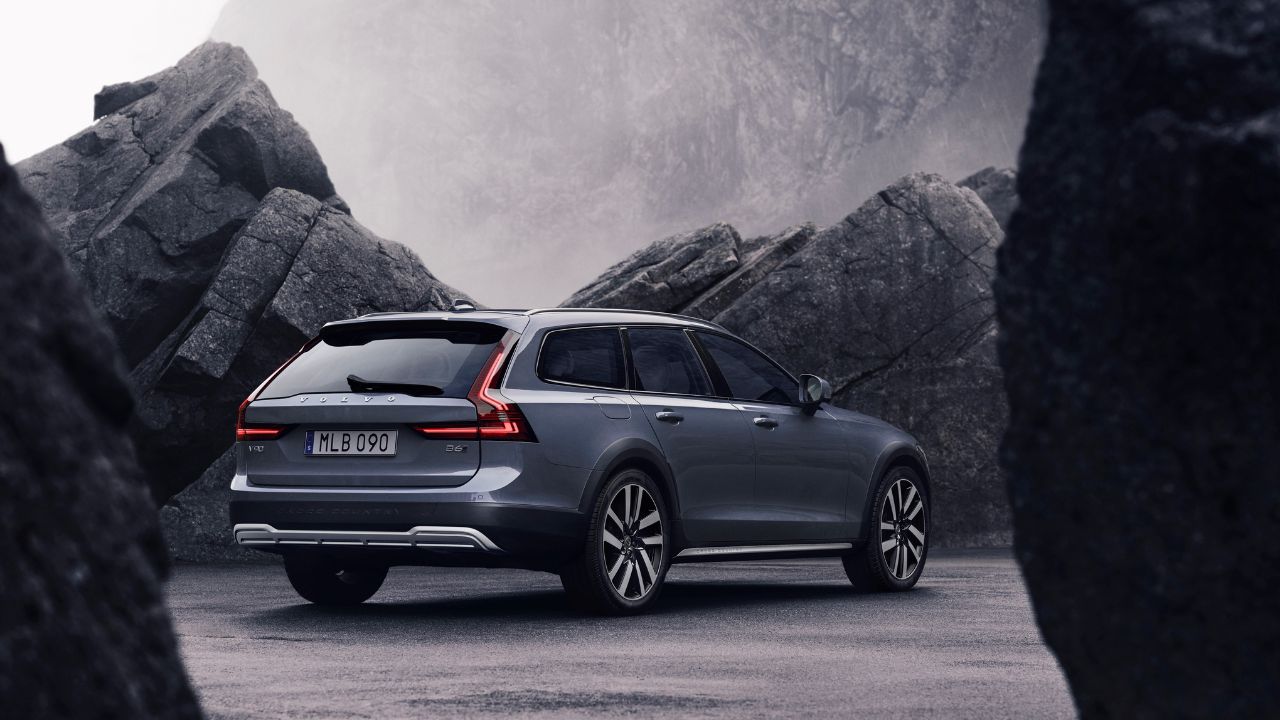
The V90 Cross Country is what happens when Swedish engineers decide to build the perfect car for people who have their priorities straight. It’s not the fastest, loudest, or flashiest option on our list, it’s just the one that makes the most sense for actual human beings who want to enjoy their alpine adventures rather than endure them.
In recent model years, the V90 Cross Country has been sold with a 2.0-liter powertrain rated at 295 hp and 310 lb-ft of torque. Yes, both turbo and supercharged, because Volvo’s engineers apparently decided that turbo lag was for other manufacturers. The supercharger fills in low-end torque while the turbo takes over higher in the rev range, creating seamless power delivery that makes mountain driving effortless.
The all-wheel-drive system is Haldex-based, which purists will sniff at, but it works brilliantly in real-world conditions. It can send up to 50% of power to the rear wheels when needed, and more importantly, it does so seamlessly. You’ll never know it’s working, which is exactly how all-wheel drive should function.
Ground clearance is listed at 7.9 inches, and optional air suspension focuses on ride comfort and load leveling rather than turning it into a high-clearance SUV. The cargo area is cavernous, with smart details like grocery bag hooks, a 12-volt outlet, and tie-down points that actually work.
Inside, it’s a Scandinavian sanctuary of common sense and premium materials. The seats are designed by people who understand that comfort and support aren’t mutually exclusive. The minimalist interior isn’t just stylish: it’s functional, with controls that make intuitive sense rather than requiring a graduate degree in BMW iDrive logic.
It’s the car for drivers who’ve outgrown the need to prove anything to anyone. You’re confident enough in your automotive judgment that you don’t need external validation from strangers at gas stations.
Mercedes-Benz GLC Coupe

The GLC Coupe is Mercedes’ attempt to split the difference between SUV practicality and coupe style, and unlike most such compromises, it actually works. It’s not the most exciting option on our list, but excitement is overrated when you’re navigating alpine passes in weather that changes every fifteen minutes.
The GLC 300 4MATIC delivers 255 hp and up to 295 lb-ft of torque from its 2.0-liter turbocharged four-cylinder, depending on model year. The engine is smooth and refined, if not particularly characterful, think of it as the automotive equivalent of a well-tailored suit. Competent, appropriate, and unlikely to embarrass you in public.
The 4MATIC all-wheel-drive system is Mercedes’ most advanced, capable of sending up to 50% of power to the front axle when needed. It’s tuned for on-road performance rather than serious off-road work, which is exactly what most drivers need most of the time.
The suspension uses Mercedes’ DYNAMIC SELECT system, which adjusts damping, throttle response, and transmission behavior across different drive modes. Comfort mode is genuinely comfortable, while Sport mode firms things up without becoming punishing. It’s calibrated by people who understand that not every drive needs to feel like a track day.
Inside, it’s classic Mercedes luxury without the overwrought complexity that plagues some of their flagship models. The MBUX infotainment system is intuitive enough that you won’t need to consult YouTube tutorials to adjust the climate control. The seats are supremely comfortable, and the driving position is spot-on.
It’s the choice for drivers who want premium German engineering without the drama. Sometimes boring is exactly what you need when the mountains are providing all the excitement.
Subaru Outback

The Outback is like a reliable friend, the one you’d actually call when you need help moving (and they’d actually come help). In a world of overwrought luxury SUVs with questionable reliability records, the Outback’s straightforward competence is almost revolutionary.
The 2.4-liter turbocharged flat-four produces 260 hp and 277 lb-ft of torque, which is adequate rather than thrilling. But here’s the thing about adequate: it’s actually adequate, unlike some turbocharged engines that promise excitement and deliver complexity instead.
The standard Symmetrical All-Wheel Drive system sends power to all four wheels all the time, unlike many “all-wheel-drive” systems that are really front-wheel drive with training wheels. It’s mechanically simple, which means it works consistently and costs less to maintain than more sophisticated systems that spend more time in the shop than on the road.
The ground clearance of 8.7 inches is genuinely useful, not just marketing fluff. The approach and departure angles are modest but real. The CVT transmission is… well, it’s a CVT, which means it’s about as exciting as watching paint dry, but it’s reliable and efficient.
Inside, it’s refreshingly straightforward. The seats are comfortable, the controls make sense, and everything feels like it was designed by engineers rather than stylists with questionable priorities. The cargo area is massive, with a low loading height that your back will appreciate after a long day hiking.
It’s the car for drivers who understand that reliability trumps everything else when you’re hundreds of miles from home in challenging conditions. Sometimes the best choice is the one that just works.
Jaguar F-Pace
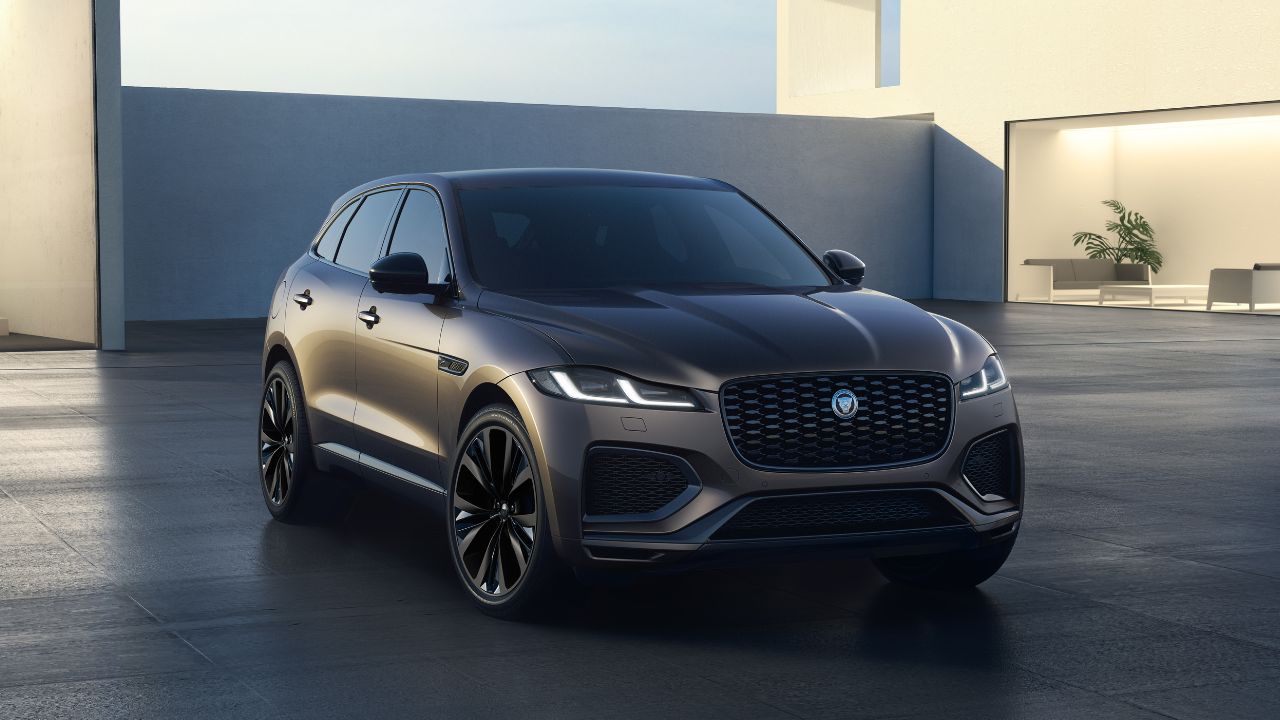
The F-Pace is Jaguar’s proof that they can build something other than temperamental sports cars. It’s genuinely good, which is partly thanks to the P300 engine, a 2.0-liter turbocharged four-cylinder that produces 296 hp and 295 lb-ft of torque. It’s not the most characterful engine ever built, but it’s smooth, responsive, and unlikely to leave you stranded in the Alps with a check engine light and a service bill that costs more than some people’s cars.
The all-wheel-drive system can send up to 50% of power to the front wheels when needed, but it’s rear-biased under normal conditions. This gives it genuinely sporty handling characteristics that set it apart from front-wheel-drive-based competitors that handle like shopping carts, no matter how many electronic systems try to convince you otherwise.
The suspension is tuned with a typical British compromise: firm enough to handle well, compliant enough to be livable. The steering is well-weighted and communicative, which is increasingly rare in an age of electric power steering calibrated by committees.
Inside, it’s stylishly British without being pretentiously quirky. The materials are premium, the fit and finish is solid, and the infotainment system works without requiring advanced degrees in computer science. The seats are supportive and comfortable, with enough adjustment range to accommodate real human proportions.
It’s the choice for drivers who want something a bit different without sacrificing competence. Plus, it’s a Jaguar, which means you get to feel sophisticated while stuck in traffic.
Skoda Kodiaq
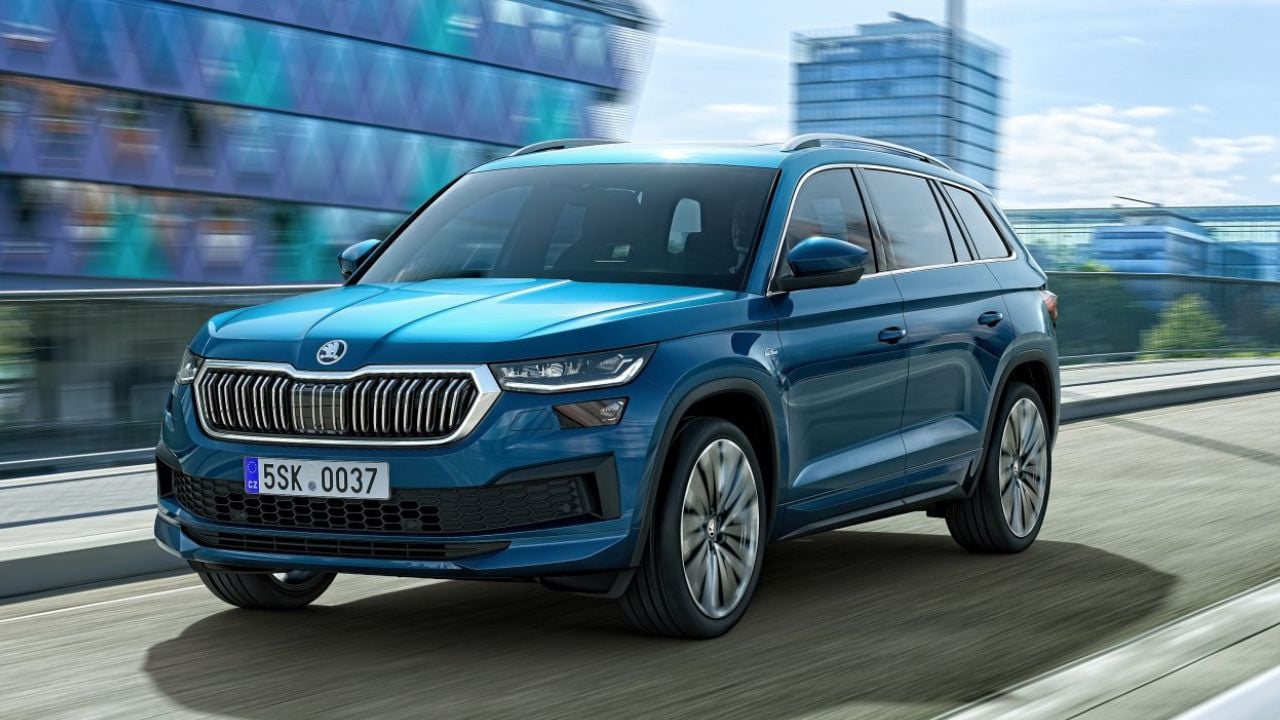
The Kodiaq is what happens when Volkswagen engineers are allowed to build something without marketing interference demanding unnecessary complexity and premium pricing. It’s Volkswagen Group quality without the badge snobbery, think of it as German engineering with Czech common sense.
The 2.0-liter turbocharged four-cylinder produces 190 hp and 236 lb-ft of torque, which sounds modest until you realize that it’s adequate power in a sensibly lightweight package rather than excess power trying to haul around unnecessary luxury features. The seven-speed DSG dual-clutch transmission is crisp and responsive, unlike CVTs that make every acceleration feel like you’re driving through molasses.
The all-wheel-drive system is Haldex-based and can send up to 50% of power rearward when needed. It’s not the most sophisticated system available, but it works reliably and costs less to maintain than more complex alternatives.
The interior is intelligently designed with practical details that more expensive competitors overlook. There are actual storage spaces, USB ports where you need them, and controls that make intuitive sense. The third row is genuinely usable for humans rather than just marketing claims.
The ride quality is excellent: comfortable enough for long distances, controlled enough for mountain roads. The steering is well-weighted and accurate, making it easy to place precisely on narrow alpine roads.
It’s the car for drivers who understand that value and quality aren’t mutually exclusive. Sometimes the smartest choice is the one that delivers 90% of the performance for 70% of the price.
Alfa Romeo Stelvio
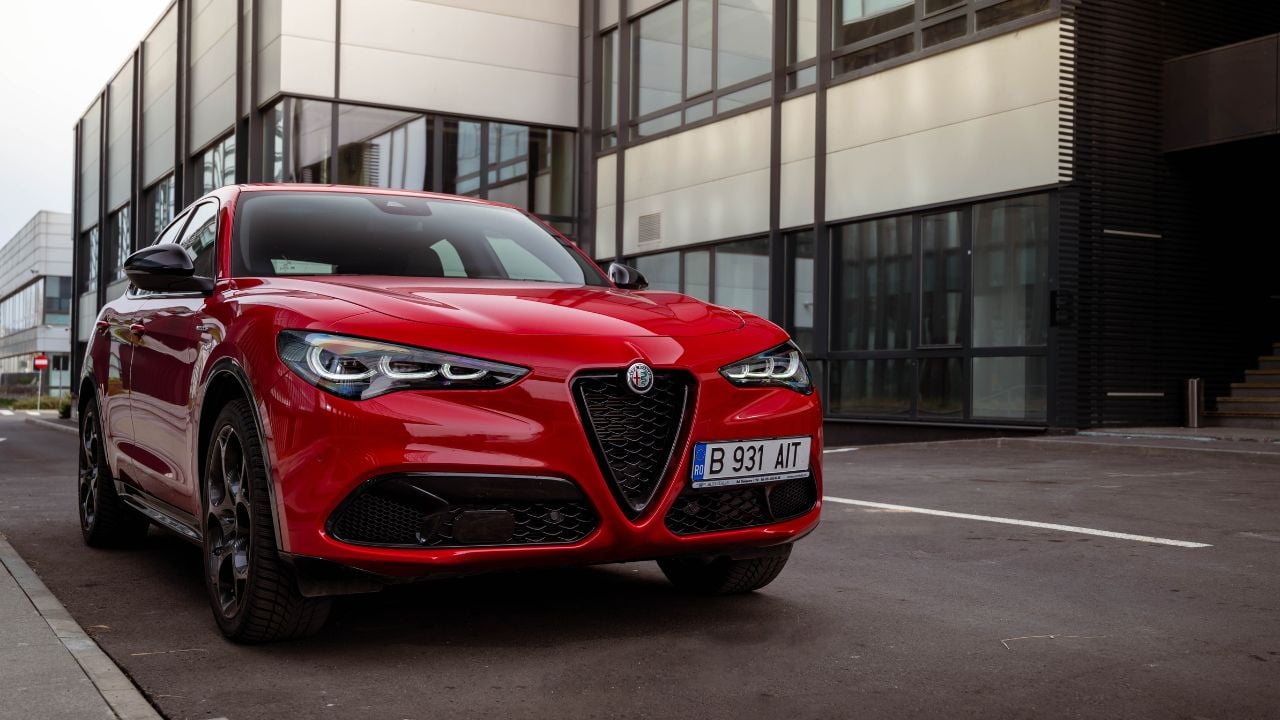
The Stelvio is Alfa Romeo’s attempt to prove they can build something other than beautiful cars with questionable electrical systems. Remarkably, they’ve succeeded — mostly. It’s genuinely engaging to drive, which is increasingly rare in the SUV world where most manufacturers prioritize comfort over character.
The 2.0-liter turbocharged four-cylinder produces 280 hp and 306 lb-ft of torque, and unlike some turbocharged engines that feel artificial, this one has character. It pulls strongly from low revs and sounds appropriately sporty when extended, without resorting to artificial enhancement through the sound system.
The Q4 all-wheel-drive system is rear-biased, sending 100% of power to the rear wheels under normal conditions and transferring up to 50% forward when needed. This gives it genuinely sporty handling characteristics that shame crossovers costing twice as much.
The suspension is tuned for engagement rather than isolation. It’s firm enough to maintain composure through corners but not so stiff that it punishes passengers. The steering is quick and communicative, with proper weight and feedback that makes you want to seek out challenging roads.
Inside, it’s distinctively Italian: stylish without being overwrought, with materials that feel premium without the Germanic obsession with solidity over aesthetics. The seats are supportive and comfortable, and the driving position is spot-on.
It’s the choice for drivers who want emotion in their transportation. Yes, it might be less reliable than German or Japanese alternatives, but life is too short for appliances with steering wheels.
The Right Drive for the Right Mountain Moment
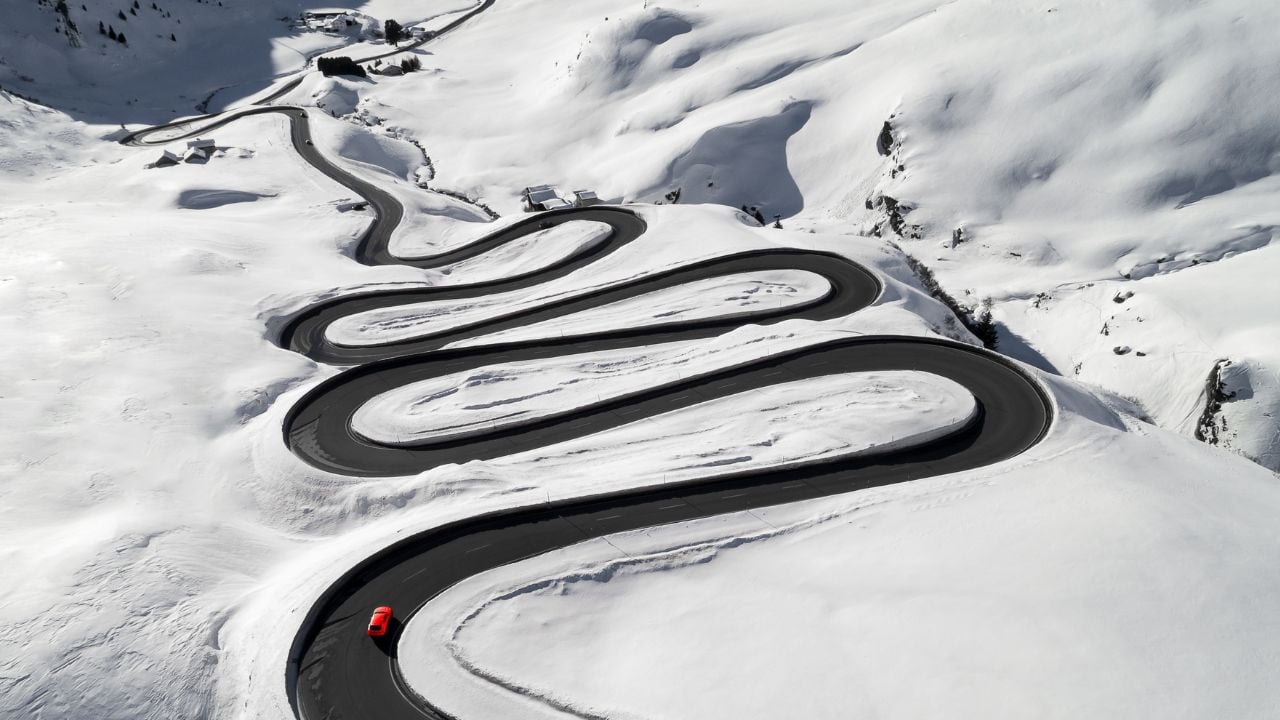
Choosing the right car for alpine adventures isn’t just about specifications, it’s about matching capability with character, performance with practicality. These mountains have been humbling drivers for centuries, and they’ll continue to do so long after we’re gone, but we want the right vehicles for the challenge: a blend of capable and enjoyable.
The Porsche Macan offers the purest driving experience, while the Volvo V90 Cross Country provides the most sensible luxury. The Land Rover Defender 90 delivers genuine capability with surprising refinement, and the BMW 4 Series xDrive proves that sports cars can be practical. The Audi A6 Allroad represents the pinnacle of understated competence.
Each serves a different type of driver with different priorities, but they all share essential alpine virtues: genuine all-wheel-drive capability, robust construction, and the ability to inspire confidence when conditions turn challenging.
The Alps will test you and your machine in ways that suburban commuting never could. Choose wisely, drive respectfully, and remember that the locals have been navigating these roads since before your GPS was born. The mountains always win in the end, but with the right car, you can at least put up a good fight.
Whatever you choose, the Alps will provide the scenery and the challenge. The rest is up to you, your driving skills, and your willingness to trust a machine built by people who understand that sometimes getting there really is half the fun.