
In the 1970s, everyone was crying about the death of performance. The EPA was strangling engines, insurance companies were treating muscle cars like plutonium, and gas prices had people trading in their 440 Six Packs for Honda Civics. But while the automotive press was writing obituaries for horsepower, some cars kept the flame alive — they just didn’t make enough noise about it.
These 10 machines survived the malaise era not by accident, but by being smarter, tougher, or just plain stubborn. They didn’t get the magazine covers or the movie deals. Instead, they got bought by people who actually drove them, which is probably why many of them are still running today while their more famous cousins are museum pieces.
How the Rubber Met the Road

Okay, let me admit this: this is partially my opinion. There, I said it! But seriously, I picked performance cars that I feel are worthy of more attention — hence why I gave them this article to shine.
First, I had to define “performance car.” This is a car that’s focused on handling, speed, and driving experience. Basically, cars that are built and designed to be fun. It’s more than the fastest 0-60 times — we looked into the car’s engine setups, stances, and everything else that would make even the biggest cynic fall in love with driving when behind the wheel.
Each car had to earn its spot by actually being fun to drive, not just impressive on paper. We wanted the ones that made you take the long way home, not just the ones that looked good parked at a local meet. Some of these came from brands you’d never expect to build a sleeper, others were the last gasps of companies that knew their glory days were numbered.
The criteria was simple: real performance, genuine character, and the kind of reputation that made insurance agents nervous but mechanics smile. This left us with 10 performance cars that we felt best showcased this balance between incredible performance and semi-obscurity.
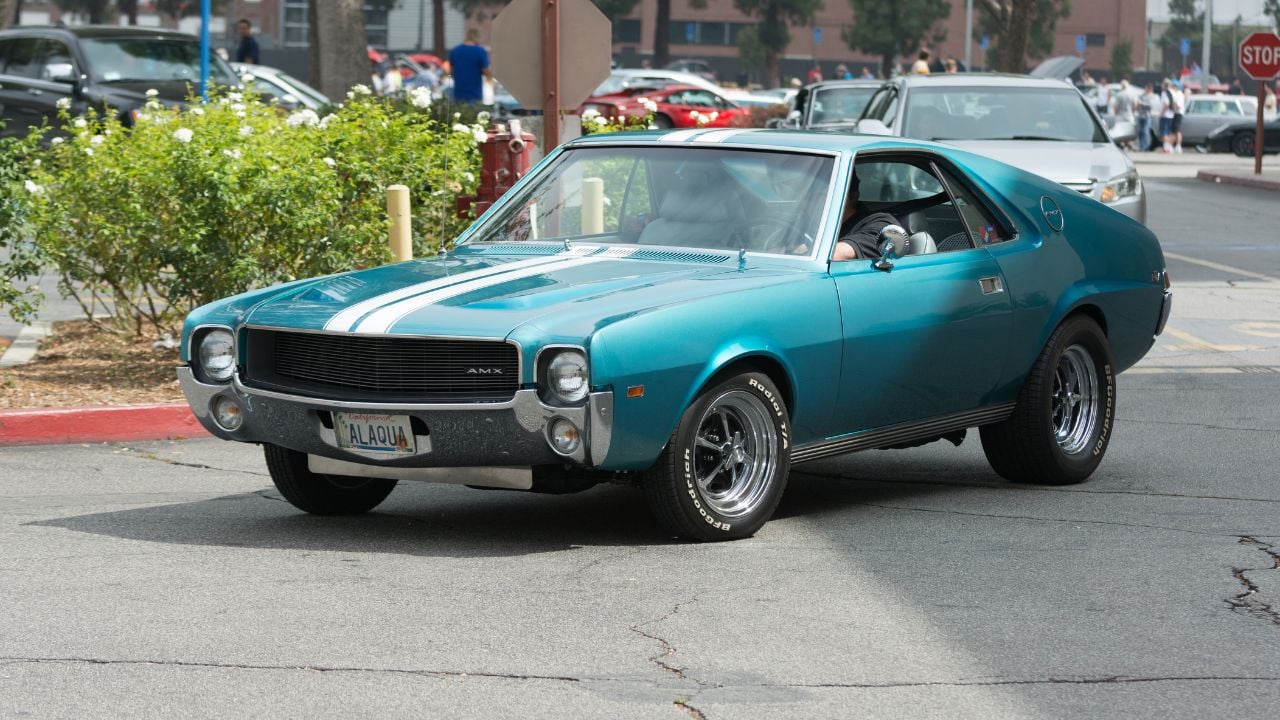
Amc Javelin Amx

The Numbers That Mattered: 401 CID V8, 330 hp, 430 lb-ft of torque, 14.2-second quarter-miles
The Javelin AMX was what happened when AMC decided to build a Corvette competitor with a fraction of GM’s budget and twice the attitude. While everyone was busy worshipping at the altar of the ‘Vette, AMC quietly built something that could embarrass it on a road course.
The 401 Go Package didn’t just look mean: it backed up its snarl with genuine bite. Twin-Grip rear end, heavy-duty cooling, and a suspension setup that Trans-Am racing had proven could work. The problem? AMC’s marketing budget was smaller than most dealers’ coffee funds, and convincing people to buy a performance car from a company known for sensible sedans was like trying to convince the local Miata club that pop-up headlights are cringe. Level: impossible.
Here’s the joke: while Corvette owners were dealing with fiberglass repairs and fickle temperaments, AMX owners were out driving their cars. The AMC V8 was nearly bulletproof, parts were cheap, and the handling was so good that Penske chose the Javelin for Trans-Am racing over supposedly superior options.
Why It Was Overlooked: AMC’s badge carried about as much prestige as a participation trophy, and most buyers couldn’t find an AMC dealer with a GPS and a prayer.
Dodge Dart Sport 360
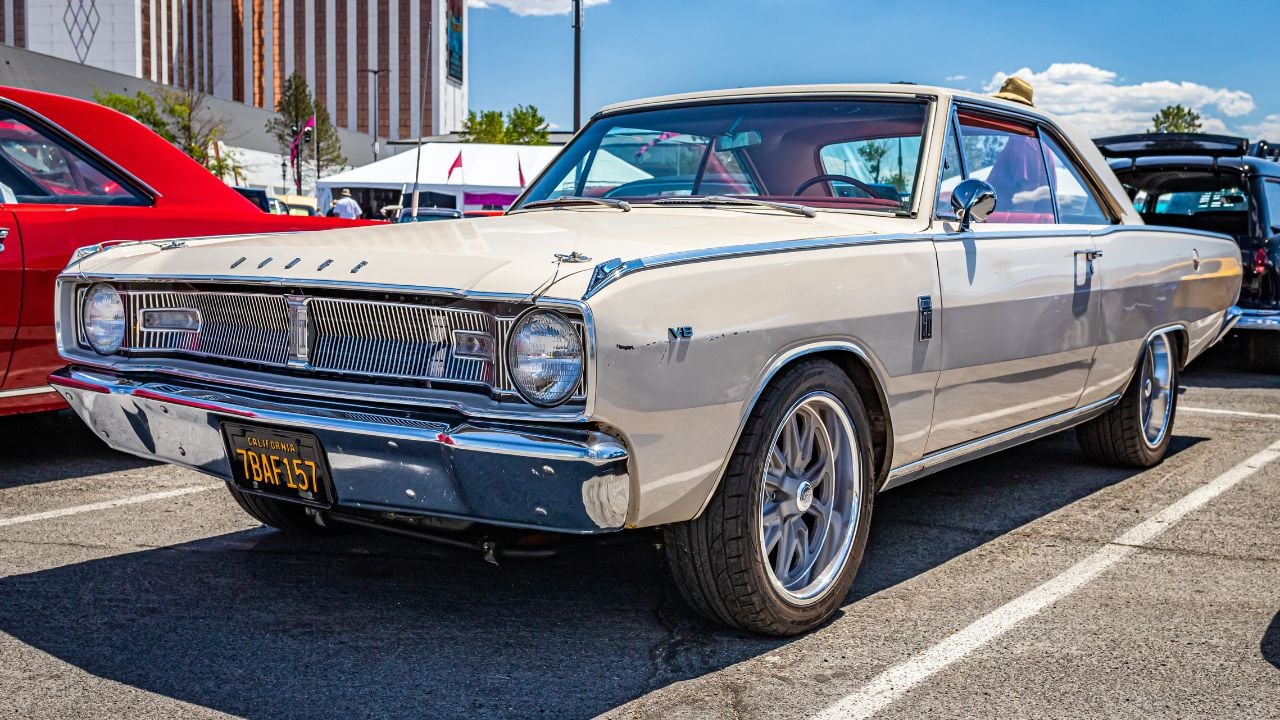
The Numbers That Mattered: 360 CID V8, 245 hp, 320 lb-ft, 2,900-pound curb weight, 14.8-second quarters
By 1975, most muscle cars had been neutered, but somehow the Dart Sport 360 slipped through the cracks with its dignity intact. While the big boys were choking on emissions equipment, this compact hellion was proving that cubic inches per pound still mattered.
The 360 small-block was Chrysler’s sweet spot: big enough to make real power, small enough to avoid the worst of the emissions strangling. Bolt it into a lightweight A-body, add some suspension tuning, and suddenly you have something that could outrun cars costing twice as much.
The beauty was in its honesty. No fancy stripes, no shaker hoods, no pretense. Just a clean, simple car that happened to have a nasty attitude when you mashed the throttle. It was the Clark Kent of muscle cars — mild-mannered until you needed it to be Superman. That’s when it lost the glasses and burned rubber.
Why It Was Overlooked: In an era when bigger was supposedly better, nobody took a compact Dart seriously. Plus, calling it a “Sport” instead of something intimidating like “Demon” made it sound like a tennis racquet.
Pontiac Can Am

The Numbers That Mattered: 400 CID V8, 200 hp, 325 lb-ft, limited to 1,377 units, 15.2-second quarters
Pontiac looked at the malaise era and said, “What happened to you guys!?” The Can Am was their violent war on the fun police: a limited-production muscle car that dared to be outrageous when everyone else was playing it safe.
Built on the LeMans platform but stuffed with Firebird Formula goodies, the Can Am got the full treatment: shaker hood scoop, fat tires, functional spoilers, and stripes that could be seen from space. The 400-cube Pontiac V8 was still healthy enough to matter, and the suspension upgrades meant it could actually use that power.
Only problem? By 1977, the muscle car market was deader than disco, and Pontiac was essentially throwing a party nobody wanted to attend. The Can Am was like showing up to a funeral in a party hat, offensive and out of place when everything was getting more serious.
Why It Was Overlooked: Pontiac built it three years too late and priced it like people still had 1974 money to burn. Also, the name “Can Am” made people think of racing series they couldn’t afford to watch, not cars they could afford to buy.
Buick Century Gran Sport Stage 1
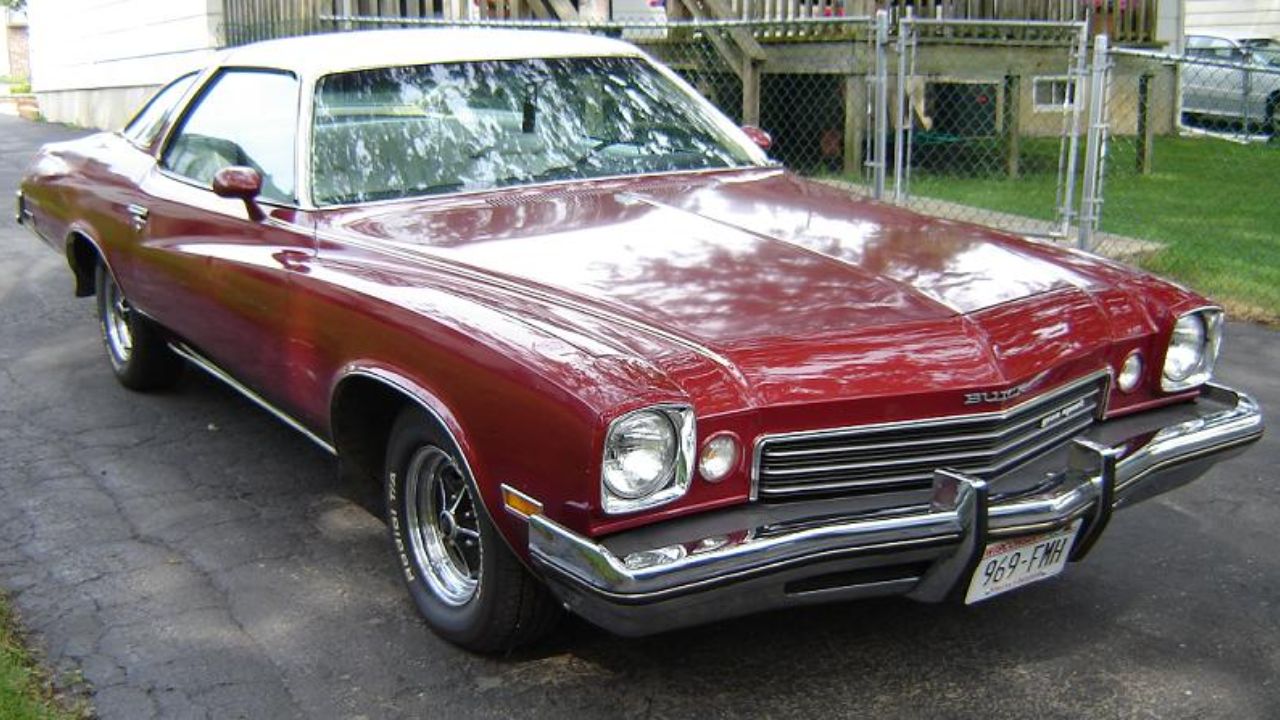
The Numbers That Mattered: 455 CID V8, 270 hp, 390 lb-ft, 13.8-second quarter-miles
Leave it to Buick to build a muscle car that came with more wood grain than a log cabin and more torque than a freight train. The Century GS Stage 1 was what happened when the bank president decided he wanted to embarrass the country club kids in their Chevelles.
The 455 Stage 1 was Buick’s party piece – a mountain of torque that made every other engine feel asthmatic. While other manufacturers were busy installing restrictors and emissions equipment, Buick’s engineers found ways to make their big-block breathe. The result was a car that could run with the best of them while carrying passengers in absolute luxury.
The suspension was tuned for people who actually drove their cars instead of just posing with them. Firm enough to handle, soft enough that your wife wouldn’t complain. It was the thinking man’s muscle car – all the performance with twice the class.
Why It Was Overlooked: Buick’s reputation for building your grandfather’s car was stronger than its actual performance credentials. Plus, most muscle car buyers wanted flash, not polish.
Mercury Capri RS

The Numbers That Mattered: 5.0L V8, 140 hp, 250 lb-ft, 2,800 pounds, 15.5-second quarters
The Capri RS was Ford’s attempt to prove that European styling and American V8 power could coexist peacefully. Built in Germany but powered by Detroit iron, it was the most confused car of 1979 — and somehow that made it brilliant.
While American cars were getting bigger and softer, the Capri stayed true to its sports car roots. The 5.0 may have been strangled by emissions equipment, but 140 horses in a 2,800-pound package still meant business. The handling was what really set it apart: German engineers had tuned the suspension for people who actually used steering wheels for more than holding up air fresheners.
The manual transmission was a joy to use, the seats actually held you in place during cornering, and the whole package felt like it belonged on a winding road rather than a strip mall parking lot.
Why It Was Overlooked: Americans in 1979 weren’t ready for a small car that cost Mustang money, especially one they’d never heard of. Plus, Mercury dealers weren’t exactly known for attracting the sports car crowd.
Pontiac Ventura Sprint
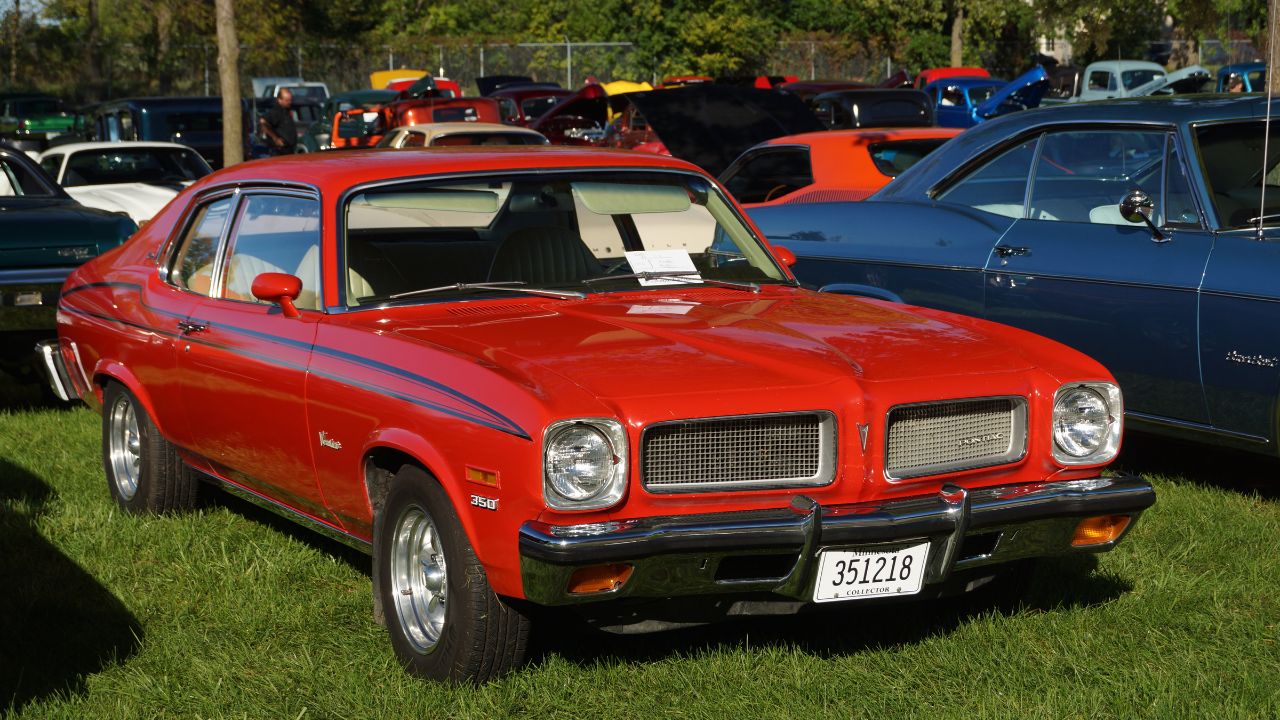
The Numbers That Mattered: 350 CID V8, 155 hp, 250 lb-ft, 3,100 pounds, 16.1-second quarters
The Ventura Sprint was Pontiac’s answer to the question nobody asked: “What if we took a Nova and made it interesting?” Turns out, that was exactly what the Nova needed.
While Chevy was content to let the Nova be boring, Pontiac added the good stuff — a proper 350 small-block, a 4-speed manual that actually wanted to shift, bucket seats that didn’t feel like church pews, and suspension tuning that remembered cars were supposed to go around corners.
The Sprint package was everything GM should have done with the Nova from the beginning. It was proof that with a little effort, even the most mundane platform could be turned into something worth driving. The 350 may not have been the hottest engine of 1975, but it was reliable, affordable to maintain, and made all the right noises.
Why It Was Overlooked: By 1975, most people had given up on compact performance cars, and Pontiac’s marketing department apparently forgot to tell anyone the Sprint existed.
Ford Torino GT 429
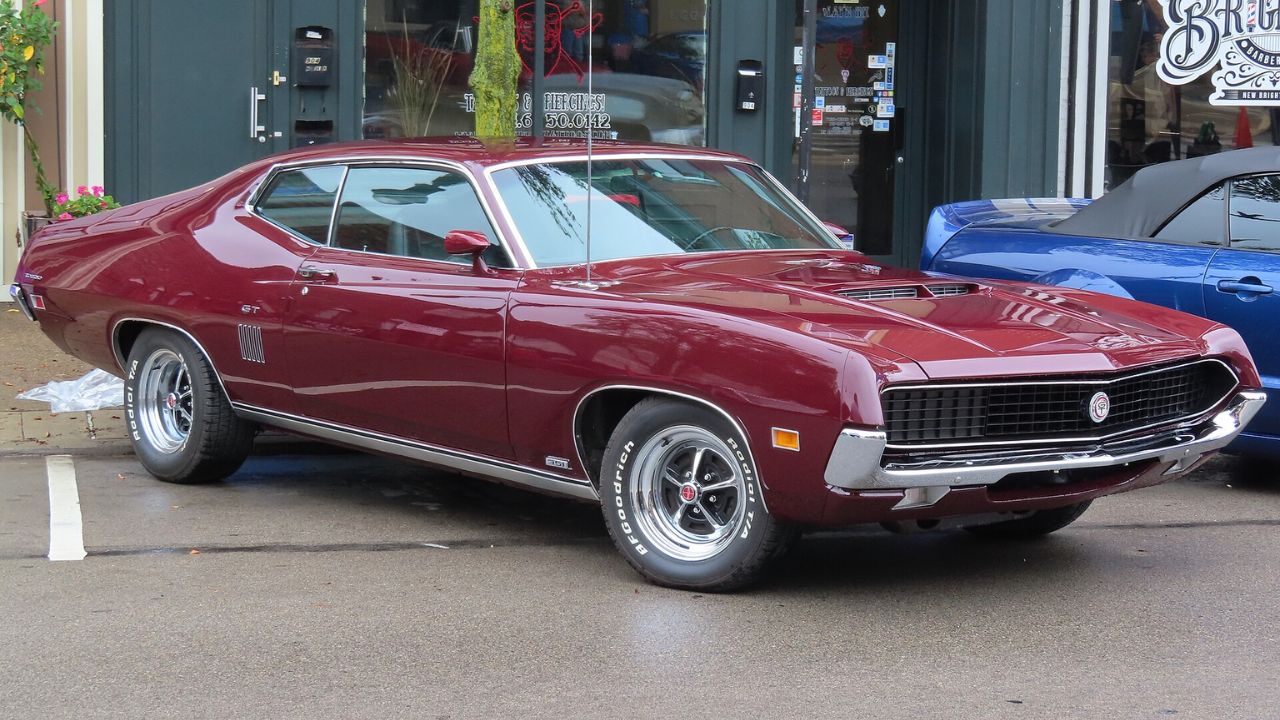
The Numbers That Mattered: 429 CID Cobra Jet V8, 370 hp, 450 lb-ft, 13.5-second quarter-miles
The Torino 429 CJ was Ford’s answer to the big-block muscle car wars, and it brought a howitzer to a knife fight. While everyone remembers the Boss 429 Mustang, they forget that Ford also stuffed that same nuclear reactor into the bigger, more practical Torino.
The 429 Cobra Jet was everything Ford’s racing program had learned about making power, wrapped in a package that could actually be driven daily. Dual quad carbs, mechanical lifters, and a compression ratio that required premium gas and a strong stomach for fuel bills.
The Torino’s size worked in its favor: more room for proper cooling, better weight distribution, and interior space that didn’t require yoga certification to enter. It was the muscle car for people who had discovered that cramped quarters and rock-hard suspensions got old fast.
Why It Was Overlooked: The Torino arrived just as insurance companies started treating big-block muscle cars like radioactive waste, and Ford’s marketing was too busy selling Mustangs to promote the Torino properly.
Plymouth Road Runner
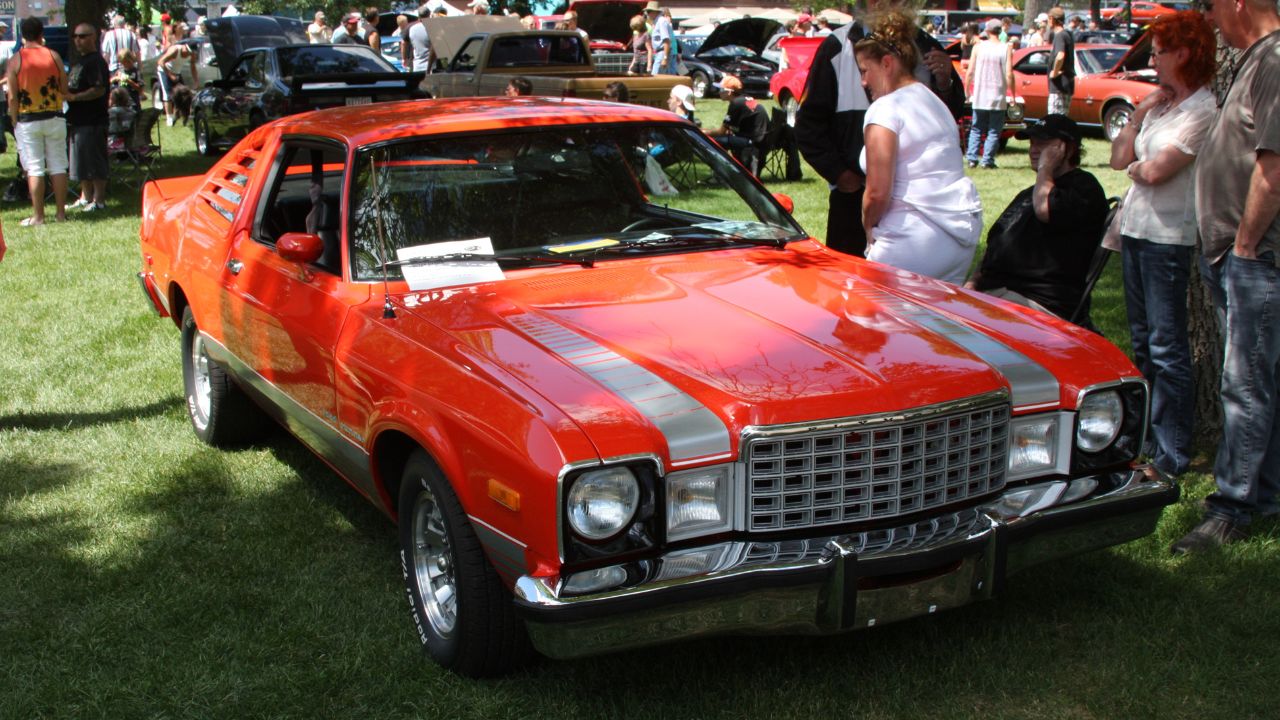
The Numbers That Mattered: 360 CID V8, 170 hp, 270 lb-ft, 3,200 pounds, 16.8-second quarters
Plymouth’s attempt to resurrect the Road Runner name in 1978 was like watching your favorite band’s reunion tour: not quite as good as the original, but still pretty nice to watch them shred again (well, attempt to shred).
Built on the Volare platform (yes, that Volare), the ’78 Road Runner proved that even questionable engineering decisions couldn’t completely kill a good idea. The 360 small-block was still potent enough to matter, and the police-package suspension kept the car from feeling like a marshmallow on wheels.
The graphics package was pure 1970s excess: stripes, spoilers, and enough badges to stock a Boy Scout convention. It was Plymouth’s way of saying they still remembered how to build a muscle car, even if the government wouldn’t let them do it properly.
Why It Was Overlooked: The Volare’s reputation for quality was somewhere between “questionable” and “lawsuit-worthy,” and most muscle car fans couldn’t get past the association with rental car fleets.
Chevrolet Nova SS 350

The Numbers That Mattered: 350 CID V8, 185 hp, 270 lb-ft, 3,100 pounds, 15.9-second quarters
The Nova SS 350 was Chevy’s way of keeping muscle car enthusiasts happy without attracting unwanted attention from insurance companies or emissions regulators. It was the automotive equivalent of hiding in plain sight.
While flashier muscle cars were getting strangled by regulations, the humble Nova SS kept doing its thing quietly. The 350 small-block was Chevy’s most reliable engine, the chassis was proven, and the whole package was affordable enough that regular people could actually buy one.
The beauty was in its restraint: no wild graphics, no massive hoods, no pretense. Just a clean, honest car that happened to be more fun than it looked. It was the muscle car for people who had to explain their purchases to their wives.
Why It Was Overlooked: In a world of Superbirds and Judge GTOs, the Nova SS was about as exciting as watching paint dry. Which was exactly the point — it flew under everyone’s radar, including the fun police.
Oldsmobile Cutlass 442 W-30

455 CID W-30 V8, 270 hp, 370 lb-ft, 3,500 pounds, 13.9-second quarters
The Cutlass 442 W-30 was Oldsmobile’s way of proving that your doctor’s car company could build something that would make your cardiologist nervous. While everyone remembers the GTO and the Chevelle, they forget that Olds was quietly building some of the nastiest engines of the era.
The W-30 package wasn’t just about the 455 big-block — though that aluminum intake manifold and low-restriction air cleaner certainly didn’t hurt. It was about the whole package: fiberglass hood with functional scoops, heavy-duty cooling, and suspension tuning that remembered cars were supposed to stop and turn, not just go fast in a straight line.
The beauty was in Oldsmobile’s attention to detail. While other manufacturers were slapping graphics packages on questionable platforms, Olds was engineering solutions. The W-30 breathed better, ran cooler, and lasted longer than most of its competition, which explains why so many of them are still burning rubber at cruise nights forty years later.
Why It Was Overlooked: Oldsmobile’s reputation for building sensible cars for sensible people was stronger than its actual performance credentials, and most street racers couldn’t get past the fancy wheel covers and luxury interior.
Closing the Garage Door: One Last Rev for the Forgotten Few
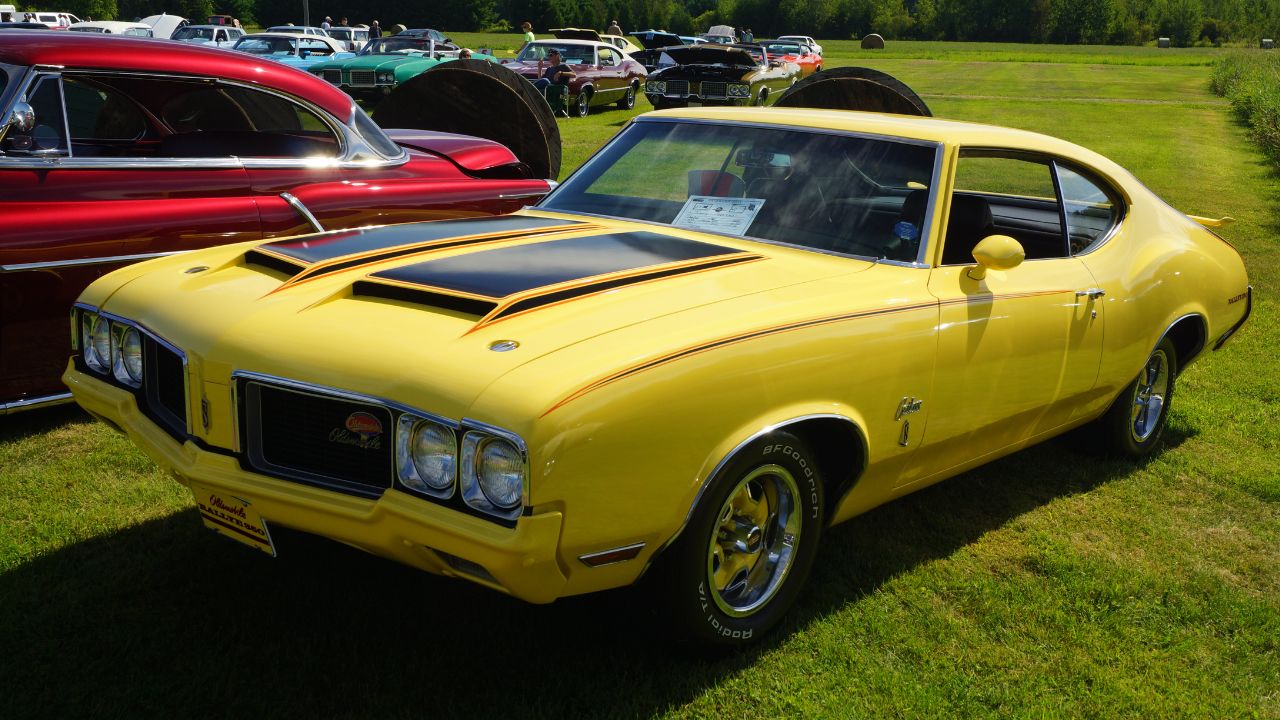
These ten cars survived the 1970s not because they were perfect, but because they were stubborn. They refused to accept that performance was dead, even when everyone else had given up. Some relied on cubic inches and torque, others on balance and precision. All of them proved that the spirit of performance was tougher than government regulations, insurance companies, and gas crises combined.
Today, most of these cars are worth more than they cost new — partly because so few survived, partly because people finally recognize what they represented. They were the bridge between the golden age of muscle cars and the modern performance era, keeping the flame alive when everything else was trying to blow it out. We’re not saying nobody remembers them at all, but they deserve much more recognition than they get.
So here’s to the rebels, the survivors, and the cars that refused to go quietly into the night. The 1970s tried to kill performance, but these 10 proved that you can’t keep a good engine down forever. They may not have been the fastest or the prettiest, but they were exactly what we needed when we needed it most.
And that’s worth remembering, even if it took us forty years to figure it out.