Some cars whisper sweet nothings to accountants and focus groups. These ones, however, grabbed the microphone, cranked it to eleven, and delivered automotive poetry that made bean counters lose count. Back when designers wielded pencils like wizards instead of consulting spreadsheets that looked like tax returns, the auto industry gave birth to machines that could make grown enthusiasts stop mid-sentence and stare.
You could actually walk into an auto show and find chrome that wasn’t fake, fins that weren’t ironic, and dreams that weren’t crushed by emissions regulations. One glimpse of a silhouette in the distance was enough to rearrange your weekend plans and possibly your mortgage priorities as you fantasized about what it would be like to drive one, to own one.
Every single car on this list brought something genuinely new to the table instead of just adding folding seats and calling it innovation. They lit up stages, sparked imaginations, and committed the cardinal sin of automotive design: they dared to be interesting. These machines never made it past the velvet ropes of concept car purgatory, but they live on in the hearts of people who still believe driving should involve more than just getting from point A to point B while your car reminds you to buckle up for the 47th time.
Behind the Wheel of the Research

To create this list of concept cars that deserved production more than another crossover variant, we dove deep into archives of international auto shows, design studio records, and historical press materials spanning from the 1930s to the early 2000s. Our mission: find cars that evolved beyond pretty sketches and actually rolled onto stages with beating hearts and working parts. This brought us to 11 concept cars, of course, there are even more we love, but some were just a bit too out there to become reality, and others felt pretty pedestrian rather than completely innovative.
We hunted for vehicles that carried genuine emotional weight alongside technical brilliance. Each concept needed to demonstrate engineering creativity, aesthetic courage, and performance potential that made people forget about their monthly payments. These weren’t abstract art projects gathering dust in design schools, they were rolling, turning, occasionally racing statements that proved the impossible was just waiting for the right budget approval.
We also factored in lasting influence because some of these beauties shaped future models or introduced features that eventually became standard (usually after being watered down through seventeen committee meetings). Public fascination sealed the deal. The most compelling entries have starred in documentaries, dominated enthusiast forums, graced coffee-table books, and topped personal shopping lists of lottery winners.
Every model in this article was built, displayed, and witnessed by real humans who probably went home and had serious conversations with their spouses about garage space. These cars existed as full-scale, real-world concepts and prototypes that were built and displayed, not just sketches, and left permanent impressions on the collective automotive consciousness. Their stories continue to echo loudly, even when their engines remain museum-quiet.
Chrysler Turbine Car

The Chrysler Turbine Car didn’t just push boundaries, it obliterated them with the subtlety of a jet engine at idle. This bronze beauty could run on a wide range of combustible liquids, and the tequila/perfume stories are part of its documented lore: gasoline, diesel, perfume, tequila, and probably your neighbor’s questionable homemade moonshine. The turbine engine sounded like a commercial airliner preparing for takeoff, which either thrilled or terrified passengers depending on their relationship with aviation.
Chrysler actually handed out 50 of these mechanical marvels to regular families for real-world testing because apparently, someone in Detroit thought, “You know what suburban America needs? Turbine-powered grocery getters.” Test drivers praised the vibration-free operation and instant cold-weather starts, though they probably needed hearing protection and explanations for concerned neighbors.
The interior featured a futuristic dashboard that looked like it belonged in the space program, complete with gauges that seemed designed for orbital mechanics rather than highway cruising. The car’s bronze metallic finish caught sunlight like a mirror ball, ensuring you’d never lose it in a parking lot.
Today, surviving examples are worth more than most people’s houses, proving that sometimes the most impractical ideas become the most precious. I love that it dreamed big and had a vision of the future more glamorous and advanced than the actual future we live in now.
Ferrari Modulo

The Ferrari Modulo looked like it had been teleported directly from a 1970s sci-fi movie where everyone wore silver jumpsuits and ate food pills. Pininfarina designed this wedge-shaped wonder with lines so sharp they could probably cut glass, and a roof that slid forward to reveal a cockpit that made spaceship interiors look mundane.
The all-white interior resembled a high-end dentist’s office designed by aliens who really understood luxury. The V12 engine provided the soundtrack, though most people were too busy staring at the impossibly low profile to notice the mechanical symphony underneath. The wheels hid behind smooth body panels, creating a silhouette that suggested the car might actually hover if you pressed the right button.
One dedicated enthusiast actually brought a Modulo back to running condition, showing that with enough money and determination, you can make nearly anything road-legal. The car still stops traffic at classic car events, where photographers circle it like paparazzi outside a courthouse. It remains the ultimate answer to anyone who claims modern Ferraris look too conservative.
GM Firebird I
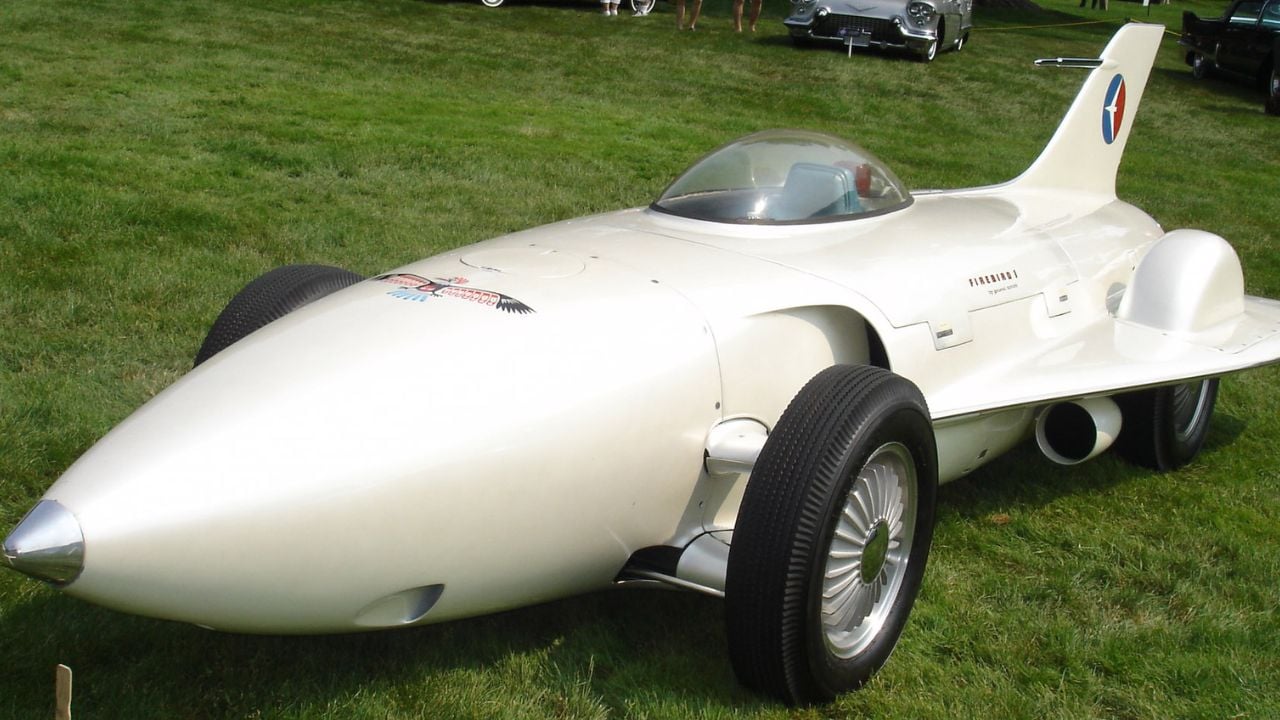
The GM Firebird I looked like someone asked a fighter pilot to design the ultimate daily driver and forgot to mention practical considerations like “streets” and “parking spaces.” This single-seat torpedo featured a bubble canopy that would’ve made Top Gun pilots jealous and a gas turbine engine that probably violated several noise ordinances just by existing.
Later Firebird concepts experimented with joystick-style controls, underscoring how deeply the program embraced aviation thinking from the start. The nose stretched forward like a chrome-plated missile, while the overall design suggested General Motors had been watching too many Buck Rogers serials during lunch breaks. The car required a ladder for entry, which probably limited its appeal to basketball players and very determined short people.
The Firebird program eventually spawned additional prototypes, each more outrageous than the last, but the original remains the crown jewel of American automotive audacity. It proved that given enough budget and creative freedom, Detroit could out-weird anything coming out of Europe, which is saying something.
Buick Y-Job
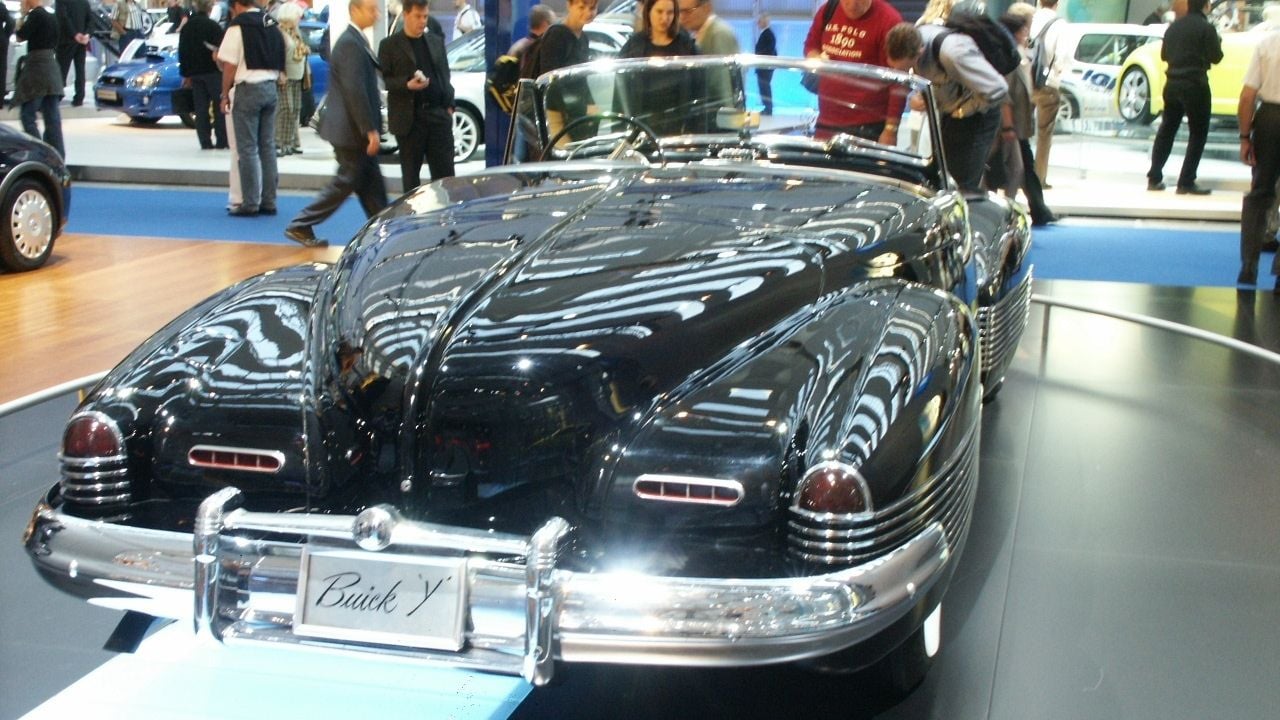
The Buick Y-Job deserves recognition as the granddaddy of concept cars, the original “what if” machine that started an entire tradition of automotive daydreaming. Harley Earl designed this beauty with hidden headlights that gave it a mysterious expression, like it was keeping automotive secrets that wouldn’t be revealed until the 1960s.
Earl actually drove the Y-Job as his daily transportation around Detroit, which must have been like commuting in a time machine. Power windows were practically science fiction in 1938, yet here was Buick casually introducing features that wouldn’t become common until your grandfather was complaining about modern conveniences. The car’s influence on future Buick designs lasted decades, proving that sometimes one really good idea can carry a brand through multiple generations of accountants.
The Y-Job’s sweeping lines and long proportions made everything else on the road look like it had been designed by fun-hating dorks — which, let’s face it, most of them probably were. It remains a testament to what happens when talented designers get to skip the focus groups and follow their instincts.
Lancia Stratos Zero

The Lancia Stratos Zero made traditional sports car proportions look positively conservative by comparison. Bertone designed this orange wedge to stand barely three feet tall, which meant entering required lifting the windshield like you were climbing into a fighter jet. The driving position placed occupants lower than most car hoods, offering a unique perspective on the world that probably involved a lot of wheel wells and underbody components.
The interior looked like a science laboratory crossed with a spacecraft cockpit, complete with controls that seemed designed for conducting important experiments while traveling at illegal speeds. The car’s dramatic angles and sharp edges made it appear ready to slice through the air or possibly the space-time continuum.
Public displays created crowds that probably rivaled rock concerts, with spectators trying to figure out how something so impractical could look so absolutely necessary. The Zero inspired future Lancia performance models and continues to influence designers who believe cars should make bold statements rather than blend into traffic.
It’s proof that sometimes the most ridiculous ideas produce the most memorable results.
Ford GT90
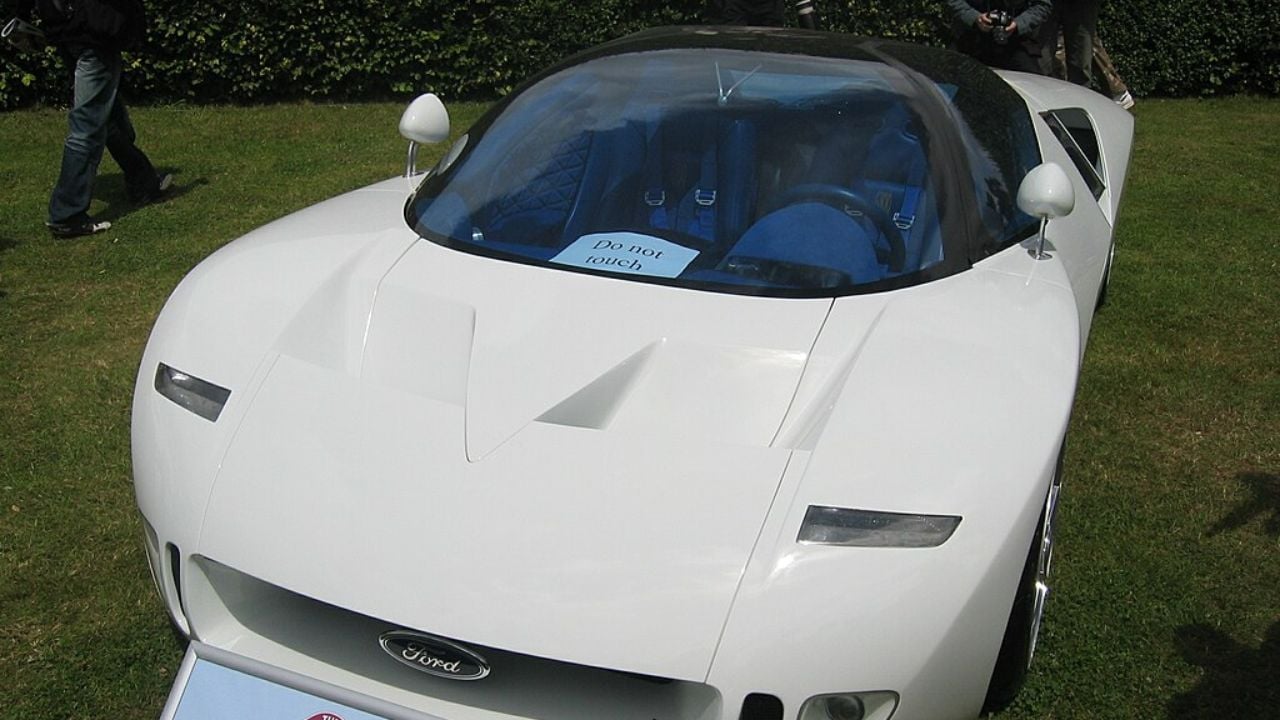
The Ford GT90 arrived in the mid-1990s like a digital-age superhero, complete with geometric styling that looked like it had been rendered on the most powerful computers 1995 could offer. The quad-turbocharged V12 engine produced over 700 horsepower, which was roughly equivalent to strapping a small rocket to your daily commute.
NASA-grade heat tiles lined the exhaust system because apparently, regular automotive materials weren’t sufficient for Ford’s vision of American performance. Ford claimed a theoretical top speed around 235 mph (with some period claims pushing higher), which would have made it faster than most airplanes taking off from nearby airports. Carbon fiber construction kept the weight reasonable while ensuring the car could probably survive a small meteor impact.
The GT90’s upward-opening doors added theatrical flair to every parking lot entrance, while the interior surrounded drivers with enough digital displays to run a small space program. Ford presented this concept as their answer to European supercars, proving that Detroit could build something genuinely exotic when properly motivated. The car’s reception was so positive that it probably made Ford executives wonder why they were spending so much time on sensible sedans.
Cadillac Sixteen
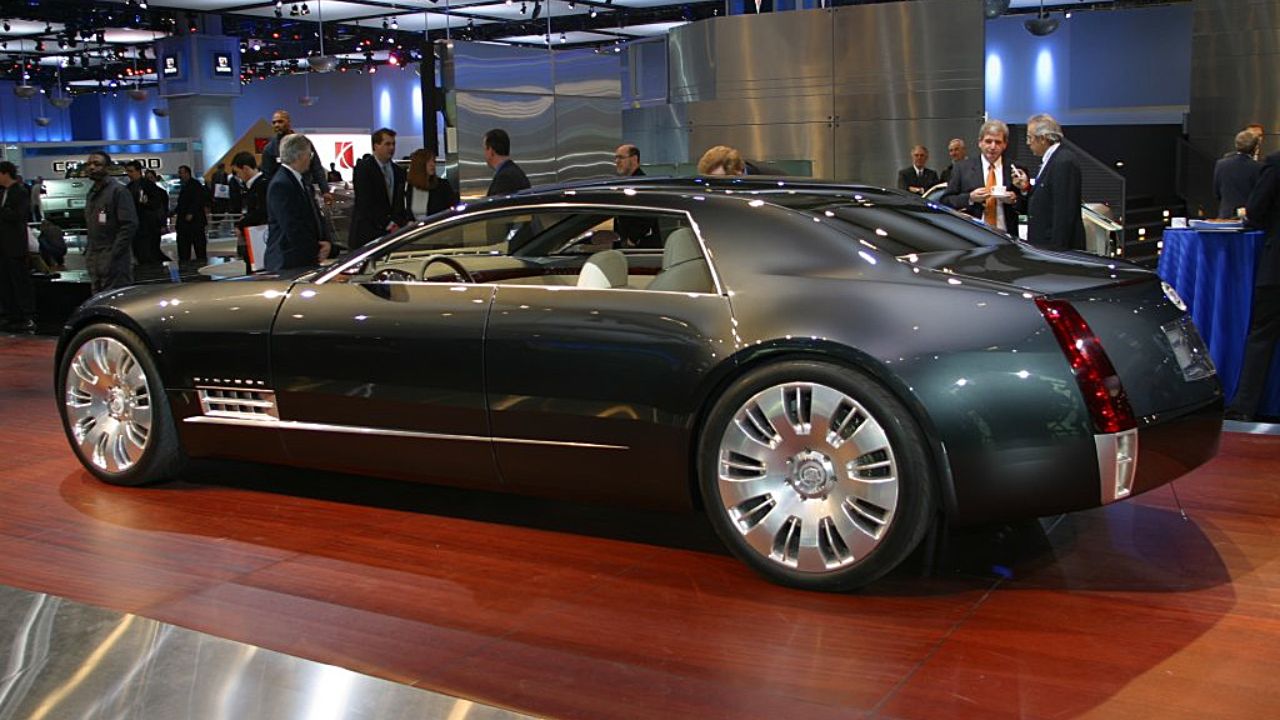
The Cadillac Sixteen rolled onto the scene like automotive royalty arriving fashionably late to its own coronation. The V16 engine produced 1,000 horsepower with the smoothness of silk pajamas, because apparently, Cadillac decided that normal amounts of power were for brands without enough historical gravitas.
The exterior stretched out with proportions that suggested the car had been designed for highways that only existed in luxury car commercials. Inside, the cabin offered materials so plush that passengers probably needed to resist the urge to take off their shoes and stay awhile. The dashboard glowed with refined instrumentation that made other luxury cars look like they’d been furnished by discount electronics stores.
Cadillac presented the Sixteen as a celebration of American craftsmanship, which was refreshing in an era when most luxury cars seemed designed by committees that had never actually experienced luxury. The car’s serene presence and ridiculous power output proved that sometimes more really is more, especially when it comes with enough chrome to blind low-flying aircraft.
BMW Gina Light Visionary Model

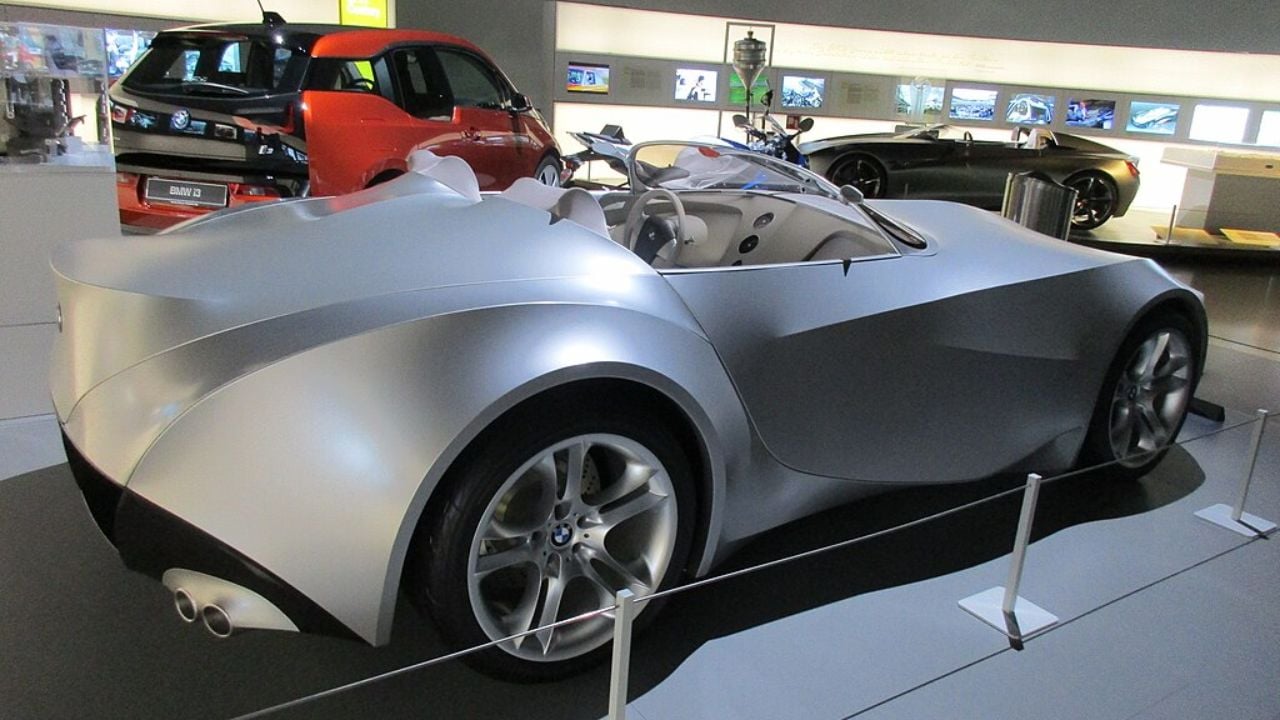
The BMW GINA challenged every assumption about what a car should be by wrapping advanced engineering in what was essentially very sophisticated fabric. The stretchable skin covered a movable aluminum frame, allowing the car to change shape like a mechanical yoga instructor with serious flexibility goals.
Headlights appeared from behind body folds like automotive magic tricks, while the hood opened like butterfly wings to reveal the engine in the most dramatic way possible. The minimalist interior embraced zen philosophy with soft lighting that probably made passengers want to meditate rather than drive aggressively.
BMW engineers studied new ways to bring flexibility into automotive design, creating a car that moved and breathed like a living thing. The GINA welcomed new forms of expression while resisting water and maintaining structural integrity, proving that sometimes the most impractical ideas lead to the most fascinating discoveries. It remains one of BMW’s most philosophical creations, which is impressive for a company that usually focuses on Ultimate Driving Machines rather than Ultimate Thinking Exercises.
Proof that the kidney grille can look good.
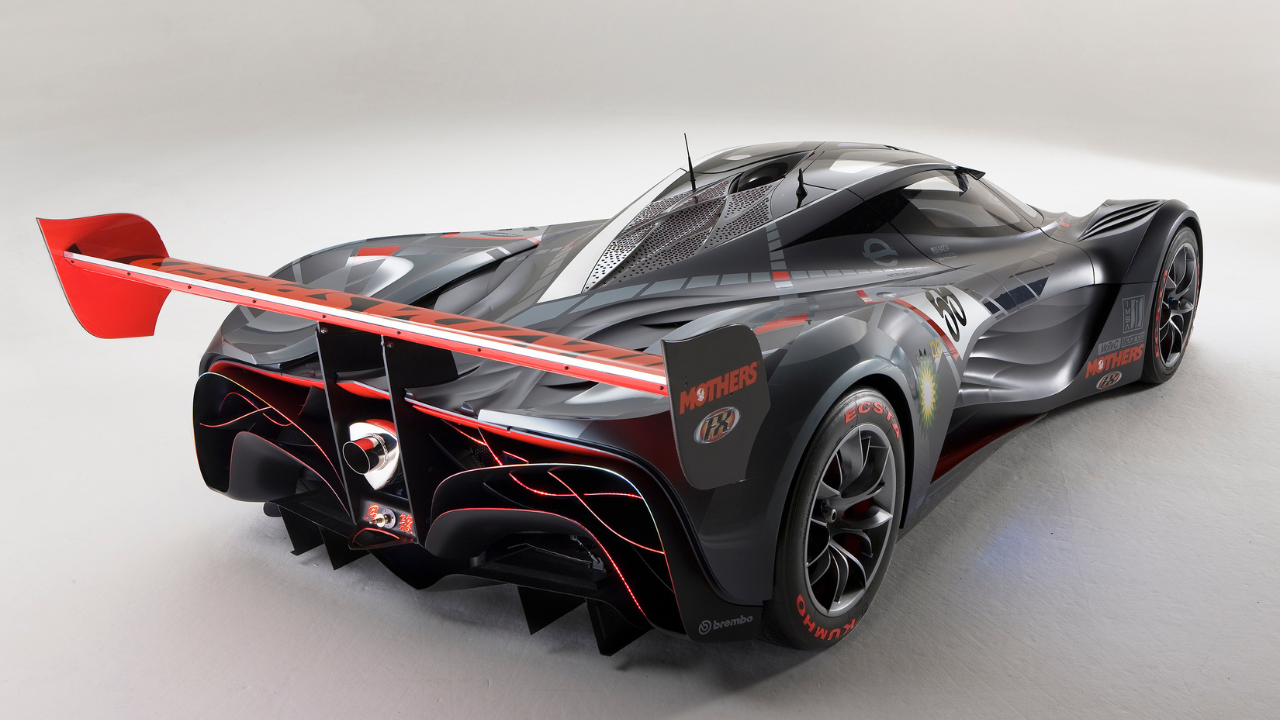
Mazda Furai
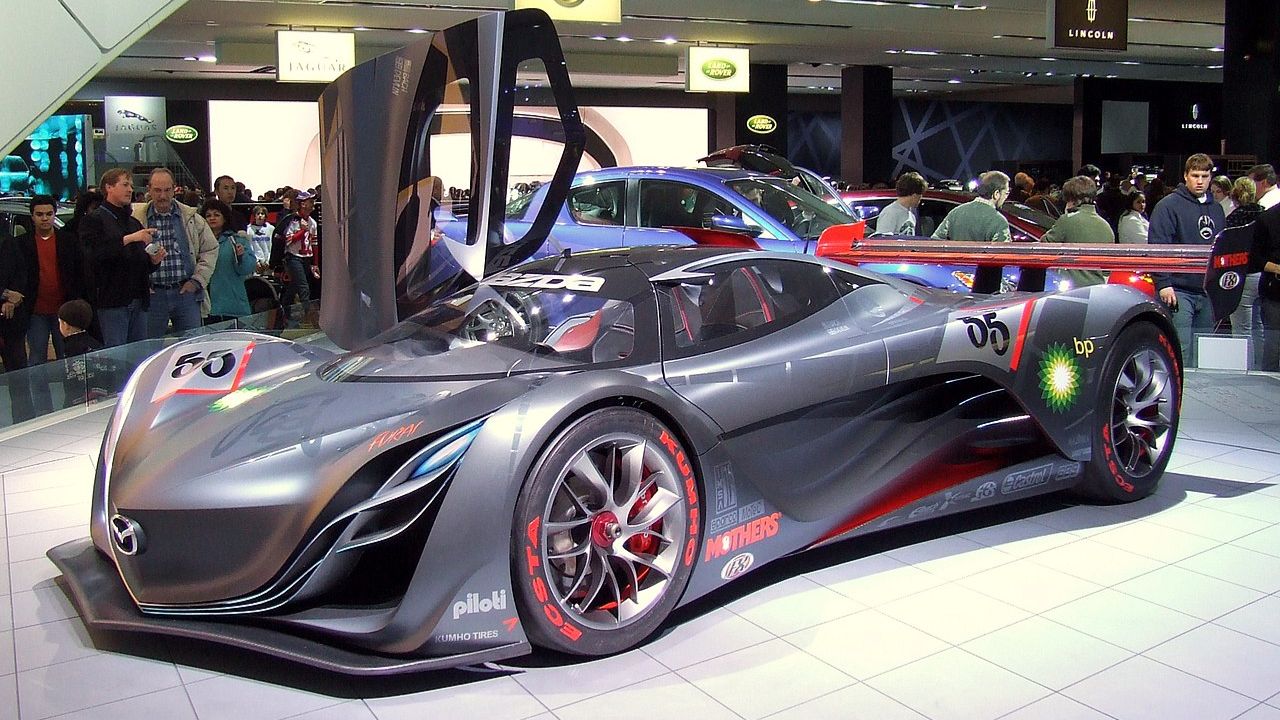
The Mazda Furai expressed motion through every curve, looking fast enough to generate its own weather system while parked. Designers followed Mazda’s Nagare design philosophy, creating flowing surfaces that guided air with the precision of a master sculptor who really understood aerodynamics.
A 460bhp rotary race engine provided the soundtrack while a Le Mans prototype chassis delivered handling that could probably make professional race drivers weep with joy. Running on ethanol fuel, the Furai embraced environmental responsibility without sacrificing the ability to achieve speeds that would concern air traffic controllers.
Butterfly doors opened to reveal an interior focused on driver connection rather than passenger comfort, because sometimes you need to prioritize the person responsible for keeping everyone alive at triple-digit speeds. The car’s dramatic stance and layered surfaces created photo opportunities that kept automotive photographers busy for months. The Furai left such a strong impression that it continues to influence Mazda design teams, proving that sometimes concept cars can shape an entire brand’s future direction.
We’re still heartbroken after a Top Gear photoshoot ended with the fiery demise of the only Furai in existence. Basically, the opposite of this stunning car getting mass-produced.
Italdesign Aztec
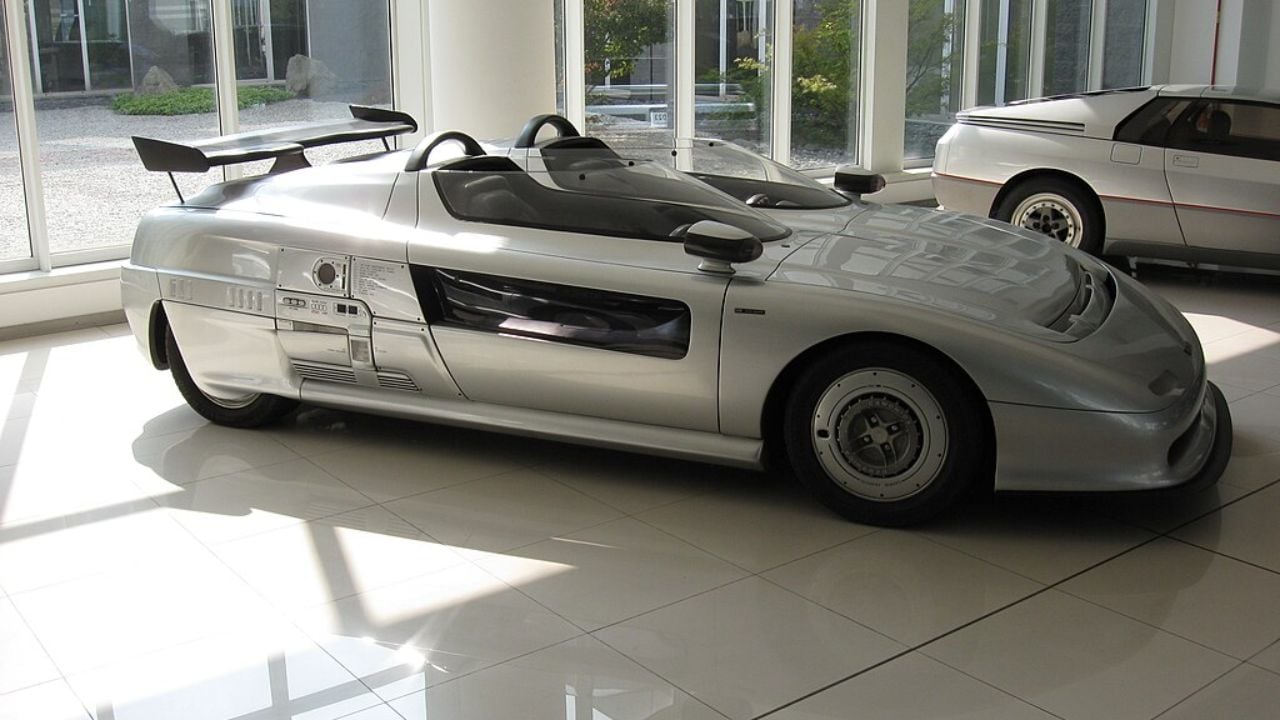
The Italdesign Aztec explored symmetry by giving both occupants their own separate command centers, complete with individual displays and controls. an electronic intercom/communication system allowed them to talk between driver and passenger, which was either incredibly futuristic or a sign that the car was too loud for normal conversation.
The body featured styling that looked like it had been designed by architects who specialized in buildings that wouldn’t exist for another century. An Audi five-cylinder turbo engine provided power, while controls resembled arcade cabinet interfaces designed for very serious games. Silver paint and matte surfaces created visual drama that probably required sunglasses in bright sunlight.
Limited production meant that only a few road-going examples exist, making them treasures among collectors who appreciate originality over practicality. The Aztec celebrated individuality in an era when most cars were becoming increasingly similar, proving that sometimes the best ideas come from completely ignoring conventional wisdom.
Chevrolet Aerovette
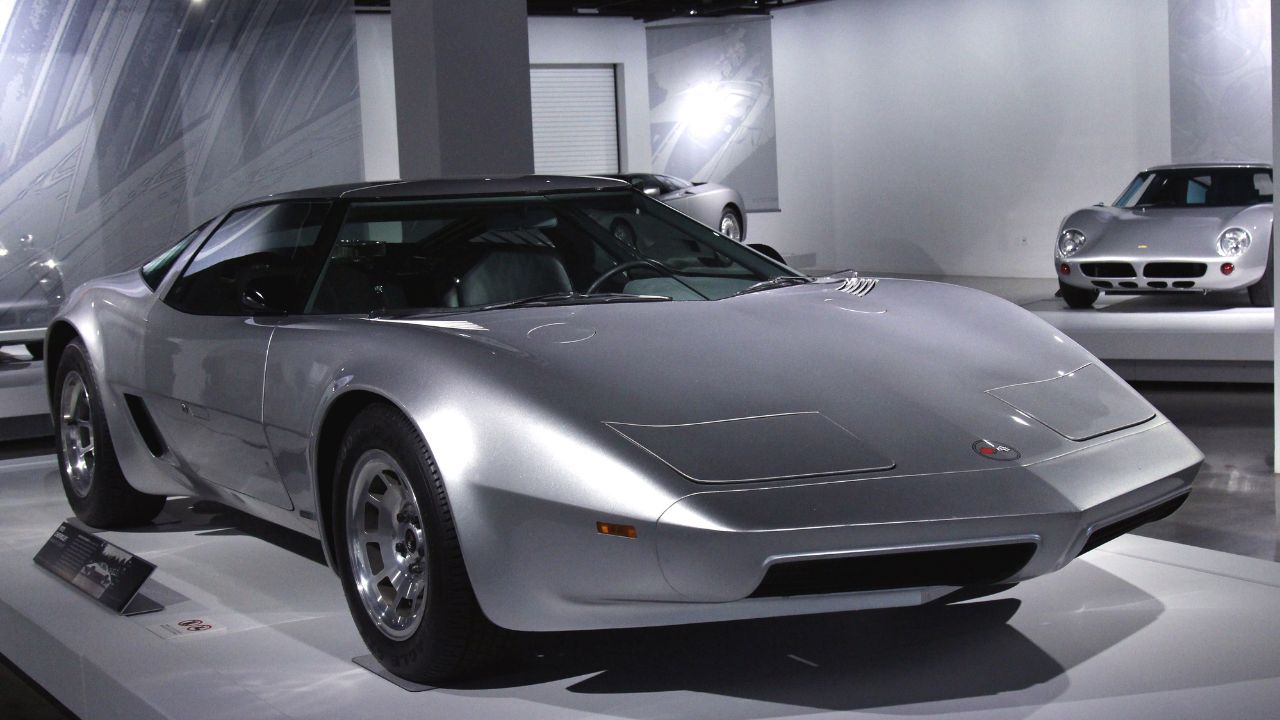
The Chevrolet Aerovette introduced the tantalizing concept of a mid-engine Corvette, placing the V8 behind the seats where it could provide proper balance and maximum excitement. Gullwing doors added dramatic flair to what was already a pretty spectacular package, and the related XP-895 ‘Reynolds’ program even built an all-aluminum-bodied version to explore lightweight construction and strength high.
The dashboard displayed a collection of gauges that looked like they belonged in a spacecraft designed for high-speed atmospheric entry. Zora Arkus-Duntov, the father of the Corvette, supported the project with the passion of someone who understood that sometimes evolution requires revolution.
Public showings generated enormous enthusiasm among Corvette fans who were ready for something genuinely different from America’s sports car. The proportions suggested serious performance even at rest, while flowing lines created visual continuity from nose to tail. The Aerovette offered a glimpse of what American sports cars could become, though it would take several decades for production Corvettes to finally adopt the mid-engine layout that seemed so obvious in 1973.
Objects in the Rearview Are Closer Than They Appear
These concept cars belong to a special category of automotive history where ambition met artistry and budgets temporarily forgot to ask reasonable questions. Each vehicle arrived with genuine purpose and captured attention through bold design choices that modern focus groups would probably reject before lunch.
They reflected the optimistic energy of their respective eras and the futures those eras dared to imagine. Their influence continues to travel forward through every curved fender, illuminated emblem, and design choice that prioritizes beauty over market research. Many elements they pioneered can now be found scattered across showrooms worldwide, usually in watered-down versions that satisfy safety regulations and manufacturing constraints.
Looking back, these machines feel genuinely timeless rather than dated, which is remarkable considering how quickly automotive trends usually expire. Their place in car culture remains secure through continued admiration, academic study, and the passionate storytelling of enthusiasts who believe driving should involve more excitement than checking email at traffic lights.
These concepts created moments filled with genuine wonder and possibility. Those moments continue to fuel the imagination of every enthusiast who still believes in the magic of motion and refuses to accept that all cars must look like focus-grouped transportation appliances.
They remind us that sometimes the best ideas are the ones that never make it past the concept stage, not because they weren’t good enough, but because they were too good for a world that wasn’t ready for them. You can have your electric SUVs; I’d rather take these sharp, angular wedges any day.