Let’s be honest: BMW’s design philosophy for the past decade has been “what if we made the kidney grilles so large they could filter actual kidneys?” Meanwhile, Mazda has been quietly perfecting the art of making cars that don’t look like they were designed by committee in a windowless conference room.
This isn’t another “underdog brand good, premium brand bad” take. This is about that magical moment when you see a car and think, “Wait, how much does that cost?” followed immediately by “Why doesn’t my expensive car look half as good?”
BMW built their reputation on “The Ultimate Driving Machine,” but somewhere along the way, they seemed to forget that driving machines should also be looking machines. Mazda never forgot. While Munich was busy adding gesture control to torture drivers, Hiroshima was asking deeper questions like “What if we designed cars that made people smile?”
Seeing Beyond the Badge
Good proportions are like good comedy timing: you know it when you see it, even if you can’t explain why. It’s the difference between a well-tailored suit and wearing your dad’s hand-me-downs to prom. Mazda figured this out early and has been making BMW’s design team look like they’ve been shopping in the dad-clothes section ever since.
We’re talking about stance, overhangs, cabin positioning, and that indefinable quality that makes you slow down when one passes you on the highway. These aren’t technical specifications, they’re emotional reactions. The kind that make you irrationally consider financing decisions you definitely can’t afford.
Every car on this list achieved something BMW spent decades and billions trying to perfect: making people forget about the badge and fall in love with the shape. Turns out, you don’t need a Bavarian postal code to understand beauty.
Mazda MX-5 Miata (NA)
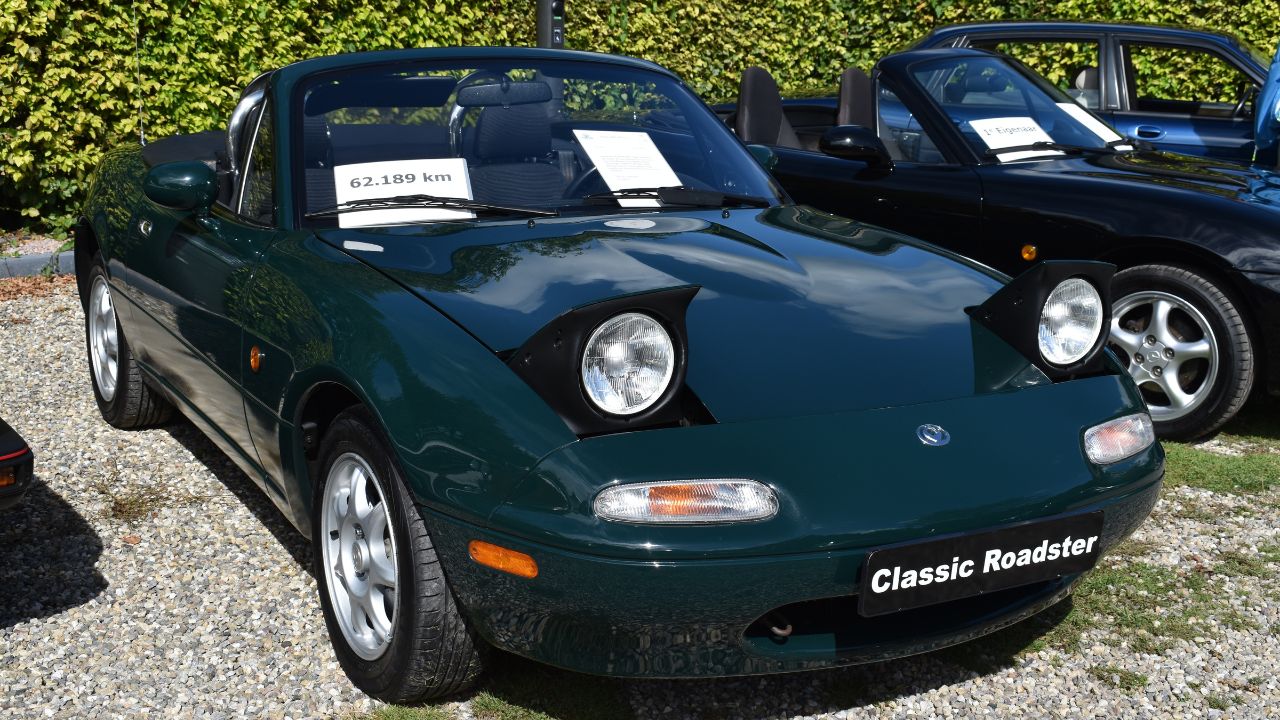
The original Miata was what happened when Mazda’s designers asked, “What if we made a British roadster that actually starts in the morning?” The result was automotive poetry that made BMW’s Z1 look like it was drawn by someone wearing oven mitts.
Those perfect proportions, short overhangs, low beltline, and fender flares that whispered rather than screamed, created something magical. While BMW was busy overcomplicating the Z3 with enough plastic cladding to build a greenhouse, Mazda proved that sometimes the best design statement is knowing when to stop designing.
The pop-up headlights became iconic; a car with soul that winked at you. Try getting that kind of personality from a modern BMW grille that looks like it’s permanently surprised to be alive.
Mazda RX-7 (FD)
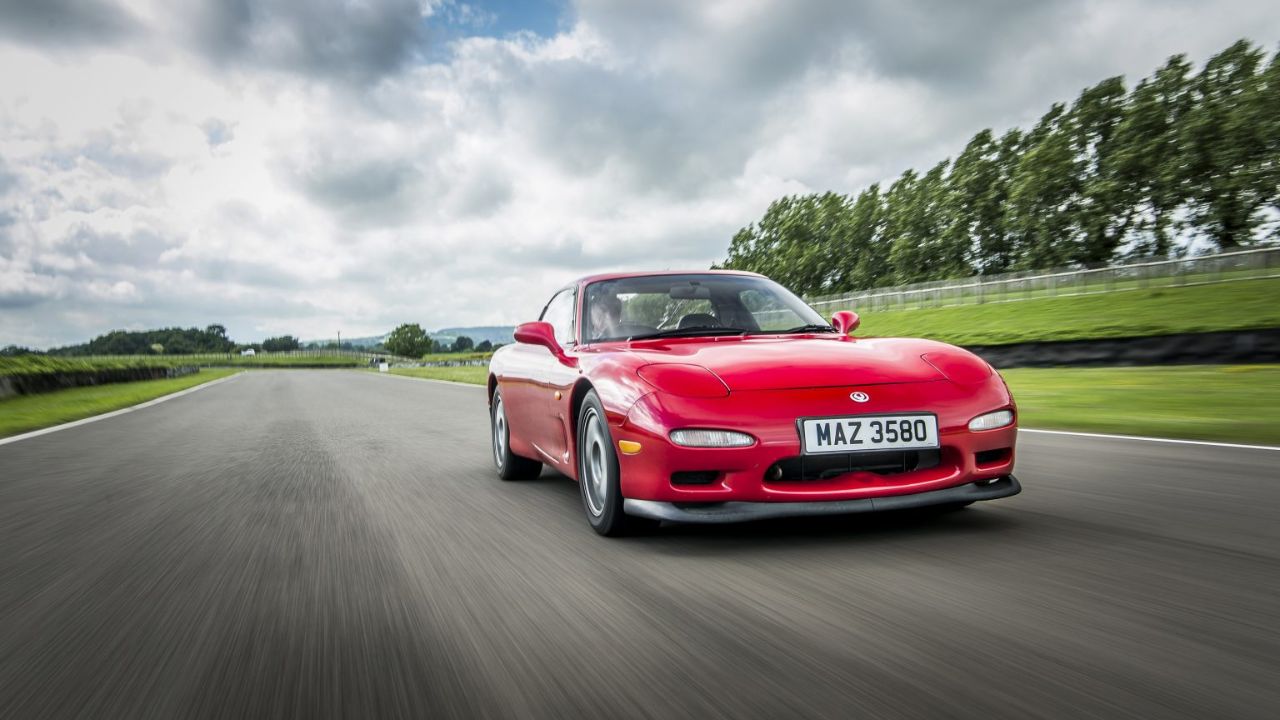
If the FD RX-7 were any more beautiful, it would be illegal in several states. Those flowing lines and teardrop profile made every other sports car of the era look like it was assembled from leftover refrigerator parts. Even BMW’s E36 M3, objectively a great car, looked positively brutish next to the RX-7’s organic curves.
The genius was in the details: that long hood promising serious business under the cover, the cabin positioned like the car was perpetually leaning into a corner, and proportions so perfect they made geometry teachers weep with joy. Meanwhile, BMW was still figuring out how to make their coupes look like something other than sedans with commitment issues.
This wasn’t just transportation; it was sculpture that happened to have wheels. The kind of car that made you park far away from other cars, not because you were afraid of door dings, but because you didn’t want to embarrass the neighbors.
Mazda 6 (Third Generation)
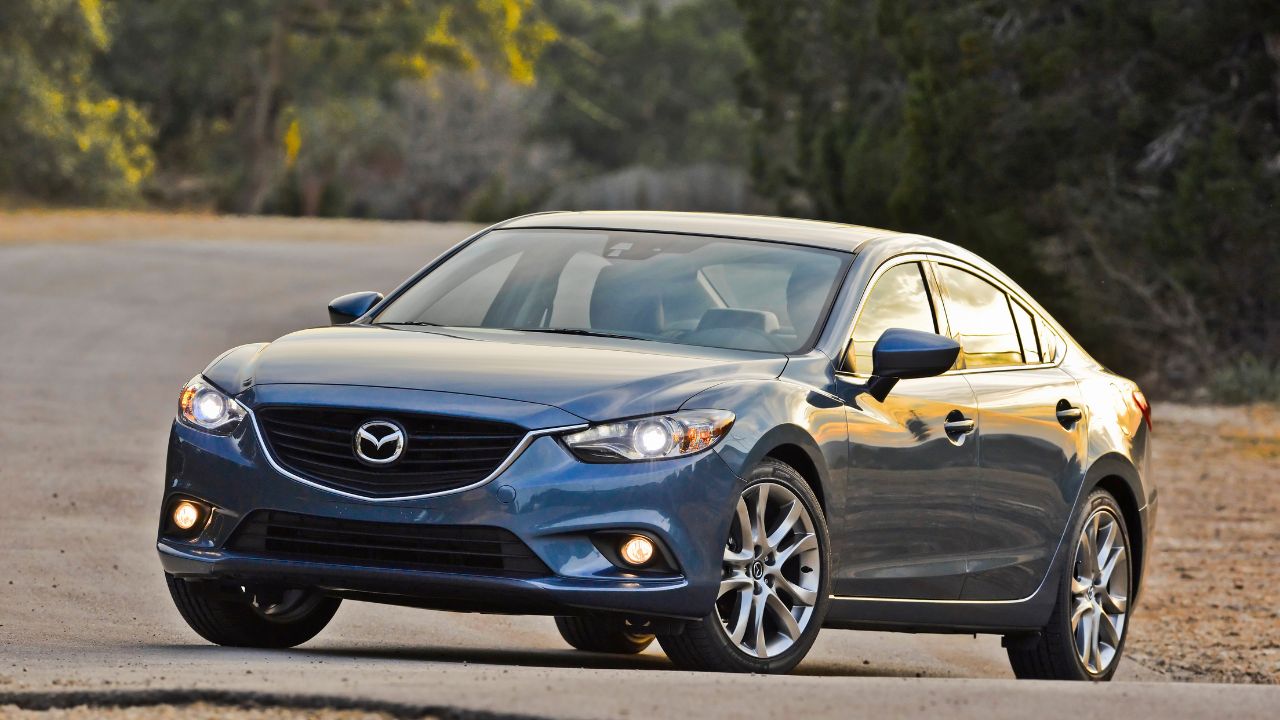
When this generation of the Mazda 6 debuted, BMW’s design team probably had some uncomfortable meetings. Here was a family sedan that looked more athletic than their 3 Series, more elegant than their 5 Series, and achieved all this without resorting to the design equivalent of shouting in all caps.
The proportions were chef’s kiss perfect: that sweeping hood, coupe-like roofline, and stance that suggested it was ready for the Nürburgring but also fine with grocery runs. BMW’s F30 3 Series, released around the same time, looked like it was designed by people who had only heard sedans described over the phone.
Inside, Mazda continued the masterclass with an interior that felt more upscale than cars costing twice as much. It was like they took BMW’s playbook, actually read it, then improved on every page.
Mazda Cosmo (1967)
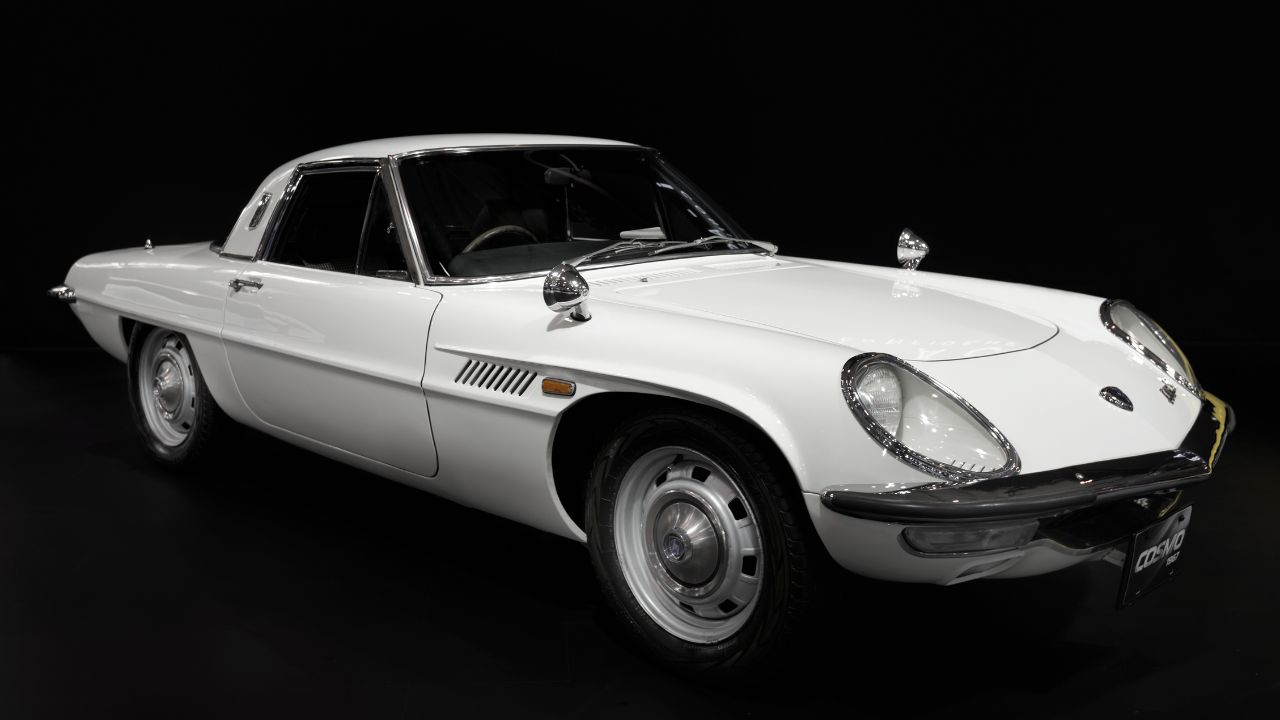
In 1967, while BMW was still figuring out how to make cars that didn’t look like they were drawn with a ruler, Mazda dropped the Cosmo on an unsuspecting world. This thing looked like it was designed by people who had actually seen the future and decided to bring some of it back with them.
Those proportions were so ahead of their time, they made contemporary BMW coupes look like they were still waiting for the industrial revolution to happen. The low, sweeping body and spaceship cabin weren’t just styling exercises, they were Mazda announcing they weren’t interested in playing it safe.
The headlights sat under clear covers, and the tapering tail helped give the Cosmo its futuristic look. Sometimes being the new kid means you don’t know what’s “impossible,” so you just do it anyway.
Mazda CX-30
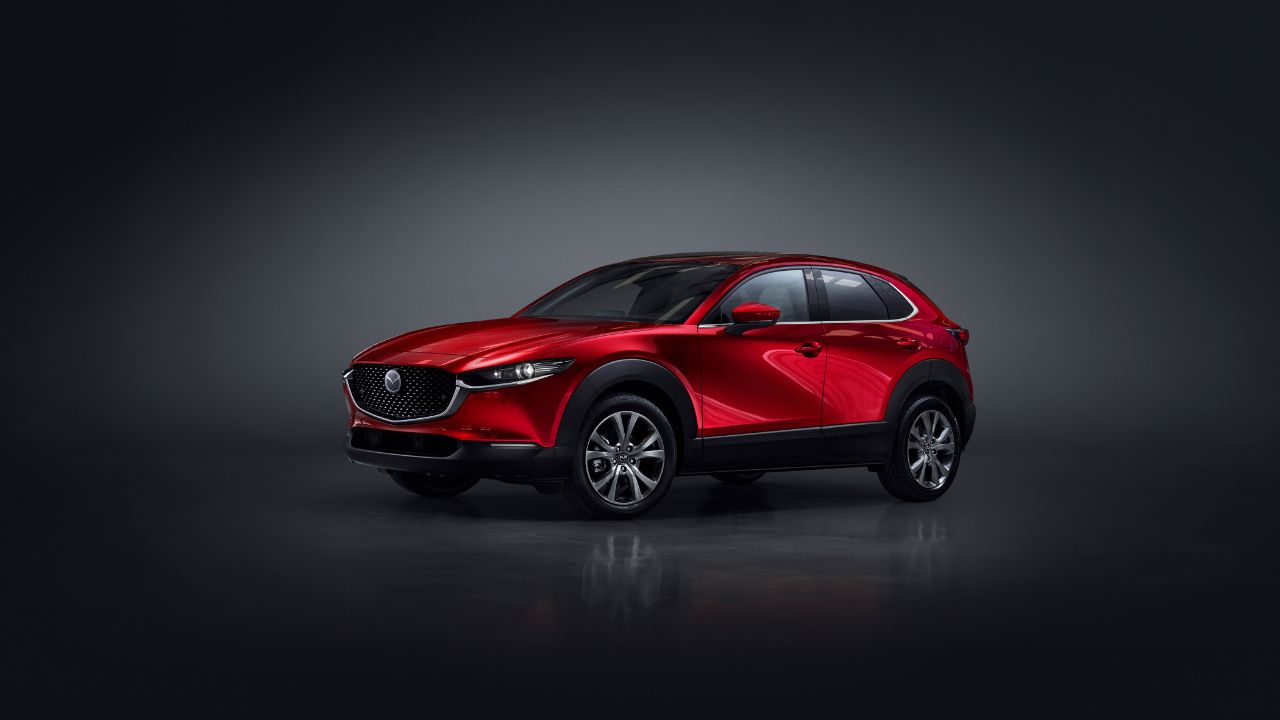
In a world where most crossovers look like they were designed by committee to offend absolutely no one, the CX-30 showed up looking like someone actually cared. Those flowing lines and coupe-like stance made BMW’s X1 look like it was assembled from spare parts found behind an industrial supply warehouse.
The genius was in the proportions: everything balanced just right, like a perfectly mixed cocktail. While other compact SUVs embraced their inner minivan, the CX-30 had the audacity to be genuinely attractive. Novel concept, apparently.
Inside, it continued the theme with an interior that didn’t look like it was designed by people who thought luxury meant adding more cup holders and calling it premium.
Mazda RX-8

The RX-8 solved a problem no one knew existed: how to make a four-door car that doesn’t look like a four-door car. Those suicide doors were Mazda showing off, like a magician pulling a rabbit out of a hat, but the rabbit is actually good design.
While BMW was busy making its 3 Series sedans look increasingly like they were embarrassed to have four doors, Mazda embraced the challenge and made it look effortless. The cab-rearward stance and flowing lines created drama without resorting to the design equivalent of jazz hands.
It proved that clever thinking could solve problems that money and heritage couldn’t. Sometimes the best solution is the one no one else thought to try.
Mazda MX-5 Miata (ND)

The current Miata exists in a world where BMW turned its Z4 into something that looks like it’s permanently angry about traffic. Meanwhile, Mazda doubled down on purity and proportions, creating a car that looks ready to have fun rather than ready to fight.
Those sculpted panels and wide stance aren’t trying to intimidate: they’re trying to charm. It’s the difference between a person who’s confident and a person who needs to tell everyone how confident they are. The ND Miata whispers where others shout, and somehow gets more attention.
This is what happens when designers understand that evolution doesn’t mean abandoning everything that worked in the first place.
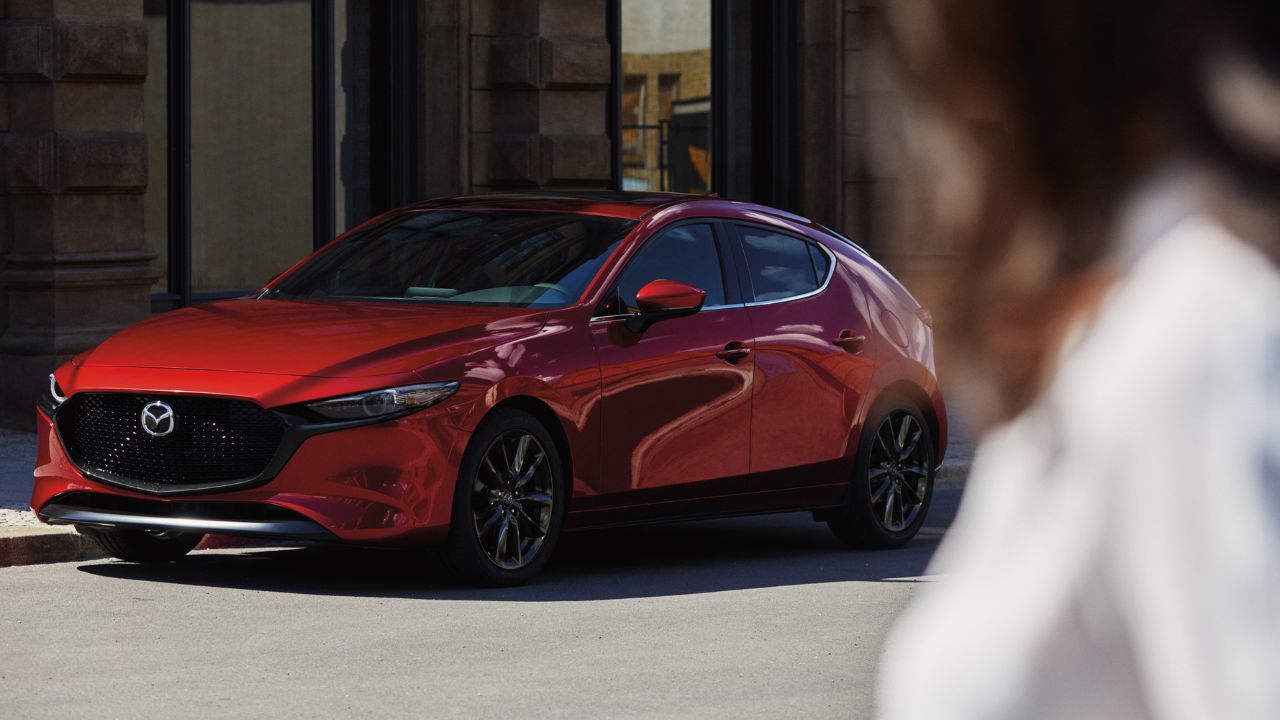
Mazda 3 Hatchback (Fourth Generation)
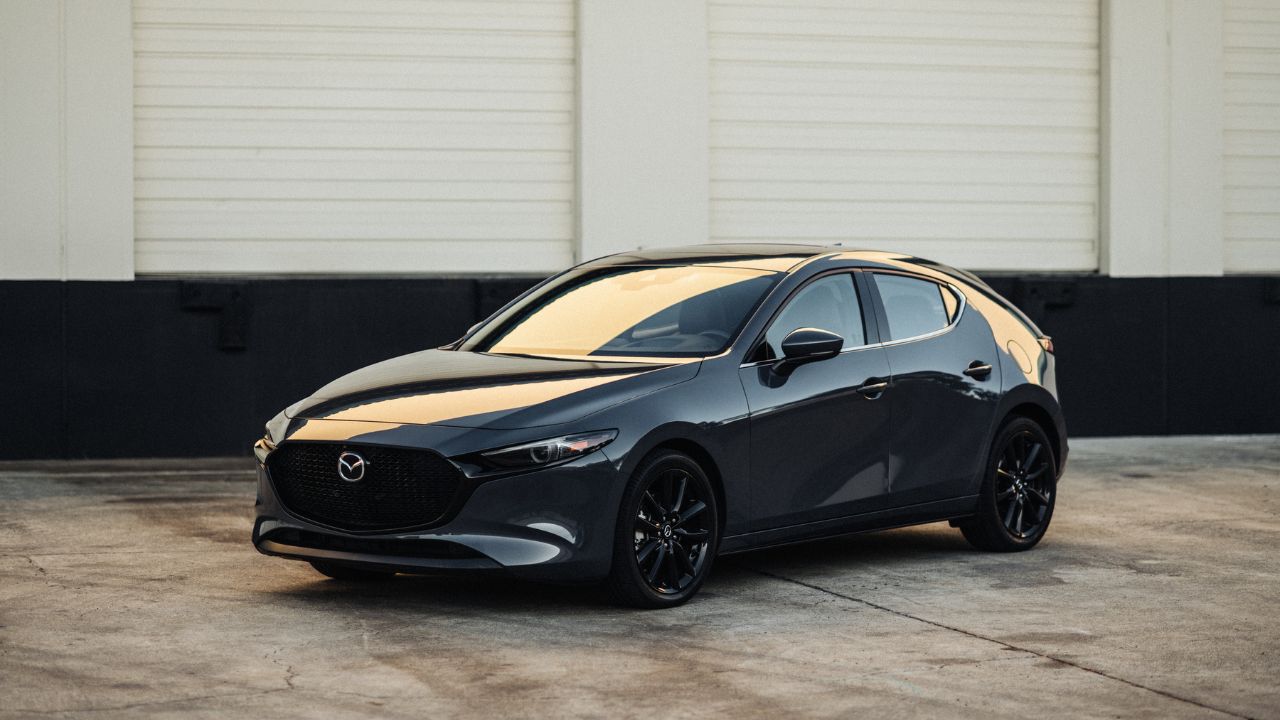
This generation of the Mazda 3 hatch walked into the premium compact segment and made everyone else’s homework look like they copied it from someone who didn’t understand the assignment. Those smooth surfaces and athletic stance created a presence that made BMW’s 1 Series look like it was assembled from leftover parts.
The proportions were so good, they made you forget this was supposed to be an “entry-level” car. Long hood, confident rear overhang, and a stance that suggested it was ready for anything; it was like Mazda’s designers forgot they were working on a budget and just made it beautiful anyway.
Inside, the cockpit continued the theme with an upscale feel that made you question why anyone pays extra for premium badges when you can get premium design for regular-person money.
Mazda RX-7 (First Generation)
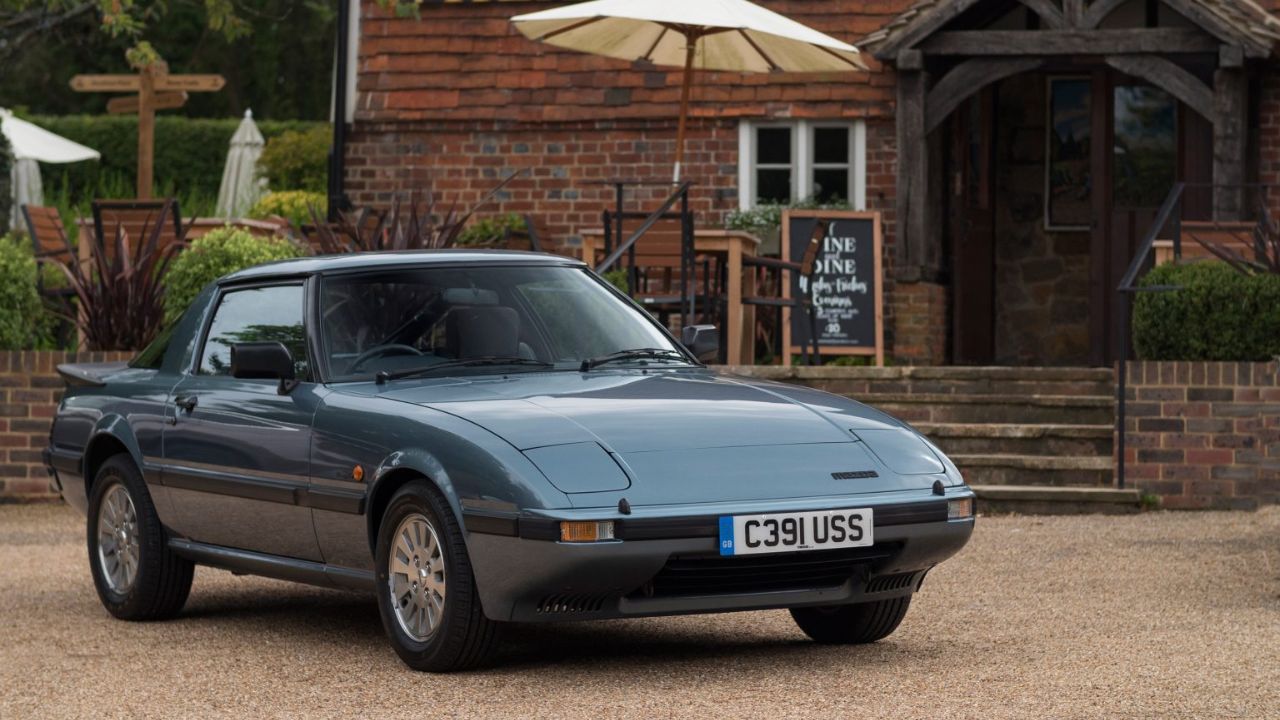
The first-generation RX-7 introduced the world to Mazda’s vision of a truly modern sports car.
The original RX-7 was Mazda’s introduction letter to the sports car world, and what an introduction it was. While BMW’s coupes of the late ’70s looked like they were designed by people who thought “sporty” meant “slightly less boxy,” the RX-7 showed up with proportions that whispered “exotic” without the exotic price tag.
That long, sloping hood and fastback rear created a silhouette that looked fast standing still, a trick BMW wouldn’t master for another decade. The pop-up headlights added just enough playfulness to keep it from taking itself too seriously, unlike certain other brands we could mention.
This was the car that established Mazda’s design DNA and proved that good proportions could make people forget about badge snobbery.
Mazda 6 Wagon
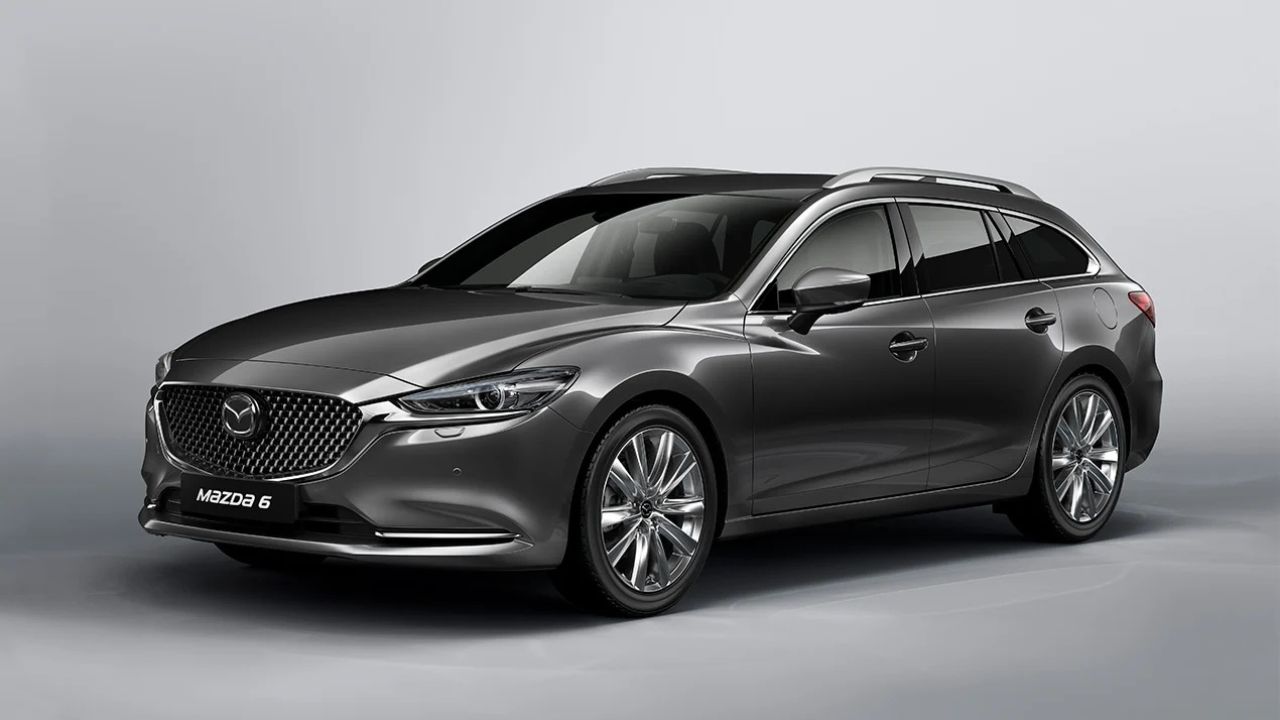
In a world where most wagon designs looked like someone had stretched a sedan in Photoshop and called it a day, the Mazda6 wagon, sold as the Atenza Wagon in Japan, showed up looking like it was always meant to be that shape. Those flowing lines and sporty profile made BMW’s Touring models look like they were apologizing for existing.
The proportions struck that perfect balance between practicality and beauty, something that apparently requires advanced degrees in engineering at most other companies but seems to come naturally to Mazda’s design team.
This was proof that family cars don’t have to look like punishment for having children.
Mazda MX-3
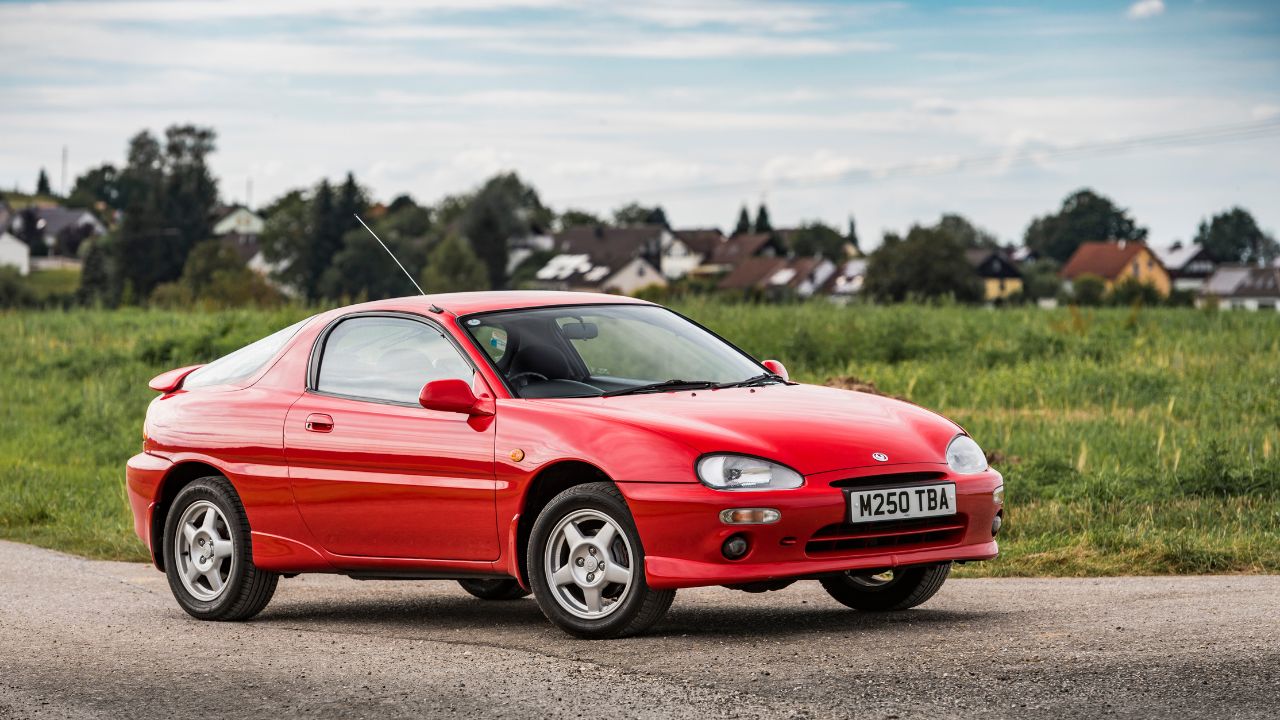
The MX-3 packed more personality per square inch than cars twice its size and three times its price. Those compact, playful proportions and rounded form made it look ready for adventure, while BMW’s small coupes of the era looked ready for a very serious discussion about depreciation schedules.
It captured the optimism of the ’90s without falling into the decade’s trap of thinking “more aggressive” automatically meant “better.” Sometimes the best designs are the ones that make you smile, not the ones that make you look over your shoulder.
This little coupe proved that good design doesn’t require a big budget, just people who care about getting it right.
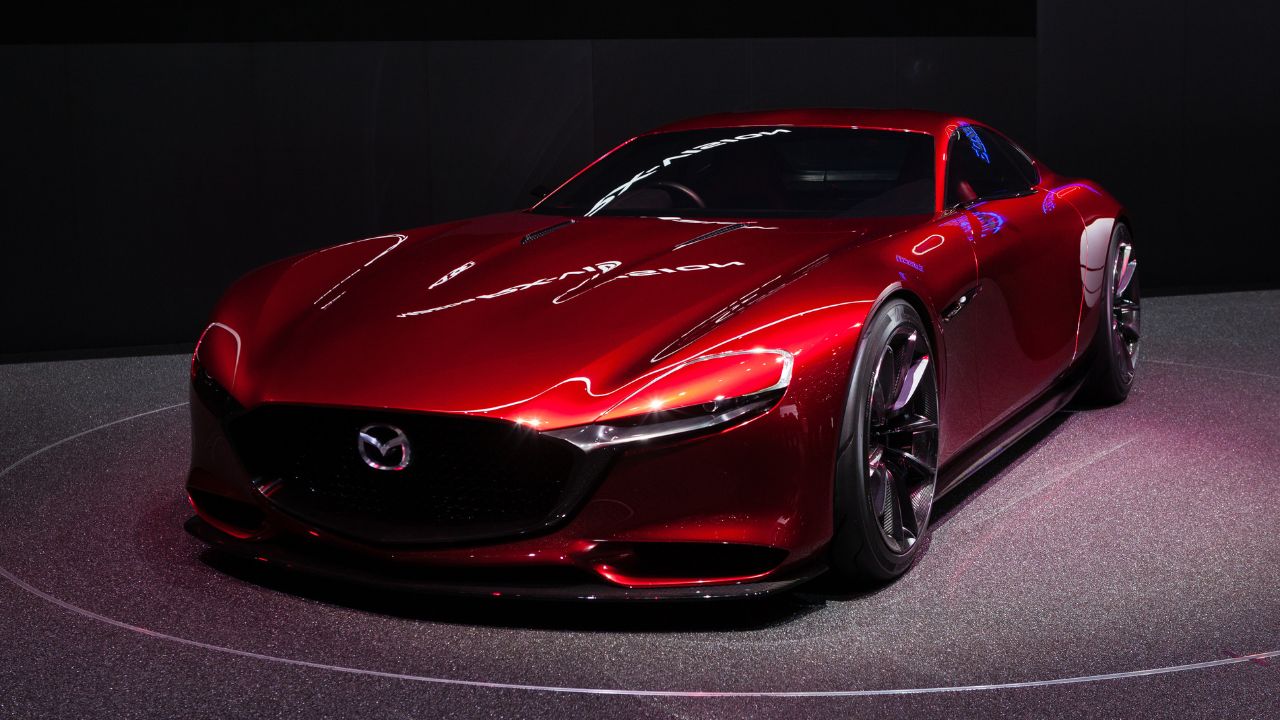
Mazda RX-Vision Concept
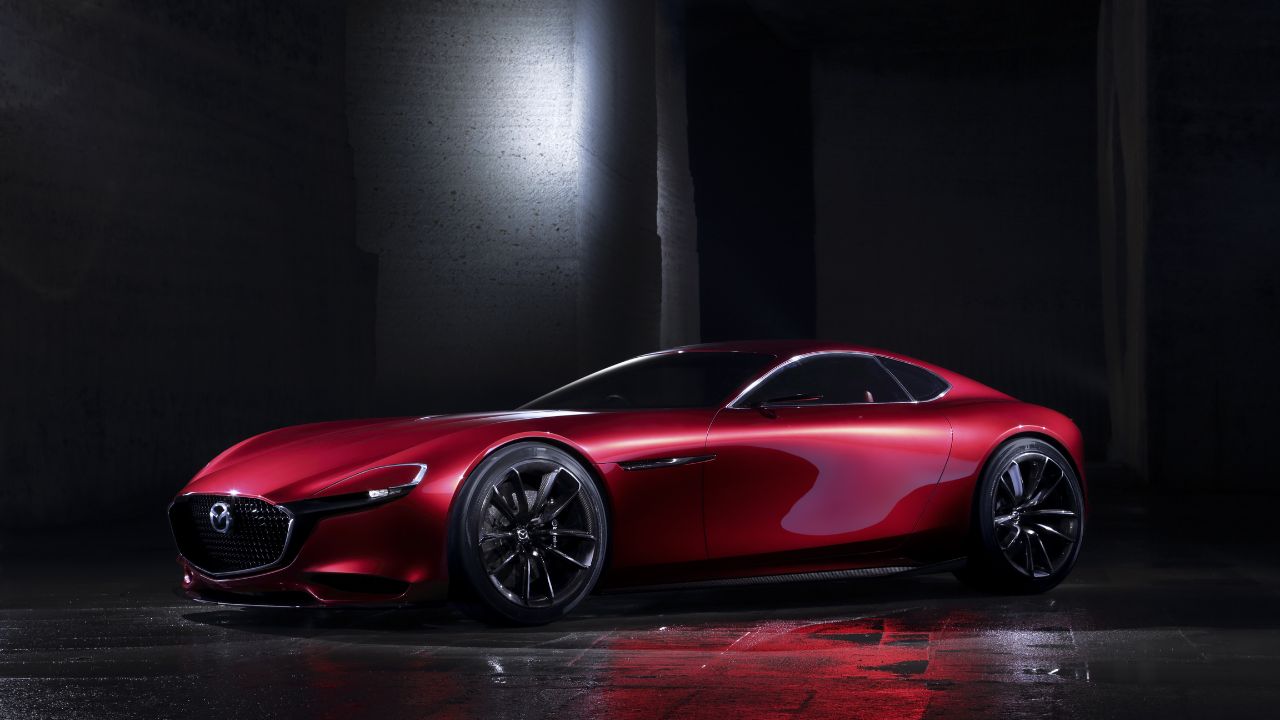
Unveiled at the 2015 Tokyo Motor Show, the RX-Vision concept was Mazda’s way of saying, “Oh, you thought we were done?” Those impossibly perfect proportions and sweeping curves created something that made every other concept car look like a rough draft.
This wasn’t just automotive design; this was Mazda flexing so hard that European design houses probably called emergency meetings. The long hood, cab-rearward stance, and flowing lines embodied everything that makes a great sports car silhouette, then somehow made it better.
Even as a concept, it set a new standard for what beautiful cars could look like. It was Mazda’s polite way of announcing they weren’t just playing in the design big leagues, they were ready to rewrite the rulebook.
Design That Speaks Louder Than Badges
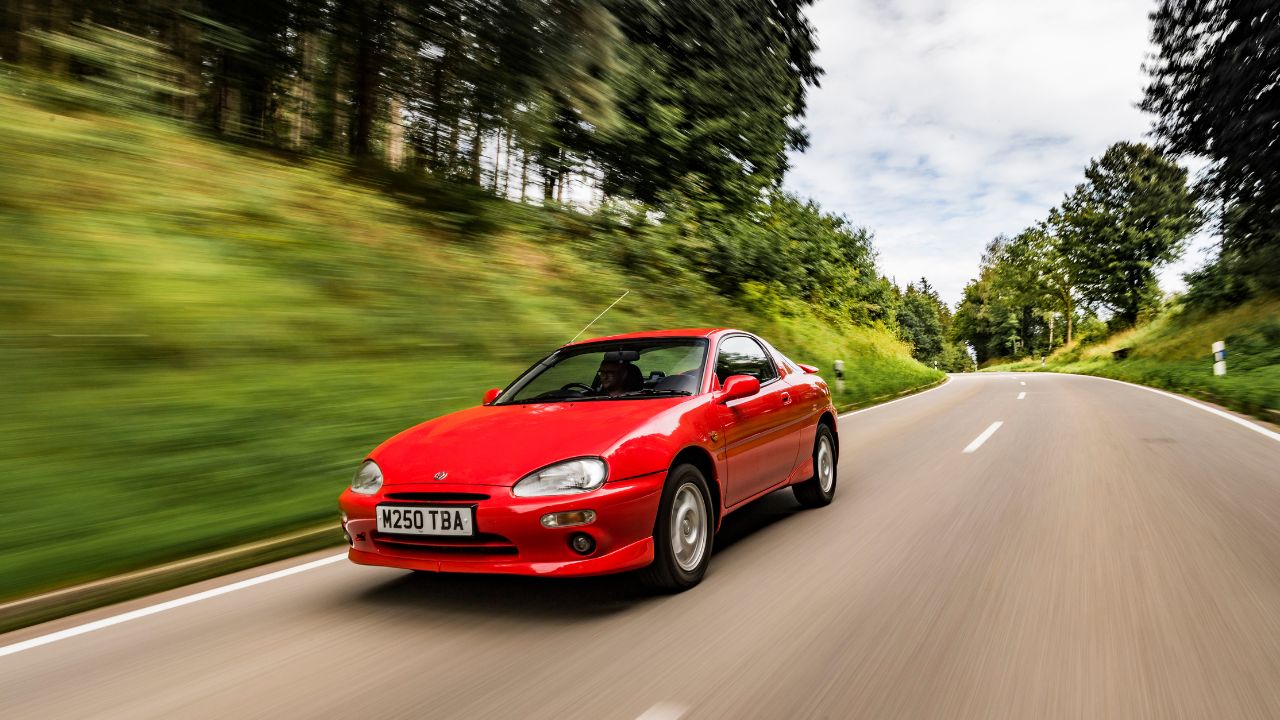
Here’s the thing about great design: it doesn’t need a pedigree to work. Some of the most beautiful cars ever made came from companies that nobody expected to challenge the establishment. Mazda proved that good proportions, thoughtful details, and the courage to take risks could create cars that make people stop and stare.
While BMW spent decades trading on heritage and charging extra for the privilege, Mazda was quietly perfecting the art of making every car in their lineup look intentional, purposeful, and yes, beautiful. They didn’t need to shout about their design philosophy because it was evident in every line, curve, and proportion.
The next time you see one of these Mazdas, take a moment to appreciate what happens when designers are allowed to prioritize beauty over spreadsheets. In a world full of cars that look like they were designed by committee, Mazda’s best efforts remind us that sometimes the most powerful statement you can make is simply looking fantastic while going about your business.
And isn’t that ultimately what good design should do? Make the everyday extraordinary, one perfect proportion at a time.