
Look, your Tesla’s autopilot can’t navigate you through actual American history, and your GPS probably thinks these places are “user error.” But suppose you’re tired of boring interstate slabs and want to give your suspension a real workout while discovering towns that make your hometown look like a thriving metropolis. In that case, it’s time to forget the usual road trips you see on Pinterest and TikTok — we’re taking you through towns forgotten in time.
These ghost towns are perfect for those of us who think the best roads are the ones that make your alignment shop rich and your paint job questionable. Pack extra coolant, check your spare tire (you know, that flat donut you’ve been ignoring), and prepare for cell service so bad you’ll have to talk to other humans. These are road trips that offer more than just sightseeing — you’ll learn some crazy, forgotten stories from the history of the United States and get up close to what was left behind.
Bodie, California
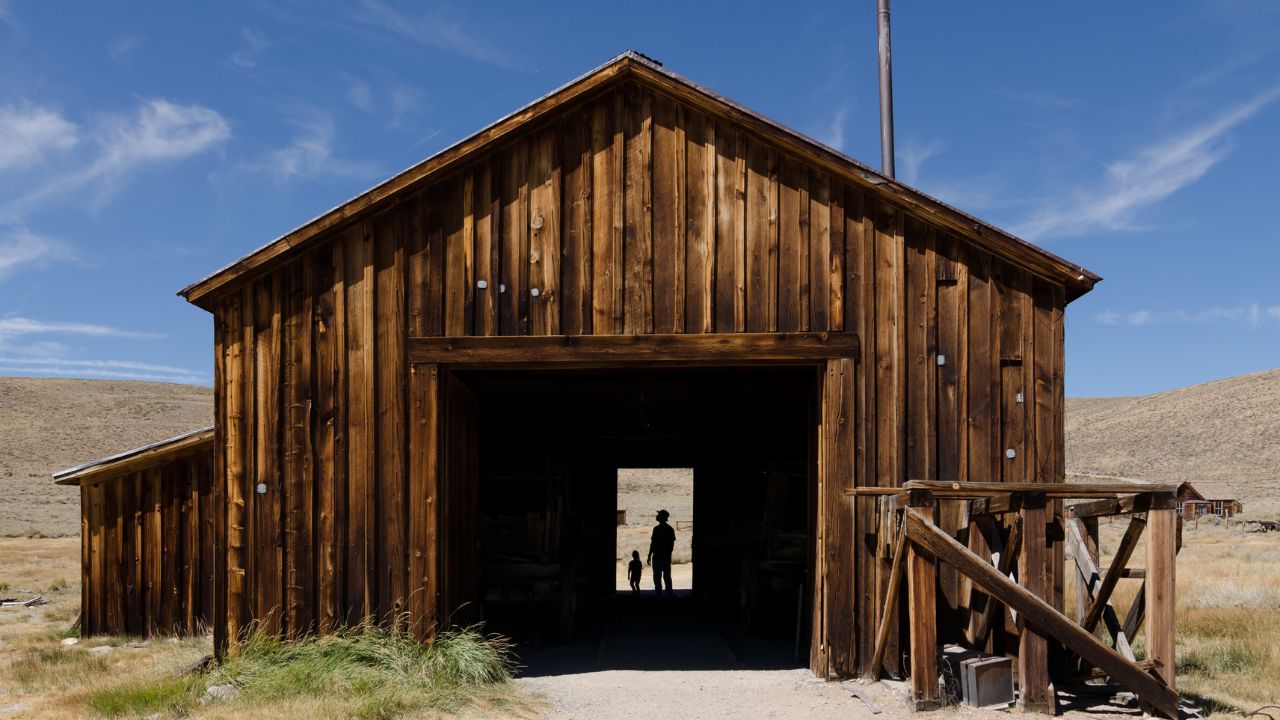
Welcome to California’s most honest town — everyone here admits they’re dead! This place makes your neighbor’s project car look well-maintained. Bodie sits at 8,375 feet, which means your naturally aspirated engine is about to learn what “power loss” really means. The altitude will humble your V8 faster than a speed camera.
Bodie had 65 saloons at its peak. Today, it has zero gas stations. Plan accordingly, unless you enjoy pushing your ride through sagebrush while cursing your fuel gauge. The buildings here have been standing since the 1870s without a single oil change, so show some respect.
The road in is rougher than a 1980s Chrysler transmission, so maybe leave the lowered Honda at home. Your coilovers weren’t meant for this kind of punishment, and neither was your back.
Terlingua, Texas
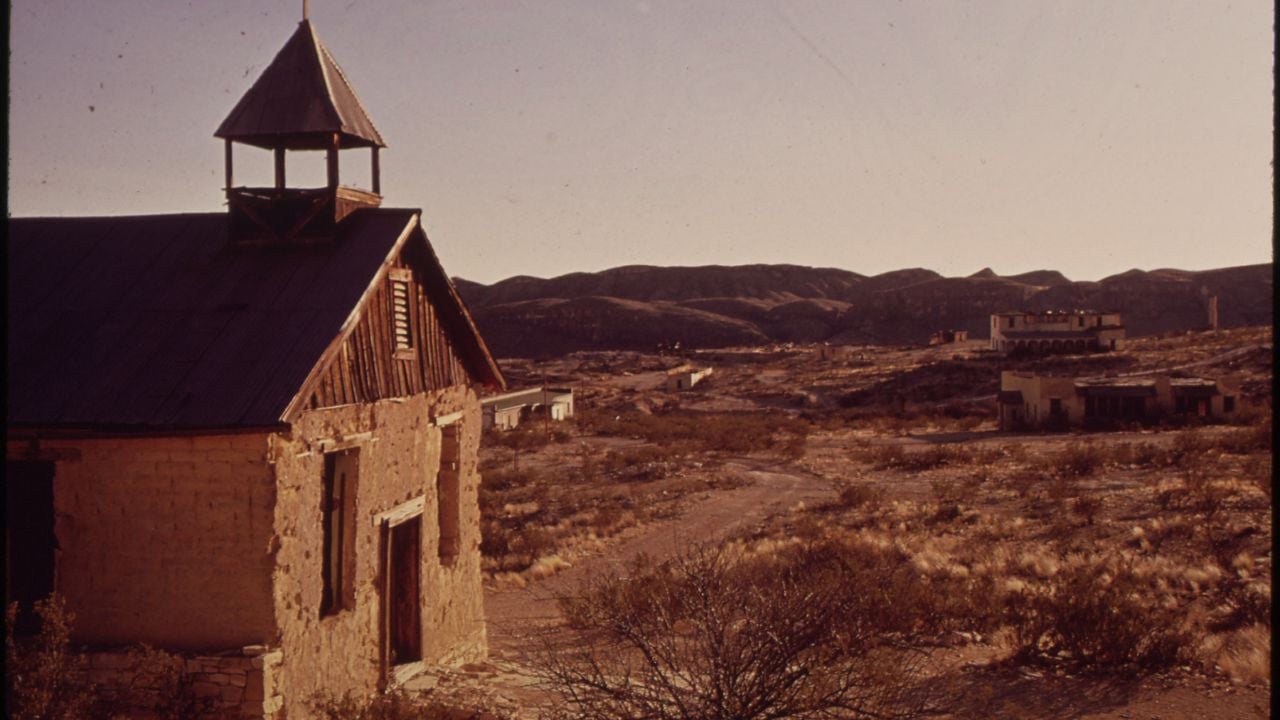
If you thought Phoenix was hot, Terlingua laughs at your pathetic understanding of desert heat. This place will melt your dashboard faster than you can say “ghost pepper chili cook-off.” Speaking of which, they host an annual chili competition here because the regular desert heat wasn’t punishing enough.
The mercury mining operation shut down in the 1940s, likely due to the extreme temperatures that made it impossible for even toxic chemicals to survive. Your coolant system better be bulletproof, or you’ll be joining the permanent resident population (currently hovering around zero, give or take a few optimistic souls).
If your car has leather seats, bring oven mittens. If it has vinyl seats, get a fire extinguisher. The nearest AAA tow is approximately forever away, so make sure your ride is more reliable than a Land Rover (low bar, we know).
Rhyolite, Nevada
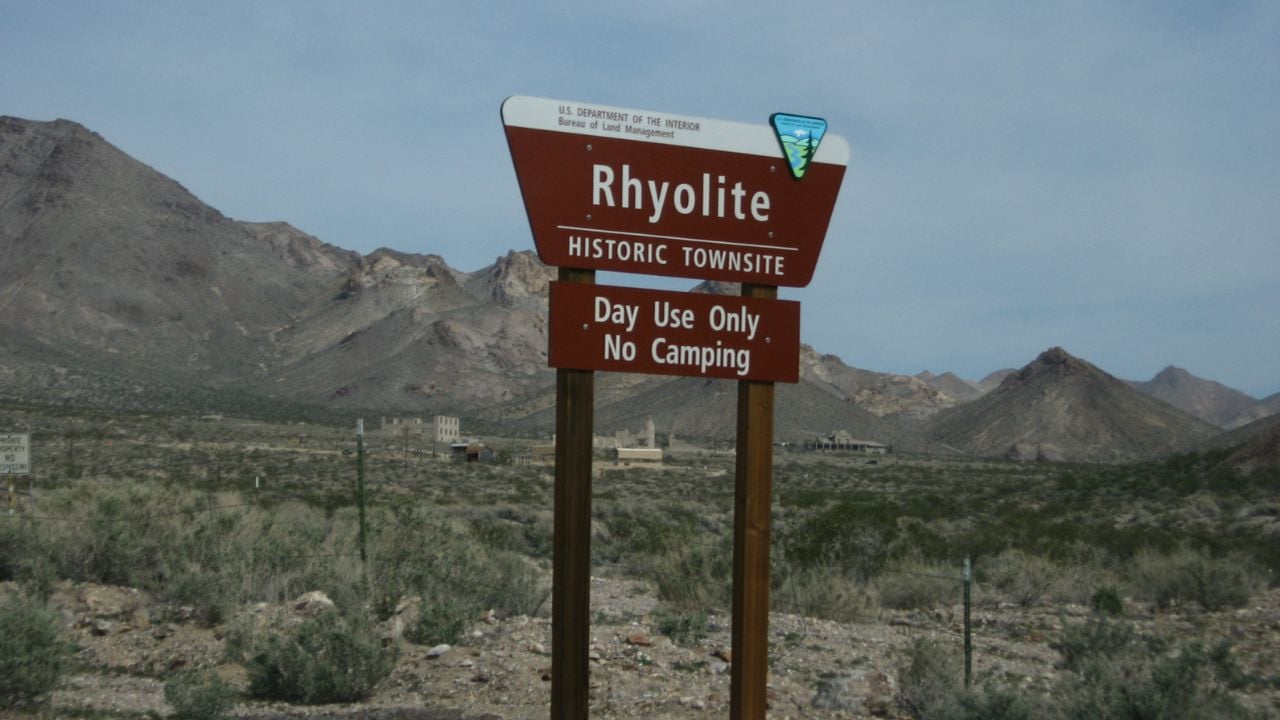
This town died faster than Pontiac, and with about as much dignity. Built on gold rush optimism in 1904, abandoned by 1916 — that’s a shorter lifespan than most sports cars. The famous bottle house is still standing, which is more than we can say for most GM products from the same era.
The sculptures here are made from car parts and desert dreams, proving that even in death, this place has more creativity than Detroit’s current lineup. There’s an outdoor art installation that includes actual car sculptures, because nothing says “we’ve given up” like turning vehicles into lawn ornaments.
The road here is smoother than you’d expect, but don’t get cocky: Nevada roads have a way of humbling overconfident drivers. Plus, the nearest gas station is back in Beatty, so unless you’re driving a Prius (and why would you?), top off before the final approach.
Chloride, Arizona
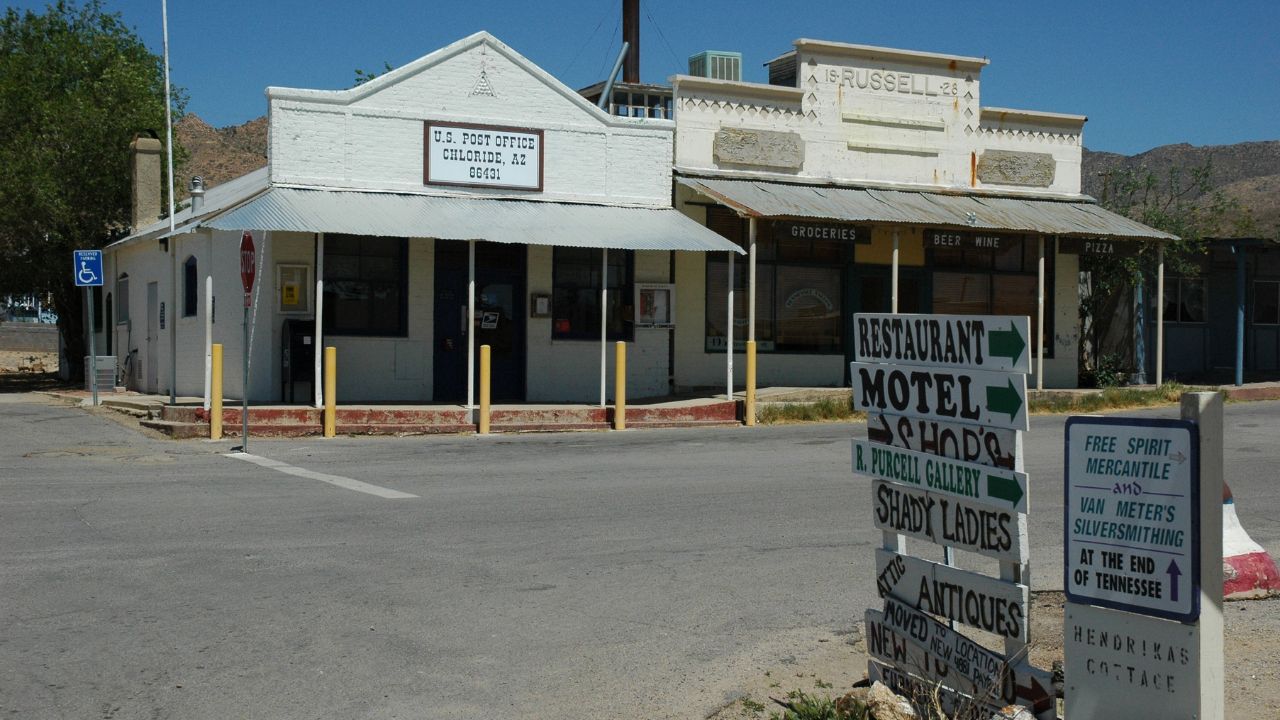
Chloride is what happens when a town refuses to die gracefully. It’s like that friend who keeps their high school car running with duct tape and sheer stubbornness. The murals painted on the rocks outside town are prettier than most modern car paint jobs, and they’ve lasted longer, too.
The locals are friendly enough to give you directions to the nearest mechanic (two hours away) and laugh sympathetically when your radiator inevitably boils over. Summer temperatures here make Death Valley look like Minnesota, so if you’re driving anything German, prepare for expensive lessons in heat management.
This place has more character than a barn-find Mustang and twice as much rust. The mining equipment scattered around town has better build quality than most modern cars, which is probably why it’s still here after 100+ years.
Garnet, Montana
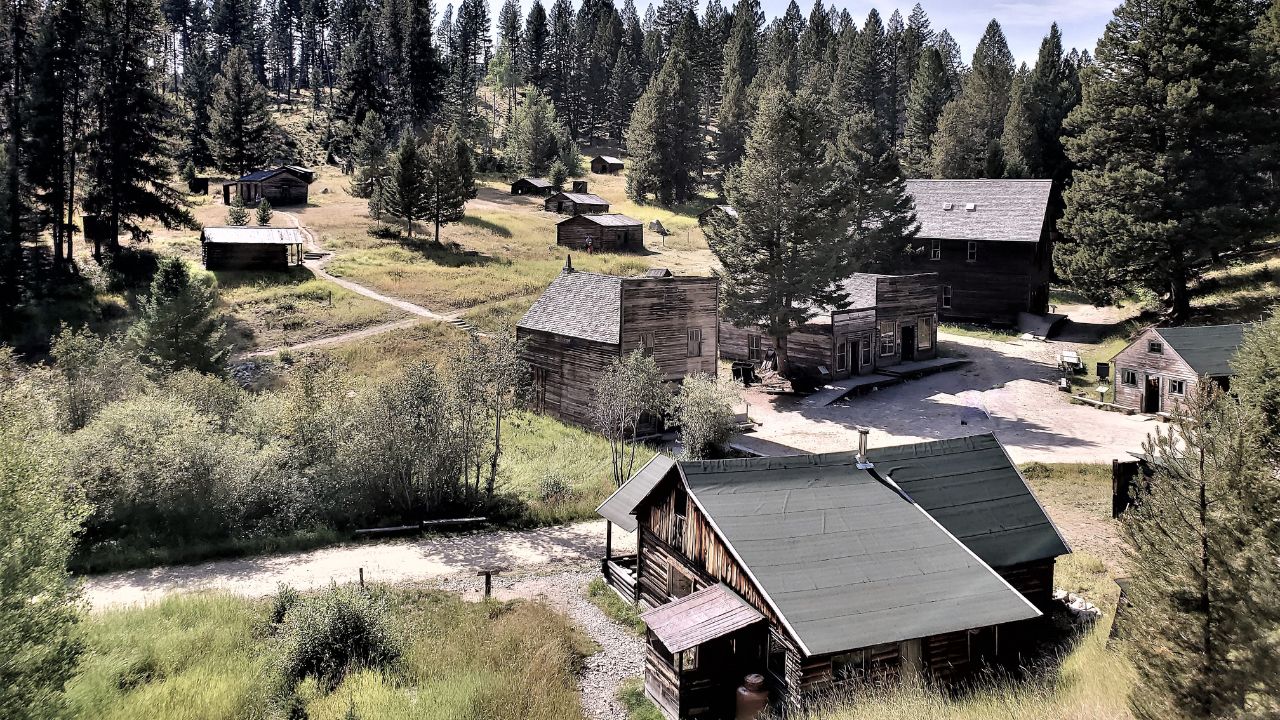
Garnet is accessible year-round, assuming you define “accessible” as “reachable by vehicles with actual ground clearance and drivers with actual skills.” This isn’t the place for your Miata MX-5 or your mall-crawler SUV that’s never seen dirt.
The town sits at 6,000 feet in the mountains, where snow falls early, stays late, and makes your all-season tires feel like racing slicks on ice. The buildings are better preserved than most barn finds, mainly because the cold keeps everything in a natural freezer.
Winter access requires either snow chains (which half of you don’t know how to install) or 4WD (which the other half of you don’t know how to use). The road is a proper mountain trail that’ll teach your suspension components new yoga positions. Your car’s warranty doesn’t cover “ghost town exploration.”
Jerome, Arizona
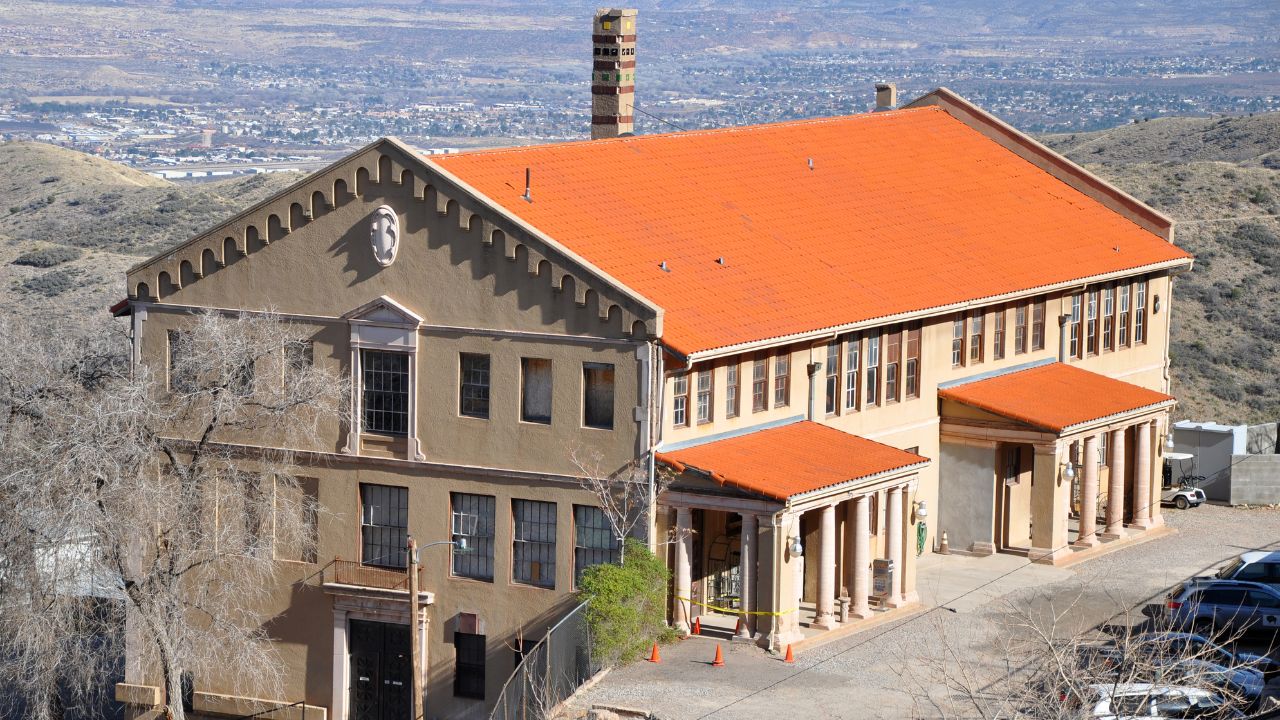
Jerome clings to a mountainside like a desperate ex, and parking here is about as comfortable. This town makes San Francisco look flat. Every street is a ski slope, which is perfect for testing whether your parking brake works (spoiler alert: it probably doesn’t).
The hairpin turns leading up to Jerome are tighter than your budget after buying premium gas. If you’re driving anything longer than a Miata, prepare for three-point turns that become seven-point adventures. The locals have mastered the art of parking on 45-degree angles; you’ll master the art of rolling backwards into traffic.
Jerome was once called “the wickedest town in the West.” Today, it’s just wicked hard to park in. The tourist shops sell ghost tour tickets, but the real horror show is watching tourists try to parallel park on a mountainside.
St. Elmo, Colorado
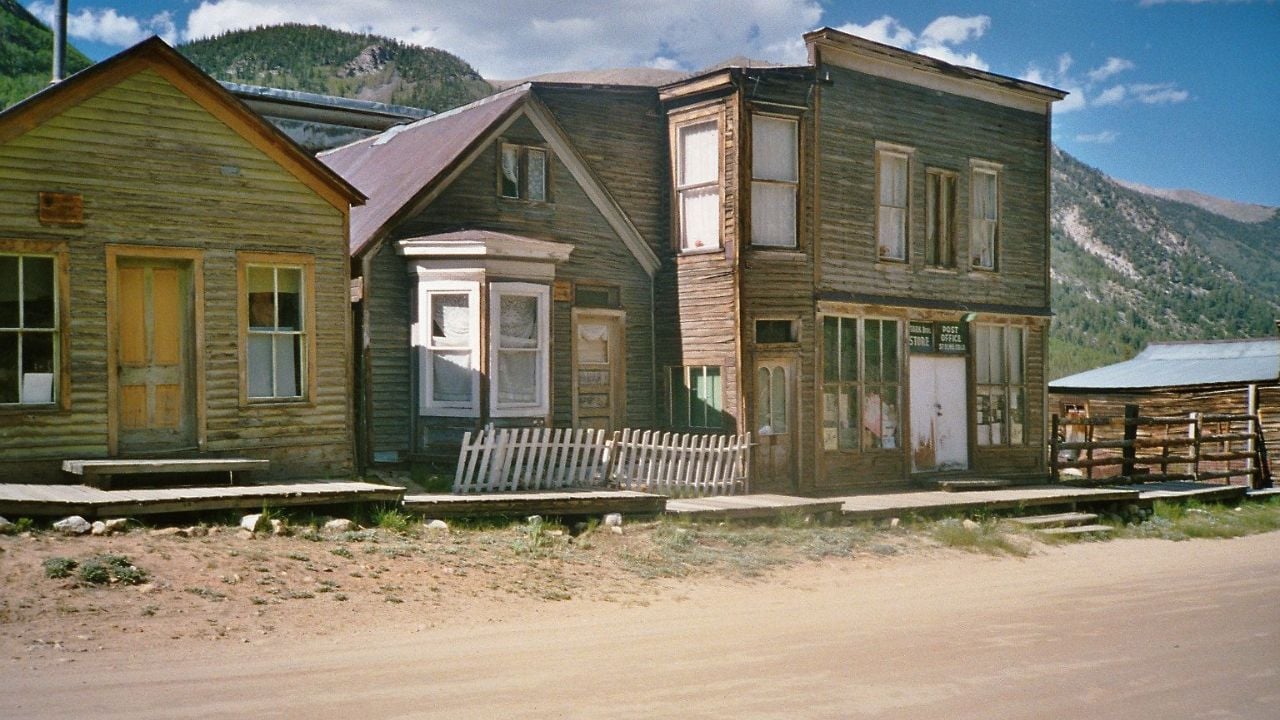
St. Elmo sits at 10,000 feet, where the air is thin and your engine’s power curve goes flatter than Kansas. Turbocharged cars might enjoy the adventure; naturally aspirated engines will wheeze like a chain smoker climbing stairs.
This place is preserved so well that it makes museum pieces jealous. The buildings look better than most modern construction, probably because they were built when quality meant something. The general store still has original merchandise on the shelves – merchandise that’s perhaps more reliable than your car’s infotainment system.
The road up is paved but steep enough to make your transmission fluid smoke signals to the ancestors. Pack extra coolant, check your brakes, and maybe say a prayer to whatever deity watches over timing belts.
Goldfield, Nevada
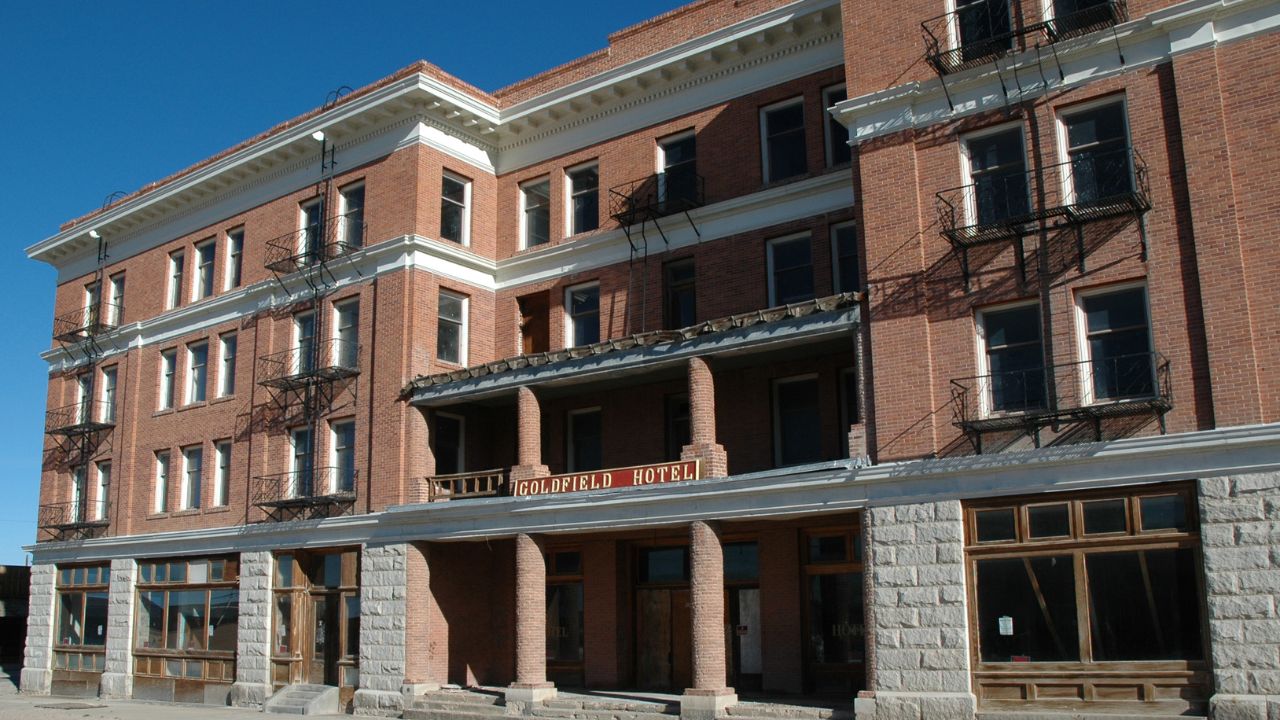
Goldfield peaked in 1906 with 30,000 residents and is now home to fewer people than a Cars and Coffee meetup. The courthouse is still standing, which is more than we can say for most towns that put all their eggs in one economic basket (looking at you, Detroit).
The International Car Forest of the Last Church is nearby — it’s exactly what it sounds like, and yes, it’s as weird as your uncle’s project car collection. Dozens of cars are buried nose-first in the desert, creating art that’s either a brilliant commentary on American car culture or proof that desert heat makes people do strange things.
The town has a surprising amount of intact architecture for a place that peaked over a century ago. The buildings show more structural integrity than most modern cars, and they’ve survived longer without recalls.
Calico, California
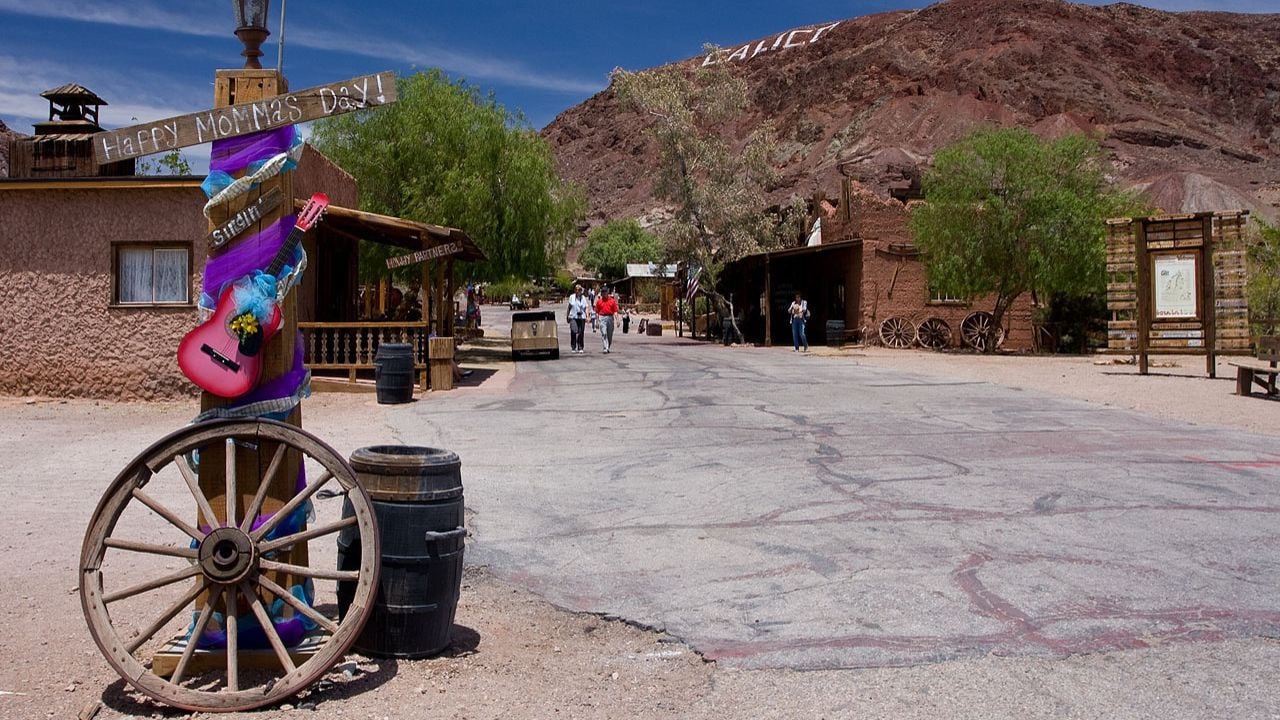
Calico is a “ghost town,” the same way a kit car is a “classic” — technically accurate but missing the authentic suffering. This place has been restored, maintained, and gift-shopped to within an inch of its afterlife. It’s ghost town training wheels for people whose idea of roughing it is staying at a Hampton Inn.
That said, it’s fun if you embrace the tourist-trap nature. The gunfight shows are cheesier than your high school drama club, but at least they’re entertaining. Kids can pan for gold while you pan for cell service (equally futile endeavors).
The parking is actual parking, not “find a flat spot and pray.” The roads are paved, the bathrooms work, and you can buy snacks. It’s the modern car scene – all the aesthetics of the original with none of the actual hardship.
Shaniko, Oregon
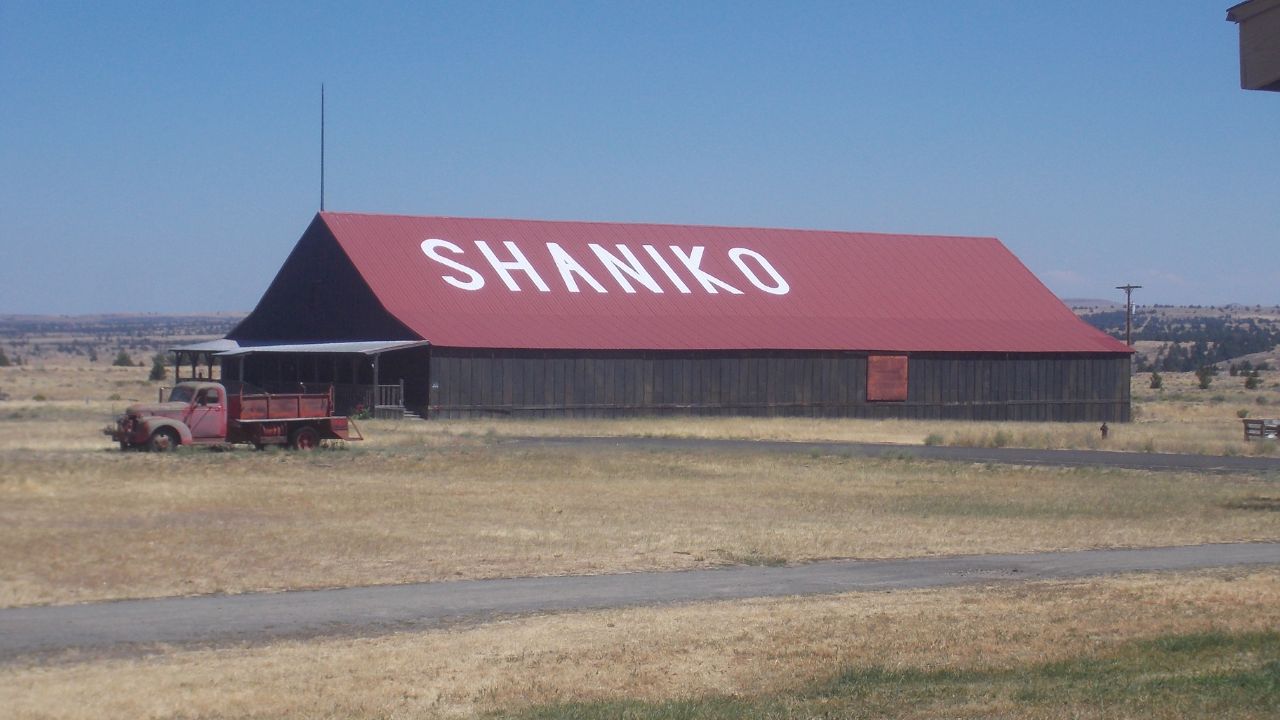
Shaniko bills itself as Oregon’s ghost town, but it’s more like Oregon’s sleepy uncle. A few dozen people still live here, maintaining the buildings with the same stubborn persistence that keeps classic car owners rebuilding the same engine for the third time.
The Hotel Shaniko is a proper old-school building that’s survived over a century without a single software update. The craftsmanship puts modern construction to shame – these walls could probably survive a direct hit from a lifted truck doing a gender reveal stunt.
The town sits in high desert country where the wind never stops and the nearest Starbucks is about as far away as Mars. Perfect for clearing your head and remembering what roads were like before traffic cameras and rush hour.
Ruby, Arizona
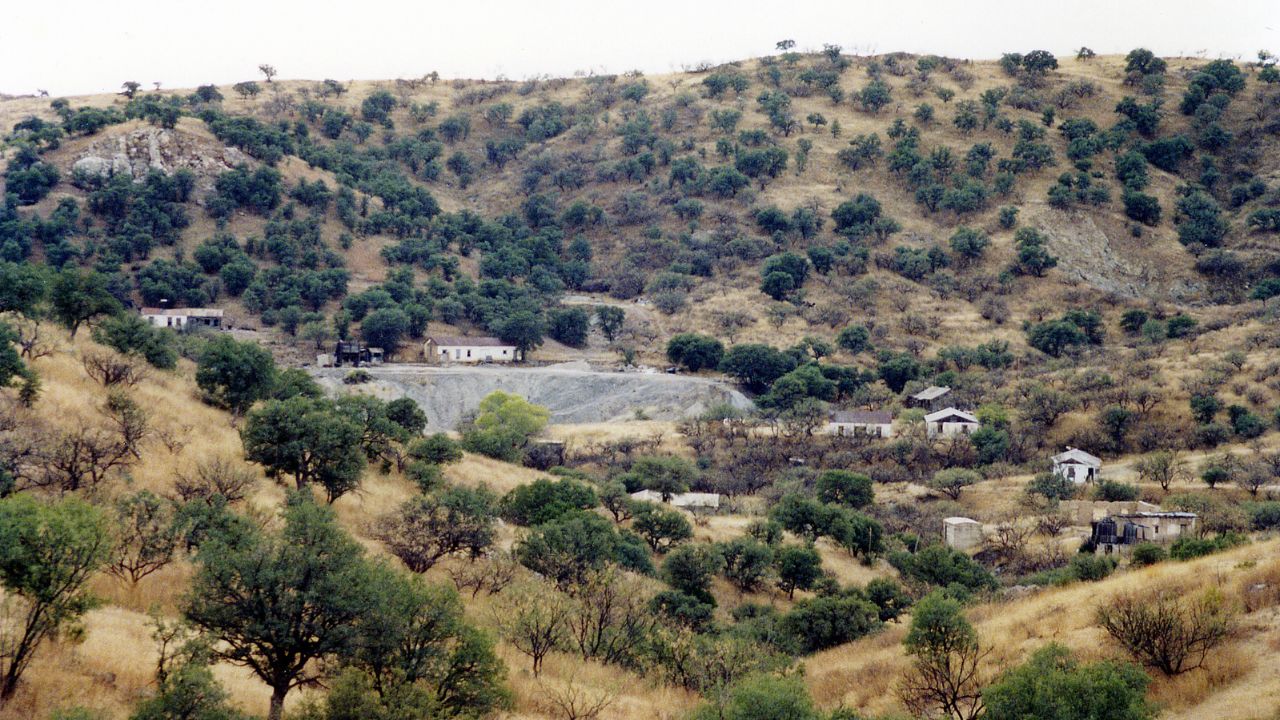
Ruby is what happens when Mother Nature decides to repossess a town. The buildings are slowly being consumed by desert vegetation, like a botanical zombie apocalypse in slow motion. It’s more atmospheric than your LED underglow and twice as mysterious.
The mine shafts are fenced off for safety, which is good because falling into an abandoned mine shaft would really mess up your insurance premiums. The wildlife here includes javelinas, coyotes, and the occasional lost tourist in a rental car, wondering where they went wrong.
Access requires a decent clearance vehicle and the willingness to accept that your paint job might not survive the journey. But hey, battle scars build character — ask anyone who’s owned a Jeep.
Frisco, Utah
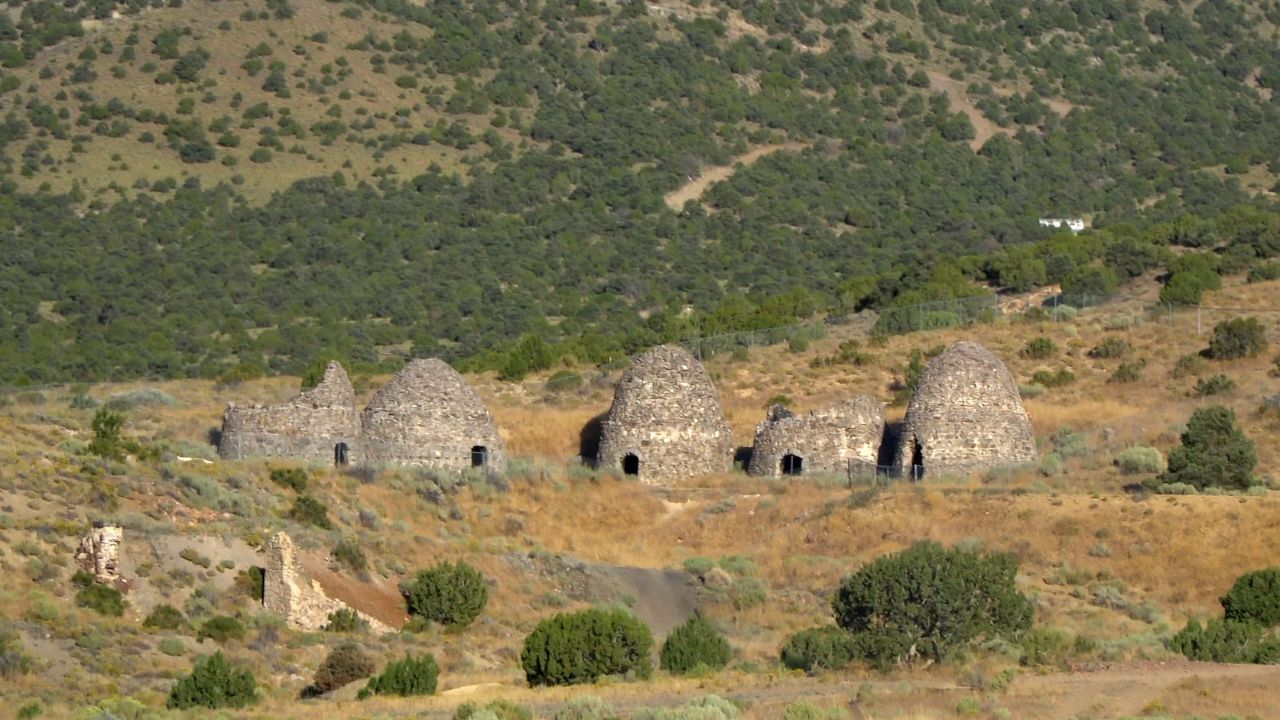
Frisco practiced social distancing before it was cool — specifically, it distanced itself from all human habitation around 1929. What’s left are foundations, chimneys, and the kind of stark beauty that makes you appreciate having a roof and functional air conditioning.
The Frisco Peak above town offers spectacular views for those willing to hike. The mine tailings scattered around look like someone’s gravel driveway project went horribly wrong. It’s peaceful in the way that only complete abandonment can be.
This is proper middle-of-nowhere territory where cell towers fear to tread. Make sure your car is more reliable than British electronics, and your navigation skills are better than your parallel parking.
Grafton, Utah
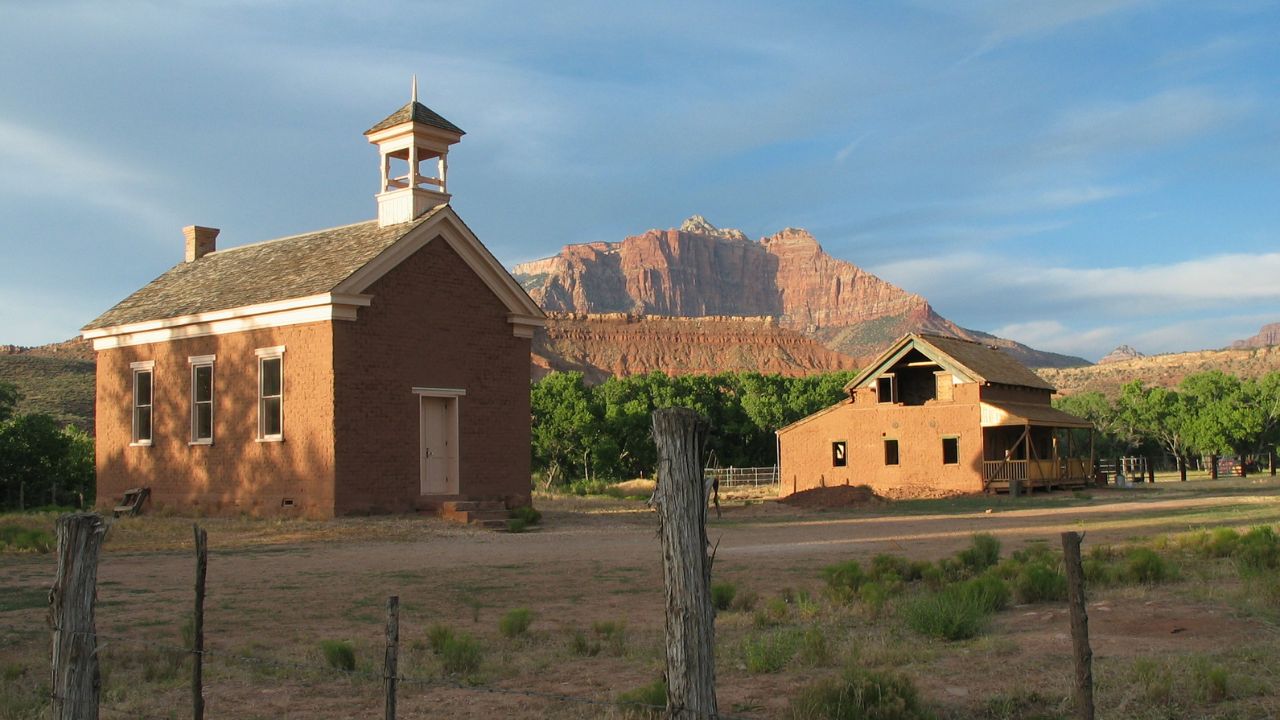
Grafton has appeared in more movies than most actors, including “Butch Cassidy and the Sundance Kid.” The town boasts better safety features than most modern cars do. The photogenic old buildings make every Instagram wannabe look like Ansel Adams.
The setting is genuinely beautiful — red cliffs, cottonwood trees, and a river that actually has water in it (revolutionary concept in the desert Southwest). The preservation is excellent, which means the buildings look better than most people’s project cars.
It’s easily accessible by standard cars, which makes it perfect for those who want ghost town street cred without actually testing their vehicle’s reliability. Sometimes the easy path is the right path. Just don’t tell the hardcore off-roaders.
Backroads Remember Best

These ghost towns teach lessons that no modern technology can replicate. They remind us that sometimes the best destinations are the ones your GPS has never heard of, where cell service goes to die, and where your car’s fancy features matter less than basic reliability.
Sure, your modern ride has heated seats, satellite navigation, and enough computing power to run NASA. But can it handle washboard roads, altitude changes, and the kind of heat that makes asphalt soft? Can you handle driving without lane departure warnings and automatic emergency braking?
Ghost towns are where cars and drivers alike get tested. Your vehicle’s true character isn’t revealed in the dealership showroom or the suburban grocery run — it’s proven on the kind of roads that make AAA membership feel like a survival tool.
Pack water, check your fluids, and remember: these towns survived boom, bust, and abandonment. Your car just needs to survive the drive there and back. How hard can it be?