European cars have always had that certain je ne sais quoi—a mix of elegance, innovation, and design flair that turns heads and sparks debates at car meets across the globe. From the sensual curves of Italian exotics to the no-nonsense precision of German sedans and the quirky brilliance of French creations, Europe has consistently set the bar for automotive style. These cars aren’t just transportation—they’re rolling works of art, each with a passport full of heritage and attitude.
Of course, there’s always been a healthy rivalry between American muscle lovers and Euro car aficionados. One side worships V8s and straight-line speed, the other obsesses over handling, heritage, and badge pedigree. But no matter how loud the garage banter gets, there’s always mutual respect where it’s due, because anyone who loves cars knows that beauty, performance, and passion come in many forms. European designers have spent decades shaping metal into desire, balancing power with poise, and proving time and again that form and function don’t have to compromise.
Why European Design Keeps Setting the Bar
European cars get you from point A to point B and make you feel something on the way there. Their designs are built on proportion, character, and emotion, with a flair that’s unmistakably continental. For decades, brands from Italy, Germany, France, and the UK have shaped the automotive landscape by prioritizing individuality. The Italians turned metal into art, the Germans mastered the clean and commanding, and the French, well, they built things no one else would dare to, and somehow made it work (sometimes).
We picked 18 cars because, let’s be honest, narrowing it down to 10 felt criminal. There was too much style, too much legacy, and too many iconic shapes to leave anything on the cutting room floor. Each one was chosen for its historical weight, design impact, and the way it represents its brand’s soul. These are the cars that changed the game, inspired imitators, and still make enthusiasts weak in the knees. Utility? Sure. But these machines were built to stir the soul, not just carry groceries.
Ferrari 250 GTO
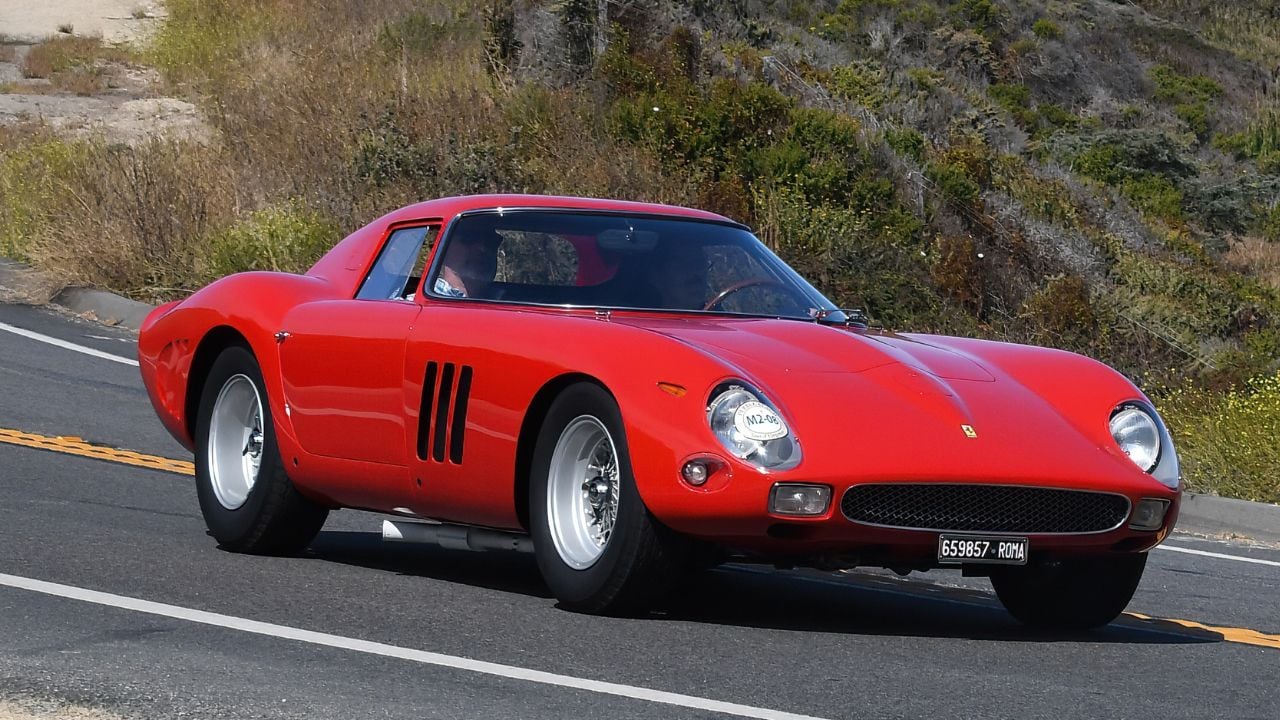
Ferrari 250 GTO stands as a masterpiece of Italian craftsmanship, merging sensual curves with purposeful aerodynamics. Its long hood and balanced proportions project speed even at rest, while subtle details like the triple front air intakes enhance both form and function. Crafted in the early 1960s, it remains a benchmark for automotive beauty, proving that performance cars can double as rolling works of art. The cabin, though minimalist, mirrors the car’s racing intent with a focus on driver engagement.
Beyond its stunning looks, the GTO dominated on the track, cementing its legendary status. Limited production added exclusivity, making it one of the most coveted Ferraris ever built. The 250 GTO’s design continues to inspire modern supercars, a testament to its enduring influence and unmatched aesthetic balance.
Jaguar E-Type
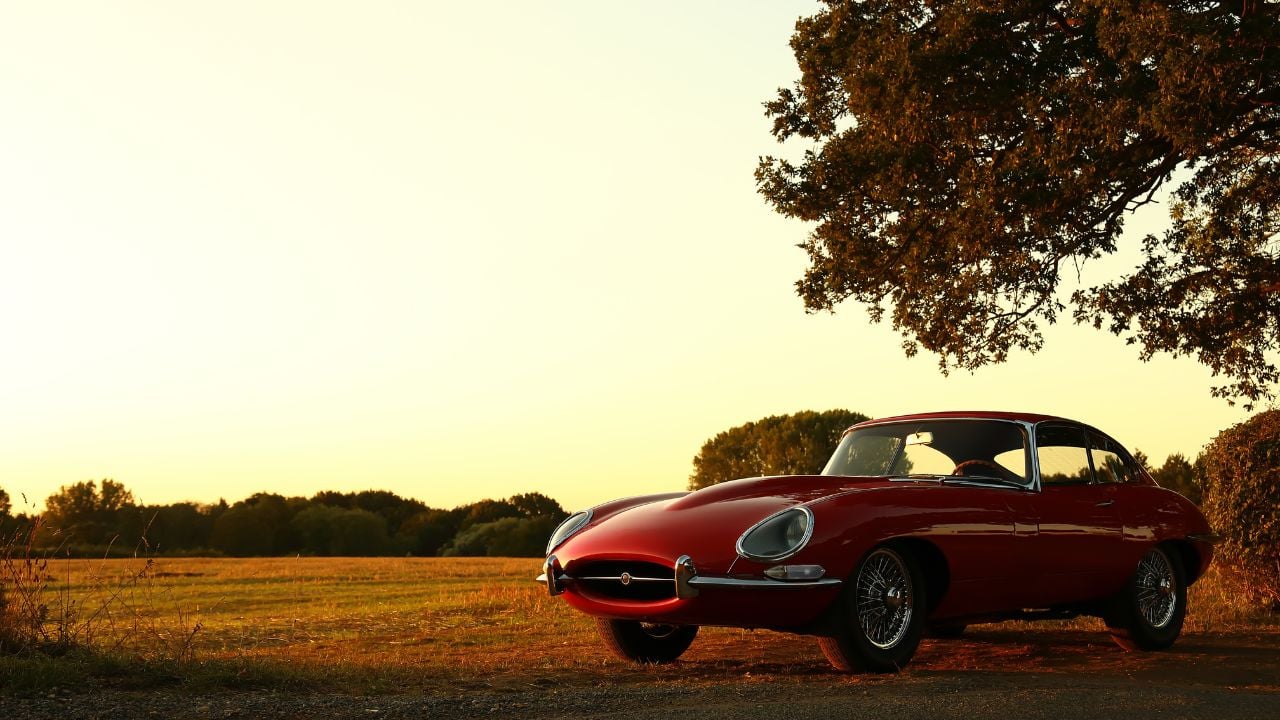
When people say “they don’t build cars like they used to, “this is what I imagine. Unrealistic? Yes. But can you blame me? The Jaguar E-Type redefined sports car design with its graceful proportions and iconic silhouette. Its elongated bonnet, fluid curves, and compact rear create a profile often hailed as one of the most beautiful in automotive history. Every line serves a purpose, from the aerodynamic shape to the balanced stance that enhances high-speed stability. Inside, the cabin offers a simple yet inviting layout, keeping the focus firmly on the driving experience.
The E-Type combined elegance with performance, achieving speeds that matched its seductive styling. It became an emblem of 1960s sophistication, admired by celebrities and enthusiasts alike. Few cars have captured hearts as effortlessly as this Jaguar. Even decades later, the E-Type remains a symbol of British design excellence, perfectly blending artistry with exhilarating functionality.
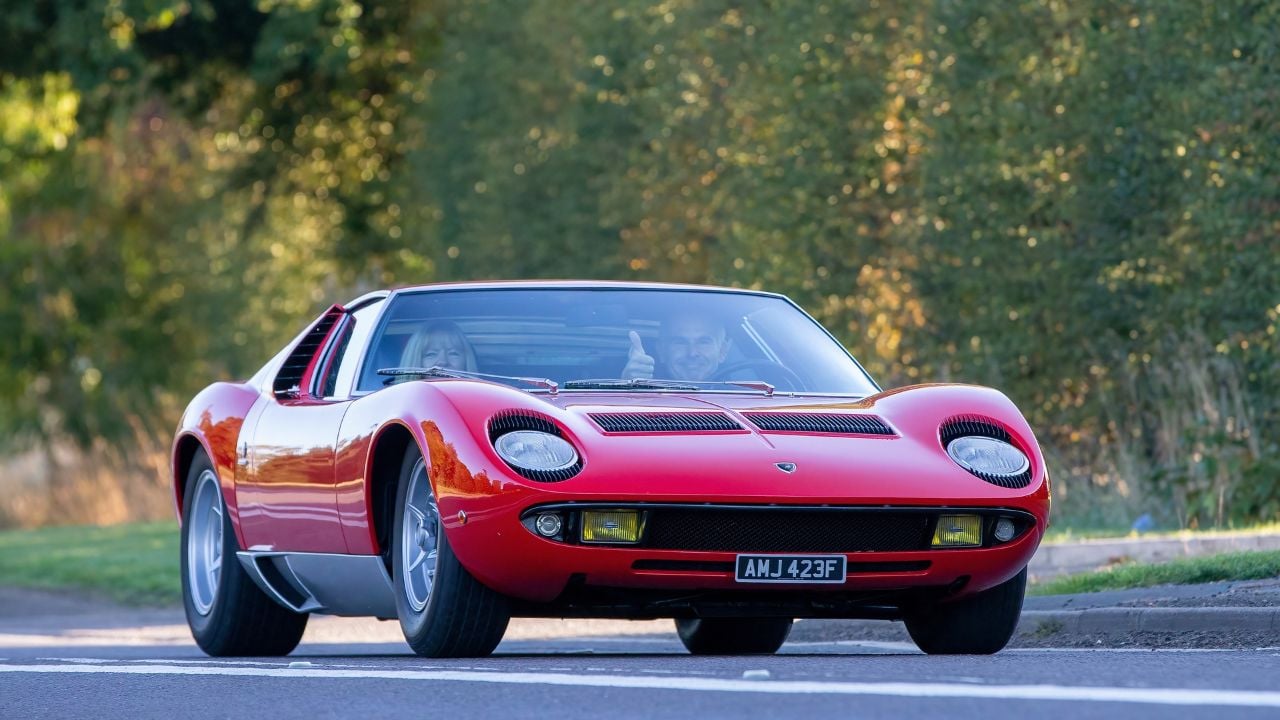
Lamborghini Miura

The Lamborghini Miura stunned the world with its radical mid-engine layout and breathtaking shape as it became the first official supercar ever built (ooh, ahh). Its low-slung body and sweeping curves embody the essence of Italian automotive artistry. Marcello Gandini’s design introduced a new standard for cars, one that emphasized drama without sacrificing elegance.
The headlights, housed in delicate eyelash frames, added playful character to its aggressive face. Inside, the driver-centric cockpit provided both style and function, reinforcing its role as a true performance machine. The Miura was a statement about what sports cars could become. It transformed Lamborghini from a newcomer into a design leader. Today, the Miura is celebrated as one of the most groundbreaking designs ever created, a car that made the automotive world rethink beauty and performance.
Citroën DS

The Citroën DS brought futuristic design to everyday driving, earning its place as one of the most distinctive European cars ever built. Its flowing, aerodynamic form challenged conventional automotive shapes, replacing sharp edges with organic curves. The hydro-pneumatic suspension system not only enhanced comfort but also allowed a dramatic, almost otherworldly stance. Inside, the single-spoke steering wheel and minimalist controls reflected a bold, forward-thinking interior philosophy, so all you had to do was turn the steering wheel with one hand and flick your cigarette ash out the window with the other (oui, oui).
The DS combined practicality with innovation, giving families a taste of space-age motoring. It became a cultural icon in France and beyond, adored for its blend of elegance and utility. Even today, its design feels avant-garde, proving how Citroën dared to be different. The DS remains a symbol of how European designers turned functionality into an enduring art form.
Mercedes-Benz 300SL Gullwing

Mercedes-Benz 300SL remains one of the most instantly recognizable cars in history, thanks to its innovative gullwing doors and sweeping lines. Its long, sculpted hood and aerodynamic profile embody German precision blended with subtle elegance. Built with lightweight materials and advanced engineering, it set new standards for performance in its time.
The interior echoed its exterior brilliance, with clean lines and a driver-focused layout that elevated the experience behind the wheel. More than a sports car, the 300SL represented a vision of what postwar luxury could be. It became a status symbol for the elite, admired as much for its artistry as for its speed. Even today, its influence echoes across modern Mercedes designs, reinforcing the 300SL’s timeless appeal as a pinnacle of automotive creativity.
Porsche 911 (930)

The Porsche 911 (930) balanced evolution with timelessness, refining a familiar silhouette into one of the most beloved shapes in automotive design. Its sloping roofline, flared fenders, and pronounced rear stance give it an unmistakable identity. Functionality drove its form, yet the result remains stunningly elegant. The turbocharged variant added drama, both visually and mechanically, transforming it into a supercar for the road. Inside, the layout was purpose-built, offering an intimate, driver-oriented environment.
The 930 captured the essence of what makes a Porsche desirable performance, precision, and beauty in equal measure. Its design became a template for decades of 911s, proving the power of continuous refinement. Today, the 930 stands as an enduring symbol of German design discipline paired with emotional appeal.
Aston Martin DB5
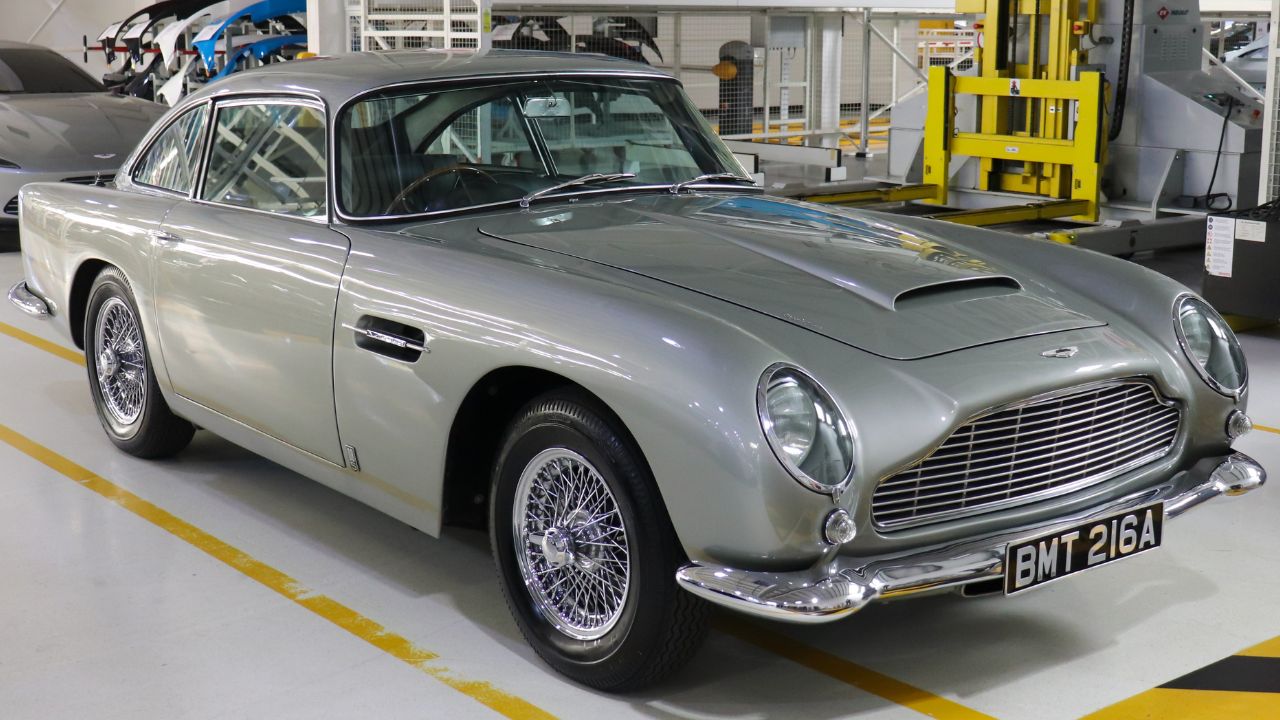
Fans of international super spies know this one well. The Aston Martin DB5 exudes sophistication, combining British elegance with understated aggression. Its clean lines, chrome accents, and balanced proportions give it a dignified yet sporty demeanor. The grille, instantly recognizable, set the tone for future Aston Martins, creating a brand signature still cherished today. Inside, luxurious materials and meticulous craftsmanship make the DB5 as inviting as it is beautiful.
It became an international icon, in part thanks to its role in James Bond films, cementing its cultural relevance. Beyond the screen, the DB5 captured the essence of a grand tourer, comfortable for long journeys yet thrilling on demand. Its timeless design continues to influence modern Astons. Few cars embody the fusion of luxury and performance as seamlessly as the DB5, making it a benchmark of British design.
Alfa Romeo 8C Competizione

The Alfa Romeo 8C Competizione showcased Italian passion in its purest form. Its wide stance, muscular curves, and intricately designed front fascia create a car that demands attention from every angle. Underneath the striking exterior lies a chassis tuned for thrilling performance, making beauty more than skin-deep. Inside, leather-wrapped surfaces and hand-crafted details emphasize its bespoke nature, enveloping drivers in luxury.
The 8C embodied Alfa Romeo’s commitment to artistry and performance, reviving the brand’s reputation for building emotional, head-turning machines. Limited production added exclusivity, turning it into a collectible almost instantly. It reflects a design language that blends heritage with modernity. The 8C Competizione stands as proof that Italian automakers continue to lead in crafting cars that are as breathtaking to drive as they are to admire.
Peugeot 406 Coupe
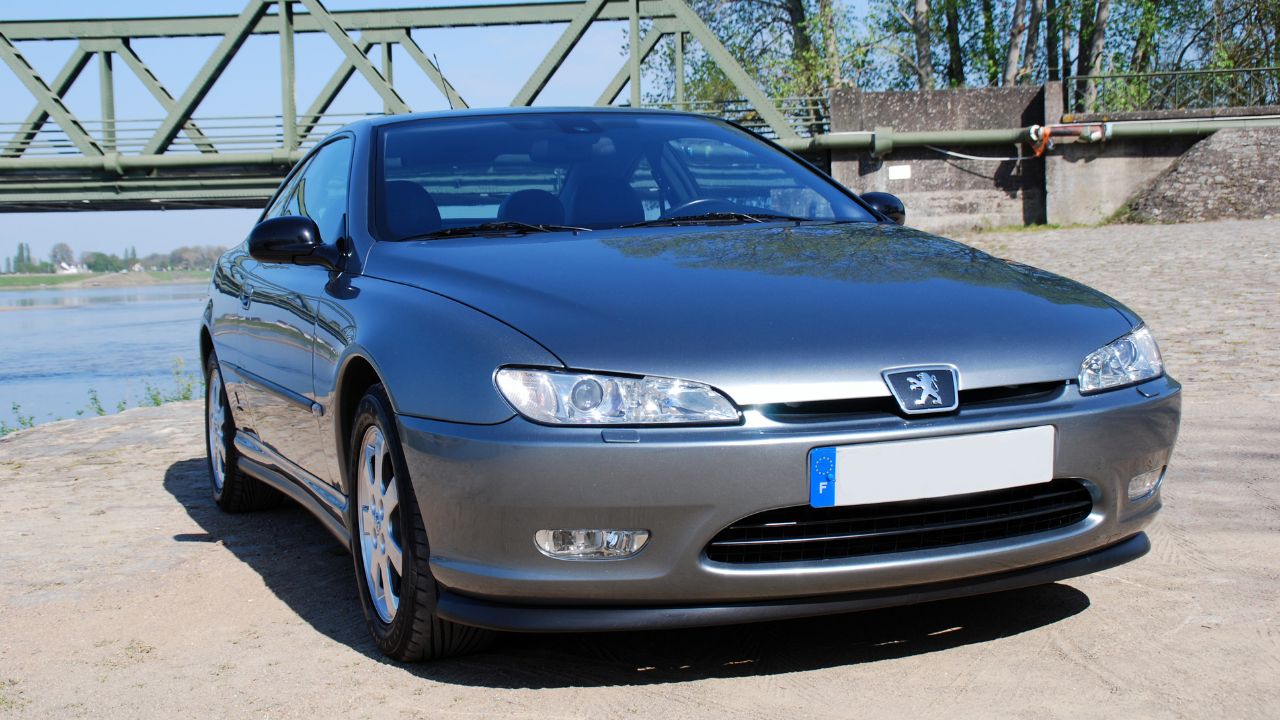
Peugeot’s 406 Coupe delivered a lesson in restrained elegance, proving beauty doesn’t require excess. Styled by Pininfarina, it features fluid lines, a balanced profile, and proportions that exude harmony. Its front end is assertive without being aggressive, creating a coupe that feels welcoming yet confident. Inside, comfort took priority, with supportive seating and an uncluttered layout that elevated the driving experience.
The 406 Coupe demonstrated how a mainstream brand could achieve premium-level design without losing accessibility. It became a quiet success, admired by those who appreciate subtle sophistication. Even now, its aesthetic feels contemporary, showing the staying power of thoughtful design. Peugeot’s collaboration with Pininfarina created one of the most visually appealing coupes of its era, a car that continues to earn admiration for its simplicity and grace.
BMW 3.0 CSL
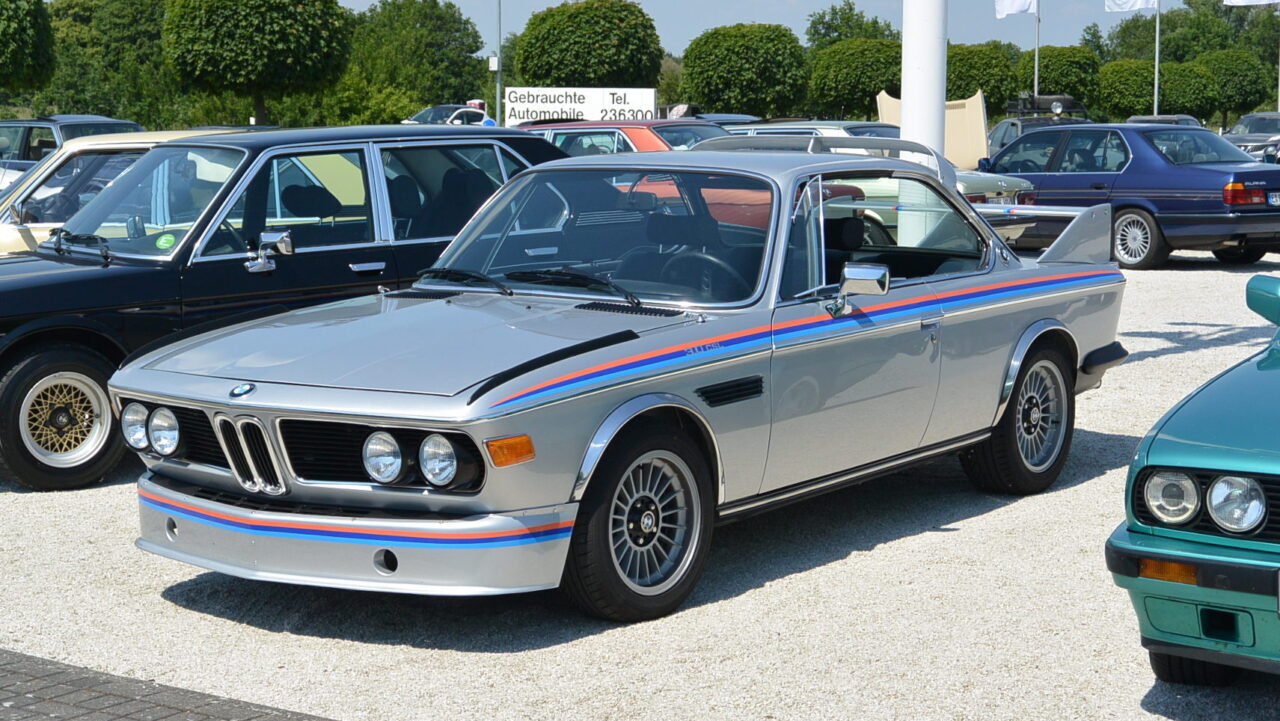
The BMW 3.0 CSL married bold styling with motorsport pedigree, creating a car that looked fast even standing still. Its flared arches, aerodynamic add-ons, and distinctive rear wing gave it a unique identity that captured attention on the road and track. The long hood and coupe silhouette emphasized balance, while lightweight construction underscored its performance intent. Inside, simplicity reigned, keeping the focus on driving.
This model cemented BMW’s reputation for blending athleticism with everyday usability. It became a symbol of the brand’s commitment to making race-inspired cars for regular drivers. Today, the CSL remains one of BMW’s most celebrated designs, an icon that embodies the blend of visual drama and engineering excellence. It stands as a reminder of how functional design can also be profoundly beautiful.
Volvo P1800
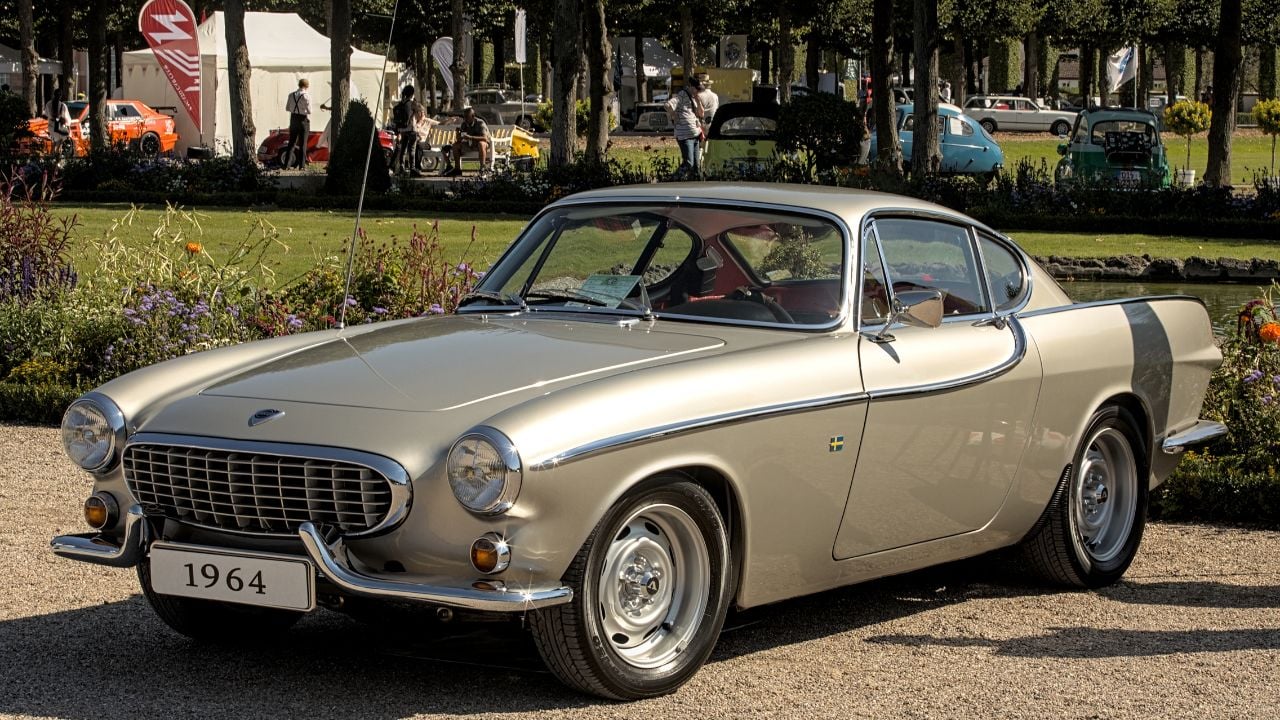
Volvo P1800 surprised the world with its elegant take on Scandinavian design, diverging from the brand’s utilitarian roots. Its long, flowing curves and distinctive grille created a sophisticated coupe that rivaled more glamorous European rivals. Despite its stylish exterior, it maintained Volvo’s reputation for durability, making beauty practical.
The cabin provided a cozy yet upscale environment, reflecting the brand’s attention to comfort and usability. The P1800 earned pop culture fame as the car of choice for The Saint, expanding its allure beyond automotive circles. This model showed that Volvo could craft a car with emotional appeal without sacrificing its core values. Its timeless design continues to resonate, proving Scandinavian minimalism can translate into captivating automotive form.
Renault Alpine A110
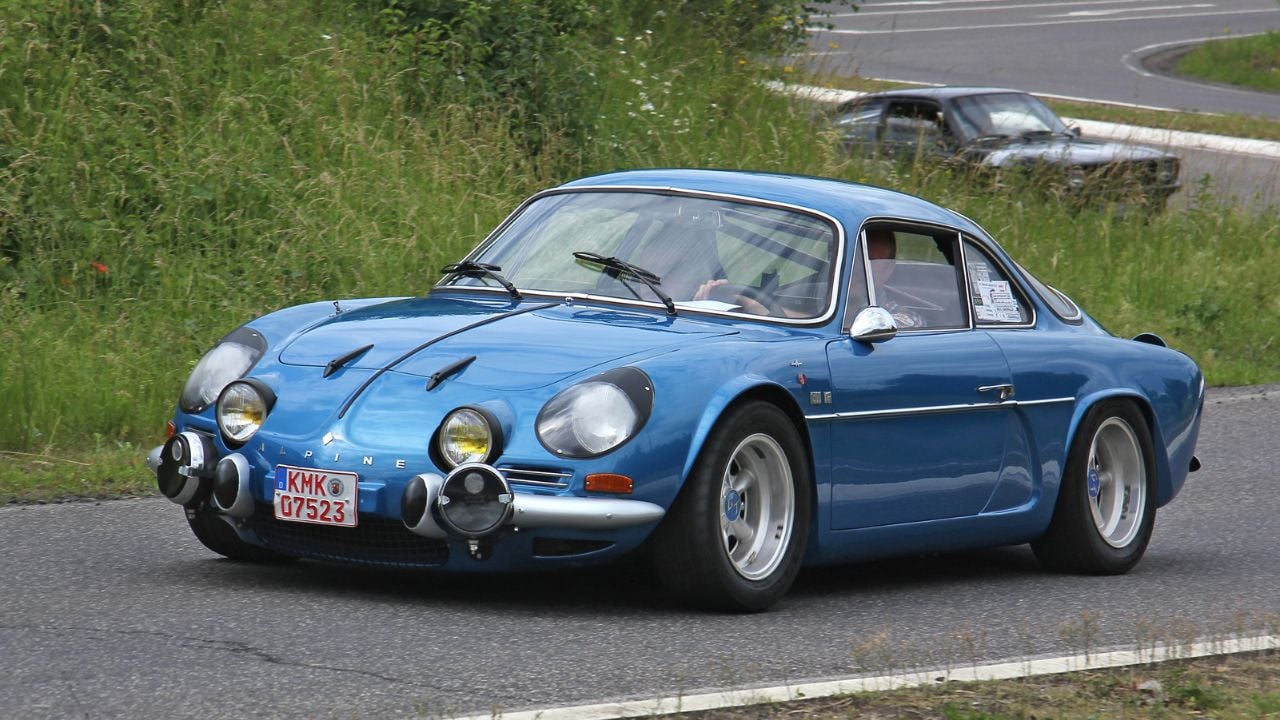
The Renault Alpine A110 embodied French creativity and motorsport success in a lightweight, captivating package. Its petite size and curvaceous bodywork gave it a playful yet purposeful presence. Designed with rallying in mind, the A110 combined beauty with performance, excelling on twisty mountain roads. Inside, the cabin mirrored its exterior with a simple, driver-focused layout, prioritizing engagement over luxury. Its lightweight chassis made handling precise and responsive, setting new standards for sports cars in its class.
The A110 became a motorsport legend, proving that design and function can coexist seamlessly. Today, it remains a beloved classic, celebrated for its unique blend of charm and capability. Renault Alpine A110 continues to inspire modern interpretations, a lasting tribute to French ingenuity in automotive design.
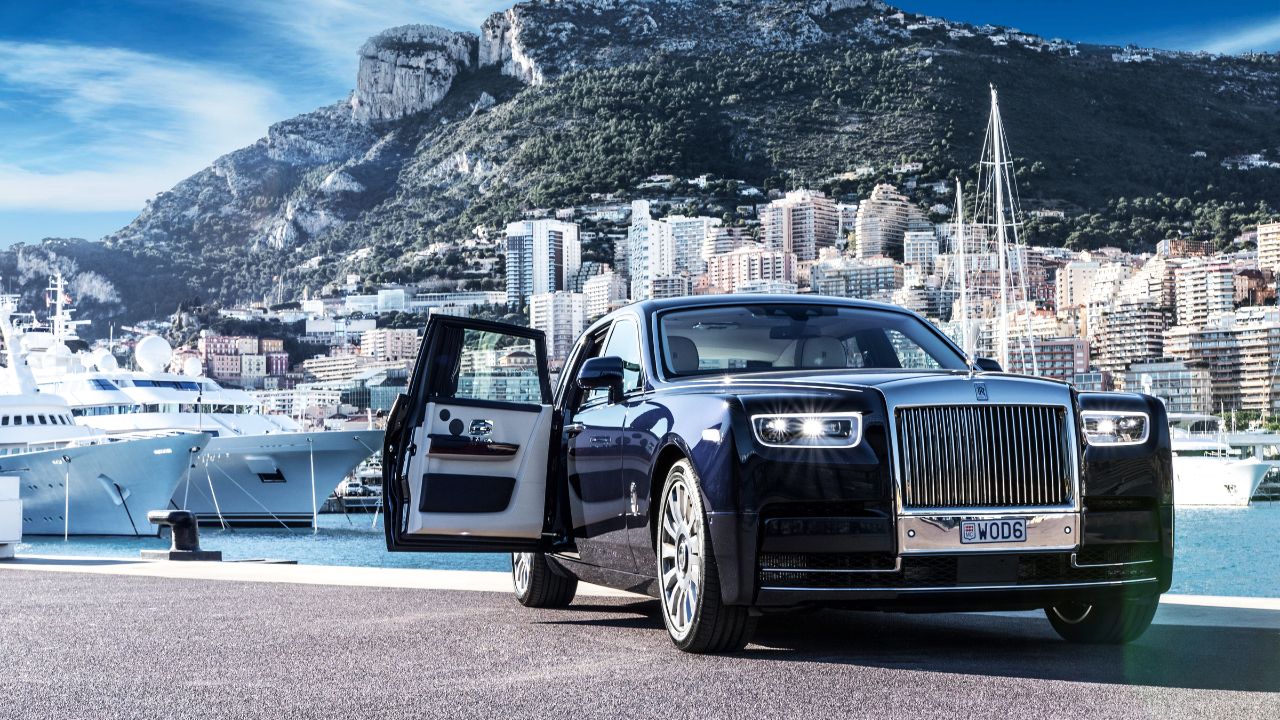
Rolls-Royce Phantom VIII
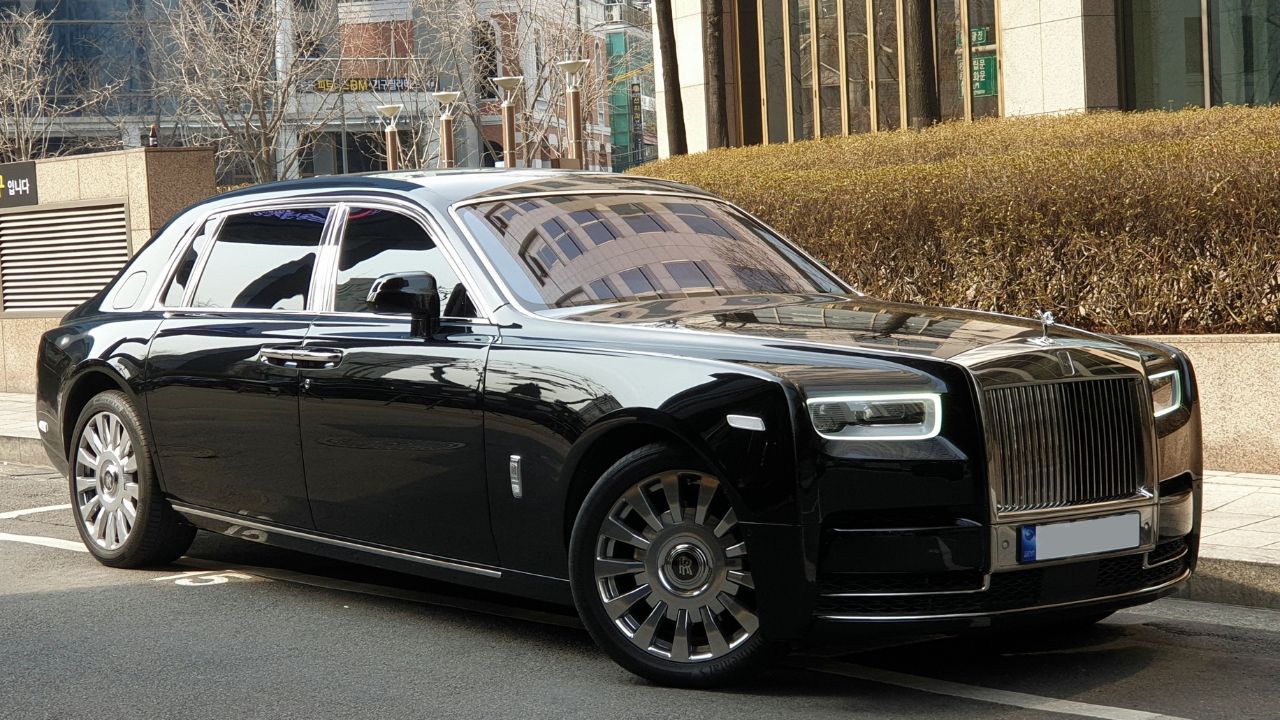
Rolls-Royce Phantom VIII redefines automotive luxury with a design that communicates presence and grace. Its imposing yet fluid silhouette blends traditional craftsmanship with modern refinement. The iconic grille and Spirit of Ecstasy ornament signal its heritage, while subtle contouring keeps the design fresh. Inside, it offers a sanctuary of bespoke luxury, where every detail reflects artistry and attention to detail.
The Phantom VIII shows how contemporary design can respect tradition while embracing innovation. It doesn’t scream for attention but commands it effortlessly. This car represents the pinnacle of European opulence, showcasing how elegance can evolve with time. Its enduring style ensures it will be admired for generations, a true example of how design can transcend eras while staying unmistakably Rolls-Royce.
McLaren F1

McLaren F1 pushed automotive design and performance boundaries like few cars before it. Its sleek, aerodynamic body prioritizes function, yet every line contributes to its visual drama. The centrally placed driver’s seat reimagined cockpit design, emphasizing balance and control. Built using cutting-edge materials, it became a technological marvel that also looked extraordinary.
The F1’s butterfly doors added to its theatrical presence, making entry and exit an event in itself. It was a bold declaration of McLaren’s vision for the ultimate road machine. Even today, its shape feels futuristic, a testament to timeless design. The McLaren F1 remains a benchmark, proving how radical thinking and aesthetic brilliance can create a car that transcends its era and becomes a legend.
Lancia Stratos HF

Lancia Stratos HF reimagined what a rally car could look like, blending audacity with purpose. Its wedge-shaped profile, short wheelbase, and sweeping windshield gave it a futuristic presence on and off the road. Designed by Bertone, it was unmistakably Italian, daring in proportions, and built to win. Underneath, its Ferrari-derived engine delivered thrilling performance that matched its radical appearance. Inside, the cockpit was stripped for focus, reflecting its motorsport intent.
The Stratos dominated rallying, proving that bold design could also deliver incredible results in competition. Even today, it feels decades ahead of its time, cementing its status as a legend. Lancia Stratos HF represents the fearless creativity of Italian design, a car that continues to inspire automotive innovation and motorsport passion worldwide.
Bentley Continental GT
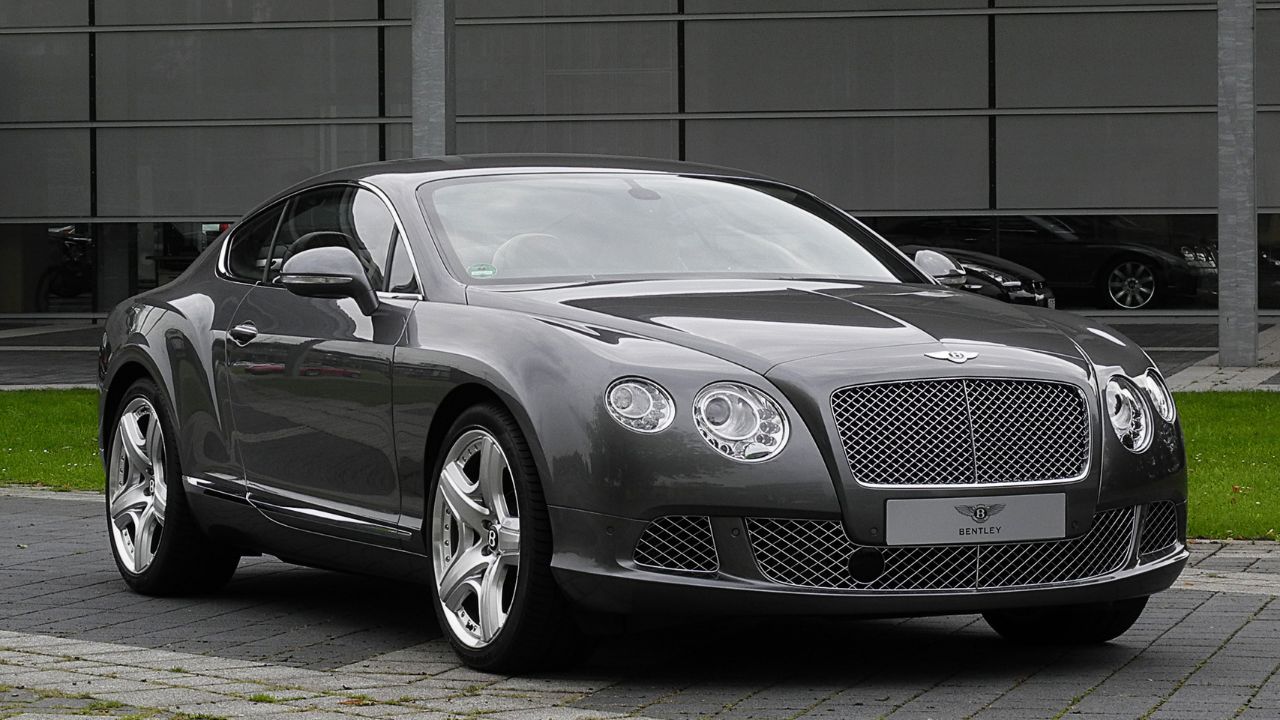
Bentley Continental GT reshaped the grand touring landscape with its seamless blend of luxury and performance. Its muscular haunches, iconic mesh grille, and flowing roofline communicate strength and elegance in equal measure. Every detail, from the jewel-like headlights to the perfectly sculpted panels, reflects Bentley’s commitment to craftsmanship. Beneath its refined exterior lies a powerhouse, capable of transforming serene highway drives into exhilarating bursts of speed.
Inside, the cabin indulges occupants with hand-stitched leathers, polished veneers, and advanced technologies, making it as comfortable as it is captivating. The Continental GT revitalized Bentley for a modern audience, proving that heritage and innovation can coexist. Its design endures as a symbol of understated opulence, a car that defines what a contemporary European grand tourer should be.
Pagani Zonda
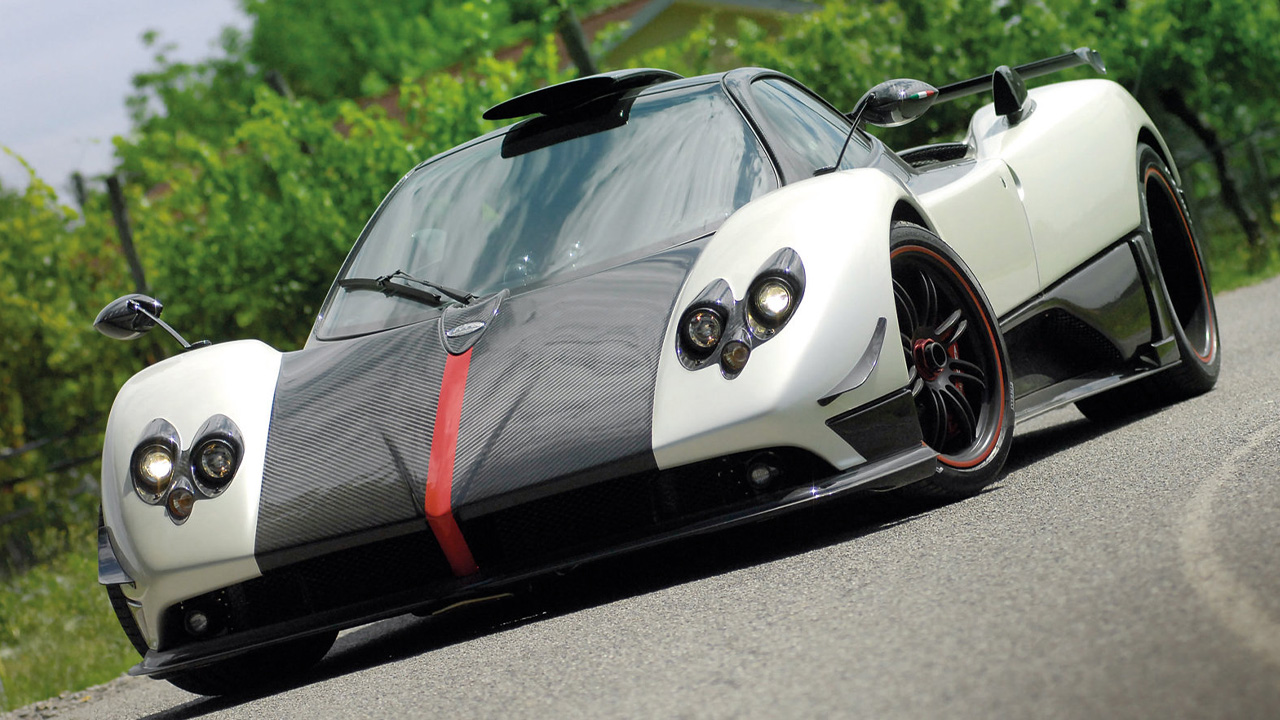
Pagani Zonda fused artistry with hypercar performance, creating one of the most striking designs of the modern era. Its dramatic curves, exposed carbon fiber, and aerodynamically sculpted bodywork turn heads from every angle. Horacio Pagani’s obsession with detail is evident in everything from the bespoke interior switchgear to the flowing exhaust arrangement. The cabin feels like a luxurious cockpit, where every surface and instrument speaks to its handcrafted nature.
Beyond its looks, the Zonda delivers awe-inspiring performance, powered by AMG-built engines that complement its lightweight structure. Limited production added to its allure, making ownership an exclusive privilege. Pagani Zonda stands as a testament to Italian design passion and technical mastery, embodying the idea that cars can transcend machinery to become rolling works of art.
What European Cars Teach About Design Excellence

European cars show that great design is more than appearance, it’s an expression of identity and purpose. They balance beauty with engineering, resulting in vehicles that stir emotions while delivering substance. Each model on this list demonstrates how proportion, innovation, and craftsmanship come together to create designs that endure. They continue to inspire carmakers worldwide, proving that style can coexist with performance and practicality. European brands have consistently shown the courage to take risks, shaping automotive history in the process.
For drivers, these cars offer status while creating lasting experiences. Appreciating them reminds us how art and function merge on four wheels. They set standards others still chase. Exploring their stories helps us understand why Europe remains a leader in design. They are timeless lessons in what cars can be when imagination meets skill.