Back when cars had actual personality instead of looking like they were designed by the same committee of risk-averse accountants with battery fetishes, owning the right ride could transform you from neighborhood nobody to local legend. These weren’t just transportation appliances with cup holders and lane-keeping assist; they were rolling statements that said you’ve made it (or were at least pretending).
Your driveway was your gallery, your garage was your shrine, and your car was the only resume that mattered. People dressed up to drive to the grocery store because they knew Mrs. Henderson would be peeking through her curtains, mentally calculating your net worth based on your chrome-to-steel ratio. A teenager with the right car could date way above his league, and a middle manager with the wrong car might as well have shown up to the country club on a Huffy.
These machines transported more than people. They transported dreams, egos, and occasionally, the repo man’s hopes and dreams too.
How We Built This Monument to Automotive Machismo

We all have some idea of what makes a car a status symbol. Cars that ooze luxury and excess, that pull up and immediately make you check your savings account. Yep, still broke. However, there are some cars that have gained that reputation more than others. This list represents the holy grail of automotive status symbols — cars that could make your neighbors simultaneously love and hate you.
These are cars that starred in movies along with extravagant leading men and ladies, that show up at gas stations and make everyone feel poor. These cars were four-wheeled tickets to the upper echelons of coolness, even if your credit score suggested otherwise. This is a collection of automotive aristocracy that still makes us weep, and makes significant others roll their eyes. Keep dreaming!
Cadillac Eldorado Biarritz
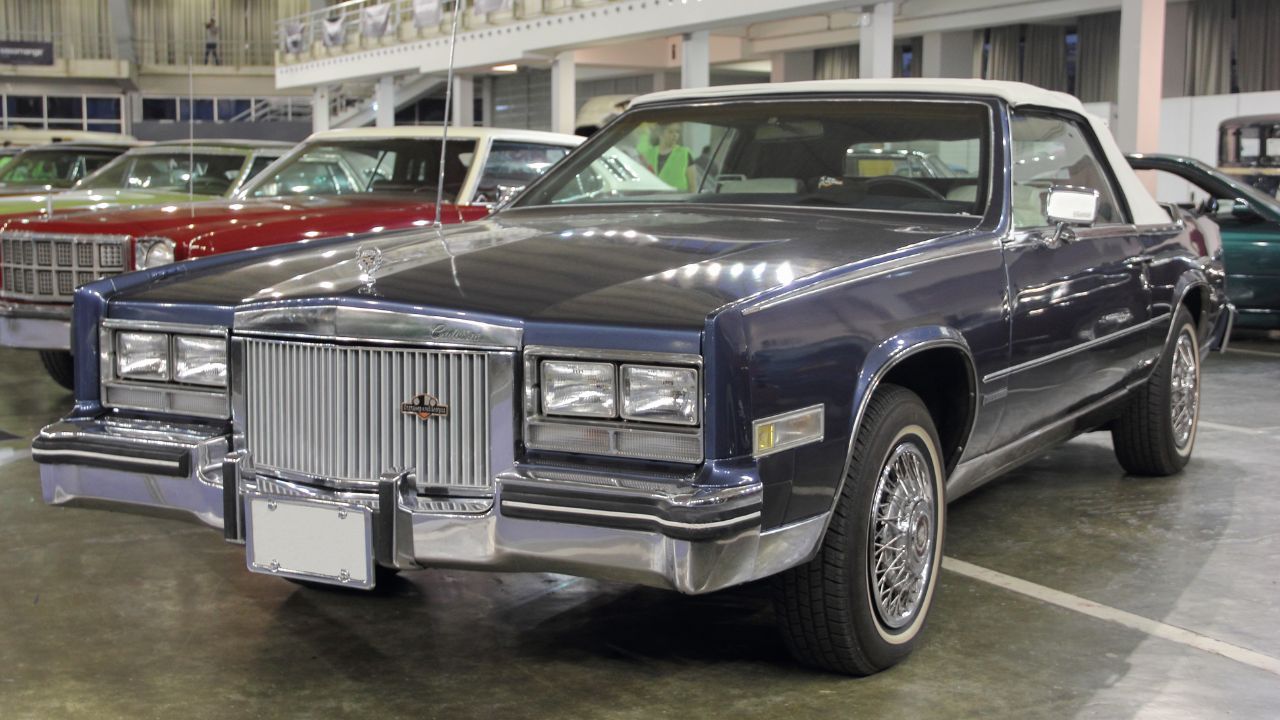
The Eldorado Biarritz was what happened when Cadillac’s designers asked, “What if we made a car so ostentatious that it makes a peacock look humble?” Mission accomplished. With tail fins that could double as aircraft control surfaces and enough chrome to blind a small plane, the Biarritz was less subtle than a Vegas casino and twice as flashy.
This was the car for the man who wanted everyone within a three-block radius to know he’d “made it” — whatever that means. Made it into debt, perhaps? The interior was appointed like a high-end bordello, complete with enough leather to outfit a motorcycle gang and dashboard controls that required a PhD in automotive systems to operate.
Driving one meant never having to announce your arrival; the combination of chrome reflection and V8 rumble did that for you. It was like wearing a tuxedo to a family barbecue: completely unnecessary, slightly ridiculous, and absolutely magnificent.
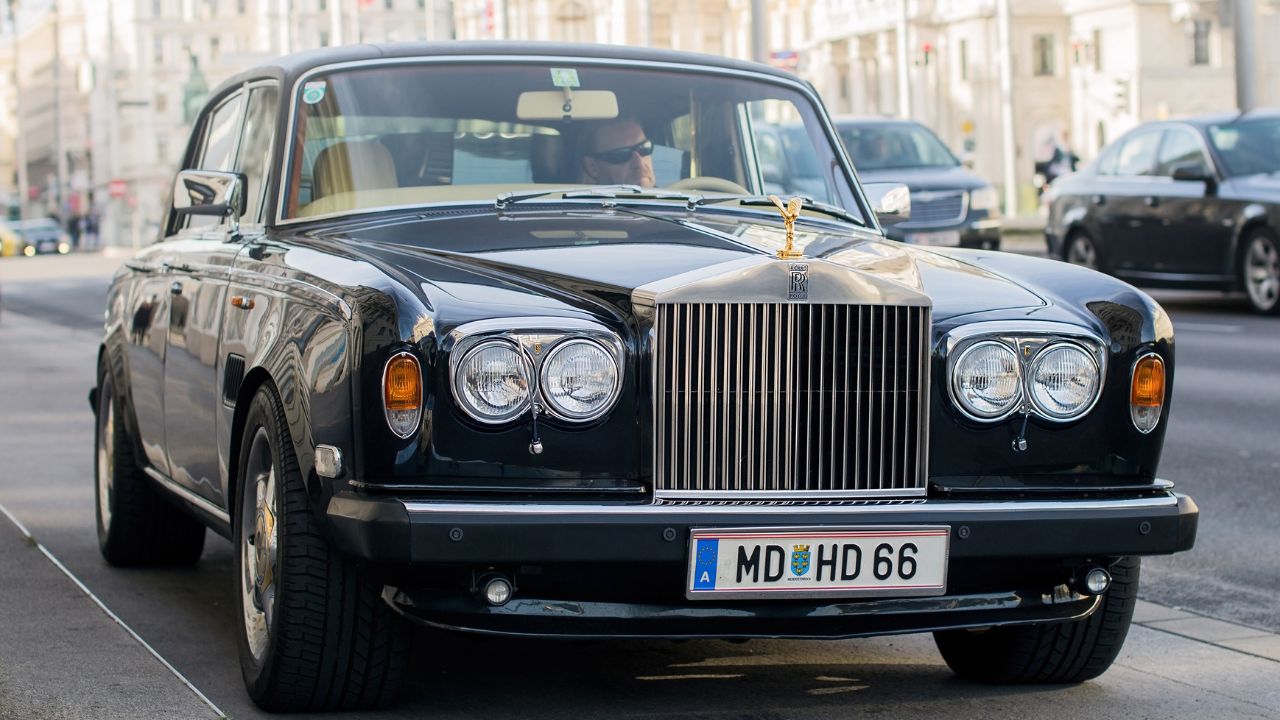
Rolls-Royce Silver Shadow

The Silver Shadow was the car equivalent of speaking softly while carrying a very large wallet. While American luxury screamed “LOOK AT ME!” through chrome megaphones, the Rolls felt it didn’t need to prove anything and it said so in a posh British accent.
Built like a bank vault on wheels, the Silver Shadow delivered silence so profound you could hear your accountant crying from the back seat. The suspension was so smooth that passengers often forgot they were moving; which was unfortunate when they tried to get out at 60 miles per hour.
This was the chariot of choice for oil sheiks, rock stars, and anyone whose idea of “roughing it” involved staying at a four-star hotel instead of five. The Spirit of Ecstasy hood ornament was part decoration, part warning to lesser mortals: royalty was approaching.
Mercedes-Benz 600 Grosser

The 600 Grosser was Mercedes-Benz’s answer to the question nobody asked: “What if we built a car so monumentally massive that it requires its own zip code?” Oh, and make sure nobody can afford to live there. At over 20 feet long in limousine form, it was a mobile declaration of war against humble living.
Powered by a 6.3-liter V8 and enough hydraulic systems to operate a small construction site, the 600 could raise and lower everything (except your insurance premiums). The air suspension was so advanced, it made contemporary cars look like covered wagons.
This was the ride of dictators, rock stars, and anyone who believed that if you’re not making other drivers feel inadequate, you’re not trying hard enough. Elvis had one, the Pope had one, and Idi Amin had several — which tells you everything about the 600’s target demographic.
Lincoln Continental Mark III

The Mark III was Ford’s attempt to out-Cadillac Cadillac, and honestly, they came pretty close. With a hood long enough to land a small aircraft and a grille that looked like it could intimidate a freight train, the Mark III meant business — specifically, the business of looking more successful than you probably were.
This was the car for the executive who wanted to project power without the flashiness of a Cadillac or the stuffiness of a European import. It screamed “successful” but like a finance bro in New York City who still enjoys a greasy slice of pizza.
The vinyl roof was a statement that you’d rather look sophisticated than worry about long-term maintenance. And the hideaway headlights? Pure theater. Because why should your headlights just turn on when they could make a dramatic entrance?
Jaguar E-Type

Enzo Ferrari called it “the most beautiful car ever made,” which is like getting a compliment from Michelangelo about your doodles. The E-Type was what happened when British engineers forgot about reliability for five minutes and focused entirely on making automotive poetry.
With a body that looked like it was carved by angels and a straight-six that sounded like the automotive equivalent of Sinatra’s voice, the E-Type was pure seduction on wheels. It could make a married man reconsider his priorities and a teenager sell everything he owned for a down payment. From Austin Powers to The Italian Job to The Avengers, it’s clear that basically everyone wants an E-Type.
Sure, it spent more time in the shop than on the road, but when it ran, it was automotive nirvana. Owning an E-Type was like dating a supermodel: expensive, high-maintenance, and absolutely worth every moment of drama. And you love to be seen together! Just don’t let anyone knows it controls your wallet.
Porsche 911 Turbo (930)

The 930 Turbo was Porsche’s dangerous game of roulette. What if they made the perfect and most stunning sports car and then made it potentially lethal?! With turbo lag that could launch you into next week and handling characteristics that demanded respect (or excellent life insurance), the 930 separated the drivers from the passengers. This was for rich guys who also felt invincible, overconfident, and like they had enough money to be frozen along with Walt Disney if anything went wrong.
This wasn’t a car for poseurs or weekend warriors — it was for serious drivers who understood that with great horsepower comes great responsibility (and potentially great legal fees). The whale tail spoiler wasn’t just for show; it was actually functional, unlike 90% of the “performance” accessories bolted onto cars today.
Driving a 930 was like riding a barely tamed tiger: exhilarating when everything went right, and potentially catastrophic when it didn’t. But for those who mastered it, there was no sweeter automotive victory.
Chevrolet Corvette Stingray (C2)
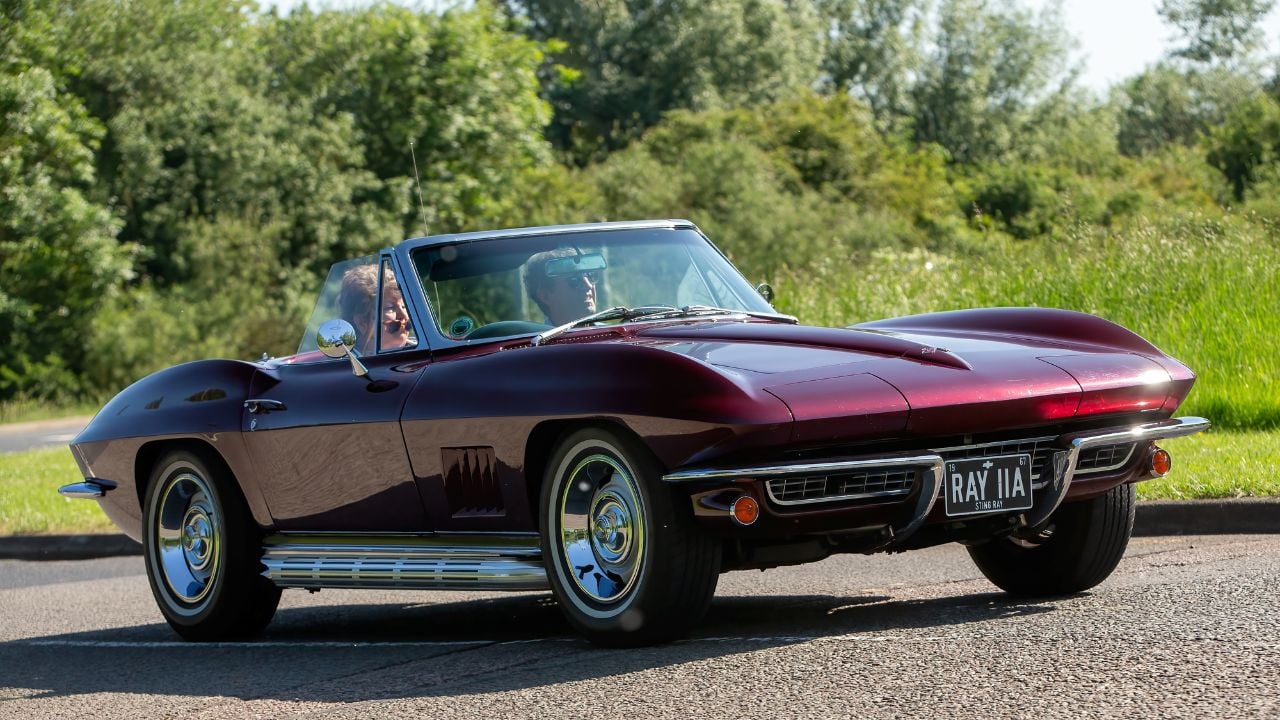
The C2 Stingray was what happened when American designers finally figured out that sports cars didn’t have to look like refrigerators with wheels. With split rear windows that lasted exactly one year (because apparently visibility is overrated) and curves that made geometry professors weep with joy, the Stingray proved America could build something beautiful.
This was the car that launched a thousand midlife crises and convinced an entire generation that fiberglass was a legitimate construction material. The 427 big-block version could accelerate fast enough to blur your vision, which was convenient since the split rear window already limited what you could see anyway.
The Stingray became the poster child for American automotive ambition; beautiful, powerful, and just impractical enough to prove you had your priorities straight.
BMW 635CSi (E24)

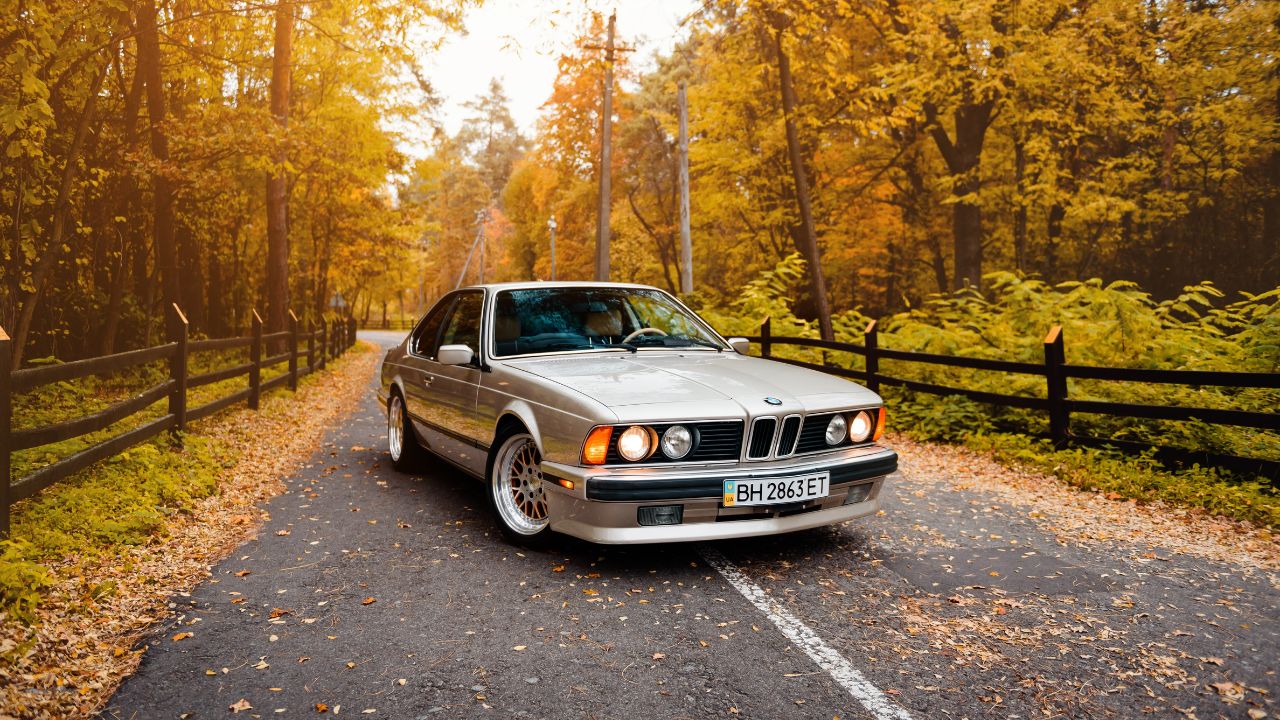
The 6-Series was BMW’s proof that Germans could build something other than sensible sedans and overly complicated electrical systems. With shark-nose styling that looked aggressive without being cartoonish and an inline-six that delivered power with Teutonic precision, the 635CSi was the car for drivers who wanted performance with a PhD.
This wasn’t flash for flash’s sake — every curve served a purpose, every line had meaning, and every component was engineered with the obsessive attention to detail that makes German cars simultaneously wonderful and terrifying to own out of warranty.
The 635CSi became the ride of choice for successful professionals who wanted to announce their arrival without looking like they were compensating for something. It was sophisticated, powerful, and reliable enough that you might actually make it to your destination. But would you really mind if you broke down on the side of the highway in one of these? You’d definitely cause a traffic jam as necks snapped to look!
Ferrari Testarossa

The Testarossa was Ferrari’s interpretation of “more is more,” featuring side strakes that looked like they belonged on a cheese grater and width that required advance planning for most parking spaces. This wasn’t transportation — it was a rolling advertisement for the concept that moderation is for people who can’t afford otherwise.
With a flat-12 engine that sounded like Italian opera performed by angels and performance that could make traffic lights feel like starting lines, the Testarossa was every 1980s teenager’s bedroom wall fantasy made real. It was impossible to drive subtly, which was perfect because subtlety was never the point. There’s a reason it was driven in The Wolf of Wall Street, a movie all about excess at the expense of others.
The Testarossa proved that sometimes the best automotive design philosophy is “go big or go home,” preferably while wearing a pastel suit and no socks.
Buick Riviera
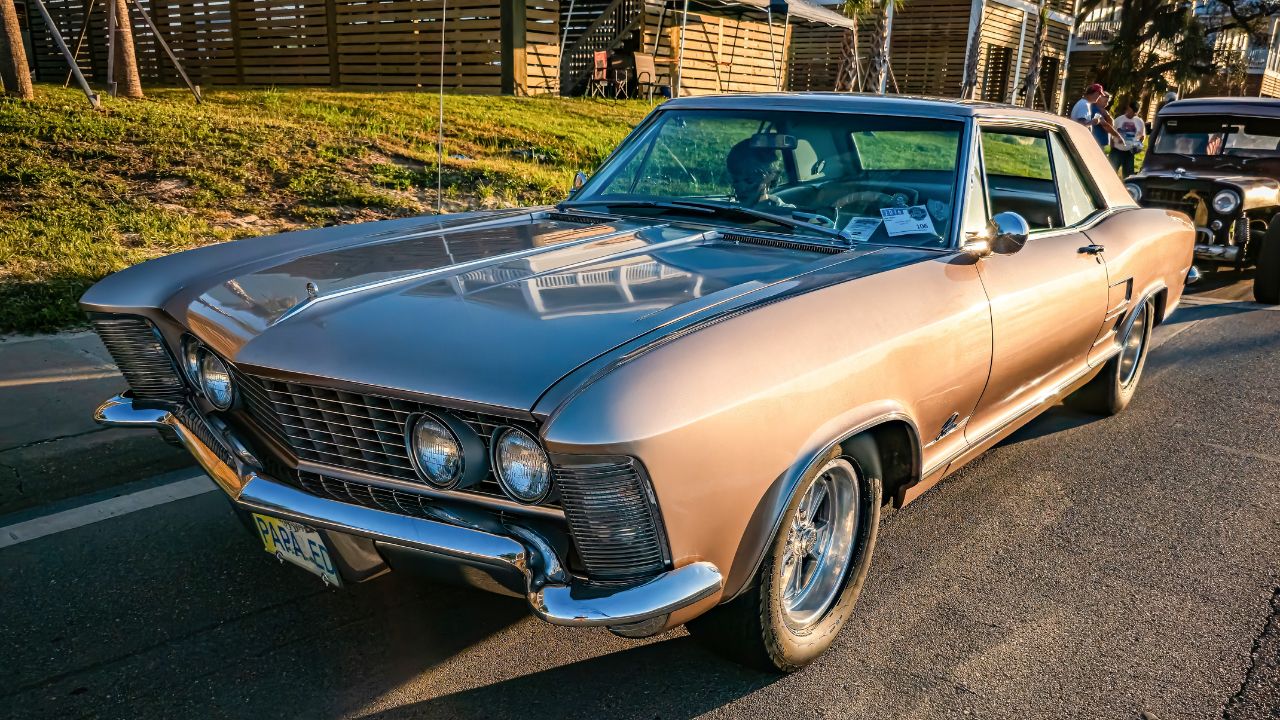
The Riviera was proof that Buick could build something other than cars for golf course parking lots. With hidden headlights that popped up like mechanical surprises and styling that managed to be both elegant and muscular, the Riviera was the car for men who wanted performance but couldn’t be caught dead in a Camaro.
This was sophisticated muscle; the automotive equivalent of a well-tailored suit that happened to be hiding some serious firepower. The Riviera could cruise to the country club or burn rubber at the stoplight with equal aplomb.
It became the choice of successful professionals who wanted their cars to reflect their taste as much as their bank account. The Riviera proved that sometimes the best statement is the one made quietly.
Ford Thunderbird

The 1957 T-Bird was Ford’s love letter to the American dream, complete with porthole windows and enough style to make a Corvette owner weep with envy. This car was a was a lifestyle accessory that came with its own soundtrack of wind rushing past and V8s rumbling contentedly.
With just two seats and a removable hardtop, the T-Bird was built for romance, adventure, and the kind of spontaneous road trips that only happened in movies and Ford advertisements. It was the car for people who understood that sometimes the journey really was more important than the destination.
The T-Bird became the symbol of 1950s optimism and the belief that the future would be brighter, shinier, and filled with cars that looked like spaceships designed by poets.
Dodge Charger R/T

The Charger R/T was Dodge’s answer to the question, “What if we built a car that looked like it was constantly angry about something?” With a grille that could intimidate a brick wall and a 440 Magnum that sounded like mechanical thunder, the Charger didn’t ask for respect — it demanded it.
This was the car for folks who believed that subtlety was a character flaw and that the best automotive solution to any problem was more horsepower. The Charger could go fast in a straight line, look menacing while doing it, and make enough noise to wake up everyone within a five-mile radius. The perfect way to get noticed.
It became the star of countless chase scenes, not because it was the fastest car available, but because it looked the coolest while destroying public property and movie budgets. General Lee was a status symbol for those that wanted to also challenge the law — it’s not like you couldn’t bail yourself out easily.
Rolling In Riches
These automotive legends remind us of a time when cars had souls, character, and occasionally, the electrical reliability of a fruit basket. They were built when designers used rulers and intuition instead of wind tunnels and focus groups, when engines were measured in cubic inches instead of environmental impact scores.
These machines didn’t just get you from point A to point B, they transformed the journey into an event, the driver into a character, and every parking lot into a potential stage. They made ordinary people feel extraordinary, even if their bank accounts suggested otherwise.
Today’s cars may be faster, safer, and more efficient, but they’ll never capture the pure, unadulterated automotive theater of these classics. These legends proved that sometimes the best engineering comes from the heart, not the computer, and that the most important automotive specification isn’t found in any manual; it’s the number of smiles per gallon.
They remain monuments to an era when cars were built to make statements, not just meet regulations, and when the best automotive accessory wasn’t a cupholder, it was an ego big enough to match your horsepower.