
Spaghetti, high fashion, talking with their hands, Italy is known for many things and making stunning, art gallery-worthy automobiles is definitely one of them. Italian carmakers have long been known for turning automobiles into rolling works of art, and Lancia stands at the heart of that tradition. Few brands combined elegance and daring experimentation with such confidence. Their designs often felt more like haute couture fashion than simple transportation, blending sculptural forms with engineering ambition.
Have you ever looked at a Lancia and thought it belonged as much in a gallery as on a road? That reaction comes from decades of design that challenged conventions while remaining distinctly, unapologetically Italian.
From graceful luxury models that make a Mercedes look like a fridge on wheels, to aggressive rally icons that would make a WRC car feel inadequate, Lancia consistently pushed creative boundaries. These cars captured the romance of driving in ways that words often struggle to express. Their proportions, curves, and interiors spoke of a culture where beauty mattered as much as speed, and sometimes, even more.
Each model carried a sense of personality that made it impossible to ignore. Lancia became proof that in Italy, cars are more than just machines, they are statements of style and identity, and sometimes, a little bit of madness.
How the Defining Lancia Designs Were Selected
Now talk about a real challenge. You guys better appreciate this one, because the Guessing Headlights team really had to debate, think hard, and sweat over this one. It’s hard to choose between all of Lancia’s gorgeous models, which have been coming out since 1907. So here’s how we started to narrow it down.
Selection emphasized vehicles that showcased innovation in styling, materials, and integration of functional beauty. Historical significance played a central role, prioritizing cars that influenced the brand’s image and left a visible mark on the industry. Longevity of appeal was considered, with each design evaluated for how well it transcended its era to remain relevant in the present. Input from automotive historians and archived design critiques provided context for understanding how these models were received at launch.
Special attention was given to collaborations with renowned Italian design houses, including Pininfarina, Bertone, and Zagato, to highlight their impact on the Lancia aesthetic. Emphasis was placed on the harmony between exterior form and interior execution, ensuring that each car represented a holistic design vision.
Market positioning also informed the evaluation, examining how Lancia’s bold choices set it apart from competitors. These parameters ensured a balanced view of artistic daring, technical ingenuity, and cultural resonance. Ultimately, the selected cars embody the design ethos that cemented Lancia’s reputation for Italian sophistication and forward-thinking creativity.
Lancia Aurelia B20 GT
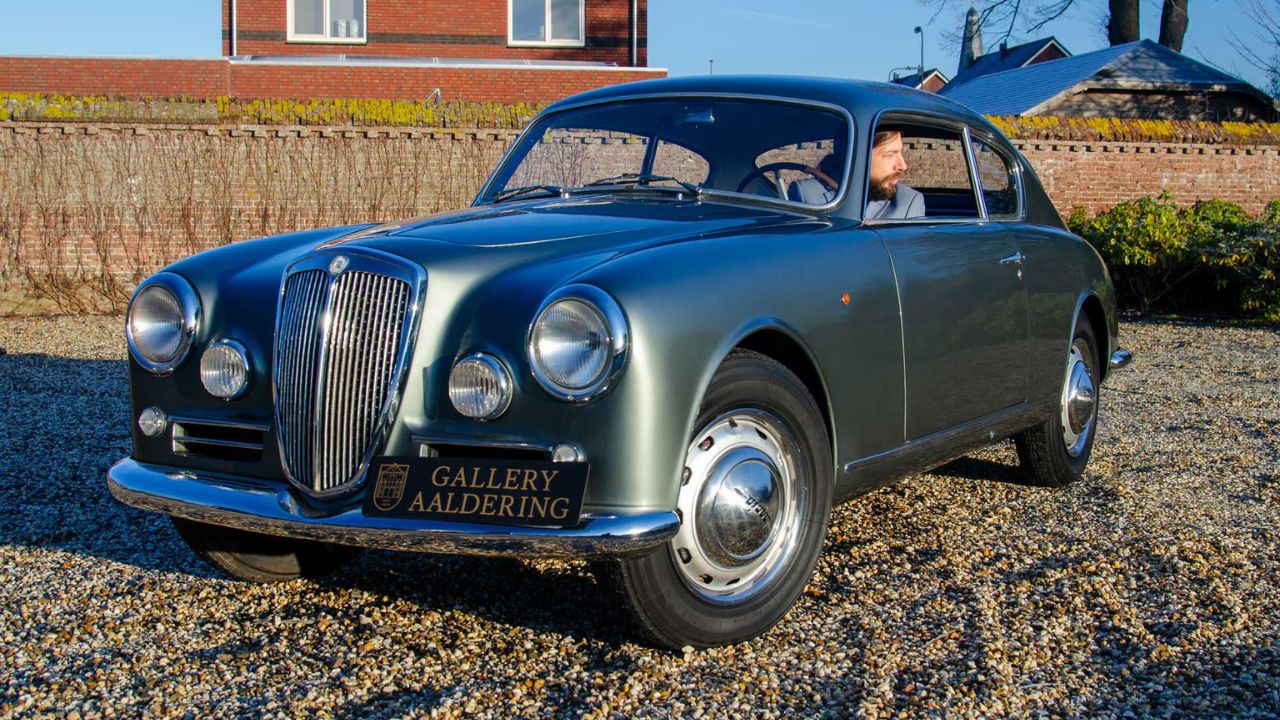
Elegance defined postwar Italian motoring when the Aurelia B20 GT appeared on the scene in the early 1950s. It wasn’t just a car; it was a promise that the good times were back. The coupé’s elegant coachwork, built by Pinin Farina, gave it flowing proportions that still feel balanced today, making most modern coupes look like they were designed by a bricklayer. It was a proper Gran Turismo before the term became a marketing gimmick for every two-door car with a vague sense of speed.
The Aurelia was a technical marvel for its time, too. It was one of the first production cars to feature a V6 engine, a narrow-angle, all-aluminum unit designed by the legendary Francesco de Virgilio. This refined yet powerful engine, combined with a transaxle layout for perfect weight distribution, made long journeys a dream. It symbolized optimism in postwar Italy and quickly became a favorite among discerning drivers, and it attracted plenty of high-profile enthusiasts in the automotive world.
Lancia Stratos HF

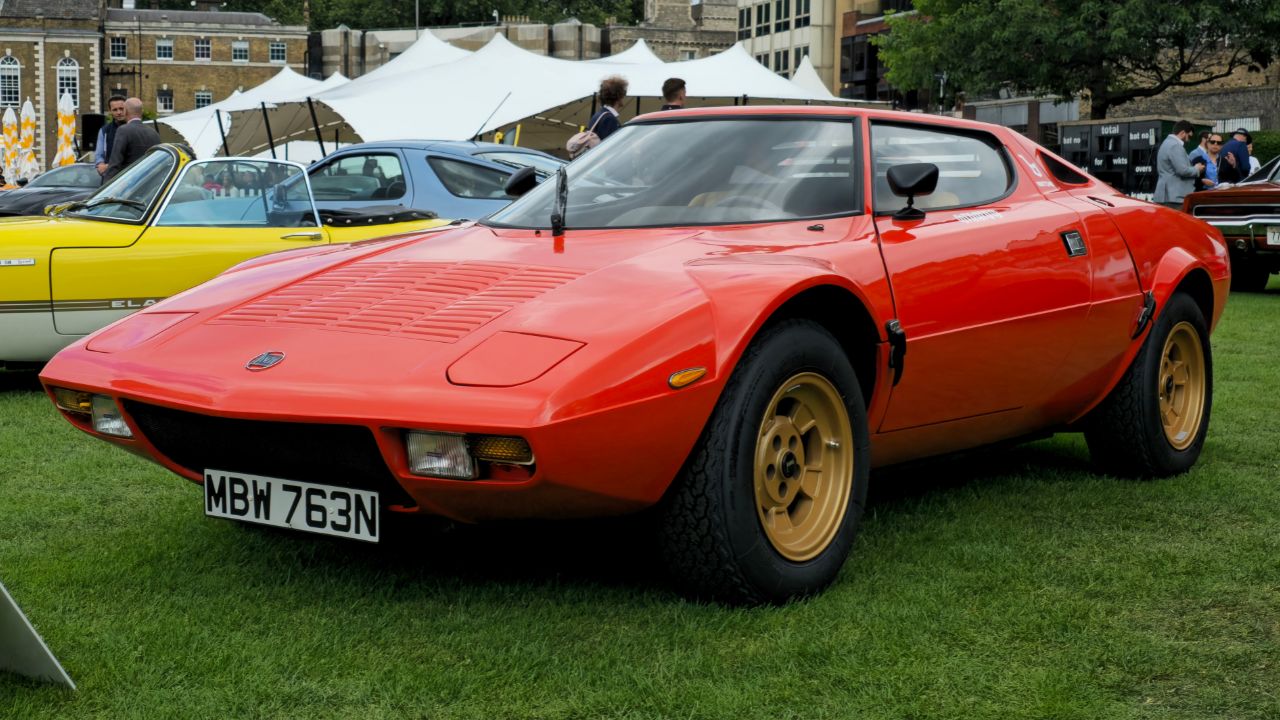
Few designs shocked the world like the Stratos HF. When it was unveiled in 1971, it looked like a spaceship that had accidentally landed in a parking lot. Bertone sculpted an aggressively compact, wedge-shaped body that screamed rally dominance, a design so bold it made a Lamborghini Countach look like a commuter sedan. With its wraparound windshield and truncated rear, it looked like it was going 200 mph just sitting still.
However, the Stratos wasn’t just about looks. It was a purpose-built weapon. The engine was a Ferrari Dino V6, a fact that Lancia was all too happy to advertise, mounted transversely behind the driver. This mid-engine layout, combined with an incredibly short wheelbase, made the Stratos a demon on tight rally stages. It was a car so focused on winning that the interior was basically a metal box with two seats and a steering wheel.
It dominated the World Rally Championship from 1974 to 1976, and even decades later, encountering a Stratos feels like meeting a rolling piece of art that’s also an assassin.
Lancia Delta HF Integrale
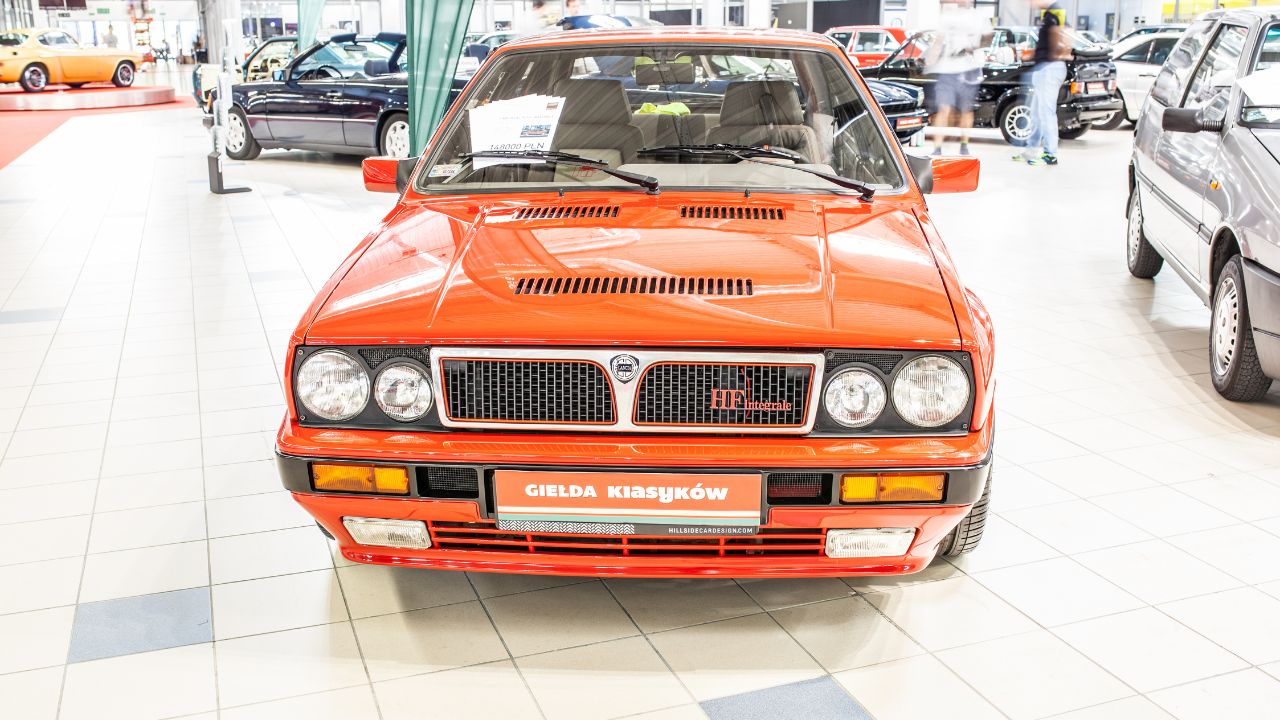
The Lancia Delta HF Integrale is the automotive equivalent of a pugnacious street fighter who cleans up nice for dinner. What started as a humble five-door hatchback was transformed into a motorsport legend. Engineers bolted on flared fenders that looked like they were swallowing the wheels, a massive spoiler, and a purposeful stance that gave it an unmistakable aura. It was a car that looked like it was ready to win the WRC even when it was just parked at the grocery store.
The Delta Integrale’s all-wheel drive system, combined with a potent turbocharged engine, made it a true monster on the rally stage. It won the World Rally Championship a record six consecutive times from 1987 to 1992. The cabin, meanwhile, maintained everyday usability while catering to drivers who craved engagement. It struck a rare balance between street practicality and rally aggression, a balance so perfect that no one has replicated it since.
It’s a design icon celebrated well beyond the rally stages, and it’s a car that still commands a huge price tag today
Lancia Fulvia Coupe

Understated elegance found its form in the Fulvia Coupe, a car so beautiful it makes you question your own life choices. Unlike its more aggressive siblings, the Fulvia was all about quiet confidence. It had low-slung proportions and clean, crisp lines that created a presence that blended refinement with sportiness. The interior was a masterpiece of mid-century cool, featuring wood accents and sculpted seats that added a touch of artistry to its simplicity.
Beneath the elegant skin was a technical tour de force. The Fulvia was a front-wheel-drive car with a narrow-angle V4 engine, a setup that gave it nimble handling and a unique sound. It became a symbol of sophisticated Italian motoring during the 1960s, balancing everyday usability with stylish confidence. Its charm lies in its restraint, avoiding excess while still delivering beauty.
The Fulvia Coupe represents the quiet confidence of Lancia’s design ethos at its peak, and it’s the car you drive when you don’t need to prove anything to anyone.
Lancia Gamma Coupe
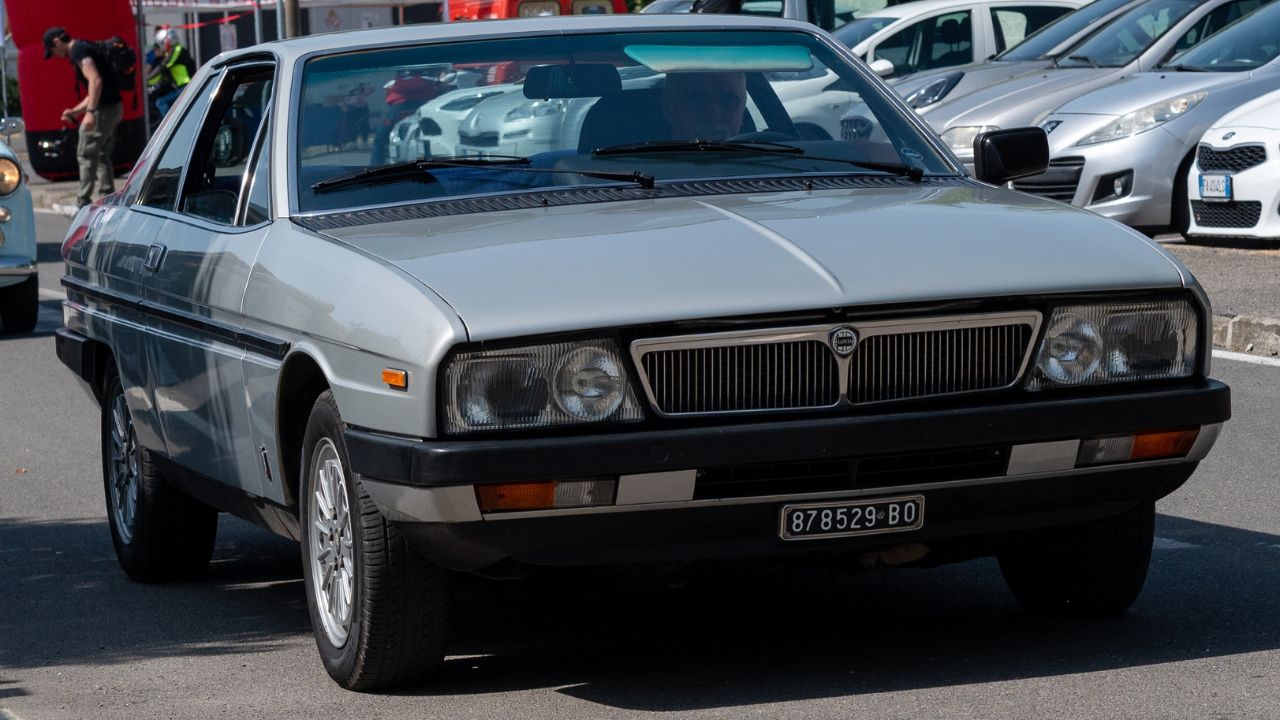
The Lancia Gamma Coupe is a car that took a risk, and boy, did it pay off in the style department. Sharp edges met fluid surfaces in a design that reflected Pininfarina’s fearless creativity. Its extended hood and poised stance gave it a confident, executive air, making it look like the CEO of a company that only sells luxury goods. A forward-thinking interior design emphasized driver comfort with bold Italian touches.
While the Gamma was a design marvel, its mechanicals were… well, let’s just say they were “experimental.” The flat-four was offered in both 2.0- and 2.5-liter forms—and the 2.5 in particular became notorious for its issues, but even with its flaws, the Gamma continues to be admired for its architectural beauty. It demonstrated how the brand could experiment with form while maintaining an air of elegance. Few cars of its era matched its bold combination of presence and refinement.
The Gamma Coupe’s design still sparks conversation about the risks and rewards of true innovation, and it’s the kind of car that reminds you that sometimes, beauty is more important than reliability.
Lancia Thema 8.32

The Lancia Thema 8.32 is the ultimate wolf in sheep’s clothing. From the outside, it looks like a fairly standard, boxy 1980s Italian sedan. Underneath that subtle exterior was a secret weapon: a Ferrari-derived V8 engine. The “8.32” in the name stands for eight cylinders and 32 valves, a not-so-subtle nod to the prancing horse under the hood.
This balance between executive-class restraint and hidden performance became its defining trait. The engine, a 3.0-liter V8 from the Ferrari 308 Quattrovalvole, was detuned for the Thema but made about 215 PS in early Series I form, with later Series II cars dropping to about 205 PS. The interior was a masterpiece of luxury, with plush leather and fine woodwork that created a cabin that rivaled luxury peers. For those who wanted power without pretense, the Thema delivered beautifully. It was proof that Lancia could compete in the luxury space without compromising its identity.
Today, it remains a cult favorite for enthusiasts who appreciate understated excellence.
Lancia 037

The Lancia 037 is a car that was so single-minded in its purpose that it became a legend. Built for Group B rallying, it was a purebred racer that combined sweeping curves with functional aerodynamic elements. The cockpit favored minimalism, offering only what drivers needed to win: a steering wheel, a shifter, and a massive fire extinguisher.
The 037 holds a special place in rally history, being the last rear-wheel-drive car to win the World Rally Championship in 1983. While other teams were using complicated and heavy all-wheel-drive systems, Lancia proved that a lightweight, supercharged, mid-engine car could still win. Beyond its competition success, it became a design study in balancing aggression with beauty.
The 037 remains one of the purest examples of a competition car turned enduring design legend.
Lancia Montecarlo
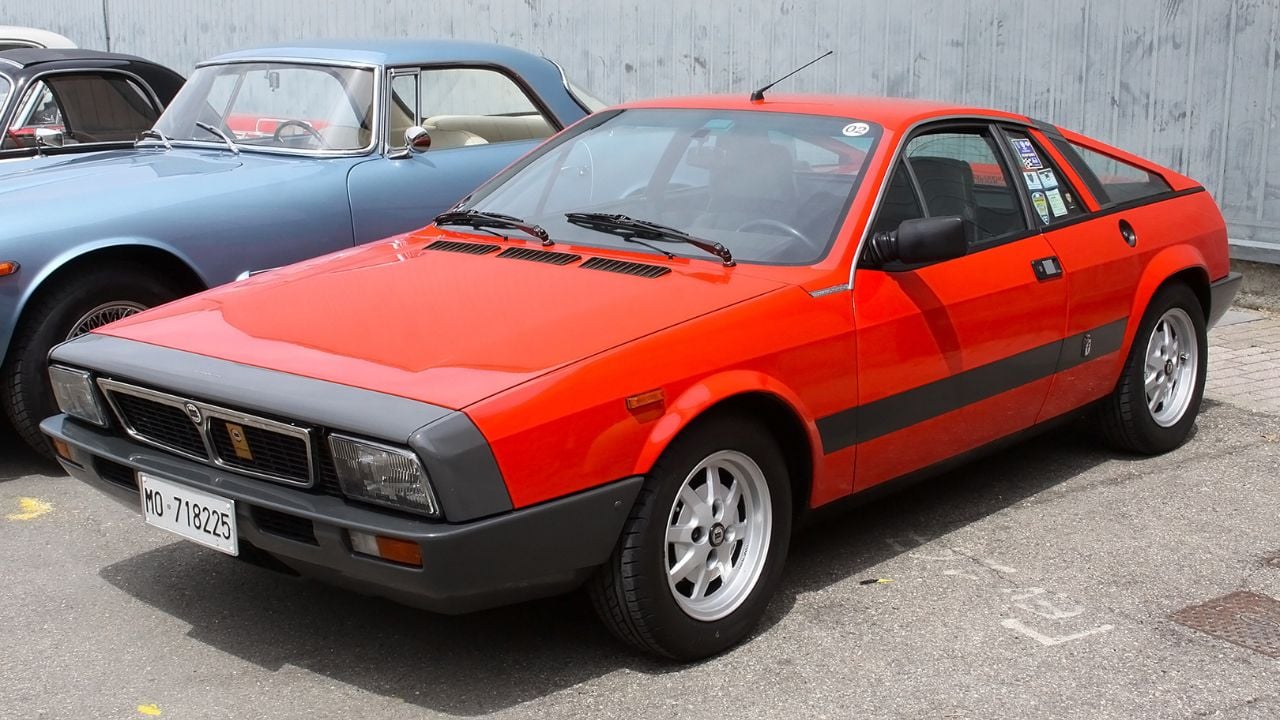
The Lancia Montecarlo is the car you get when you want an exotic sports car but you don’t have a secret Swiss bank account. It’s a mid-engine, two-seater developed from a Fiat–Pininfarina project that was conceived as a more powerful alternative to the X1/9; its load-bearing body was designed and built by Pininfarina rather than being an X1/9 chassis.
Compact dimensions and a mid-engine layout gave it a sporting profile distinct from its contemporaries. Inside, simplicity met Italian craftsmanship, creating a cabin that felt purposeful and stylish. Its engaging driving character matched its confident looks, leaving a lasting impression on fans of affordable exotics.
The Montecarlo, despite its flaws, embodied the essence of Italian sports cars and proved that you don’t need a massive price tag to have a beautiful and fun car.
Lancia Beta Coupe
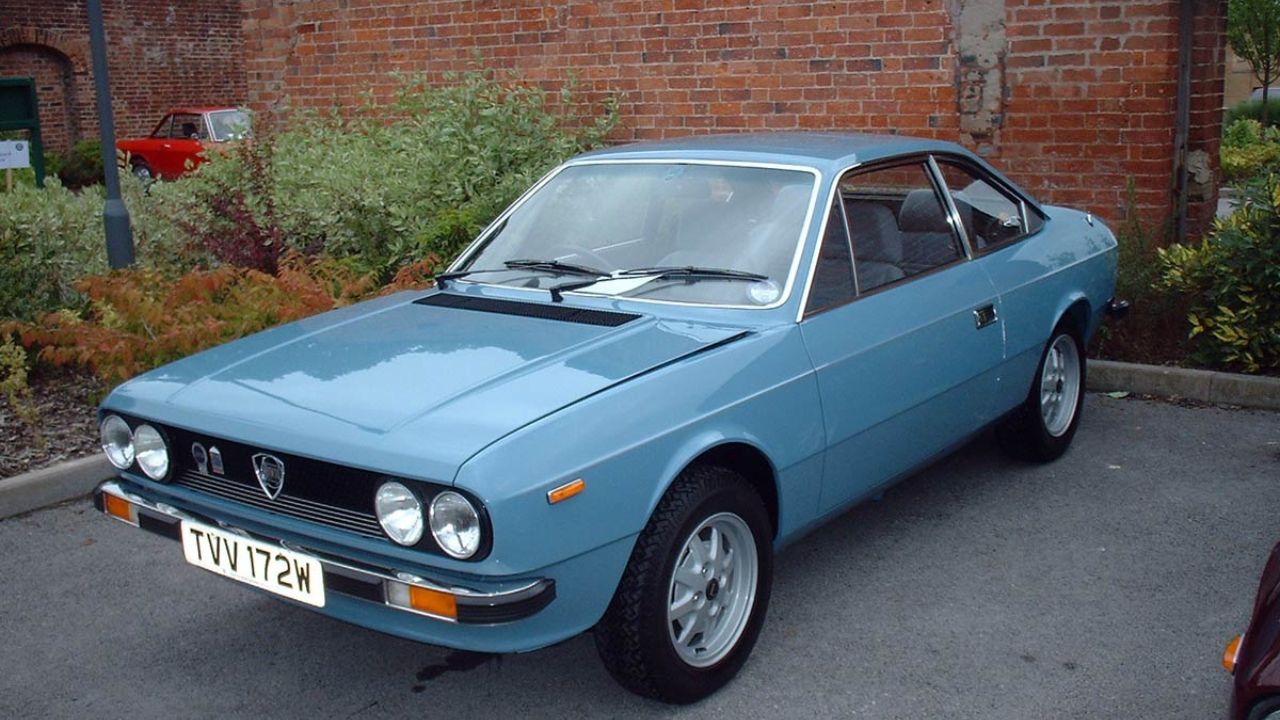
The Lancia Beta Coupe is the car that tried to be everything to everyone. It had crisp lines and a sloping roofline that made it a standout in Lancia’s 1970s lineup. Its styling projected an approachable, modern aesthetic for everyday drivers. The interiors blended practicality with sporty flair, elevating the ownership experience.
While its reputation suffered over time due to rust issues, a common ailment for Italian cars of the era, the design itself aged gracefully. The Beta Coupe endures as an understated reminder that even everyday cars can embody a brand’s creative spirit.
It gave buyers an entry point into Italian motoring without sacrificing character, and it’s the car you buy when you want to look good without being too flashy.
Lancia Appia Coupe
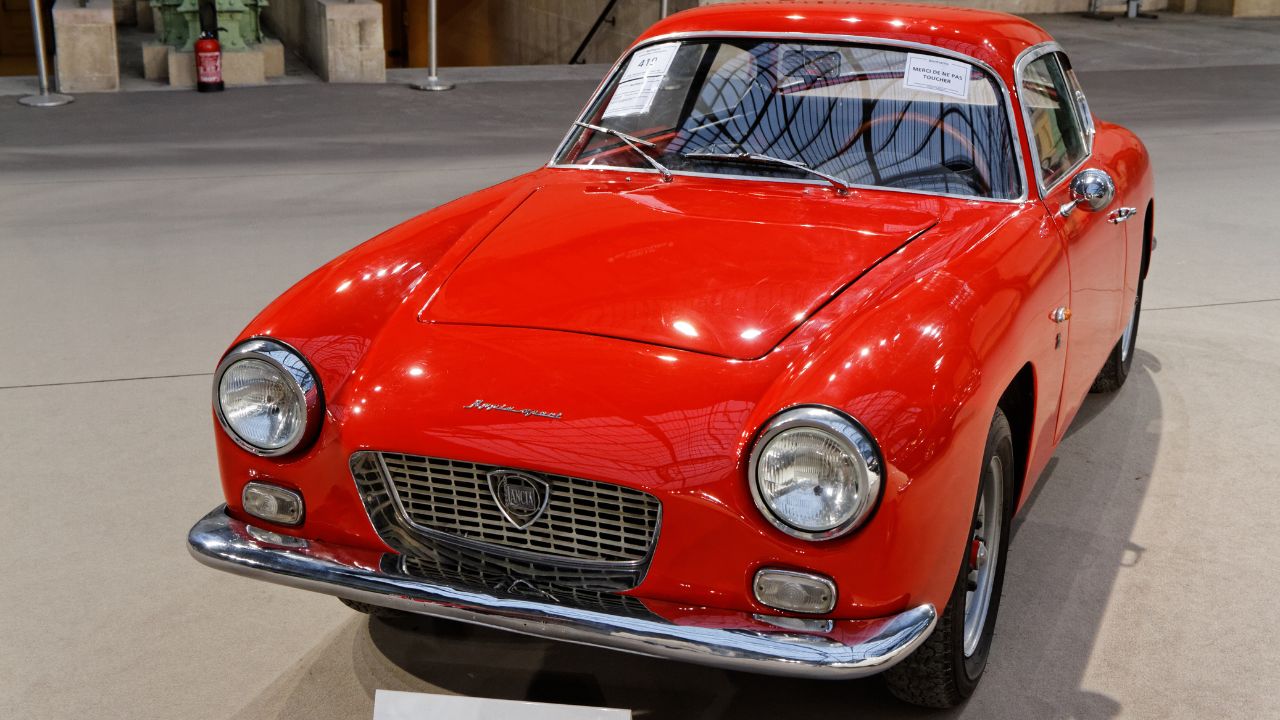
Compact yet sophisticated, the Appia Coupe displayed Zagato’s signature elegance. Its teardrop contours and lightweight structure created a sense of delicacy and precision. It was a car so small and beautiful that you could almost pick it up and carry it home. The Appia showed how Lancia and Italy’s finest coachbuilders could elevate small cars into rolling works of art.
A pared-back cabin emphasized craftsmanship over extravagance, with meticulous details that made it feel special. For drivers who valued charm over flash, it became an ideal companion. Decades later, its artistry still resonates, and it stands as a timeless showcase of mid-century Italian design excellence.
Lancia Thesis
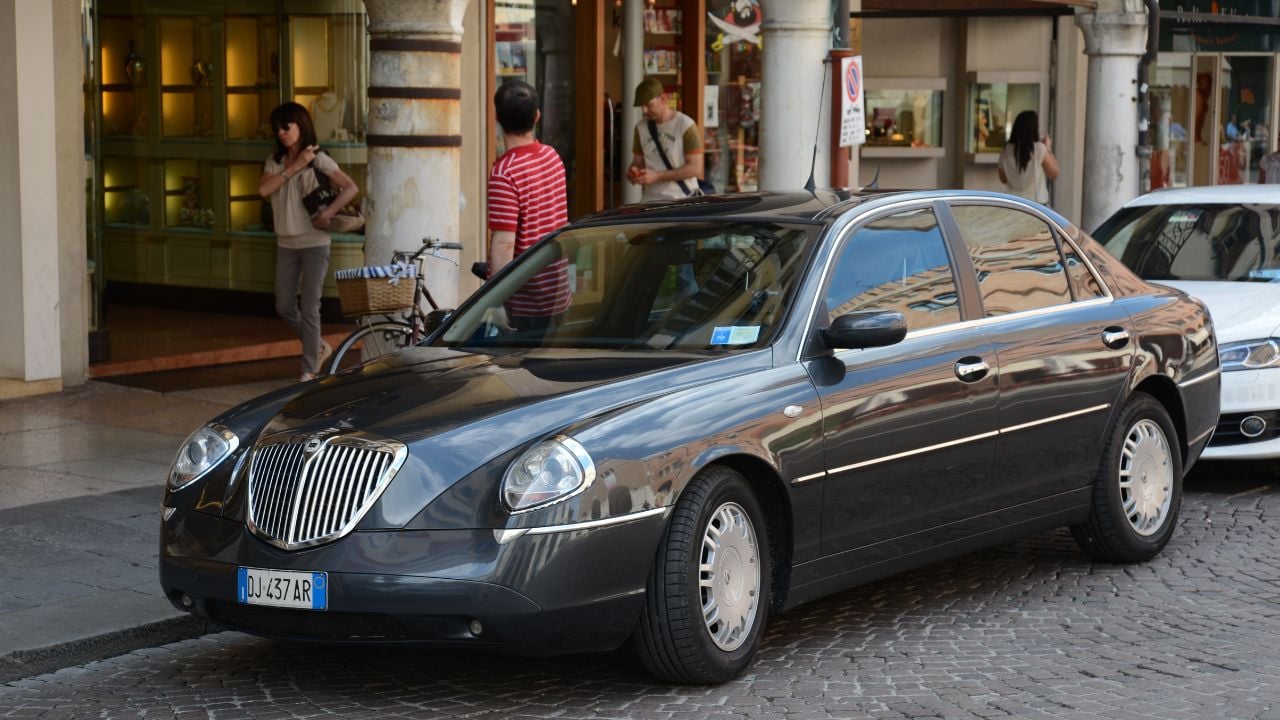
The Lancia Thesis is a car that you either love or hate, and there’s no in-between. It’s a luxury sedan that dared to defy convention, and it’s a car that looks like it was designed by an alien from a planet with a better sense of style. The complex front-end detailing and commanding proportions set it apart from conservative competitors.
The Thesis’s interior was just as bold, with avant-garde technology and high-end finishes that made it feel like a spaceship from the 1960s. While polarizing at launch, its confidence now feels refreshingly individual. It stands as proof that innovation in design doesn’t always need universal approval to make an impact.
Over time, its unique styling has gained appreciation as a forward-looking vision of what luxury sedans could be.
Lancia Flaminia Coupe
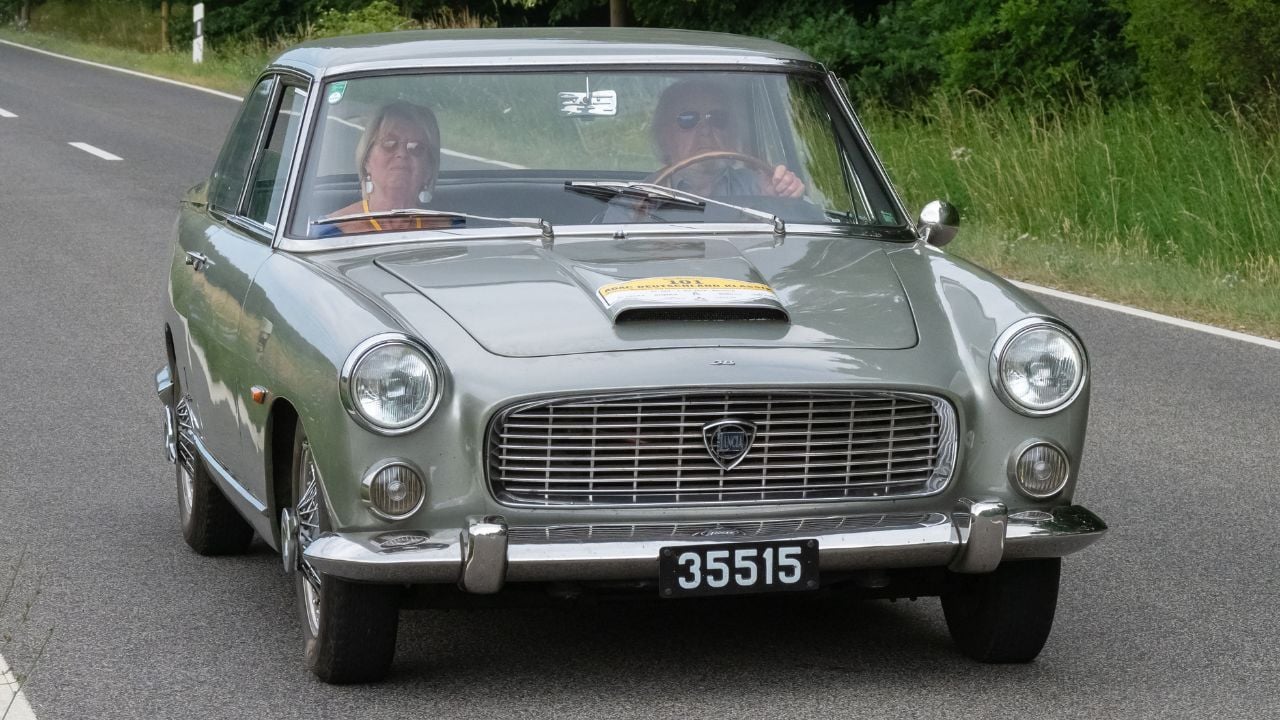
The Lancia Flaminia Coupe is a car that defines what it means to be a classic. It’s a car that’s so beautiful, you could just look at it for hours. Pininfarina’s touch delivered clean, stately lines with a sense of quiet authority. The interior combined rich materials with understated elegance, creating a car meant for grand touring in style.
On the road, it exuded composure and luxury, and it was the kind of car that made you feel like royalty. Its understated presence appealed to those who preferred subtle elegance over flash. This model cemented Lancia’s reputation for crafting dignified yet emotionally compelling cars, and it’s a car that will never go out of style.
Why These Designs Still Inspire

Lancia’s most remarkable creations endure because they marry bold vision with emotional impact. They prove that a car can express culture, personality, and artistry in a single package. Have you ever looked at a decades-old Lancia and thought it still feels ahead of its time? That sensation captures the magic of these designs. Each one challenged conventions, creating lasting ripples across automotive history.
For me, they serve as reminders that true beauty in cars often comes from bravery. These models stand as monuments to Italian creativity at its peak. Which one would get you talking (with your hands)?