
There’s something just so incredible about seeing a strange car on the road or at a car show that makes you do a double-take. It’s a seemingly simple moment you’ll remember forever. You keep wondering, “What was that thing?” and more importantly, “What’s it like to drive that thing?”
There was a time when car design was more than aerodynamics and efficiency. Every curve, button, and fin came with flair, purpose, and a little bit of madness. These 13 classic oddballs were born from that glorious time when designers and engineers followed their imaginations and brought ideas into reality, with very little corporate interference.
The results were machines that still baffle, amuse, and captivate. These cars did not blend in at shopping malls or even at car museums. To this day, we need more cars like these to keep us feeling curious, entertained, whimsical.
Behind the Chrome Curtain
It may not seem like it, but there’s no scientific process here. That’s because “weird” is a subjective term. What makes a car weird? We believe it’s a blend of unusual looks and imaginative engineering. These are cars that had an original look and a style all their own, and perhaps they have some unusual performance features that are pretty unconventional. The result? Every single car here earned its place through sheer creativity and a strong, unforgettable identity that continues to inspire admiration (or at least bewildered stares).
Each vehicle here represents a unique kind of weirdness, whether in styling, function, heritage, or a glorious blend of all three. With that highly scientific approach, this collection became a parade of personalities on wheels. It’s time for the oddballs to get some love (Ferrari, you already got your 20394 articles this week).
Stout Scarab

Behold, the Stout Scarab, resembling a polished silver pill with serious automotive ambition. Designed with a revolutionary monocoque chassis (decades before it was cool!), it carried passengers in a layout that felt less like a car and more like a high-end living room on wheels. Inside, it boasted lounge-style chairs that swiveled and a movable table, creating a mobile social space perfect for poker night or an impromptu board meeting. A rear-mounted Ford flathead V8 gave it smooth, surprisingly quiet motion and space efficiency, because, apparently, William Stout believed engines belonged out of sight, out of mind. Wide windows welcomed sunlight into its ridiculously luxurious interior, and its Art Deco lines gave it the elegance of a 1930s ocean liner, minus the seasickness (usually).
Engineer William Stout, a true visionary, masterfully blended aviation principles with automobile styling, creating something utterly unique. Every design detail was a product of forward-thinking ideals, and collectors now admire its craftsmanship and unbelievably limited production (only about nine were built, plus one later experimental prototype). The Scarab feels like a private train car on four wheels, gliding silently through traffic. Its presence on any street transforms a mundane moment into a full-blown parade of bewildered onlookers.
You don’t just drive a Scarab; you curate an experience. It also reminds you to take your Tuesday afternoon pill concoction!
Dymaxion Car
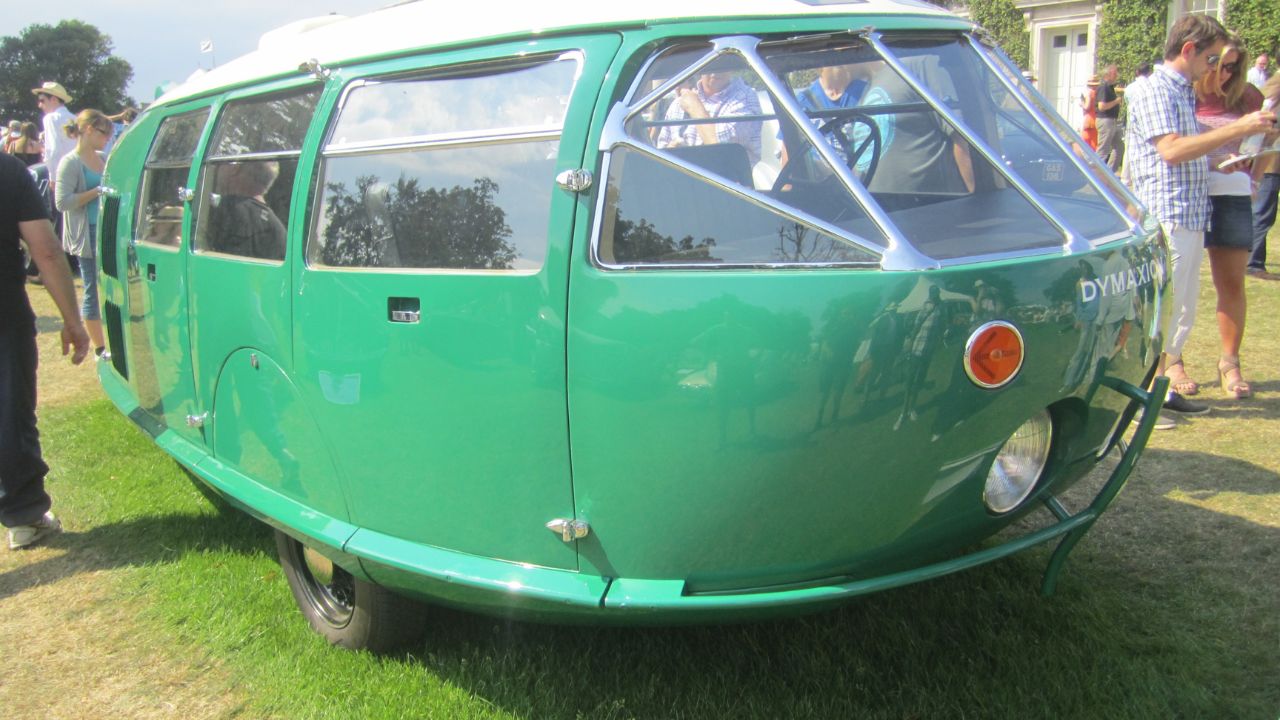
Prepare to scratch your head at the Dymaxion Car. Only three prototypes were ever built, and each one resembled a spacecraft that had parachuted directly from a sci-fi movie set. Its iconic tear-shaped body measured about 19.5 feet in length and tapered elegantly at the rear, making it resemble a mechanical dolphin on land. Designer Buckminster Fuller, a man who saw the world differently (and liked big words), pursued efficiency and elegance in equal measure. It could seat up to eleven passengers comfortably in its cavernous interior, try that in your modern minivan!
A flathead Ford V8 (because apparently, Ford flatheads were the go-to for weirdness) provided ample energy for both performance and sheer spectacle. Its shimmering aluminum panels screamed futuristic appeal, but the real party trick was the rear-wheel steering (with up to 90° lock) that enabled extremely tight low-speed maneuvering—but was notoriously unstable at higher speeds or in crosswinds. It rolled through cityscapes with an almost ethereal aura, its doors opening to wide-eyed curiosity and endless conversations. Photographers often chased it through exhibitions and crowded streets, as if it were a UFO.
The Dymaxion continues to inspire visionaries who dream on a grand, highly unconventional scale. Just don’t try to parallel park it.
Amphicar Model 770

The Amphicar Model 770: the automotive equivalent of a Swiss Army knife, if that knife could swim. This glorious machine flawlessly blended boating with boulevard cruising, giving its owners the ultimate party trick. Twin propellers, cleverly mounted under the rear bumper, handled aquatic adventures with surprising grace (although very slowly). Its 1,147cc Triumph Herald four-cylinder engine (because what else would power a German amphibious car?) pushed it forward both on land and in water, albeit not terribly fast on the road either. Entering lakes from boat ramps became an effortless party trick, usually accompanied by gasps and cheers. The Amphicar’s high fenders and classic ’60s profile brought smiles at every dock and terrified fishermen.
Inside, passengers experienced genuinely unique transitions between terrain types, often accompanied by a moment of “Are we doing this?” The dashboard remained purposeful and straightforward, with aquatic controls (like “BILGE PUMP”) within easy reach. Owners often waved triumphantly from mid-lake with infectious enthusiasm. Parked at marinas, it stood as both car and conversation starter, drawing crowds like a free beer stand.
The Amphicar carries the soul of endless summer and the spirit of “hold my beer and watch this.”
Messerschmitt KR200

The Messerschmitt KR200 looked less like a car and more like a grounded fighter plane with an undeniable sense of humor. Built with tandem seating (one behind the other, just like a real jet) under a clear, almost entirely transparent canopy, it provided genuine aviation vibes on neighborhood roads. Its tiny 191cc engine hummed with determination, propelling this microcar with surprisingly decent pep for its size. Entry into the cockpit-style interior involved lifting the entire bubble roof with ease, the ultimate dramatic entrance.
The unique steering bar and handle-shift added a distinctly pilot-like experience to every journey. Its impossibly narrow proportions allowed it to slip through narrow alleys and busy markets with the grace of a gazelle, while a full-size SUV would get stuck just looking at it. It performed admirably within city limits and returned fuel mileage so good it probably made hybrid owners weep with envy. Designers applied actual aircraft knowledge to maximize space and function. The KR200 encouraged creativity and minimalism. Pedestrians often stopped dead in their tracks to ask questions about its peculiar shape and buzzing sound.
Driving it must feel like stepping into a post-war vision of tomorrow, where efficiency and fun were fused into a glorious, tiny package.
Reliant Robin

Reliant? More like reliantly wobbly, am I right? If you’ve ever seen “Top Gear,” you know this little three-wheeled marvel. It offered a nimble profile and maintenance that was so approachable, even a squirrel could do it. Top Gear famously exaggerated the rollover antics by tampering with the car; in normal driving, the Robin was generally manageable within its intended limits. With just three wheels (two in the back, one up front), it claimed lightweight agility and motorcycle-style benefits, which mostly translated into hilarious rollover potential if you took a corner too fast. Its fiberglass body saved weight and famously resisted corrosion over time, meaning it rusts about as much as a plastic lawn chair.
Owners found it delightfully easy to drive through narrow English lanes and cramped urban neighborhoods. Its small engine delivered excellent fuel economy and a quiet operation, until it fell over. Families, often bewildered, embraced it as a cost-effective and compact solution. Insurance and taxes remained delightfully low for owners, which was probably the main selling point. Its signature silhouette appeared on television (usually tumbling on two wheels), creating lasting moments in pop culture. The Robin maintains loyal followings and active fan clubs, probably because its owners have a fantastic sense of humor.
This car holds a special, wobbly place in Britain’s automotive memory.
Tatra T87

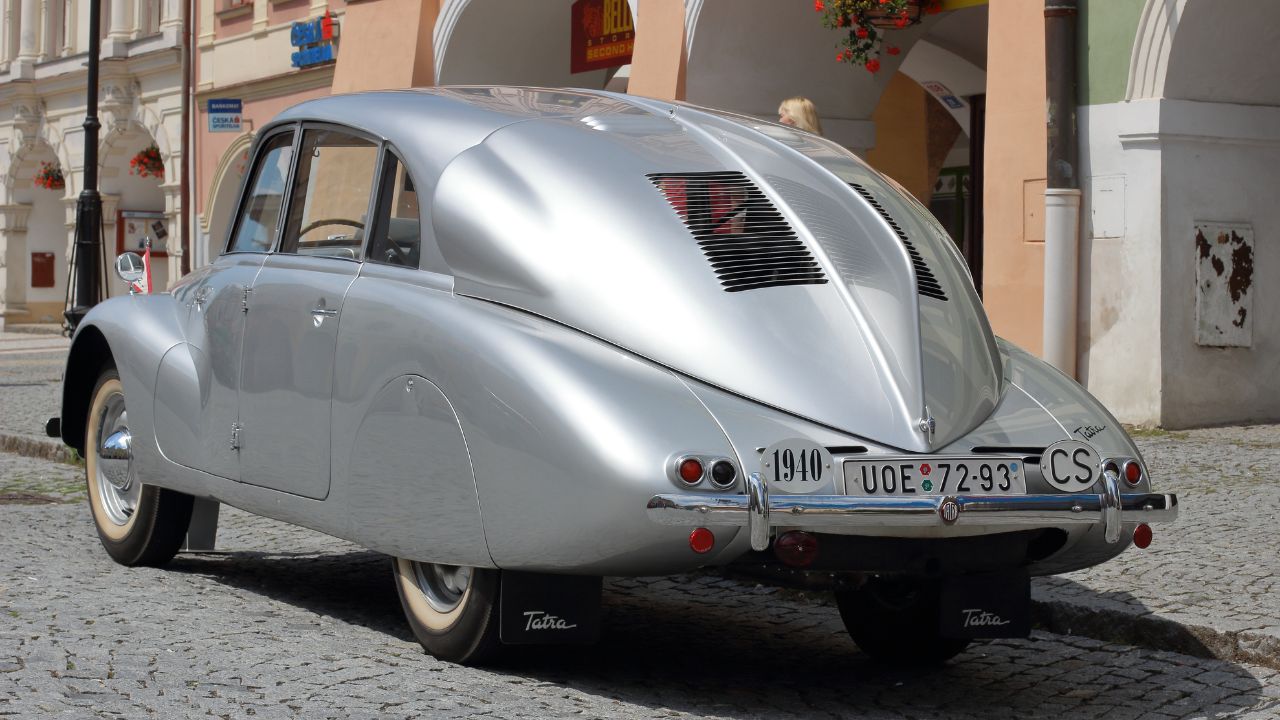
The Tatra T87 isn’t just a car; it’s a rolling sculpture of aerodynamic beauty and mechanical excellence. This Czech marvel defied convention. Its rear-mounted, air-cooled V8 engine (yes, a V8 in the back!) purred with purpose behind a truly streamlined, magnificent body. Engineers sculpted its form using cutting-edge wind-tunnel data and actual aviation knowledge, giving it a teardrop shape that was decades ahead of its time. Long, elegant tailfins stretched from its roofline to a tapered rear, looking like something designed for cruising Jupiter. And up front? Three headlights gave it a distinctive and commanding face, like that of a wise, yet slightly unsettling owl.
Passengers relaxed inside a cabin trimmed with actual wood and a sense of understated elegance. Steering remained light and responsive, making long highway travel shockingly effortless. The T87 embraced modernity with poise and grace, an automotive anomaly from behind the Iron Curtain. Historians and designers still appreciate its profound influence on future car designs. Museums often display it as a gleaming symbol of 20th-century innovation.
Forget driving, it glides through time with dignified, whisper-quiet presence.
Peel P50

The Peel P50 holds a Guinness World Record for a reason: it’s the smallest production car ever made. It occupied the smallest parking spaces with embarrassing ease, probably even fitting into your oversized toolbox. It featured exactly one door, three wheels, and a single, lonely headlight that resembled a cyclops’ eye. A microscopic 49cc engine provided just enough momentum for charming neighborhood adventures, with a top speed of roughly 37–38 mph (about 60–61 km/h) in ideal conditions. Drivers steered it with gentle turns and light inputs, mostly because if you turned too hard, you’d likely tip over.
Its most famous party trick? It fit into elevators and office hallways for ultimate convenience, meaning you could literally park it at your desk. The P50 encouraged a minimalist approach to transportation, proving you don’t need much to have a good time. Its cheerful, toy-like shape inspired countless photos and museum displays. Fuel usage remained nearly symbolic in its efficiency, you could probably run it on a full burp. The Peel’s sheer, undeniable personality lit up any sidewalk encounter. Collectors celebrate its rarity and sheer humor in equal measure.
Its physical footprint stays tiny, but its legacy grows larger by the day.
Citroën DS

The Citroën DS floated across roadways with unmatched poise and grace. Its revolutionary hydropneumatic suspension system delivered cloud-like comfort and handling so smooth it felt like you were piloting a magic carpet. Covered rear wheels added visual sleekness and aerodynamic benefit, giving it a futuristic, slipper-like profile. The cabin included thoughtful details and stylish, often baffling, switches that only a French engineer could love. Steering responded quickly, and braking occurred with featherlight input, thanks to its mushroom-shaped pedal. Every inch reflected French ingenuity and an almost alien flair.
Drivers experienced pure magic in every start and stop as the car dramatically rose to its ride height. The DS famously carried presidents and poets with equal dignity. Its headlights even turned with the wheels, aiding nighttime navigation (a feature that wouldn’t become common for decades!). Parking it outside a Parisian café always invited admiration and philosophical discussions. The DS lives on in the hearts of design lovers worldwide as a testament to truly unconventional brilliance.
It’s like owning a piece of modern art that happens to transport you.
Bricklin SV-1

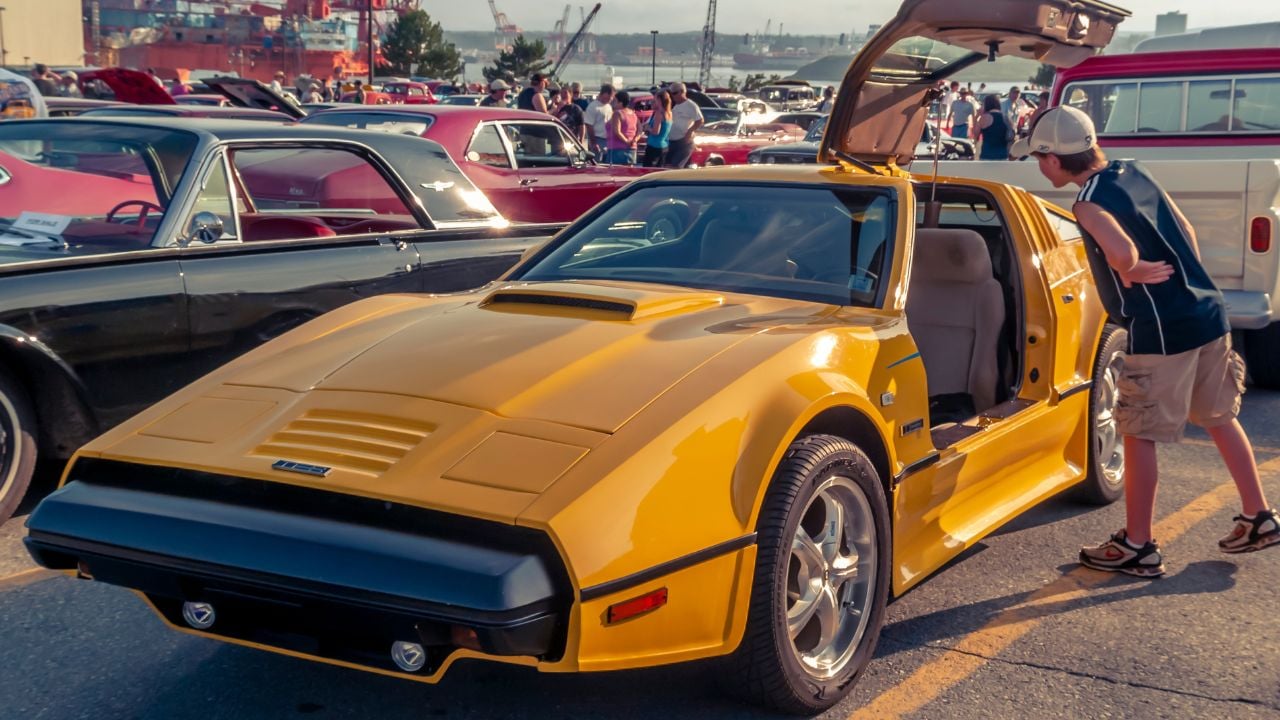
The Bricklin SV-1 stood proudly as a beacon of both safety and audacious style. Forget subtlety; this car screamed “future” from every panel. Its signature gull-wing doors (because ordinary doors are for peasants) opened upward to reveal a futuristic, somewhat cramped, cockpit. Bright acrylic body panels shone in eye-searing colors like Safety Orange and Lime Green, ensuring you were seen from space. Underneath, a Ford or AMC V8 provided decent power, while the hydraulically actuated gullwing doors were heavy and famously finicky. It featured built-in bumpers that blended seamlessly into the bodywork, and the chassis included reinforced beams for enhanced passenger security, because Malcolm Bricklin was obsessed with safety (and looking cool doing it).
Dashboard gauges and switches reflected a purposeful, if slightly ’70s-futuristic, layout. Drivers enjoyed responsive acceleration and highway composure, provided those doors actually opened. Malcolm Bricklin’s vision remains bold and uncompromising, a testament to what happens when you let an entrepreneur build a car. Collectors appreciate the survivor cars and their vivid, sometimes faded, colors.
The SV-1 continues to surprise onlookers and enthusiasts, often by whether those doors will actually close properly.
Subaru BRAT

The Subaru BRAT (Bi-drive Recreational All-terrain Transporter) perfectly blended rugged utility with a healthy dose of quirky personality. Its most legendary feature? The rear-facing jump seats in the truck bed, complete with grab handles, for an open-air thrill ride that would give modern safety regulators a heart attack. It arrived equipped with a sturdy flat-four “boxer” engine and part-time four-wheel drive, meaning it was genuinely capable off-road. Owners loved its rugged nature and surprising capability on dirt trails. The BRAT’s compact size made it handy for tight corners and even tighter trails. A sloped roofline and angular fenders gave it distinctive flair, making it look like a futuristic Tonka truck.
It found happy homes on farms, in suburbs, and in the mountains alike, serving as a reliable companion. The BRAT’s existence was famously due to a tax loophole (it was imported as a “passenger vehicle” to avoid truck tariffs), which added to its legend. And, of course, Ronald Reagan’s ownership of a BRAT at his ranch added presidential charm to its already impressive resume. The BRAT left lasting impressions in both mud and memory.
Its attitude remains forever young, adventurous, and ready for a good time.
Zündapp Janus
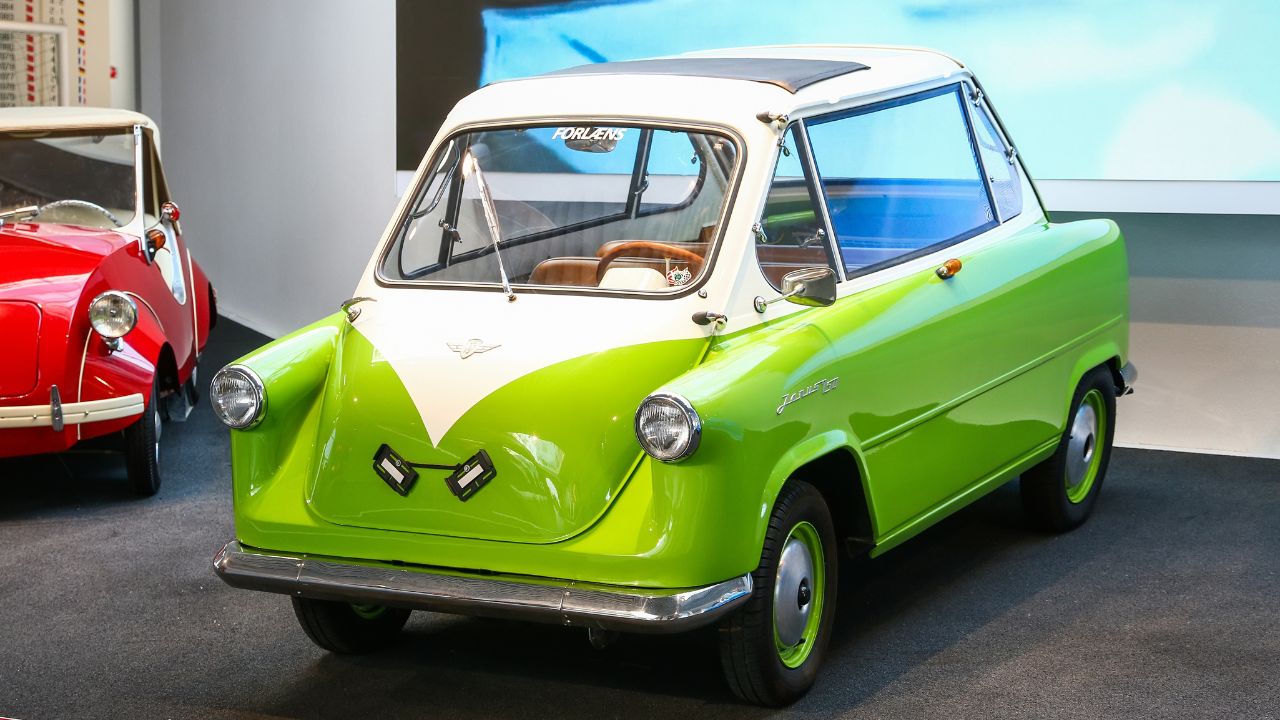
The Zündapp Janus is sure to make you do a double-take. It literally opened from both ends, like a symmetrical secret, daring you to figure out which way was front. Front and rear doors allowed impossibly easy access for passengers (who then had to decide which way they were facing). Inside, seats faced opposite directions for a truly unique face-to-face (and back-to-back) experience – perfect for awkward family trips. A bubbly, almost orb-shaped body surrounded everyone with an undeniable charm. The rear-mounted engine hummed beneath a minimalist cabin, probably confused about its orientation.
Large windows welcomed daylight and scenery into the journey, no matter which direction you were looking. It balanced form and function with delightful, almost childish, geometry. Onlookers paused, bewildered, to admire its toy-like appearance. It arrived in cheerful pastels and soft neutrals, perfectly matching its friendly demeanor. Every drive became a moment of joyful oddity. The Janus doesn’t just offer seating; it provides smiles as standard equipment.
You’ll never get bored trying to figure out if it’s coming or going.
Toyota Sera

The Toyota Sera unfolded like a butterfly in springtime. Its party trick? Those mesmerizing butterfly doors lifted up and out with gentle grace, revealing a panoramic glass canopy that wrapped around the entire cabin. It was a glass bubble on wheels. This compact coupe came with a spirited 1.5L 5E-FHE engine (nothing crazy, but lively for the lightweight body). Inside, the seats offered surprisingly ergonomic support and modern patterns, and drivers appreciated the responsive handling and futuristic dash layout. The air conditioning actually cooled the sunny cockpit effectively, which was a minor miracle given the amount of glass.
The Sera quickly became a style icon for JDM enthusiasts, known for its unique doors that were whose butterfly doors later inspired Gordon Murray during the McLaren F1’s development. Its color palette shimmered with pearlescent options and even holographic paints, making it look even more futuristic. Those doors created pure theater in parking lots and at car shows, making even supercars jealous.
The Sera continues to turn heads around the globe, proving that you don’t need a V12 to make a grand entrance.
Cadillac Cyclone

The Cadillac Cyclone wasn’t just a concept car; it was a gleaming, chrome-plated prophecy from the space age. This magnificent machine showcased audacious ideas that still look wild today. Forget regular headlights; it had twin “nose-cone” pods housing sensors for a radar-operated collision-avoidance concept, wild for 1959. A massive bubble canopy slid back electrically for an elegant entry, transforming the car into an open-air cruiser with the touch of a button. Sleek lines and polished chrome stretched across the body like a perfectly sculpted rocketship. Jet-style tailfins didn’t just slice through air; they sliced through imagination, leading to enormous turbine-like exhaust tips. And yes, a roaring V8 engine propelled it with undeniable American confidence.
Inside, silver and black themes reflected lunar aesthetics, looking like the interior of a stylish spaceship. Every surface gleamed with intention and pride. The Cyclone stood tall at motor shows and design exhibitions, a testament to Cadillac’s ambition. Engineers poured their heart, soul, and enough aluminum to build a small house into its every inch. The Cyclone didn’t just point to the future; it roared toward the stars with unwavering optimism.
It’s proof that sometimes, the wildest dreams are the most fun. It’s frustrating when you wake up and have to return to regular traffic.
The Legacy of the Lovably Strange
These 13 cars are shining examples of when automotive creativity was unleashed. They continue to roll through time with their heads held high and their chrome gleaming in the sun, unapologetic in their weirdness. Each one brings a spirit of invention, adventure, and loud individuality to the road. Their designs speak volumes, their quirks invite smiles, and their innovative nature remains as vivid and unforgettable as their original paint jobs.
These are cars so weird that they even stand out amongst other oddities at car museums across the country. They’re the ones that make you stop and go, “Wait, I need to read about that.” And even after reading, you still wonder what the heck you just looked at. But they remind me that not every car has to be about good looks, aerodynamics, and practicality. Sometimes, just having fun, pushing boundaries, and defying logic is enough. You don’t always have to take life or cars so seriously.