Nissan’s been all over the map, literally and figuratively. From cult classics like the 300ZX and GT-R to head-scratchers like the Murano CrossCabriolet, the brand has built everything from street legends to driveway regrets. Some models earned lifelong fans. Others? Let’s just say they should’ve stayed on the drawing board.
In this list, we’re putting Nissan’s best and worst head-to-head. Ten are totally worth your money; reliable, fun, or just plain cool. The other ten? Total letdowns that make you wonder what they were thinking. Whether you’re team Z-car or still haunted by the Versa sedan, you’ll find something here to love… or roast.
How We Judged the Worst and the Worthwhile

Every automaker has its duds, and Nissan is no exception. To find the worst, we looked at owner complaints, recalls, resale values, and real-world gripes; the stuff that makes people swear off a brand at a barbecue. These are the models that missed the mark on quality, purpose, or both.
On the flip side, we highlighted ten Nissans that still hold their own. They’ve aged well, kept drivers happy, and offer real value whether you’re commuting, cruising, or collecting. No hype, just solid picks that continue to earn respect. The split between the best and worst shows just how much the details matter when you’re building cars and buying them.
The Worst Nissans
Even a brand with legendary hits can turn out a few flops. Nissan has never been afraid to try something different, but sometimes “different” turns into “what were they thinking?” From oddball designs to underpowered engines and questionable reliability, these models left buyers more frustrated than impressed.
Some failed to connect with their audience, others fell apart too soon, and a few were simply built for a market that didn’t exist. Whether it was poor execution, bad timing, or just a lack of personality, these Nissans landed on the wrong side of automotive history.
Don’t get us wrong, we know some of these cars still have their own fan following to this day, and we aren’t hating too much. After all, the cardinal rule of being a car guy is to appreciate that everyone has different tastes.
Nissan Murano CrossCabriolet

The idea of a convertible crossover promised something fresh. Nissan took a chance with the Murano CrossCabriolet by blending SUV height with open-air cruising. It arrived with confidence but struggled to find the right audience. Styling created confusion, with proportions that felt awkward from several angles. Practicality took a hit, and the ride felt too soft for those expecting something sporty.
Drivers who appreciated comfort and a high seating position found it pleasant around town. Even so, the unusual shape limited appeal and kept resale values low. Few cars sparked such debate. The Murano CrossCabriolet wanted to be bold, but the market preferred clarity, and an SUV with actually accessible and easy-to-use back seats.
Nissan Versa Sedan (First Generation)
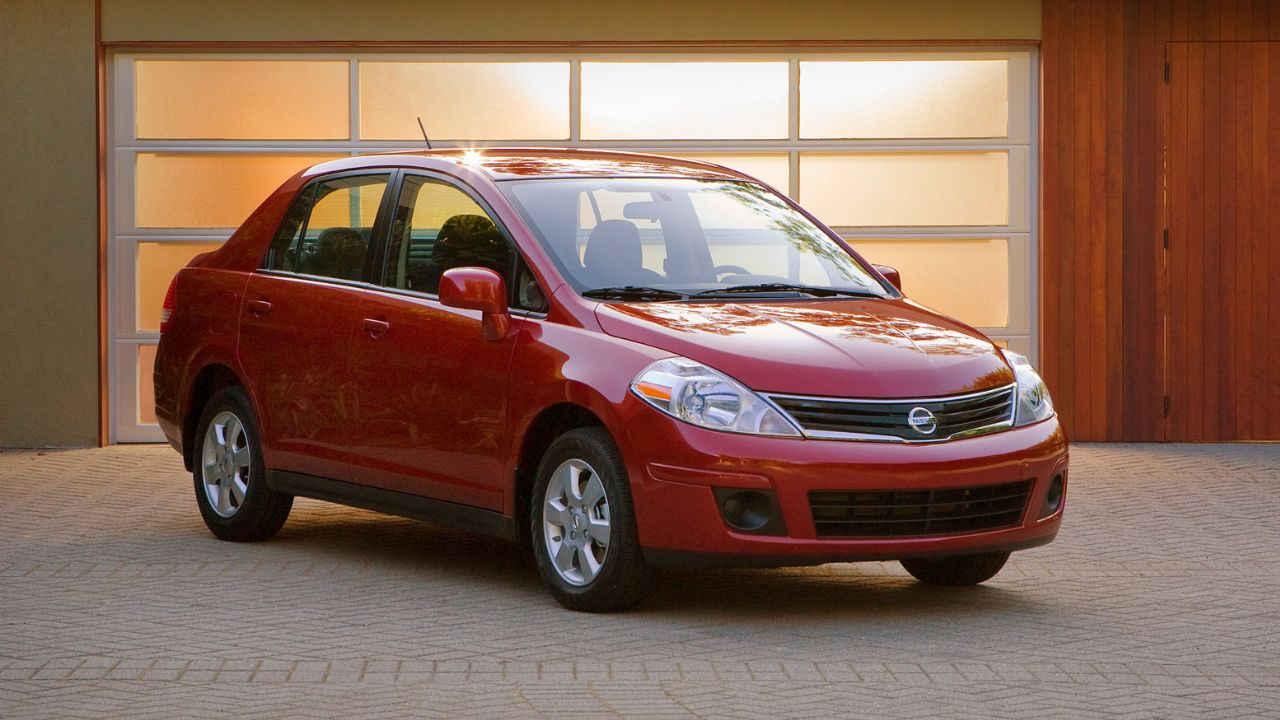
Affordability helped the original Versa Sedan reach many first-time buyers. Its low starting price and roomy interior created strong interest at launch. However, quality concerns and underwhelming design pulled it down quickly. The ride felt dull, materials lacked refinement, and long-term satisfaction slipped with age. It did succeed in delivering space for passengers, something rare in its class.
That alone gave it a solid presence in rental fleets and college parking lots. Style remained simple to a fault, and handling stayed one step behind rivals. People bought it for price, not personality. The first-generation Versa met needs, but rarely delivered enjoyment.
Nissan Quest (Fourth Generation)

Minivans need to balance space, comfort, and usability. The final version of the Nissan Quest leaned heavily into design, offering bold curves and sharp lines outside. While the look stood apart from other vans, function did not always follow. Seating arrangements felt limited, and road manners lacked the polish found in competing models. Inside, it brought a calm and quiet ride, which families appreciated on long trips.
That comfort could not overcome weak cargo flexibility and inconsistent cabin layout. The Quest had moments of elegance, but the overall execution created confusion. It looked different for the sake of standing out. Buyers wanted versatility first, and the Quest struggled to provide it.
Nissan Altima (2020 CVT Models)

The Altima earned a reputation for solid value and smooth driving. In recent years, however, issues with its continuously variable transmission affected reliability. Acceleration felt inconsistent, and long-term durability raised concern among owners. Despite these issues, the cabin offered strong features for the price, including advanced safety options.
Comfort remained a highlight, especially during highway cruising. Even with that, the driving experience felt disconnected at times. The Altima once stood as a top choice in the midsize segment. Recent models introduced features buyers appreciated, but trouble with core systems changed the story. Trust is essential in this category, and the Altima started to lose it.
Nissan Titan (Early Years)

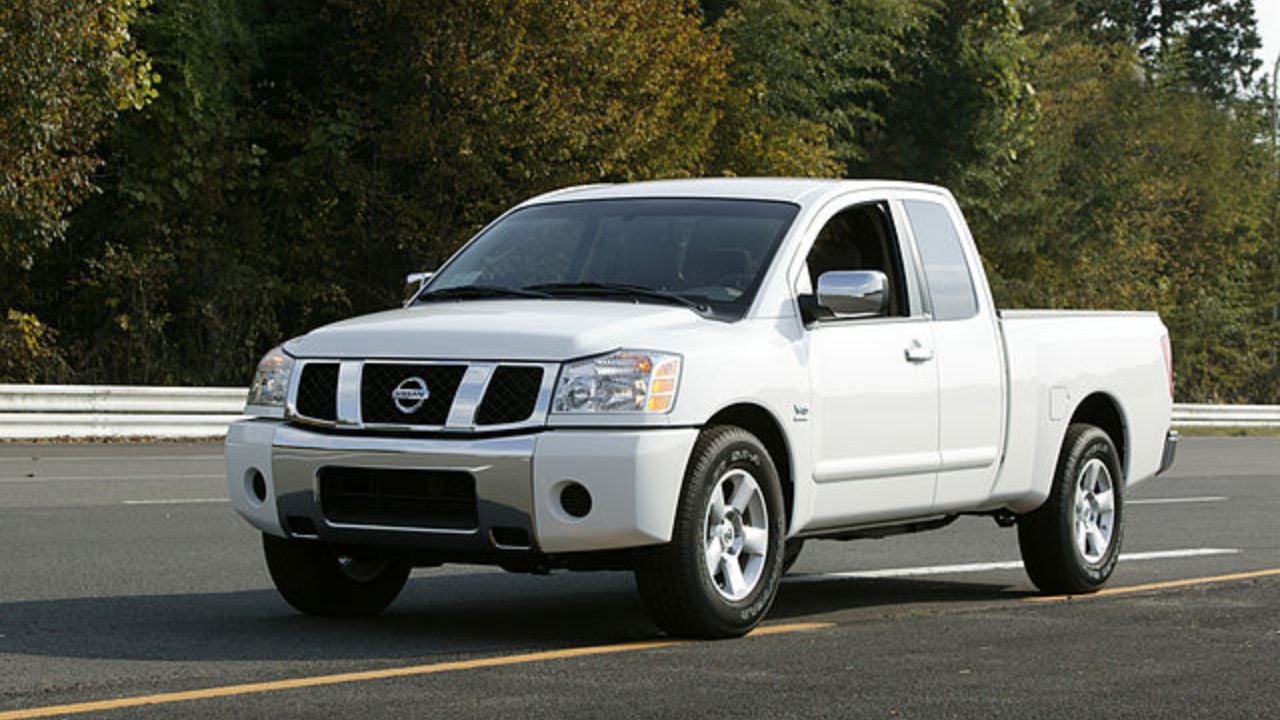
When Nissan entered the full-size truck market, expectations were high. The Titan aimed to compete with established American models through strength and style. While it delivered bold looks and strong initial power, long-term ownership exposed concerns. Interior quality fell behind rivals, refinement was minimal, and the ride felt choppy. Add in limited options, and the Titan fell short.
Truck buyers demand durability and broad capability, which the Titan struggled to match at launch. Updates improved the platform, but the early reputation stuck. On the plus side, towing performance pleased owners who used it for basic hauling. Still, first impressions mattered, and the Titan had a rough start.
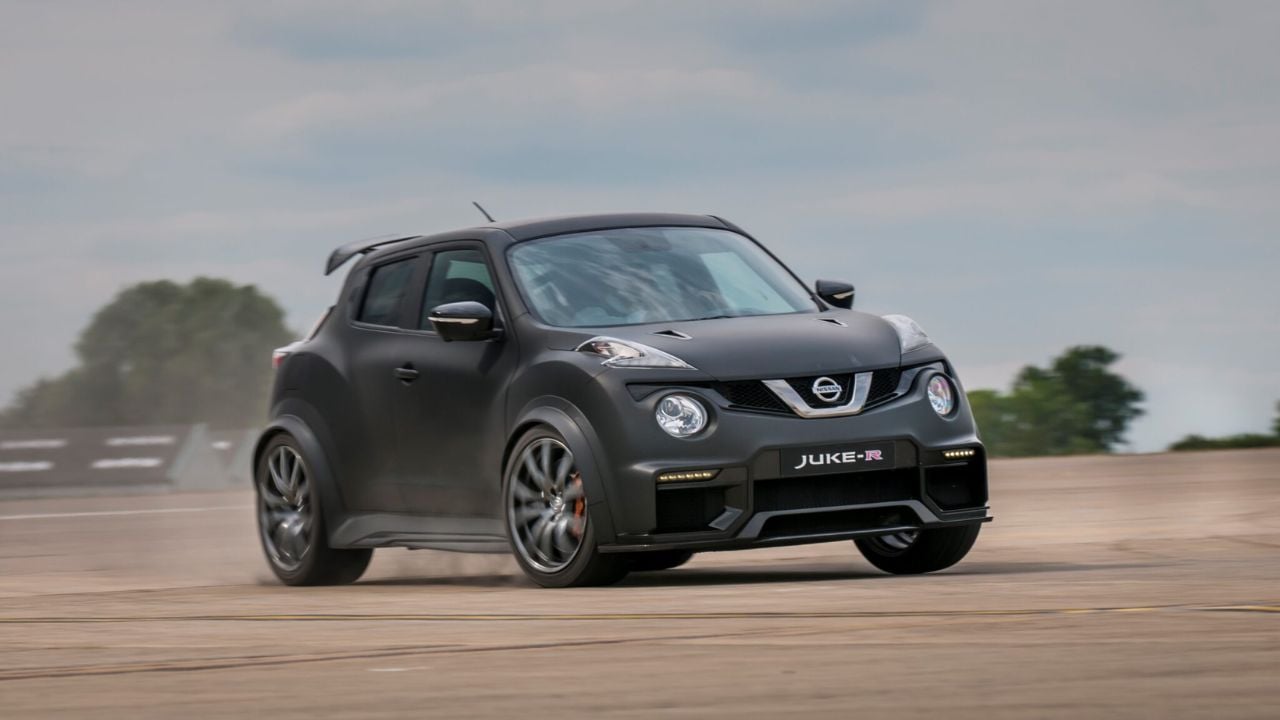
Nissan Juke

Personality overflowed from the Nissan Juke. It wore wild curves, high-mounted lights, and an unmistakable stance. The look drew attention but also created confusion. Inside, things felt tight, especially in the rear, and cargo space proved limited for anyone with an active lifestyle. Driving it was fun, but comfort suffered on rougher roads.
Many appreciated its bold approach, and younger drivers loved its playful vibe. However, the Juke’s appearance often outweighed its usability. Style alone wasn’t enough in the competitive crossover space. While it stood out, it did not always deliver what people needed day-to-day.
Nissan Cube
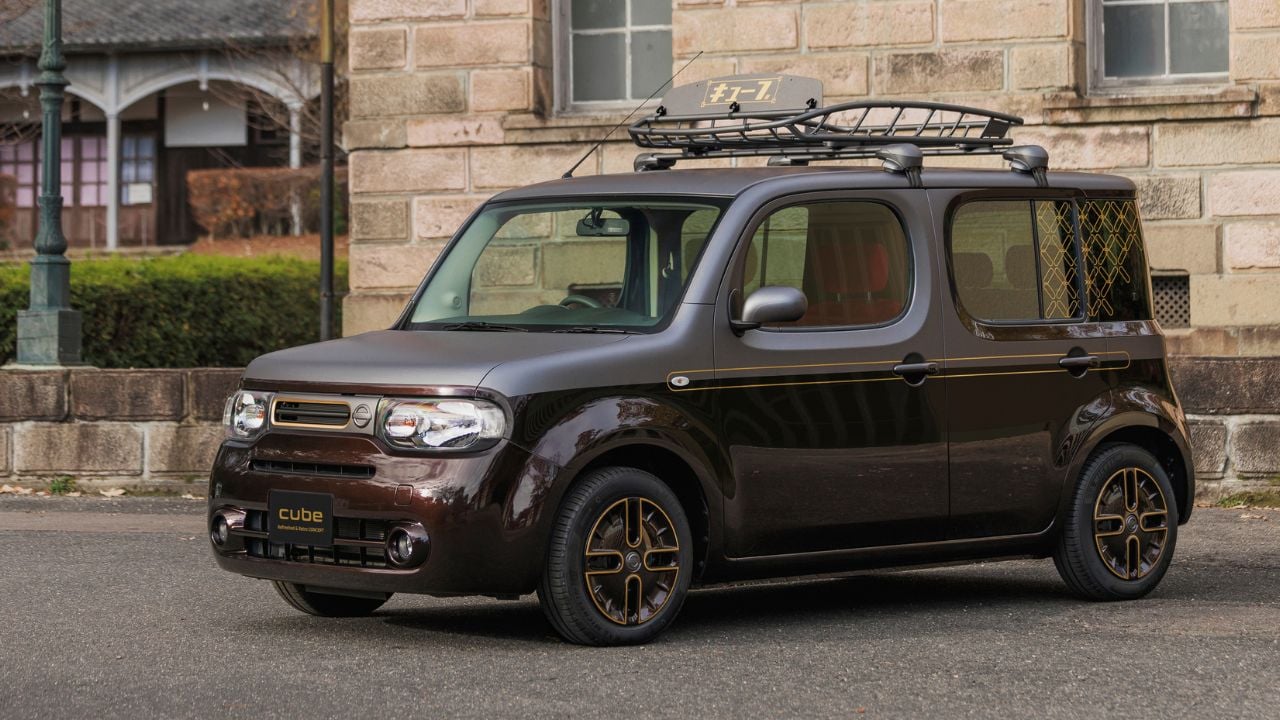
Creativity filled every inch of the Cube. Its asymmetrical rear window, lounge-like interior, and soft surfaces felt more like modern art than a traditional car. Some buyers loved the charm, especially for city driving, where its size and price made sense. Still, visibility wasn’t great, and highway stability fell short.
Fuel economy delivered well for its size, and the cabin brought a surprising level of comfort. Even so, sales struggled due to its unusual styling and limited practicality. The Cube found a niche but never gained a strong following. Nissan took a risk, and the Cube showed what happens when bold design leads without support.
Nissan Rogue Select
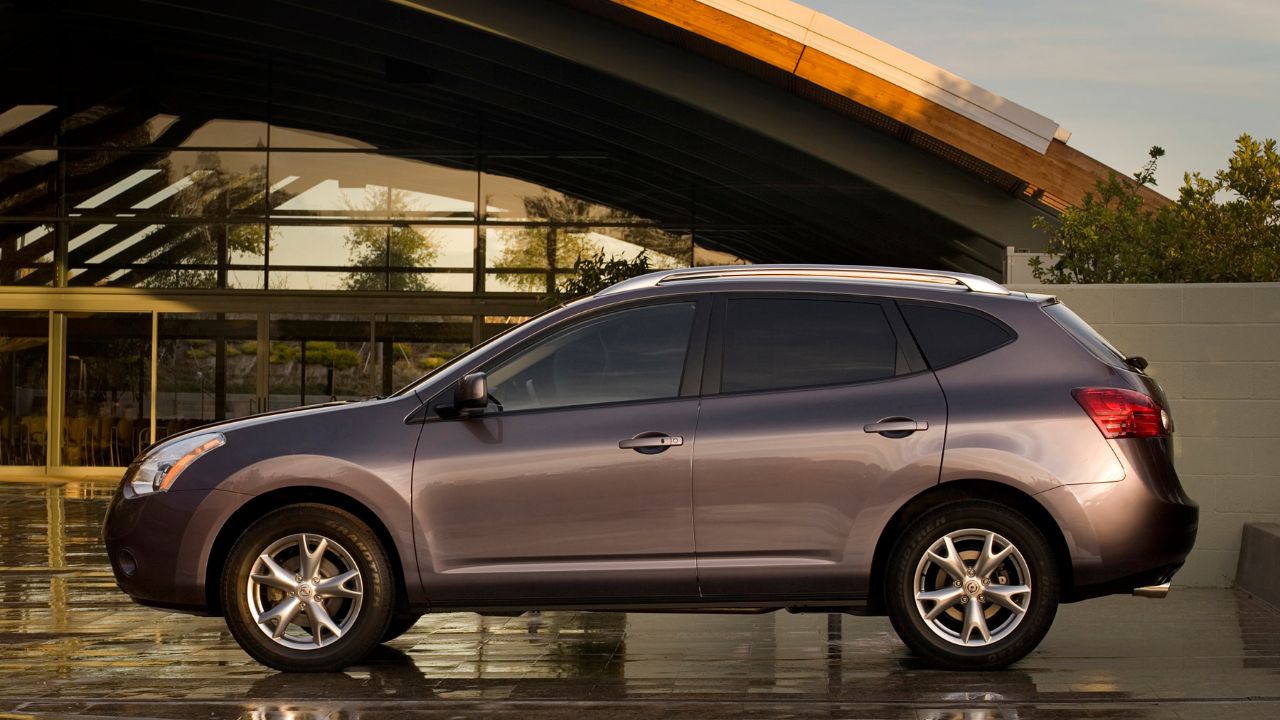
Budget-focused buyers found an option in the Rogue Select. It reused an older platform after the standard Rogue had already moved forward. This allowed Nissan to offer a lower price, but the trade-offs were clear. Interior tech lagged behind, materials felt basic, and driving manners lacked confidence.
Value stayed strong, especially for families looking to save. Even so, the driving experience felt outdated in a fast-moving market. Comfort helped it remain relevant for a few years. However, in the end, the Rogue Select felt like a placeholder. It served its role but never aimed for more.
Nissan Stanza (Later Years)
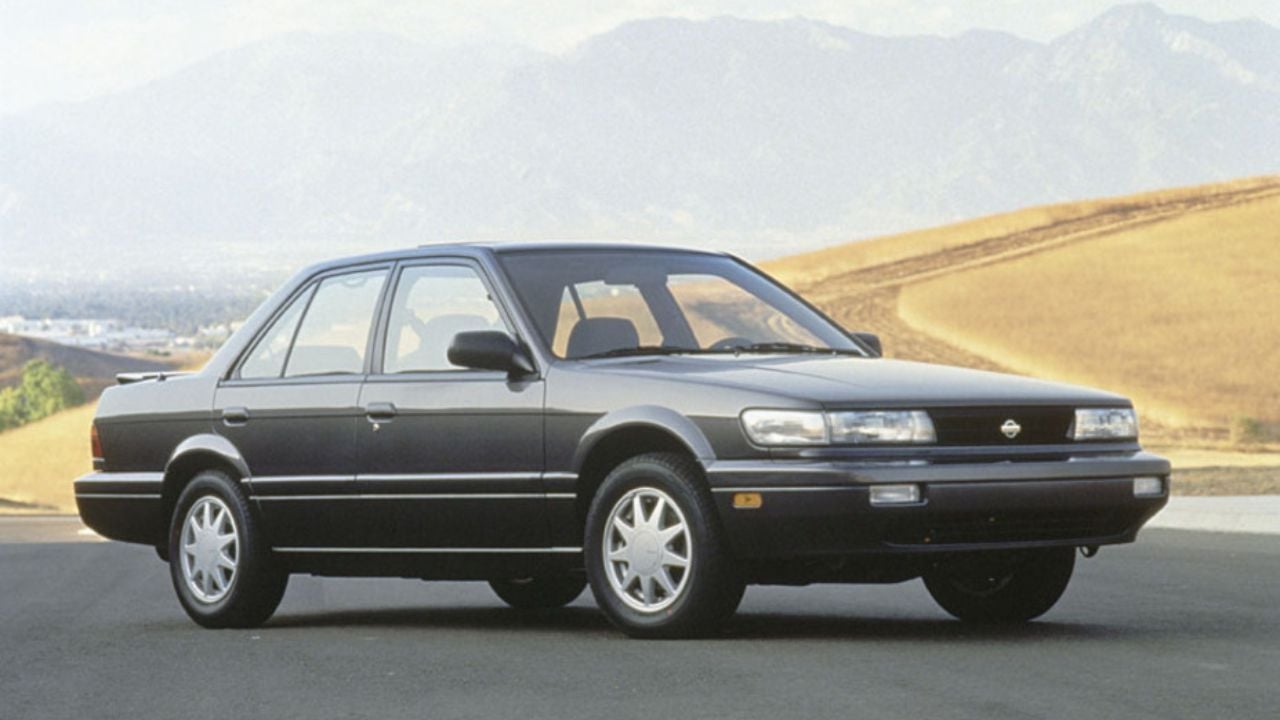
Earlier Stanza models offered practical transportation with understated charm. As the years went on, the model began to lose momentum. Styling fell flat, features lagged behind rivals, and driver engagement faded. Build quality remained consistent, which gave owners peace of mind. Still, the Stanza never evolved into something exciting or forward-looking.
Soon enough, the market shifted, and the Stanza quietly slipped away. People found better options elsewhere. Sure, it did the job, but it rarely inspired confidence or interest. That slow fade kept it from earning a legacy. Even loyal drivers moved on without looking back.
Nissan Pulsar NX
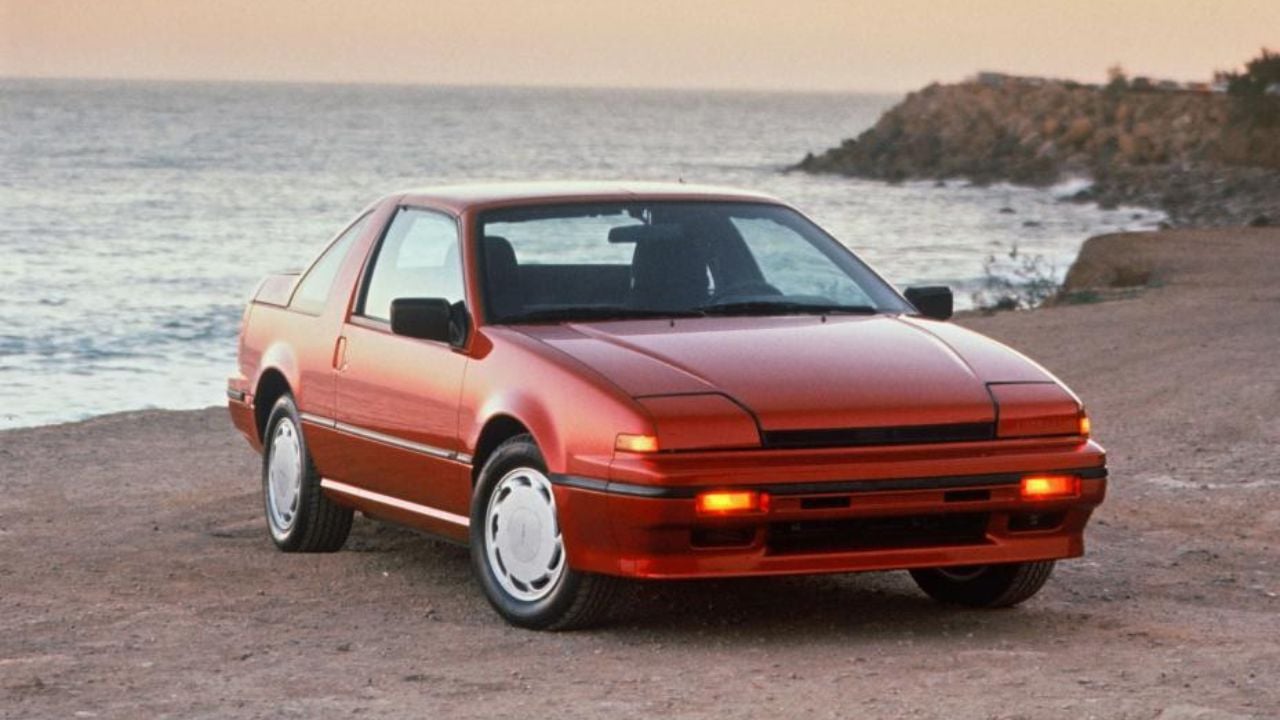
The Pulsar NX introduced creative ideas with its modular roof system and sporty intentions. Lightweight construction helped it feel nimble in the right conditions. Flexibility gave it a unique identity, switching between coupe and targa configurations. Even so, power delivery felt uneven, and reliability left questions unanswered.
The design aimed high but could not always support the promises. Inside, the space felt limited, and the controls needed refinement. Style gave it attention, but substance struggled to follow. Buyers enjoyed the novelty, though few stayed for the long run. Nissan attempted something new, which deserves credit. However, the Pulsar NX remains a car remembered more for its concept than its performance.
The Best Nissans
When Nissan gets it right, it really gets it right. From zippy compacts to performance icons, the brand has delivered some truly standout vehicles over the years. These are the cars that nailed the balance of value, design, and driving feel, the ones people still rave about long after the new car smell is gone.
Some earned their stripes on the track, others won hearts in daily traffic. What they all share is staying power. Whether it’s long-term reliability, cult-classic status, or just doing the job better than expected, these Nissans proved they were worth every penny, and then some.
Nissan gave us some real bangers over the years, so this list is by no means definitive. We could go at this for days, so don’t hate us for the ones we left off (please).
Nissan 300ZX

Every angle of the 300ZX speaks with clarity and purpose. Its wide stance, low roof, and clean lines created one of the most recognizable profiles of its time. Behind the wheel, the car feels composed and deliberate, with weight balanced in a way that rewards confident inputs. The cabin brings quality and ergonomic design, offering real comfort for longer drives.
Styling continues to turn heads decades later, which keeps demand strong. Nissan delivered something that blended technology with driving enjoyment in equal parts. Ownership brings pride, especially when maintained with care. The 300ZX feels timeless, not just nostalgic. For collectors and drivers alike, few sports cars deliver this kind of return.
Nissan Maxima (Early 2000s)
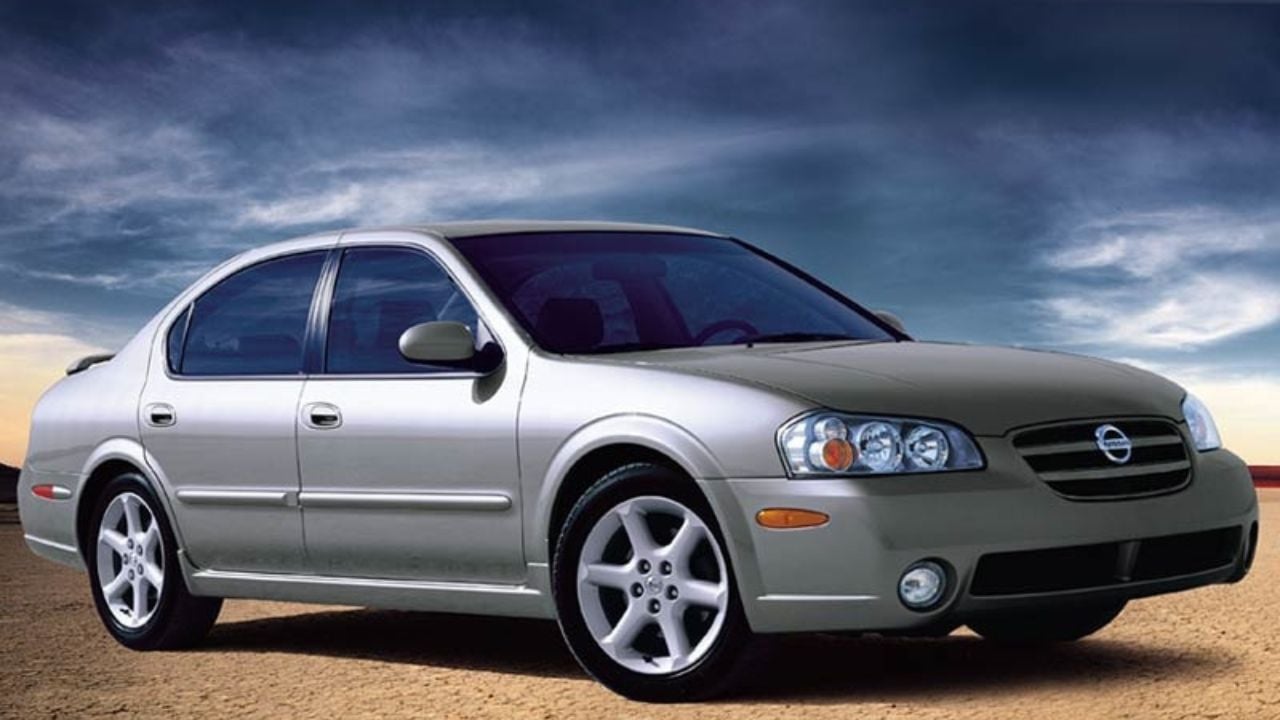
The Maxima of the early 2000s delivered comfort with a sense of purpose. It carried itself like a premium sedan while staying accessible to everyday buyers. Build quality felt solid, and the cabin offered upscale touches rarely found in its class. Driving response came with polish, making it enjoyable without losing comfort. Space remained generous for passengers, and features aged well across the years.
Resale value stayed strong thanks to lasting reliability and clear design. It served commuters and families equally well. Few sedans balanced strength and elegance with such ease. The Maxima built trust over time. That trust continues to bring buyers back.
Nissan Xterra (First Generation)
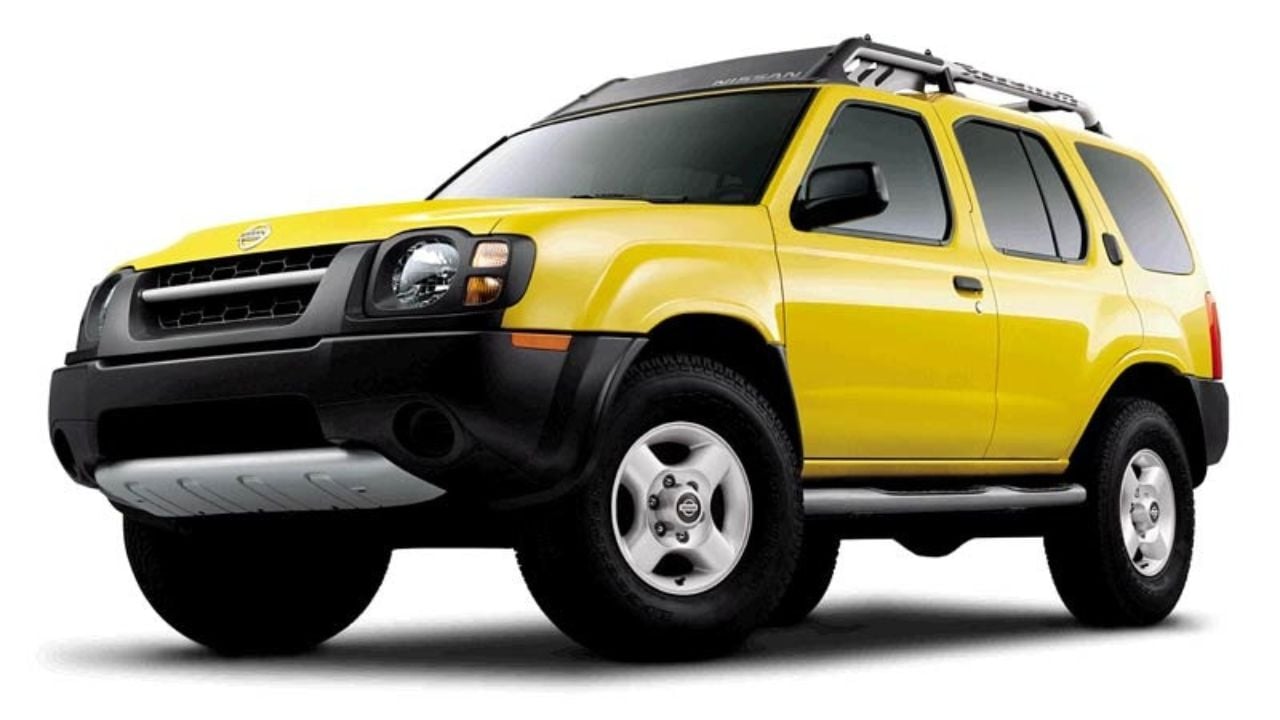
Adventure followed the Xterra wherever it went. It wore utility with pride, offering roof racks, rugged tires, and purposeful clearance. The interior stayed functional, favoring washable surfaces and easy-to-reach controls. Off the road, it proved itself again and again. Families, hikers, and tradespeople found real use in its setup. It stood apart from luxury crossovers by keeping priorities grounded.
Durability remained one of its strongest traits, with many still in service today. The Xterra offered strength without excess. Value continues to rise among those who respect honest capability. This was a vehicle that never tried to impress. It simply worked.
Nissan 350Z

Designed with focus and shaped by performance, the 350Z brought back the spirit of the original Z-cars. It sat low and wide, with curves that caught light from every direction. Handling felt confident and planted, ideal for drivers who enjoy clear response. The cabin hugged the driver with supportive seats and thoughtful layout. Quality met purpose throughout the interior.
Collectors found a platform that welcomed tuning but stood strong in stock form. This coupe provided thrills without breaking budgets. Value held firm thanks to a loyal following and clean design. For weekend joyrides or spirited daily commutes, the 350Z continues to impress.
Nissan Rogue (Second generation)
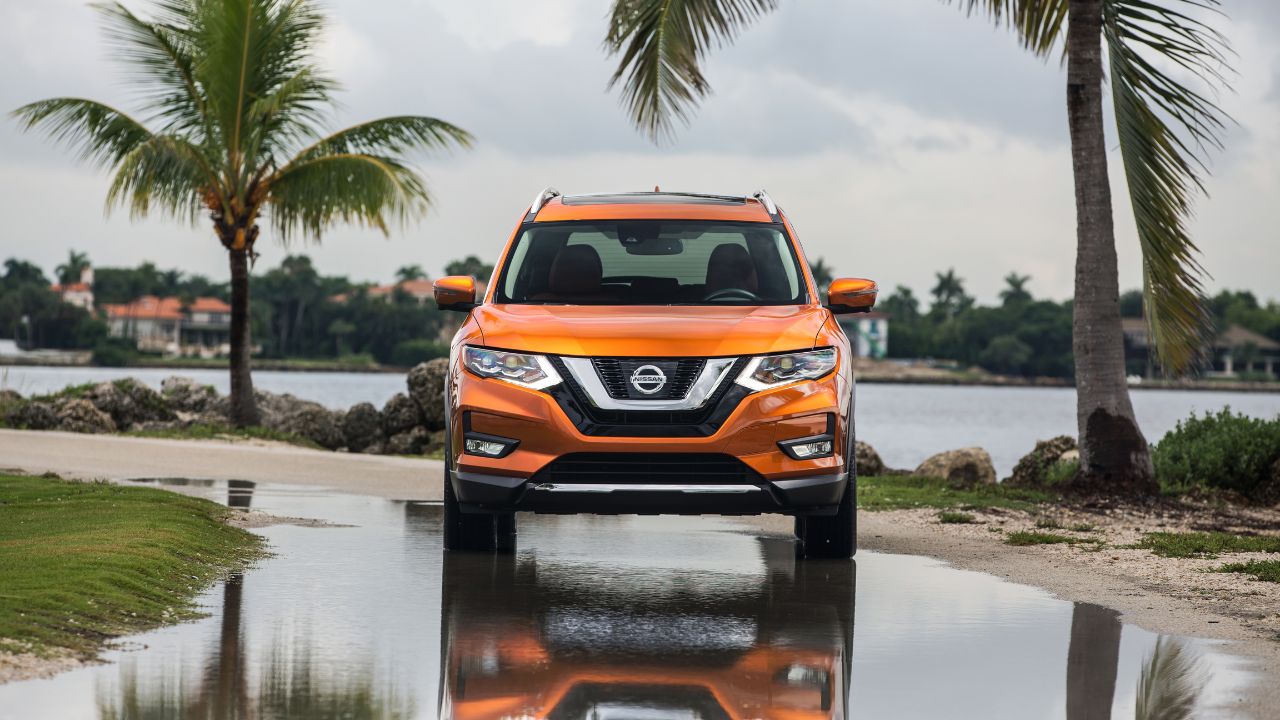
This generation of the Rogue found its rhythm in comfort and practicality. It delivered smooth driving, clean looks, and plenty of space for families and gear. Technology felt modern, with navigation, safety systems, and infotainment packed into accessible trims. Ride quality stayed composed even on long highway stretches.
Nissan refined the design to appeal to a wide audience, and buyers responded. Interior layout provided flexibility with folding seats and deep cargo wells. Reliability scores remained consistent across multiple years. The Rogue became a smart choice in a crowded field. It served quietly and dependably, which made it worth every dollar.
Nissan Pathfinder (Early 1990s)
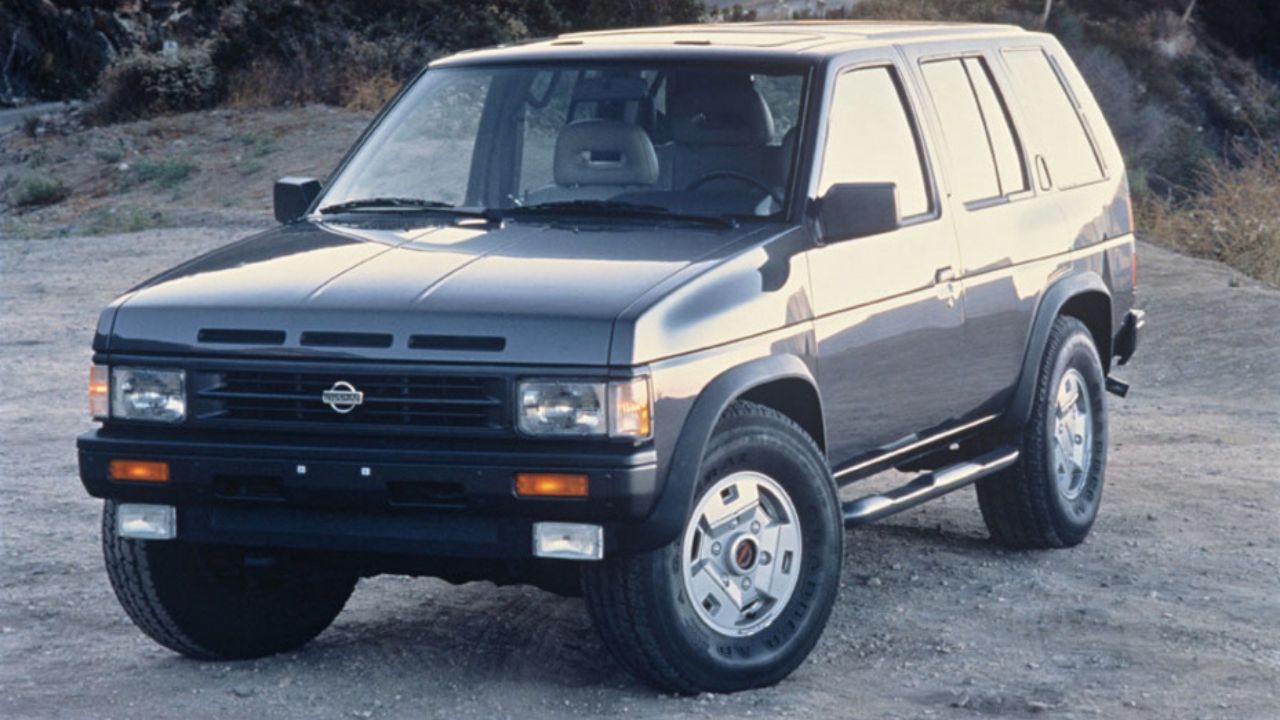
In the early 1990s, the Pathfinder stood tall among off-road-ready SUVs. Its body-on-frame structure brought confidence to rough terrain, while interior comfort made it a solid family hauler. Owners appreciated the upright driving position and durable materials. The vehicle moved with purpose but still delivered refinement when needed. Boxy styling helped visibility and kept it looking strong.
Long-term durability added value for those who needed something that could handle years of hard use. The Pathfinder balanced simplicity and strength without excess. Restored models still see action in outdoor communities. This SUV earned respect through function, not marketing.
Nissan Sentra SE-R
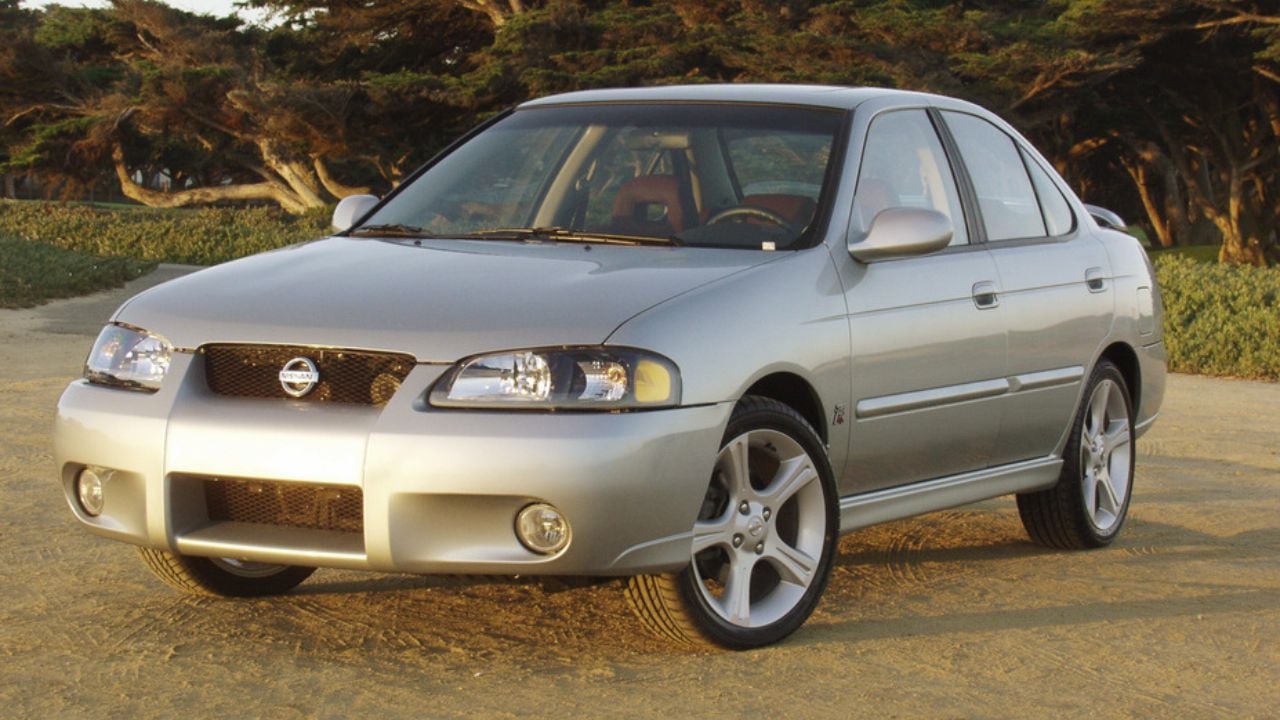
Among compact sedans, few earned respect like the SE-R Sentra. It looked modest from the outside but offered a driving experience full of energy and feedback. Handling stayed light and crisp, with just enough edge to keep things exciting. The cabin featured clean lines and functional space, perfect for daily use.
Owners appreciated the balance between commuter ease and back-road fun. It built a reputation quietly but strongly. Today, well-preserved SE-R models attract attention from drivers who understand its strengths. Performance met reliability without asking for compromise. That combination built long-lasting value.
Nissan Frontier

Nissan’s compact pickup brought consistency, utility, and low-cost ownership in one neat package. The design stayed honest, with strong lines and useful features built into every trim. Towing, hauling, and weekend projects all felt within reach. Inside, materials favored durability, and layouts made sense without extra fluff. Owners liked how easy it was to live with.
Maintenance remained simple, and resale stayed strong due to reliable performance. The Frontier aged gracefully by avoiding unnecessary changes. Many trucks still operate smoothly after years of work. This model proved that dependable pickups do not always need extra polish to stay valuable.
Nissan Leaf (Second generation)

Electric mobility became more practical through models like the second-generation Leaf. Nissan focused on improving range, comfort, and charging time without raising the price dramatically. The shape stayed clean and modern, appealing to buyers new to electric vehicles. Inside, the cabin offered quiet travel, smart tech, and usable space for passengers.
It became a trusted city companion with low running costs and simple upkeep. The Leaf helped bridge the gap between early adoption and mainstream use. Owners enjoyed the balance of innovation and dependability. Many still use it as their only vehicle. For drivers ready to move into electric, the Leaf delivered a strong reason to start.
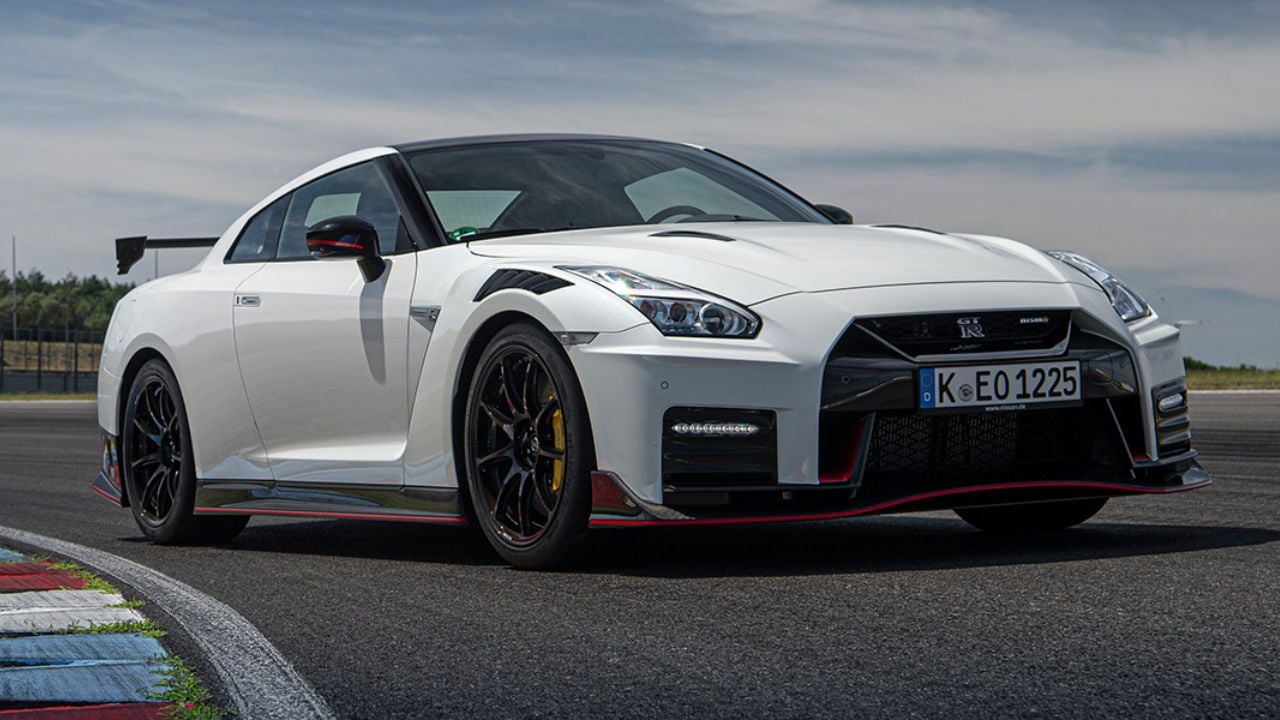
Nissan GT-R (R35)

Precision, technology, and control came together in the R35 GT-R. It arrived with sharp lines, a focused interior, and an all-wheel-drive system that changed expectations. Every part felt engineered with purpose, creating a driving experience few could match. Acceleration came quickly, but what stood out more was the control. The cabin stayed tight and functional, keeping attention on the road ahead.
Over the years, updates kept it fresh without changing its core identity. Collectors and drivers alike continue to value its capability. Nissan reached a peak with this model that still stands strong. The GT-R represents performance done right. Few cars offer this much for the investment.
Why Nissan’s Highs and Lows Tell the Whole Story
Every brand has its slip-ups, but what makes Nissan unique is how far the peaks and valleys stretch. Some models feel like instant classics, while others leave behind confusion and curiosity. That contrast tells us more than any spec sheet or sales chart ever could. Good cars build trust over time, while weaker ones teach valuable lessons. Looking at both sides reveals how innovation can lead to greatness or misfire completely.
Have you ever loved a car that others overlooked? Nissan has built plenty of those too. The worst models still matter because they show how hard it is to get everything right. The best ones continue to earn their place, one mile at a time. In the end, every nameplate adds something to the story even the ones people forget.