
By 1984, American carmakers were finally waking up from the Malaise Era slump. Horsepower was back on the menu, and the V8 was still king, growling under shaker hoods, wrapped in stripes, and ready to burn rubber.
These weren’t the fire-breathing monsters of the ’60s, but they brought back the thrill. Bold, loud, and built to make a scene, these 12 V8-powered machines reminded drivers that real muscle never truly dies…it just waits for a comeback.
Crank and Credentials: How These V8s Earned Their Stripes

This list focuses on factory-rated horsepower; no aftermarket builds, no bench racing, just the real-deal numbers straight from the brochure. To qualify, each car had to come with a V8 under the hood, be sold in the U.S. between 1980 and 1989, and be backed by the manufacturer as a complete production model or special edition.
We prioritized the highest horsepower trims for each nameplate and spotlighted cars that still felt like muscle: big torque, bold design, and that unmistakable V8 rumble. They delivered legit performance at a time when that was starting to matter again. If you remember the ‘80s, this list is your kind of revival tour.
What Was the Malaise Era?

Malaise /mə-ˈlāz/ or /ma-ˈlāz/: The Malaise Era (1973–1983) was when American cars went from muscle to meh. Smog laws, gas crises, and rising insurance costs gutted performance, and even iconic vehicles like the Corvette were left wheezing with barely 190 horsepower. It was like going from a rock concert to elevator music overnight.
Still, the era had its charm. Smokey and the Bandit made the Trans Am look cooler than it was, and T-tops, fake wood, and plastic chrome became the style of the day. As Han Solo might’ve said, “She may not look like much, but she’s got it where it counts,” even if “where it counts” wasn’t under the hood.
Chevrolet Camaro Z28-165 hp

The Camaro Z28 kicked off the third generation with a sharp, angular redesign and a healthy V8 under the hood. The 5.0L small-block made 165 horsepower, and the Z28 came with bold stripes, hood scoops, and a lower ride height. The exhaust note gave drivers that old-school bark they craved.
It handled better than past generations, and the updated styling turned heads from the showroom to the strip. Chevrolet treated the Z28 like a proper performance machine. The automatic overdrive and limited-slip differential made it a competent highway cruiser with real muscle attitude.
Chevrolet Corvette (L98)-230 hp

The C4 Corvette brought sleek aerodynamics and futuristic digital gauges, but the real story was under the hood. The L98 5.7L V8 with tuned port injection produced 230 horsepower. That figure put it near the top of American performance cars at the time. The engine delivered immediate throttle response and a deep V8 growl.
Paired with a lightweight chassis and independent suspension, the Corvette offered real performance on both road and track. Chevy aimed this car at serious enthusiasts. It had both looks and speed, and it helped re-establish the Corvette as a performance icon.
Mercury Capri 5.0-200 hp

Mercury’s version of the Fox-body Mustang came with a distinctive look and the same potent V8 heart. The Capri 5.0 packed a 5.0L HO V8 that delivered 200 horsepower. Wide fenders, a bubbleback rear window, and aggressive trim made it stand out in a sea of Mustangs. Inside, the bucket seats and sporty gauge cluster reminded drivers this was a serious performance car.
It shared suspension components with the Mustang GT, giving it confident cornering and plenty of grip. The Capri gave Mercury a real contender in the muscle car revival. Its presence was unmistakable on the street.
Ford Mustang GT-225 hp
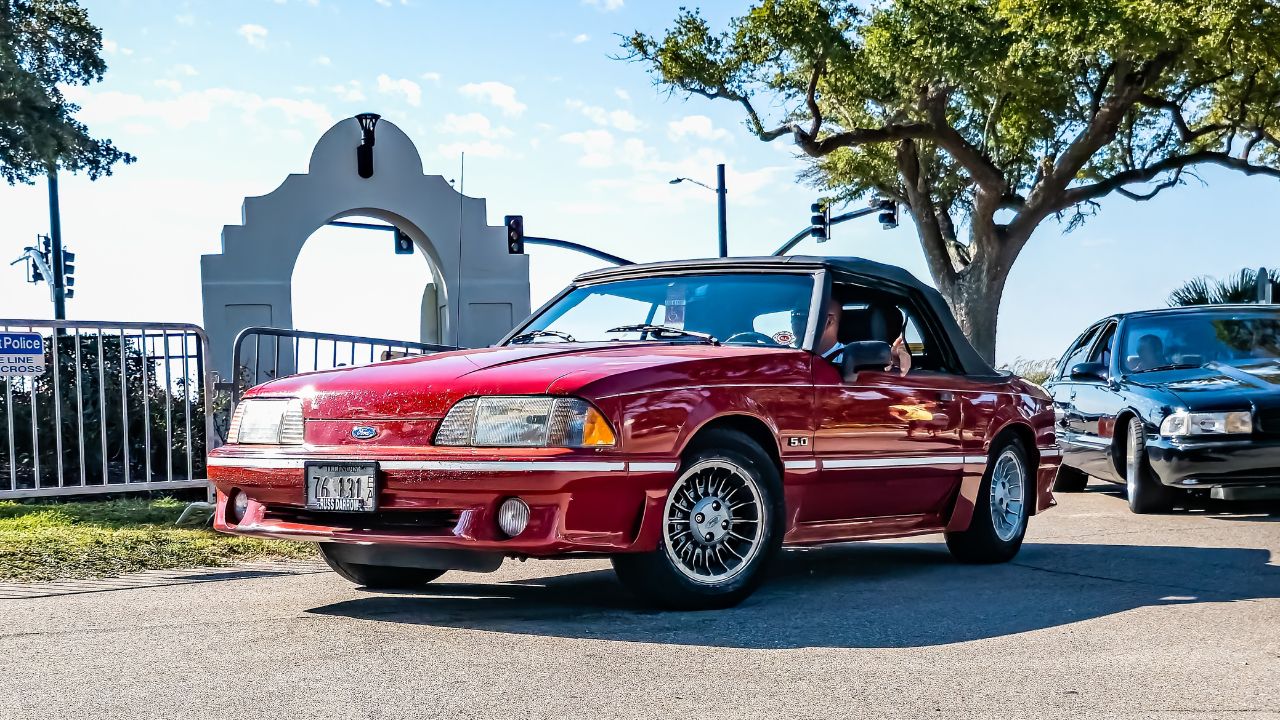
The Fox-body Mustang GT hit its stride in the late ’80s, and the 1989 model carried a 5.0L HO V8 that made 225 horsepower. This engine had a strong torque curve and sounded every bit the part of a proper muscle machine. Ford gave the GT dual exhaust, ground effects, and a hood scoop to match the performance. It was quick off the line, with 060 times that embarrassed older muscle cars.
Inside, the GT offered sport seats and a clean, driver-focused layout. The aftermarket support made this Mustang endlessly customizable. It was the right car for the right time, and drivers loved every second of it.
Hurst/Olds -180 hp

The Hurst/Olds edition of the Cutlass was more than just a tribute to muscle-era history. It came with a 5.0L high-output V8 producing 180 horsepower. The real showstopper was the Lightning Rod shifter system, which added race-ready appeal to the interior. This car came with a two-tone black and silver paint job, red accents, and Hurst badging.
It looked ready for action from every angle. Underneath, the suspension was tuned for spirited driving. This was a car that honored its past while showing it still had a strong pulse. Every trip felt like a throwback cruise night.
Monte Carlo SS-180 hp

Chevrolet brought the Super Sport badge back with purpose on the Monte Carlo SS. It featured a 5.0L high-output V8, tuned for 180 horsepower, and a special 3.73 rear axle for better acceleration. The Monte SS had NASCAR-inspired aerodynamics, a sleek nose, and a spoiler that gave it an aggressive edge.
The interior felt roomy and classic, with analog gauges and comfy buckets. It offered great straight-line punch and a deep exhaust note. The handling was tight, and the look was pure street cred. It became a favorite among muscle car purists and oval-track fans alike.
Oldsmobile 442-180 hp

The Oldsmobile 442 brought the historic badge back with real V8 bite. It carried a 5.0L high-output V8 under the hood, rated at 180 horsepower, and gave Oldsmobile fans a muscle machine with modern styling. The 442 featured a four-speed automatic with performance gearing, giving it quick throttle response and strong highway pulls. The exterior stood out with silver and charcoal two-tone paint, gold pinstriping, and bold 442 decals that left no doubt about its mission. Dual exhausts delivered the classic V8 soundtrack, and the suspension was tuned for tighter handling and a confident ride.
Inside, drivers were treated to a sporty interior with bucket seats, a console shifter, and rally-style gauges. The car struck a perfect balance between comfort and aggression. It stood as a proud link between Oldsmobile’s muscle heritage and the performance ambitions of the 1980s.
Chevrolet El Camino SS-180 hp
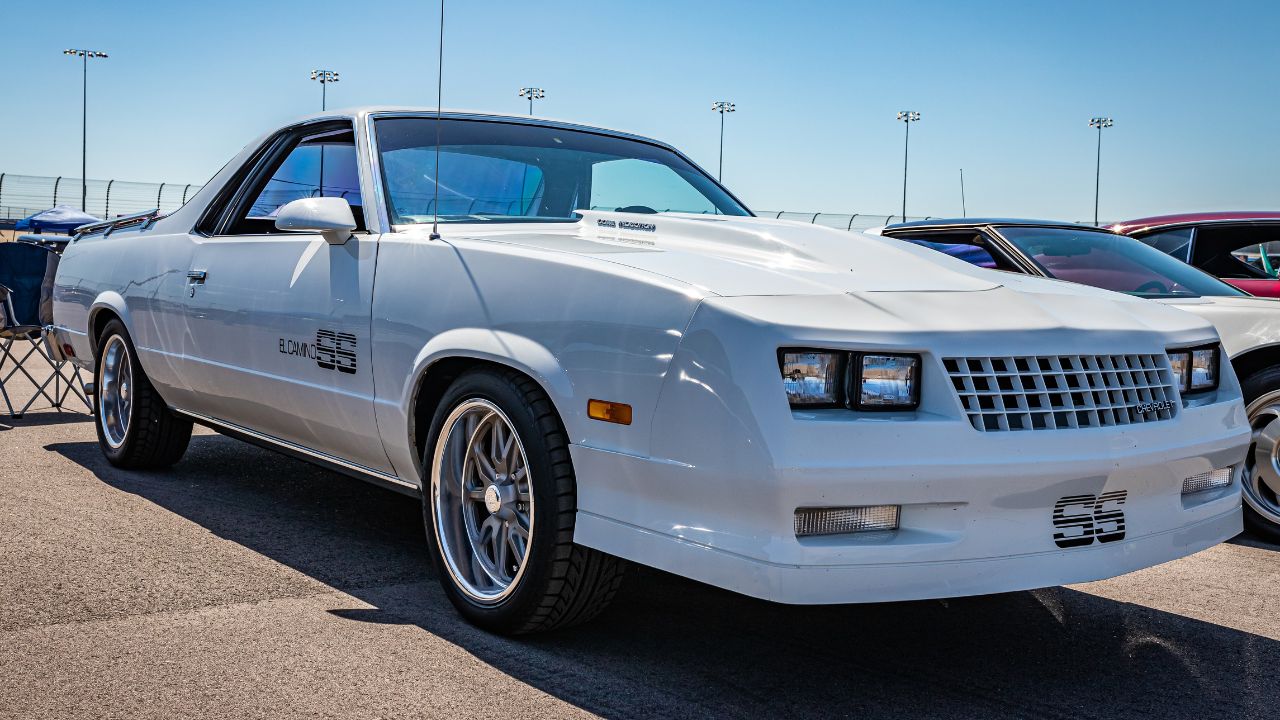
The El Camino SS blended utility with real V8 performance. The 5.0L V8 made 170 horsepower and brought strong low-end grunt. Chevy borrowed the front fascia and performance bits from the Monte Carlo SS, creating a menacing front end and confident handling. It had muscle car looks with pickup practicality, and the dual exhaust and SS badging made it unmistakable.
It stood out at car shows and job sites alike, offering a mix of blue-collar toughness and street presence. Many owners added custom touches that highlighted its split personality as both workhorse and weekend warrior.
Lincoln Mark VII LSC-225 hp
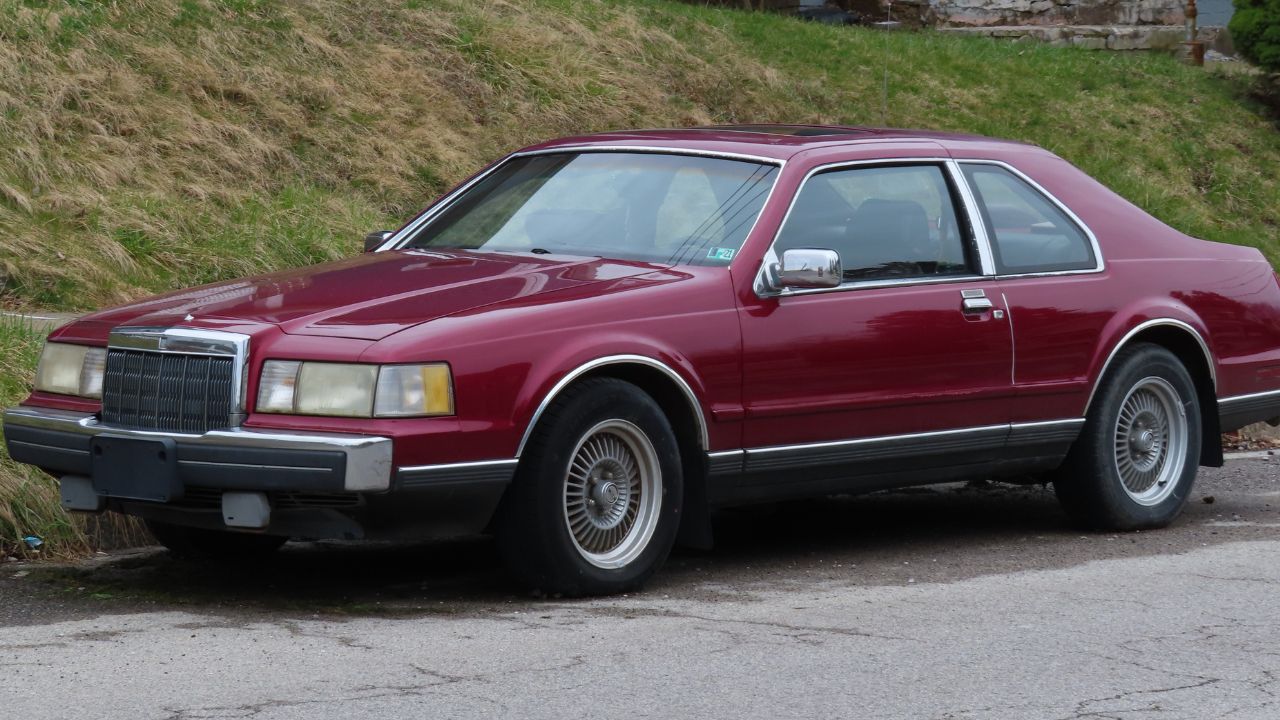
The Mark VII LSC proved that a luxury car could carry serious muscle. Under the hood was the 5.0L high-output V8 from the Mustang GT, tuned to 225 horsepower. It offered brisk acceleration in a full-size rear-wheel-drive package. Lincoln gave it air suspension, anti-lock brakes, and a plush interior with digital displays. The LSC looked elegant and refined, but it had real muscle car performance hidden behind the leather seats. It gave buyers the best of both worlds.
This car carved out a unique niche, appealing to executives who still enjoyed a smoky burnout after a board meeting. It held its own on the highway, passing slower traffic with ease and confidence.
Chevrolet Caprice 9C1-190 hp
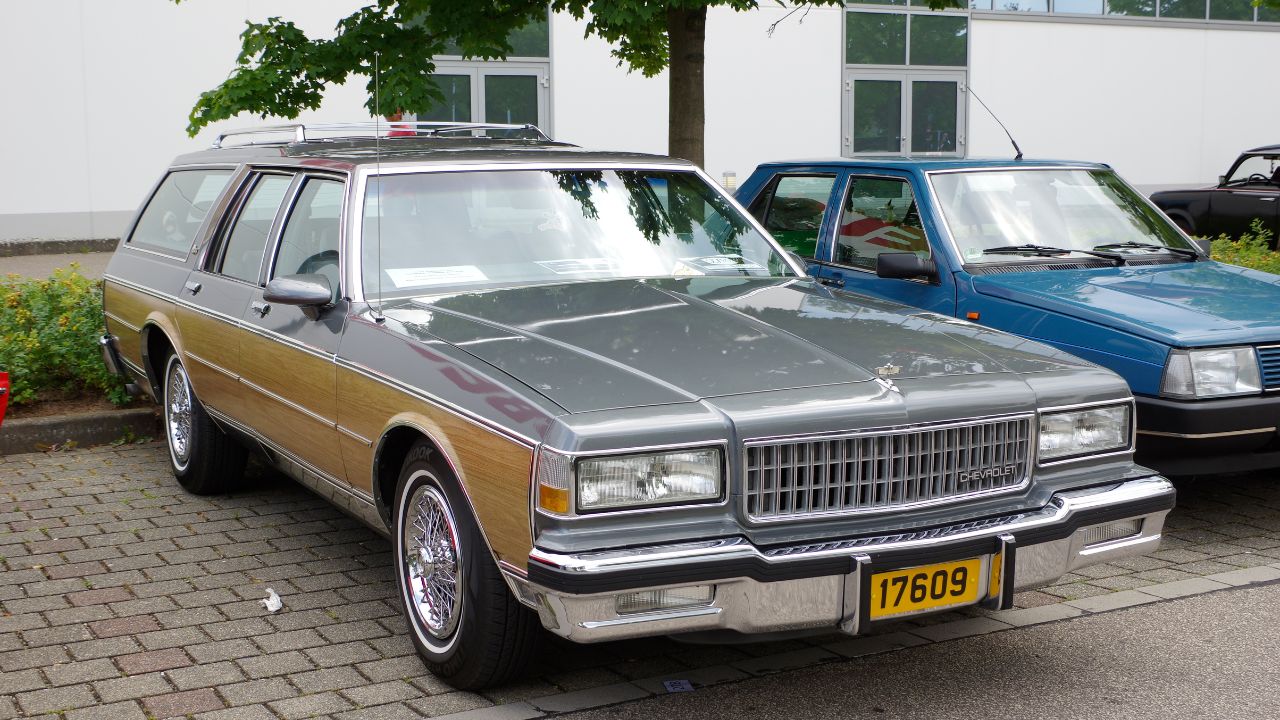
The Chevrolet Caprice 9C1 police package came equipped with a 5.7L V8 rated at 190 horsepower, and it carried a commanding presence on every city street and highway. Built for pursuit duty, this version of the Caprice featured heavy-duty cooling, stiffer suspension, and upgraded brakes that handled the demands of daily high-speed driving. The large, squared-off body gave it a traditional American look, while the drivetrain delivered reliable V8 power through the rear wheels. Officers appreciated the instant torque and solid acceleration, especially when paired with the durable TH700-R4 automatic transmission.
Civilians also got their hands on retired units and discovered how well they performed beyond law enforcement. The Caprice 9C1 delivered full-size V8 muscle in a package that could handle everything from patrol shifts to long road trips. Its simplicity, strength, and street reputation made it a quiet legend of the era.
Pontiac Firebird Formula-210 hp

The Formula trim of the Firebird offered big power without the extra flash of the Trans Am. In 1987, buyers could equip it with the 5.7L L98 V8, pushing out 225 horsepower through tuned port injection. This version gave drivers a stealthy, sleeper-style car with serious bite under the hood. Its lightweight body and torquey engine made it quick and responsive in real-world driving. Pontiac gave the Formula clean lines, subtle badging, and a no-nonsense approach to speed.
The suspension and brakes kept up with the power, offering a confident feel at any pace. Drivers appreciated the blend of classic muscle feel and modern drivability. It delivered everything needed for V8 thrills with a minimalist approach.
End of the Line, Full of Fire

The 1980s brought the V8 roar back to American streets, proving that muscle wasn’t dead; it was just on a coffee break. These cars reignited the horsepower wars, rumbling through suburbs and strip malls with pride. Whether you were lighting up the tires at a red light or just flexing your hood scoop in a grocery store parking lot, they made driving fun again.
From Miami Vice cool to NASCAR-inspired swagger, these machines delivered both looks and the kind of torque you could feel in your spine. The decade didn’t bring back the golden age, but it reminded us why we fell in love with American muscle in the first place. And really, who needs Bluetooth when your car speaks fluent V8?