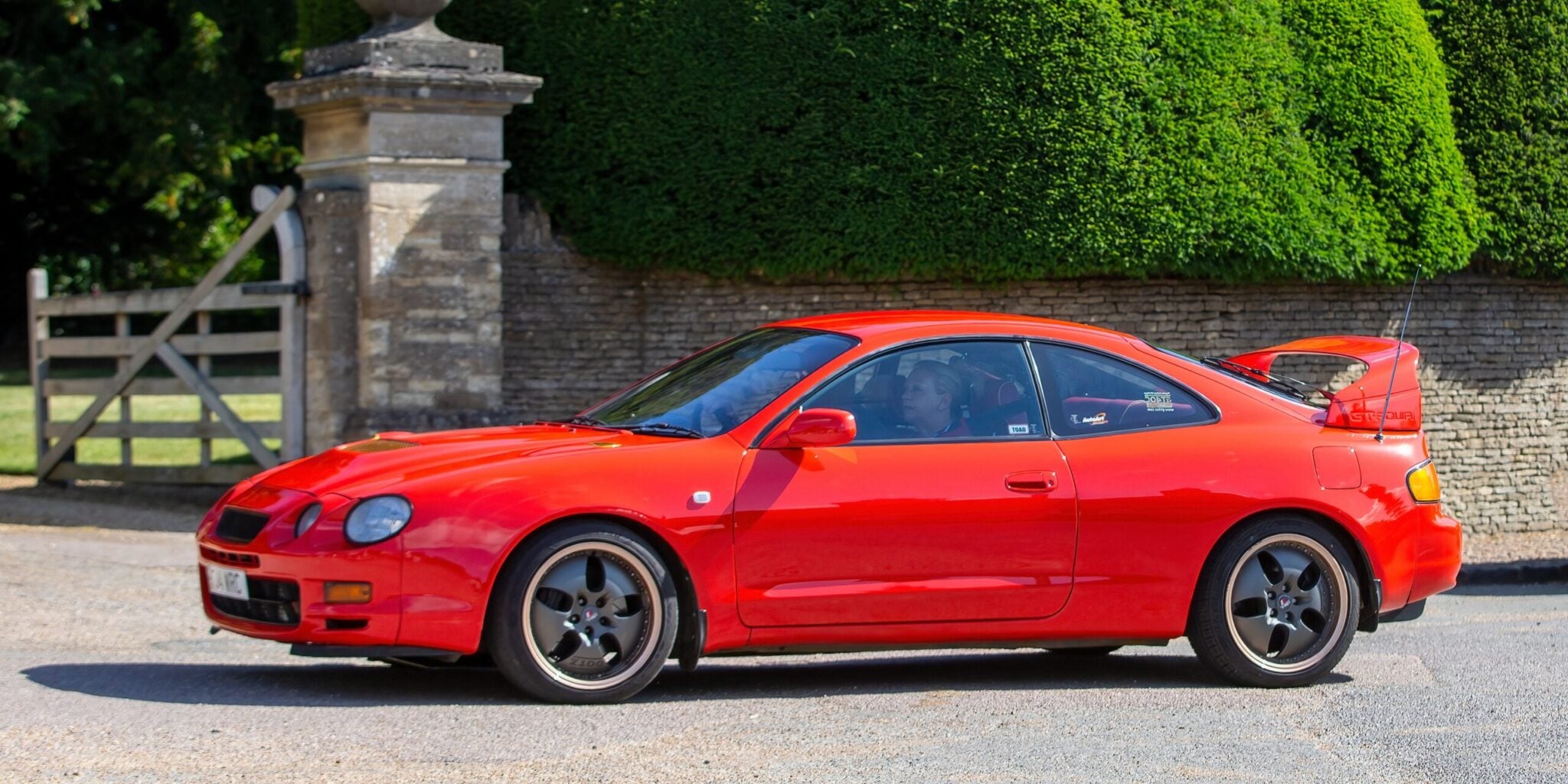
The 1990s are when we started rocking unflattering crop tops, watching Spongebob annoy the brains out of Squidward, and daydreaming about JDM cars. However, the usual suspects, such as the Supra, NSX, and RX-7, were often in the spotlight. Meanwhile, a quieter fleet of Japanese machines stood ready to deliver just as much driving satisfaction without the accompanying auction frenzy or car meet hype.
These models flew under the radar, offering genuine engineering, innovative design, and the kind of long-lasting reliability that’s a foreign concept to most modern metal. Built in an era when automakers still prioritized mechanical excellence over marketing flash, many of these cars still feel remarkably relevant today. Today, they may not dominate auction blocks or crowd your Instagram feed, but their actual value lies in consistent performance and accessible ownership.
Why These Underappreciated Cars Still Make Sense Today

These 1990s Japanese cars delivered far more than they were ever given credit for. These are the cars that slipped under the radar, yet kept showing up, mile after dependable mile, long after their flashier contemporaries dissolved into rust or became prohibitively expensive project cars.
Affordability was paramount here; every entry remains within reasonable reach for the average buyer, meaning nostalgia isn’t something you need to finance for a decade. We also considered how these vehicles perfectly encapsulate the spirit of the era: purposeful, balanced, and built with a kind of honest mechanical integrity that’s increasingly hard to find in the over-complicated digital cocoons of today. The result is a selection that richly rewards those who appreciate genuine substance over fleeting moments of spotlight.
Toyota Camry
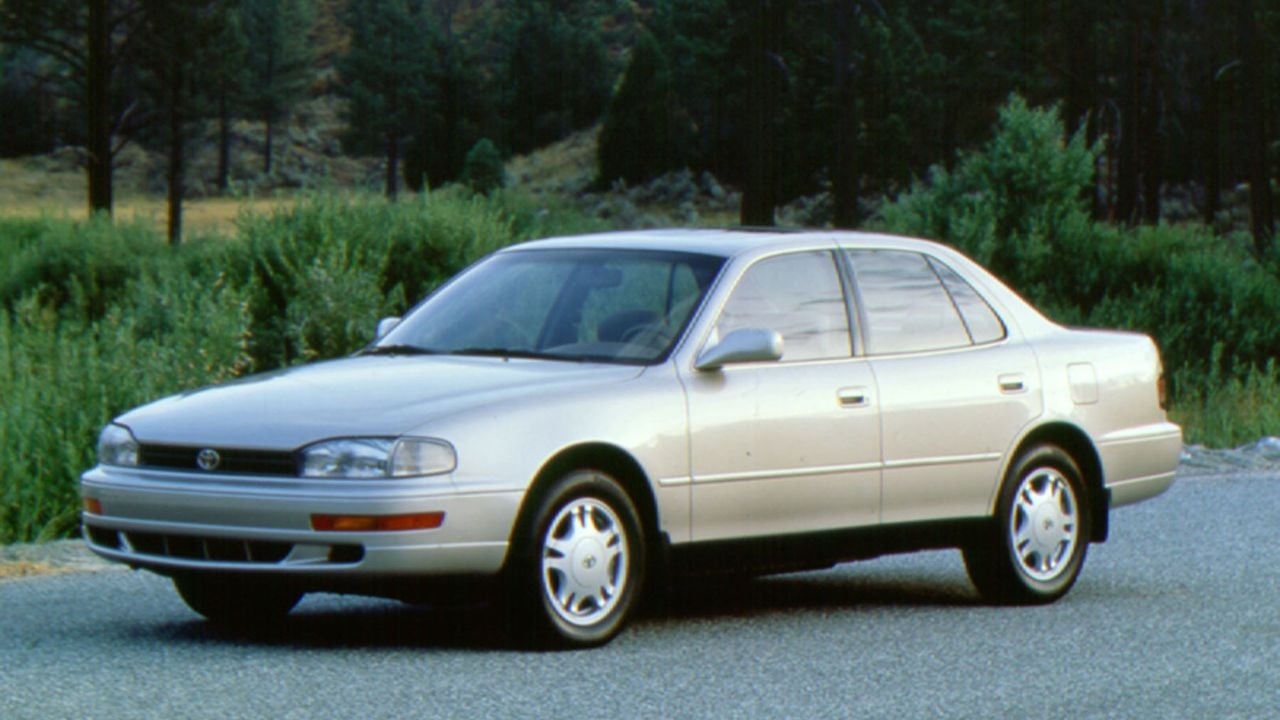
At first glance, the early-’90s Toyota Camry (XV10 generation, 1991-1996) appears as unassuming as a tax form. Yet, the V6 version, specifically with its butter-smooth and nigh-indestructible 3.0L 1MZ-FE V6 engine (188 hp), quietly redefined what a midsize sedan could genuinely deliver. With its clean lines and a surprisingly refined interior for its class, it masterfully balanced comfort, dependable reliability, and absurdly low ownership costs in one silky-smooth package. It never tried to be a sports car, so the driving experience leaned heavily towards calm confidence, and it performed every task with graceful competence.
This thing handled daily commutes and cross-country road trips with equal poise, consistently outlasting flashier, more temperamental alternatives. Its materials aged gracefully, maintenance remained utterly predictable, and the design skillfully resisted fleeting trends in favor of lasting appeal. We’re not saying it’s the best-looking car — we’re not even saying it looks good at all — but shouldn’t we stop judging cars by their jellybean bodies?
Mazda MX-6
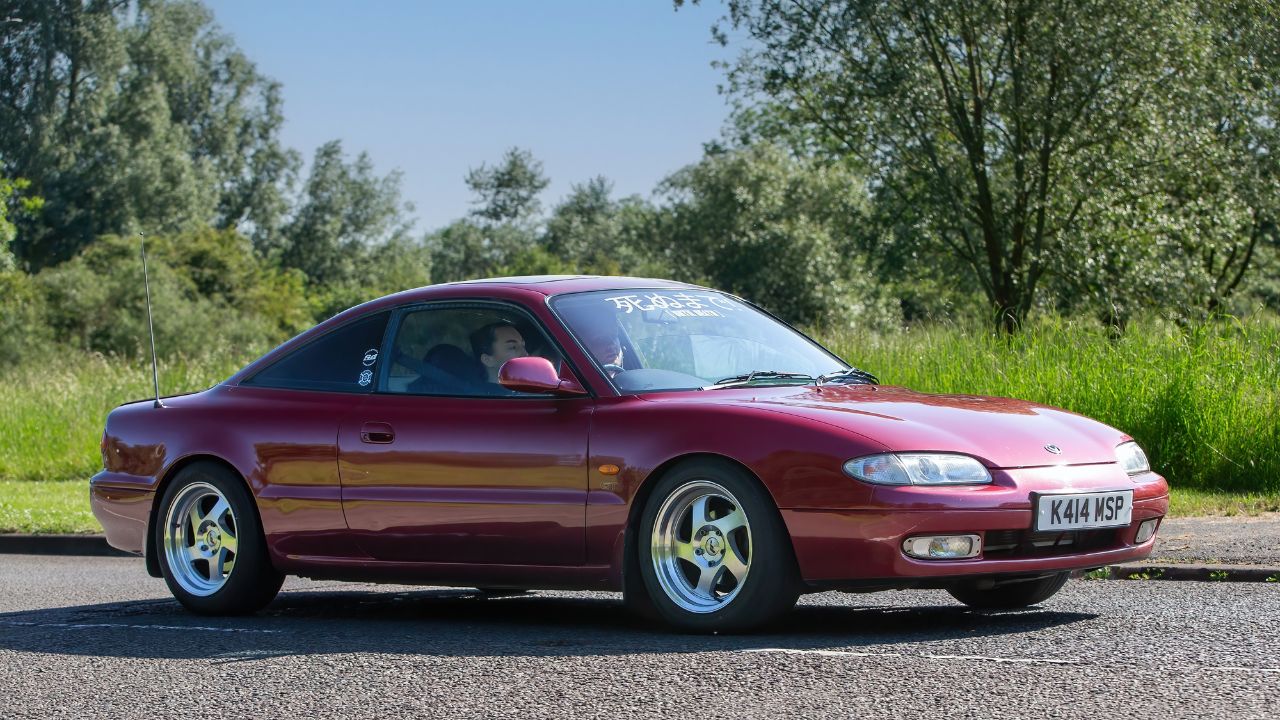
The Mazda MX-6 (second generation, GE platform, 1991-1997) brought a level of quiet refinement to the two-door coupe market that most enthusiasts inexplicably overlooked. It offered elegant, cohesive styling without resorting to the excessive wings or scoops of its rivals, paired with a driving feel that was a genuinely compelling blend of agility and composure.
Under its sleek hood, the optional 2.5L KL-DE V6 was a rev-happy, incredibly smooth powerplant delivering 164 hp, giving the car surprising pep. In some markets, higher trims even boasted sophisticated 4-wheel steering (4WS), making it a surprisingly nimble canyon carver. Inside, the layout was straightforward and quietly refined, the kind of cabin that made every drive feel intentional and connected.
This was a coup for those who appreciated genuine engineering over flashy billboards. It never felt like a compromise, just a thoughtfully designed, more mature alternative to the louder showboats of its time.
Nissan Maxima

You’re actually looking at a sports car — trust me. The Nissan Maxima of the late ’90s (A32 generation, 1995-1999) occupied an absolute sweet spot, effortlessly blending executive polish with family-friendly sensibility. This car delivered a genuinely premium experience without veering into unnecessary excess, and its driving dynamics richly rewarded those who appreciated tactile feedback without fatigue. The styling expertly walked a fine line between conservative and assertive, allowing it to age far more gracefully than its contemporaries.
The real hero, however, was the legendary VQ30DE V6 engine (190-193 hp), an absolute gem that famously earned a spot on Ward’s 10 Best Engines list for an unprecedented 14 consecutive years. It was so good, Nissan proudly touted the Maxima as the “4-door Sports Car” — a claim it genuinely backed up, unlike many modern pretenders. Long drives felt shorter, and everyday commutes seemed lighter. Many quietly regarded it as a sedan that fundamentally outperformed its class, even if it rarely made headlines.
Honda Prelude

Few sport coupes struck the elusive balance between understated elegance and genuine excitement quite like the Honda Prelude (fourth-gen BB4, 1992-1996; fifth-gen BB6, 1997-2001). With its low stance and wide track, it exuded presence without resorting to overt flash. The driving experience was a masterclass in responsiveness over brute force, making every corner feel purposeful. Power came from Honda’s lauded H22A VTEC engines (190-200 hp), delivering that signature high-RPM surge.
The fourth-gen’s unique digital dash and the the fifth-gen’s advanced ATTS (Active Torque Transfer System) on Type SH models (an active torque-vectoring front differential, not just a simple LSD).
The Prelude never overpromised, yet it consistently delivered a refined, engaging experience. For those who appreciate harmony between style and driving substance, this remains a compelling and often undervalued time capsule.
Mitsubishi Galant
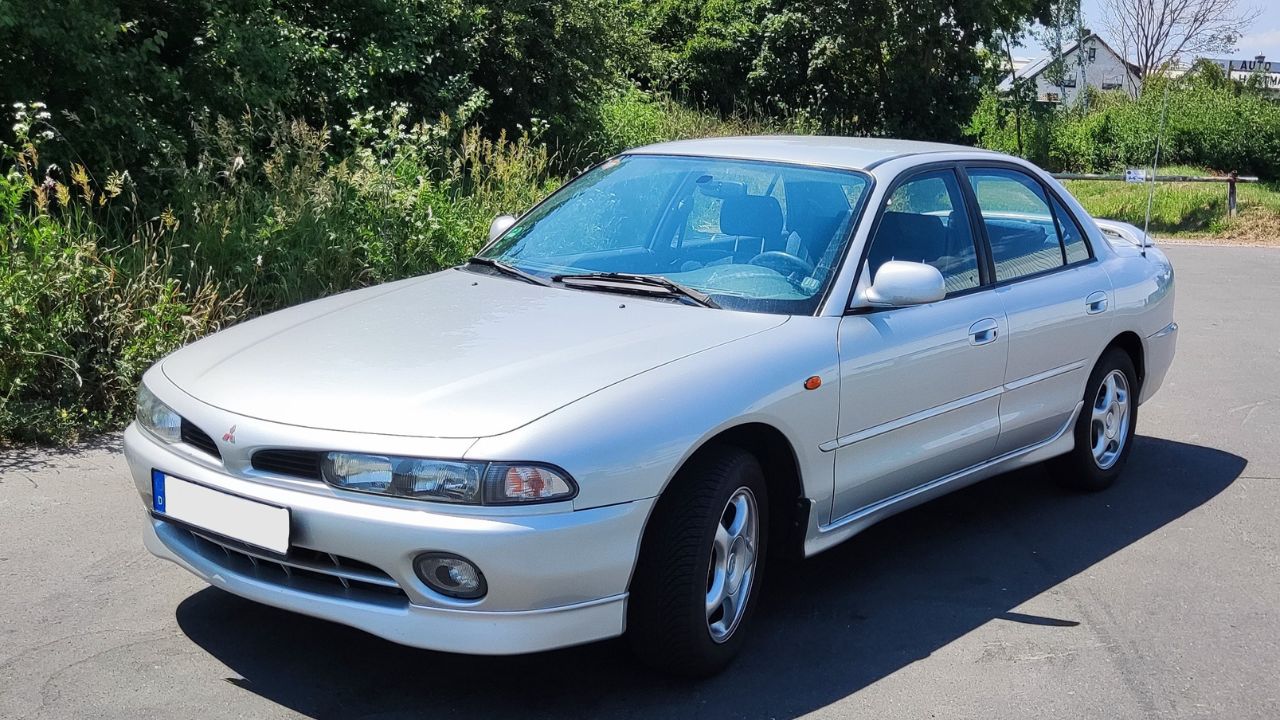
The Mitsubishi Galant (eighth generation, EA/EC, 1996-2003), following its rally-bred VR-4 predecessors, evolved into one of the more quietly capable sedans of the decade. Its tidy design and composed demeanor steered clear of attention-grabbing flourishes, instead focusing on a driving experience that felt both precise and remarkably relaxed.
Available with smooth powerplants like the 2.5L 6A13 V6 or a fuel-efficient 2.4L GDI I4, the Galant was a genuinely competent performer. Inside, the layout reflected clarity and confidence, providing drivers with precisely what they needed without unnecessary distractions.
As automotive trends shifted wildly, the Galant remained grounded in its mission: serving the owner without pretense, handling long commutes and weekend getaways with the same level-headed attitude. Today, it stands as a stark reminder that understated, rock-solid execution can often outlast even the loudest, most attention-seeking competition.
Nissan 240SX
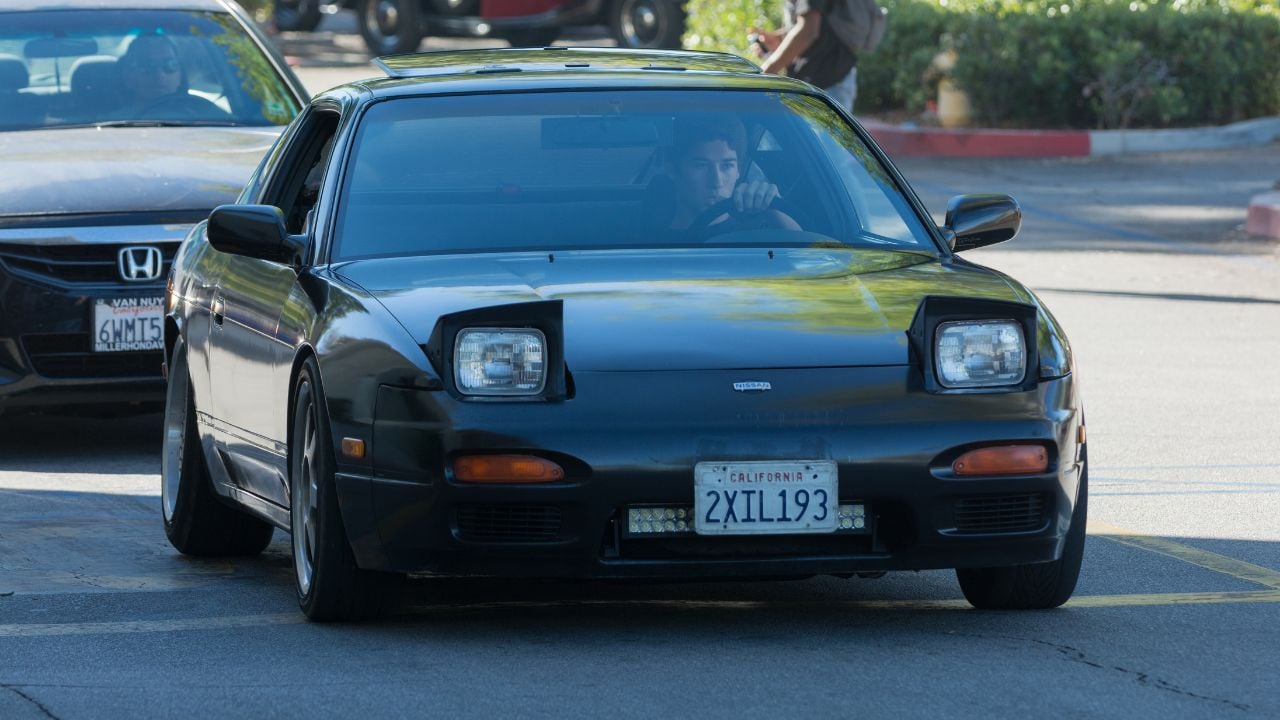
While its perfectly balanced rear-wheel-drive layout eventually earned it a furious cult following among the drifting fraternity, the Nissan 240SX (S13, 1989-1994; S14, 1995-1998) offered far more than just tail-happy handling. Its long hood, clean lines, and balanced proportions gave it timeless visual appeal, while the interior was thoughtfully focused on the driver without sacrificing everyday usability.
Stock, it came with the robust but uninspiring KA24DE DOHC 2.4L I4 (155-157 hp), which was universally despised for not being a turbocharged SR20DET, but was undeniably durable. On winding roads, it responded like a dance partner that had taken dance classes, rather than copying TikTok trends.
Ownership brought a tangible connection to the road that felt genuine, not manufactured. Even casual drivers sensed something inherently deliberate in its design. Over the years, countless examples slipped away into the tuning abyss. Still, clean, unchanged stock examples remain hidden treasures for those who appreciate a truly pure driving experience or want to sneak into a Miata meet.
Toyota Avalon
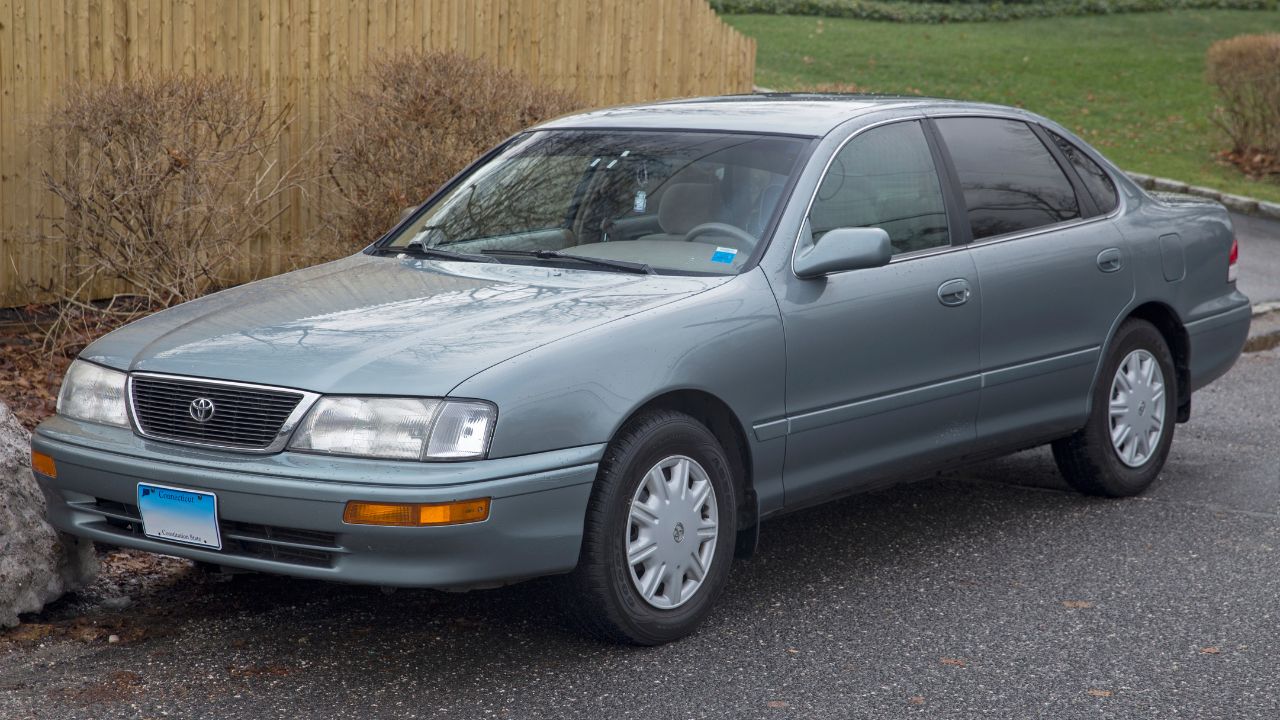
Positioned as Toyota’s understated flagship, the first-generation Avalon (XX10, 1994-1999) embraced serene comfort without ever becoming sterile. Based on a stretched Camry platform, it exclusively utilized the buttery-smooth and utterly dependable 3.0L 1MZ-FE V6. It welcomed passengers with a truly spacious cabin and a suspension explicitly tuned for peace of mind, not lap times. The design artfully skipped gimmicks, instead offering a timeless silhouette that prioritized elegant proportions over punchlines. On long drives, it effortlessly glided past fatigue and encouraged patience rather than urgency, particularly with its old-school column shifter.
Owners valued it not for flash, but for its consistent delivery of a supremely comfortable and reliable experience, year after year. It didn’t speak loudly, but its presence left an enduring impression of quiet generosity and understated luxury. This was the anti-Lexus Lexus.
Mazda Millenia
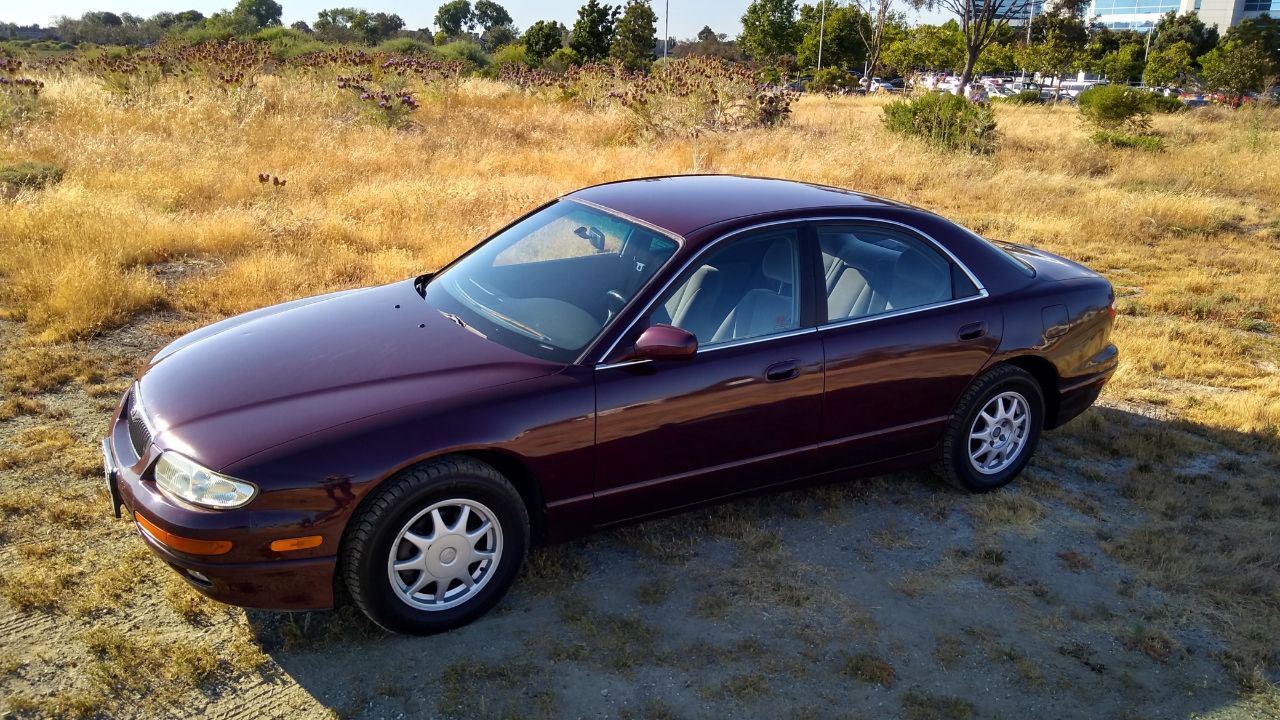
Aimed squarely at drivers seeking a sophisticated middle ground between mainstream and full-blown luxury, the Mazda Millenia (1993-2002) brought a level of polished refinement to Mazda’s lineup. It featured a gracefully sculpted shape with smooth curves and a cabin meticulously designed for relaxation rather than excitement. Every detail leaned towards subtle elegance, from the ergonomic dashboard layout to the plush seat contours.
Its true party trick, however, was the bizarre but ingenious 2.3L Miller cycle V6 engine with a Lysholm supercharger (210 hp) on the “S” model — a truly unique piece of engineering for a production car. On the road, it moved with quiet confidence, favoring smooth transitions over sharp, jarring maneuvers.
The Millenia never demanded attention, but it generously rewarded those who preferred comfort with a dash of unique class. Today, it stands as a thoughtful, often-forgotten alternative to louder executive sedans from the same period, proving that style with restraint remains one of the most complex tricks to pull off, and this car absolutely managed it.
Honda Accord
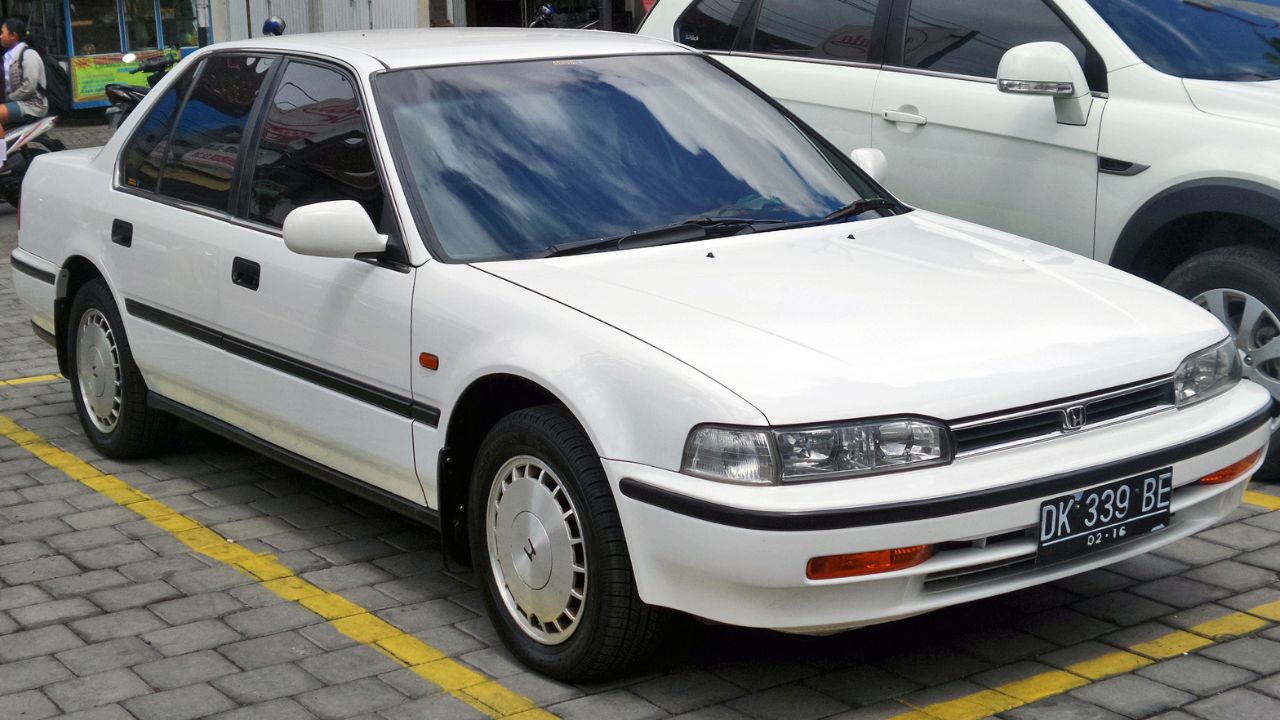
During the 1990s, the Honda Accord (fifth-gen CD, 1994-1997; sixth-gen CG, 1998-2002) didn’t just earn its reputation; it solidified it by doing everything with unflappable precision. It consistently offered a composed ride, a well-crafted interior that stood the test of time, and a legendary sense of reliability that instilled owners with unwavering confidence year after year. The styling remained balanced and mature, purposefully avoiding fleeting trends in favor of lasting, understated appeal.
Under the hood, available engines ranged from the bulletproof 2.2L VTEC I4 (145 hp) to the smooth 2.7L C27 V6, all of which were known for their exceptional longevity. Driving one brought an inherent sense of trust; you knew exactly what it would do, and it delivered, every single time.
The Accord became an automotive staple not by chance or aggressive marketing, but by consistently providing exactly what people needed: dependable, quiet competence. Boringly reliable, perhaps, but your mechanic hates it for a reason.
Toyota Tercel
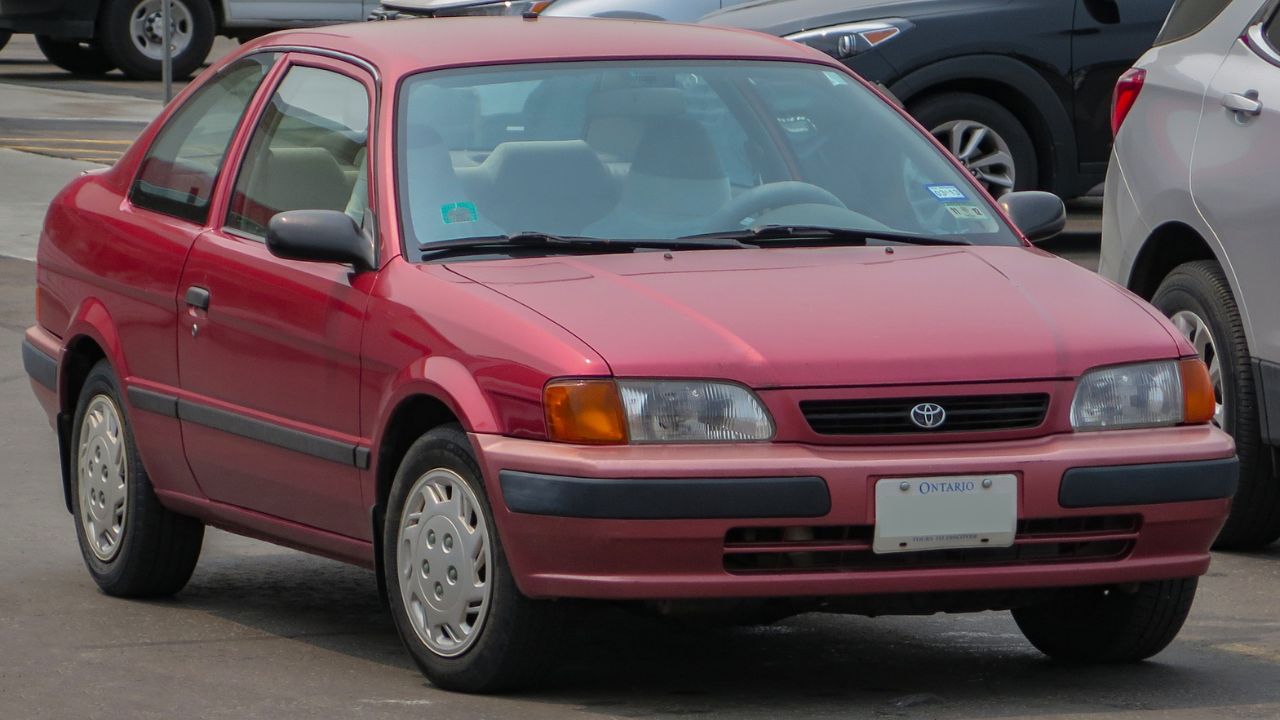
Small in stature but immense in staying power, the Toyota Tercel (fourth-gen L40, 1990-1994; fifth-gen L50, 1995-1999) offered a simplicity that felt genuinely smart rather than stripped down. It effortlessly maneuvered through city traffic, all while maintaining the solid, reassuring feel that came from thoughtful, over-engineered construction.
Its legendary fuel efficiency and ease of maintenance made it an instant favorite among both first-time buyers and lifelong commuters. The interior may have leaned towards minimalism, but every component felt undeniably dependable and honest. Powered by the incredibly robust 1.5L 5E-FE I4 (roughly 95–110 hp, depending on market and emissions tune).
Even now, many examples continue to serve quietly on side streets and in small towns across the globe, shrugging off decades of abuse. Sometimes, modest ambition leads to the most enduring success.
Toyota Celica
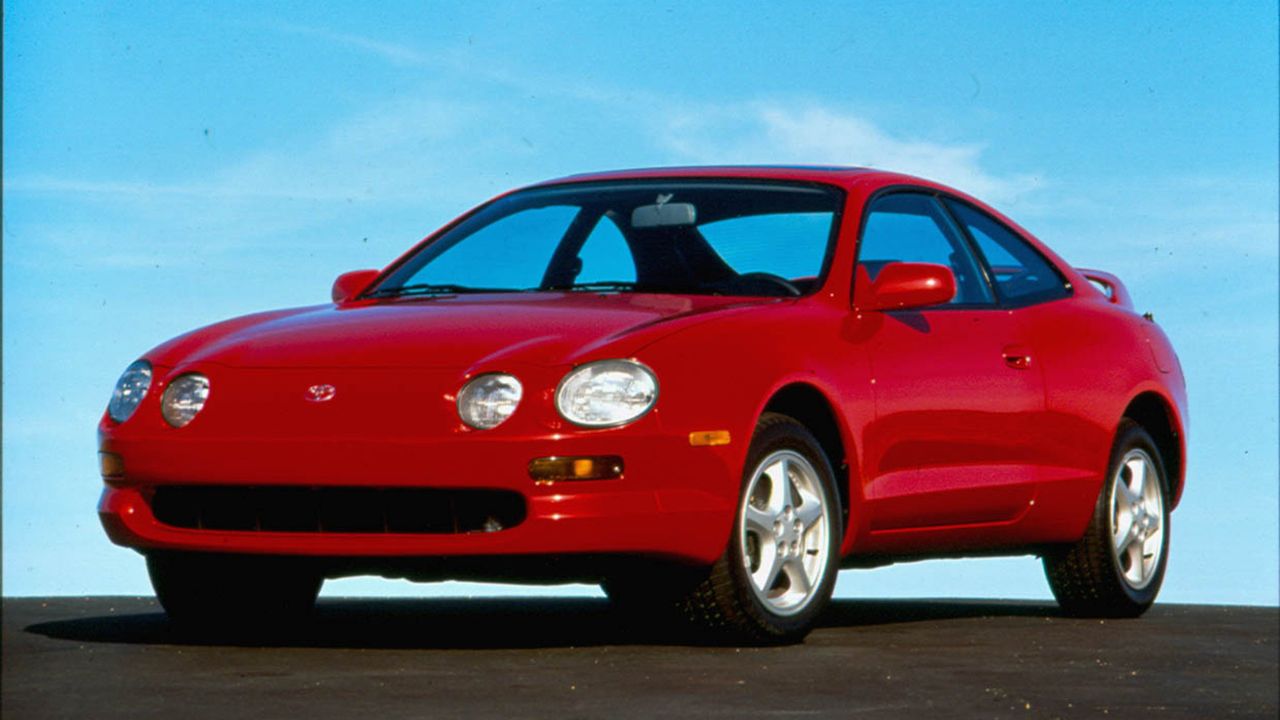
The sixth-generation Toyota Celica (T200, 1993-1999) offered a sleek, confident profile that set it apart without ever trying too hard. Its sharp, almost aggressive lines and compact frame gave it a youthful, sporty energy, while the interior perfectly balanced sportiness with surprising everyday comfort. Powered by engines like the 2.2L 5S-FE I4, which produces 130-135 hp (excluding the rally-bred GT-Four, which is another beast entirely), it felt light on its feet, with a driving character that made mundane commutes feel genuinely more engaging without ever becoming demanding.
The Celica expertly appealed to those who wanted a dash of flair with rock-solid day-to-day usability. Parking was a breeze, visibility was excellent, and ownership issues rarely escalated into costly hassles. This was a coupe that aged gracefully, particularly for buyers who valued a bit of spirit in a practical, unpretentious package. It earned admiration through its focused competence, not fleeting flash.
Mitsubishi Eclipse
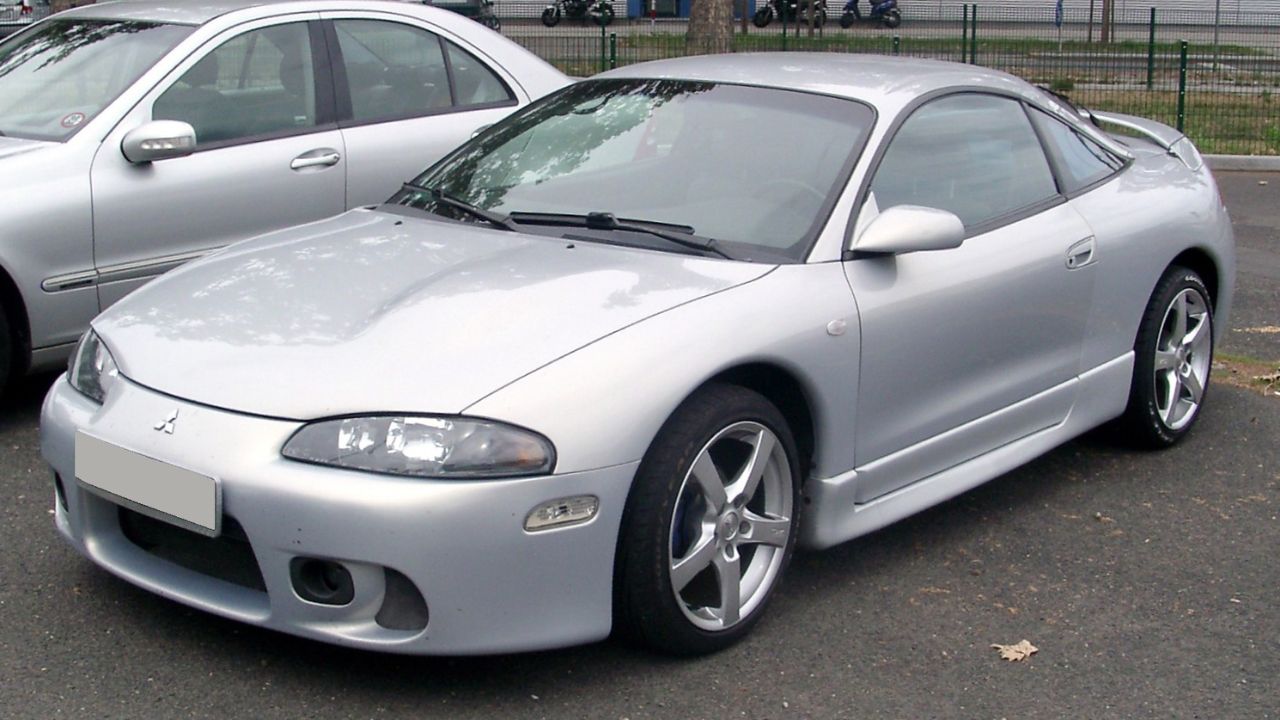
Before the second-generation Mitsubishi Eclipse (2G, 1995-1999) became an unwitting star in Fast & Furious (thanks to the turbo GSX!), the non-turbo RS and GS models blended genuinely sporty lines with a surprisingly refined feel, giving them broad appeal. It carried the kind of fluid, distinctive styling that still turns heads in clean condition, paired with driving dynamics that walked a fine line between comfort and enthusiast engagement.
Powered by the reliable 2.0L 420A I4 (140 hp) or 2.4L 4G64 I4 (141 hp), it wasn’t a powerhouse, but it was a responsive daily driver. Inside, the wraparound dash and low seating position gave a sense of occasion without making anything complicated to use. It was the perfect entry-level coupe, suited to both first-time buyers and returning owners alike. It never needed to shout to stand out; it simply felt exciting in the right way.
Even today, a clean example holds an undeniable presence. Time has been surprisingly kind to this understated design. Good luck finding one without a comical spoiler or Pimp My Ride-inspired wrap, however.
Toyota Paseo

The Toyota Paseo (first gen EL44, 1991-1995; second gen EL54, 1996-1999) never chased stardom, but it steadfastly delivered a tidy, efficient package that fit perfectly into everyday life. Essentially a coupe version of the incredibly reliable Tercel, it used the same bulletproof 1.5L 5E-FE I4 engine. Its compact proportions made it genuinely fun to maneuver through urban jungles, while the cabin remained surprisingly accommodating for a small coupe. The styling felt cheerful without ever being overdone, and the ownership experience leaned heavily into Toyota’s legendary reliability and unpretentious simplicity.
Drivers looking for a no-fuss commuter with a hint of personality found a perfect match. It handled traffic, errands, and weekend drives with quiet composure and admirable fuel economy. The Paseo may have consistently stayed out of the enthusiast spotlight. Still, it certainly stayed on the road with remarkable ease, proving that a small car with a clear purpose can leave a lasting, dependable impression. And hey, it doesn’t look too shabby.
A Second Look That’s Worth the Drive

Just as many of us realize we are more like Squidward than SpongeBob as we age, we have also concluded that not every Japanese car we like has to be a riced-out Fast and Furious knockoff with drift-worn wheels. A specific type of JDM fandom has overtaken social media. Still, the vehicles here prove that you don’t need to go viral to offer a rock-solid driving experience that sticks with you. These cars provided comfort, balance, and honest, thoughtful engineering at a time when that still genuinely meant something. Today, they often sit in driveways rather than behind velvet ropes, and that’s precisely where they belong: being driven, reliably, day in and day out.
These vehicles don’t beg for admiration, but they consistently earn it, one dependable mile at a time. For those willing to look past the badge snobbery and the internet buzz, the rewards are surprisingly rich and remarkably affordable. Maybe it’s time to revisit what truly made the ’90s such a golden era for Japanese automotive engineering (although Japanese-made cars today still shine). And no, it’s not just the Skyline, although we’d always take one of those too.