From the beaches of Normandy to the deserts of the Middle East, military vehicles have done more than move troops, they’ve made history. Built for strength, survival, and strategy, these machines are the backbone of every modern military, each one carrying stories of innovation, bravery, and grit.
This list is a salute to the warhorses on wheels (and tracks) that defined eras, saved lives, and shaped the battlefield. Whether rolling into combat or hauling supplies across hostile terrain, these vehicles were made to do the hard work, so soldiers could do theirs.
How We Chose These Battlefield Iconsr

We didn’t just pick the biggest, baddest machines; we picked the ones that mattered. Every vehicle on this list played a key role in the evolution of modern warfare. Some were technological game-changers. Others were quiet workhorses that kept missions alive behind the scenes.
From tanks that turned the tide of global conflict to transport trucks that kept the wheels of war turning, these picks reflect battlefield impact, historical relevance, and lasting legacy. Whether still in service or retired as legends, they all earned their place through grit, innovation, and unwavering service.
Willys MB “Jeep”

The Willys MB was more than a workhorse, it was a war hero on wheels. Designed for simplicity and built to endure, this 4×4 icon became the backbone of Allied mobility in World War II. Its lightweight frame, four-wheel drive, and ease of repair made it indispensable across every theater of war.
It hauled supplies, carried generals, evacuated the wounded, and blazed trails where no road existed. Tough, nimble, and unshakably dependable, the Jeep didn’t just support the troops, it was one of them.
M1 Abrams Tank

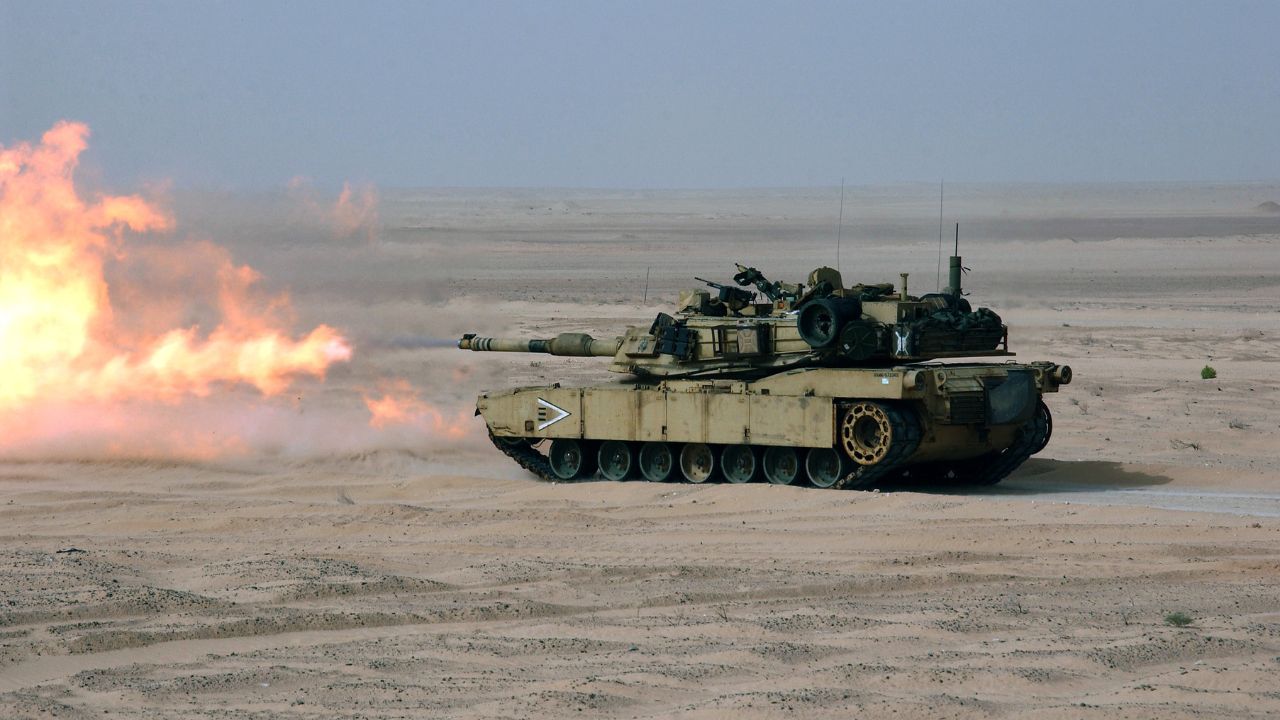
The M1 Abrams entered U.S. Army service in 1980 as a new generation main battle tank, replacing older tanks like the M60 series. Built around heavy armor, high speed, and a powerful fire control system, it became the backbone of U.S. armored forces and later saw extensive combat use, most notably in the 1991 Gulf War.
Early M1 models used a 105mm main gun, later versions upgraded to a 120mm smoothbore cannon. Powered by a gas turbine engine and continually modernized through multiple upgrades, the Abrams remains one of the most recognizable and influential tanks of the modern era.
Humvee (HMMWV)
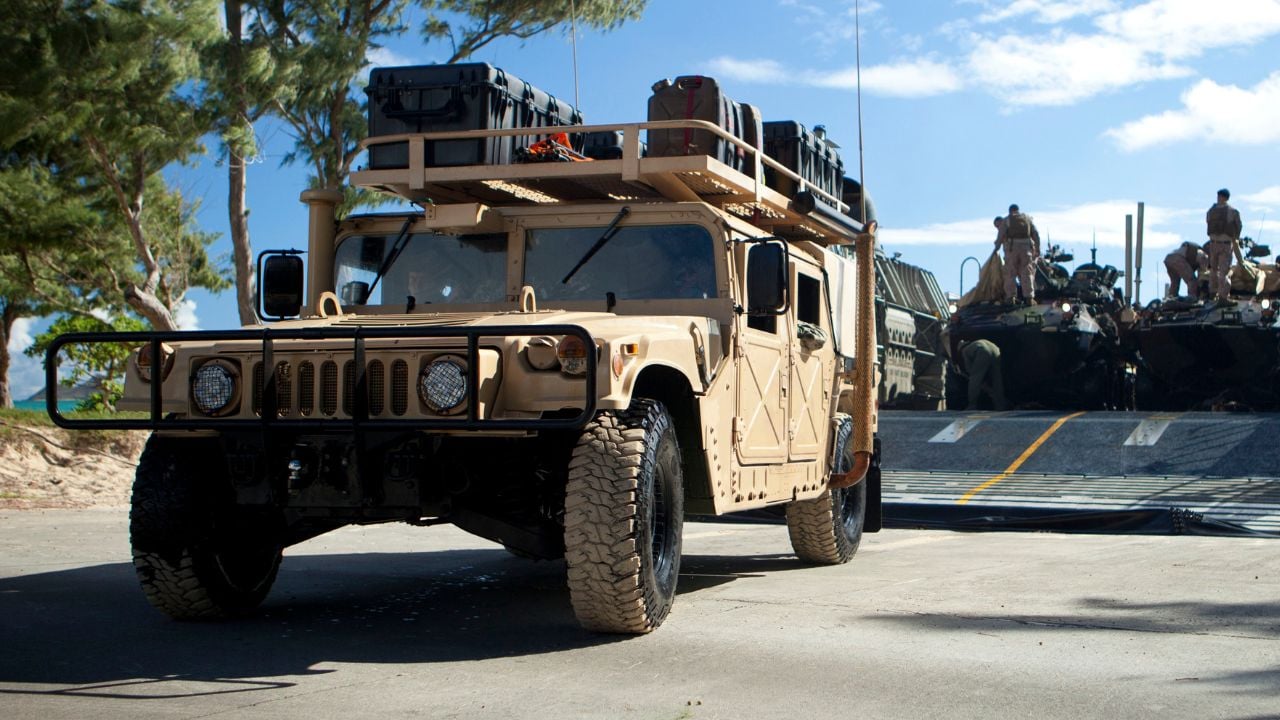
The High Mobility Multipurpose Wheeled Vehicle (HMMWV), better known as the Humvee, replaced the M151 series of jeeps and several other light utility vehicles in U.S. service starting in the 1980s. Versatile, durable, and tough as nails, it’s been used for everything from cargo transport to patrols. It even inspired a civilian offshoot, the Hummer, that brought battlefield energy to suburban driveways.
Sherman Tank

The M4 Sherman wasn’t the heaviest or most heavily armed tank of World War II, but what it lacked in specs, it made up for in numbers and dependability. It was easy to produce, maintain, and modify: qualities that kept it rolling across multiple fronts and in multiple roles.
From North Africa to Normandy to the Pacific, the Sherman became a symbol of Allied momentum. With variants turned into recovery vehicles, flame-throwers, and tank destroyers, it proved that a good-enough tank in the hands of many can outlast a few great ones.
M2 Bradley Fighting Vehicle

The M2 Bradley bridges the gap between tanks and troop carriers, offering both protection and firepower in one tough package. Designed to move with infantry and fight alongside them, it can carry six soldiers into battle while providing covering fire with its 25mm Bushmaster cannon and TOW anti-tank missiles.
Faster and more agile than a tank, the Bradley excels in combined arms operations: scouting ahead, supporting assaults, or holding ground when things get rough. It’s not just transport; it’s backup with armor and attitude.
LAV-25 (Light Armored Vehicle)
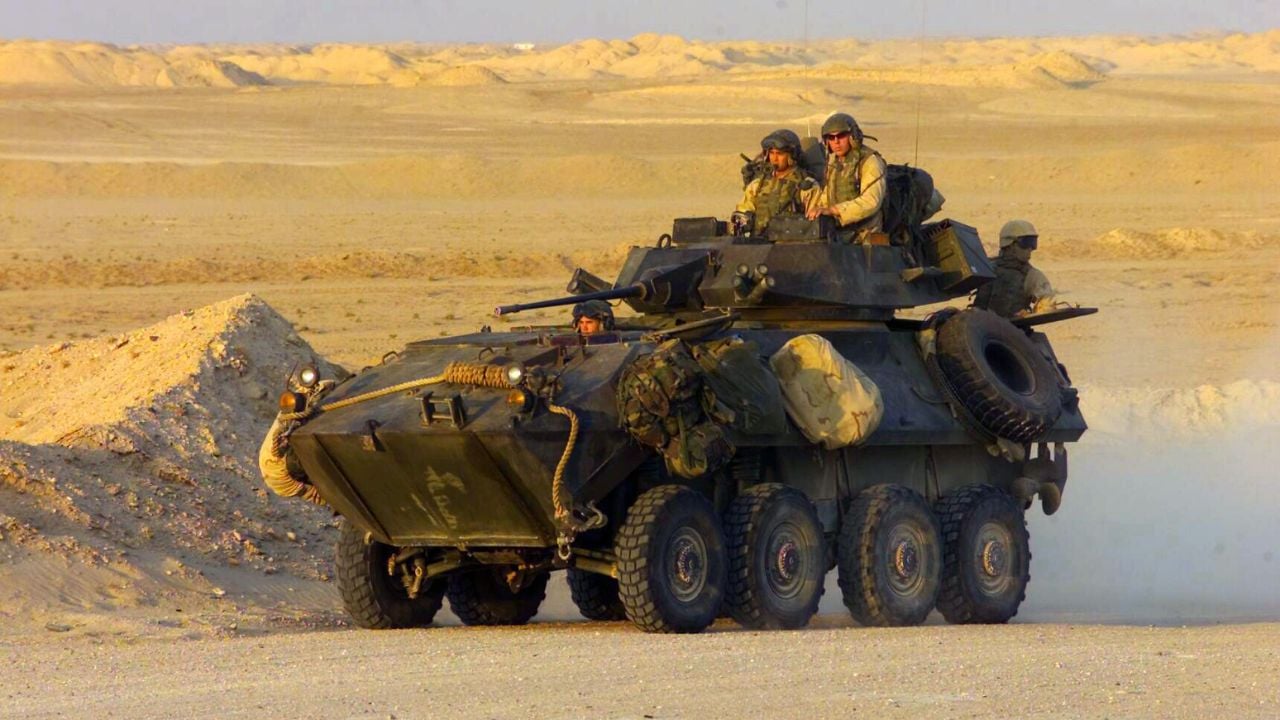
The LAV-25 is the Marine Corps’ go-to for speed and versatility. With its eight wheels and lightweight armor, it can traverse rough terrain, ford shallow water, and get in and out of tight spots where heavier vehicles can’t go. It’s designed for quick strikes, recon, and troop support.
Armed with a 25mm chain gun and space for six troops in the rear compartment, the LAV-25 brings firepower without sacrificing mobility. It’s fast, nimble, and built to keep up with the Marines’ expeditionary mindset, move fast, hit hard, and adapt on the fly.
MRAP (Mine-Resistant Ambush Protected)
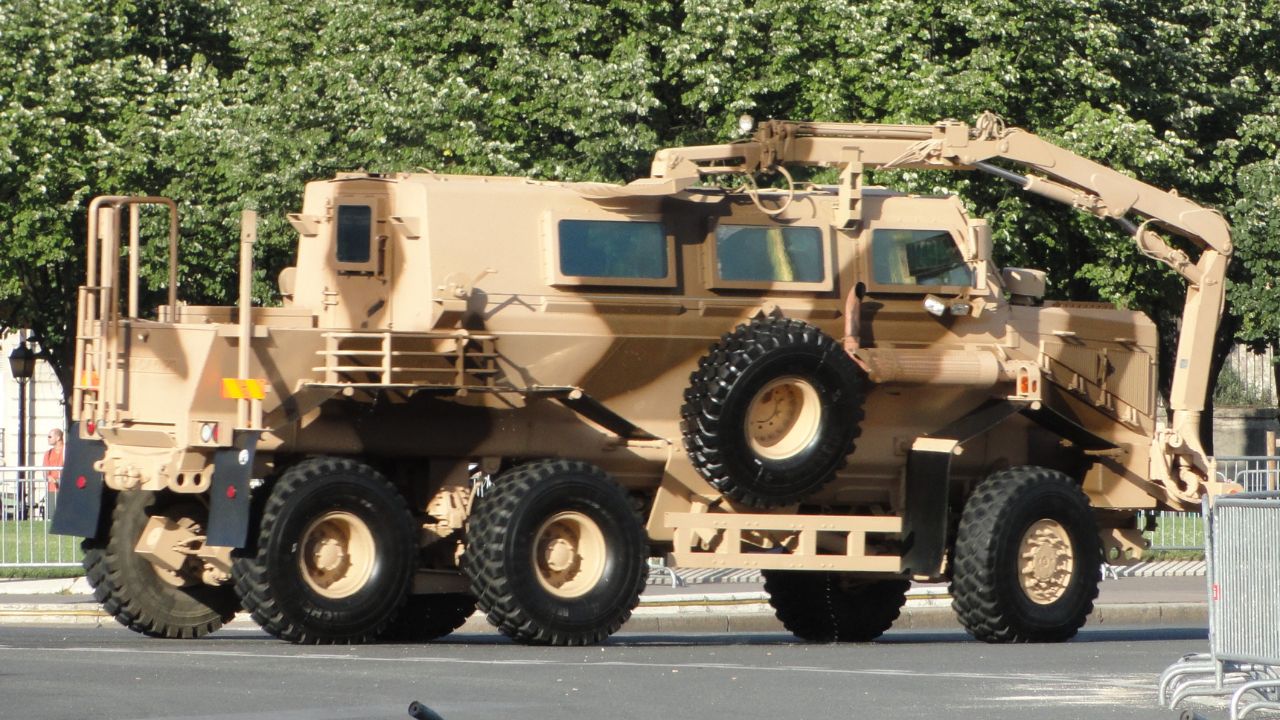
The MRAP was born out of necessity when traditional armored vehicles couldn’t withstand the rising threat of IEDs and ambush tactics in the Middle East. Its tall stance and V-shaped hull redirect explosive forces away from the cabin, giving troops a fighting chance when the road turns deadly.
While bulky and not exactly built for stealth, the MRAP excels at one thing: keeping its occupants alive. It’s not just a vehicle, it’s a life-saving shield on wheels, engineered for the kind of danger you hope never to face.
Oshkosh JLTV (Joint Light Tactical Vehicle)
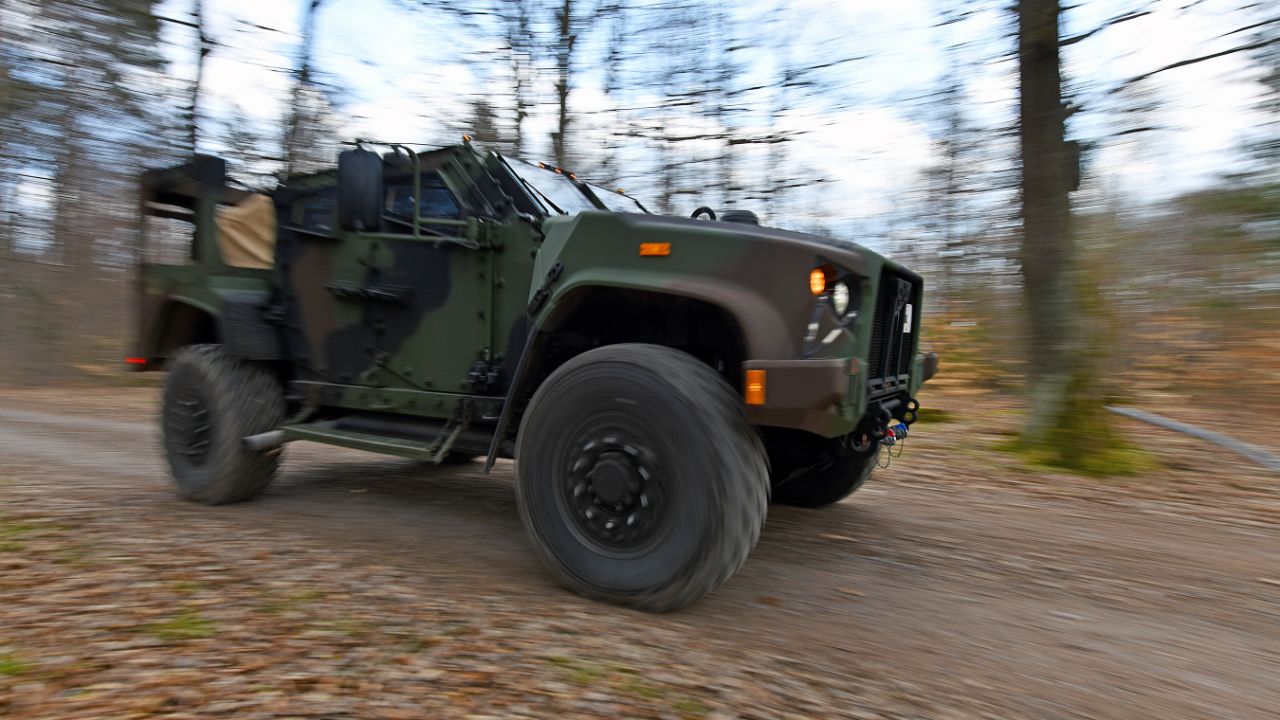
The Oshkosh JLTV was designed to do everything the Humvee could… just better. Born from the need for a faster, safer, and more adaptable light tactical vehicle, the JLTV offers blast-resistant armor, cutting-edge electronics, and a suspension system that eats up rough terrain like it’s nothing.
With modular kits for different missions and the ability to be airlifted into action, it gives troops the flexibility they need without sacrificing protection or speed. It’s built for today’s conflicts, and whatever comes next, with looks to match its muscle.
Stryker Combat Vehicle

The Stryker isn’t just one vehicle, it’s a whole fleet built on a common platform. Whether you need a mobile command center, an ambulance, or a direct fire vehicle with a 105mm cannon, there has been a Stryker for that, though the 105mm Mobile Gun System variant was retired from U.S. Army service in 2022. Its modular design allows for quick reconfiguration to meet changing mission demands.
Fast and more heavily protected than a Humvee, the Stryker gives infantry units the flexibility to adapt. It is air transportable, but Government Accountability Office reporting highlighted real world limits on C-130 range and rapid combat-ready transport at full combat weight. It’s built for the modern battlefield, where versatility is just as important as firepower.
M3 Half-Track
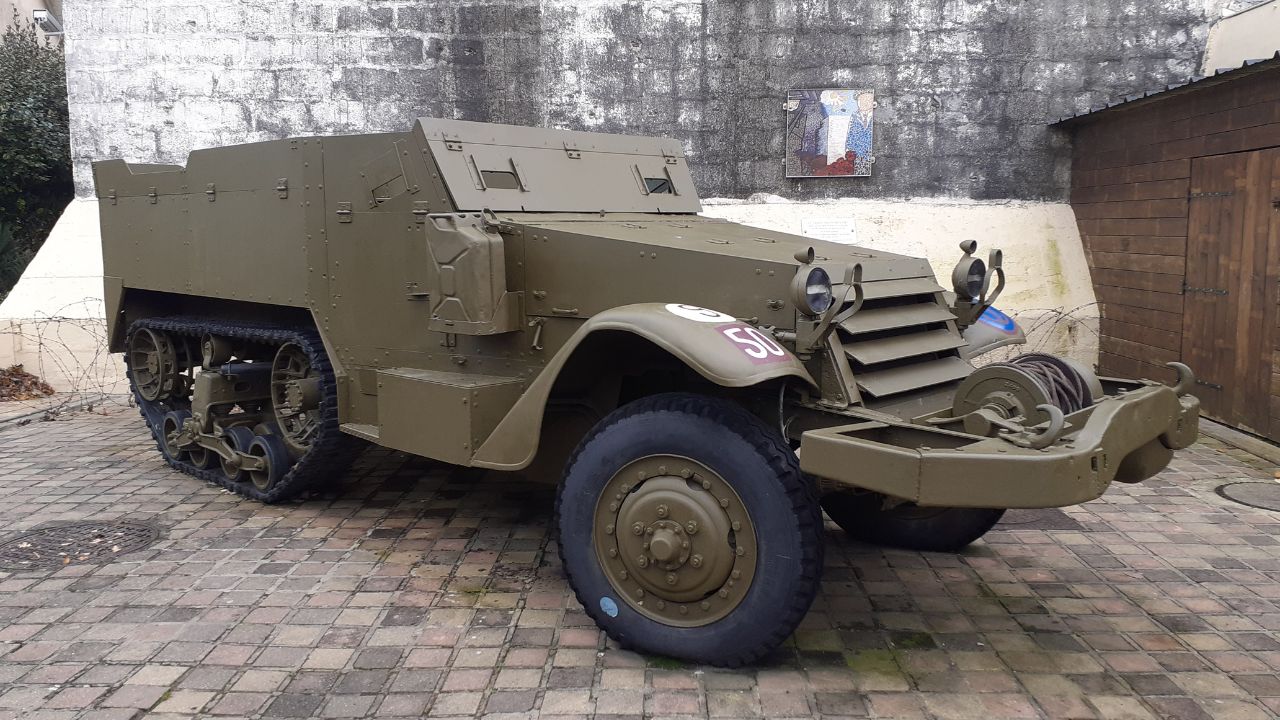
Used extensively in World War II, the M3 Half-Track was the go-to transport for infantry in tough terrain. It combined the wheels of a truck with the tracks of a tank, offering better mobility across mud, snow, and rubble-strewn battlefields.
It wasn’t fancy or heavily armored, but it got the job done. Troops could ride in, hop out, and fight fast. The M3 was the ultimate utility player, hauling soldiers, supplies, and even anti-aircraft guns when needed.
M88 Recovery Vehicle
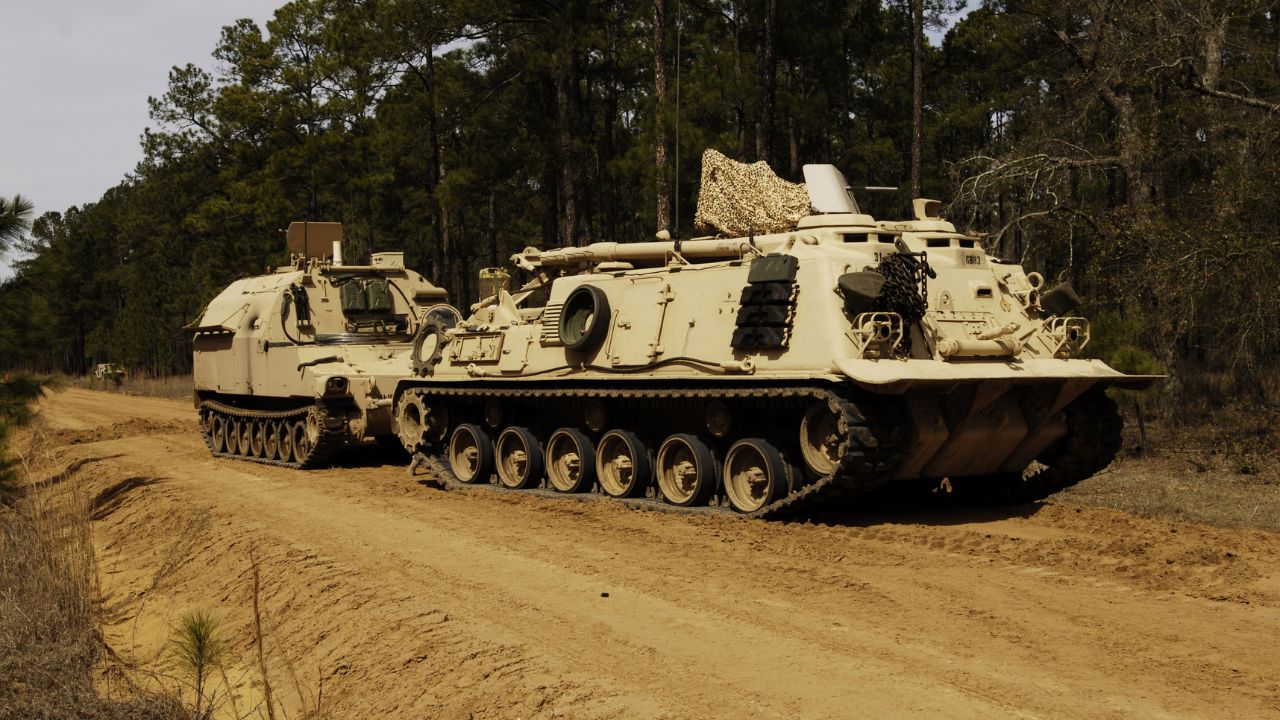
Tanks break down. Vehicles get stuck. And when they do, the M88 rolls in. This armored recovery vehicle is basically a tank tow truck, equipped with a crane, winch, and serious muscle.
It can haul an M1 Abrams off the battlefield and perform repairs under fire. The M88 doesn’t fight the war, it makes sure the fighters can keep going. In the military, not all heroes carry cannons.
M977 HEMTT
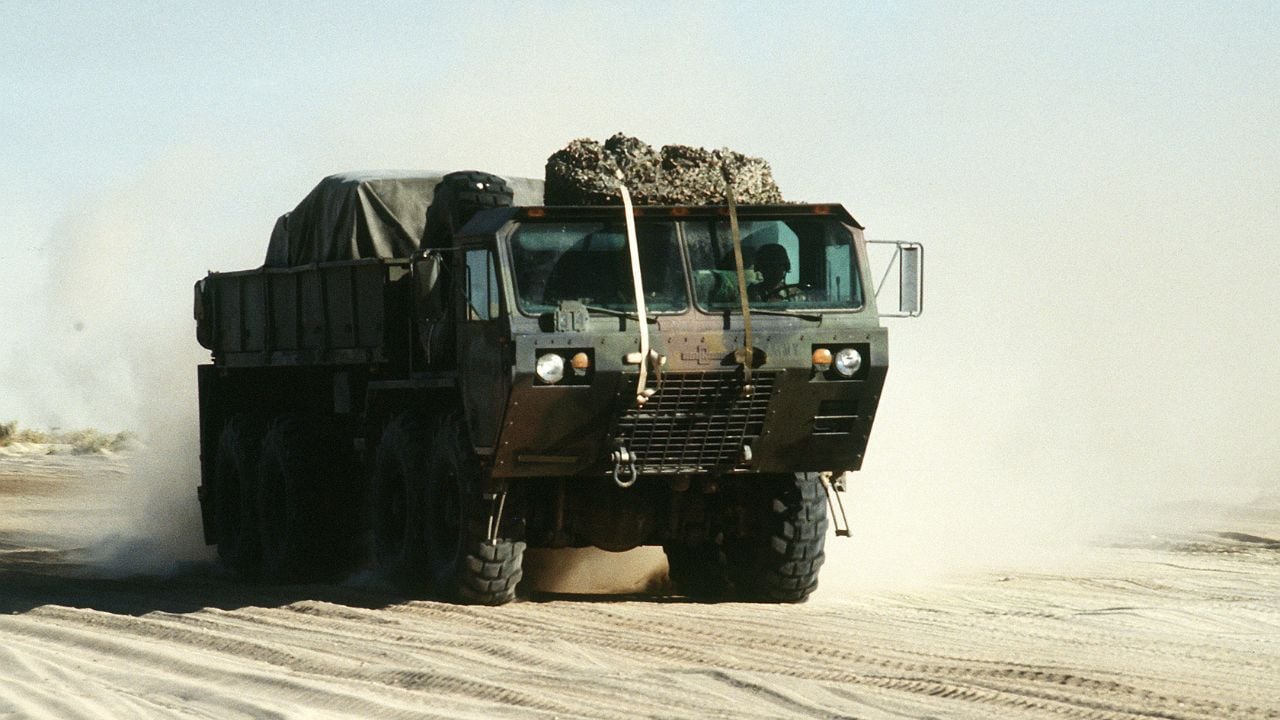
The Heavy Expanded Mobility Tactical Truck (HEMTT) is an eight-wheeled behemoth designed to transport everything from fuel to missiles to bridge parts. It’s the logistics backbone for modern operations.
With serious off-road ability and payload capacity, the HEMTT keeps supply lines running through terrain where ordinary trucks would get bogged down or blown apart. If the battlefield is the body, the HEMTT is the bloodstream.
DUKW “Duck” Amphibious Truck

The DUKW, pronounced “duck”, was a six-wheeled amphibious truck used in WWII to move troops and cargo from ship to shore without the need for a dock. It waddled through waves and rolled onto beaches like it belonged there.
It played a crucial role in D-Day and island-hopping campaigns in the Pacific. Not exactly graceful, but incredibly effective, the Duck helped make amphibious warfare possible, one crate, one soldier, one splash at a time.
FMTV (Family of Medium Tactical Vehicles)
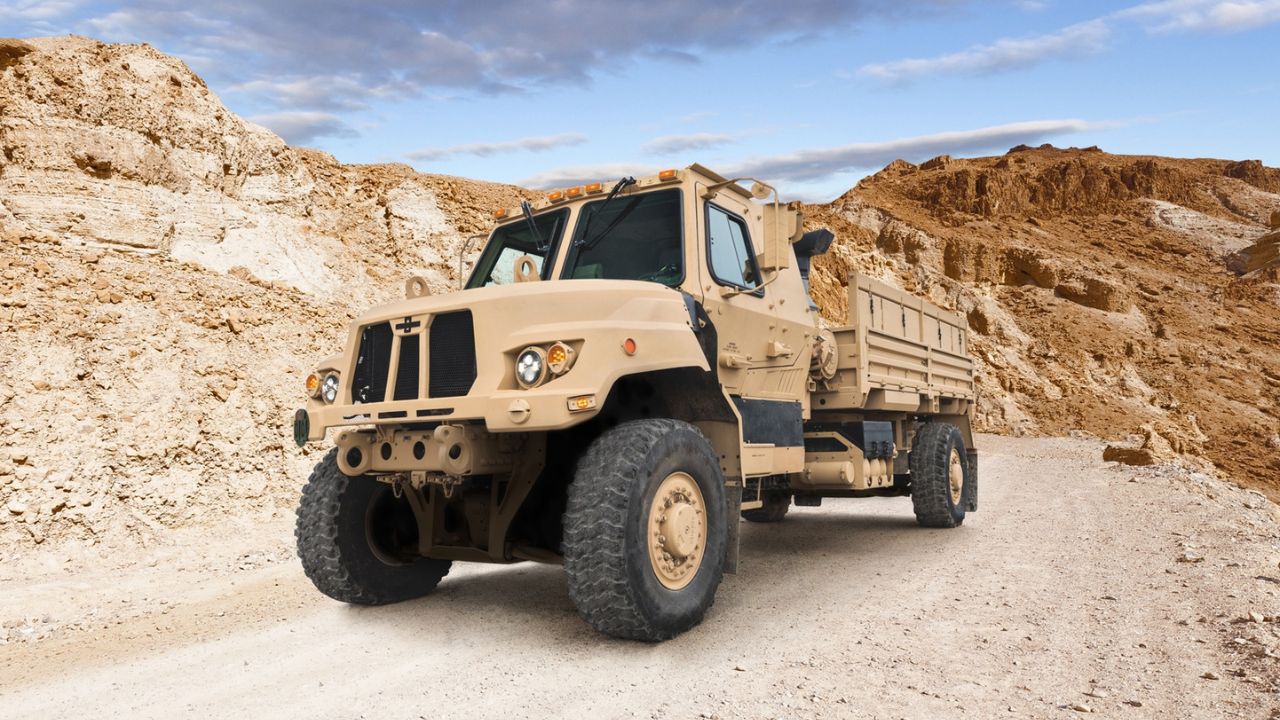
Replacing the aging 2.5- and 5-ton trucks of past wars, the FMTV is the modern workhorse of the U.S. Army. Built for flexibility, it comes in dozens of configurations, from cargo hauler to troop carrier to mobile command post.
It’s designed for quick maintenance, superior mobility, and battlefield survivability. Whether rolling through city streets or charging through rough country, the FMTV does the heavy lifting without slowing down.
Final Drive

Military vehicles aren’t just machines, they’re part of history. Built to face the worst, they often bring out the best: in engineering, in adaptability, and in the soldiers who rely on them. Whether roaring across warzones or quietly keeping logistics alive, each of these machines deserves a salute.
They carried nations. They carried stories. And they kept rolling, no matter what was in their path.