
Cars are expensive, and no one wants to shell out for major repairs, or worse, a replacement, before it’s absolutely necessary. The good news? With the right habits, your vehicle can stay reliable and roadworthy for years beyond the average.
Many drivers unknowingly shorten their car’s life with small oversights or lazy maintenance, but with a bit of care and attention, you can keep your ride running strong. Longevity doesn’t happen by accident; it’s built into your routine.
High Mileage, No Problem

This guide focuses on habits and maintenance practices backed by expert recommendations, manufacturer guidelines, and real-world results from long-term vehicle owners. Each tip was selected for its broad applicability across vehicle types, from older used cars to brand-new models.
The goal isn’t to push costly upgrades or complicated DIY repairs, but to highlight simple actions that prevent wear, reduce stress on key systems, and improve reliability over time. These are habits any driver can implement, with most requiring minimal cost or effort. Whether you’re trying to hit 200,000 miles or just avoid early breakdowns, these strategies are proven to work.
Follow the Manufacturer’s Maintenance Schedule
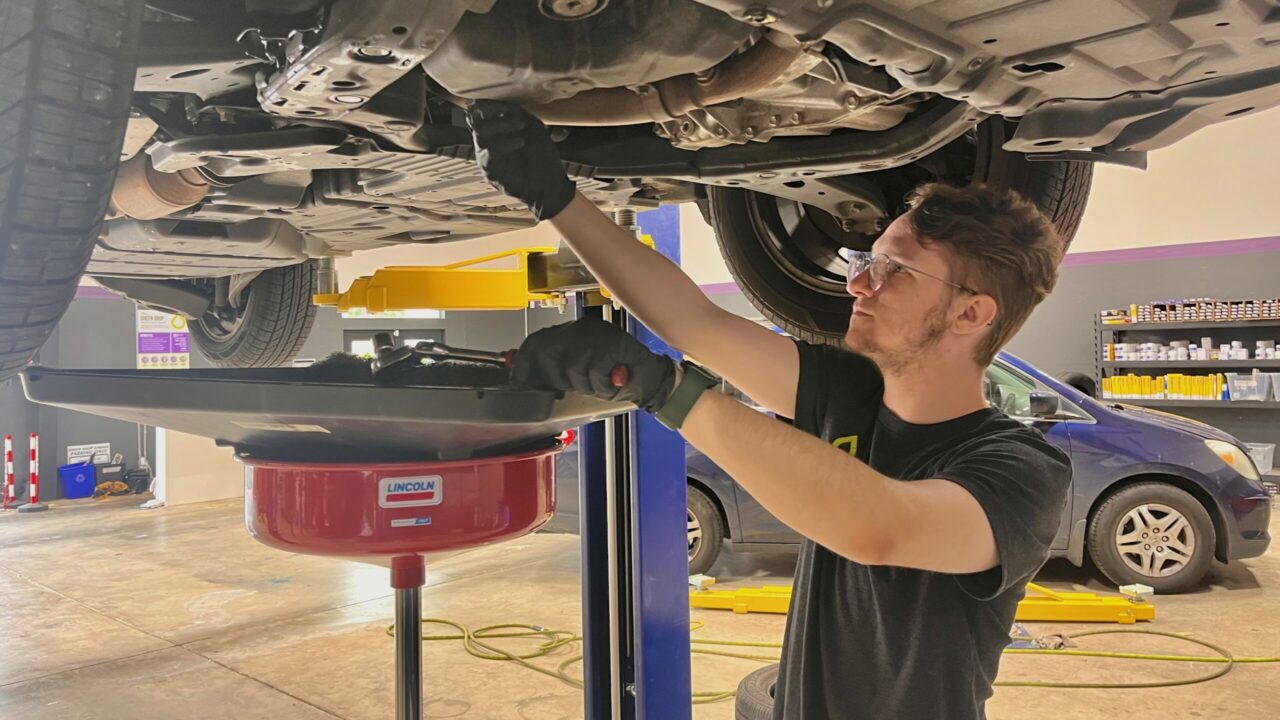
Your owner’s manual isn’t just a glovebox decoration; it’s essentially a blueprint for your car’s long-term health. Oil changes, timing belt replacements, transmission services, and fluid flushes are all scheduled for a reason: they prevent failure before it happens.
As AAMCO points out, ignoring or delaying routine service might not cause problems immediately, but it allows wear and small issues to build up. Every skipped oil change or overdue inspection chips away at your car’s reliability. Stick to the schedule, track your services, and keep receipts. Following the manufacturer’s maintenance plan is the single most effective way to maximize your vehicle’s lifespan.
Use Quality Fluids and Parts

The market is flooded with cheap oil, off-brand filters, and generic replacement parts, but saving a few bucks today can cost you thousands down the line. Your car was engineered with specific materials and performance tolerances in mind.
Using quality oil, OEM (or reputable aftermarket) parts, and proper-grade fluids ensures everything works as intended. As per WarrantyWise, cheap substitutes often wear out faster, perform worse, and can even void warranties. Whether you’re doing it yourself or relying on a shop, always choose components that meet or exceed manufacturer standards. When it comes to your car’s health, quality really does matter.
Warm Up the Engine Before Driving Hard

As pointed out by Quora users, modern engines don’t need a long warm-up to idle in the driveway, but they do need a bit of time before you push them hard. Cold oil is thicker and doesn’t lubricate as effectively, and engine components expand slightly as they warm.
Accelerating aggressively right after startup, especially in cold weather, can cause premature wear to pistons, valves, and bearings. Give the engine a few minutes of gentle driving before putting your foot down. Letting the car warm up naturally on the road balances efficiency and mechanical sympathy. A patient start goes a long way in preserving engine life.
Drive Smoothly and Avoid Aggressive Habits

There’s no denying that fast starts, hard stops, and constant high-speed driving are fun, but it also puts extra stress on your engine, brakes, suspension, and transmission. According to I-86 Truck Repair & Auto Service, very hard acceleration or panic stops contribute to faster wear and higher repair costs.
Driving smoothly doesn’t mean driving slowly; it means anticipating traffic, maintaining momentum, and treating your vehicle like you plan to keep it. Over time, calm driving habits reduce the load on mechanical systems and keep things running efficiently. You’ll also get better gas mileage and reduce your risk of accidents. Smooth equals smart when it comes to long-term vehicle care.
Wash and Wax Regularly

Dirt, grime, road salt, and bird droppings don’t just look bad; they also eat away at your car’s paint, metal, and trim. Left unchecked, they cause rust, clear coat damage, and corrosion in hidden areas. Washing your vehicle regularly, especially in winter or after long trips, removes harmful contaminants.
According to Take 5, adding a coat of wax every few months creates a protective barrier against UV rays and moisture. Don’t forget the undercarriage and wheel wells. Taking care of your car’s exterior is more than cosmetic; it preserves resale value and prevents rust from spreading into structural components. Clean cars live longer.
Fix Small Issues Before They Get Worse
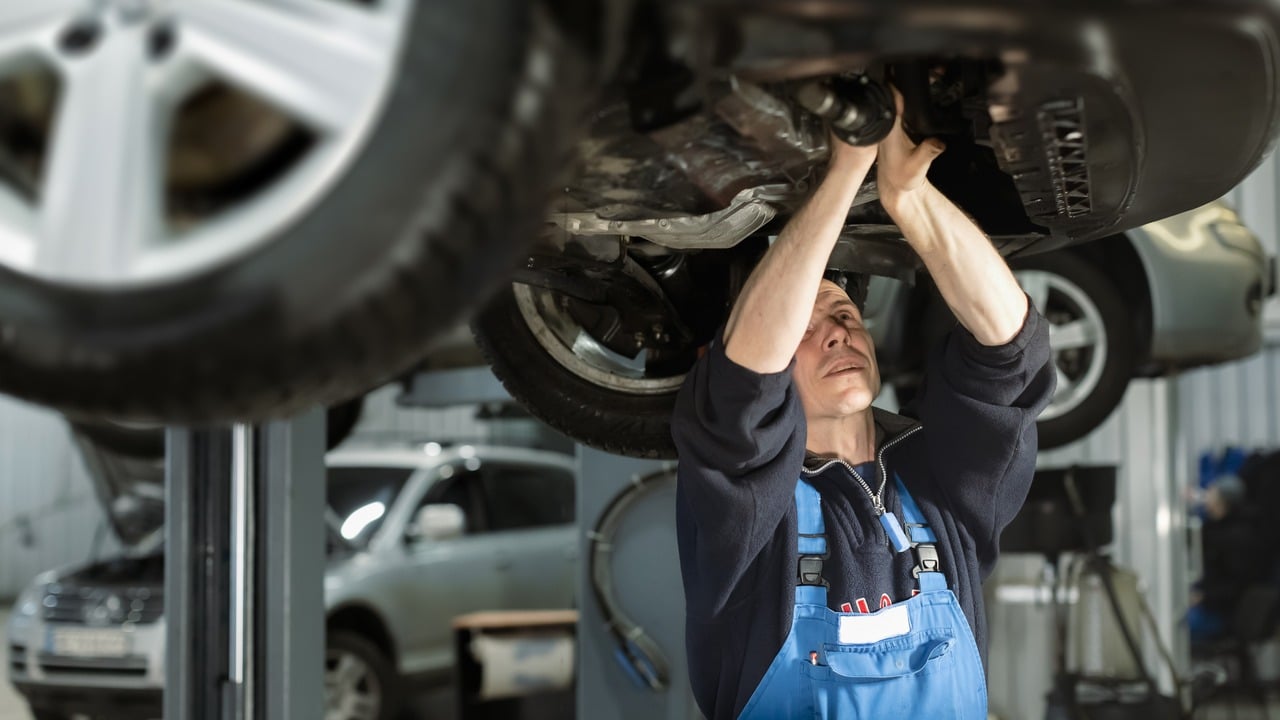
That strange noise, minor leak, or flickering warning light might not seem urgent, but ignoring small problems can turn them into major repairs. A tiny coolant drip can become a blown head gasket. A worn bushing might damage your suspension. Catching and addressing issues early prevents cascading failures and keeps repair costs down.
Regularly inspect your car or have it looked over during oil changes. If something feels off, don’t wait for it to get worse. Vehicles rarely fix themselves, and early action almost always saves money and extends the life of critical components.
Park in the Shade or Use a Car Cover
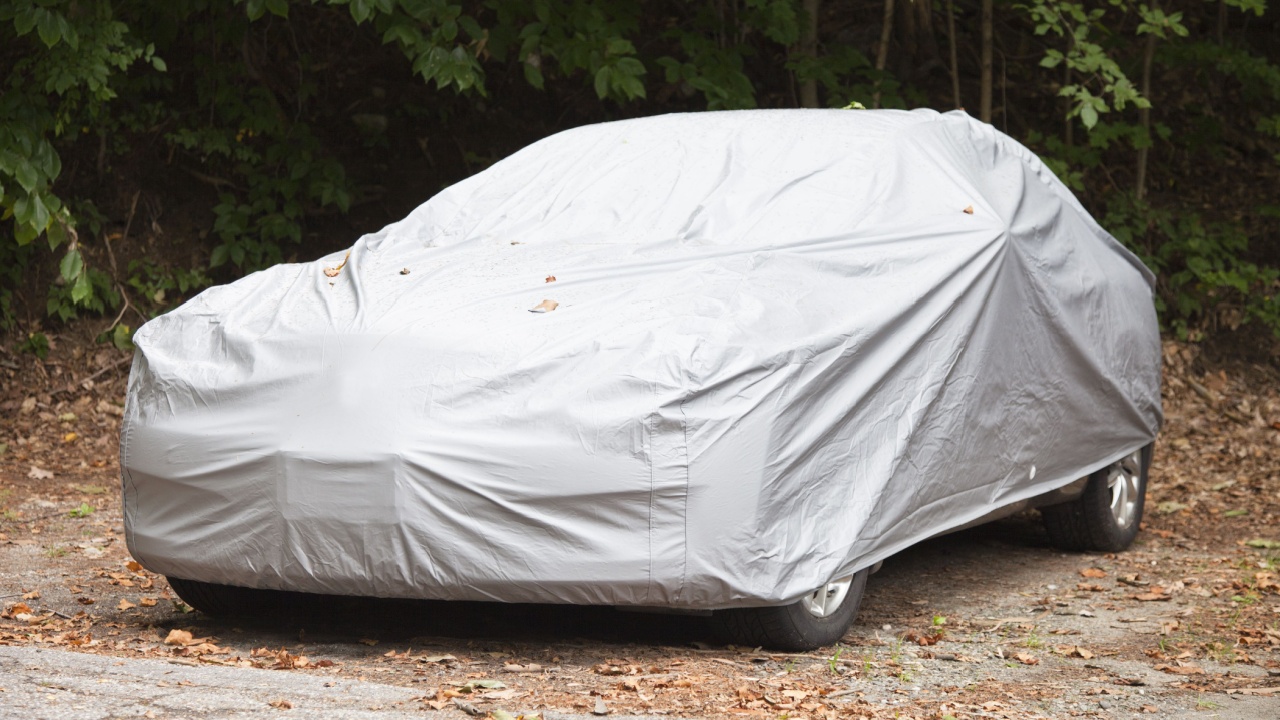
It’s a well-established fact that sunlight can be damaging to humans, but even your car will suffer from it over time. According to Quora users, it can ruin your vehicle’s paint, interior, and plastic trim. UV rays cause fading, drying, and cracking, especially on dashboards and seats.
Parking in a garage or under shade helps protect your investment. If that’s not an option, consider using a quality car cover, especially if the car sits for extended periods. Not only does this keep your paint and interior looking fresh, but it also reduces heat buildup inside the cabin, which can damage electronics and materials. Protecting your car from the elements is an easy win for long-term longevity.
Avoid Short Trips Whenever Possible

Engines are designed to run at operating temperature. As BookMyGarage points out, short trips where the engine doesn’t fully warm up promote moisture buildup, carbon deposits, and increased wear. Cold starts also strain the battery and use more fuel. If you’re only driving a mile or two at a time, consider combining errands or walking when possible.
Alternatively, take a longer route occasionally to give your vehicle a proper run. This helps the oil circulate fully, burns off condensation, and keeps emissions systems working as intended. Long-term, minimizing frequent short trips can noticeably extend engine and exhaust system life.
Monitor Fluid Levels Between Services

Even if you stick to scheduled maintenance, you shouldn’t ignore your car’s vital fluids in between. Engine oil, coolant, brake fluid, transmission fluid, and power steering fluid all play critical roles, and levels can drop without warning.
Allstate recommends regularly checking these fluids to ensure you spot leaks early and prevent major damage. Most can be checked in minutes with minimal tools. If you notice fluid color changes, unusual smells, or consistent drops in level, that’s a sign of trouble. Staying proactive with fluid checks is a simple habit that catches problems before they become emergencies.
Keep Your Suspension in Good Shape

Your suspension doesn’t just smooth out the ride, it also protects your frame, tires, and steering components from damage. Worn shocks, bushings, or ball joints can cause uneven tire wear, poor handling, and even safety hazards.
Over time, neglecting suspension maintenance can affect everything from alignment to braking performance. Get your suspension inspected during routine tire rotations or if you notice clunks, vibrations, or a “floaty” ride. Replacing worn parts isn’t just about comfort, as it helps keep the entire car in balance. A healthy suspension lets your vehicle age gracefully and safely.
Don’t Ignore Dashboard Warning Lights
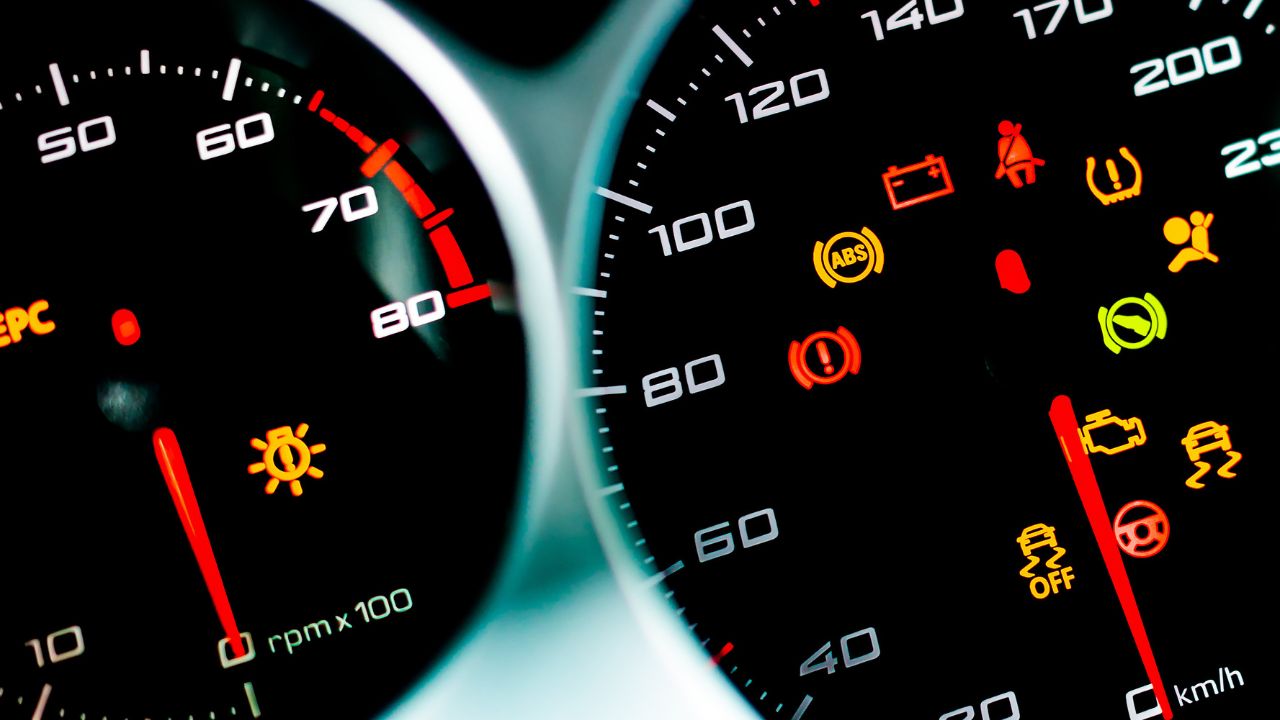
Warning lights exist for a reason, even if they’re not always urgent. That check engine light might mean a loose gas cap, a faulty sensor, or it can be a failing catalytic converter. Ignoring these alerts can lead to bigger, more expensive problems down the road.
Modern cars monitor dozens of systems, and catching an issue early via the dashboard can save you thousands. Get a basic OBD-II scanner or swing by an auto parts store for a free code readout. Either way, don’t pretend the light isn’t there. Paying attention to warning lights helps you stay ahead of breakdowns and repairs.
Store It Properly If Not Driven Often

If you’re letting your car sit for weeks or months, proper storage can make or break its future reliability. Start by filling the gas tank and adding a fuel stabilizer to prevent varnish buildup. Disconnect or trickle-charge the battery to avoid draining it. Inflate the tires to prevent flat spots, and consider using jack stands or tire cradles. Cover the car with a breathable cover and avoid parking under trees.
Storage mistakes like leaving the parking brake engaged or letting fluids sit too long can cause damage. A little prep ensures your vehicle stays healthy while it rests.
Age Is Not An Issue

There’s no magic formula to make a car last forever, but there is a smart, consistent way to extend its life. Most long-lasting vehicles aren’t kept alive by luck; they’re maintained by owners who pay attention, follow best practices, and stay ahead of problems.
From keeping up with basic maintenance to adjusting driving habits, every small action adds up over time. Whether you’re trying to reach 200,000 miles or just get the most value out of your car, these habits make a measurable difference. Take care of your car, and it’ll take care of you!