Not every car with a 12-cylinder engine came with exotic styling or scissor doors. Some had wood-trimmed dashboards, chrome accents, and understated badges that kept their power well hidden. In fact, some were so subtle that even experienced car lovers might miss what’s under the hood.
We’re here to shine a light on the secret 12-cylinder club. This includes both traditional V12s (with two banks of six cylinders) and W12s (four banks of three cylinders, like VW’s unique layout). We’ve also sprinkled in a few verified prototypes and documented oddities, because why not stir the pot?
So, before you send that “It wasn’t sold here!” email, that’s why it made the cut.
Why These Cars Are on the List
This list came together after digging through some of the most interesting corners of the car world, the places where V12 engines show up when you least expect them.
What makes a car worthy of this list? It had to be something rare, surprising, or just plain cool. Some were production models that didn’t make a big splash at the time. Others were limited runs or one-off prototypes that only the most dedicated enthusiasts remember. A few weren’t sold in the U.S., but they were too interesting to leave out.
Every car here was chosen because it tells a story. It might have slipped under the radar when it was new, but looking back, it deserves a second glance, and maybe even a little more appreciation than it got the first time around.
Jaguar XJ12 (1972–1992)
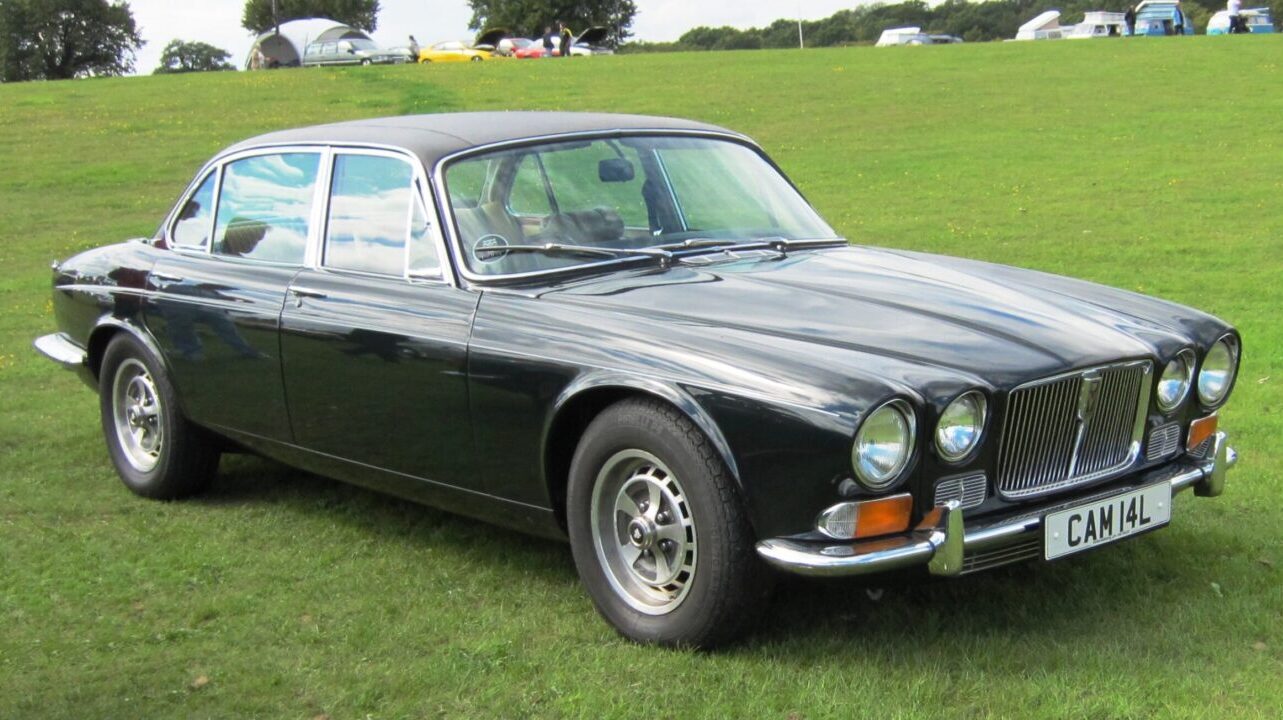
When people think of Jaguar, they often picture elegant six-cylinder saloons gliding through the British countryside. But for two decades, Jaguar quietly offered something much more ambitious: a V12-powered version of its XJ sedan.
The XJ12 debuted in 1972 and was widely billed as the fastest four seat sedan in the world, with a top speed around 140 mph. That was no small feat in an era when most automakers were still perfecting basic fuel injection. The engine was a smooth 5.3-liter V12, and while it earned a reputation for being fussy and high-maintenance, it delivered grace and power in equal measure.
These cars weren’t flashy, but they helped establish the idea that performance could live in a luxury shell. Today, the XJ12 is often overlooked, but it paved the way for the high-speed executive sedans that followed.
Toyota Century (1997–2017)

Outside of Japan, the Toyota Century is virtually unknown. Inside Japan, it is a symbol of quiet authority, reserved for prime ministers, diplomats, and heads of major corporations. For decades, the Century was powered by a traditional V8, but in 1997, Toyota unveiled a second-generation model with its first and only V12 engine.
The 5.0-liter 1GZ-FE was built for silence, not speed. Engineers tuned every detail for smoothness and refinement, even designing the engine mounts to cancel vibration. Each car was hand-built and tailored for comfort. The Century was not exported, which is why many drivers in the U.S. have never seen one.
That makes it one of the most intriguing V12-powered cars ever made, not because it chased performance, but because it chased perfection in silence.
Volkswagen Touareg W12 Sport (Limited Run)
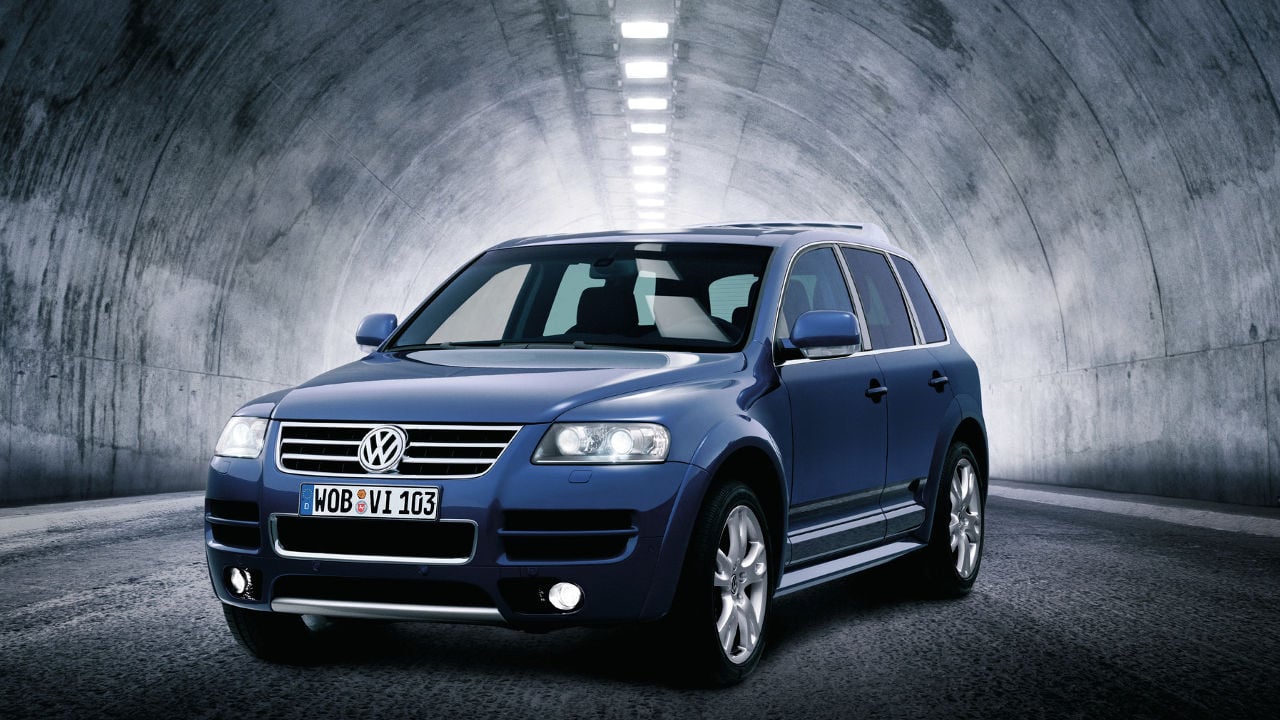
Volkswagen has never been shy about experimenting, but the Touareg W12 might be its boldest move. At first glance, the Touareg looked like any other midsize SUV. Under the hood of the W12 Sport model, though, was Volkswagen’s own 6.0 liter W12 from the wider VW Group parts bin, an engine family also used in Bentley models.
This W12 engine was rated at 450 hp and gave the SUV the acceleration of a sports car. It could go from zero to sixty in under six seconds, which was an impressive number for a vehicle of that size and shape. The W12 Touareg was sold in Europe and a few other select markets, but it never made it to the United States. That limited run has made it a collector’s curiosity.
The idea of a luxury VW SUV with a twelve-cylinder engine seems wild today, but it actually happened, and it worked better than many expected.
BMW 750iL (1987–1994)
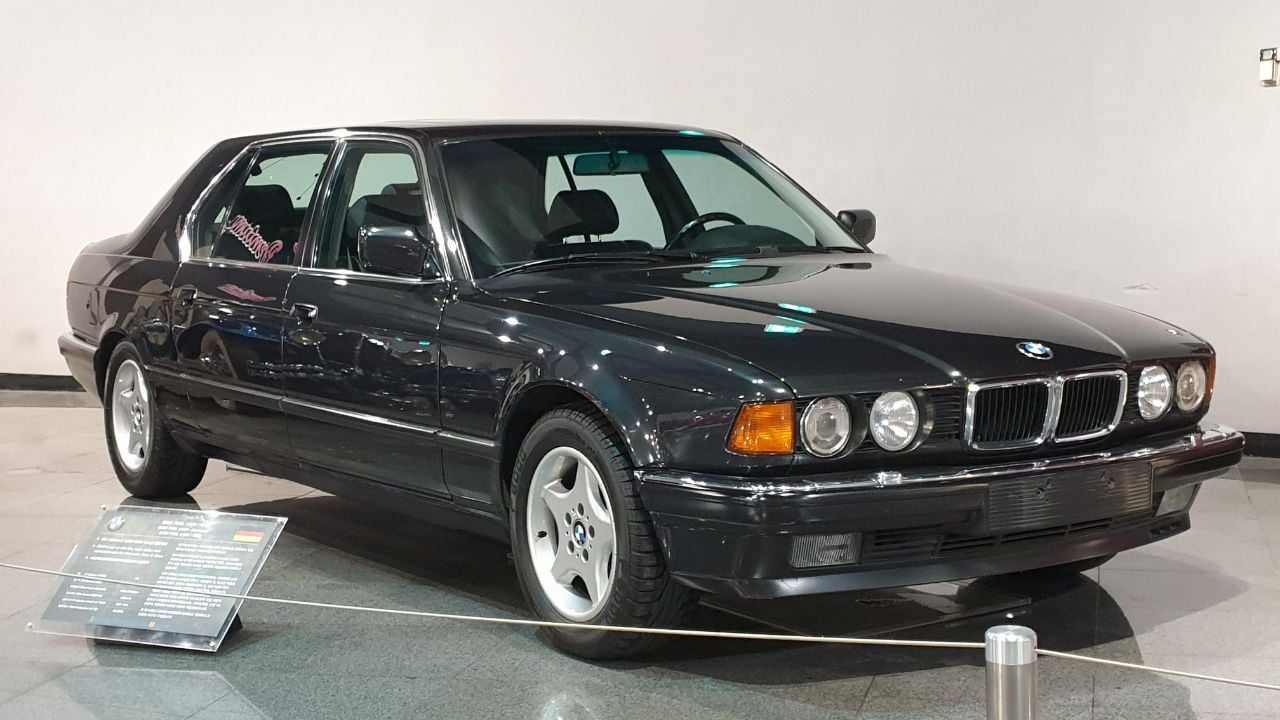
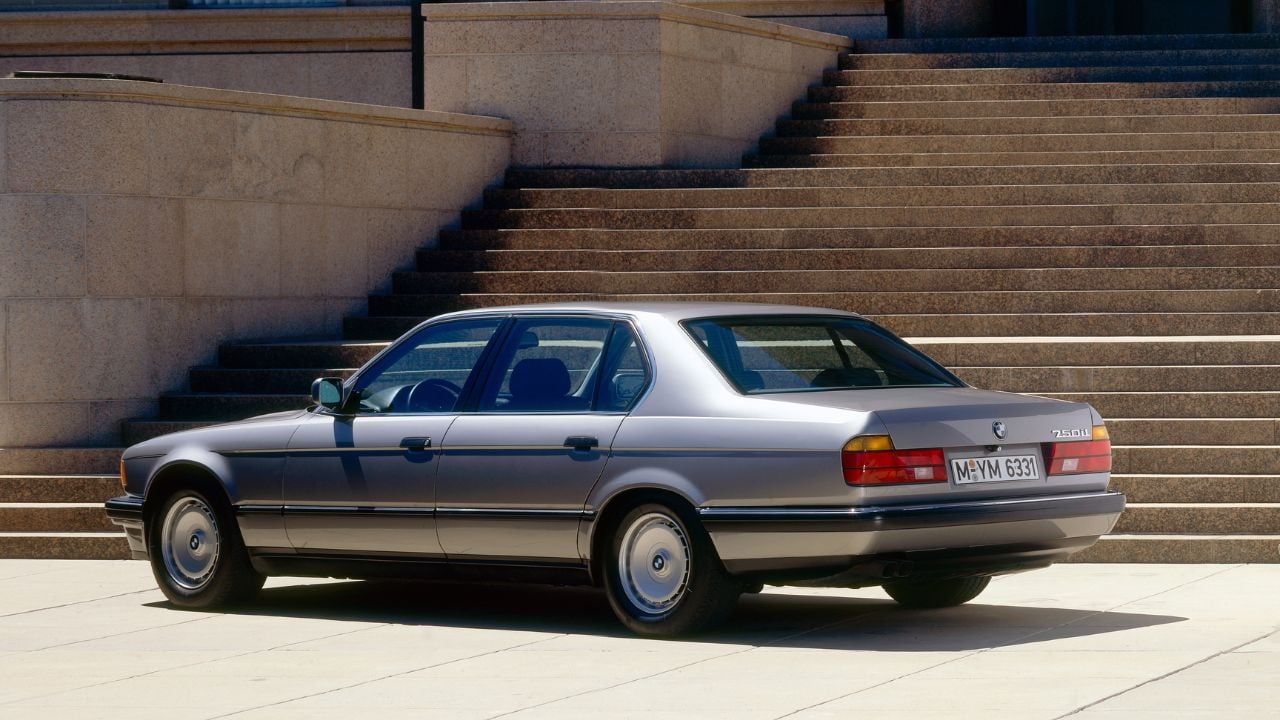
BMW’s E32 generation 7 Series brought the company into a new era of engineering, and the 750iL was the crown jewel of that effort. This was the first modern BMW with a V12, and it represented a leap forward in refinement, technology, and quiet confidence.
The 5.0-liter M70 engine featured drive-by-wire throttle and dual engine control units, both cutting-edge at the time. The car itself was built like a bank vault and offered features such as self-leveling suspension and integrated telephone systems. The 750iL was not a performance car in the traditional sense, but it delivered an effortless driving experience that made long-distance travel feel easy.
BMW created it to show the world it could match or exceed anything Mercedes or Jaguar had to offer, and it did.
Audi A8 W12 (2001–2010)
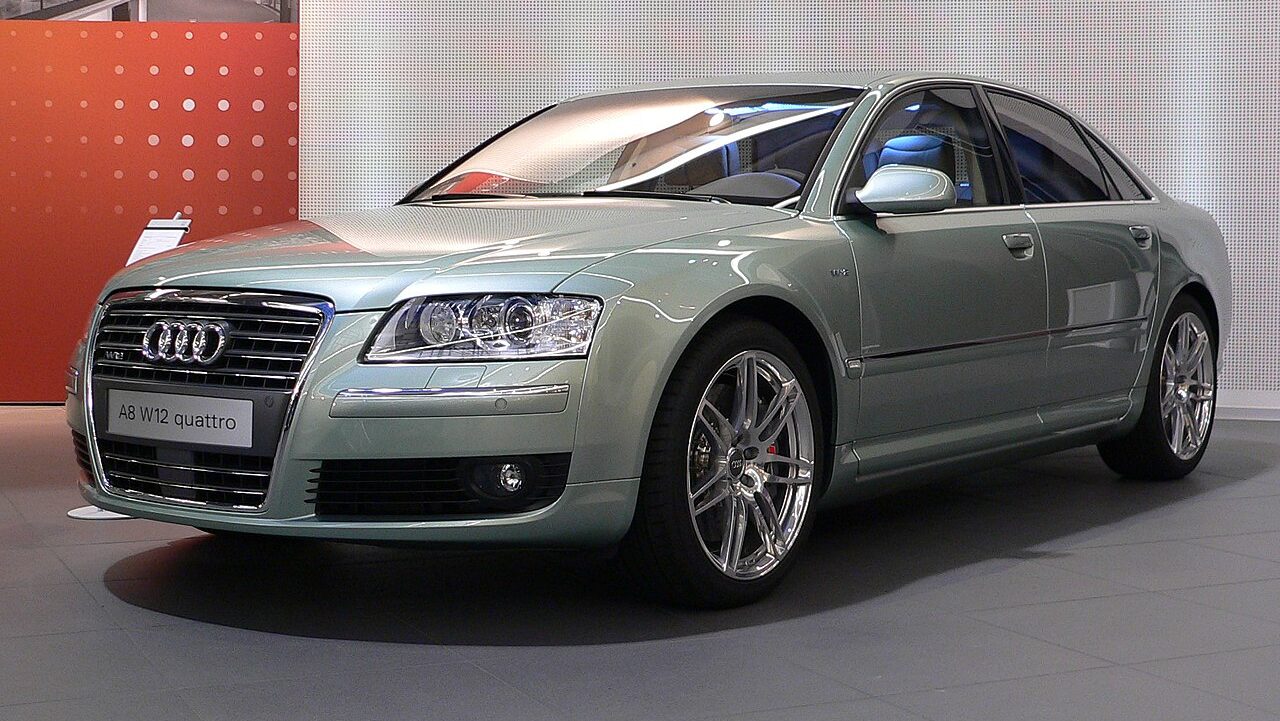
The Audi A8 has always played the role of the understated luxury sedan, and the W12 version followed that philosophy to the letter. With almost no visual difference from the V8 model, the W12 A8 flew under the radar while offering serious capability. Its VW Group 6.0 liter W12 produced 414 hp in the early A8 L W12 and 444 hp in the later A8 W12, giving the big sedan high speed confidence on the Autobahn.
Combined with Audi’s Quattro all-wheel drive and aluminum space frame construction, the A8 W12 delivered smooth handling and planted traction in all conditions. Few buyers even knew this variant existed, and fewer still purchased it. That lack of awareness is exactly what makes it special today. For those who knew what they were looking at, it was one of the most refined, powerful, and discreet cars of its time.
Mercedes-Benz SL73 AMG (1998–2001)
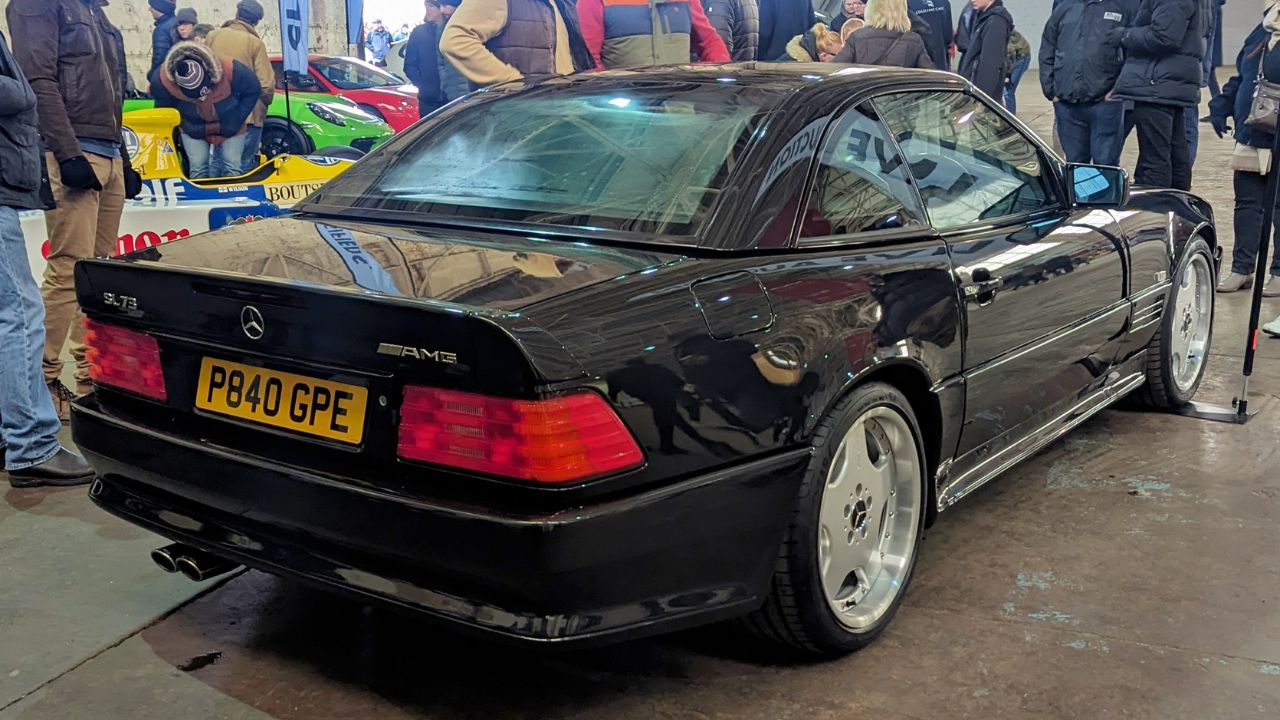
Mercedes has built some legendary V12s, but the SL73 AMG remains one of the rarest and most fascinating. Only about 85 units were made, and they were mostly sold in Europe. This roadster used a 7.3-liter version of the M120 V12 engine, which produced an astonishing amount of torque and smooth, endless acceleration.
The same basic engine would later go on to power the Pagani Zonda, one of the most iconic supercars of the early 2000s. The SL73 looked almost identical to more common SL models of the time, so it rarely attracted attention. But it was hiding immense performance potential under its understated skin.
Today, it is one of the most collectible AMG models ever built, precisely because so few people knew it existed.
Mercedes-Benz S600 (1991–1999)

The W140 generation of the S-Class is remembered for its over-the-top engineering and size, but the S600 took it to another level. It came equipped with a 6.0-liter V12 engine that was engineered with the kind of precision typically reserved for Swiss watches.
The car featured double-pane glass, self-closing doors, and electronic systems that were years ahead of their time.The engine was rated around 389 hp (394 PS in some markets) and gave the car effortless performance on the highway. For many, the S600 was the ultimate expression of luxury, and it laid the groundwork for a generation of V12-powered Mercedes vehicles that would follow.
Ferrari 456GT Venice Wagon (Special Commission)
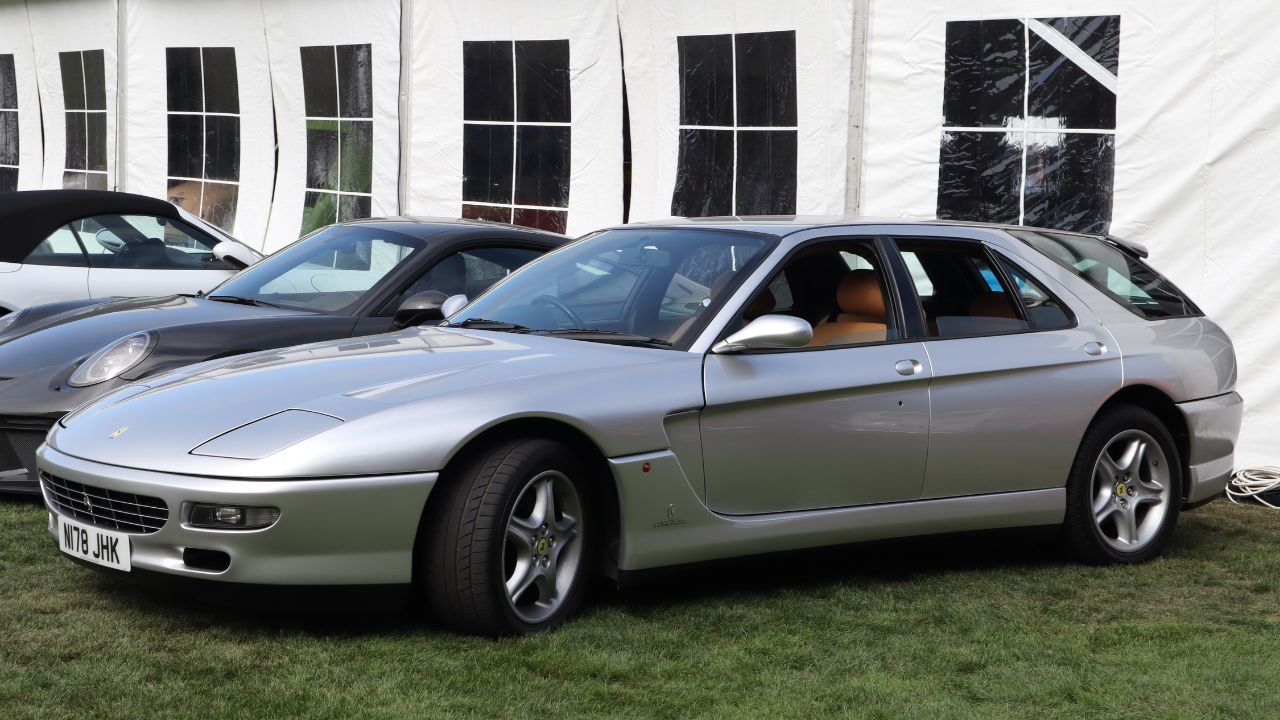
Ferrari has never been known for building wagons, but for Prince Jefri Bolkiah of Brunei, they made an exception. In the mid-1990s, he commissioned a series of seven custom-built Ferrari 456 GT Venice wagons built by Pininfarina. Designed by Pininfarina, these long-roof Ferraris were roadworthy and beautifully finished, with no shortcuts taken in quality or performance.
The 5.5-liter V12 remained unchanged, delivering the same grand touring power as the coupe. These cars were never offered for public sale and remain among the rarest and most unusual Ferraris ever built. They prove that even the most tradition-bound automakers are willing to stretch the rulebook for the right customer.
BMW 850CSi (1992–1996)

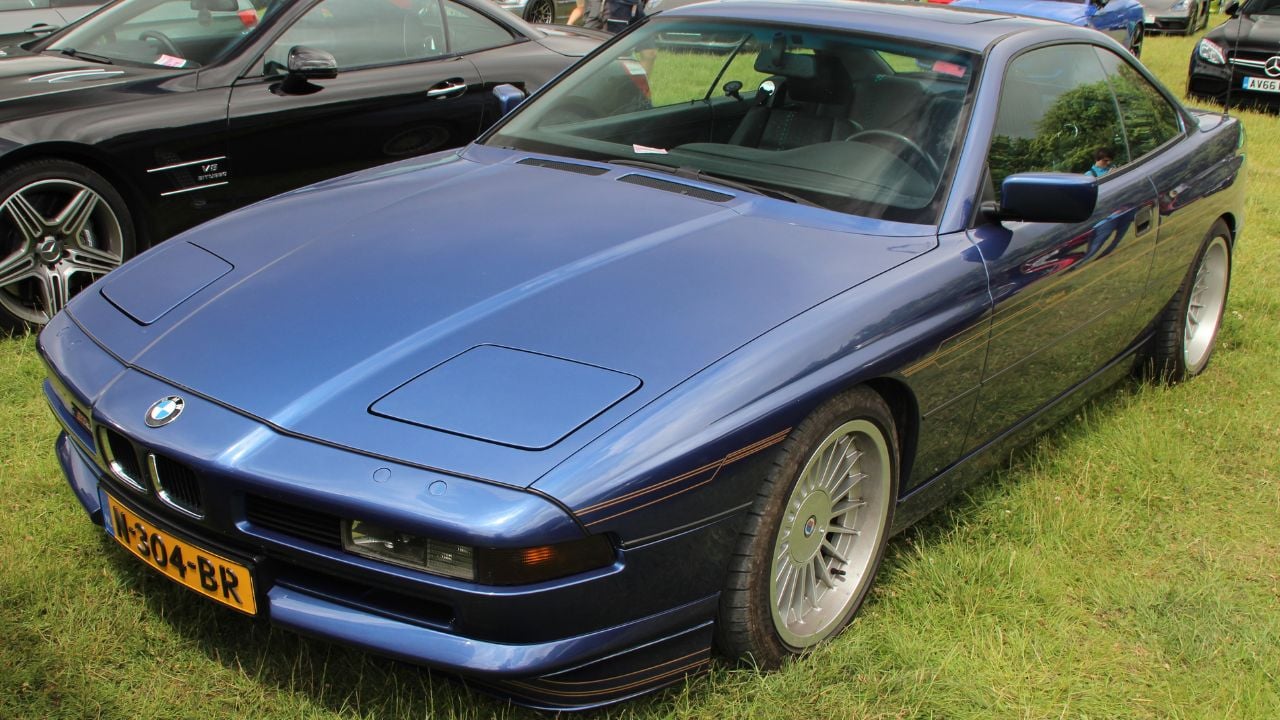
The 850CSi was more than just another version of BMW’s elegant 8 Series. It featured a hand-built, 5.6-liter V12 engine developed by BMW Motorsport, with input from the same engineers who helped design the McLaren F1’s powerplant. While it was never officially badged as an M car, it came close.
It had a unique suspension, four-wheel steering, and other performance upgrades that made it stand out. The 850CSi offered grand touring comfort with serious performance credentials. Today, it is seen as a true collector’s car and a highlight of BMW’s engineering efforts during the 1990s.
Volkswagen Phaeton W12 (2002–2011, US 2004–2006)

The Phaeton W12 was Volkswagen’s ambitious attempt to break into the ultra-luxury segment. It was designed to compete with the likes of Mercedes-Benz and BMW, but with none of the brand prestige. Beneath its conservative styling, the W12 model offered an impressive level of craftsmanship and engineering.
The 6.0-liter engine, shared with Bentley, delivered smooth and quiet power, while the interior was filled with high-end materials and thoughtful touches. Despite being sold in the United States, the Phaeton never found its footing in the market. That under-the-radar status now makes it a compelling option for enthusiasts who value comfort, capability, and rarity.
Mercedes-Benz CL600 (1999–2006)
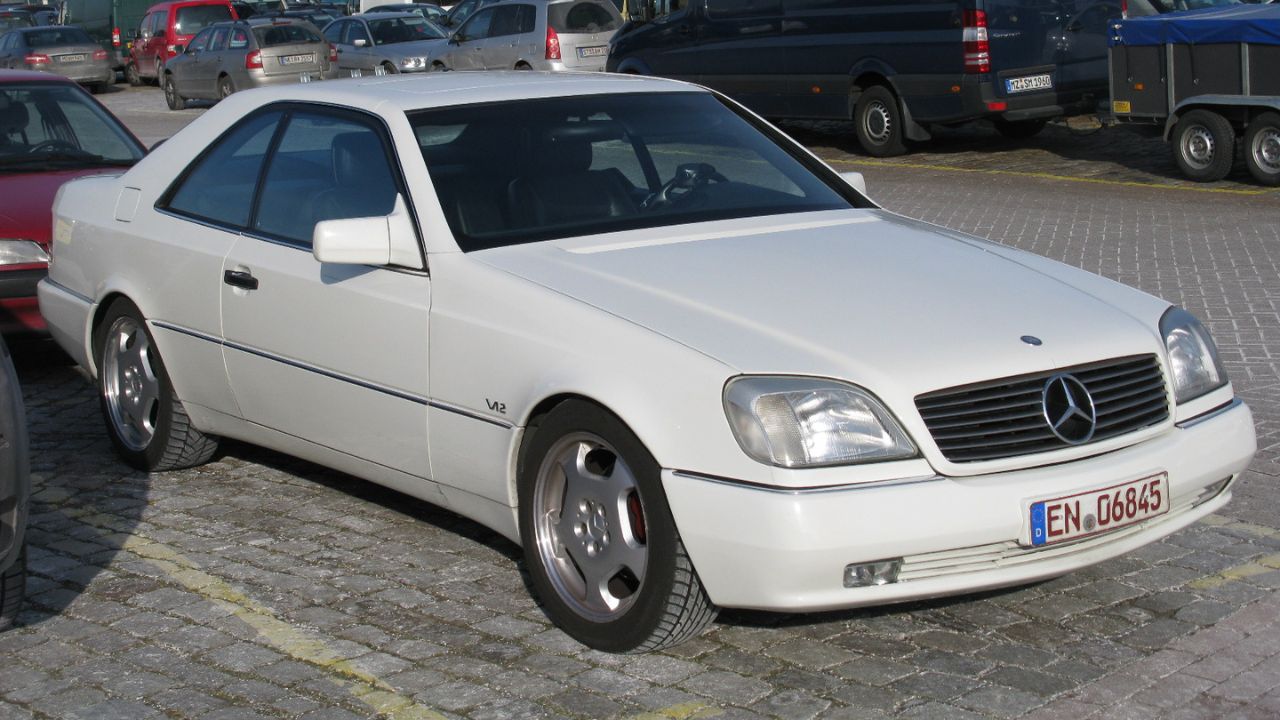
The CL600 delivered the style of a grand touring coupe with V12 power under the hood. Early cars used a naturally aspirated 5.8 liter V12 rated at 362 hp, and later models switched to a twin turbo 5.5 liter V12 rated at 493 hp, while offering one of the most comfortable and stable high speed driving experiences in its class.
Packed with advanced technology for the time, including Active Body Control suspension, the CL600 remained quiet about its performance potential. It did not wear bold badges or dramatic trim, but that was part of its charm. It was a refined powerhouse built for those who appreciated substance over flash.
Maybach 57 and 62 (2002–2013)

Maybach’s return under the Mercedes-Benz umbrella brought two of the most opulent sedans the early 2000s had to offer. The 57 and 62 were built for comfort at the highest level, complete with reclining rear seats, built-in refrigerators, and a choice of twin-turbocharged V12 engines. The 6.0-liter version delivered well over 600 pound-feet of torque, moving these massive cars with surprising ease.
They were built in small numbers and aimed at the world’s wealthiest buyers. Today, they offer an interesting glimpse into a period when luxury had few limits.
Alpina B12 (Various Years)
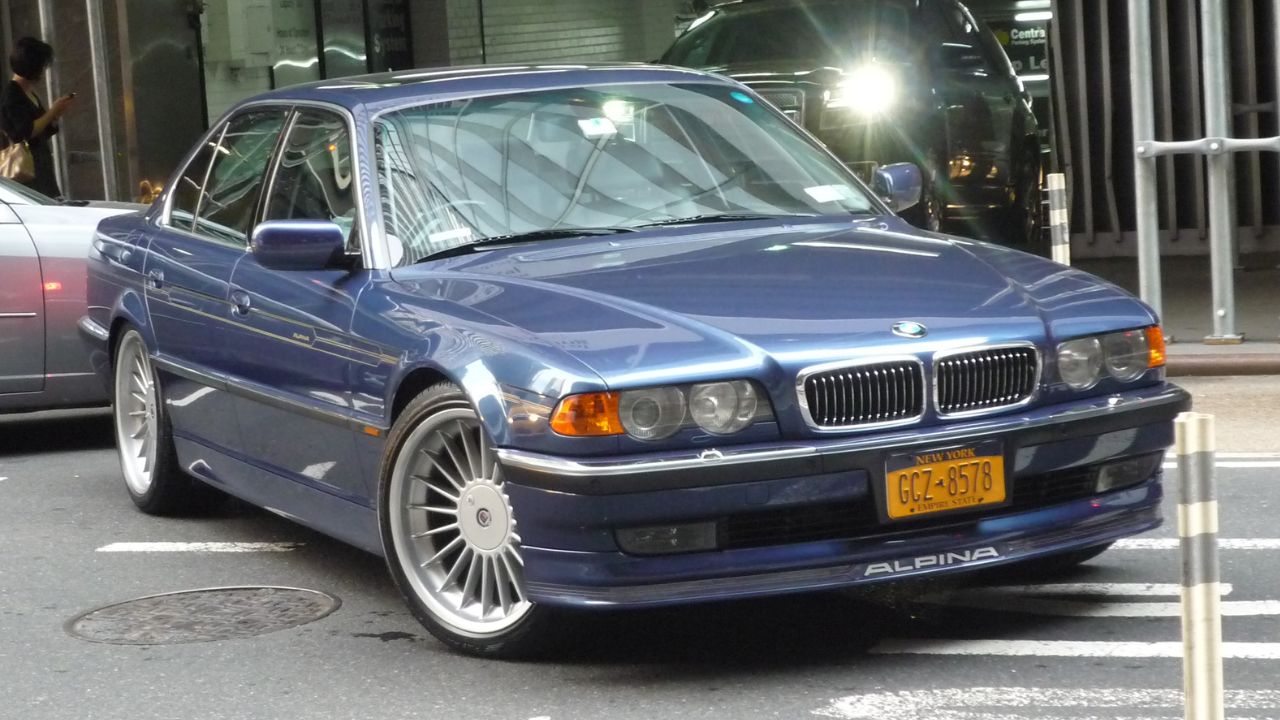
Alpina has long specialized in enhancing BMWs, and the B12 series represented its top-tier V12 offerings. These cars were hand-finished with signature Alpina styling, additional power, and improved ride quality.
Available in both 7 Series and 8 Series variants, the B12 blended high-speed stability with executive comfort. Built in very limited numbers, the Alpina B12 models are now considered rare treasures for collectors who appreciate precision, exclusivity, and a slightly more understated take on performance luxury.
What These Cars Remind Us Of

Not every V12-powered car came with the kind of attention-grabbing design that screams for the spotlight. Many were quiet champions of engineering, elegance, and long-distance capability. Some were built in secret, others in small batches, and a few were created for buyers so private that most of us never knew they existed.
These cars are a reminder that performance can be subtle and that innovation doesn’t always wear a flashy badge. In many ways, they represent the best of old-school luxury and craftsmanship, when automakers were willing to go all-in on making something special, just because they could.