Every Memorial Day, we pause to remember the brave men and women who made the ultimate sacrifice for our country. Their courage, service, and legacy echo through history — and so do the machines that carried them into battle.
While no vehicle can match the bravery of those who served, many became unforgettable symbols of American grit, innovation, and resilience. From the beaches of Normandy to the skies over Iraq and Afghanistan, these machines helped shape the course of history.
Today, we pay tribute to the most iconic U.S. military vehicles: machines that didn’t just move troops, but helped define generations.
Willys MB Jeep: The Original 4×4 Legend

Simple. Tough. Incredibly versatile. The Willys MB Jeep is perhaps the most recognizable military vehicle ever made. Nicknamed “the GI’s best friend,” it served in every theater of World War II. Whether hauling wounded soldiers, towing artillery, or serving as a makeshift ambulance, this 1/4-ton utility vehicle proved that big things can come in small packages.
Its legacy? The birth of the modern SUV and a permanent place in military and automotive history.
M4 Sherman Tank: Backbone of the WWII Ground War

Though it was often outgunned by German armor, the M4 Sherman more than made up for it with reliability, ease of production, and strength in numbers. It was the workhorse of the Allied ground forces in World War II, and it rolled through Europe, North Africa, and the Pacific with courage and steel.
For many, the sight of a Sherman meant reinforcements, hope, and momentum.
Higgins Boat (LCVP): The Vessel That Won the War
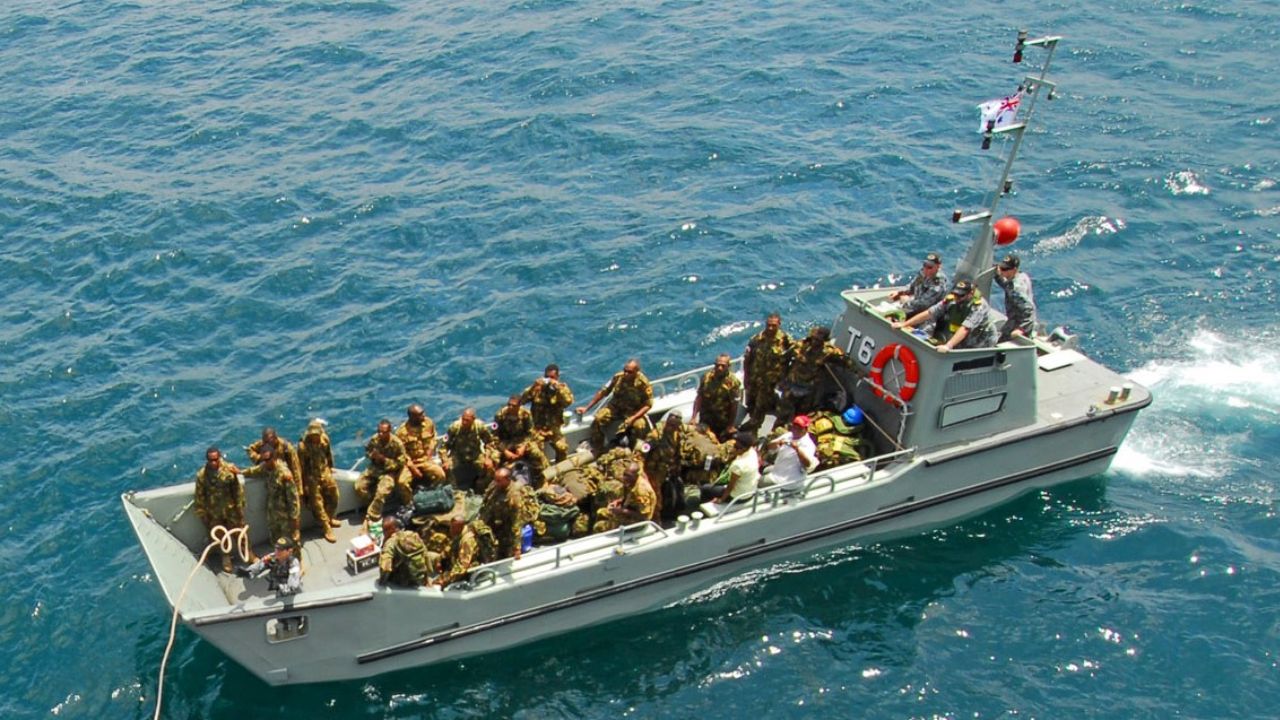
Dwight D. Eisenhower credited the Higgins Boat with winning World War II. These flat-bottomed landing craft carried soldiers from ship to shore during the D-Day invasion and other amphibious assaults. Without them, the liberation of Europe may have looked very different.
They were unglamorous but essential: floating proof that logistics win wars.
Bell UH-1 “Huey”: The Sound of Vietnam
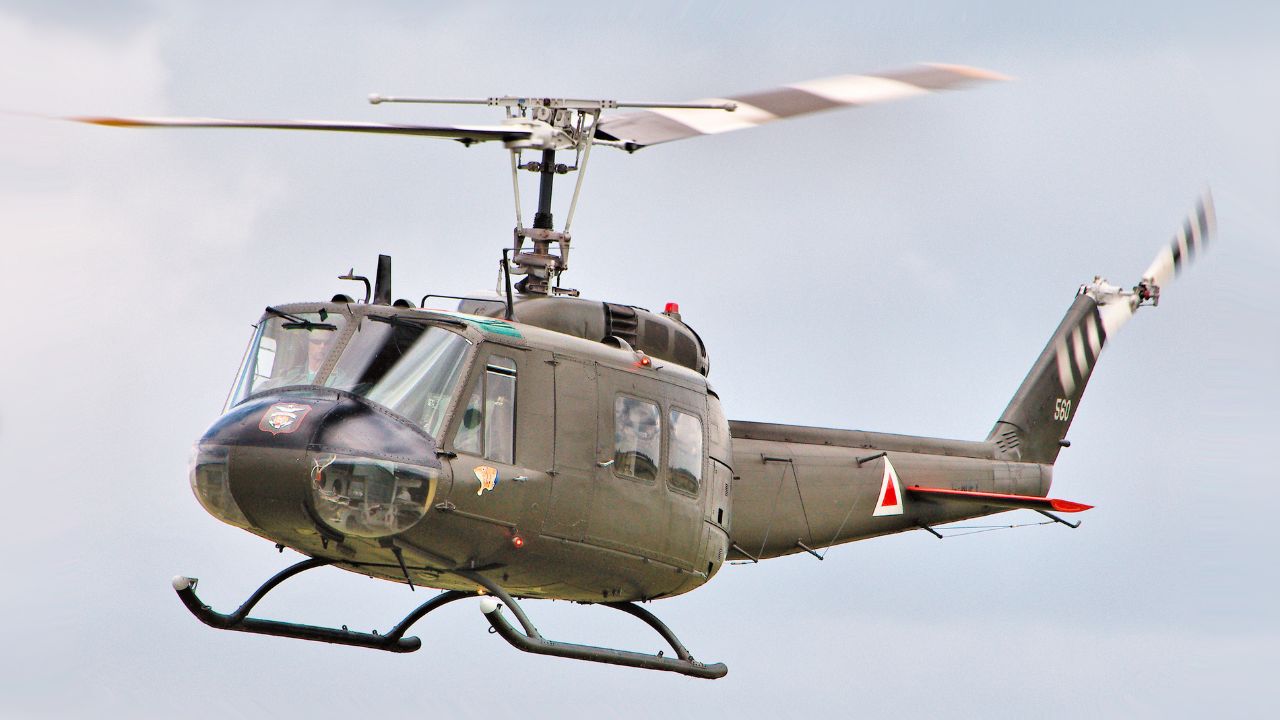
The Huey wasn’t just a helicopter — it was the soundtrack of the Vietnam War. With its iconic “whomp-whomp” rotor sound, it became synonymous with medevac rescues, troop insertions, and the rapid mobility that modern warfare demanded.
To this day, many veterans say the Huey was the last thing they heard before making it home.
Humvee: The Modern Military Workhorse
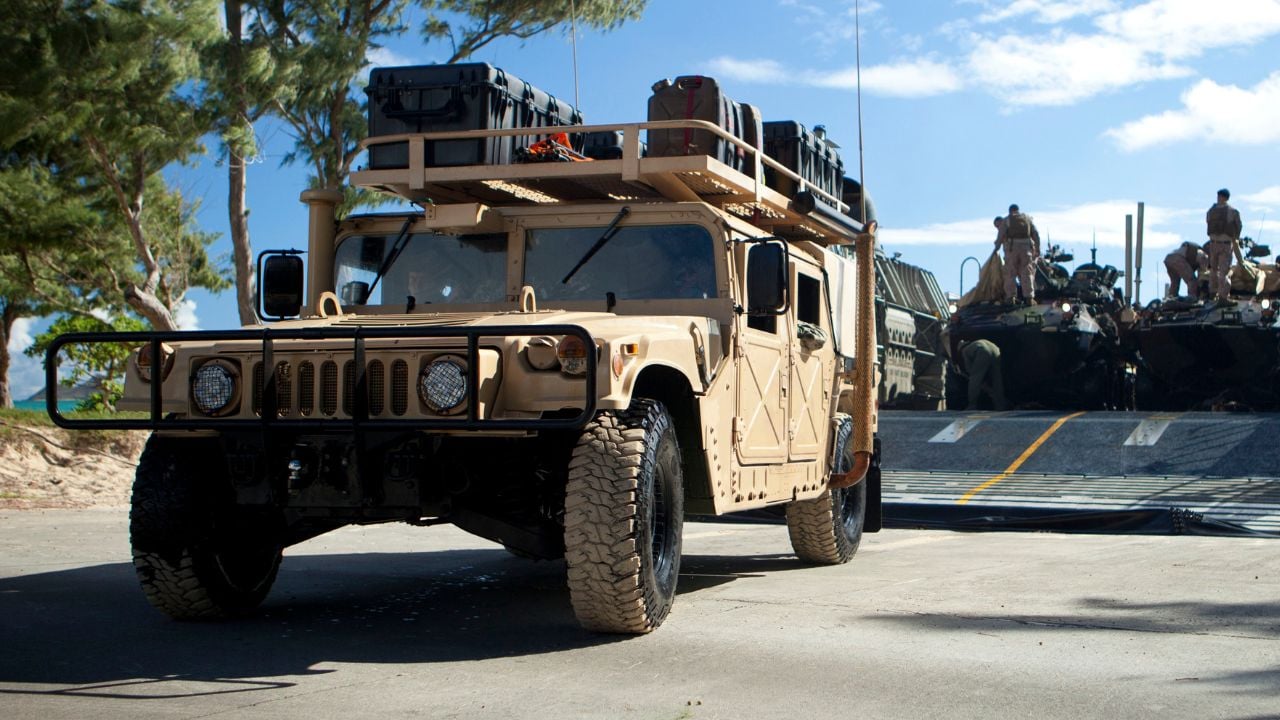
From the sands of Desert Storm to the mountains of Afghanistan, the Humvee (High Mobility Multipurpose Wheeled Vehicle) replaced the Jeep and became a symbol of American presence abroad. With its broad stance, high ground clearance, and armored variants, the Humvee could do it all: troop transport, ambulance, weapons carrier, and more.
Its civilian cousin, the Hummer H1, became a pop-culture icon, but the original was all business.
HEMTT: The Heavy Hauler of Modern Warfare
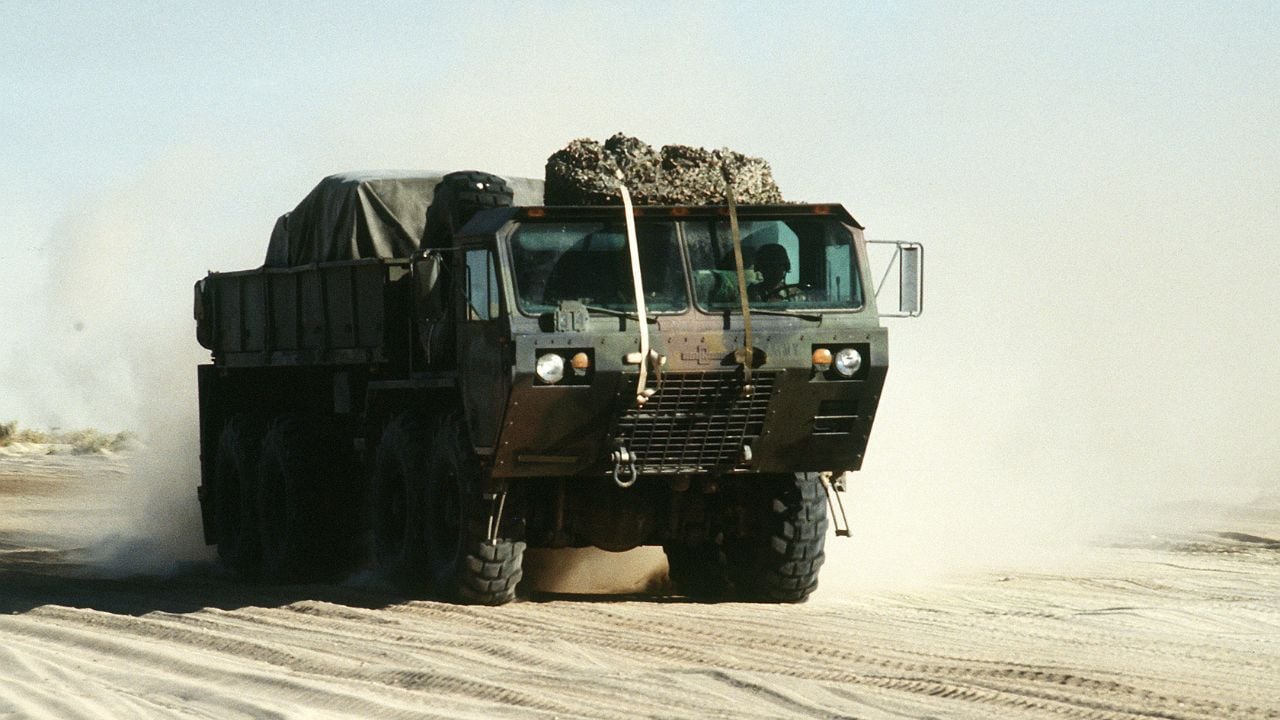
The HEMTT (Heavy Expanded Mobility Tactical Truck) is the backbone of modern U.S. Army logistics. With eight massive wheels and enough power to haul over 10 tons of supplies, this behemoth keeps combat operations moving by delivering fuel, ammunition, and equipment wherever it’s needed — even in the most rugged environments.
It doesn’t get the spotlight, but without it, nothing else moves.
F-4 Phantom II: Cold War Muscle in the Sky

Fast, loud, and powerful, the F-4 Phantom II served in Vietnam and throughout the Cold War as both a fighter and bomber. It was the go-to jet for the Navy, Air Force, and Marine Corps — an airborne multitool that could dogfight one day and perform reconnaissance the next.
It wasn’t always graceful, but it was incredibly effective — and utterly unforgettable.
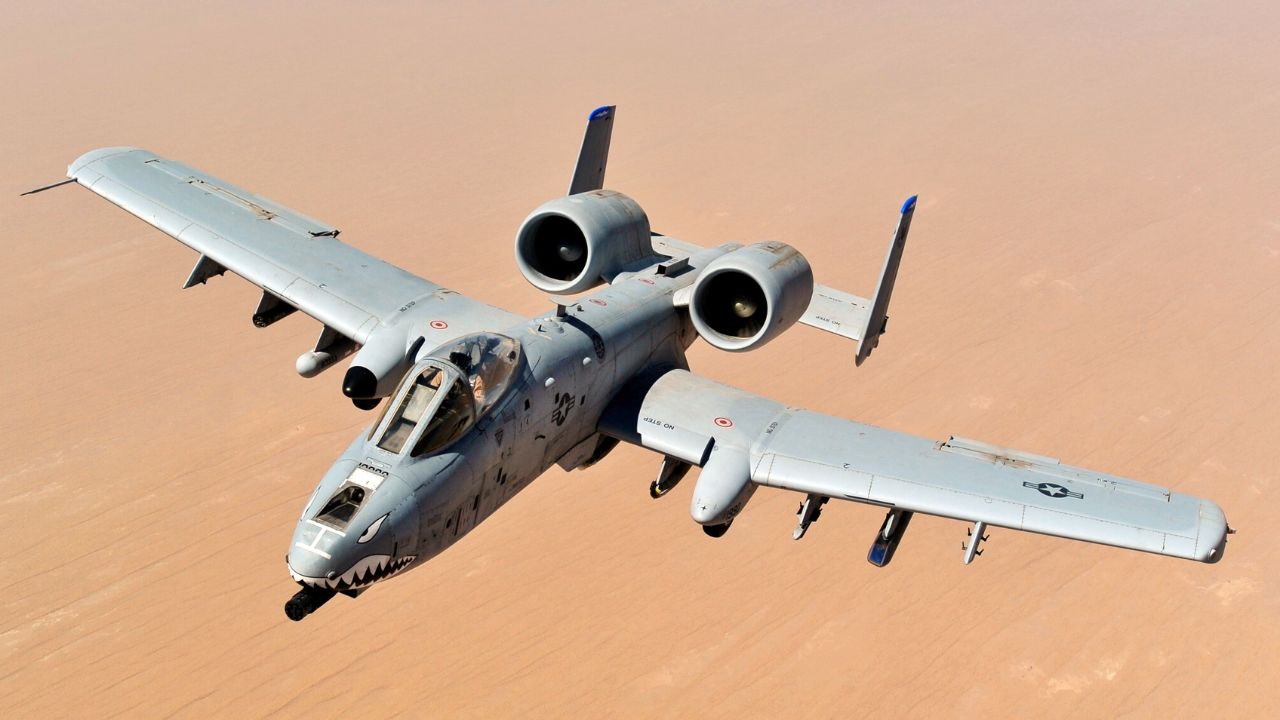
A-10 Thunderbolt II: The Flying Tank
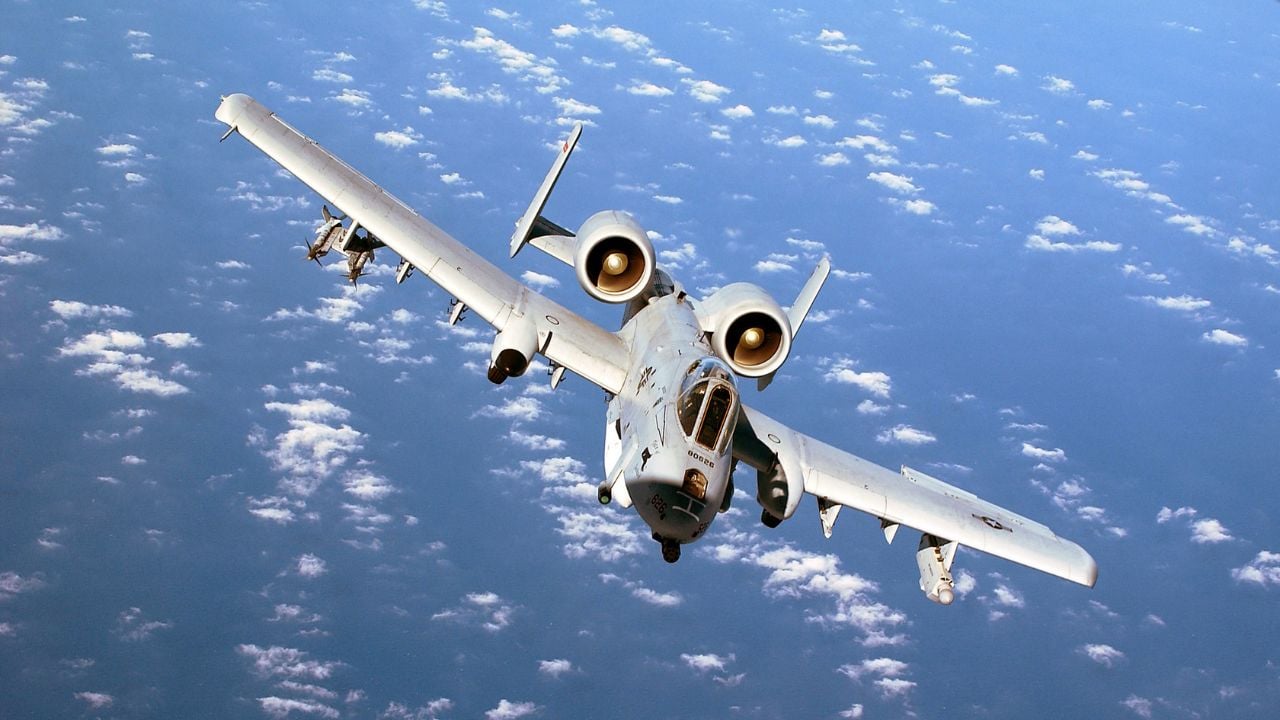
Affectionately known as the “Warthog,” the A-10 Thunderbolt II is beloved by ground troops and feared by enemy armor. The A-10 was designed to fly low, hit hard, and take punishment.
Its rugged construction, redundant systems, and legendary durability make it the ultimate close air support aircraft. When you hear the “brrrrt” of that cannon, you know the cavalry has arrived.
M1 Abrams Tank

The M1 Abrams has been the U.S. Army’s main battle tank since the early 1980s, and for good reason. With its 120mm smoothbore cannon, Chobham composite armor, and turbine engine that can power it up to 45 mph, the Abrams blends speed, protection, and firepower like no other. It dominated the deserts of the Gulf War and later saw hard service in Iraq and Afghanistan, earning a reputation as a nearly unstoppable force on the battlefield.
Its crew of four operates in a high-tech environment that continues to evolve with upgrades in fire control, armor, and communications.
B-17 Flying Fortress

During World War II, the B-17 Flying Fortress became one of the most iconic aircraft of the era. Built to endure heavy damage and still return home, it was the backbone of America’s daylight bombing campaign over Nazi-occupied Europe. With up to 13 .50-caliber machine guns, it earned its “Flying Fortress” name by defending itself against waves of enemy fighters.
Crews of ten flew these bombers deep into enemy territory, often at great personal cost. Many never came back—but those who did told stories of near-miraculous survival and incredible resilience. The B-17 stands as a powerful reminder of the courage and endurance of the Greatest Generation.
B-52 Stratofortress

Few military machines have stood the test of time like the B-52. First flown in the 1950s, this long-range strategic bomber remains a vital part of America’s aerial arsenal today. Capable of carrying nuclear or conventional payloads, the B-52 can reach targets across the globe without ever needing to land.
Its distinctive silhouette and thunderous engines have flown over nearly every major conflict since Vietnam, serving as a symbol of deterrence, endurance, and overwhelming might. With modern upgrades and ongoing service, the B-52 isn’t a relic — it’s a living legend.
CH-47 Chinook
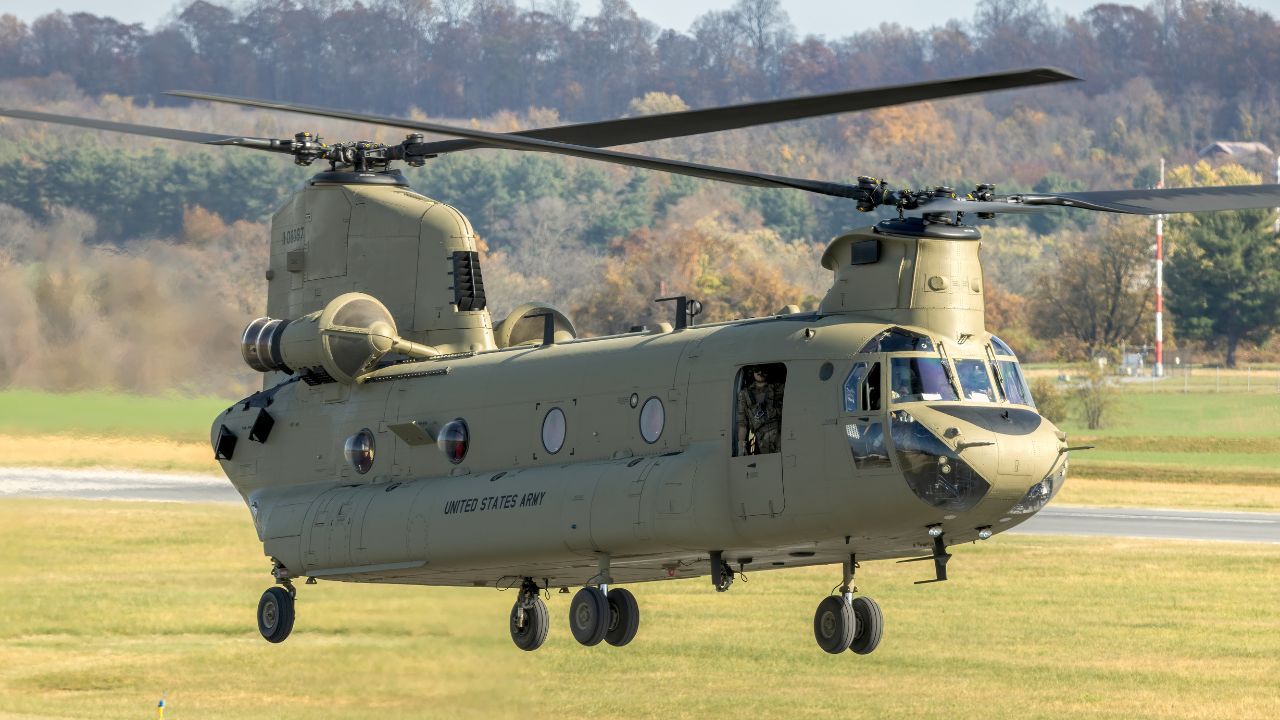
With its twin rotors and massive hauling power, the CH-47 Chinook is the backbone of Army air logistics. In service since the Vietnam War, the Chinook has proven itself in every conflict since, ferrying troops, supplies, artillery, and even downed vehicles across hostile terrain.
Able to carry over 20,000 pounds of cargo, the Chinook is more than a helicopter: it’s a sky crane, a flying ambulance, and a battlefield delivery truck all in one. When you see those massive rotors thumping overhead, you know help is on the way.
LAV-25 (Light Armored Vehicle)
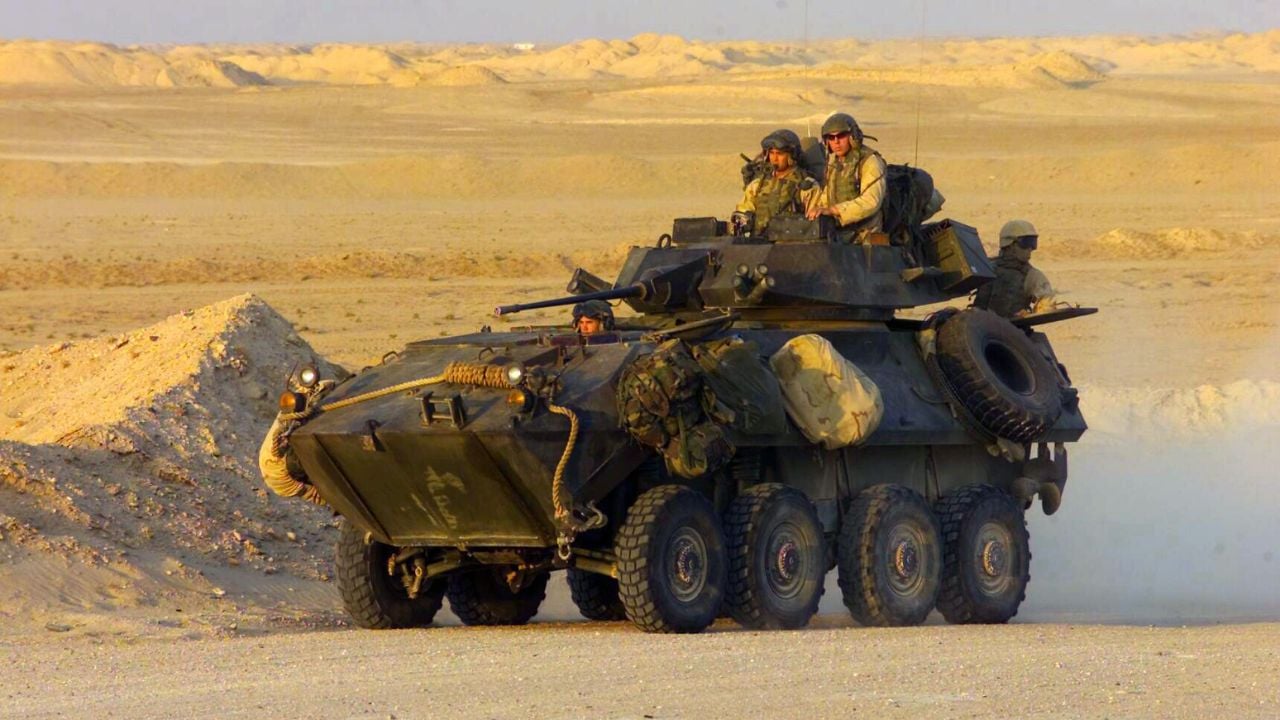
Speed and agility meet armor and firepower in the LAV-25, the U.S. Marine Corps’ go-to armored reconnaissance vehicle. With its eight wheels, amphibious capabilities, and a 25mm chain gun, the LAV-25 can scout, engage, and retreat, all before enemy forces know what hit them.
It plays a crucial role in rapid deployment missions, bridging the gap between infantry and heavier armor. Built for mobility in the harshest environments, the LAV-25 is the eyes and ears of the battlefield.
M2 Bradley Fighting Vehicle

Designed to accompany Abrams tanks into battle, the M2 Bradley gives American infantry both protection and punch. Its aluminum armor, TOW missiles, and 25mm cannon let it take on enemy troops, light armor, and fortifications—while keeping its squad of soldiers safe inside.
From Desert Storm to Operation Iraqi Freedom, the Bradley has proven itself as a versatile, dependable partner in combined arms warfare. It’s not just a ride: it’s a mobile shield, a fire base, and a force multiplier.
Harley-Davidson WLA (“The Liberator”)
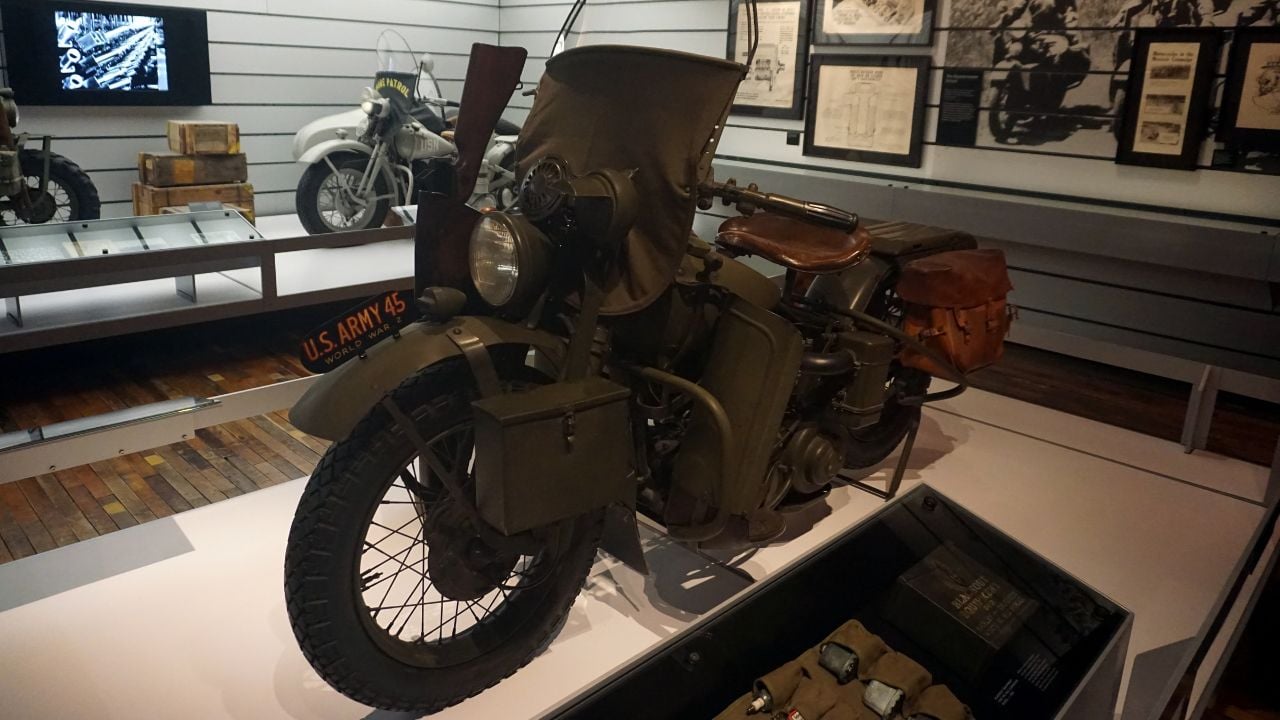
Nicknamed “The Liberator,” the Harley-Davidson WLA was more than just a motorcycle—it was a rolling symbol of American presence in World War II. With blackout lights, ammo can mounts, and rugged construction, it was built to handle mud, sand, and battle-damaged roads.
Used by messengers, military police, and scouts, over 90,000 WLAs were produced, many dropped behind enemy lines to support Allied operations. It wasn’t fast, but it was dependable—and where it went, freedom followed.
Indian 741
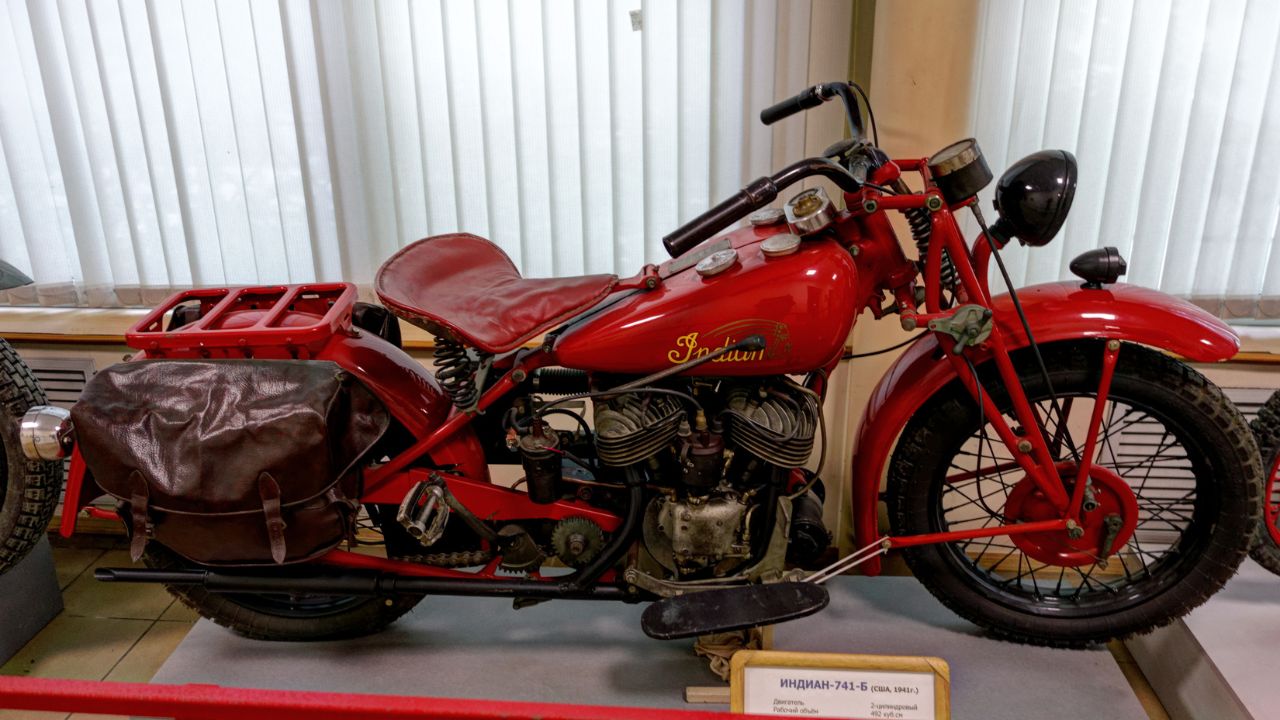
While Harley stole most of the spotlight, Indian Motorcycles also played a key role during WWII. The Indian 741, with its 500cc side-valve engine and simple mechanics, was built for rugged reliability. It was favored in the North African and European campaigns for its torque and easy field repair.
Though less common than the WLA, the 741 earned a place in the history of wartime mobility. Lightweight and built to last, it carried messages, patrolled streets, and helped keep Allied forces connected.
AC-130 Gunship: Angel of Death
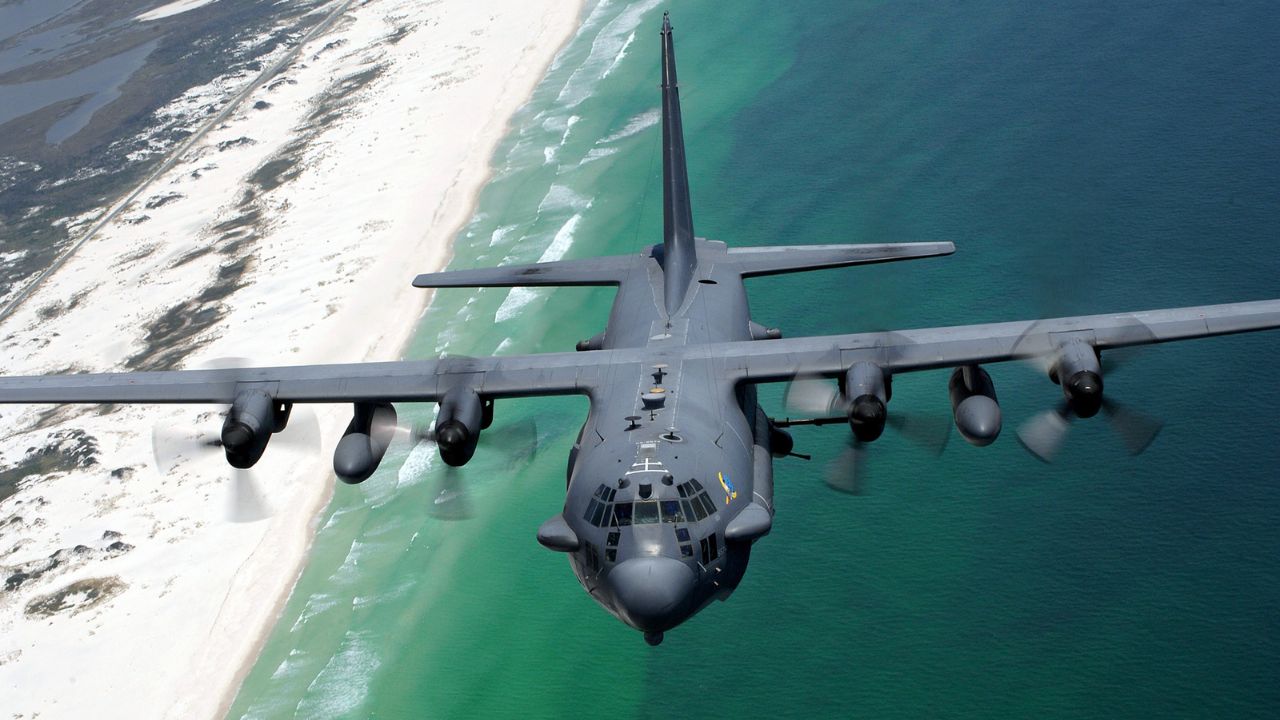
When ground troops called for help, the AC-130 answered with unmatched firepower and precision. Nicknamed the “Angel of Death,” this heavily armed gunship transformed a standard cargo plane — the C-130 Hercules — into a flying fortress. Outfitted with side-mounted cannons and howitzers, the AC-130 could loiter above the battlefield, delivering devastating close air support with pinpoint accuracy.
From Vietnam to Iraq to Afghanistan, its thundering barrage turned the tide in countless engagements. But it wasn’t just about overwhelming force—the AC-130 flew low, stayed exposed, and relied on tight coordination with ground forces, often protecting them through the darkest hours of the night.
Crewed by some of the most elite airmen in the U.S. military, the AC-130’s legacy is one of strength, sacrifice, and unshakable support from above
Honoring the Machines, Remembering the Heroes
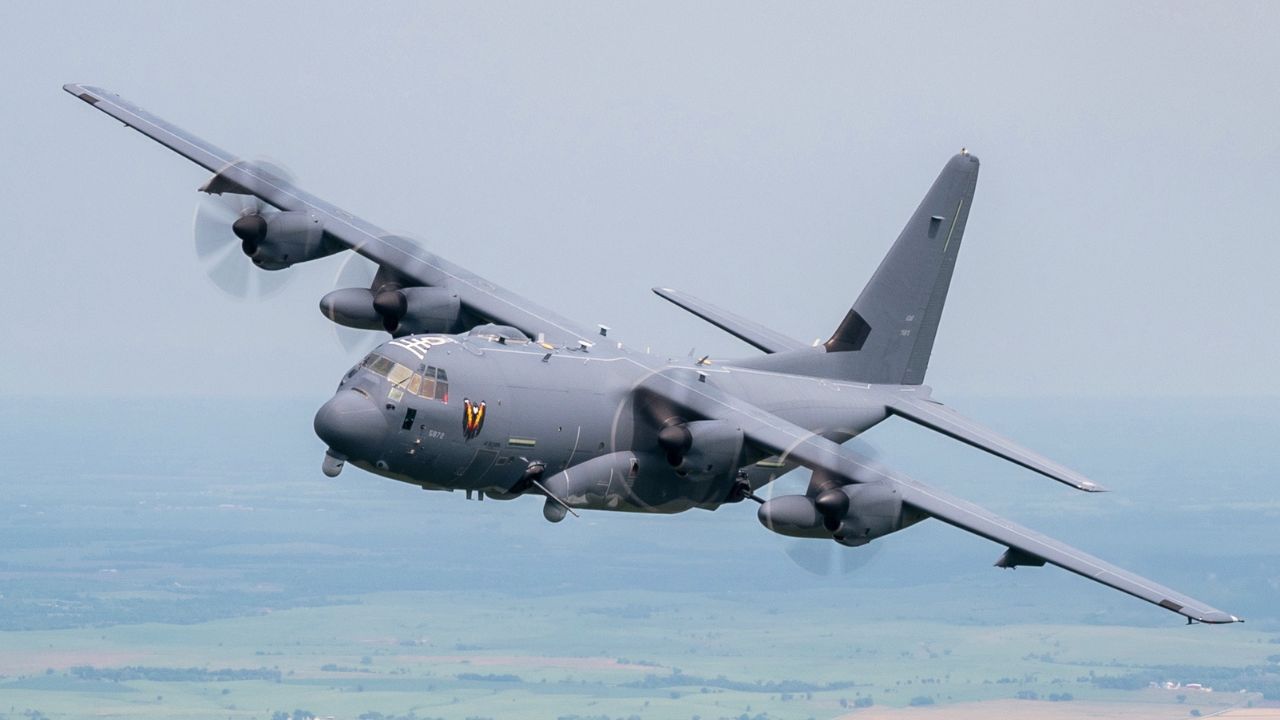
These vehicles tell stories: not just of battles fought, but of lives risked, missions completed, and moments that changed the world. They were tools in the hands of America’s bravest, and they remain part of our national memory.
This Memorial Day, as we honor those who gave everything, we also salute the machines that stood beside them — metal forged with purpose, history, and sacrifice.
To the fallen, the veterans, and the vehicles that carried them — we remember. We honor. We will never forget.