
In 2021, the Biden administration set a nationwide goal for half of all new vehicle sales to be zero-emission by 2030. That includes electric, plug-in hybrid, and fuel cell vehicles; it wasn’t a full switch to EVs, but a major step in that direction. While the federal stance has shifted somewhat since then, American interest in EVs remains strong. A recent J.D. Power study found that nearly 60% of car buyers are open to going electric: 24% say they’re very likely to buy an EV, and another 35% say they’re somewhat likely.
With cleaner energy and greener tech on everyone’s radar, it’s a great time to explore other alternative fuels that have popped up over the years. Some you’ve probably heard of—others might surprise you. A few fizzled out, some are still in testing, and others could shape the future of driving.
More Energy!
Love them or not, gas-powered cars do take a toll on the environment. However, more and more carmakers are looking into alternatives in their mission to have zero emissions in the near future. While this often means EVs, it could also mean hydrogen, solar energy, and apparently seaweed.
To find these innovative vehicles, I checked out old cars, new cars, and some that never came to be, in an attempt to show the wide range of innovations that have hit the car industry over the last 100-plus years.
Ford Nucleon

Nuclear power was a symbol of hope and progress in the 1950s, representing the potential of a new energy source that could advance society. Ford presented a nuclear-powered concept car, the Nucleon, in 1957, which would change the way Americans drove.
The car featured a nuclear reactor in the back — yes, really — that Ford claimed would allow it to travel 10,000 miles before it needed to be changed out. What Ford didn’t really get into was the fact that drivers would need to add water back in periodically to allow the nuclear reactor to produce steam and ensure it didn’t get dangerously hot (the way a nuclear reactor works, according to the Department of Energy). To fit a nuclear reactor within a car, Ford envisioned the Nucleon being 16.7 feet long and 6.5 feet wide. And I envision the driver becoming radioactive after a 10,000-mile drive in this thing — just kidding!
To the surprise of absolutely nobody, the Ford Nucleon was never produced. The only known scaled model is on display at the Henry Ford Museum, where it can’t cause a violent explosion on the highway. Some say the Nucleon is still ahead of its time — I don’t think there will ever be a time when it is not.
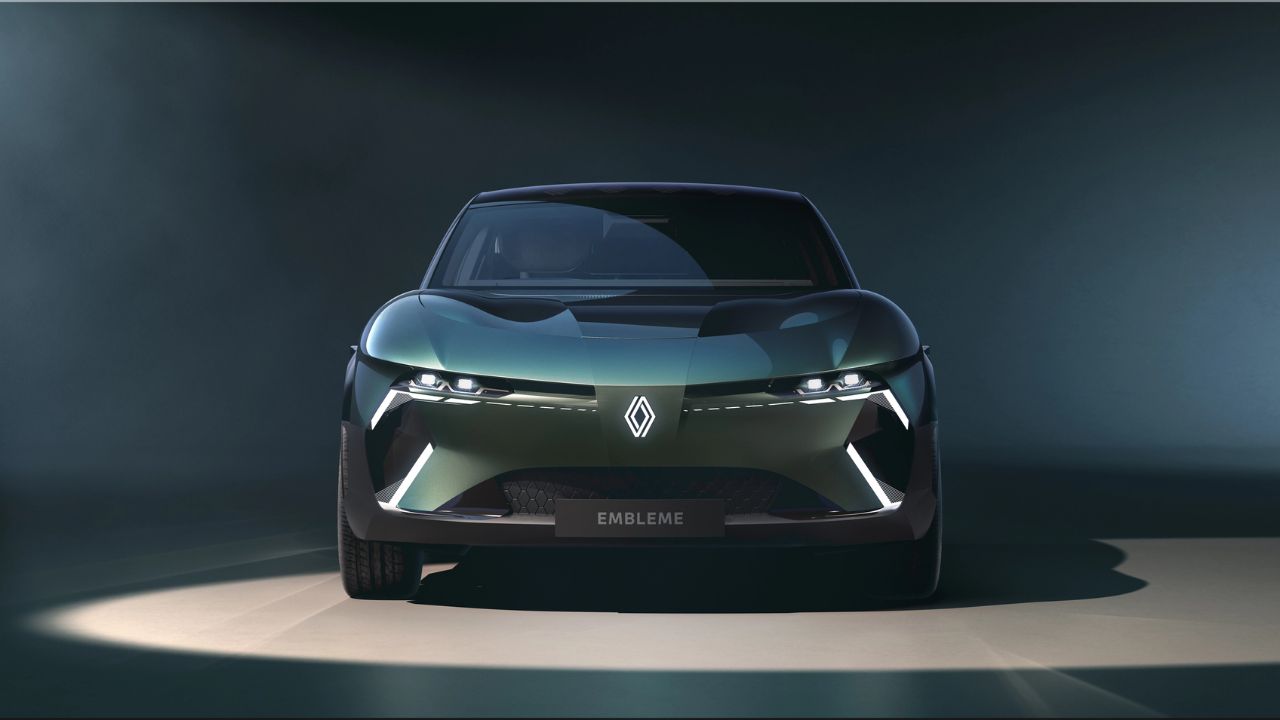
Renault Emblème
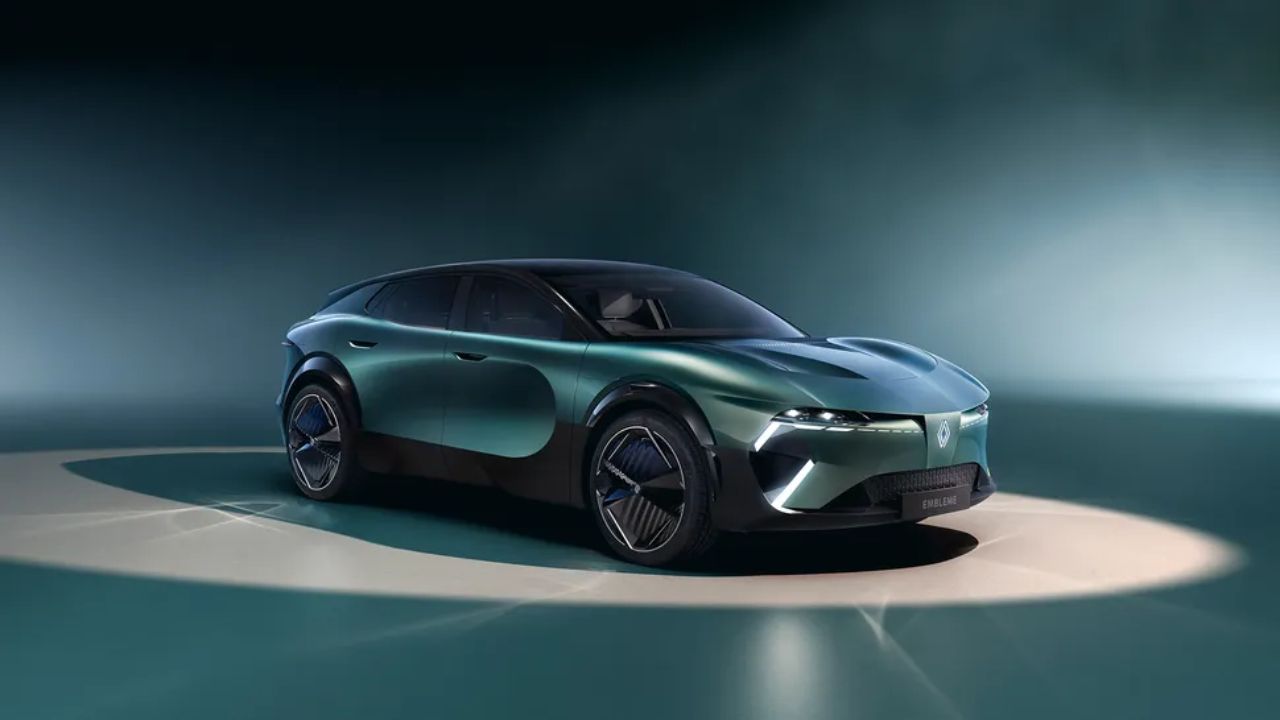
The Emblème was revealed at the Paris Motor Show in 2024, showcasing an entirely new take on hydrogen power. The Emblème features a larger battery that would power most trips. During longer drives, the Emblème’s 30kW hydrogen fuel cell will kick in, running on low-carbon hydrogen stored in a tank. Renault explained that this will let the car travel 621 miles in the same time as a combustion engine car, reported Auto Express. It would require two hydrogen refueling sessions, but these would take under five minutes each.
The stylish family car has very intentional design elements, like a rear spoiler and two vents in the front bumper to keep the Emblème aerodynamic. Said Project Leader Pascal Tribotté: “From the outset, we wanted to reduce the carbon impact of a family car, with a level of equipment in line with current market standards. To achieve this, we had to change our approach: focus on carbon impact right from the design stage, and co-innovate with our partners.”
Chrysler Turbine Car

In the 1950s, Chrysler started experimenting with the idea of a turbine-powered car. The turbine would be connected to the vehicle’s wheels, generating propulsive power as the engine expanded and drove the turbine to spin. By 1963, Chrysler turned the concept car into a reality, albeit somewhat. The carmaker produced 50 of the cars, planning to loan them to everyday people to see if there was a desire for turbine cars in America.
In a 1980s article by Car and Driver, it was revealed that just nine of the Chrysler Turbine Car remained. While the car was quite handsome and stylish, the turbine engine wasted a lot of gas. Sorta defeats the purpose.
Hyundai N Vision 74
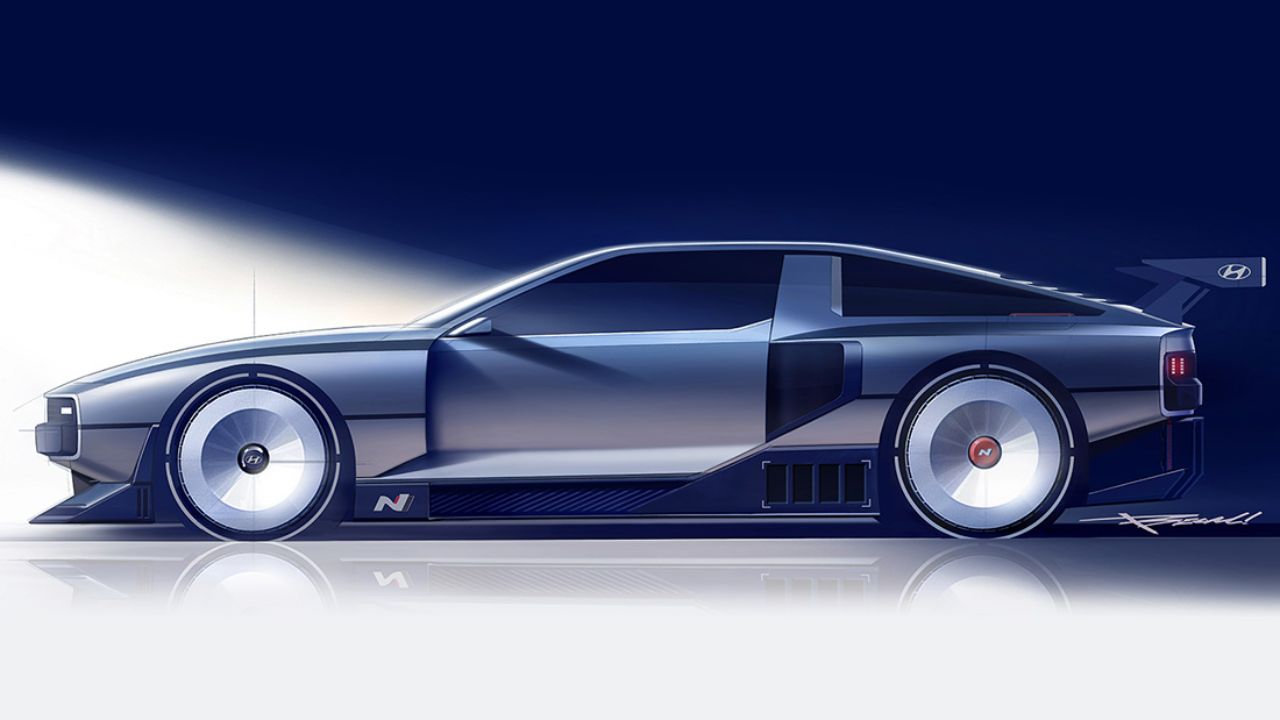
The N Vision 74 is a high-performance hydrogen electric hybrid that represents a future technology for the track. Hyundai revealed its N brand in 2015, back when hydrogen was an extremely innovative concept — especially for a high-performance car. The N Vision 74 is said to reach 60 miles per hour in 3 seconds and hit 155 mph.
Hyundai claimed that production would begin in 2024 and wanted to release 21 models by 2030. Unfortunately, Hyundai canceled its plans for the N Vision 74 a month later.
Seaweed-Powered Mazda Miata MX-5

Mazda partnered with Hiroshima University in 2015 to work on a seaweed and algae-based fuel that’s meant to make combustion-powered cars have lower emissions. This seaweed and algae-based fuel would be used as an alternative to gas in cars like the Miata MX-5, according to a report by CarBuzz. While algae and seaweed are easy to grow and store, it’s still not a scaled-up production with competitive costs.
The seaweed concoction is also not fully carbon neutral, although it is very low in emissions compared to a traditional engine. Mazda has continued to test this new technology but has not given any dates for commercial availability.
Hyperion XP-1
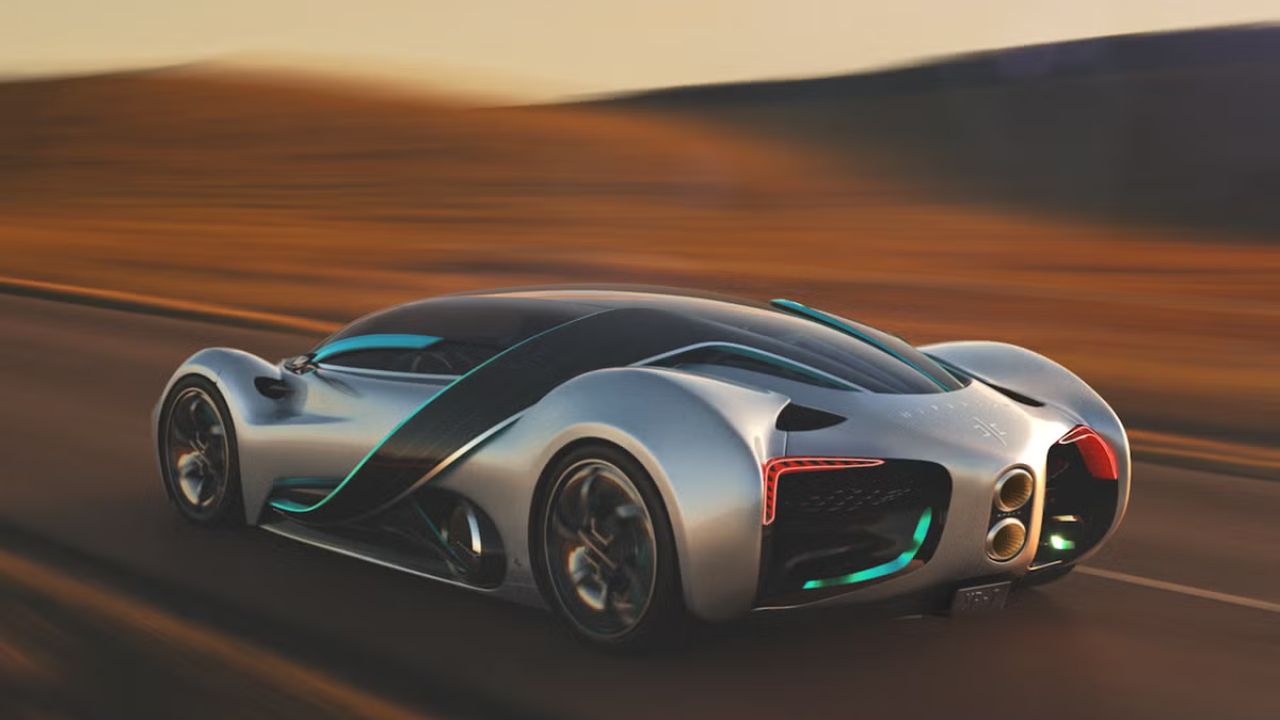
Hypercars are always looking for ways to push performance boundaries, and the Hyperion XP-1 has done just that, and then some. A lot of hydrogen cars are hybrids with an internal combustion engine, but the XP-1 uses a hydrogen fuel cell system to reach incredible speeds. In simple terms, it relies on the chemical reaction between hydrogen and oxygen passing through its fuel cell stacks to produce electricity that powers the car. It also has aero blades with solar panels that power its electronics. The Hyperion XP-1’s only by-product is water vapor.
The stunning hypercar reaches 60 mph in 2 seconds and has a top speed of 220 mph, something that’s still unheard of for a hydrogen car. It also has a range of 1,000 miles, according to Hyperion.
Stanley Motor Carriage Company

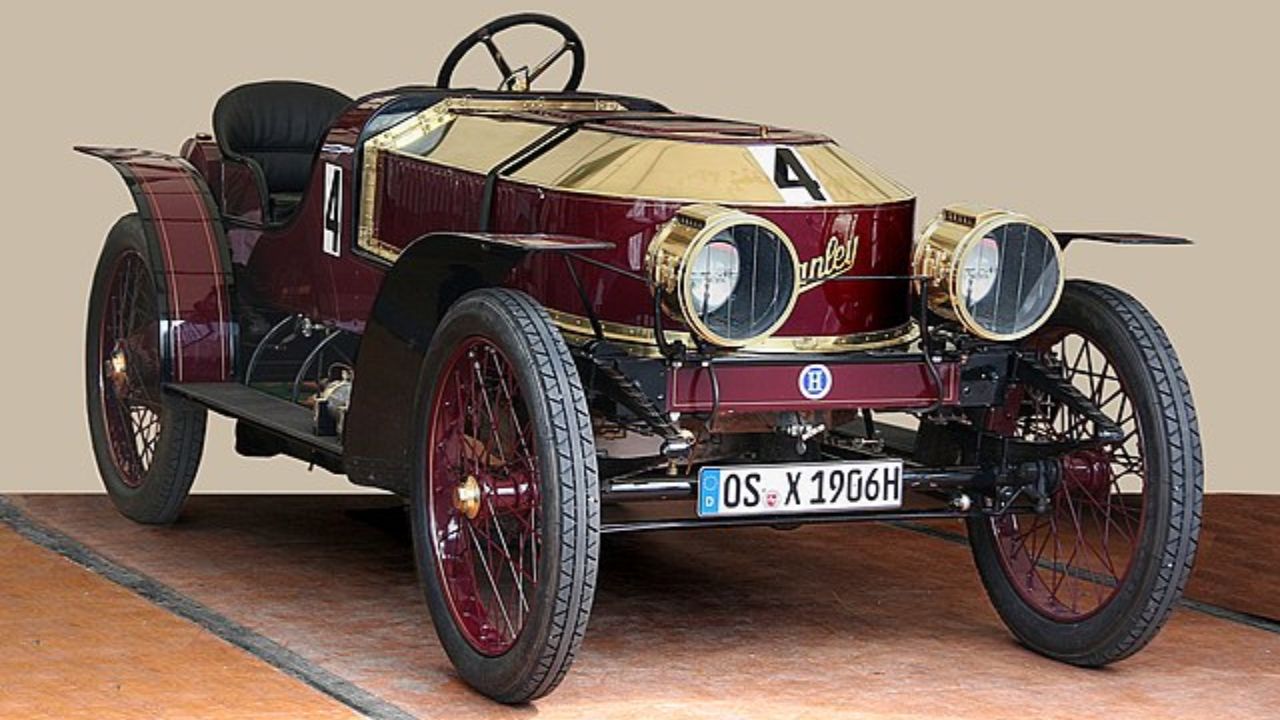
In the early days of automobiles, some companies were experimenting with steam — and the Stanley Motor Carriage Company was leading the charge. The company was founded in 1898, revealing the Stanley Steamer. More than 10,000 were produced between 1897 and 1914. Gasoline cars seemed to be the more popular choice in the early 1900s, and the Stanley Motor Carriage Company went out of business in 1924.
Steam engines had a fuel-powered boiler that would heat water, eventually creating steam that was directed to the car’s piston inside a cylinder. The pressure from the steam would push the piston back and forth, driving the wheels. A race-focused version of the Stanley Steamer reached 127 mph back in 1906, breaking all kinds of speed records.
Aptera Motors

In the early 2000s, Aptera presented a strange shark-like electric vehicle that never made it past the prototype stage when the company failed in 2015. Now, 10 years later, Aptera Motors has reappeared with the same shark-shaped vehicle. But this time, it’s solar-powered.
The Aptera vehicle features 700 watts of solar cells, allowing drivers to get up to 400 miles before a full charge is needed, or 40 miles per day “completely off the grid.” The solar electric vehicle is part of Aptera’s mission to “create a future where every journey is fully powered by the sun.” We can’t say we hate the idea completely.
Coal-Powered 1938 Citroën Berline 11 Gazogene
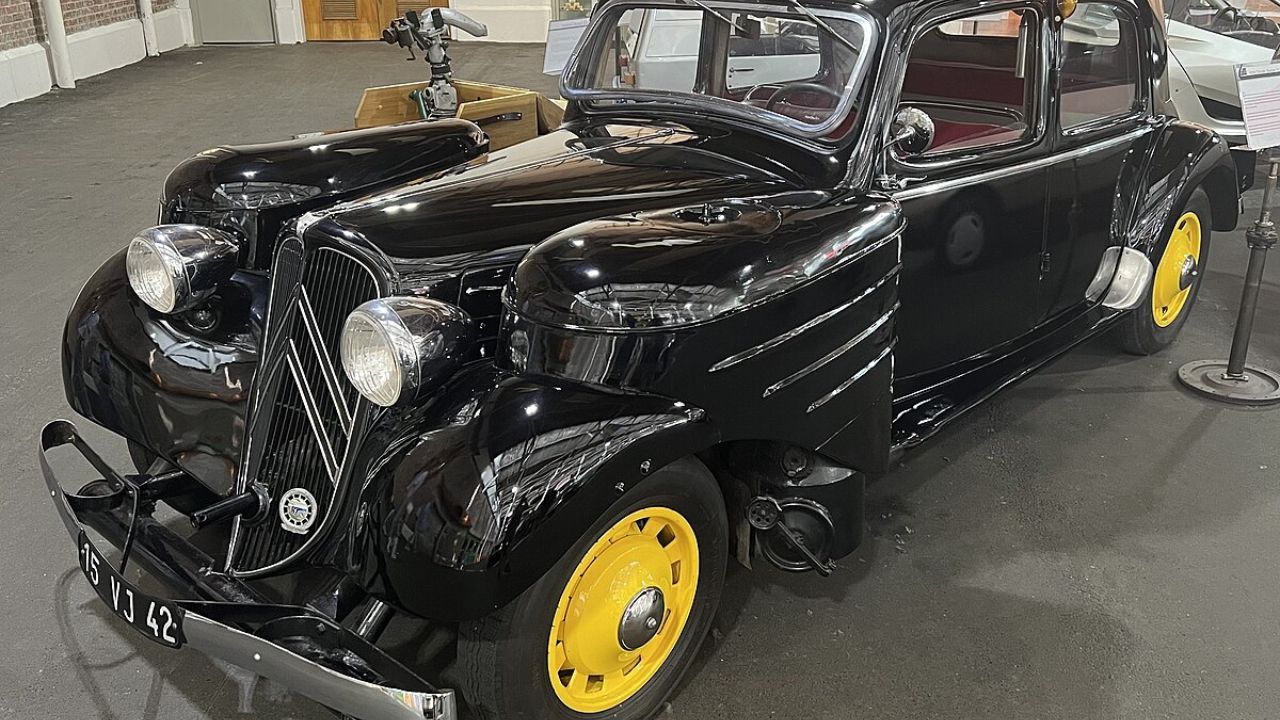
A 1938 Citroën Berline 11 Gazogene is featured in the Lane Motor Museum in Nashville, which was transformed to run on coal rather than gas. It was called the “Traction Avant.” The creation came about out of necessity during World War II when Germany occupied France. Gasoline was becoming scarce and very expensive, forcing carmakers to get a bit creative.
According to the museum, two large containers filled with coal were placed under the front fenders. Once ignited, the process would take 30 minutes, but it would create enough methane gas to fill the carburetor and propel the car 30 miles before it needed more coal. It wasn’t really that convenient, especially due to the fact that coal reduced the horsepower, and the Citroën topped out at 45 mph on a good day. The concept of a coal-powered car didn’t last, and only a few of these cars have survived.
Energy Level Over 9000
Are there any alternative energy source vehicles that you’d want to try driving? I’m a little worried that the Hyundai Kona EV wouldn’t smell that great, but it’s still quite fascinating. It has to be safer than melting from a nuclear reactor in the back of your car.
Let us know if we missed any of your favorite innovative fuel alternatives!