You don’t have to be a mechanic to take better care of your car’s engine; you just need to avoid a few surprisingly common mistakes. A recent TikTok from @bevurly breaks down three habits that a lot of drivers don’t think twice about… but they can seriously shorten the life of your engine if left unchecked.
The good news? They’re easy to fix once you know what to watch out for.
Skipping Oil Changes? That’s a Fast Track to Engine Trouble
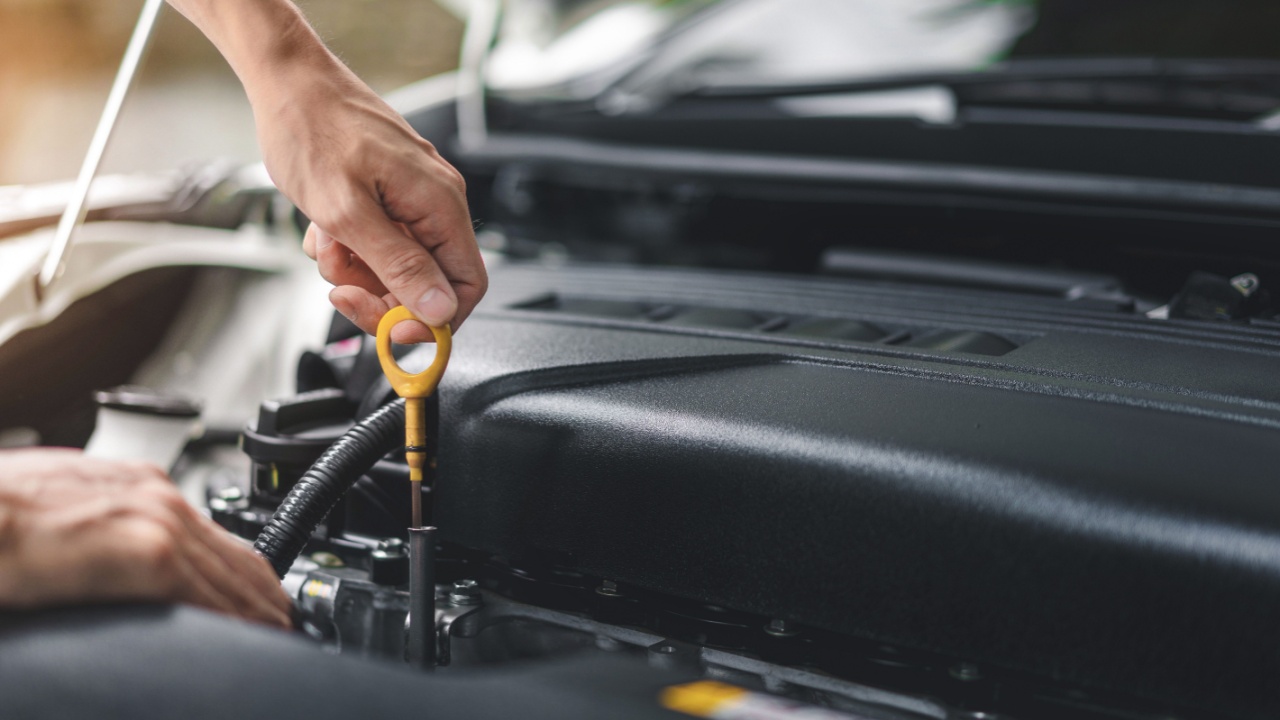
Think of oil as your engine’s lifeblood. It keeps everything lubricated and cool under pressure. But over time, oil breaks down, gets dirty, and stops doing its job. When that happens, engine parts start grinding against each other, creating wear that’s both costly and avoidable.
Your best bet? Stick to your car’s recommended oil change schedule — usually every 5,000 to 7,500 miles, though it varies by vehicle. Regular oil changes are one of the easiest and most affordable ways to keep your engine healthy.
@bevurly 3 Ways You Are Destroying Your Cars Engine! #cars ♬ original sound – Zach Trahan
Letting Your Car Idle for Too Long? That Can Gunk Things Up
It might seem harmless to let your car run while parked — especially on a cold morning or when you’re waiting in the pickup line — but long idle times can lead to carbon buildup inside your engine. When your engine runs without movement, it doesn’t burn fuel as efficiently, and that leftover gunk can settle on valves and pistons.
We’re not talking about a few minutes here or there. The concern kicks in when you let your car idle for 30 minutes or more regularly. If you’re parked and waiting that long, it’s better to shut off the engine and restart when you’re ready to go.
Revving a Cold Engine? Please Don’t
We get it: you want to warm things up and get moving. But revving the engine right after you start the car, especially on a cold day, is harder on your vehicle than you might think. When the engine is cold, the oil hasn’t fully circulated yet. That means your engine parts are moving fast without proper lubrication — basically, the mechanical version of sprinting without warming up.
Instead, let the car idle for 30 seconds to a minute, then ease into your drive. Try to stay under 2,000 RPM until the engine reaches normal operating temperature.
A Little Care Goes a Long Way
These habits might seem small, but over time, they can add up to major repairs or, worse, a blown engine. With a little extra attention, you can protect your vehicle, save money, and keep your car running smoothly for years to come.