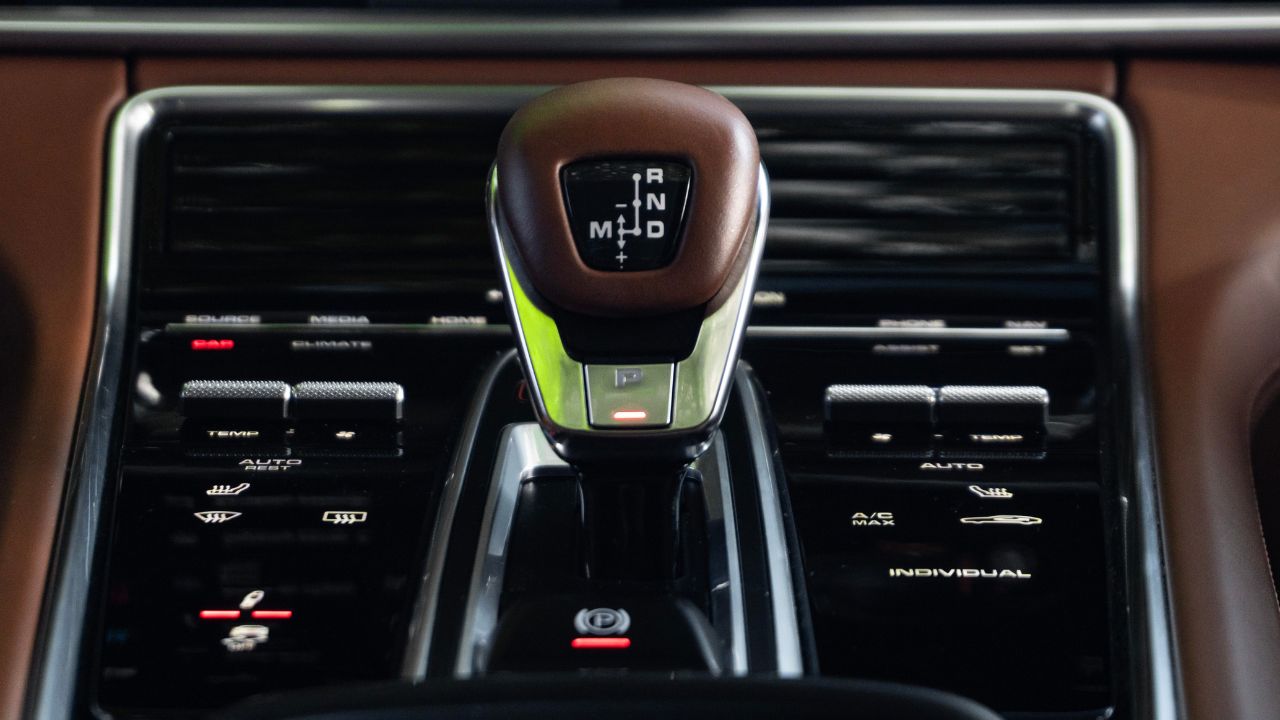
There’s no denying the ease of driving an automatic. Just drop it into Drive and go. But even with all that simplicity, there are a few common habits that can slowly wear out your car or, worse, compromise your safety. A lot of drivers assume the transmission will “handle everything,” especially with today’s smooth shifting and driver-assist tech, yet small mistakes still add up over time. Things like rushing gear changes, holding the car on the throttle instead of the brake, or getting careless on hills can put extra stress on components you don’t usually think about until something feels off.
In this article, we’ll cover some of the most overlooked mistakes drivers make behind the wheel of an automatic transmission car, why they matter, and how to avoid them. And if you care about keeping your ride running smoothly, it’s worth paying attention.
Don’t Coast Downhill in Neutral
This one might sound counterintuitive. Some drivers think putting the car in neutral when rolling downhill saves fuel. But many modern fuel-injected engines are smarter than that. When you are in gear and coasting with your foot off the accelerator, many vehicles can use deceleration fuel cutoff that reduces fuel flow to near zero under the right conditions. In neutral, the engine still has to idle, which requires fuel, so you are usually not saving fuel by coasting in neutral.
More importantly, neutral disables engine braking, which is what helps slow the car down using the transmission. Without it, your brakes are doing all the work, and on long or steep descents, they can overheat and lose effectiveness. That’s when you start flirting with real danger. Coasting reduces your control in situations where engine braking or immediate acceleration might be needed.
Don’t Shift Straight to Park on a Hill
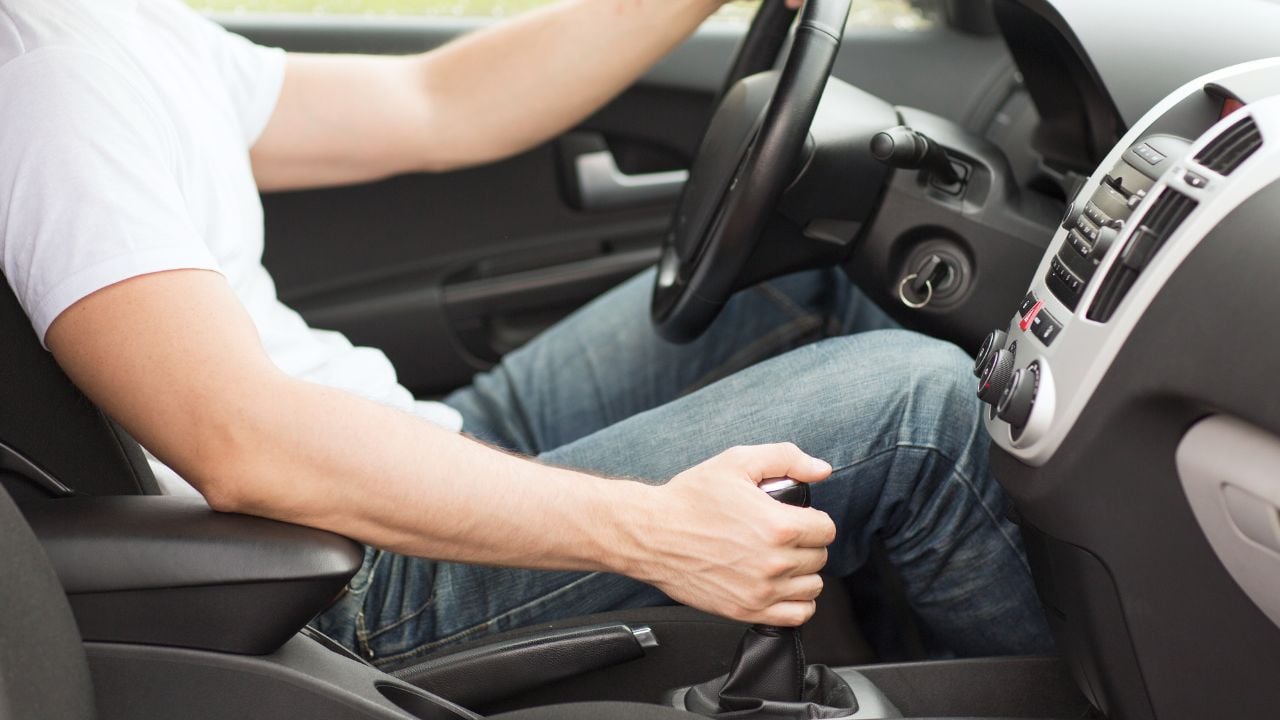
If you’ve ever heard a loud clunk or felt a jolt when pulling out of a parking spot on an incline, you’ve experienced the wrath of a stressed parking pawl. That little metal pin in your transmission isn’t designed to hold the full weight of your car on a slope.
A better move is to stop with your foot on the brake, apply the parking brake firmly, and then shift into park. On steeper slopes, let the vehicle settle on the parking brake before releasing the foot brake. This reduces the load on the parking pawl and helps prevent binding when you shift out of park.
Don’t Shift While You’re Still Rolling

Shifting from Drive to Reverse, or vice versa, while the car is still moving might not feel like a big deal. But over time, it stresses internal transmission components like clutch packs and gear engagement hardware and can contribute to premature wear. Always come to a full stop before changing direction. It’s a small pause that could save you a major repair bill down the line.
No Need to Shift to Neutral at Stoplights
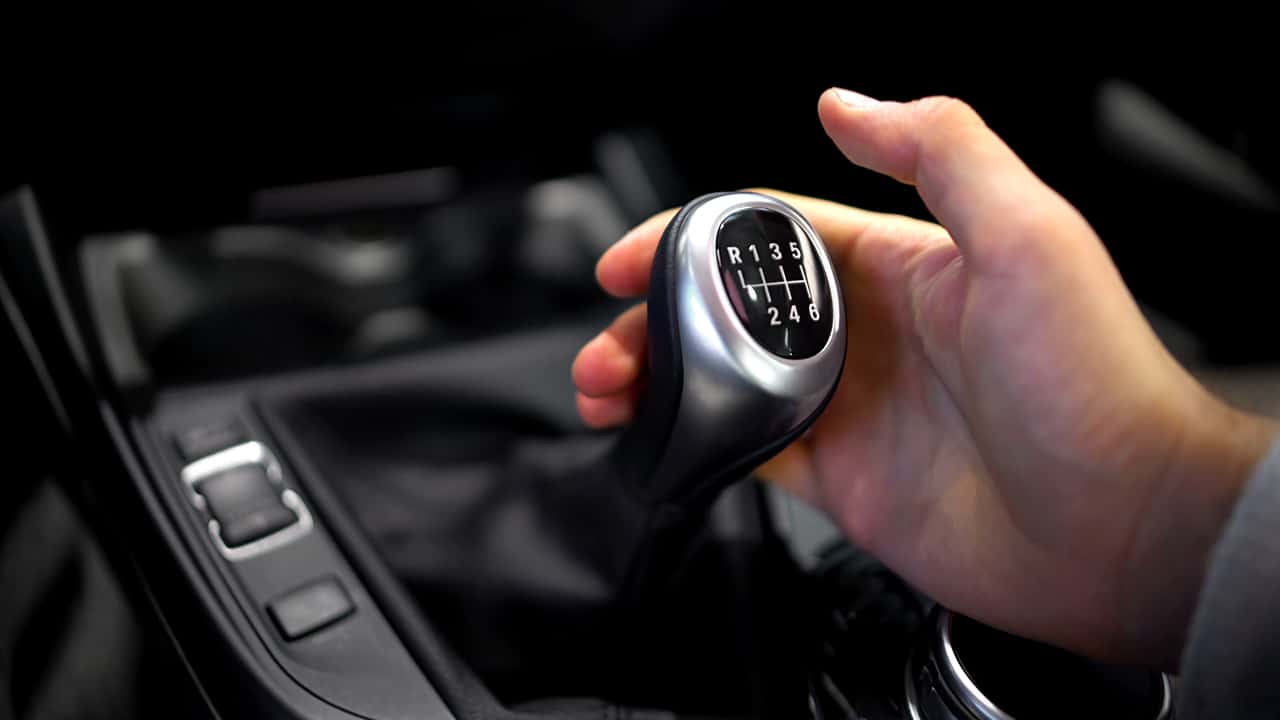
Some manual drivers like to shift into neutral at every red light, and that habit sometimes carries over to automatic drivers in heavy traffic. But in most modern automatics, there is usually no meaningful fuel-saving benefit to doing this. Many vehicles are designed to be held stationary in Drive with the brake applied, and repeatedly shifting between Drive and Neutral can add unnecessary wear over time.
Why These Habits Matter

Automatic transmissions are built to last, but only if we treat them right. These small habits may not seem like much in the moment, but over time, they can lead to wear, damage, or costly repairs that are completely avoidable. The good news? Each fix is simple. Whether it’s resisting the urge to coast downhill in neutral or pausing before shifting directions, these are small adjustments that protect your car and make you a sharper, more confident driver.
After all, a smoother ride isn’t just about comfort; it’s about keeping your car running strong for years to come. And when you treat your transmission with the care it deserves, it’ll return the favor every mile of the way.
Bottom line? Trust the transmission to do its job. That’s what it’s built for.