Cars aren’t just machines; instead, they’re rolling time capsules full of stories, quirks, and clever engineering choices. Whether it’s a luxury brand with surprising roots or a motorcycle with a V8 soul, the automotive world is packed with trivia that even seasoned gearheads might not know.
These facts remind us that beneath the surface of everyday vehicles, there’s a lot more going on.
Methodology: Curated by Enthusiasts, Verified with Research

This collection began with a Reddit post in the r/cars community asking users for their favorite obscure car facts. We combed through hundreds of responses, identified the most upvoted and widely shared claims, and verified each one against reliable sources such as Hagerty, Motor Trend, and official manufacturer records.
Where facts checked out, we expanded on them. Where they were partially true or needed clarity, we corrected and refined them. The goal was simple: to turn fun forum chatter into a readable, accurate guide any car lover can enjoy.
Cadillac’s Roots Trace Back to Henry Ford
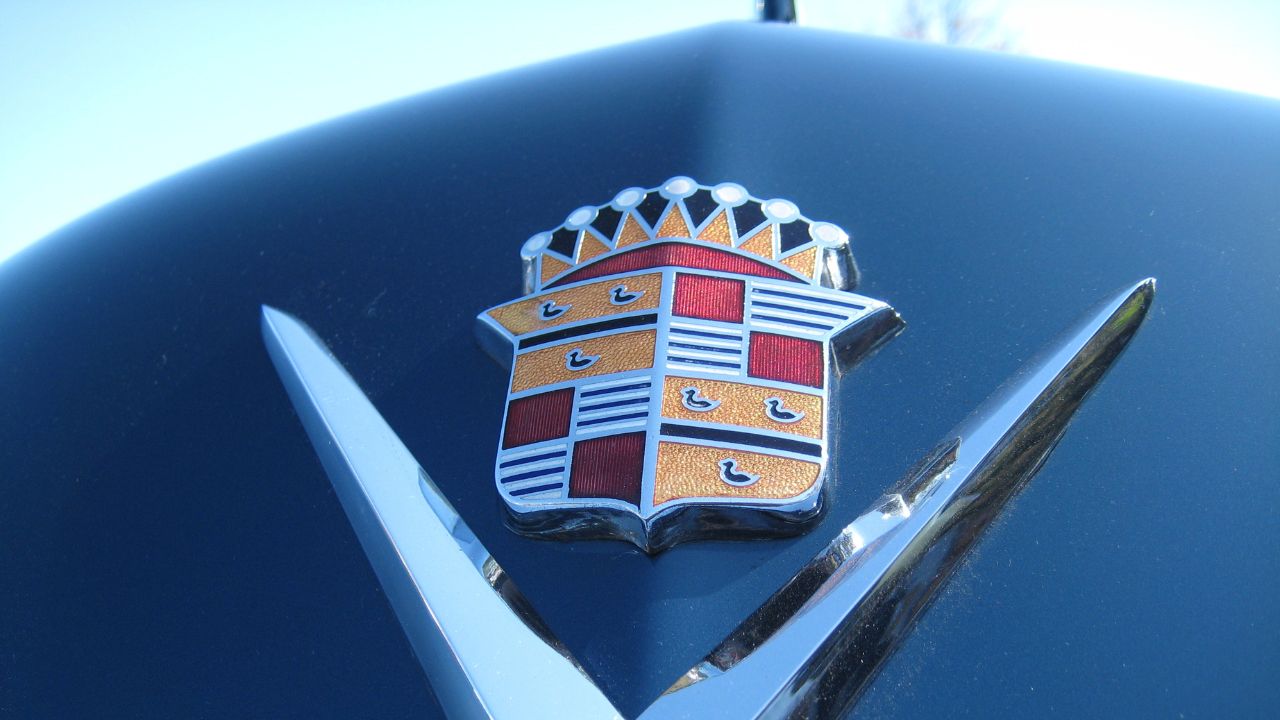
Before it was a symbol of American luxury, Cadillac began as a split from the original Henry Ford Company. In 1902, Henry Ford left the business after disagreements with investors. Rather than dismantle what was left, those investors brought in engineer Henry Leland to repurpose the company. Leland’s precision engine work and vision laid the foundation for what would become Cadillac. A year later, it debuted at the New York Auto Show and impressed with its build quality, eventually earning a place in the growing General Motors family.
Ironically, the brand that emerged became one of Ford’s fiercest competitors. It’s a fascinating twist in automotive history, where a fallout helped create a rival legacy that would shape the industry for generations.
Volvo Invented the Three-Point Seatbelt — and Gave It Away

In 1959, Volvo engineer Nils Bohlin invented the modern three-point seatbelt. Rather than patent it for profit, Volvo made the design available to all car manufacturers in the interest of public safety. It’s estimated that this decision has saved over a million lives.
It’s one of the rare examples of corporate selflessness in automotive history.
Honda’s Brief Partnership with Land Rover
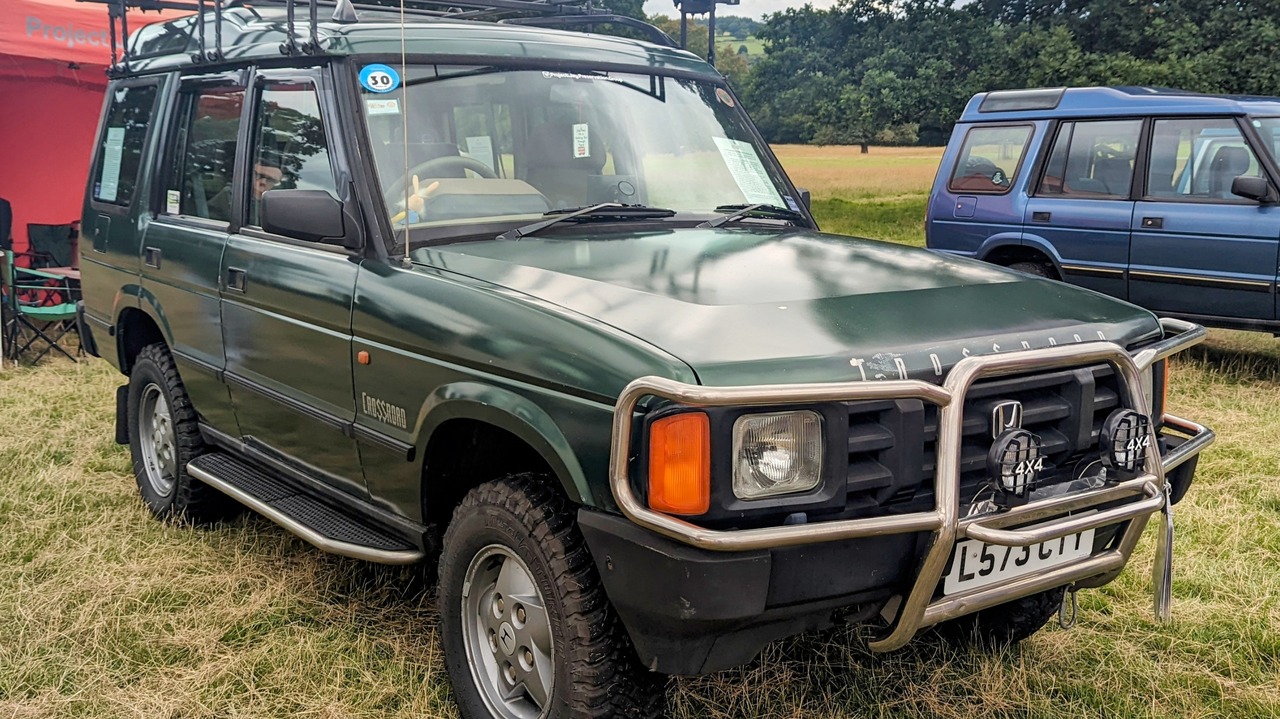
In the 1990s, Honda filled a gap in its lineup by partnering with Land Rover to offer a rebadged version of the Discovery. Sold exclusively in Japan as the Honda Crossroad, it gave Honda a full-size SUV, complete with a V8 engine, something it didn’t have at the time. It also helped Land Rover expand its reach in Asia.
The unusual Crossroad collaboration was one of the rare moments Honda stepped outside its in-house engineering playbook. The Crossroad wasn’t just a borrowed British off-roader; it was a symbol of how far Honda was willing to go to stay competitive, even if it meant selling a vehicle with almost no Honda DNA.
The First Speeding Ticket Was Issued at 8 MPH

In 1896, a man named Walter Arnold was caught driving his “horseless carriage” at a blazing 8 mph in Kent, England, well over the 2 mph speed limit. He was chased down over five miles by a constable on a bicycle and fined a shilling.
The speed may sound funny today, but it set a precedent: with cars came speed limits, and people immediately broke them.
The Wild Tech Inside the Honda NR750

The Honda NR750 wasn’t just a superbike; it was a tech showcase. Designed in the early 1990s, it featured oval pistons, which allowed each cylinder to house eight valves and two connecting rods. This gave it the characteristics of a V8 engine, even though it was a V4 mill.
Honda built it to compete in endurance racing, but the road-legal version became an icon in its own right. With only 300 units made, it remains one of the most exotic motorcycles ever created. Its engine design pushed the boundaries of what was mechanically possible and showed how far Honda would go to innovate.
The World’s Smallest Road-Legal Car Fits in an Elevator

The Peel P50, built on the Isle of Man in the 1960s, is officially the smallest car ever to go into production. Measuring just 54 inches long and 39 inches wide, it could be pulled by hand and legally driven on public roads. It had one door, one headlight, and no reverse gear, just a handle for the driver to turn it around manually.
It was so small, Top Gear’s Jeremy Clarkson once drove it through the BBC office and into an elevator.
Why BMW Uses Orange Dashboard Lights
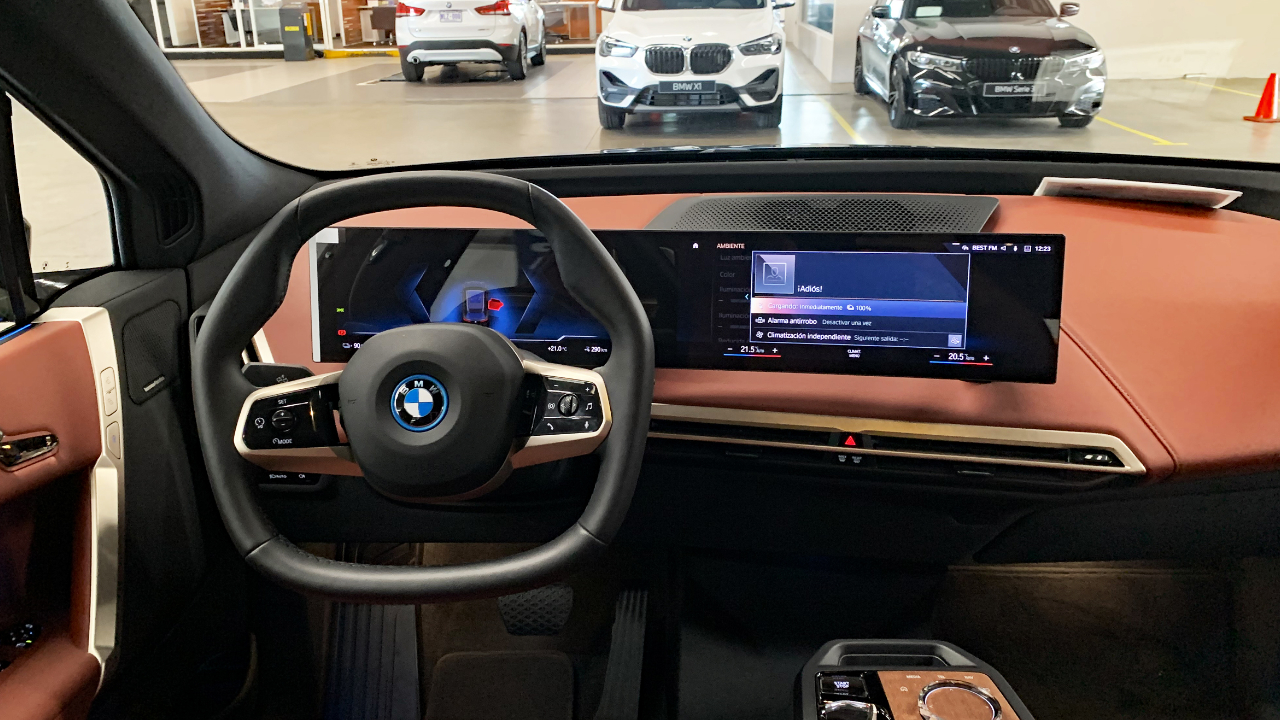
BMW’s choice of amber or orange interior lighting isn’t just aesthetic; it’s backed by science. Orange light, particularly around 605 nanometers in wavelength, is the easiest for the human eye to process at night without disrupting night vision. That makes it ideal for nighttime driving, reducing eye strain and helping drivers stay alert.
This detail speaks to BMW’s driver-focused philosophy. Long before mood lighting became a trend, BMW was engineering interiors with visibility and comfort in mind. Today, their dashboards continue to reflect that same purposeful approach to design.
The Dodge Brothers Built Ford’s Early Engines
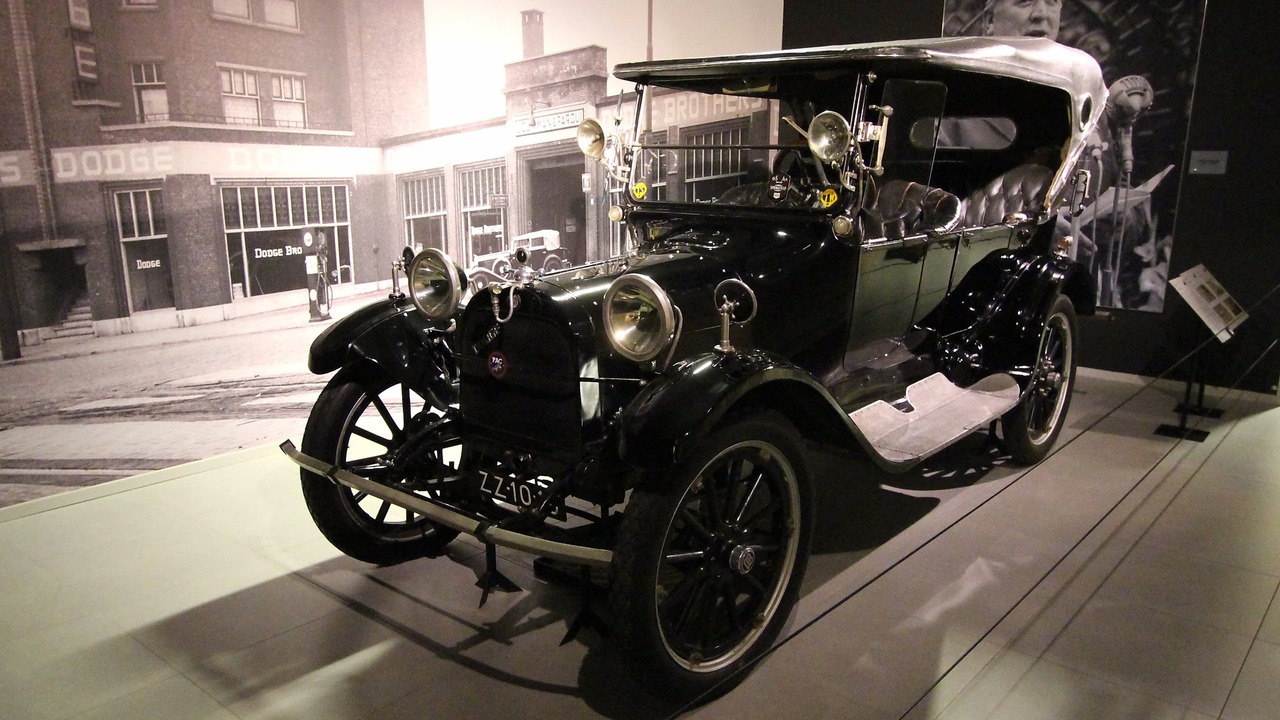
We’ve already mentioned that Ford was involved with Cadillac, but that’s not his only connection to other Detroit carmakers. Before John and Horace Dodge founded their own car company, they were key suppliers to the growing Ford Motor Company. In the early 1900s, they manufactured engines and other components for Ford’s Model A and Model T. Their craftsmanship helped Ford rise to dominance.
Eventually, the Dodge brothers decided to strike out on their own, launching Dodge in 1914. Their vehicles quickly gained a reputation for durability. The fact that they once built the heart of Ford’s cars, and later became fierce competitors, is a reminder of how interconnected the early auto industry really was.
Subaru Once Made Airplane Parts for WWII
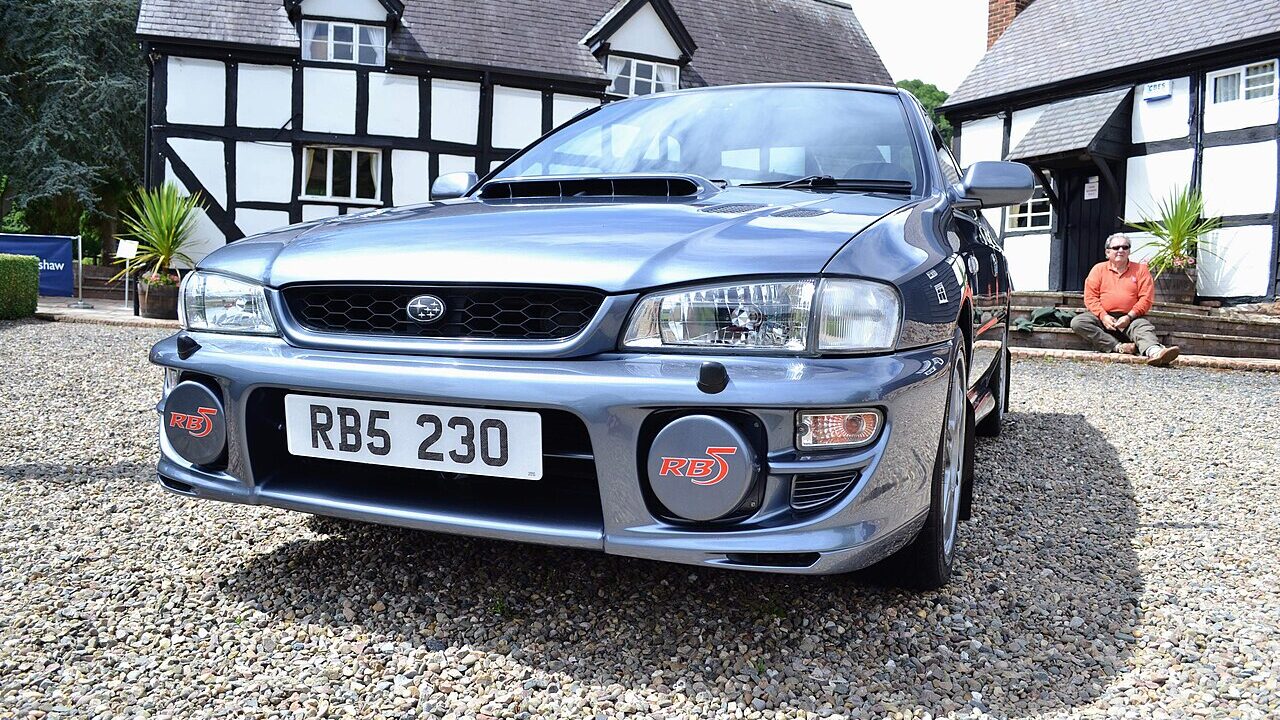
Before Subaru was known for rally-bred AWD cars, its parent company, Nakajima Aircraft Company, built warplanes for Japan during WWII. After the war, it was reorganized and eventually became Fuji Heavy Industries, the backbone of modern-day Subaru. That aerospace heritage lives on in Subaru’s logo, which features six stars representing the Pleiades constellation (and the companies merged to form Fuji).
Subaru isn’t the only company that has gone from building fighter planes to selling family cars. BMW did the same, and even Ford built the B-24 Liberator bomber plane during WWII.
Gasoline Really Is Lighter Than Water

It may seem counterintuitive, but gasoline floats on water. That’s because it has a lower density — around 0.71 to 0.77 kilograms per liter, compared to water’s 1.0. This property is crucial in fuel safety and cleanup efforts, especially when it comes to environmental spills.
In real-world terms, this means gasoline spills on water form surface slicks and can easily ignite, which is why handling fuel near water sources requires extra caution. It’s also why gas tanks are vented and sealed carefully to avoid vapor leaks.
Honda’s U.S. SUV Was an Isuzu in Disguise
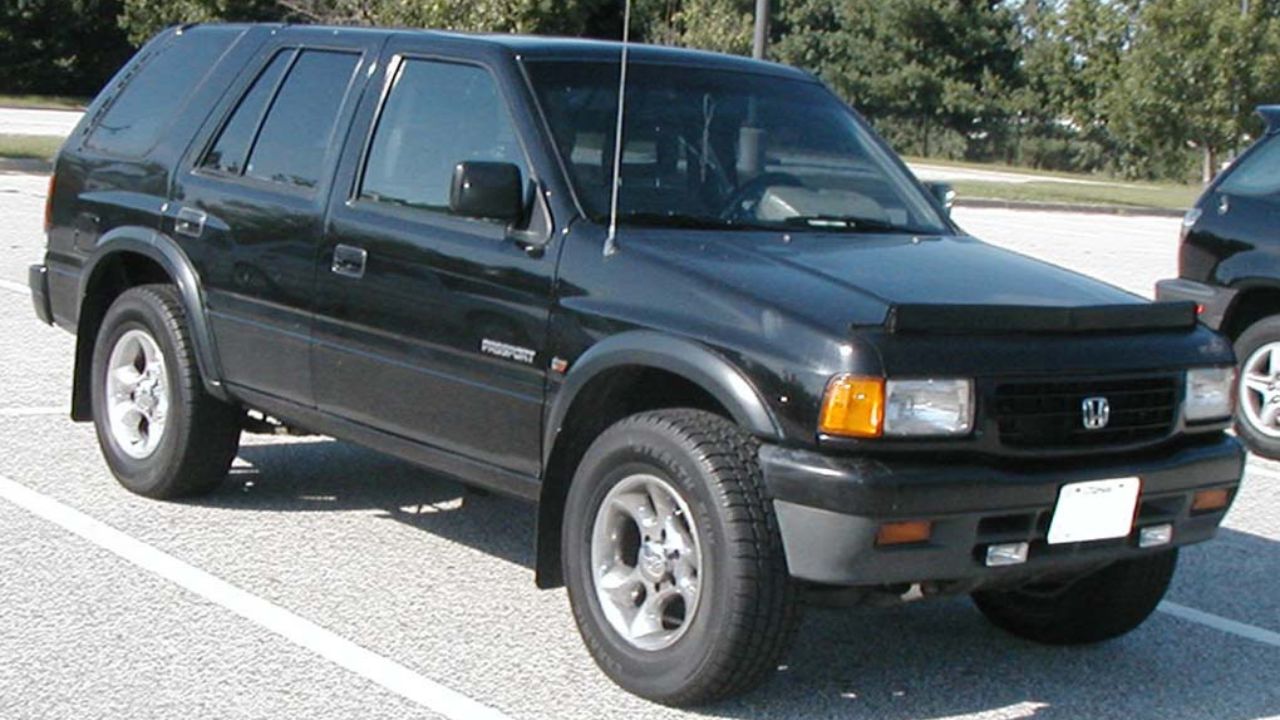
When Honda introduced the Passport in the 1990s, it wasn’t built in-house, but was actually a rebadged Isuzu Rodeo. The move was part of a strategic partnership: Honda needed an SUV for the American market, and Isuzu needed a sales boost. The result was a win-win, even if the Passport wasn’t a true Honda under the skin.
This SUV gave Honda a foothold in the booming utility vehicle segment until it could develop its own, like the CR-V and Pilot. While today’s Passport is all Honda, the original was a borrowed badge with a different story to tell.
What These Car Facts Reveal

It’s easy to see cars as tools for transportation, but their stories tell us so much more. Behind every badge or engine code is a web of decisions — creative, practical, and sometimes accidental — that helped shape the industry. Whether it’s Honda borrowing a Land Rover or BMW fine-tuning the hue of its dashboard lights, these details show how deeply human the world of cars really is.
And if nothing else, they make for great conversation the next time you’re stuck in traffic or hanging out in the garage.