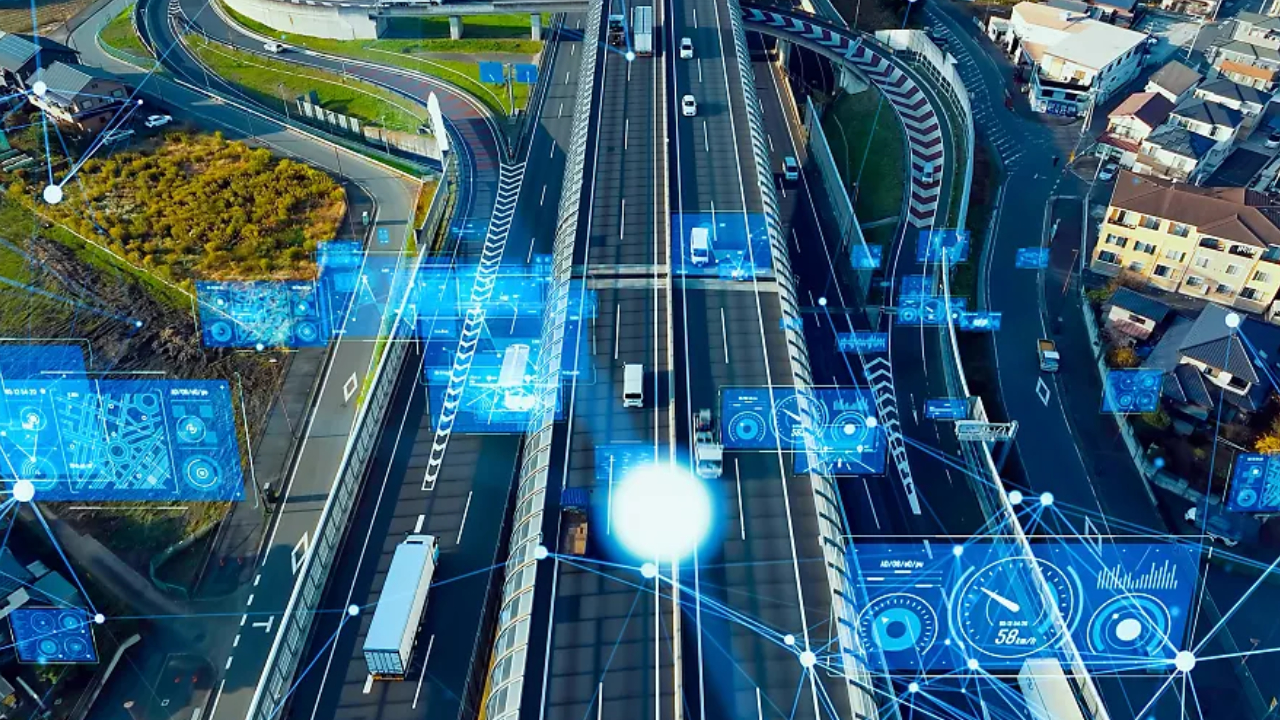
Across the UK, fleet operators are warming up to a powerful idea: Artificial Intelligence might just be the key to making roads safer. A recent Webfleet survey found that 74% of commercial fleet decision-makers believe AI can help reduce accidents. That’s not just tech optimism, it’s a sign that smart driving tools are finally earning trust where it counts: behind the wheel.
And let’s be honest: safety’s always been a sticking point. Whether you’re managing a delivery van fleet or hauling freight across the country, reducing collisions and keeping drivers protected isn’t just good business—it’s the right thing to do. So when the folks in charge say they see AI as part of the solution, it’s worth paying attention.
How AI Is Changing the Way Fleets Drive
This isn’t some far-off, sci-fi promise. AI is already showing up in driver-facing dashcams, vehicle monitoring systems, and smart alerts that can detect drowsiness or distraction before disaster strikes. In fact, 86% of UK fleet operators in the Webfleet poll say they’re already using AI-driven tools or plan to within the next three years.
These systems do more than just record footage. They can analyze behavior, provide real-time feedback, and help managers spot risky patterns early. That means fewer surprises on the road and fewer phone calls no one wants to get. For drivers, that could mean support instead of blame when mistakes happen, plus training tailored to real habits, not guesses.
Why Drivers Might Actually Welcome the Change
You might expect drivers to be wary of new tech watching their every move, but interestingly, that’s not the whole story. When AI is used to coach rather than punish, many drivers appreciate the backup. Think of it like having an assistant who never blinks, always keeps an eye on the blind spots, and lets you know when something’s off before it’s too late.
The key is how the data is used. When companies are transparent and use insights to improve safety, not micromanage, trust builds fast. The result? Safer fleets, fewer accidents, and better morale.
Challenges Ahead, But the Road Looks Promising
Of course, nothing’s perfect. Privacy concerns are real, and it takes time to roll out new systems without creating confusion or pushback. But as more fleet managers see real safety benefits, adoption is likely to accelerate.
What’s more, advances in AI accuracy mean false alarms are getting rarer, and feedback is getting sharper. That’s important because good data builds confidence, not just in the system, but in the people using it. As AI tools keep evolving, expect them to become just as common in fleet vehicles as seatbelts and GPS.
The Future: Safer Roads for Everyone
This shift toward AI-driven safety isn’t just a fleet issue. It affects everyone on the road — cyclists, pedestrians, and parents on school runs. If AI can help reduce crashes, it’s a win for communities, insurance costs, and even the environment, thanks to smoother driving.
For now, the momentum is clear: AI is moving from hype to habit. And if it delivers on its promise, we may look back one day and wonder how we ever drove without it.