
The Honda CR-V has earned its place in countless driveways thanks to decades of dependable performance, sensible packaging, and a ride that’s as comfortable on the highway as it is around town. But peel back the surface of this common compact crossover and you’ll find some surprises few owners ever discover: quirks, hidden conveniences, and clever engineering that speak to Honda’s knack for thoughtful design.
Longtime drivers and SUV-curious newcomers alike can dive into ten fun, lesser-known facts about the CR-V, from its picnic-table origins to cutting-edge fuel-cell tech.
Our Research Roadmap

To put this list together, we dove into Honda’s own archives and press releases, combed owner forums and enthusiast posts, and consulted authoritative sources like MotorTrend and Kelley Blue Book.
Wherever possible, each fact comes straight from Honda’s official materials, trusted automotive coverage, and real owner experiences.
It Started Life with a Real Picnic Table

When the first-generation CR-V hit the market, Honda stowed a removable picnic table right in the cargo-floor recess. Pull it out, flip up the fold-out legs, and you have an instant al fresco dining spot that’s perfect for tailgates, campsites, or a backyard barbecue.
Believe it or not, Honda fit every RD1 model with one, with no optional accessory needed (although you’d need to bring your own chairs).
“CR-V” Means Different Things in Different Markets

Honda has never settled on a single definition for its crossover’s initials. In Japan, it was promoted as the “Comfortable Runabout Vehicle,” while in Europe and elsewhere, marketing copy leaned into “Compact Recreational Vehicle.” Either way, the name captures the balance of daily-driver comfort and weekend-adventure potential.
A Sneaky Storage Drawer Lives Under the Seat
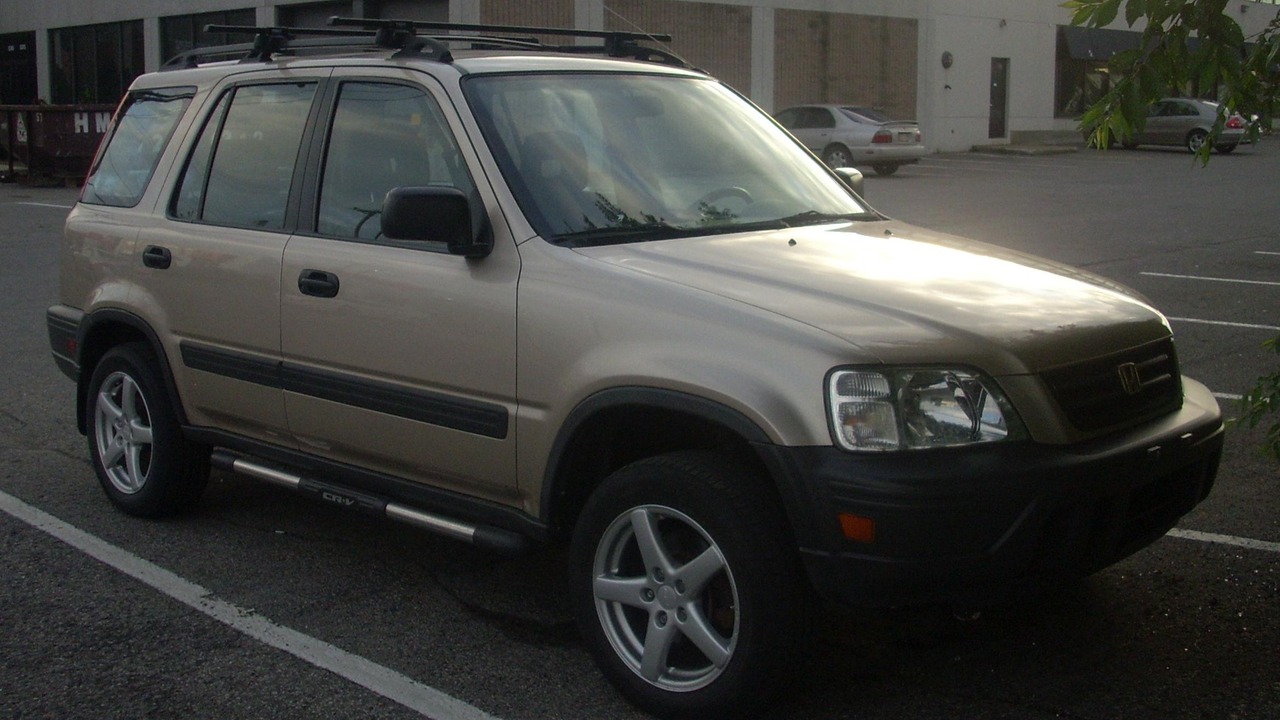
Scroll beneath the front-passenger seat on many first- and second-generation CR-Vs and you’ll find a small pull-out tray, ideal for stashing valuables, an emergency kit, or loose change. It’s so well hidden that plenty of owners only learn about it years later.
One of the Original Car-Based Crossovers

Long before “crossover” was a household term, the CR-V debuted on a Civic-derived unibody chassis, unlike most SUVs of its day, which used truck frames. The car-like underpinnings meant better ride comfort, fuel economy, and handling right out of the gate.
Early Models Wielded a Column-Mounted Shifter

To maximize cabin space (flat floor, no center console), first-gen automatics used a column shifter (the same idea behind “three-on-the-tree” manual gears of yesteryear). It’s an oddity in a modern crossover, but it helped make the CR-V’s front row feel open and uncluttered.
There’s a Hybrid CR-V with Standard AWD

Launched for the 2020 model year, the CR-V Hybrid combines a 2.0-liter Atkinson-cycle engine with dual electric motors and Honda’s Real Time AWD™ system, delivering up to 40 mpg combined without sacrificing the go-anywhere grip of all-wheel drive.
It Was Japan-Only at First
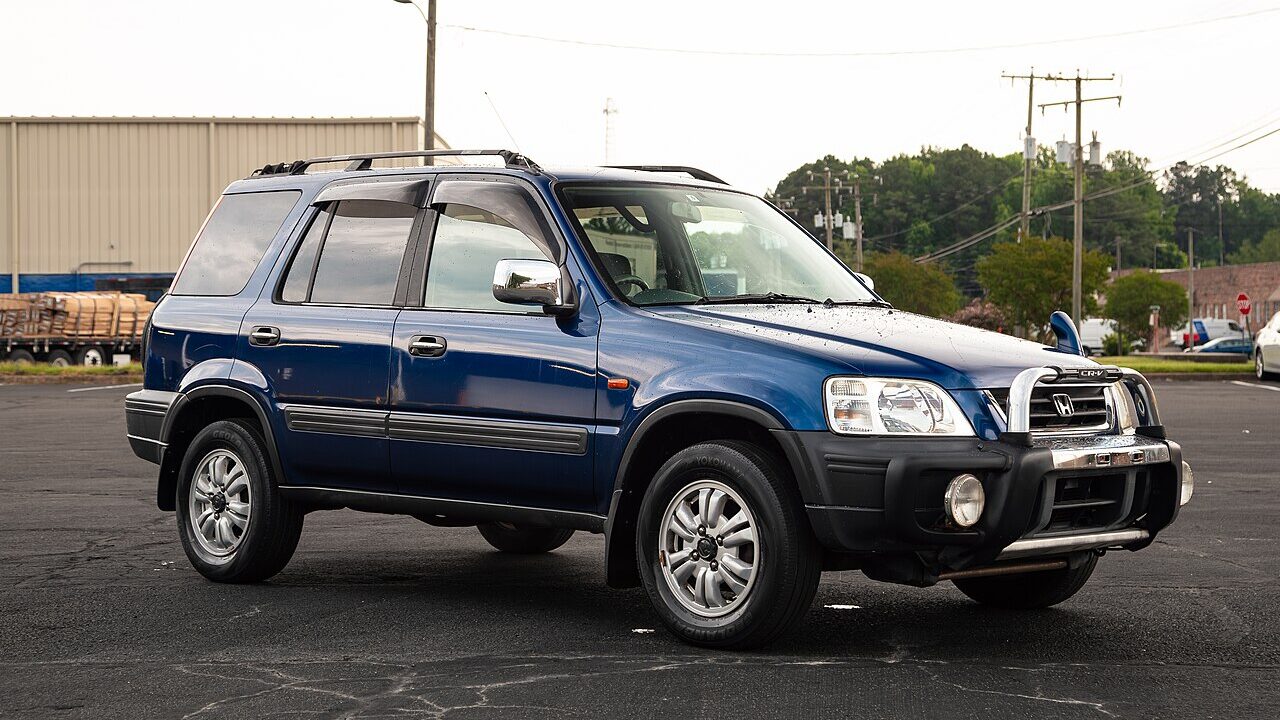
Honda introduced the CR-V domestically in October 1995, but only later brought it to North America as a 1997 model. Strong demand convinced Honda to expand production worldwide, and today the CR-V is assembled in Japan, the U.K., the U.S., Mexico, Canada, and China.
Strong Resale Value Keeps Owners Smiling

Year after year, Kelley Blue Book ranks the CR-V among the best in its class for retained value, thanks to its bulletproof reliability, broad consumer appeal, and steady demand for quality used examples.
Honda Pitched It as a “Runabout” for Everyday Life

Rather than targeting hardcore off-roaders, Honda envisioned the CR-V as a versatile “lifestyle” vehicle that would be equally at home on the school run, road trip, or grocery haul. That mindset drives its emphasis on fuel economy, cabin comfort, and cargo flexibility over rock-crawling hardware.
A Hydrogen Fuel-Cell Version Just Arrived
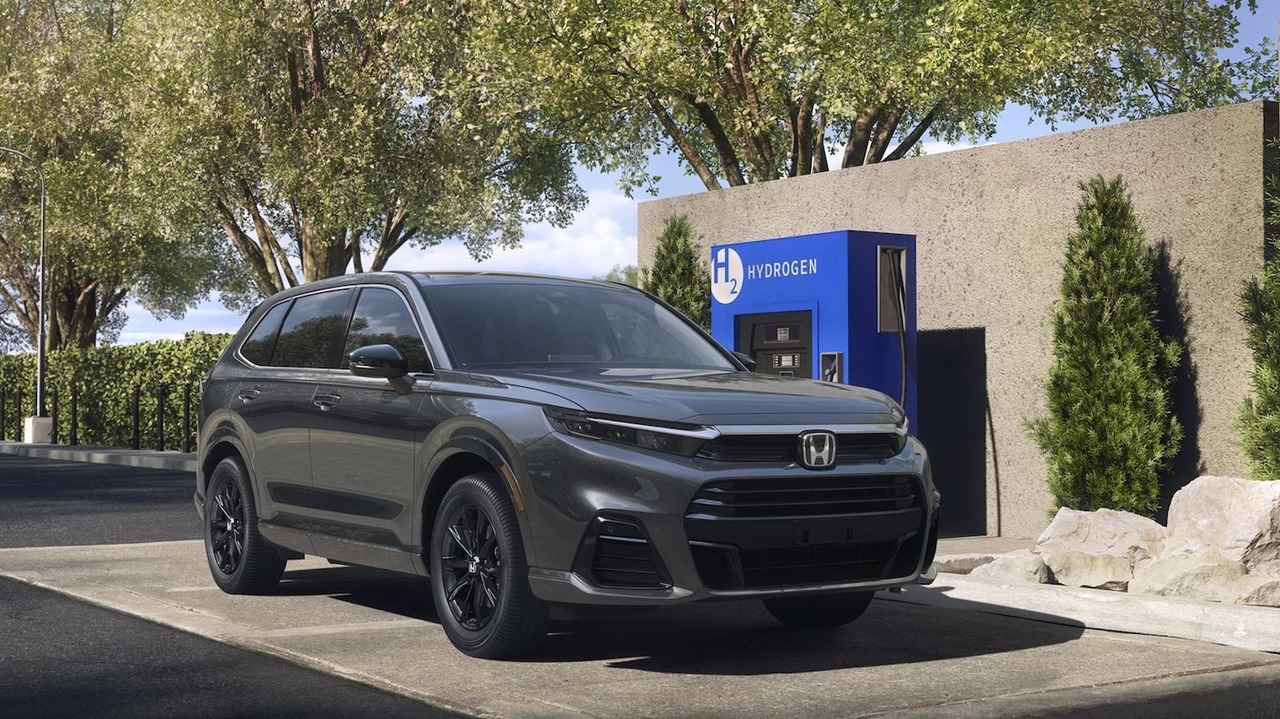
In mid-2024, Honda quietly launched the CR-V e:FCEV, a plug-in hydrogen fuel-cell model, at select California dealerships. It blends a fuel-cell stack with battery plug-in capability for emission-free driving and quick refueling, marking a bold step toward Honda’s 2040 carbon-neutral goal.
Why the CR-V Stands Out
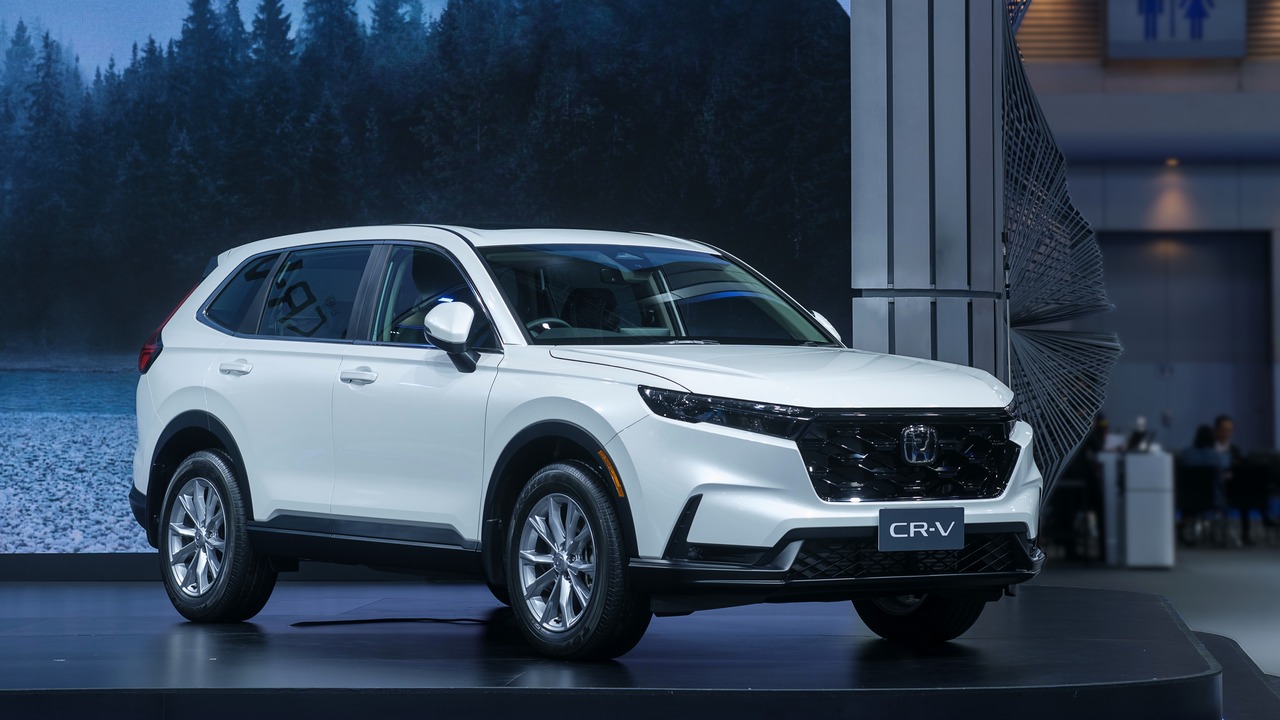
The Honda CR-V may seem like a straightforward compact SUV, but as we’ve seen, it has a history packed with fun surprises and clever innovations. From its early days with a picnic table to its evolution into a high-tech hybrid, the CR-V continues to be one of the most versatile and beloved vehicles on the road.
Whether you already own one or are considering getting one, now you know a few extra reasons why the CR-V stands out in the crowded SUV market.