
There is no single global scoreboard for home-buying pain, so the safest way to judge it is to combine two rough but useful measures. Numbeo’s 2026 country table tracks a price-to-income ratio and a mortgage-as-share-of-income estimate, while Demographia’s 2025 survey rates major housing markets by “median multiple,” or house price divided by household income.
Numbeo notes that lower ratios mean better affordability, and Demographia classifies anything above 9.0 as “impossibly unaffordable.” That gives this topic a more disciplined foundation than just saying homes feel expensive.
So “practically impossible” here does not mean nobody buys. It means ordinary earners, especially first-time buyers in the biggest job centers, face numbers so stretched that ownership starts to depend on family help, two strong incomes, or years of delayed adulthood.
With that in mind, these nine stand out for how punishing the ladder has become.
1. China, through Hong Kong’s housing market

If you want the clearest example of a housing market losing contact with normal paychecks, Hong Kong still belongs near the top. Numbeo’s 2026 table puts Hong Kong at a 30.9 price-to-income ratio and a mortgage burden of 221.0% of income.
Demographia says Hong Kong’s 2024 median multiple was 14.4 and that it has now been the least affordable market in its survey for 14 straight years. That is an extraordinary run of dysfunction.
Even improvement does not make that picture comfortable. Demographia notes that Hong Kong improved from 16.7 in 2023 to 14.4 in 2024, yet the market still sits deep in impossible territory.
When a place can improve that much and remain this forbidding, the problem is clearly structural rather than temporary.
2. Australia

Australia’s crisis is no longer a one-city story. Demographia says Australian markets have a national median multiple of 9.7, with Sydney at an “impossibly unaffordable” 13.8.
The same report shows Adelaide at 10.9, Melbourne at 9.7, and Brisbane at 9.3. That is what makes Australia such a striking case.
The problem is not confined to one global superstar city with exceptional land constraints. When even smaller or less internationally glamorous markets sit in impossible territory, the old idea that buyers can simply move one step down the hierarchy starts to break apart.
Australia now looks like a country where the escape valve has narrowed badly. That is what makes it so punishing for ordinary buyers.
3. Canada

Canada still looks brutal where the jobs and migration pressures are strongest. Demographia says Vancouver had an “impossibly unaffordable” median multiple of 11.8 in 2024, making it more unaffordable than every market in its survey except Hong Kong, Sydney, and San Jose.
Toronto came in at 8.4, still severely unaffordable, and Demographia says smaller markets in British Columbia and Ontario have also seen major affordability deterioration. That spread matters.
Once the pain moves beyond the obvious prestige market and starts showing up in second-tier destinations, the national story changes from “big-city distortion” to “systemic strain.” Canada is not equally punishing everywhere, but the places with the strongest labor pull have become hard enough to bend the entire conversation around ownership.
4. New Zealand

New Zealand has improved, but improved does not mean easy. Demographia says Auckland’s median multiple was 7.7 in 2024, down from 8.6 in 2019, yet still firmly in the “severely unaffordable” category.
The same report quotes Housing Minister Chris Bishop saying the country’s housing crisis is holding New Zealand back socially and economically. The government’s own 2025 housing policy statement uses similarly stark language, calling fixing the crisis one of its most important economic tasks.
That is a revealing mix of progress and frustration. The ratio has moved in the right direction, but the flagship market still sits far above anything a first-time buyer would call comfortable.
A place can get better and remain deeply out of reach at the same time. New Zealand fits that description uncomfortably well.
5. Ireland

Ireland has reached the stage where both affordability and availability are official problems, not just political talking points. The OECD says housing affordability and availability continue to fall short in Ireland.
Demographia says Dublin deteriorated from “seriously unaffordable” to “severely unaffordable” in 2024, with a median multiple of 5.1.
The broader cost picture does not offer much relief. Ireland’s CSO said residential property prices rose 7.4% in the year to August 2025, with the median dwelling price at €375,000, while Eurostat says Irish rents rose 108% between 2010 and 2024.
When rent drains savings and sale prices keep climbing, the first deposit becomes much harder to build. Ireland now looks punishing both before and after you try to buy.
6. Portugal

Portugal has become one of Europe’s clearest affordability flashpoints. The OECD says house prices have outgrown incomes since 2013 and that many low-income households are overburdened by housing costs.
The European Mortgage Federation’s Q3 2025 review places Portugal at the far end of its price-to-income chart among the countries shown, ahead of Czechia, the Netherlands, and Hungary.
That helps explain why the country’s housing debate now feels so raw. This is not only about wealthy foreigners, Lisbon hype, or a few flashy coastal districts.
When a country keeps posting one of the highest price-to-income relationships in the European sample, the gap between local wages and sale prices stops looking like a neighborhood problem and starts looking national.
7. Czech Republic

Czechia has some of the harshest ownership math in Europe. Deloitte says the Czech Republic is the least affordable country for home ownership among the 18 countries it surveyed and that buying a standard new dwelling requires 13.3 gross annual salaries.
Prague makes the picture even sharper. The same Deloitte index says Prague ranks third among the least accessible European cities, with a score of 15.0 times gross annual income.
The EMF’s Q3 2025 review also places Czechia near the top of its European price-to-income chart. That overlap is hard to ignore.
When both country-level and capital-city data look this stretched, ownership stops feeling merely expensive and starts looking structurally out of reach.
8. Philippines
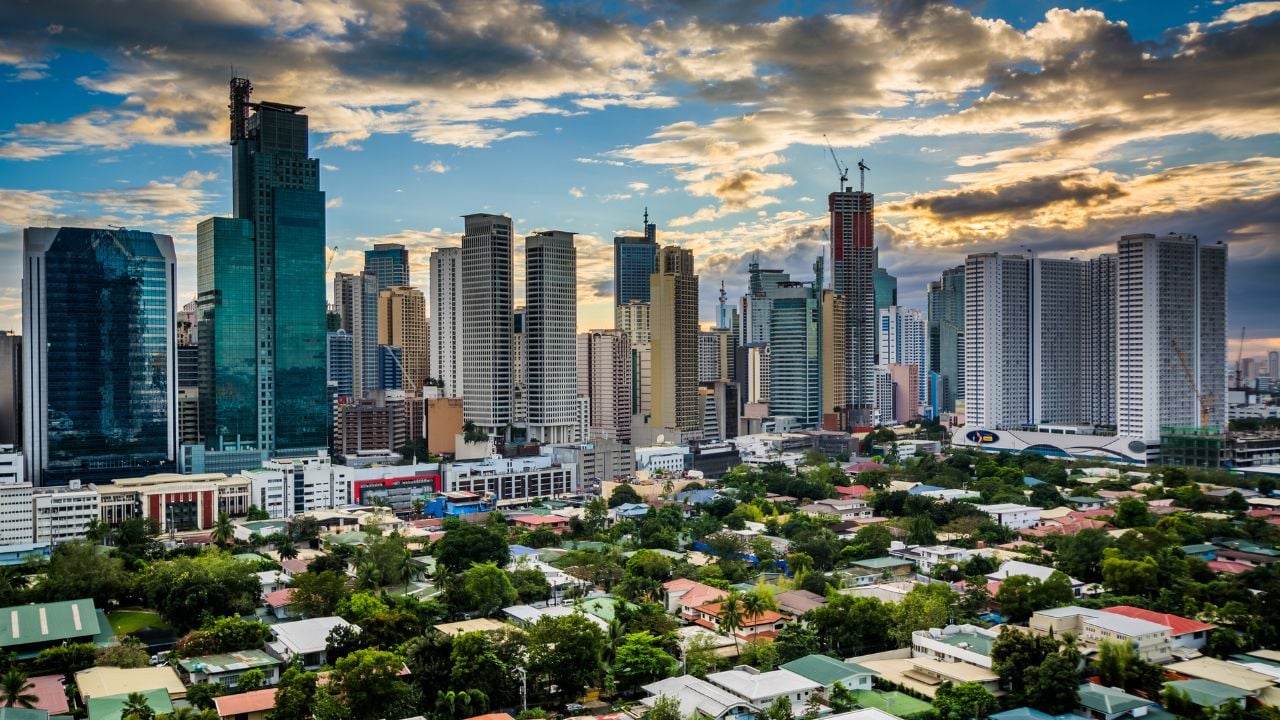
On raw country ratios, the Philippines looks frightening. Numbeo’s 2026 table puts it at a 32.1 price-to-income ratio and a mortgage burden equal to 300.5% of income.
The regional housing research says much the same thing in different language. BusinessWorld, citing the Urban Land Institute’s 2025 Asia-Pacific Home Attainability Index, says homeownership remains out of reach for many households because of the wide gap between residential prices and income, especially in Metro Manila and Davao.
ULI’s threshold says attainable homes should cost no more than five times annual household income and rents should take no more than 30% of monthly income. Metro Manila and Davao both sit well beyond those limits.
Even when the market cools in patches, the starting point is so stretched that normal buyers still struggle badly. That is what makes the Philippines such a severe case.
9. Vietnam
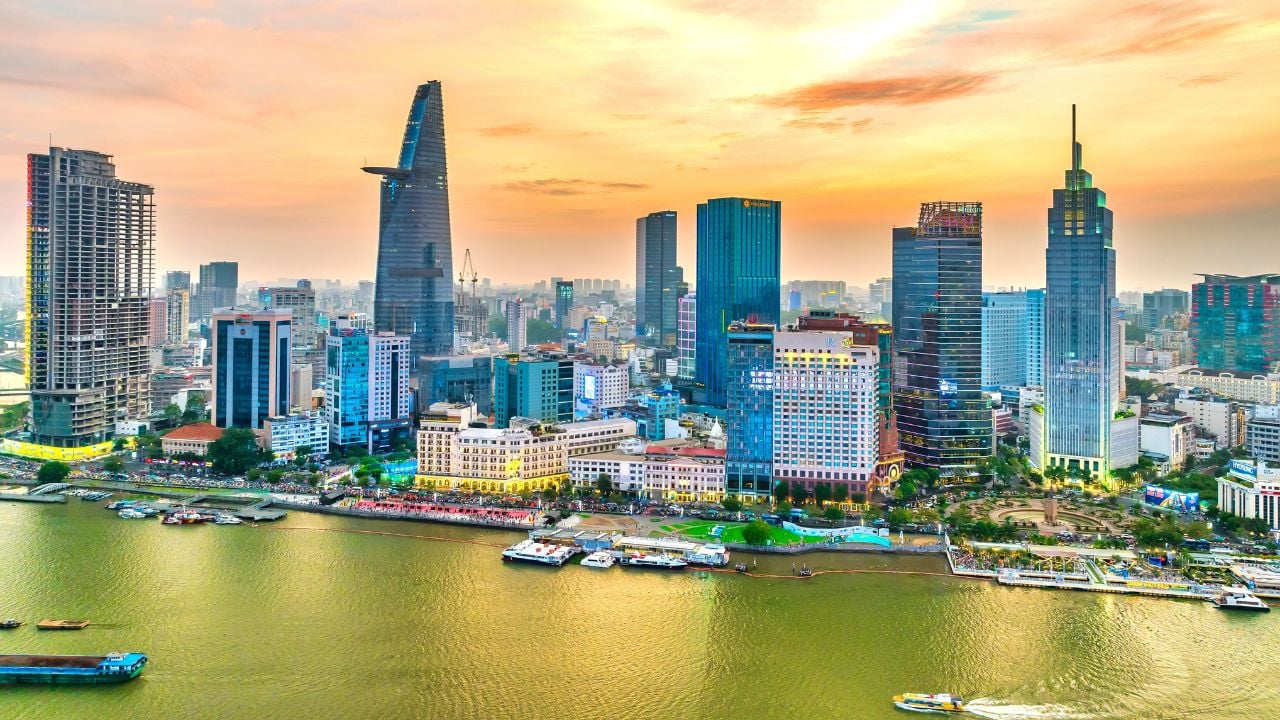
Vietnam is one of the clearest cases where headline economic momentum has not translated into easier buying. Numbeo’s 2026 table gives Vietnam a 30.2 price-to-income ratio and a mortgage burden of 319.2% of income.
A 2025 prime ministerial telegram said the same problem more bluntly. It said housing and real estate prices in several localities had surged beyond the affordability of most people.
The pressure is especially obvious in the main urban centers. Việt Nam News reported in March 2026 that housing prices in Hà Nội and Hồ Chí Minh City have continued rising faster than incomes, widening the affordability gap and pushing many buyers to postpone purchase plans.
Once the main career cities start functioning like that, ownership begins to look less like a goal and more like a distant privilege. That is what makes Vietnam land on this list.