Finding a clean, numbers-matching classic American performance car used to take patience. Now it takes patience, deep pockets, and a little luck. The pool of unrestored, documented survivors keeps shrinking as collectors pull the best cars off the market and hold them for years.
These are not obscure oddities nobody wanted. These are the cars that defined an era, the ones with the right engines, the right years, and the right stories behind them. When they surface at auction or through a private sale, they rarely stay available for long.
The nine cars on this list represent some of the most actively hunted classics in the American collector market today.
1969 Chevrolet Camaro Z/28
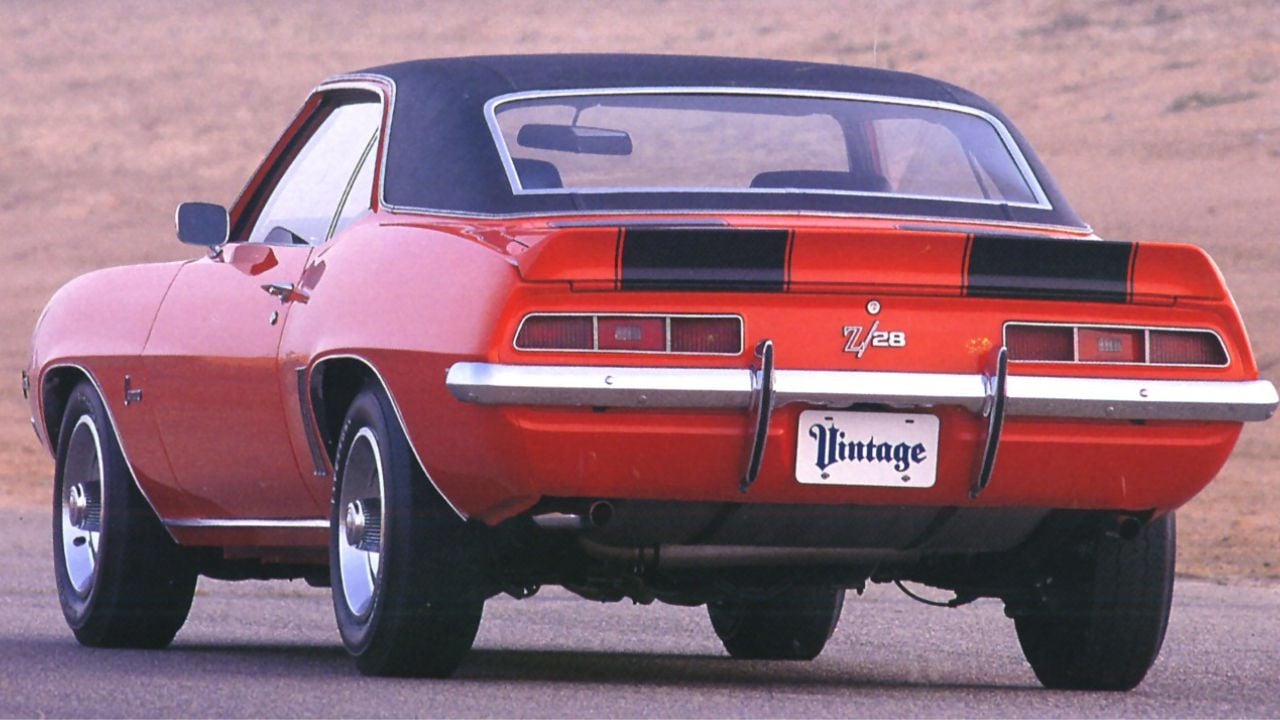
The Z/28 was built to satisfy Trans-Am homologation rules, which meant Chevrolet had to offer a street version to the public. That racing connection still matters, but so does the car itself. The 302-cubic-inch small-block, close-ratio gearing, and high-revving character gave the Z/28 a personality that was sharper and more disciplined than many of its big-block contemporaries.
The 1969 model year was also the high-water mark for first-generation Z/28 production, with about 20,302 built, far more than the roughly 602 produced in 1967 or the 7,199 built in 1968. What makes clean examples scarce today is not low original production but decades of attrition. Modification, abuse, bad restorations, and ordinary neglect have thinned the pool dramatically. Not every first-generation Camaro that claims to be a Z/28 actually is one, and verified numbers-matching cars are the ones collectors chase hardest.
1970 Plymouth ’Cuda (426 Hemi)

The third-generation Barracuda is widely regarded as one of the most desirable American performance cars ever built, and the 426 Hemi ’Cuda sits at the top of that hierarchy. Of the 50,627 Barracudas of all types sold for 1970, only 666 were Hemi cars, and just 14 of those were convertibles. That makes a genuine Hemi ’Cuda scarce before condition, drivetrain originality, or documentation even enter the conversation.
Those 14 convertibles are among the rarest and most valuable American production cars in existence, but even hardtops are difficult enough to locate in authentic, unaltered form. The deeper point is that the ’Cuda has never needed help from nostalgia alone. It already had the shape, the engine choices, and the cultural weight. Time has simply made the real ones harder to get.
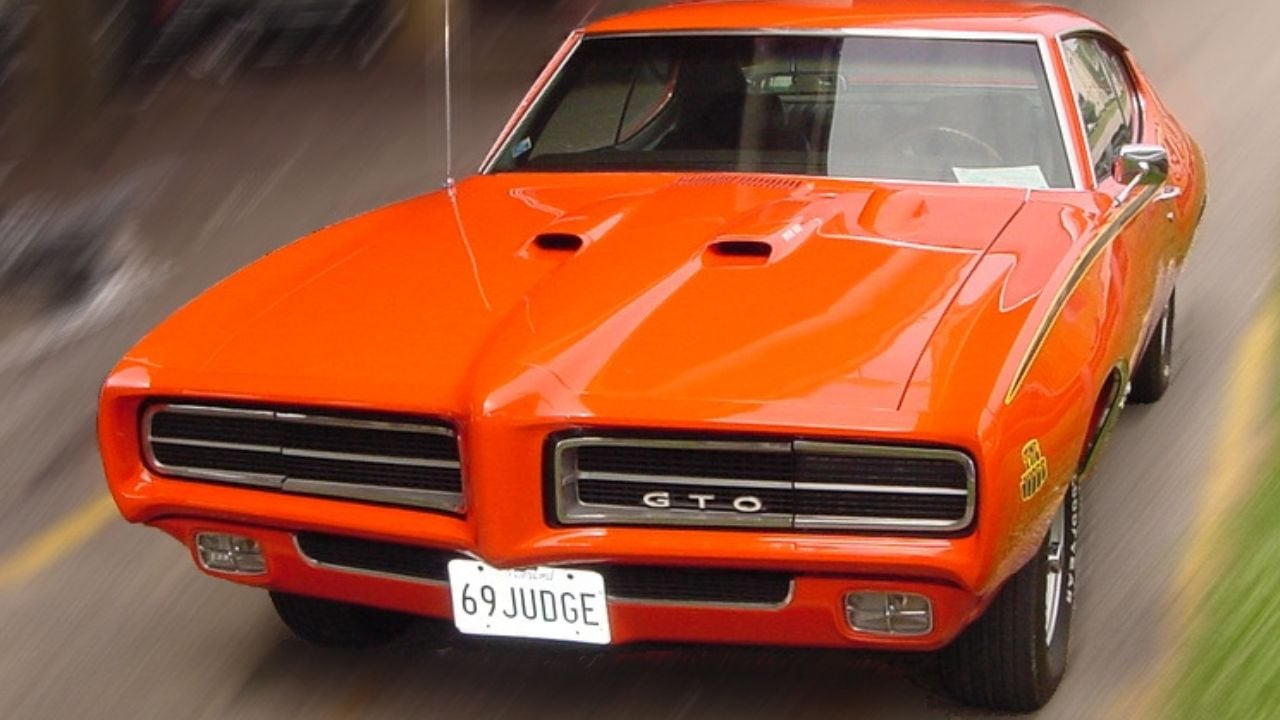
1969 Pontiac GTO Judge

Pontiac introduced the Judge in 1969 as a high-visibility, high-performance option for the GTO. It came standard with the 400-cubic-inch Ram Air III V-8, while the Ram Air IV sat higher up the ladder for buyers who wanted the most serious version. The Judge was bold in both performance and appearance, and collectors have been chasing clean examples for decades because the package captured Pontiac’s late-1960s confidence so well.
Production was never huge to begin with. Pontiac built about 6,833 Judges in 1969, including 6,725 hardtops and just 108 convertibles. That already makes the car scarce enough, and the truly top-spec cars live in an even thinner layer of the market. When a well-documented Judge surfaces, especially one with the right drivetrain and paperwork, it usually does not stay available for long.
1970 Chevrolet Chevelle SS 454

The 1970 Chevelle SS 454 is the car most often cited when people talk about the peak of the era. That year, GM finally relaxed its displacement restrictions, and Chevrolet answered with the 454-cubic-inch big-block. But not all SS 454s are equal, and that distinction is everything to serious buyers.
The base 454 was the LS5, rated at 360 horsepower. The real legend was the optional LS6, rated at 450 horsepower and 500 lb-ft of torque. An LS5 car and an LS6 car are not the same purchase, not the same investment, and not the same conversation at auction. Documented LS6 examples with matching-numbers drivetrains are the cars that reach deepest into six-figure territory. Most SS 454s on the market are LS5 cars, so establishing exactly which one you are looking at is step one for any serious buyer.
1969 Dodge Charger R/T

The second-generation Dodge Charger is one of the most recognizable American cars ever built, and the 1969 R/T remains one of the strongest entry points into that mythology. The R/T package made the Charger’s intent unmistakable, pairing the dramatic Coke-bottle body with serious V-8 power and the kind of road presence that still feels oversized in the best possible way.
That 1969 model year also matters because it sits at the center of the Charger story. It was the same season that produced the Charger 500 and the Daytona, which only deepened the aura around the standard R/T. Hemi-powered cars predictably command the biggest money, but even 440 Magnum examples are getting harder to find in honest, unmodified condition. The market has spent years separating real cars from inflated claims, and buyers now pay accordingly for the ones that pass scrutiny.
1966 Shelby GT350
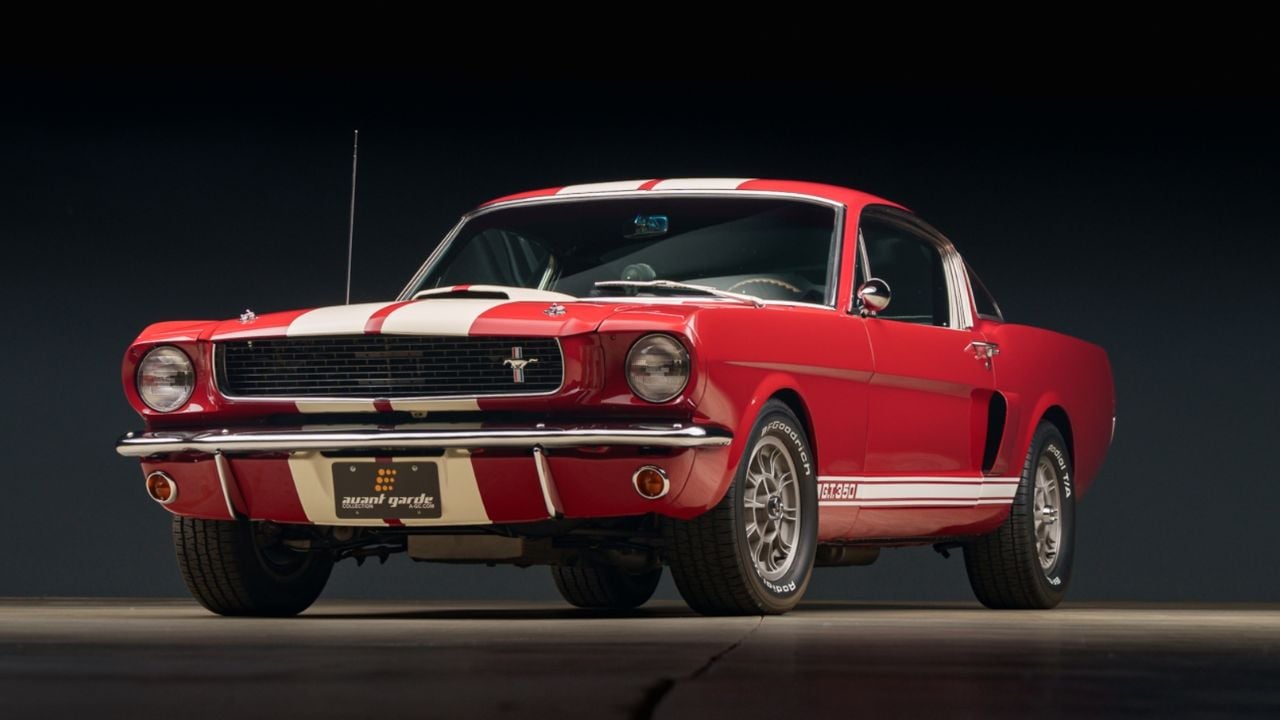
The 1966 GT350 was a more consumer-oriented evolution of the rawer 1965 model. Where the original leaned hard into competition flavor with no rear seat and no automatic option, the 1966 broadened the formula with a rear-seat option and an available automatic transmission. It still carried the modified 289-cubic-inch V-8 rated at 306 horsepower, and it still felt like something far more serious than a dressed-up Mustang.
That wider appeal is exactly why the 1966 cars matter so much now. They kept the Shelby identity intact while making the car easier to live with, and that helped more examples survive into long-term collector hands. Even so, Shelby-certified documentation remains everything. The market is well informed, the fakes and misrepresented cars are well known, and verified examples command the premium. Finding one that has not been modified, damaged, or badly restored is difficult enough on its own.
1970 Buick GSX Stage 1

The GSX is one of the most underappreciated performance cars of the era among general audiences, but serious collectors have known about it for a long time. Total 1970 GSX production came to about 678 units. Of those, 400 were fitted with the Stage 1 package, while the remaining 278 carried the standard 455. That distinction matters because the Stage 1 cars sit at the sharp end of the market and carry the specification most buyers actually want.
On paper the Stage 1 package was rated at 360 horsepower and a huge 510 lb-ft of torque, which only hints at how hard these cars could move in the real world. Buick wrapped all of that in one of the boldest, most recognizable packages of the period. Combined with low production and a rising appreciation for what these cars really are, that has made documented Stage 1 GSXs much more difficult to source than they used to be.
1970 Ford Torino Cobra
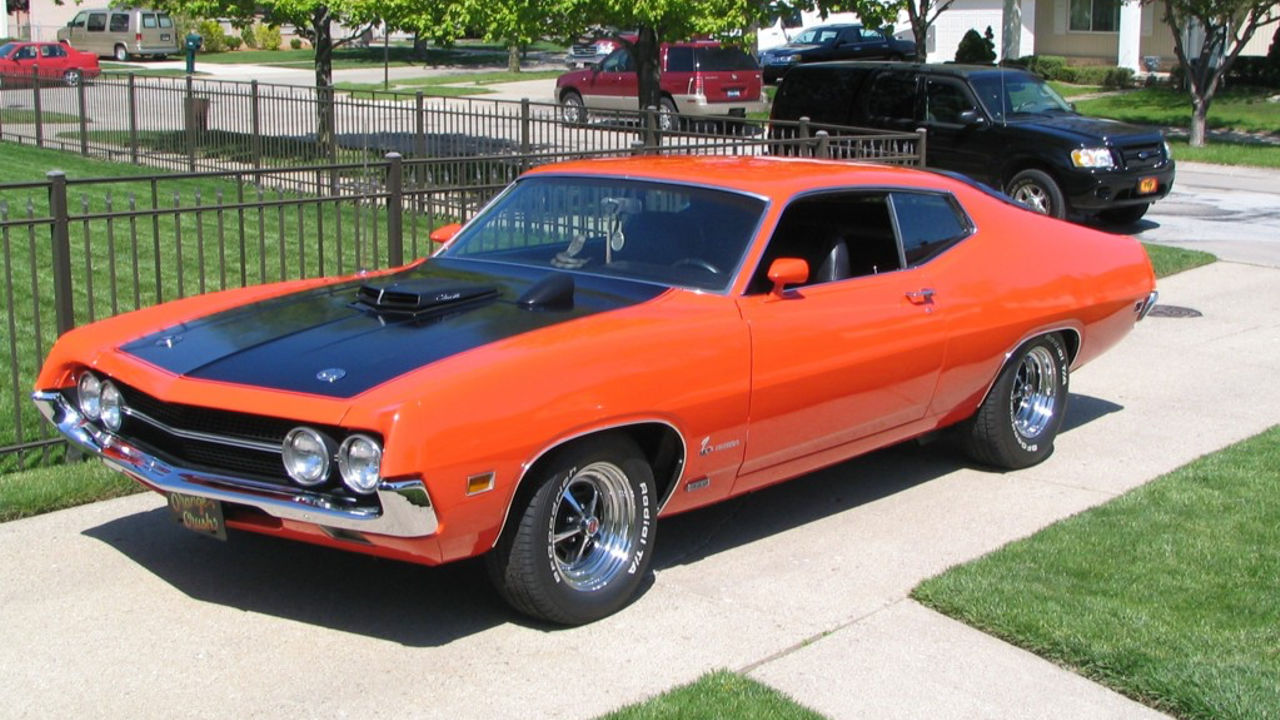
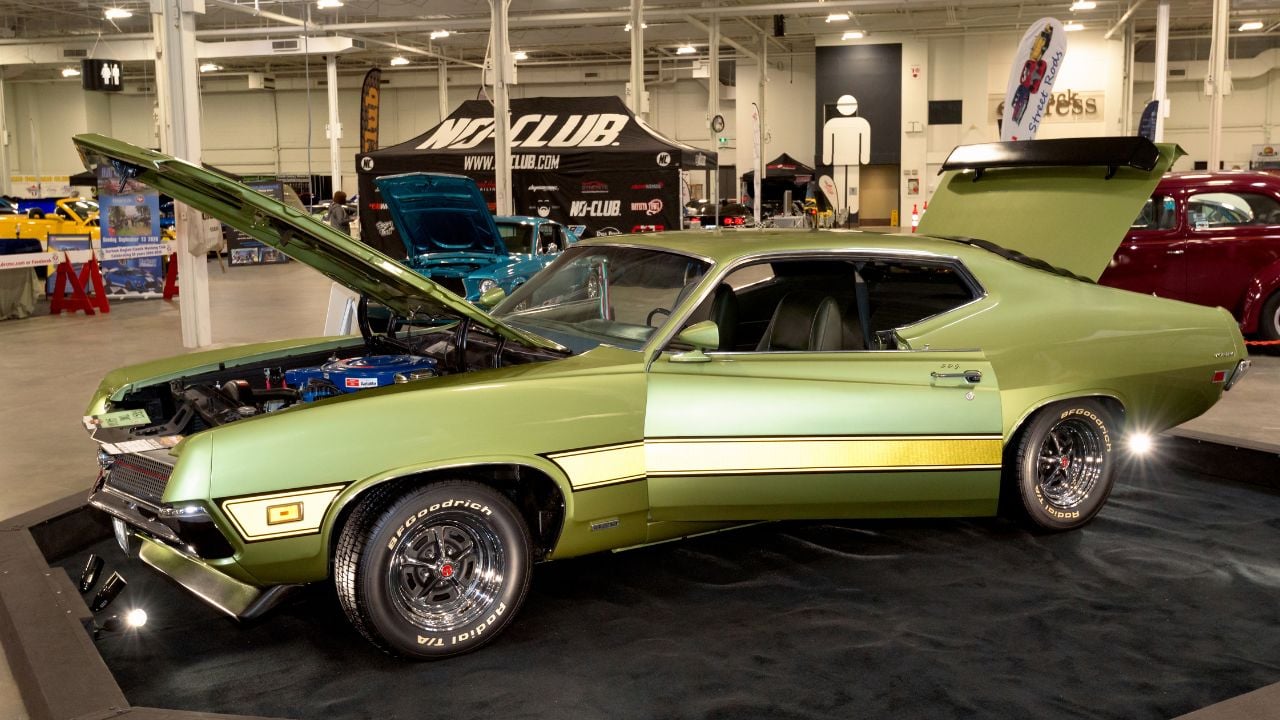
The Torino Cobra does not get the same attention as some of its GM and Mopar rivals, but it absolutely belongs in this conversation. The base engine was Ford’s 429 Thunder Jet, rated at 360 horsepower. Buyers could step up to the optional 429 Cobra Jet at 370 horsepower, and adding the Drag Pack transformed the combination into the 375-horsepower Super Cobra Jet. That engine ladder is part of why these cars need careful decoding today.
Because it was overshadowed by the Mustang inside Ford’s own performance story, the Torino Cobra never attracted the same frenzy early on. That is changing. Enthusiasts who know the car are looking much harder now, especially for well-documented Cobra Jet and Super Cobra Jet cars. Clean examples with correct drivetrains are becoming noticeably harder to locate, and the days of treating them like second-tier blue-collar bargains are fading fast.
1971 Dodge Challenger R/T
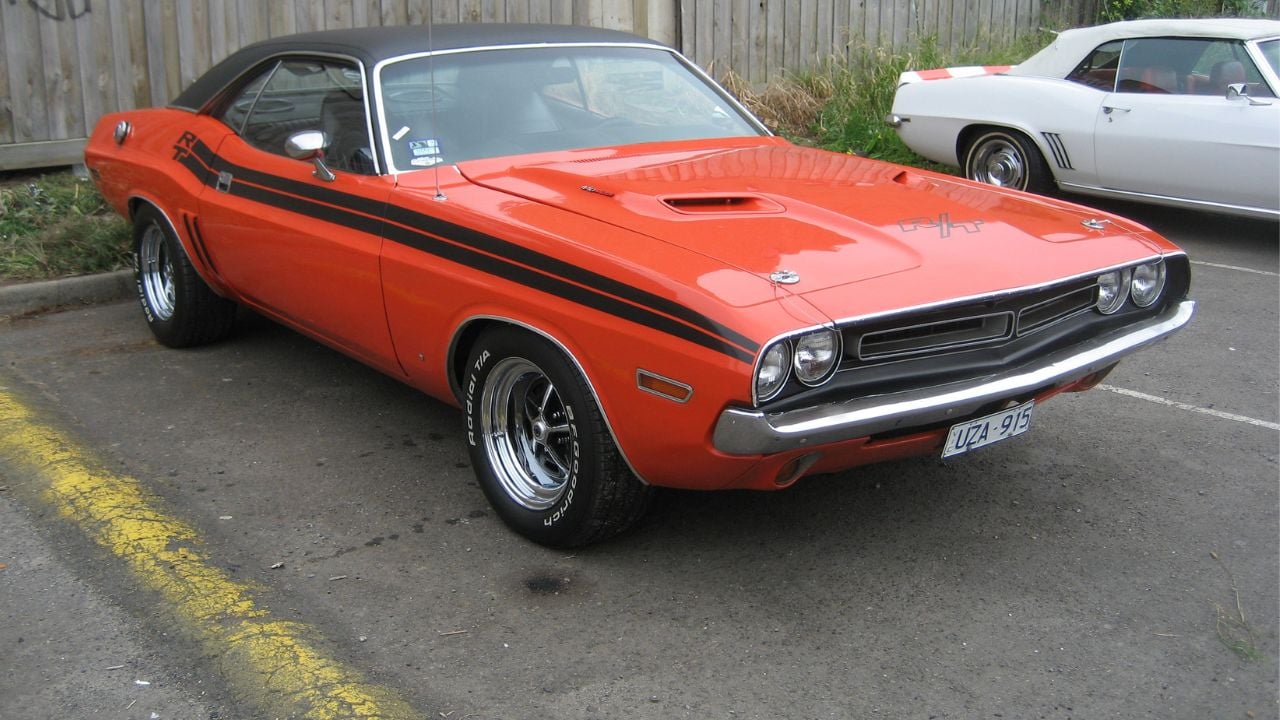
The 1971 Challenger is often overlooked in favor of the 1970 model, but it has its own strong case. It was the last year the Challenger could be ordered with the 426 Hemi, and it was also available with the 440 Six-Pack. Tightening emissions rules meant the window for this kind of factory performance was closing fast, which gives the 1971 cars a very specific kind of end-of-an-era importance.
One important detail for buyers is that while compression dropped across much of the 1971 Mopar performance range, the 426 Hemi did not follow that pattern. It remained at about 10.25:1 compression and 425 horsepower, which kept it firmly in the top tier. Production dropped sharply from 1970, making 1971 R/T cars genuinely scarce regardless, and Hemi examples especially difficult to find. Many collectors have never seen one in person, which tells you a lot about where the supply now stands.
Gone Today, Gone Tomorrow
The window for finding these cars at anything resembling accessible prices has been narrowing for years. Auction results and private sales alike show the same pattern: the best cars are increasingly absorbed into long-term collections, and the ones that do reappear are met by buyers who already know exactly what they are looking at.
None of this means these cars are gone forever. It means the search takes longer, costs more, and demands more scrutiny than it once did. For collectors who know what they are looking for, that is part of the appeal. For everyone else, it is a reminder that the best time to pay attention was years ago, and the second-best time is right now.