Some trips feel far from ordinary life before the first major activity begins. The road narrows, the phone signal weakens, the weather changes quickly, and the view outside the window stops looking like anything from the working week.
The Faroe Islands, Lofoten, Kangaroo Island, Skye, the Atacama Desert, the Azores, Svaneti, and Tasmania all bring that kind of separation. They are not simple city breaks. Ferries, weather windows, rental cars, trail conditions, daylight, and local distances matter more here than they would in a compact capital.
The reward is physical and immediate: Atlantic cliffs with sheep on the slopes, red fishing cabins under Arctic mountains, sea lions on empty beaches, mist over Scottish ridges, salt flats below volcanoes, crater lakes in green islands, stone towers beneath the Caucasus, and Tasmanian wilderness beyond small towns and food markets.
These trips need patience, but they give travelers the kind of space that busy weeks rarely allow. A good day might hold one road, one hike, one boat, one beach, one viewpoint, and one slow meal. That is enough when the setting keeps changing with clouds, light, wind, water, and distance.
1. Faroe Islands, Denmark

The Faroe Islands replace ordinary scenery with green cliffs, black rock, turf-roofed villages, sheep on steep slopes, waterfalls dropping toward the ocean, and weather that moves across the hills in visible waves. Visit Faroe Islands places the archipelago in the North Atlantic, halfway between Scotland and Iceland.
That location shapes the whole trip. Roads curve between fjords, tunnels, villages, and viewpoints where the sea appears suddenly below the mountains. A short drive might pass low cloud, bright sun, rain, and clear sky before lunch. The official Faroe Islands weather guide describes conditions as mild, windy, and highly changeable, with sunshine, mist, and light rain able to shift quickly.
The islands reward travelers who do not overfill the day. One village, one cliff walk, one coastal viewpoint, and one café stop may be plenty when the wind, seabirds, sheep, and ocean keep changing the scene.
Planning still matters. Weather can close in quickly, some hikes require local rules or payments, and ferries or tunnels shape movement between islands. The official hiking-fee guidance is worth checking before building a day around a famous trail.
2. Lofoten Islands, Norway

Lofoten places red fishing cabins, sharp mountains, fjords, beaches, drying racks, small harbors, and Arctic light within the same road trip. Visit Norway describes the islands as a rare wilderness outpost with majestic mountains, deep fjords, windswept beaches, and fishing villages.
The scale is the first thing travelers feel. A village may sit quietly beside the water while a dark mountain rises almost straight behind it. Around the next bend, the road opens toward another beach, another fjord, or another cluster of cabins standing on stilts above the shore.
A strong Lofoten day does not need many stops. A scenic drive, a village walk, a beach, and one hike or viewpoint can fill the day because the landscape is doing real work, not serving as background.
Season changes the trip completely. Visit Lofoten notes that the islands sit above the Arctic Circle, with midnight sun in summer and northern lights from September to April. Visit Norway’s trip-planning guide also points to Lofoten’s milder climate compared with other places at the same latitude, but wind, road distances, daylight, and mountain weather should still decide the day.
3. Kangaroo Island, Australia

Kangaroo Island feels separate from the mainland as soon as the day starts revolving around open roads, wildlife, beaches, coastal cliffs, farm gates, and small settlements. Tourism Australia describes the island as one of Australia’s best places to see wild animals such as koalas, kangaroos, sea lions, and seals, with geology and local food also shaping the trip.
The island’s variety keeps the trip from feeling empty. Sea lions rest near the sand, kangaroos move through scrubland, cliffs break hard against the ocean, and local producers bring honey, wine, seafood, and farm products into the route.
A day here is better with fewer promises and more room between stops. Travelers might visit a wildlife area, walk near unusual rock formations, stop for lunch or a farm product, then finish near a beach before dusk. The local tourism site’s Australian sea lion guidance is useful for understanding why Seal Bay is one of the island’s most important wildlife stops.
Distances are easy to underestimate. Kangaroo Island needs a car, enough fuel, daylight awareness, and realistic timing between natural sites. The island feels relaxed, but its size and wildlife-rich roads reward slower driving and a plan that does not chase every corner in one day.
4. Isle of Skye, Scotland
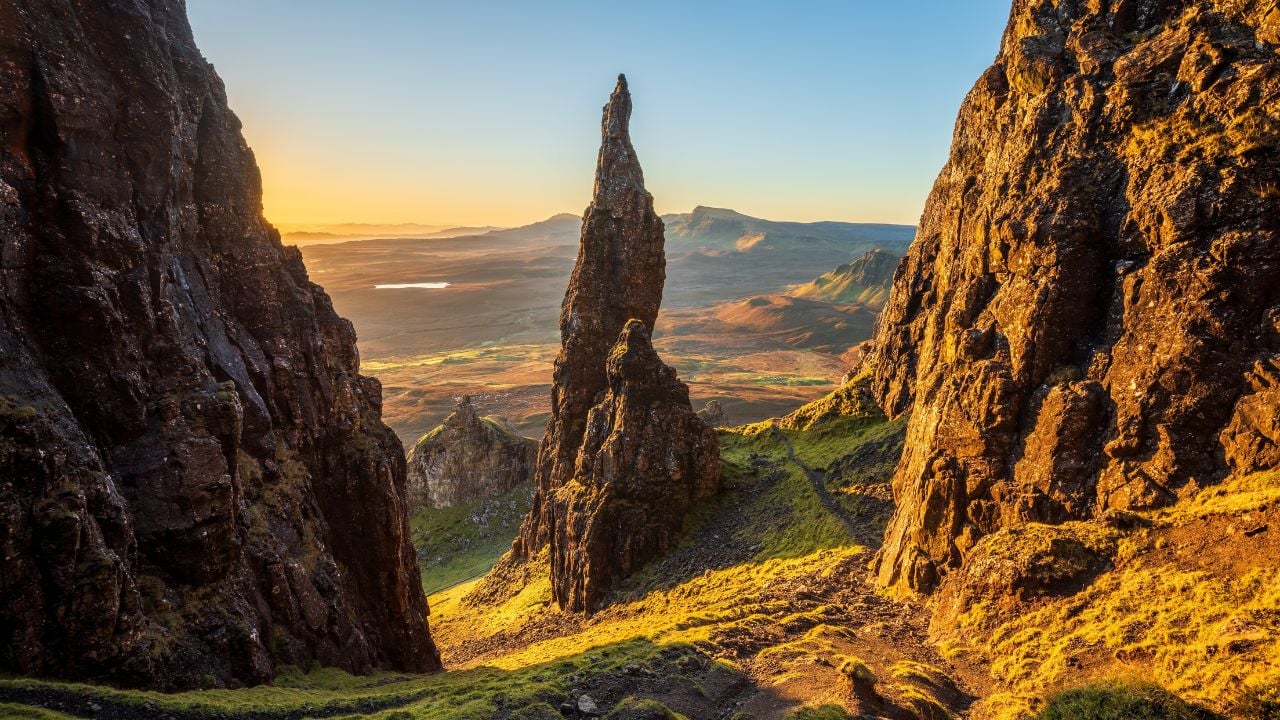
The Isle of Skye trades predictable travel days for ridges, lochs, sea cliffs, narrow roads, old stories, sheep, rain, and sudden light. VisitScotland presents Skye as one of Scotland’s major island destinations, with maps, accommodation ideas, and things to see and do for visitors planning a trip.
The landscape often decides the schedule. Mist may cover the Quiraing in the morning, then lift just enough to reveal cliffs and slopes a few minutes later. A road toward Portree, the Fairy Pools, or the Trotternish Peninsula can turn from grey to dramatic without warning.
Skye suits travelers who accept weather as part of the trip rather than a problem to solve. A short walk, a coastal drive, a warm meal, and an evening in a small village may give the day more character than a packed route from viewpoint to viewpoint.
Popular stops need careful timing in busy seasons. VisitScotland notes that driving gives visitors flexibility, but some island roads are single track with passing places. Local guidance for the Fairy Pools also points to a narrow access road and a defined walking route, so parking, road conditions, rain gear, and daylight all belong in the plan.
5. Atacama Desert, Chile

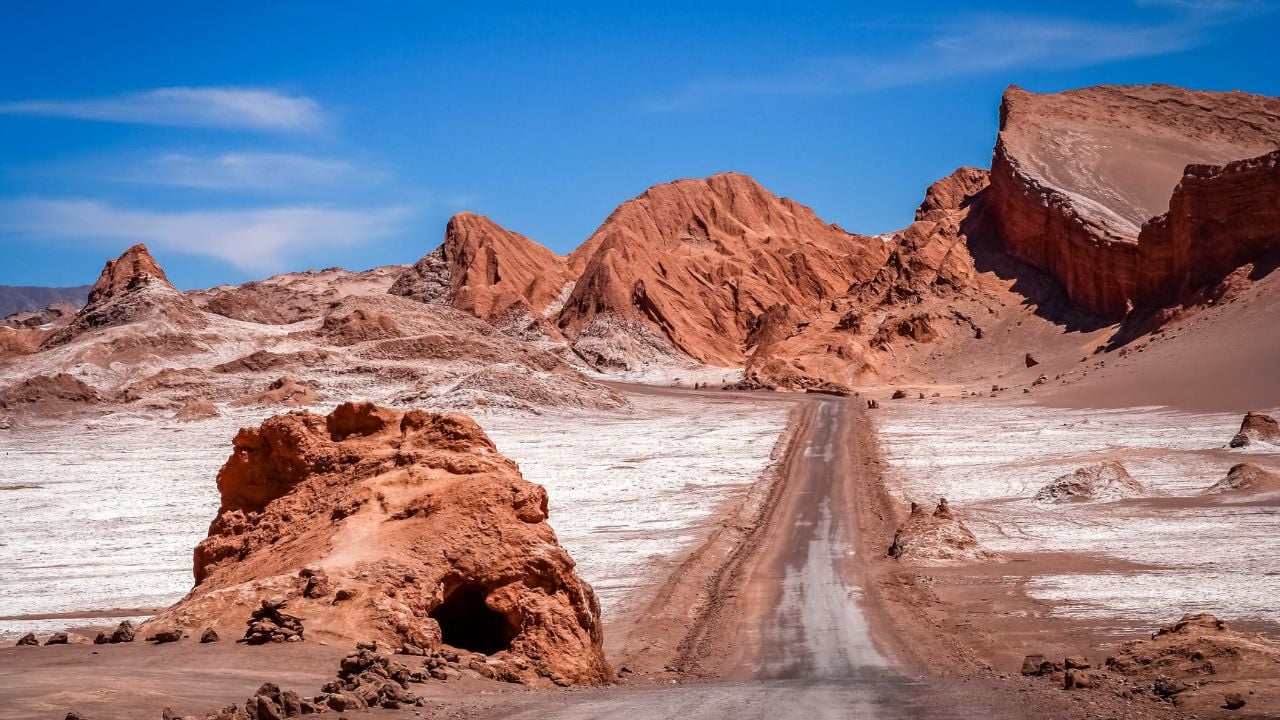
The Atacama Desert removes almost everything familiar from the view. Salt flats, volcanoes, dry valleys, high-altitude lagoons, empty roads, pale dust, and wide sky make the landscape feel stripped back to its strongest shapes.
Chile Travel describes San Pedro de Atacama as the gateway to the world’s driest desert, with Moon Valley, Tatio Geysers, lagoons, and astrotourism among the major draws. Its stargazing guide also says Chile is one of the best destinations in the world for stargazing, with the Atacama offering guided experiences under clear skies far from light pollution.
Sunrise and sunset matter here. Valleys change color quickly, lagoons sit below volcanoes, and the sky after dark can feel wider than the land itself. A night-sky tour gives the desert a second life after the heat and glare of the afternoon.
Altitude, cold nights, strong sun, and long distances shape the visit. Chile Travel’s Valle de la Luna guidance notes that the area sits close to San Pedro but still requires water, sun protection, and attention to entry times. The desert is not difficult only because it is remote; it is difficult because the body feels the dryness, elevation, and temperature swings.
6. Azores, Portugal
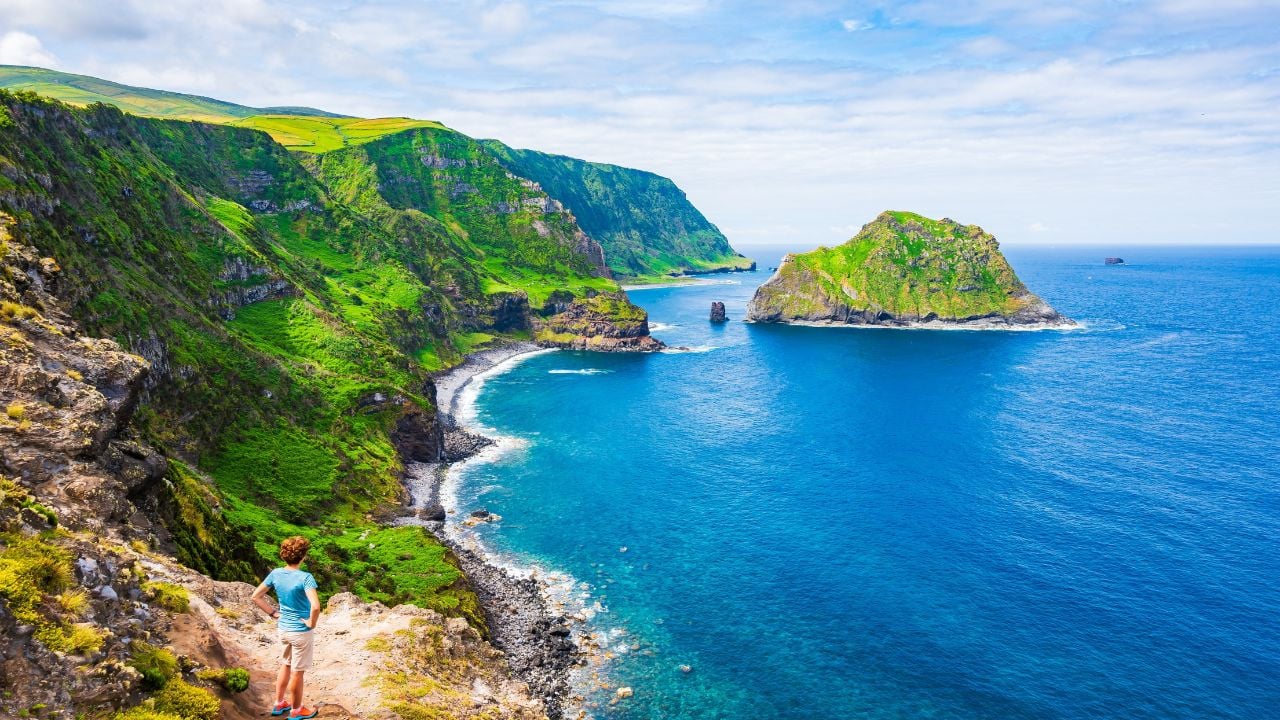
The Azores feel remote without leaving Europe behind. Across the archipelago, volcanic slopes, crater lakes, hydrangea-lined roads, hot springs, black-rock coastlines, whale-watching boats, fishing villages, and green pastures give the islands a lush Atlantic character.
Visit Azores presents the archipelago through nature-based experiences such as hiking, whale watching, geotourism, diving, biking, canyoning, and wellness. Each island has its own rhythm, so choosing the right base matters more than trying to see everything at once.
A strong day might start at a lake viewpoint, continue on a short trail, include a thermal soak or coastal stop, then end with seafood or stew after the clouds have moved across the hills. On São Miguel, local island guidance points to volcanoes, calderas, crater lakes, fumaroles, hot springs, caves, and grottos as part of the island’s geotourism identity.
Weather changes fast in the Azores. Fog can hide a crater view, then clear later in the day. Travelers should build flexible routes around viewpoints, thermal pools, whale-watching conditions, ferry or flight connections, and the reality that island weather rarely respects a rigid schedule.
7. Svaneti, Georgia
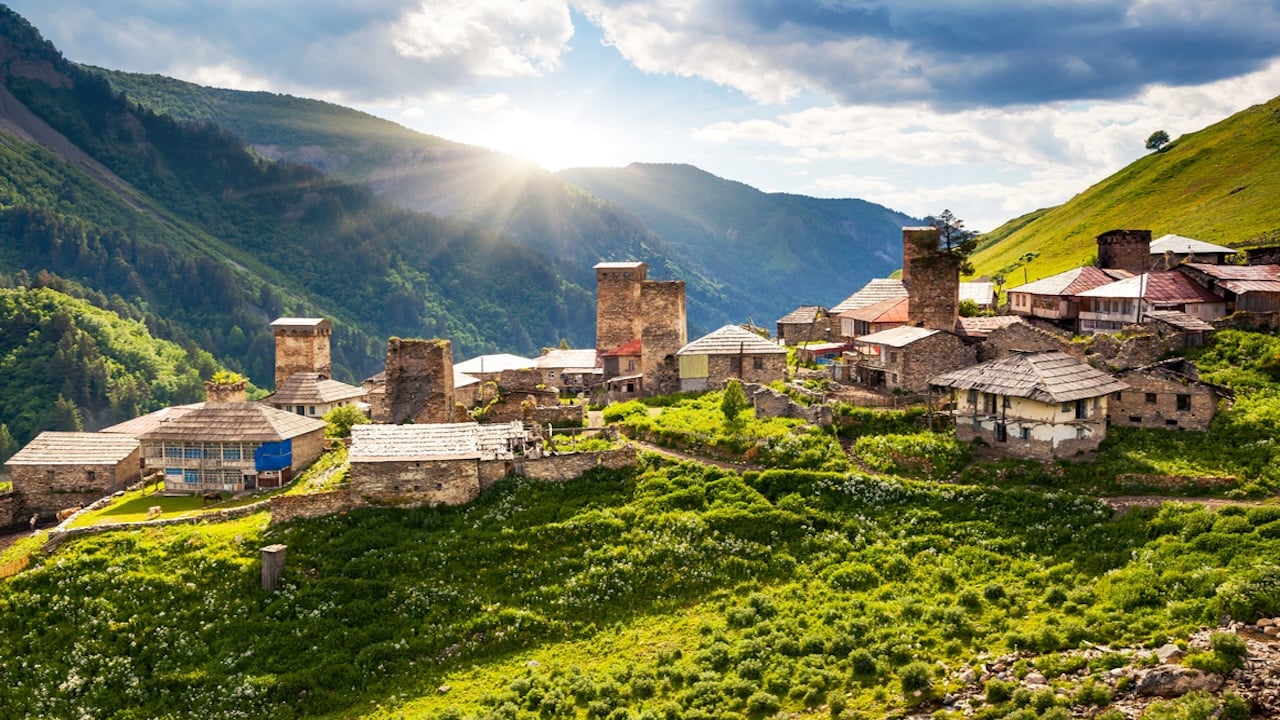
Svaneti feels like a mountain region shaped by distance. Stone tower-houses rise above villages, high peaks sit behind roofs and fields, and rough roads remind travelers that this part of Georgia was never built for fast movement.
UNESCO describes Upper Svaneti as an exceptional mountain landscape with medieval-type villages and tower-houses preserved by long geographical isolation. That isolation is still visible in the towers, village layouts, mountain roads, and the way the region sits below the Caucasus.
Ushguli gives the trip one of its highest and most distinctive stops. Georgia Travel says Ushguli sits at 2,200 meters above sea level and is one of the highest settlements in Europe, with trails leading toward the highest peaks of the Caucasus.
Svaneti needs more planning than a casual scenic drive. Road conditions, weather, travel time, guesthouses, mountain trails, and seasonal access all matter. The reward is a landscape where stone towers, glaciers, village paths, and high passes make ordinary daily routines feel very far away.
8. Tasmania, Australia
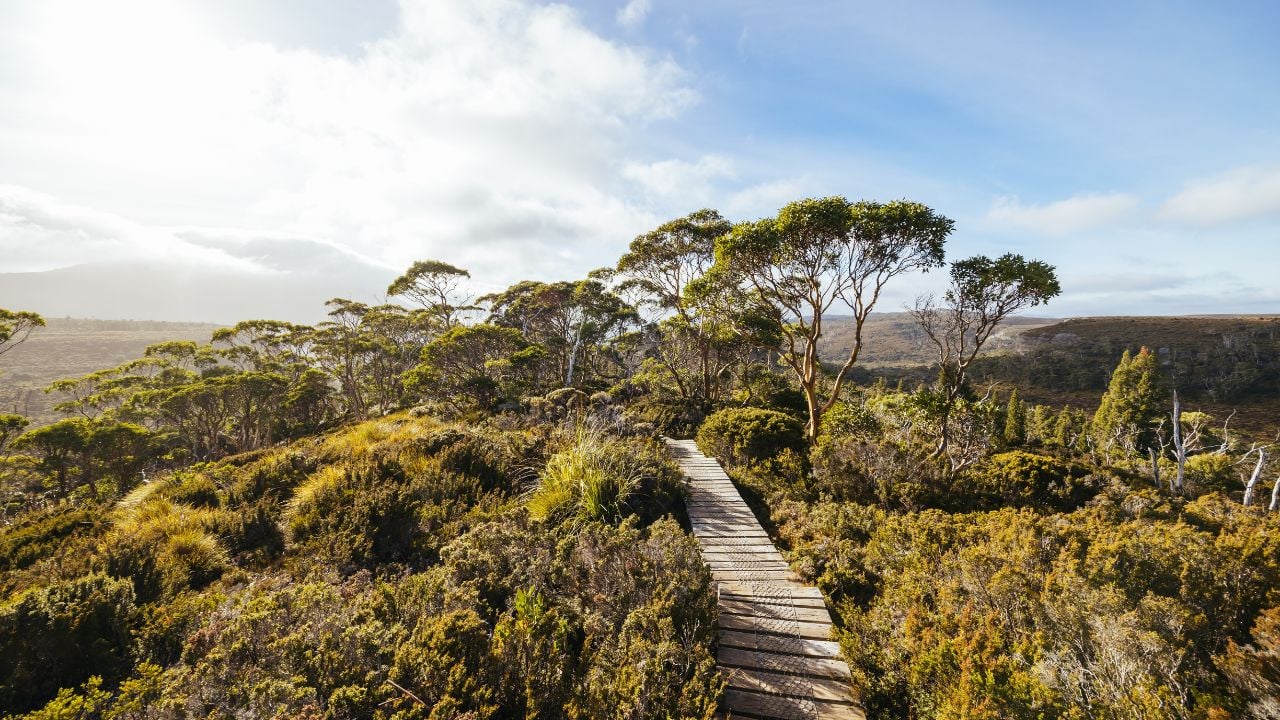
Tasmania gives travelers wilderness without removing food, small cities, markets, and coastal towns from the trip. Hobart, local produce, seafood, forests, beaches, wildlife, mountain tracks, and quiet roads can sit within the same itinerary.
Discover Tasmania highlights Cradle Mountain-Lake St Clair National Park, Port Arthur, Salamanca Market, Freycinet, Wineglass Bay, Bay of Fires, wilderness, wildlife, and secluded beaches. Tasmania Parks and Wildlife says the Tasmanian Wilderness World Heritage Area covers one and a half million hectares, or around one-fifth of the state’s land mass.
The island’s strength is contrast. A traveler can eat at a market in Hobart, then plan time for Cradle Mountain, Freycinet, forests, beaches, or a remote road where the next view belongs more to wallabies and weather than traffic.
Tasmania is not a place to rush with a mainland-style checklist. Discover Tasmania’s Cradle Mountain guidance places Dove Lake below one of the island’s most famous peaks, while Tasmania Parks notes that alpine weather can change quickly around the visitor center. National park passes, trail conditions, weather, and driving time all shape the trip.