A fun SUV is not just an SUV with a big screen, black wheels, and a sport button. The good ones feel eager the moment you turn in; settle into a corner without leaning like a tired sofa; and respond to your right foot with something better than a lazy shrug. That matters because most people shopping in this part of the market need one vehicle to do everything. It has to commute, carry friends, survive rough weather, and still feel alive enough that you do not forget about driving altogether.
That is why this list leans toward SUVs that stay grounded in reality. Most of these models land from the upper $20,000s into the mid $40,000s, and each one brings a different kind of fun, from quick steering and turbo punch to electric shove or genuine dirt road talent. None of them need a luxury tax-sized budget to feel interesting. They just need the right driver behind the wheel.
What Makes An SUV Worth Driving Just For The Joy Of It?
This list is not about the fastest SUV on paper. It is about models that still make ordinary roads feel worth driving while staying in a price band normal buyers can realistically approach. I prioritized sharp steering, responsive powertrains, well-judged suspension tuning, and trim levels whose extra performance actually changes the experience from the driver’s seat.
I also made room for different kinds of fun, because a twisty-road favorite, a quick EV, and an off-road mischief maker can all deserve a place here. What matters is not whether one model wins a track day. What matters is whether it gives you a reason to take the longer way home. If an SUV can do that while still handling commuting, weather, cargo, or family duty without blowing up the budget, it belongs here.
Mazda CX-30 Turbo
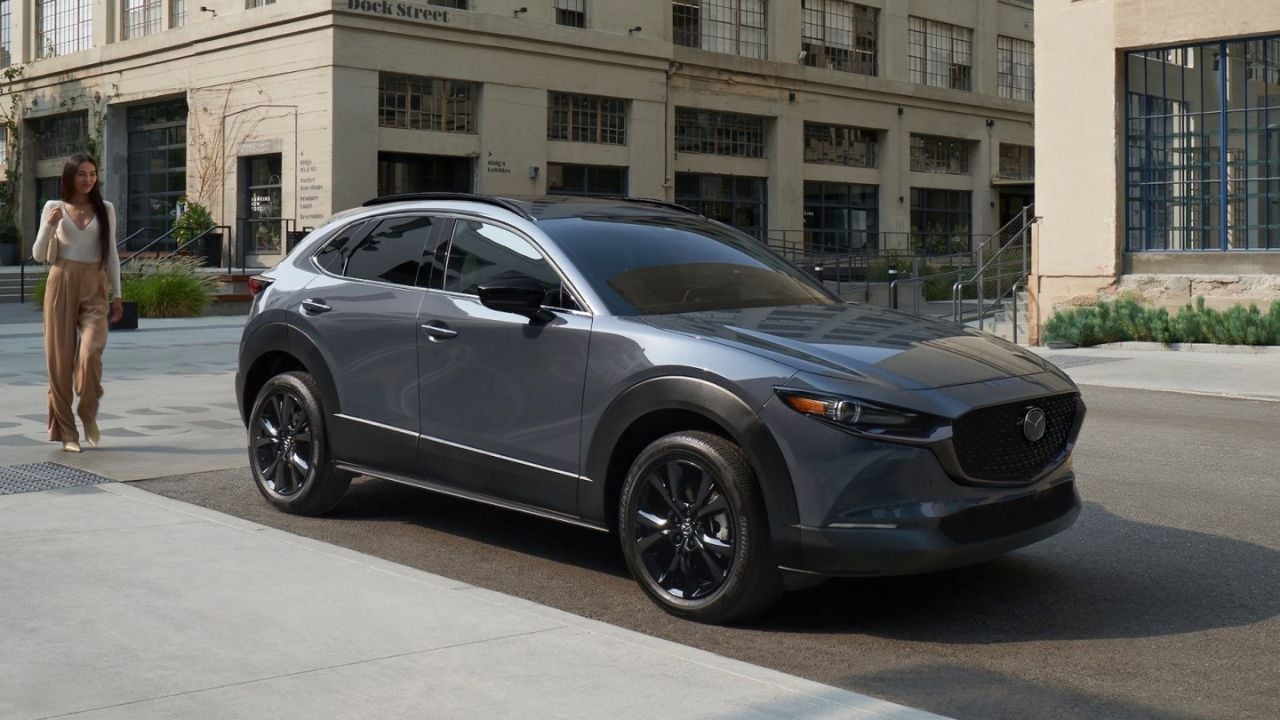
The CX-30 Turbo is the SUV for people who still miss the feeling of a good small hatchback. Mazda gives the turbo version up to 250 hp, and Edmunds says the turbo drops the 0 to 60 mph run to 6.4 seconds while pairing that straight-line punch with sharp steering and handling that feels composed on twisty roads. That combination is exactly why it belongs here.
The CX-30 does not try to hide its car-like instincts. It feels tight, tidy, and eager, which makes even short drives feel a little more interesting than they should. It is especially good for solo drivers, couples, and anyone whose daily life includes city traffic, parking garages, and the occasional back-road escape. The tradeoff is obvious: rear-seat and cargo room are not class leaders. But that is also part of the magic. The CX-30 feels like an SUV for people who still want driving to matter.
Mazda CX-50 Turbo
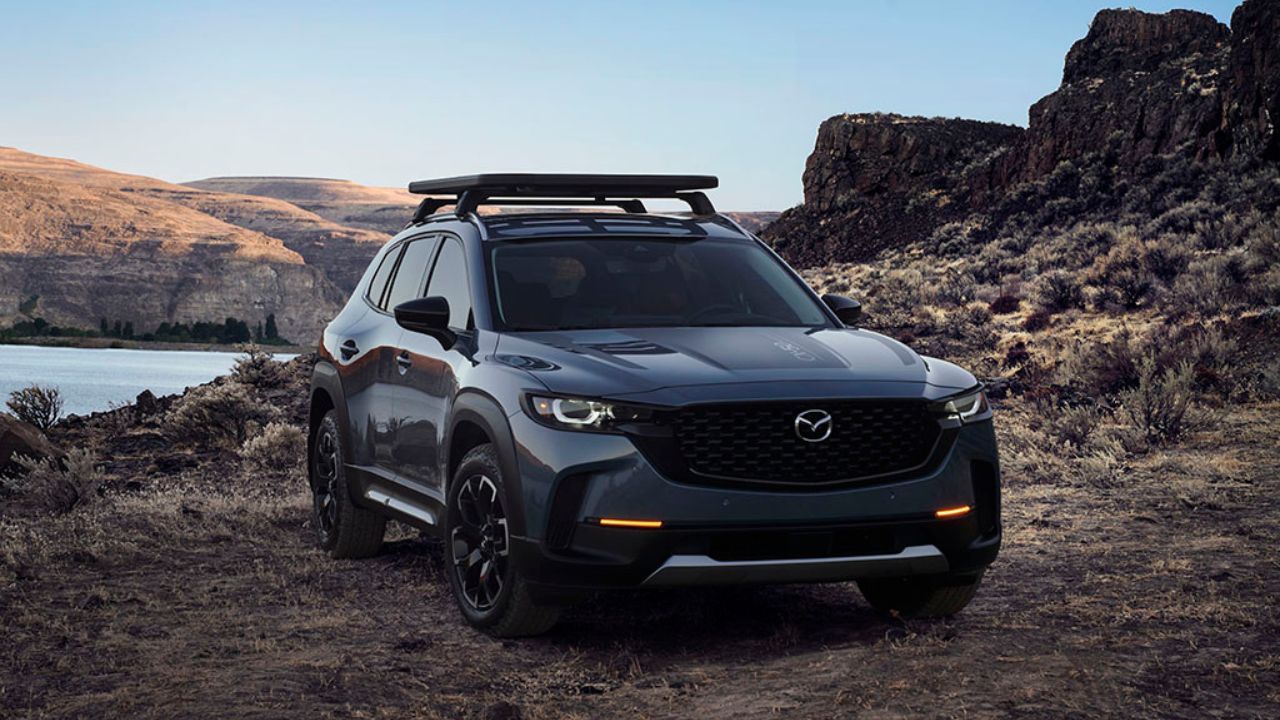
The CX-50 Turbo takes Mazda’s same basic driver-first philosophy and stretches it into something more grown-up and more versatile. Turbo trims start at $37,900, make up to 256 hp and 320 lb ft of torque on premium fuel, come with standard all-wheel drive, and can tow up to 3,500 pounds. That means this is not just the fun choice for a narrow lifestyle. It is fun for people who actually need their SUV to do real SUV things.
The CX-50 feels planted and confident, and reviewers still point to it as one of the more engaging small SUVs because the steering and chassis never completely give up on the idea that driving should be enjoyable. It is a great fit for drivers who split time between commuting, highway miles, and weekends that involve gear, bikes, or a small trailer. In other words, this is affordable fun that still packs hiking boots.
Dodge Hornet GT
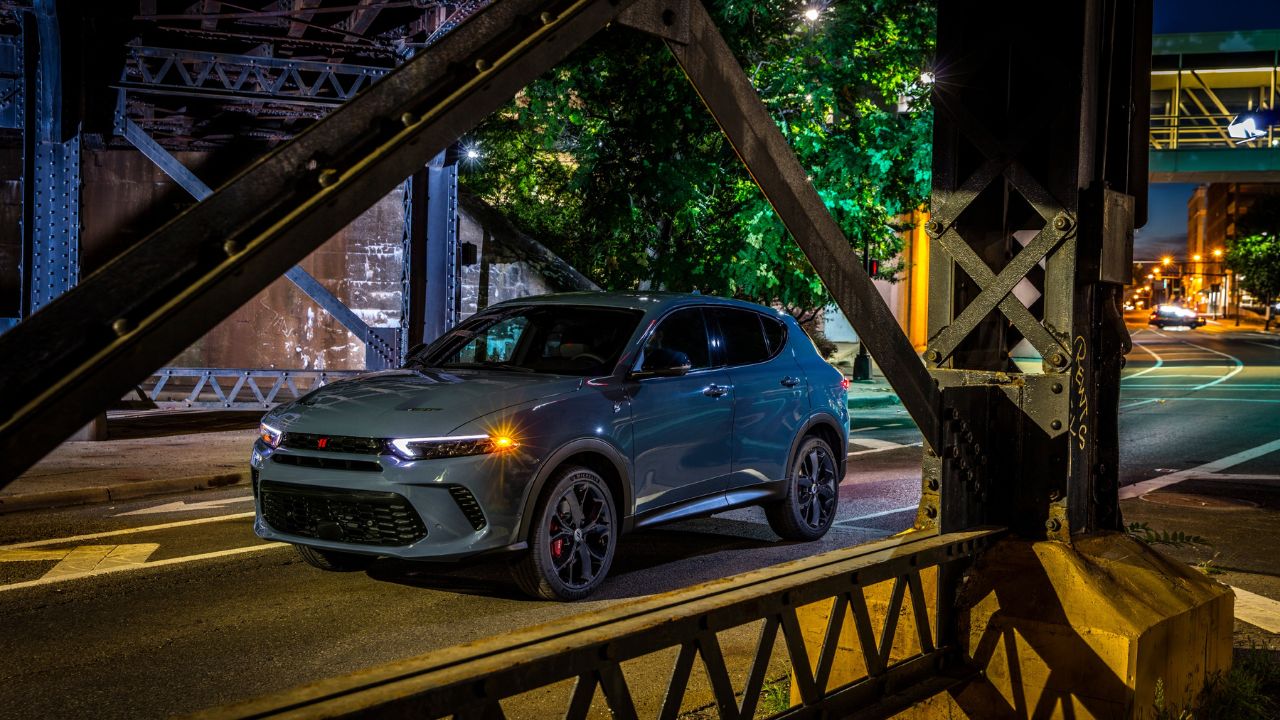
The Hornet GT is the rowdy one in this group, and that is exactly why it works. Dodge gives the GT a 268 hp turbo four, 295 lb ft of torque, standard all-wheel drive, and a 9-speed automatic, while Car and Driver describes its handling as approaching sporty and its acceleration as one of the trucklet’s real strengths. That tells you what kind of SUV this is.
The Hornet is for drivers who want their compact crossover to feel a little impatient, a little edgy, and much more awake than the average commuter box. It is especially good for people who care more about punch, passing power, and attitude than maximum rear-seat space or family road trip serenity.
That last part matters, because the Hornet is not trying to be the calmest or roomiest option here. It is trying to make a small SUV feel like it has some bite, and on that mission, it absolutely fits the headline.
Hyundai Ioniq 5
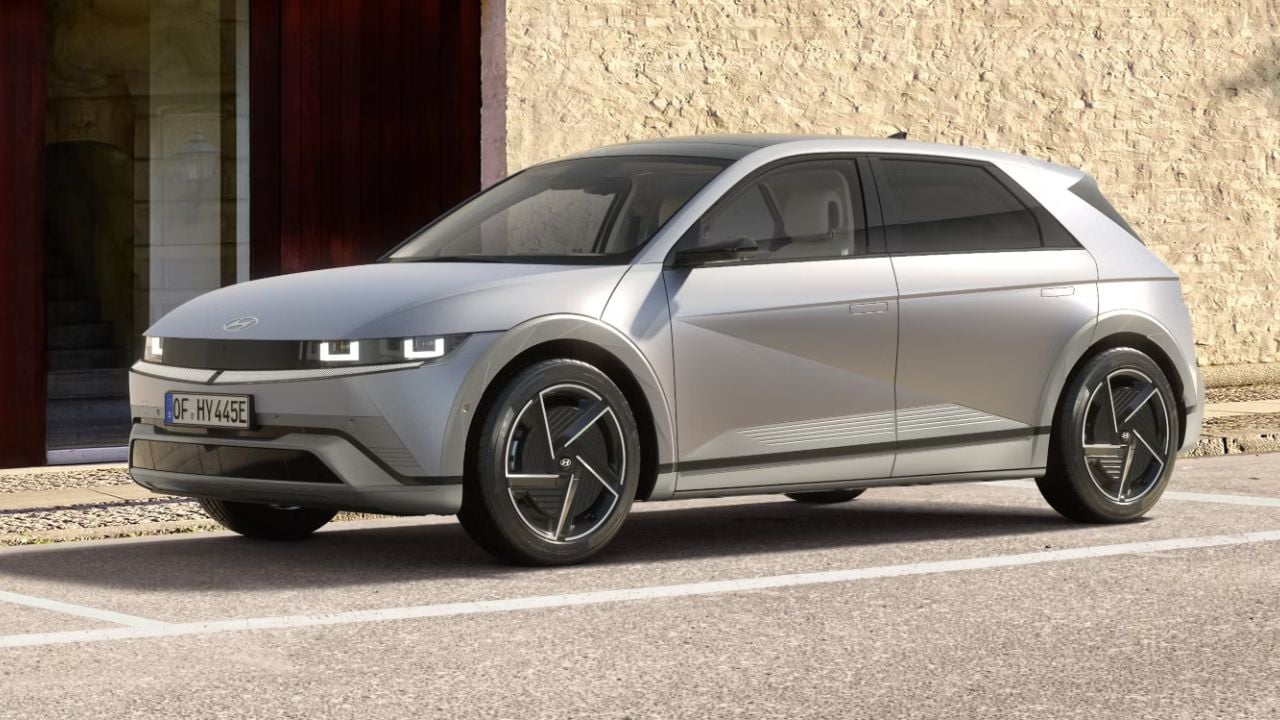
The Ioniq 5 proves that fun does not always have to arrive with engine noise or fake aggression. Hyundai’s electric SUV starts at $35,000 and offers up to 320 hp with all-wheel drive, while Edmunds has praised the dual-motor setup for its smooth, responsive acceleration and excellent traction. What makes it special is how effortless the speed feels.
You do not have to wind it out or wait for a turbo to wake up. You just move, and you move now. That makes the Ioniq 5 especially good for drivers who spend a lot of time in suburban traffic, highway merges, and stoplight sprints where instant response can turn a dull drive into something unexpectedly entertaining. It also helps that the cabin feels airy and modern instead of cramped or gimmicky.
This is the SUV for people who want their fun served quietly, quickly, and with zero drama at the pump.
Ford Bronco Sport Badlands
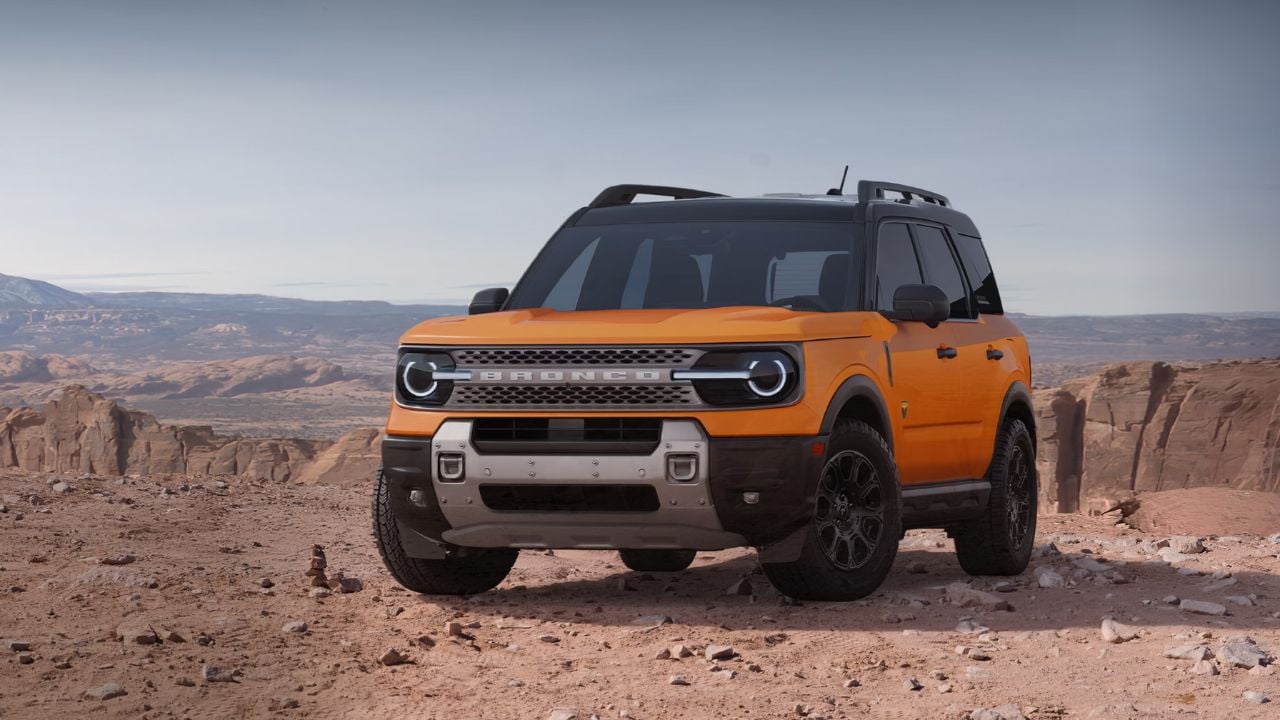
Not every kind of driving fun happens on pavement, and the Bronco Sport Badlands earns its place by remembering that. The Badlands trim starts at $38,265, uses the more powerful 2.0L EcoBoost engine, and adds advanced 4×4 hardware, Ford Trail Control, one-pedal off-road driving, and seven G.O.A.T. modes, including Rock Crawl and Rally.
Car and Driver also found it genuinely enjoyable over varied terrain, noting that it will happily drift around in sand and tackle rougher surfaces with real enthusiasm. That makes this the best choice here for drivers whose favorite weekends start where the pavement ends. It is not the smoothest or quietest SUV in this article, and that is fine.
The Badlands is for people who want their affordable fun to involve mud, trails, ruts, and the kind of roads that make regular crossovers feel nervous. It turns exploration into entertainment, and that counts.
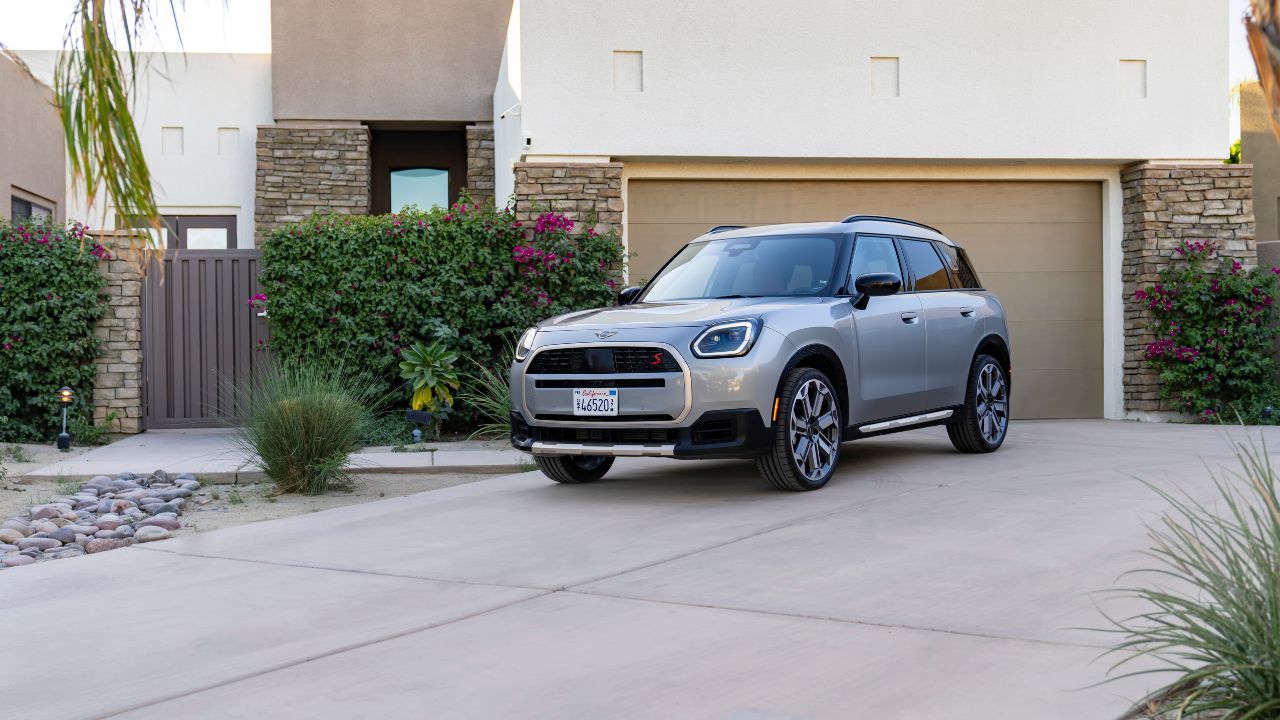
MINI Countryman S ALL4
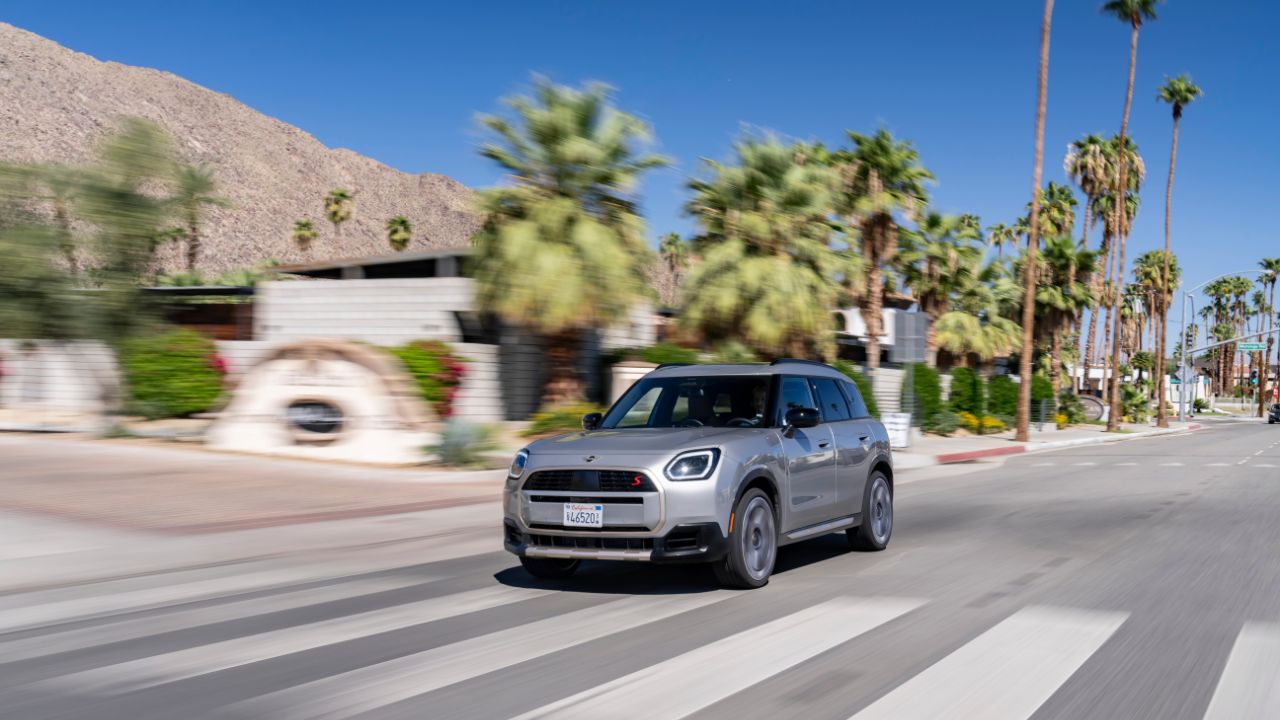
The Countryman S ALL4 is what happens when a brand known for playful small cars refuses to completely surrender its personality to SUV reality. MINI says the S ALL4 makes 241 hp and 295 lb ft of torque, hits 0 to 60 mph in 6.2 seconds, and can tow up to 3,500 pounds when equipped with the factory-installed trailer hitch available in the Favored Style Package. Car and Driver still describes it with the words “playful handling” and “perky turbo four,” which is exactly the right tone.
This is an SUV for drivers who care about style, personality, and quick reactions more than ultimate cargo math. It is especially good for urban and suburban buyers who want something premium-feeling but not anonymous, something that can slip through traffic, dive into an on-ramp, and still look like its owner made the interesting choice. The Countryman has grown up, yes, but it has not gone dull. That is a very important difference.
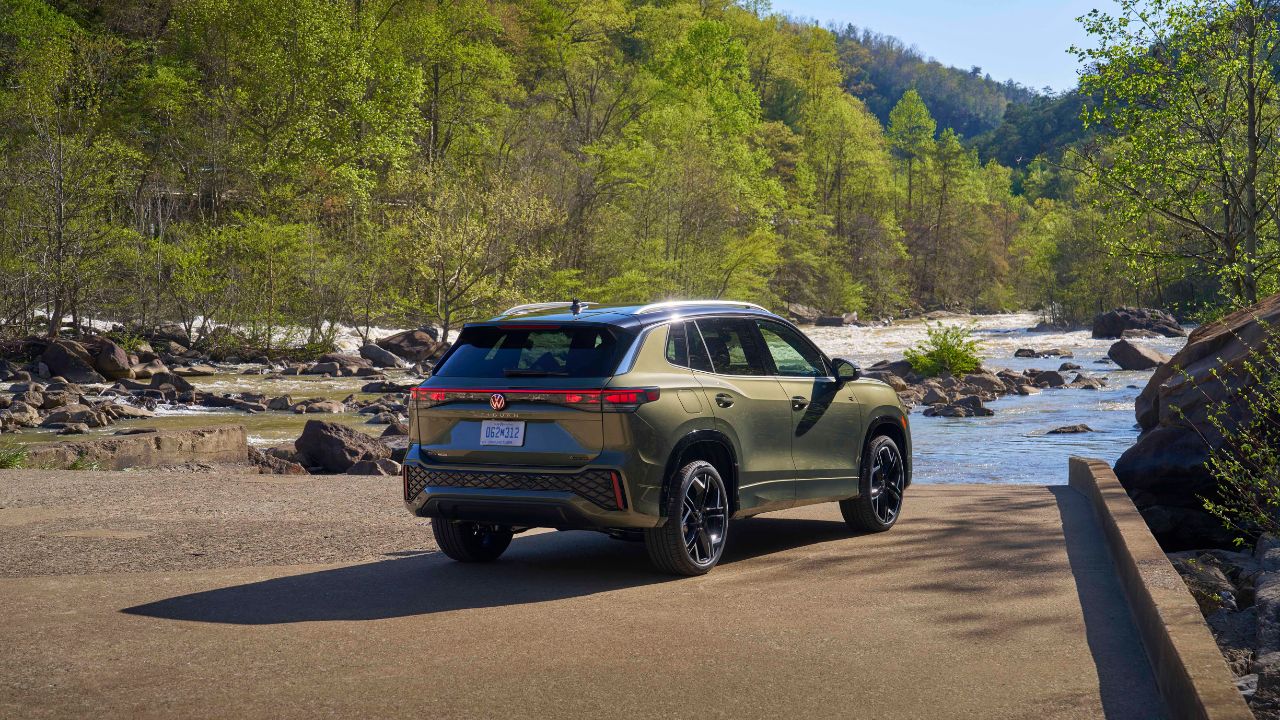
Volkswagen Tiguan SEL R-Line Turbo
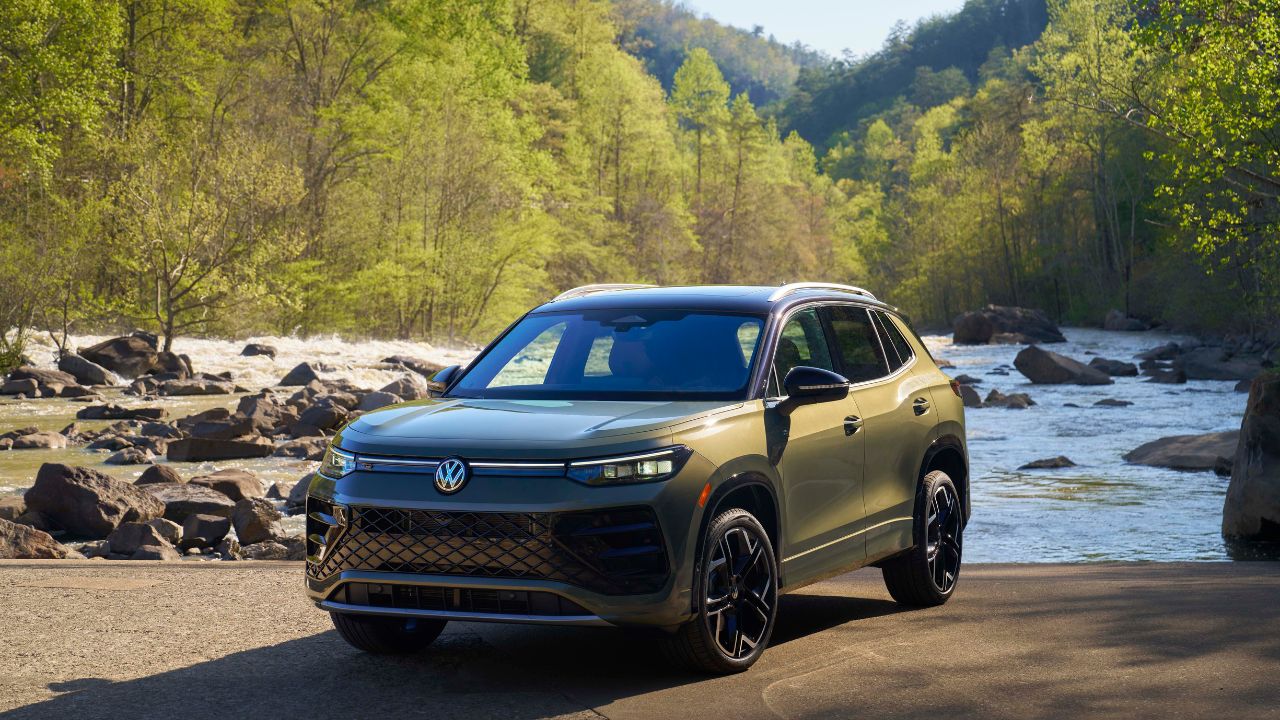
Most family crossovers feel engineered to offend nobody. The new Tiguan SEL R-Line Turbo actually feels like someone wanted it to have a pulse.
Volkswagen gives this trim 268 hp, 258 lb ft of torque, all-wheel drive, and an EPA-estimated 29 highway mpg, while Car and Driver says the extra power cuts the 0 to 60 mph time to 6.7 seconds and adds direct steering and real composure to the experience. That is a strong recipe for anyone who has kids, cargo, and responsibilities but still wants to enjoy a decent road.
The Tiguan is especially good for buyers who need one vehicle to cover family duty during the week and longer drives on weekends without feeling sleepy every mile in between. It still brings real usefulness, including nearly 70 cubic feet of cargo space with the rear seats folded. The point here is simple: practical does not have to mean forgettable.
Acura RDX
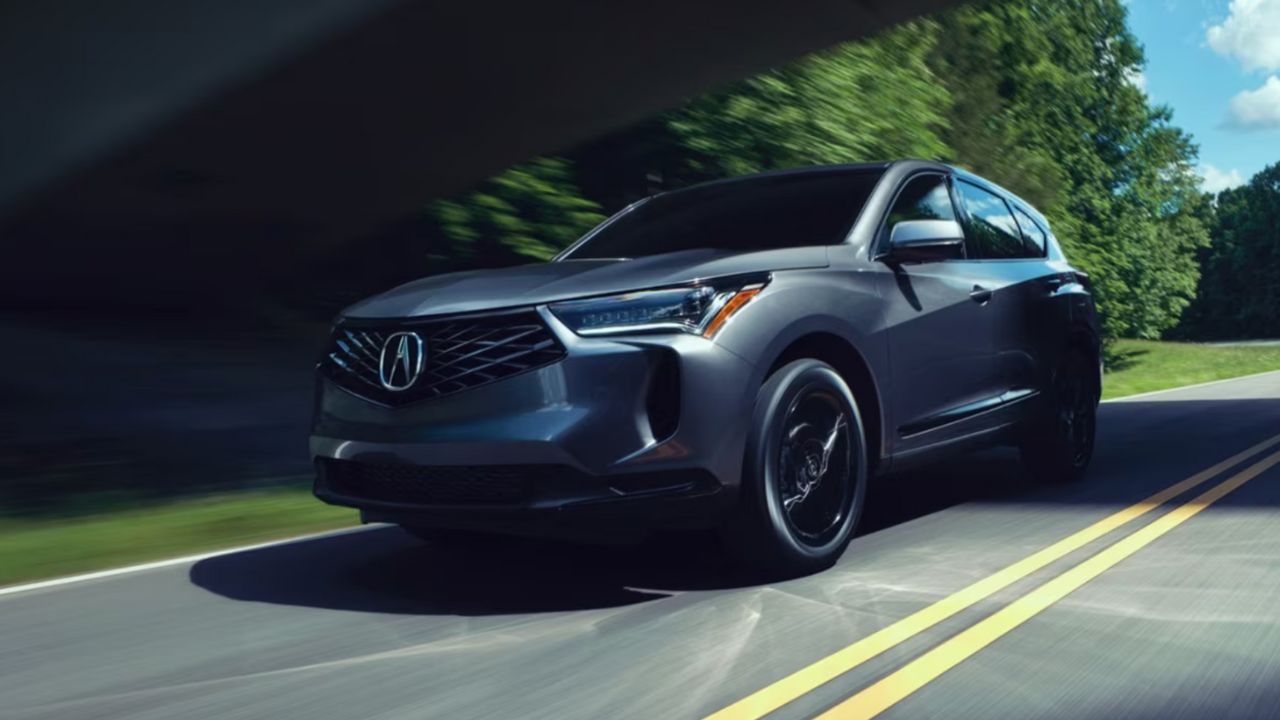
The RDX is the stretch buy on this list, but it earns that extra reach by feeling more special every time the road starts to bend. Acura’s 2026 RDX starts at $45,100, with SH-AWD as the standard powertrain, and the formula remains appealingly simple: a 272 hp turbocharged 2.0 liter engine, available Super Handling All Wheel Drive, and available adaptive dampers.
Acura itself leans into the point, saying the RDX takes on corners with confidence, and Edmunds says the all-wheel drive system makes handling more fun than buyers might expect. That makes the RDX a smart choice for drivers who want more than just a premium badge.
It is especially good for people who need adult space, a polished cabin, and everyday comfort but still want the SUV to feel alert instead of heavy and remote. The RDX is not trying to be a bargain-basement athlete. It is trying to be the SUV that feels like money well spent every single day.
Which Kind Of Fun Fits You Best?

The best thing about this group is that fun does not mean one thing anymore. The CX-30 Turbo and Countryman S ALL4 are for drivers who want compact size and quick reactions. The CX-50 Turbo and Tiguan SEL R-Line Turbo make the case for family-friendly fun. The Hornet GT is for people who want attitude; the Ioniq 5 brings instant electric shove; the Bronco Sport Badlands turns dirt into a playground; and the RDX gives you a more premium version of the same idea.
That is the real takeaway. You do not need to spend absurd money to find an SUV that feels alive. You just need to know what kind of life you want.