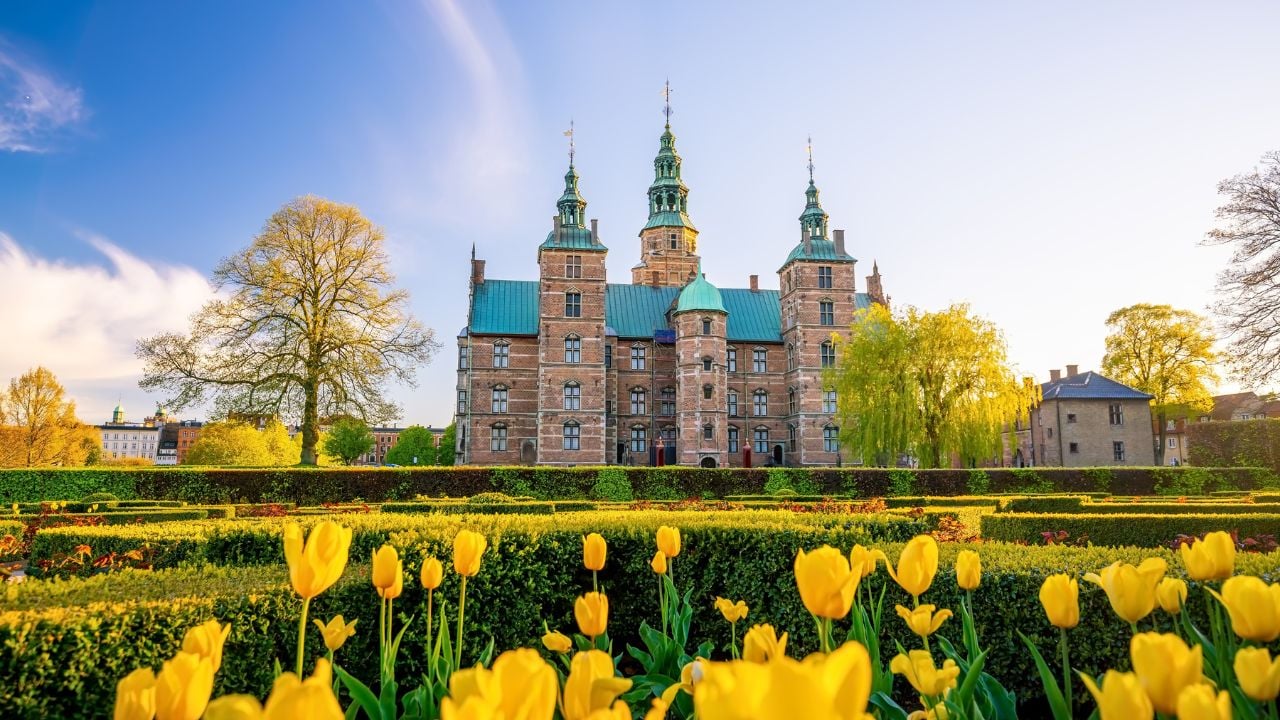
A first day in a new city can fail for practical reasons: a hotel far from the center, a confusing airport transfer, steep streets with luggage, or a sightseeing plan that sends travelers across town before lunch. The destinations below reduce those problems by giving arriving travelers at least one clear advantage: a car-free center, an airport rail line, a compact old town, a central waterfront, or a visitor transport card.
Ljubljana starts with a car-free old center along the Ljubljanica River. Porto connects its airport to the city by Metro Line E. Québec City concentrates much of its first-visit appeal inside Old Québec. Copenhagen links the airport and city center through a pass that covers buses, trains, metro, and harbour buses in zones 1 to 4.
Victoria places ferries, float planes, museums, restaurants, waterfront paths, and water taxis around the Inner Harbour. Galway gives travelers a compact city-center route through Eyre Square, Shop Street, Quay Street, the Latin Quarter, Spanish Arch, the River Corrib, and the walk toward Galway Bay. Valencia combines an old center, beaches, the Turia gardens, markets, and metro, tram, bus, walking, and cycling options.
Travelers should still check hotel location, seasonal crowds, airport transfers, and opening hours before booking. The advantage is that the first day can stay close to the center instead of depending on parking, taxis, or a long cross-city route.
1. Ljubljana, Slovenia

Ljubljana’s old center removes car traffic from the first walk. Visit Ljubljana says the city center has been closed to motor traffic since 2007 and includes 20 hectares of pedestrian zones. Travelers can move between the Ljubljanica River, bridges, the Central Market, café terraces, squares, and castle access points without planning around downtown traffic.
A first afternoon can stay within the river corridor. Prešeren Square, Triple Bridge, the market area, riverside cafés, and the castle funicular sit close enough for a walking route after hotel check-in. Travelers who want the castle view can use the funicular instead of turning the arrival day into a steep climb.
Ljubljana also has a small accessibility service inside the pedestrian area. Visit Ljubljana says Kavalir electric vehicles are a free city-center transport option, mainly intended for elderly and mobility-impaired visitors, and operate through the old town area closed to traffic.
The first-day route can stay simple: river first, castle second, dinner near the center. Travelers with luggage or mobility concerns should choose a hotel close to the pedestrian zone rather than on a distant hillside or outside the old center.
2. Porto, Portugal

Porto Airport gives arriving travelers a direct public-transport option. The airport says Metro Line E connects the airport and the city center, with trains running every 20 or 30 minutes depending on the time and day. The line runs between the airport and Estádio do Dragão.
For hotels near Trindade, Bolhão, Aliados, São Bento, or Ribeira, that metro link can remove the need to collect a rental car on arrival. The metro handles the airport transfer, while walking covers much of the old-center route. Porto’s central streets are steep, so travelers should check how far the hotel sits from the nearest metro stop before booking.
The first route can move downhill toward the Douro. São Bento station, Rua das Flores, Ribeira, Dom Luís I Bridge, and Vila Nova de Gaia viewpoints can fit into one arrival-day route if the hotel is central and the traveler saves the uphill return for a taxi, metro connection, or shorter walk.
After a flight, Porto’s hills and stone pavements make shoe choice and route length important. Travelers should plan one main route, one meal near the river or center, and one viewpoint instead of stacking distant stops on the first day.
3. Québec City, Canada
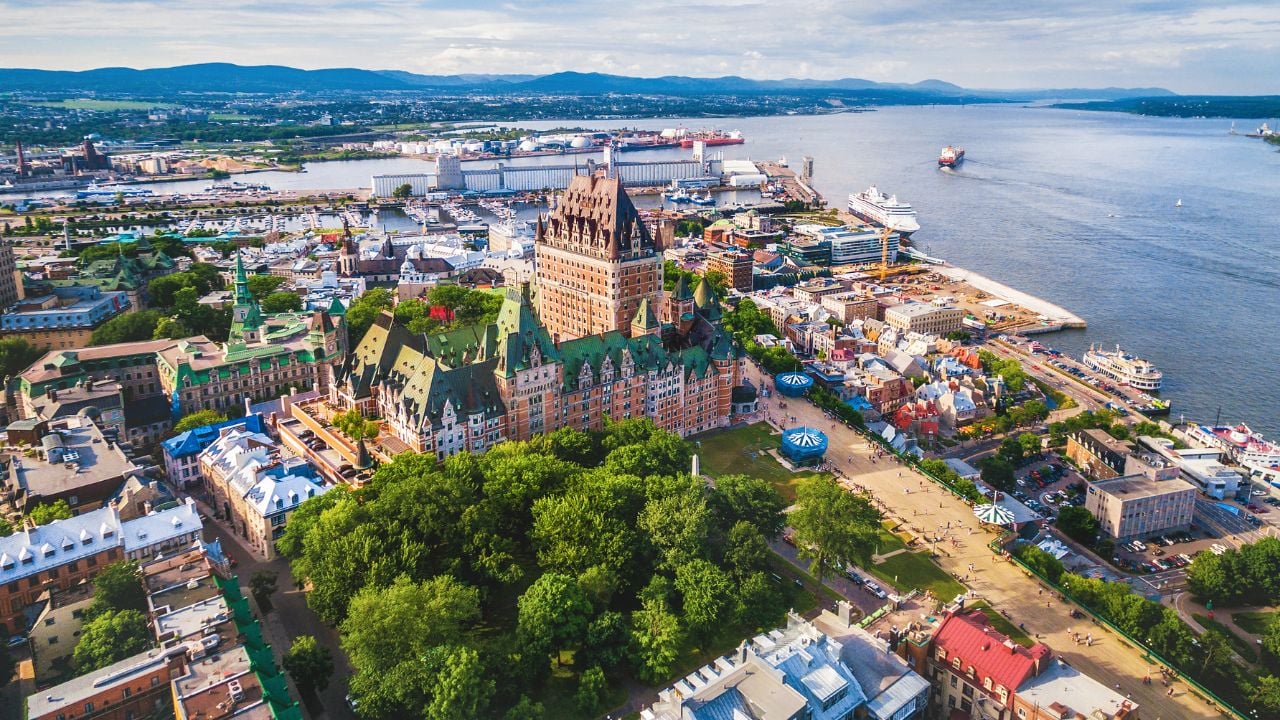
Québec City gives first-time visitors a defined historic core instead of a scattered metro-area plan. The official tourism site describes Old Québec as a UNESCO World Heritage treasure tied to more than 400 years of history. The wider tourism homepage also describes Old Québec as walkable and safe, with cobblestone streets and the only fortified city north of Mexico.
A first walk can stay inside and around the old city. Château Frontenac, Dufferin Terrace, the fortifications, church stops, shops, cafés, Place Royale, and the Old Port can form a single route. Travelers do not need to choose between historic streets and river views if they book close to Old Québec.
The tradeoff is terrain. Upper Town and Lower Town involve hills, stairs, winter ice, and cobblestones. Visitors with mobility concerns should check the hotel’s exact street position and elevation before booking, not only whether the property is listed as “near Old Québec.”
A car is not necessary for the old-city portion of a short stay. Drivers should confirm parking before arrival, leave the vehicle parked, and use walking, shuttles, taxis, or local transit for stops outside the core.
4. Copenhagen, Denmark

Copenhagen’s City Pass Small covers the airport and the center on the same ticket. Visit Copenhagen says the City Pass Small gives unlimited access to buses, trains, metro, and harbour buses in zones 1 to 4, including the city center and travel to and from the airport.
That coverage can take travelers from Copenhagen Airport to central areas such as Kongens Nytorv, Nørreport, Nyhavn, Christianshavn, Tivoli, food markets, museum areas, and waterfront stops. Visitors planning Roskilde, Elsinore, or wider regional trips should check City Pass Large instead, because it covers zones 1 to 99.
The first day does not require a bike rental. Travelers can walk between Nyhavn, royal squares, shopping streets, canals, food halls, and harbor areas, then use metro, buses, trains, or harbour buses for longer sections. Visitors who do rent bikes should follow lane direction, signals, and local commuter pace.
A hotel near a metro station keeps airport arrival and evening returns on the same network. A room far from transit can add unnecessary walking before the first meal or after a late waterfront stop.
5. Victoria, British Columbia

Victoria’s Inner Harbour gives the first day a clear waterfront base. Tourism Victoria says the Inner Harbour serves whale-watching and ecotourism businesses, float planes, ferry connections, and water taxi service. The same central area places the British Columbia Parliament Buildings, the Fairmont Empress, waterfront paths, restaurants, museum stops, and tour departures close together.
The first walk can follow the harbour edge. Travelers can watch float planes, stop near the Parliament Buildings, continue toward the Royal BC Museum or nearby restaurants, and return along the waterfront. The waterline, Parliament Buildings, Fairmont Empress, tour docks, and museum area give visitors clear reference points during the first walk.
Water taxis can replace part of the walk. Victoria Harbour Ferry says riders can use water taxi service by scanning the QR code at a stop or calling for pickup. Stops around the harbour can connect downtown, Old Town, Fisherman’s Wharf, and other waterfront points.
Butchart Gardens, whale watching, and coastal drives need separate time. A short stay should keep one day around the Inner Harbour, then give garden, boat, or coastal outings their own morning or afternoon.
6. Galway, Ireland
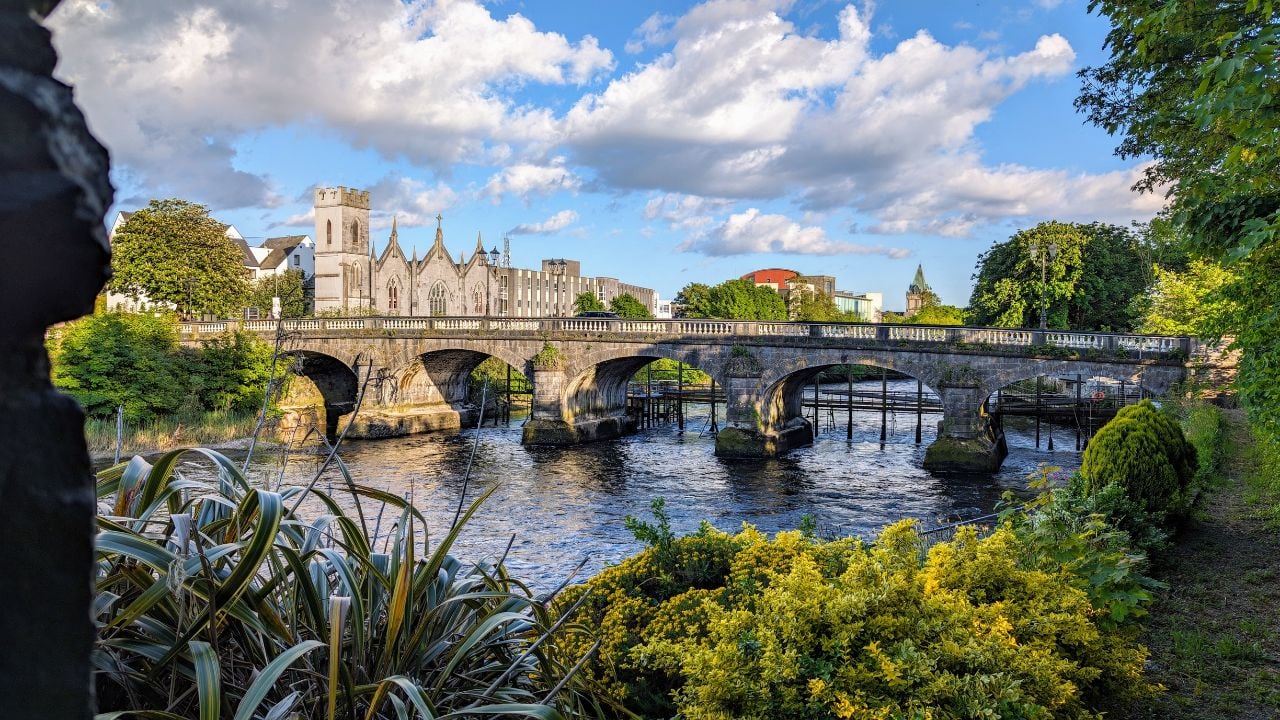
Galway’s first-day route can stay inside the city center: Eyre Square, Shop Street, Quay Street, the Latin Quarter, Spanish Arch, the River Corrib, and the walk toward Galway Bay. That route gives travelers streets, pubs, food stops, medieval details, river views, and the bay without requiring a formal sightseeing schedule.
The city also has an official visitor office for travelers who arrive without a fixed plan. Discover Ireland says the Galway Tourist Information Centre has travel advisors who can help with attractions, medieval heritage, historic landmarks, traditional music, beaches, the seaside promenade, events, and festivals.
That local advice can change the day based on weather and events. Rain can shift the plan toward pubs, music, food, indoor heritage stops, or a shorter city walk. Clear weather can send visitors toward Salthill, the promenade, Galway Bay, or a day trip arranged through local operators.
Travelers should keep the first day narrow: the Latin Quarter, Spanish Arch, the river, one seafood or pub stop, and a walk toward the bay if the weather allows. Cliffs of Moher, Connemara, and Aran Islands trips need separate full-day planning.
7. Valencia, Spain

Valencia gives visitors several different day types without forcing them into a car. Visit Valencia’s transport guidance says travelers can walk, cycle, or use the metro, tram, or bus to get around the city. That mix suits a trip that includes both the historic center and the beach.
The old-center portion can stay on foot. Central Market, La Lonja de la Seda, cathedral streets, plazas, cafés, and shopping lanes sit close enough for a first walk. Travelers can then use transit, cycling routes, or taxis for longer moves toward the City of Arts and Sciences, the Turia gardens, or the beaches.
Visit Valencia also says the Valencia Tourist Card includes unlimited travel for 24, 48, or 72 hours on urban and metropolitan buses, metro, tram, and commuter trains. Visitors planning airport rides and several city transfers should compare that card with single tickets.
Valencia’s first day should not try to cover the old center, beach, Turia gardens, and City of Arts and Sciences in one rush. Pick the old center plus one additional area, then leave the beach or science complex for a separate block of time.
8. Salzburg, Austria

Salzburg’s old town gives travelers a direct first route between the Salzach River, cathedral area, Mozart-related stops, church towers, squares, and Hohensalzburg Fortress views. A traveler staying near the old town or the river can start walking after check-in without planning a cross-city transfer.
Public transport covers longer jumps after the old-town walk. Salzburg’s official tourism site says the city has an electric trolleybus system and bus lines, with daytime trolleybuses running at 10-, 15-, or 20-minute intervals and most bus lines operating every 15 minutes.
Airport arrivals can use regular bus service. Salzburg Airport says bus No. 2 runs between the airport and Salzburg Main Station every 15 or 20 minutes, with a journey time of about 23 minutes, while bus No. 10 runs from the airport to the city center every 15 minutes from Monday to Saturday and takes about 15 minutes.
Overnight guests should check the Guest Mobility Ticket before buying separate transport passes. Salzburg’s official tourism site says the Guest Mobility Ticket has applied since May 1, 2025, and allows overnight guests to use public transport throughout the Salzburg region during their stay.