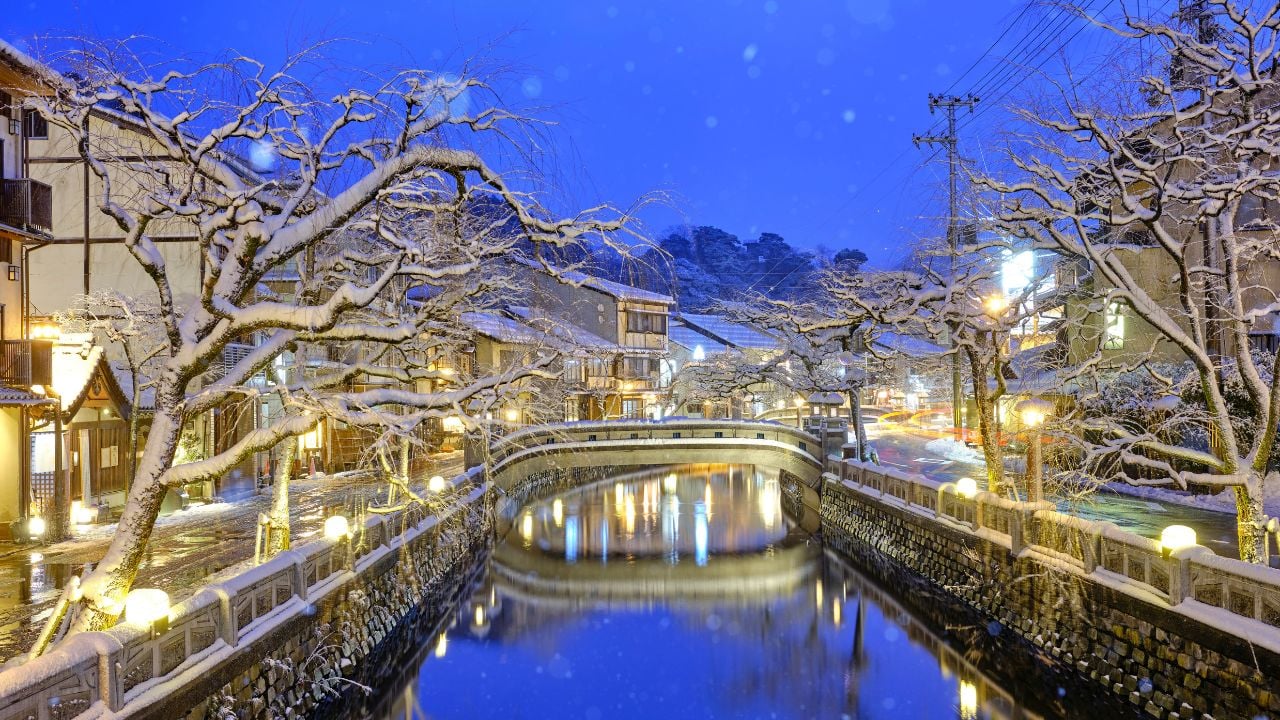
Japan can feel overwhelming on a first trip when the plan leans too heavily on giant stations, packed nightlife districts, and constant hotel changes. A gentler route often works better. The places below still give you temple roofs, gardens, old streets, mountain views, and traditional inns, but they do so in settings that feel scenic, compact, or straightforward to reach from major hubs.
That difference matters more than many first-time visitors expect. A trip can be beautiful and still feel exhausting if every day starts in a station maze and ends with another suitcase transfer. These destinations lower that pressure without stripping away the sense that you are in Japan for the first time.
This list also favors places where the atmosphere starts easing you into the trip right away. Think polished castle towns, calm shrine precincts, ryokan evenings, lakeside onsen country, and heritage districts that reward walking instead of rushing. The idea is not to avoid famous places. It is to choose famous or near-classic places that still allow some breathing room.
For a first-time visitor who wants Japan to seem graceful rather than exhausting, these are excellent places to begin. Together, they create a trip with beauty, structure, and enough calm to let the country sink in properly.
1. Kyoto

Kyoto is the obvious starting point for a reason. The city gives first-timers the version of Japan they are often hoping to find before the plane even lands: temple roofs, preserved streets, quiet gardens, wooden lanes, and a long sense of continuity with the past. Gion and Higashiyama are especially good examples, because they gather so much of that atmosphere into an area that already feels like a walkable introduction to the country.
What keeps Kyoto on a gentle-first-trip list is that the city can be approached in a focused way. You do not need to cover every district or spend half the visit crossing town. Stay somewhere well connected, build a day around one area at a time, and Kyoto starts to feel rewarding rather than overwhelming. It also gives travelers plenty of choice in where to stay, whether that means a ryokan-style experience or a more familiar hotel base, as the Kyoto City Official Guide makes clear.
2. Hakone
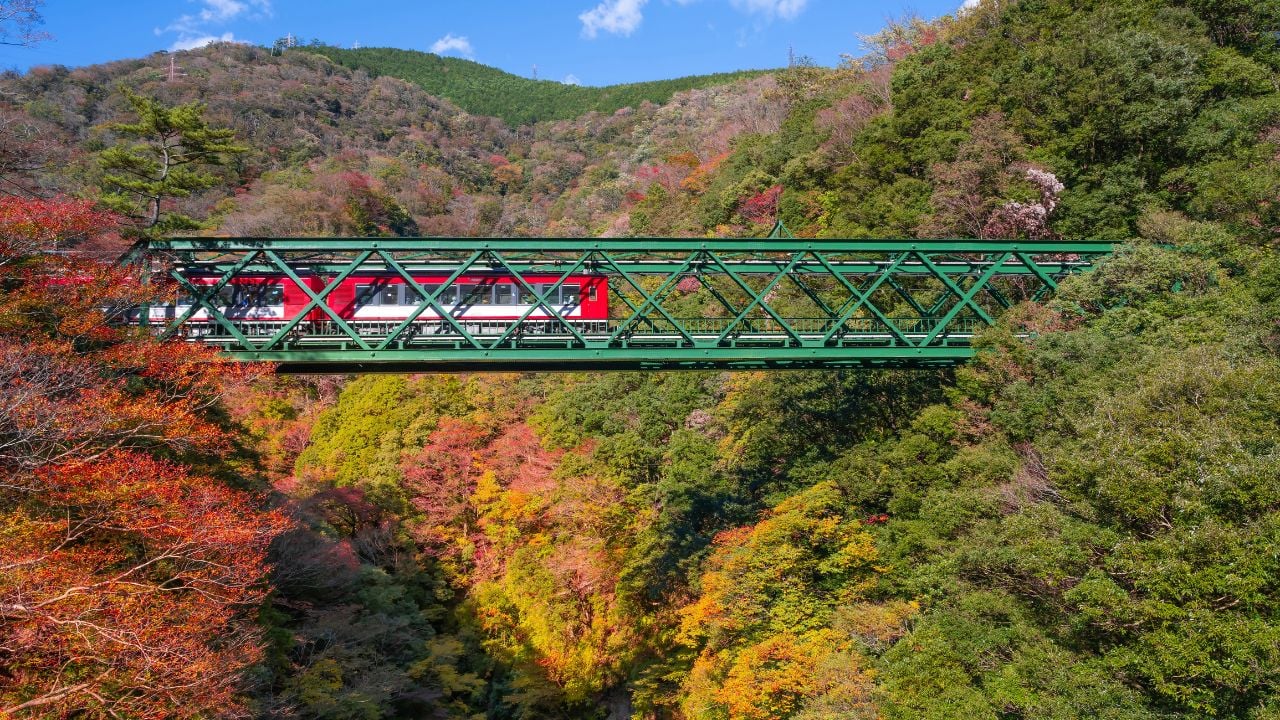
Hakone is ideal for anyone who wants hot springs and Mount Fuji views without going too far from Tokyo. The area feels like a reset almost immediately, with lake scenery, ropeways, shrines, and ryokan stays all folded into a destination that is close enough to feel practical but different enough to feel like a true escape. For first-timers, that balance is very hard to beat.
The real strength of Hakone is that it delivers famous scenery in a softer way. You can ride rather than rush, soak rather than schedule, and let the trip slow down without losing the sense that you are seeing something iconic. For travelers worried that Japan might feel too fast or too urban at the beginning, Hakone is one of the best places to change the tone. The area guide from Hakone Navi is especially useful for understanding places like Lake Ashi and Hakone-Yumoto before you go.
3. Kanazawa
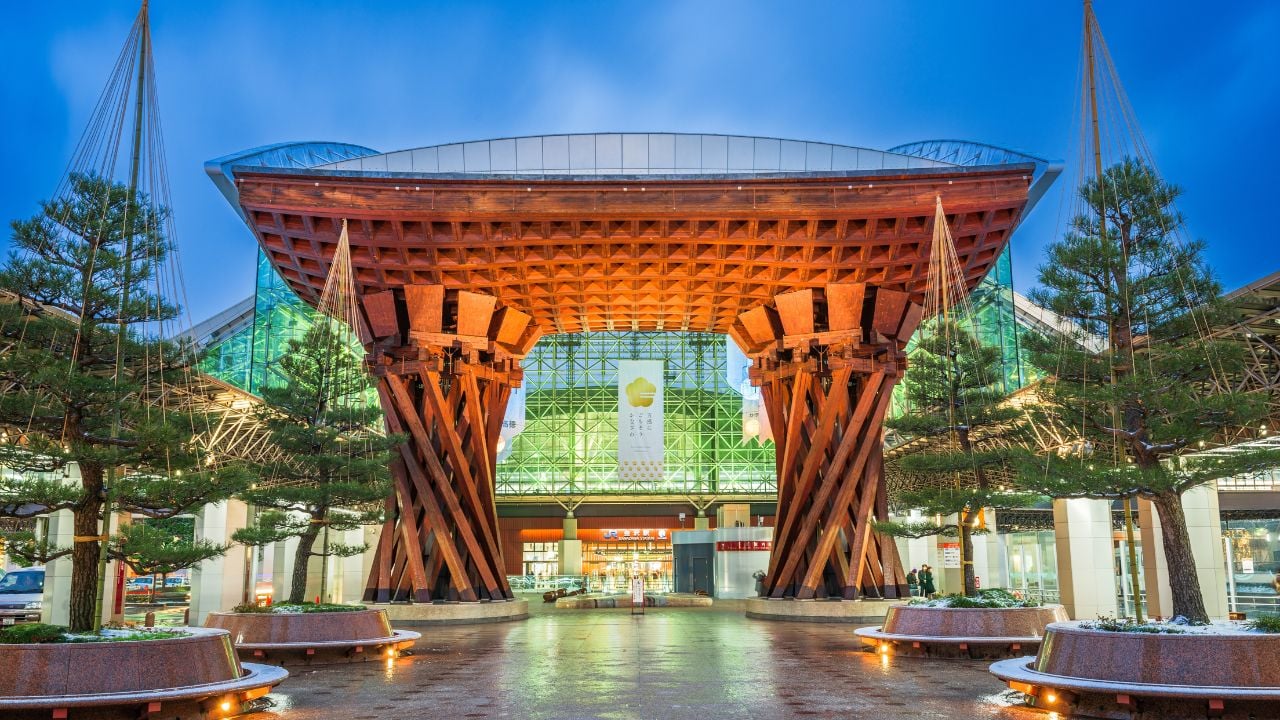
Kanazawa comes across like a beautifully arranged sampler of old Japan. It has a castle-town core, one of the country’s most celebrated gardens, preserved samurai and geisha districts, and a scale that feels much easier to absorb than Japan’s largest cities. Few places collect so many classic images into such a manageable footprint. The official Kanazawa guide is full of exactly the kinds of places first-timers usually want, from Higashi Chaya to Kenrokuen and the castle area.
That compactness is a huge part of the appeal. You can spend a day moving between Kenrokuen, Kanazawa Castle, Nagamachi, and Higashi Chaya without feeling as if the city is fighting you. For a first trip, that matters. Kanazawa gives you history, atmosphere, and a strong sense of place without demanding big-city stamina. The city’s own getting-around guide even emphasizes that Kanazawa is compact and best explored on foot.
4. Nara
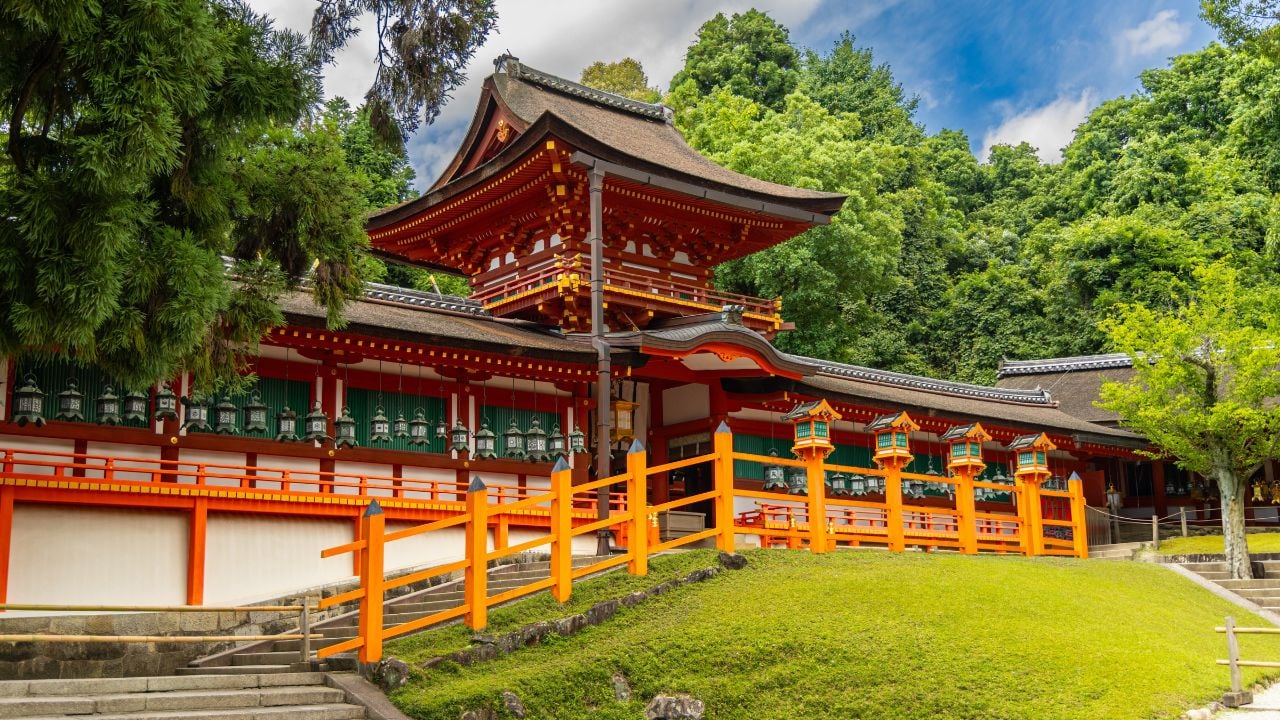
Nara has a lovely way of making ancient Japan seem approachable. Its great advantage is not only the heritage, but the setting in which that heritage appears. Instead of funneling you from one urban sight to another, Nara Park lets temples, wooded paths, ponds, lawns, and deer all sit inside the same broad landscape. The result feels memorable without seeming overproduced.
Pace is one of Nara’s greatest strengths. Sightseeing here often feels more like a long, satisfying stroll than a campaign. For first-time visitors coming from Kyoto or Osaka, that makes Nara an especially smart addition. It changes the rhythm of the trip without making access complicated, and the official first-time visitor guide is a very easy place to start.
5. Nikko
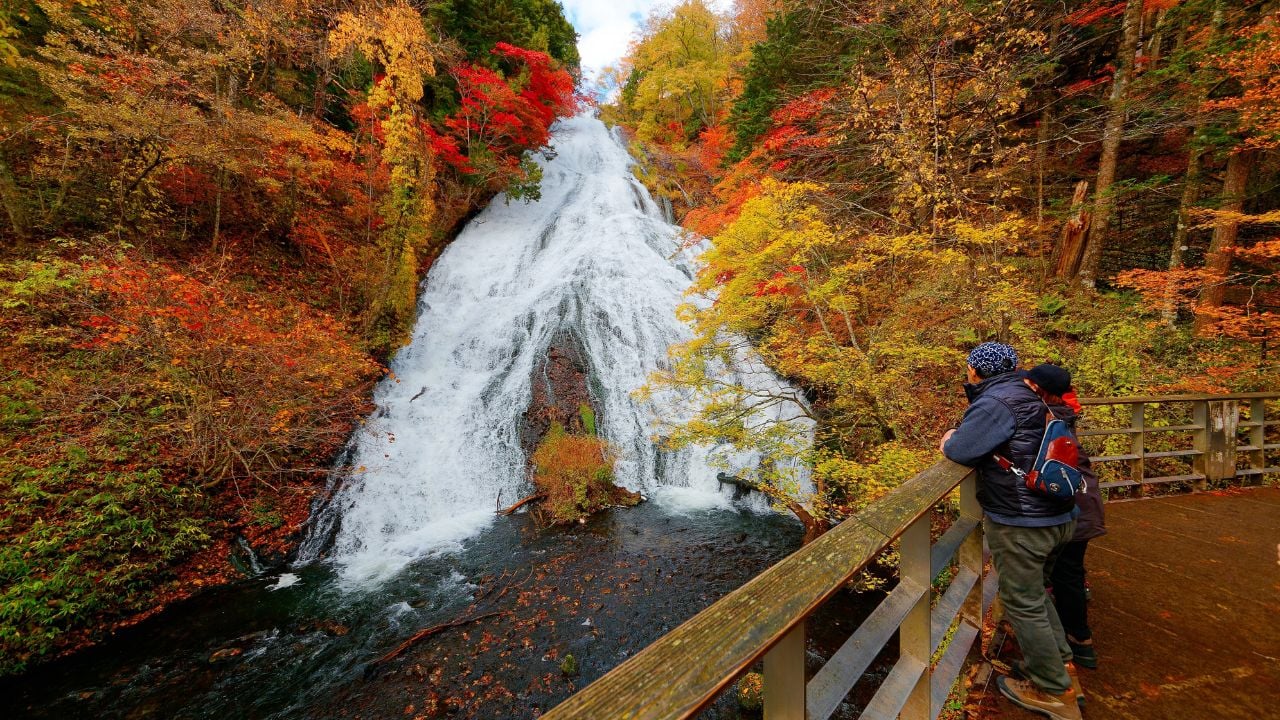
Nikko is what happens when ornate heritage and mountain nature meet in the same frame. The shrines and temples are among the most magnificent in the country, but the surrounding national-park scenery gives the whole destination more depth than a pure cultural stop. Lakes, waterfalls, forests, and hot springs all sit within reach of the historic core.
It is also easier to fold into a first itinerary than many people assume. Nikko works because it feels grand and restorative at once. You can spend part of the day in richly decorated shrine precincts and another part looking over water or heading toward an onsen. For travelers who want one destination to show both spiritual and scenic Japan, Nikko is very persuasive, and JNTO’s Nikko itinerary is a helpful overview.
6. Takayama
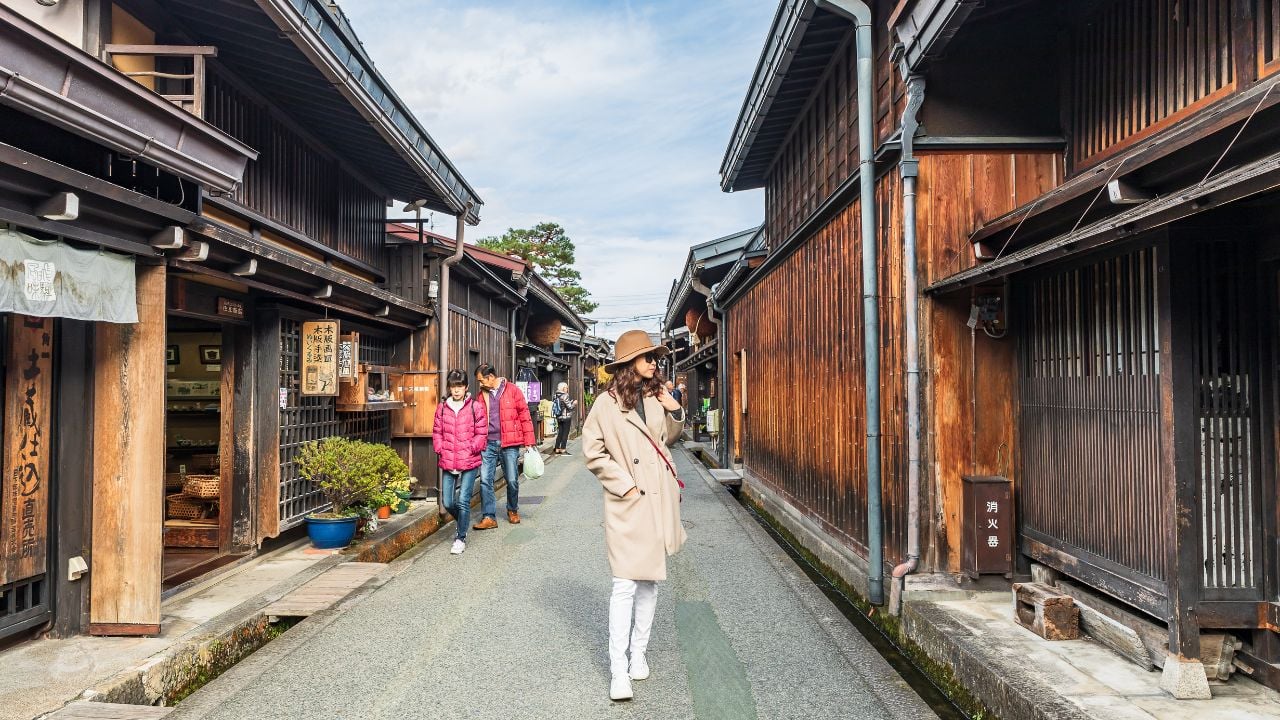
Takayama is a strong choice for travelers who want old-town atmosphere without Kyoto’s scale. Surrounded by the scenery of the Japan Alps, it has preserved merchant streets, river walks, traditional wooden architecture, and a small-city intimacy that many first-timers find appealing right away. It feels traditional without feeling performative. JNTO’s Takayama guide is a good introduction to that slower rhythm.
Practicality is another reason it works so well. The old town is close enough to the station that the transition from arrival to atmosphere happens quickly. You do not need an elaborate local transport plan to start enjoying the place. For anyone who wants a slower, heritage-rich stop that feels easy from the first hour, Takayama is an excellent fit.
7. Miyajima
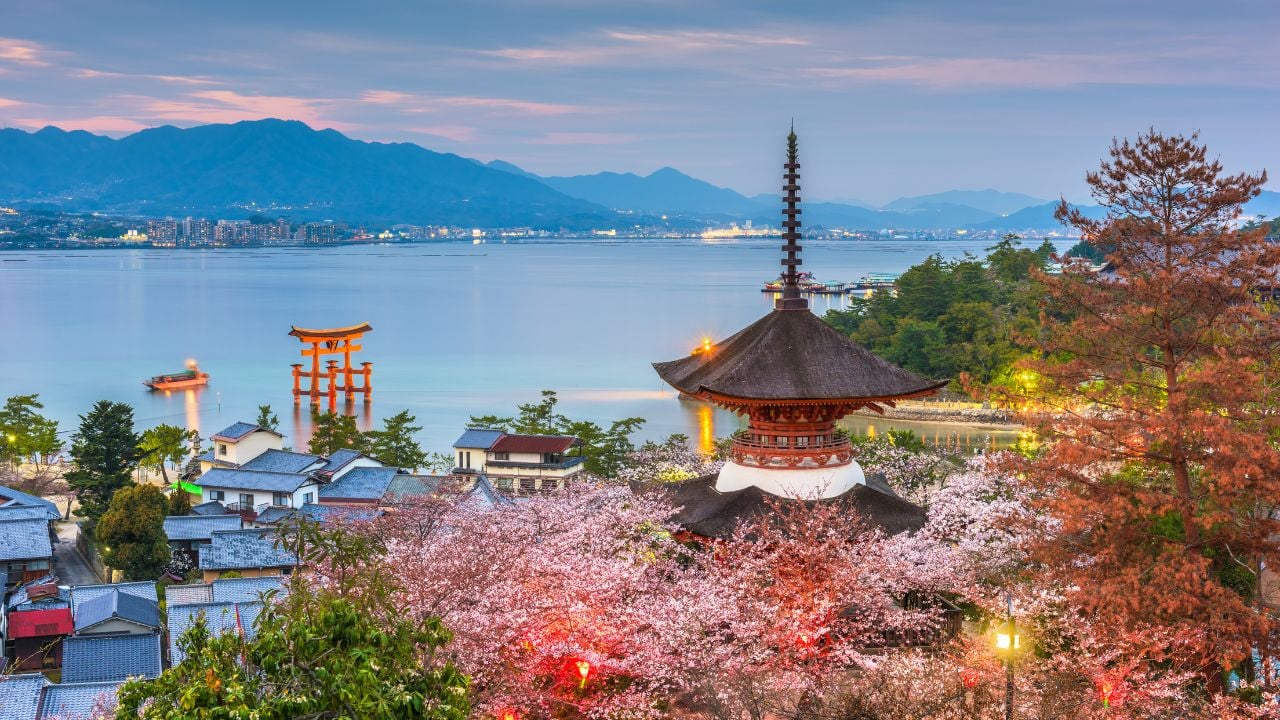
Miyajima delivers one of Japan’s most iconic scenes almost immediately. The floating torii and shrine complex have the kind of visual force that makes people stop before they even reach for a camera. Yet the island’s real charm is that the beauty does not end with the postcard view. Paths, water, forested slopes, and quieter corners keep the experience feeling softer than many major headline attractions. JNTO’s feature on staying on Miyajima captures that gentler side well.
Despite its fame, the island can be surprisingly gentle. The ferry crossing is short and scenic, and Miyajima becomes especially appealing if you stay overnight and let the day-trip crowds fall away. For a first Japan itinerary, that combination of instant beauty and calmer evening atmosphere makes Miyajima feel much more welcoming than overwhelming.
8. Kinosaki Onsen
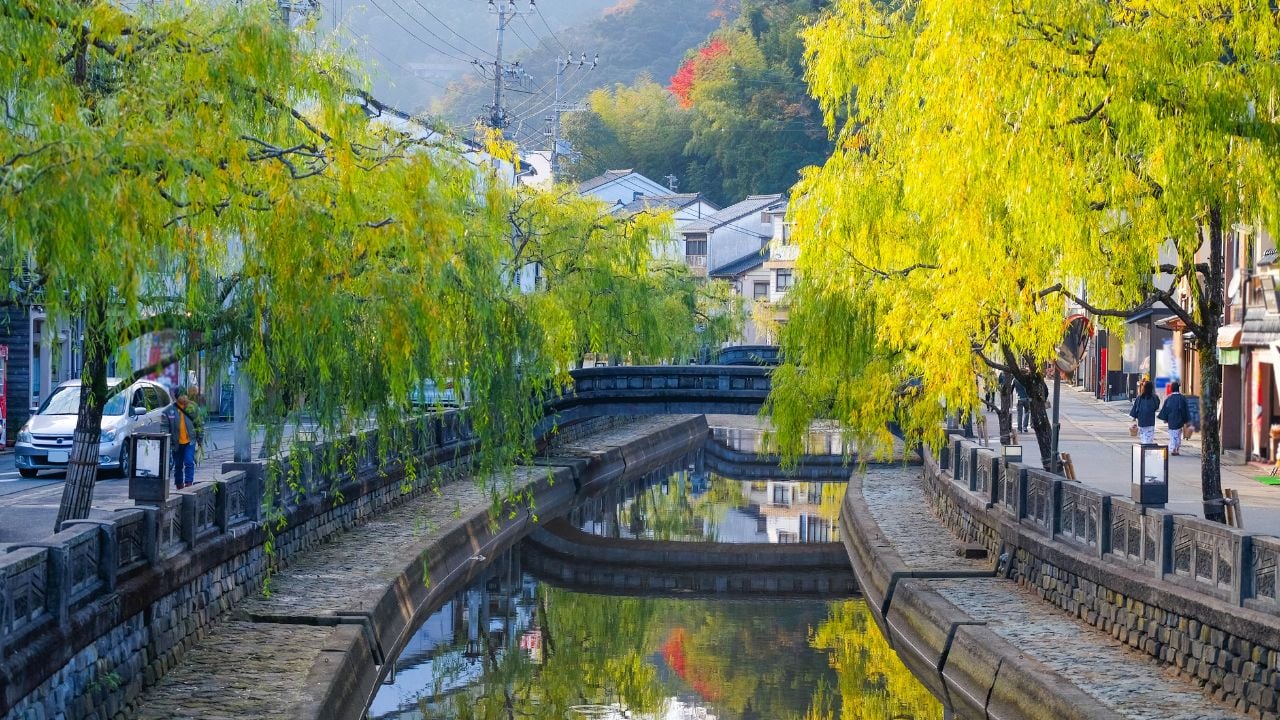
Kinosaki Onsen is the pick for travelers who want their first Japan visit to include the classic ryokan-and-yukata dream. The town is built around seven public bathhouses, traditional inns, and a strolling culture that encourages visitors to slow down rather than rush from one sight to another. It looks like a postcard and happens to be deeply relaxing as well.
It is also a notably manageable version of the onsen experience. Kinosaki is easy to reach from Kyoto and Osaka, and the whole stay pattern is easy to understand: check into a ryokan, change into yukata, walk the town, and go onsen-hopping at your own pace. For newcomers who want tradition without punishing logistics, it is one of the best choices in the country.
Taken together, these eight places create a very comfortable first look at Japan. Kyoto and Nara carry the ancient heart, Hakone and Kinosaki cover the restorative side, Nikko and Miyajima provide unforgettable landmark scenery, and Kanazawa and Takayama offer heritage-rich streets without the crush of the biggest cities. For travelers chasing classic Japan with a little breathing room built in, this is a very good place to start.