The clearest sign that a destination is under pressure is not a grumpy local on social media. It is policy. Once officials start charging day-trippers, shrinking cruise capacity, tightening rental rules, or publishing live congestion maps, the issue has moved beyond annoyance and into daily governance. That shift is visible right now in several of the world’s best-known urban getaways.
None of this means these places are closed, joyless, or hostile to visitors. It means popularity has become hard to absorb without side effects for housing, transport, public space, heritage, or resident life. The seven below stand out because recent official action shows they are no longer simply welcoming arrivals. They are actively trying to shape, slow, redirect, or contain them.
1. Venice, Italy
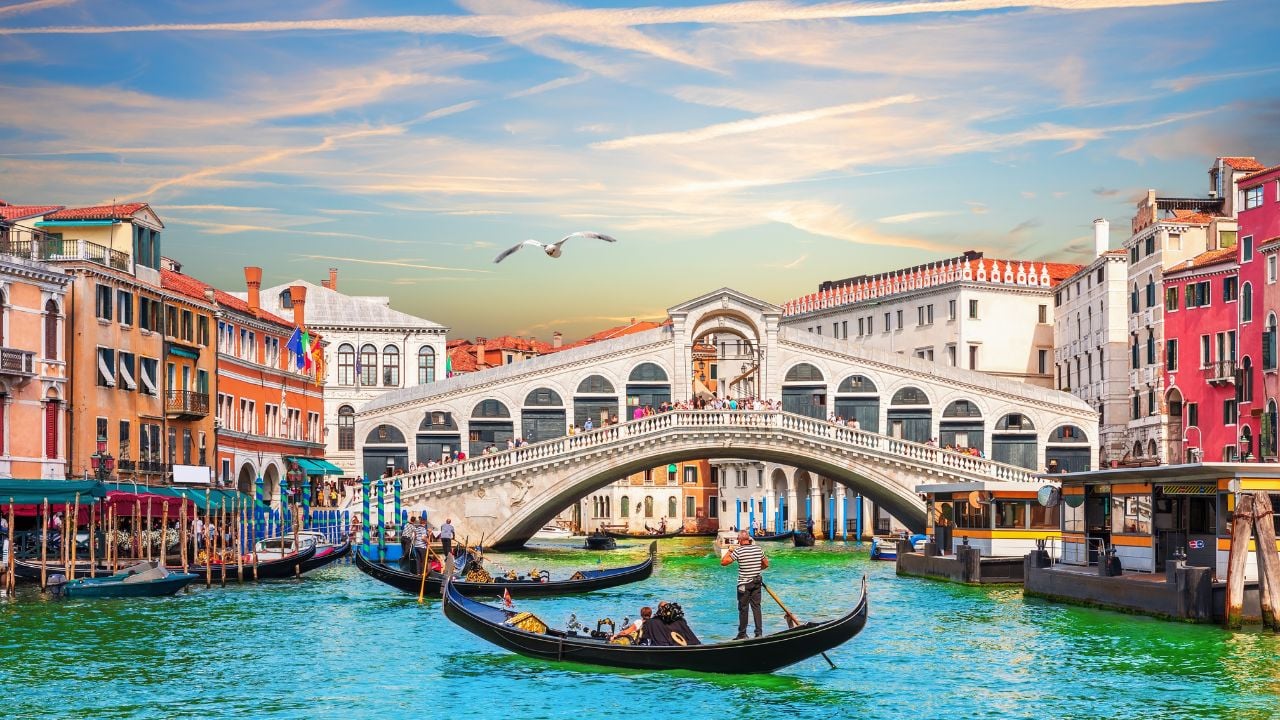
Venice remains one of the strongest symbols of overtourism because entry itself is now managed. The city’s official access-fee portal says the 2026 scheme begins on April 3, while Reuters reported that Venice expanded the program for 2025 to 54 high-pressure days, up from 29 during the first trial, and charged more for late-booking day visitors. A place does not build a calendar around paid access unless demand is repeatedly pressing against its physical limits.
The fee is only part of the picture. Reuters also reported that Venice capped guided parties at 25 people and barred loudspeakers in 2024 to ease movement through cramped lanes and reduce friction for residents. In a lagoon city where even a routine walk can turn into a bottleneck, those rules read more like survival measures than branding.
2. Barcelona, Spain
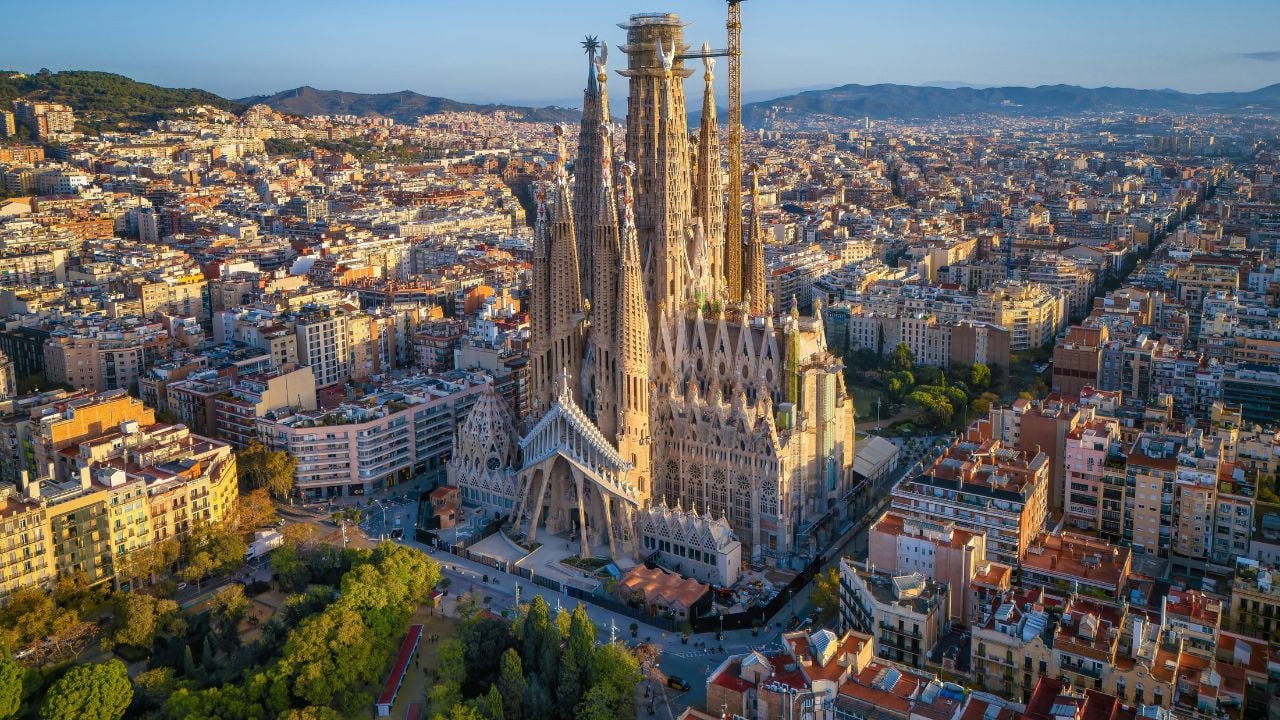
Barcelona’s struggle has become impossible to separate from housing. Reuters reported that the city plans to let the licenses of 10,101 tourist apartments lapse by November 2028, and Reuters later reported that Catalonia doubled the tourism tax, pushing some overnight charges to among the highest in Europe. When leaders move against both short-stay flats and cheap volume, they are signaling that visitor pressure has spilled well beyond the postcard zones.
The cruise side tells the same story. Reuters reported in July 2025 that Barcelona, Europe’s busiest cruise port, agreed to reduce terminal capacity from seven to five by 2030. The move followed a 21% jump in cruise calls and a 20% rise in passenger totals to 1.2 million in the first five months of that year. Cutting infrastructure on purpose is a remarkable choice for a city that lives off global demand, and it says plenty about how seriously the strain is being taken.
3. Amsterdam, Netherlands
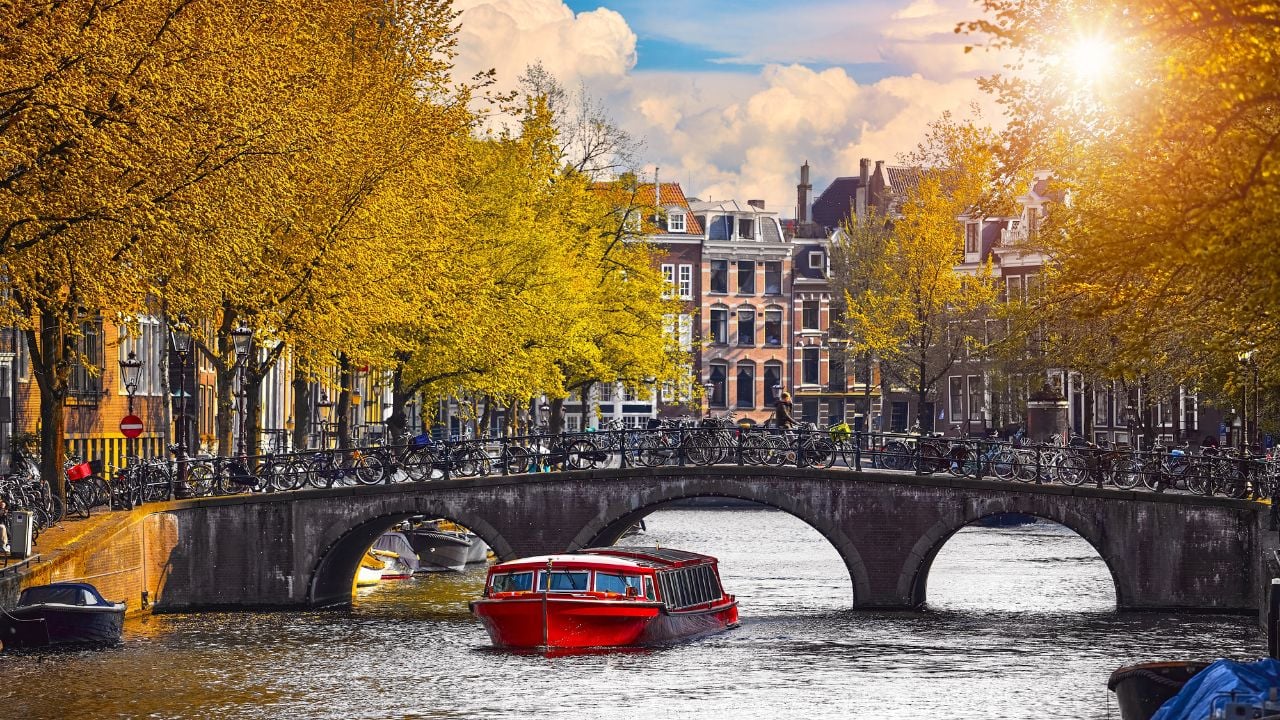
Amsterdam has written its discomfort into policy language. On its official tourism policy page, the municipality says it must prepare a policy proposal whenever expected overnight stays for the next year fall below 12 million or rise above 18 million. That is not vague handwringing. It is a formal trigger for intervention.
The measures listed there are blunt. The city says it will restrict river cruises, combat disturbance-heavy pub crawls and bachelor parties, convert hotels into homes or offices, tighten controls on holiday rentals and new lodging projects, and impose earlier closing times and street cannabis rules in parts of the center. Once the welcome mat comes with a compliance framework, saturation is no longer a theory.
4. Kyoto, Japan

Kyoto’s own tourism materials make the tension plain. The official city guide says the former capital has more than 1.4 million residents and 50 million visitors every year. The Kyoto Travel Congestion Forecast also offers crowd predictions and live camera views for heavily visited areas such as Gion, Arashiyama, Fushimi, and the station district. A destination does not build public tools like that unless bottlenecks have become a routine planning problem.
Money is now part of the response as well. Kyoto Travel says the accommodation tax changed on March 1, 2026, with the top band rising to 10,000 yen per person per night for the most expensive stays. Pair that with real-time congestion guidance, and the message is easy to read: Kyoto still wants guests, but it is no longer pretending limitless foot traffic comes without a civic bill.
5. Dubrovnik, Croatia
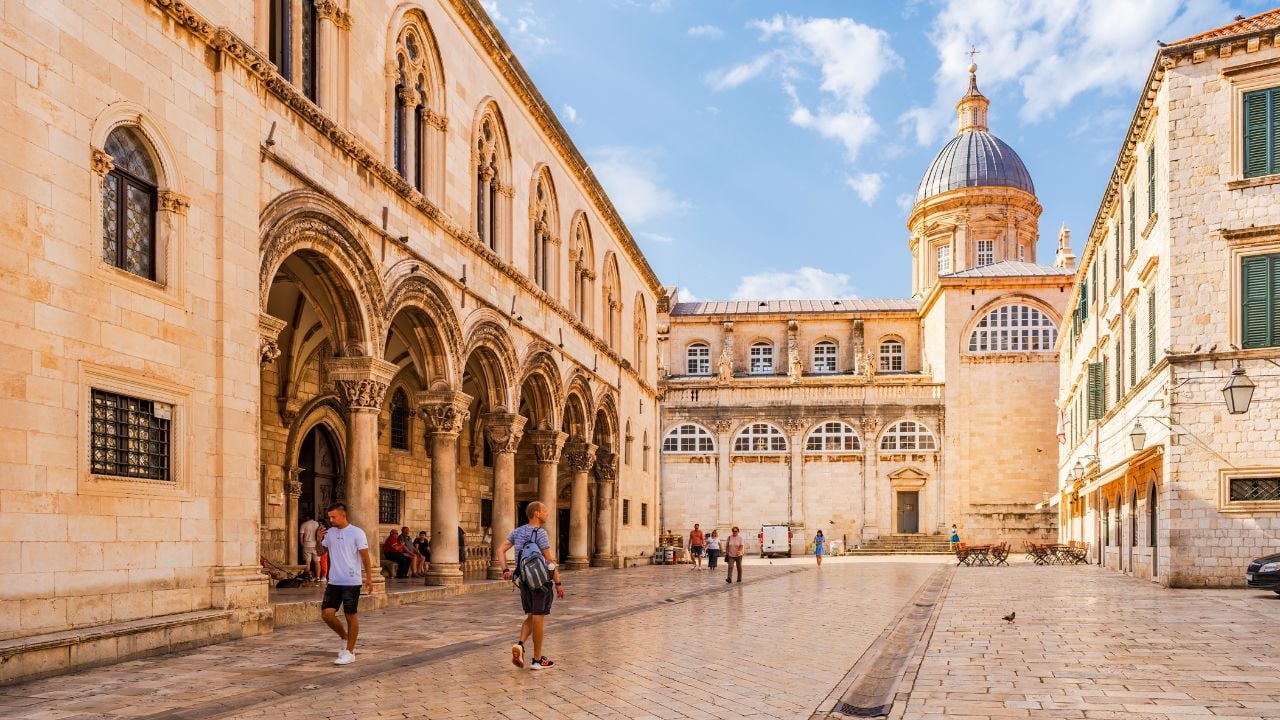
Dubrovnik’s Respect the City program grew out of a simple problem: a compact historic core became globally famous faster than it could comfortably absorb the traffic. The local tourism board says the city now self-regulates cruise arrivals at a maximum of 4,500 passengers per day, or two ships at the same time, while visitor monitoring systems and digital tools help control daily flows. For a fortified old town, that kind of choreography is less a luxury than a necessity.
Officials have kept adding layers. The tourism board also says a Special Traffic Regulation Zone was introduced near the historic core in June 2025. The same statement says the Dubrovnik Visitors application uses counters and predictive models to direct guests to less congested areas, while the Dubrovnik Pass enables real-time occupancy monitoring and crowd prediction. When a city starts managing flows hour by hour, fame has clearly become something that must be contained rather than simply celebrated.
6. Florence, Italy

Florence shows how excessive popularity can reshape daily life even without a formal entry gate. Reuters reported that the Tuscan capital banned new short-term residential lets in its historic center in 2023, and Reuters later reported that the city ordered owners in 2025 to remove self-check-in keyboxes used by holiday rentals. Those moves were framed as part of a wider response to overtourism and the damage it can do to livability.
The symbolism matters because the underlying numbers are sobering. Reuters quoted campaigners who said around 15,000 apartments were being devoted to short stays and argued that uncontrolled tourism was hollowing out the center. Once lockboxes start multiplying faster than long-term homes, the strain is no longer just about long museum lines or crowded piazzas. It is about who still gets to live behind the beautiful facades.
7. Cannes, France
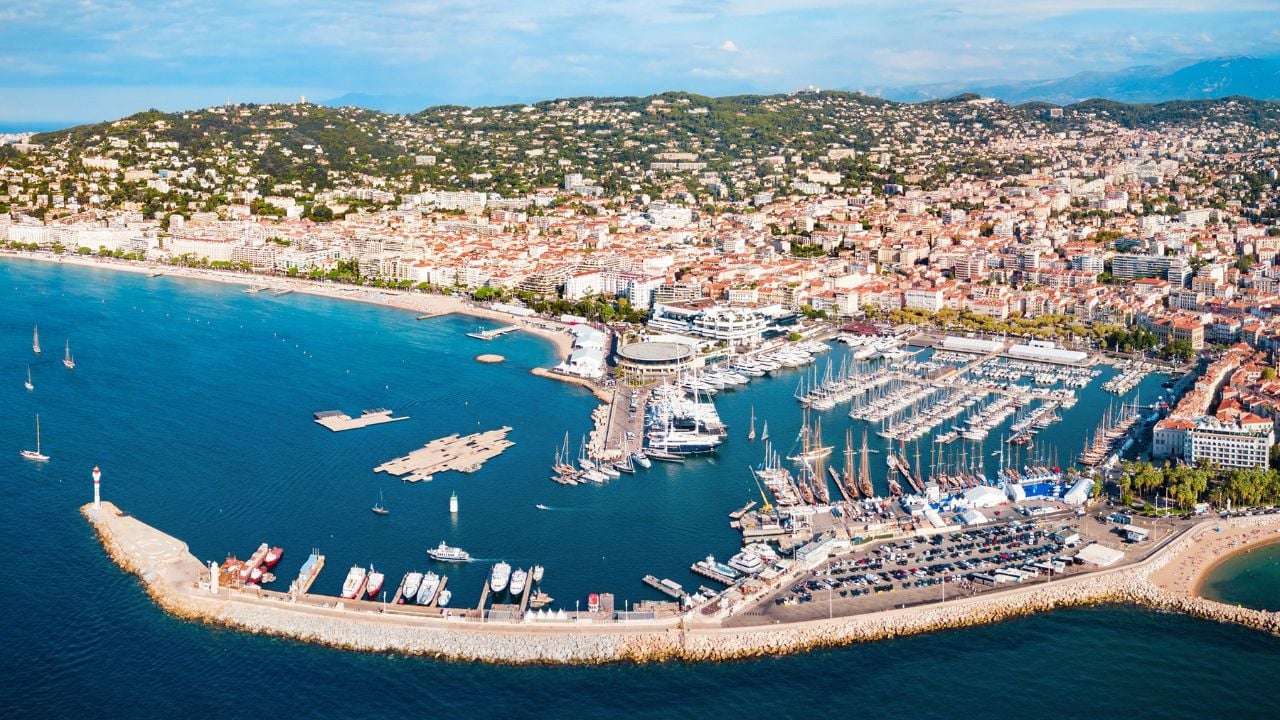
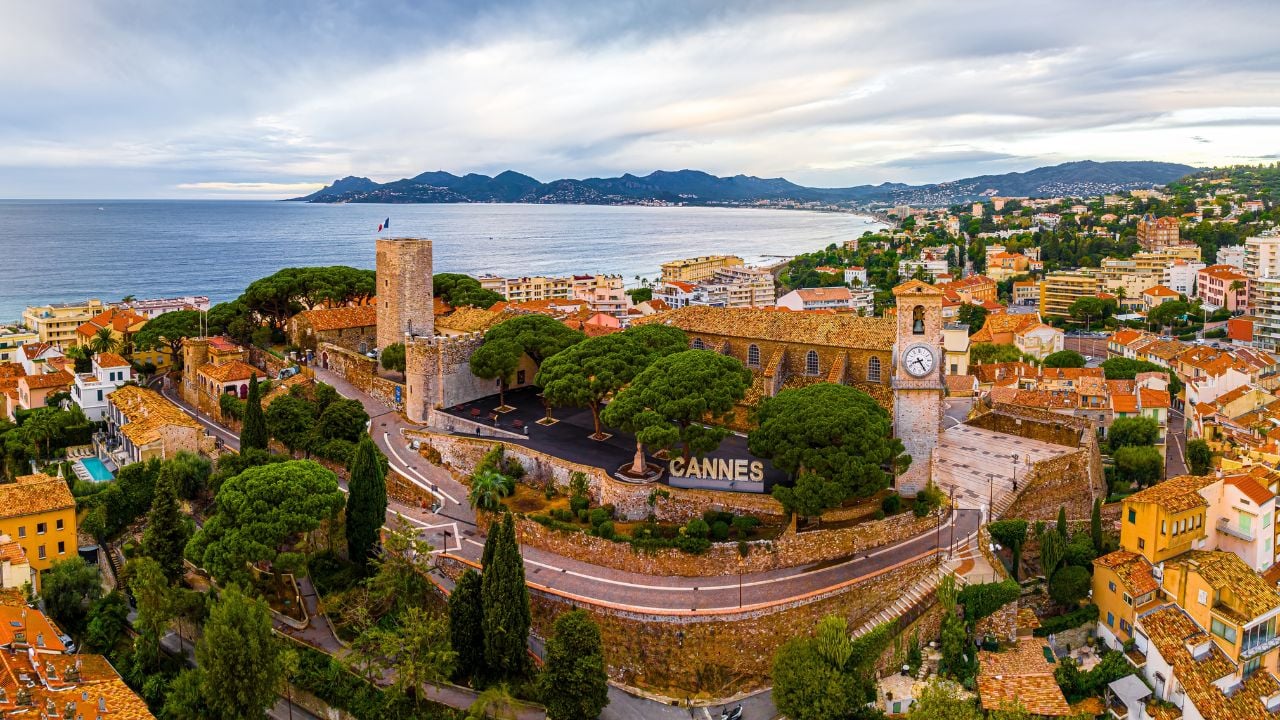
Cannes is usually sold as Riviera polish, film glamour, and sunlit ease, yet its recent cruise policy sounds more like crowd control than pure hospitality. The Associated Press reported that city hall said 460,000 cruise passengers arrived in 2024. From 2026, the municipality will cap landings at 6,000 people per day, while industry reporting on the council decision says moorings for ships carrying more than 3,000 passengers will be limited to one vessel per day. That is a major clampdown for a place that depends on image as much as commerce.
The longer-range target is even more revealing. AP reported that Cannes ultimately wants only ships carrying 1,300 passengers or fewer by 2030, while still preserving local business benefits and protecting marine conditions, air quality, and scenery. Put plainly, the town is trying to stop brute volume from overwhelming the very coastline that made it famous.