Famous landmarks put a destination on the map, but the stronger travel memory often starts a few streets away. After the main viewpoint or historic site, the day moves into stairways, river paths, shopfronts, ferry docks, quiet lanes, market counters, and café tables that show how the place actually feels on foot.
Matera, Nara, Valparaíso, Cuenca, Essaouira, Lüneburg, and Perast all have headline sights worth seeing. The Sassi, Nara Park, Valparaíso’s hills, Cuenca’s historic center, Essaouira’s ramparts, Lüneburg’s salt-trade streets, and Perast’s island views give each trip a clear starting point.
The better plan leaves time after the main stop. In Matera, stone steps lead between cave houses and courtyards. In Nara, deer paths and old merchant streets sit beyond the temple route. In Valparaíso, murals, funiculars, seafood spots, and hilltop viewpoints keep pulling the walk sideways.
These places reward travelers who slow down after the obvious photo. The details are physical and specific: tuff stone, wooden shopfronts, painted stairways, Andean light, Atlantic wind, brick façades, church bells, and bay water moving below the mountains.
1. Matera, Italy

Matera’s famous view comes from the Sassi, the cave-dwelling districts cut into the pale rock of Basilicata. From above, the city looks like stone folded over itself: caves, stairways, roofs, churches, terraces, and ravine edges stacked into one landscape.
Italy’s official tourism site describes Matera as spectacularly carved out of tuff, with the Sassi, rock churches, and natural areas giving visitors a deeper sense of its history. The first overlook is powerful, but the city becomes more interesting once the walk leaves the viewpoint.
The streets dip, climb, narrow, and open again without warning. A route might pass a cave doorway, a tiny courtyard, a stone arch, a church carved into the rock, then another view across the ravine. The same walls look different from every level because the city is built as much vertically as horizontally.
Matera deserves shoes with grip and a slower pace. The best hours come when travelers stop treating the Sassi as one panorama and start noticing the details underfoot: worn steps, pale dust, low doorways, quiet courtyards, and light catching the tuff stone late in the day.
2. Nara, Japan
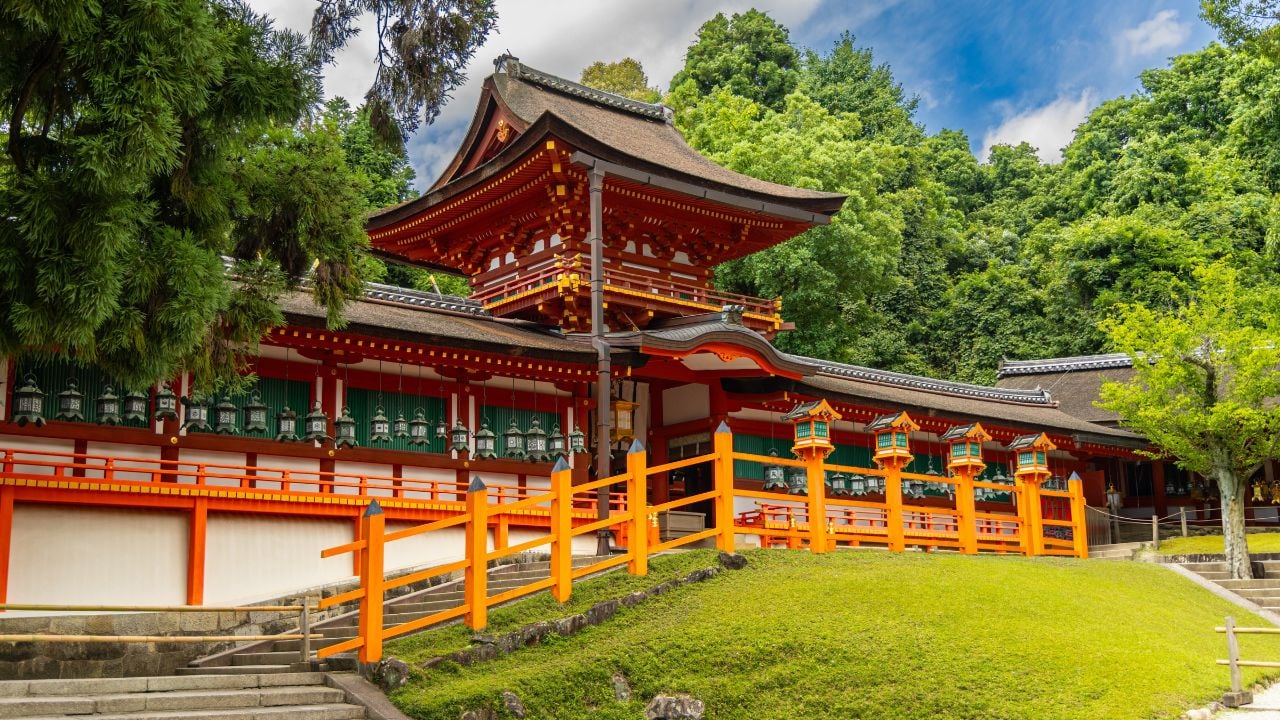
Nara’s headline sights are famous for good reason: temples, shrines, old trees, stone lanterns, and deer moving through the park as if they own the paths. The official Nara travel guide says Nara Park covers 660 hectares and is known for free-roaming deer and world-famous temples.
The park is too large to treat as a single stop. The walk between sights matters: deer gathering near paths, moss on stone lanterns, shrine corridors, temple roofs above trees, snack stalls, and quiet stretches where the crowds thin for a few minutes.
Naramachi adds a different texture after the park. Japan’s official travel site describes it as Nara’s old merchant district, where former merchant homes now include museums, boutiques, cafés, and sweet shops. Wooden storefronts, narrow lanes, noren curtains, small museums, and wagashi counters give the city a more intimate side after the open space of Nara Park.
A strong Nara day should not end immediately after the major temples. Leave time for Naramachi, a tea break, a small shop, or a quiet side lane. The city feels different when the route moves from deer and temple grounds into older merchant streets.
3. Valparaíso, Chile
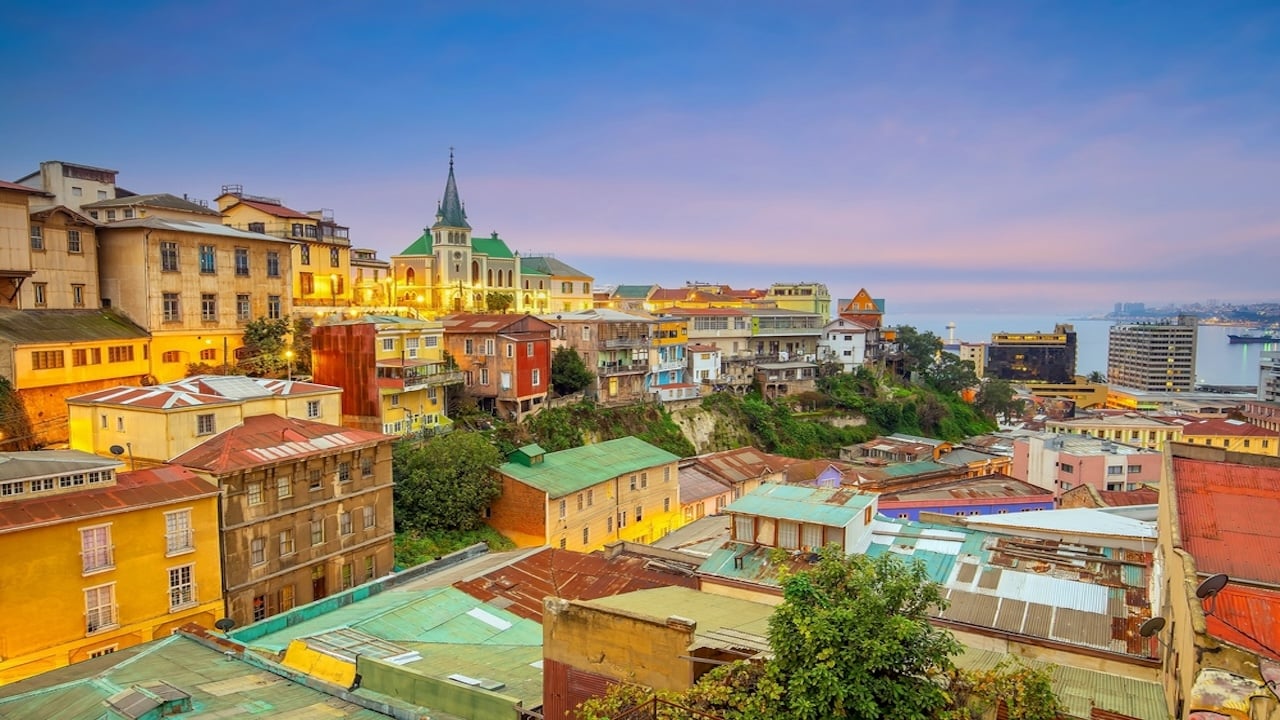
Valparaíso is not a city for straight lines. Houses climb the hills in bright colors, stairways cut between streets, murals cover walls and doors, and old funiculars pull passengers up from the port toward neighborhoods with ocean views.
Chile’s official tourism itinerary points travelers toward Dimalow Promenade, street art, Reina Victoria Funicular, Concepción Hill, seafood restaurants, galleries, and Alegre Hill. That route says a lot about the city: the movement between stops is as visual as the stops themselves.
A short walk might turn into a painted staircase, then a lookout, then a café with the port below. The funiculars are not just transport; they change the angle of the city in a few minutes, shifting the view from street walls and murals to rooftops, ships, and the Pacific beyond the hills.
Valparaíso rewards curiosity, but it also needs basic route awareness. The hills, stairways, and uneven streets are part of the experience, so daylight, comfortable shoes, and a sensible neighborhood plan matter. The color is real, but so is the climb.
4. Cuenca, Ecuador
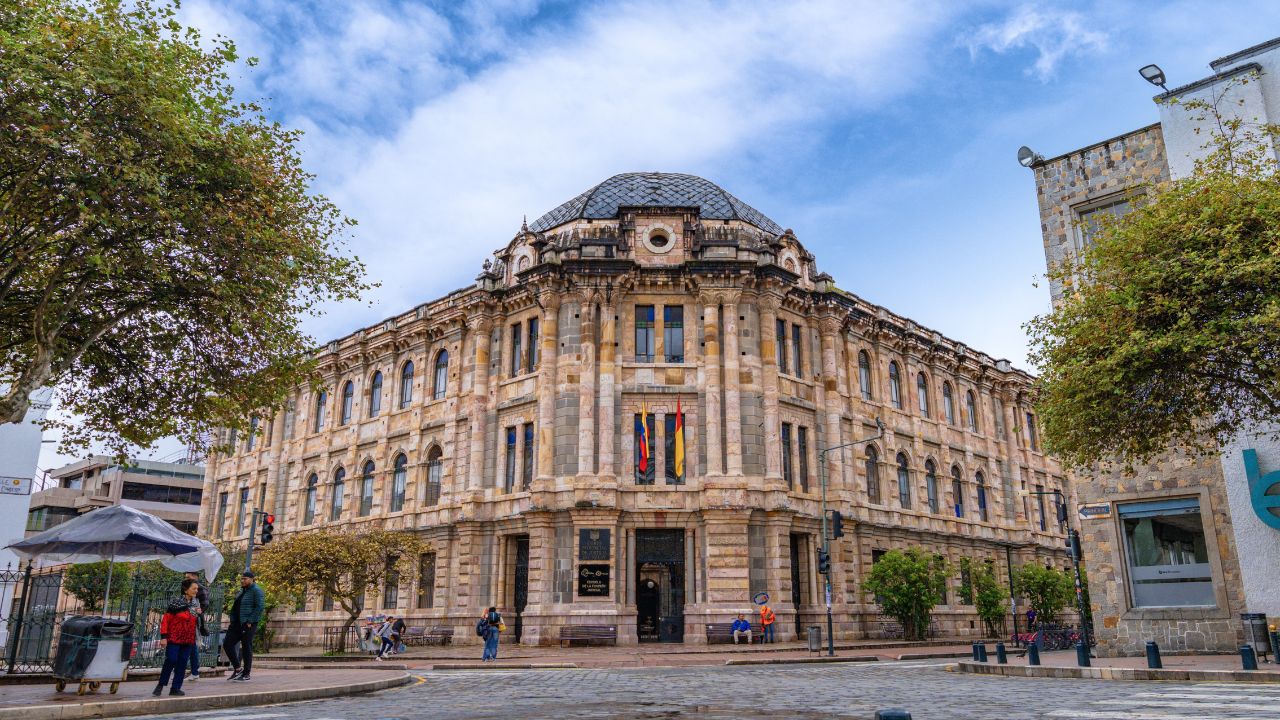
Cuenca’s historic center has the order of a planned city, but the walk still feels varied. Plazas, churches, tiled roofs, flower markets, cafés, colonial façades, and the Tomebamba River give the center several layers before the Andes rise around the valley.
UNESCO says Santa Ana de los Ríos de Cuenca sits in a valley surrounded by the Andean mountains and was founded in 1557 using formal planning guidelines. It also notes that the city has preserved its orthogonal town plan for around 400 years.
That grid helps visitors wander without feeling lost. A traveler might move from a cathedral square to a smaller plaza, continue toward a market, then drop down toward the river path where the city edge softens and the mountain setting becomes clearer.
Cuenca’s best details are not all inside churches or museums. Look for balconies, carved doors, flower stalls, bakery windows, river bridges, and the shift from stone streets to green riverbanks. The old plan of the city becomes more enjoyable when the route includes both plazas and the water below them.
5. Essaouira, Morocco

Essaouira’s official sights begin with walls, gates, citadels, and the Atlantic beyond them. Inside the medina, white walls, blue doors, shaded passages, workshops, cats, spice scents, and sea wind give the walk a softer edge than Morocco’s larger, more intense medinas.
Visit Morocco describes the medina’s fortified ramparts, monumental gates, defensive works, and citadels, while also encouraging visitors to stroll through its alleys. UNESCO notes that the medina retains its original distinctive style and a strong relationship with its natural setting.
The water matters as much as the walls. Fishing boats, gulls, nets, seafood stalls, rampart views, and Atlantic light sit close to the old lanes, so the day moves easily between market streets and open air.
Essaouira is strongest when the visit includes both sides: the sheltered medina and the windier edge near the sea. Walk the alleys, pause at workshops, continue toward the ramparts, then let the harbor and beach air reset the day before dinner.
6. Lüneburg, Germany
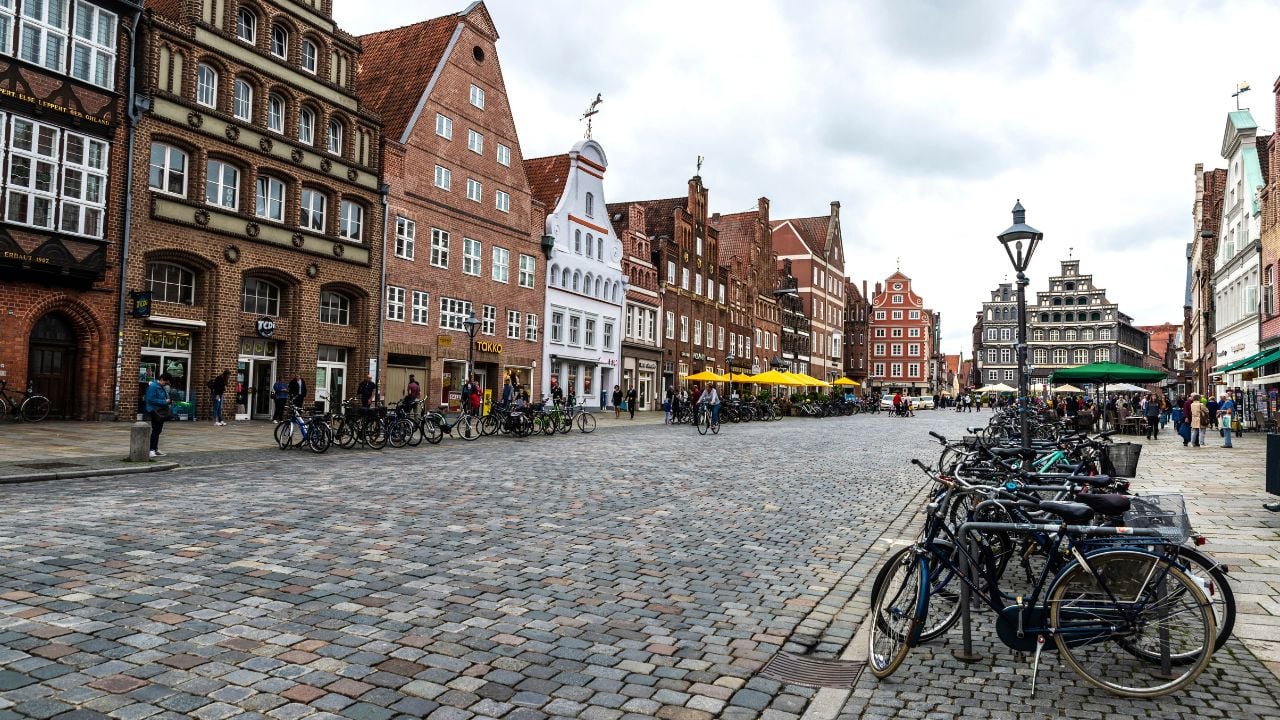
Lüneburg’s old streets still carry the look of a town built on salt wealth. Brick façades, stepped gables, old merchant houses, sloping streets, small squares, pubs, and waterside corners give the center a strong northern German character.
Germany’s official tourism site describes Lüneburg as a Hanseatic town built on salt, set between the Elbe River and heathland, with medieval charm, pubs, and a lively character. That salt-trade background gives the old town more depth than a pretty brick façade alone.
Am Sande gives the city one of its most recognizable street scenes, with historic town houses, terraces, shops, and people moving through the center. From there, the route can turn toward smaller lanes, old brick buildings, churches, and places where the town’s trading past still shows in the architecture.
Lüneburg suits a slow walk with frequent stops. A pub, a bakery, a square, a canal edge, or a leaning brick house can become the reason to pause. The city feels specific because its salt history remains visible in ordinary streets, not only in a museum label.
7. Perast, Montenegro
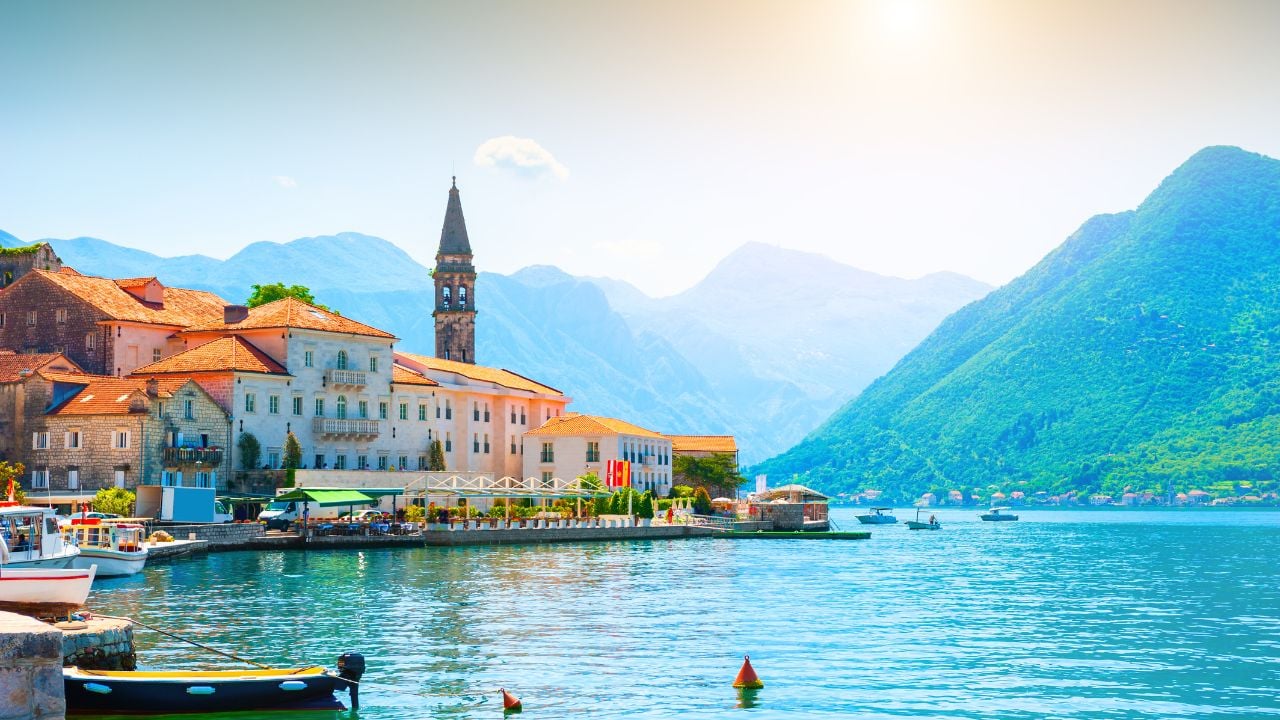
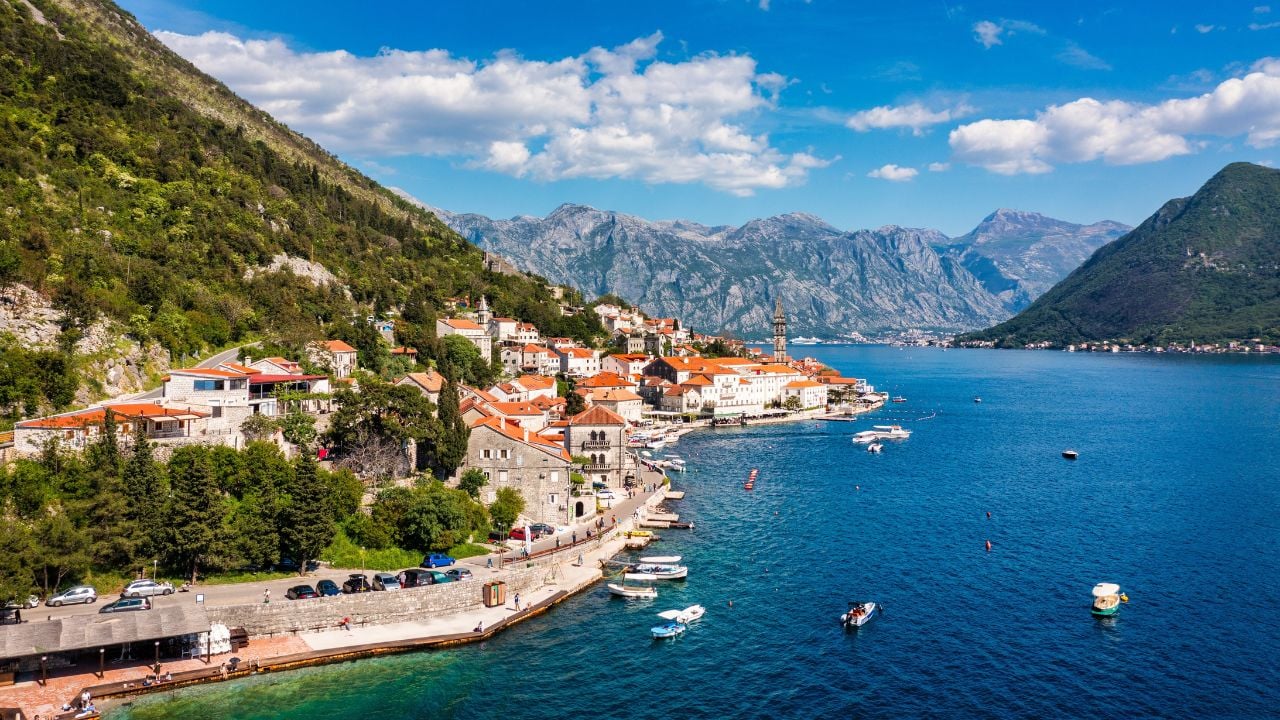
Perast is small enough to cross slowly, but the bay makes every few steps feel different. Stone houses face the water, church towers rise above the waterfront, boats wait for island trips, and the mountains across the Bay of Kotor sit close behind the sea.
Montenegro’s official tourism site describes Perast as a quiet, picturesque town about 12 kilometers from Kotor, with numerous churches and palaces, plus views toward St. George and Our Lady of the Rocks. The Church of St. Nikola and its 55-meter bell tower give the waterfront a clear focal point.
The boat trip to Our Lady of the Rocks is the obvious activity, but the town itself deserves time before or after the crossing. Walk the waterfront, look at the old stone houses, pause by the piers, and watch how quickly the light changes across the bay and mountains.
Perast should not be rushed as a quick photo stop between Kotor and the islands. A slow lunch, a shoreline walk, church bells, boat traffic, and late light on the water give the town more weight than its size suggests.