Flagship sedans have spent years watching the luxury market climb higher off the ground. SUVs now carry much of the prestige once reserved for big four-door cars, and electric crossovers have become the default launchpad for new technology.
The best sedans still offer a different kind of luxury. They sit lower, move with more composure, and create a calmer sense of arrival than most tall vehicles can match. Their cabins feel shaped around distance, silence, posture, and control rather than cargo height or rugged image.
That is why the segment still deserves attention. A true flagship sedan is often where an automaker places its most advanced ride systems, quietest cabin work, richest materials, strongest infotainment ideas, and clearest vision of executive travel.
These five models show how much life remains in the format. Some are traditional luxury benchmarks, others are electric or hybrid reinventions, but each one gives the sedan body style a clear reason to exist in a market crowded with luxury SUVs.
Low, Quiet Luxury Still Has Its Own Appeal
The strongest modern flagship sedans do not survive on size alone. They need a clear luxury argument: rear-seat comfort, advanced suspension hardware, quiet power delivery, craftsmanship, long-distance ease, or technology that improves the cabin instead of simply filling it with screens.
That standard leaves room for very different cars. A Mercedes-Benz S-Class and a Cadillac Celestiq do not answer the luxury question in the same way. A BMW i7 and a Bentley Flying Spur approach power and refinement from completely different directions. The Genesis G90 shows how a newer luxury brand can challenge older names without copying them.
The shared appeal is posture. These cars make luxury feel composed rather than bulky. They do not need off-road styling, oversized ride height, or family-SUV practicality to feel important. Their best qualities come from quiet cabins, settled road manners, rich interiors, and the feeling that the whole car was designed around the journey itself.
Mercedes-Benz S-Class
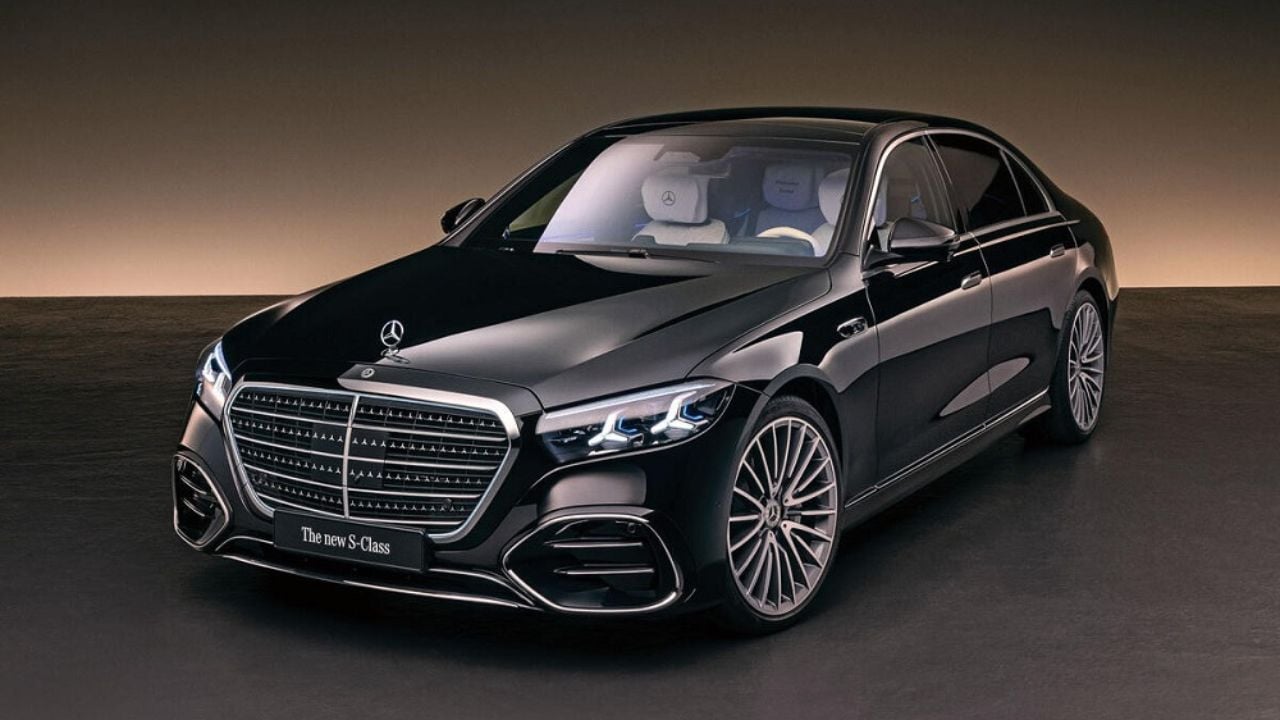
The Mercedes-Benz S-Class remains the luxury sedan most rivals still measure themselves against. Its reputation was built over decades, but the current car keeps that role by treating comfort, technology, and cabin atmosphere as one connected experience.
The S 580 4MATIC shows the formula clearly. Mercedes offers active multicontour front seats with adjustable support, active side bolsters, shoulder support, and massage programs. Those features are not decorative extras in a car like this. They shape how the S-Class feels after an hour on the highway, in traffic, or during a long evening drive.
The cabin technology follows the same logic. MBUX brings digital displays, touch controls, Bluetooth connectivity, voice control, user profiles, and customizable themes, but the car does not feel built only around screens. The best part of the S-Class remains the calm: quiet movement, polished responses, and a cabin that feels expensive without needing to shout.
Luxury SUVs can offer more cargo height and a stronger view over traffic. The S-Class answers with something more formal and composed. It still feels like the natural home for buyers who want executive luxury in its most traditional shape.
BMW i7
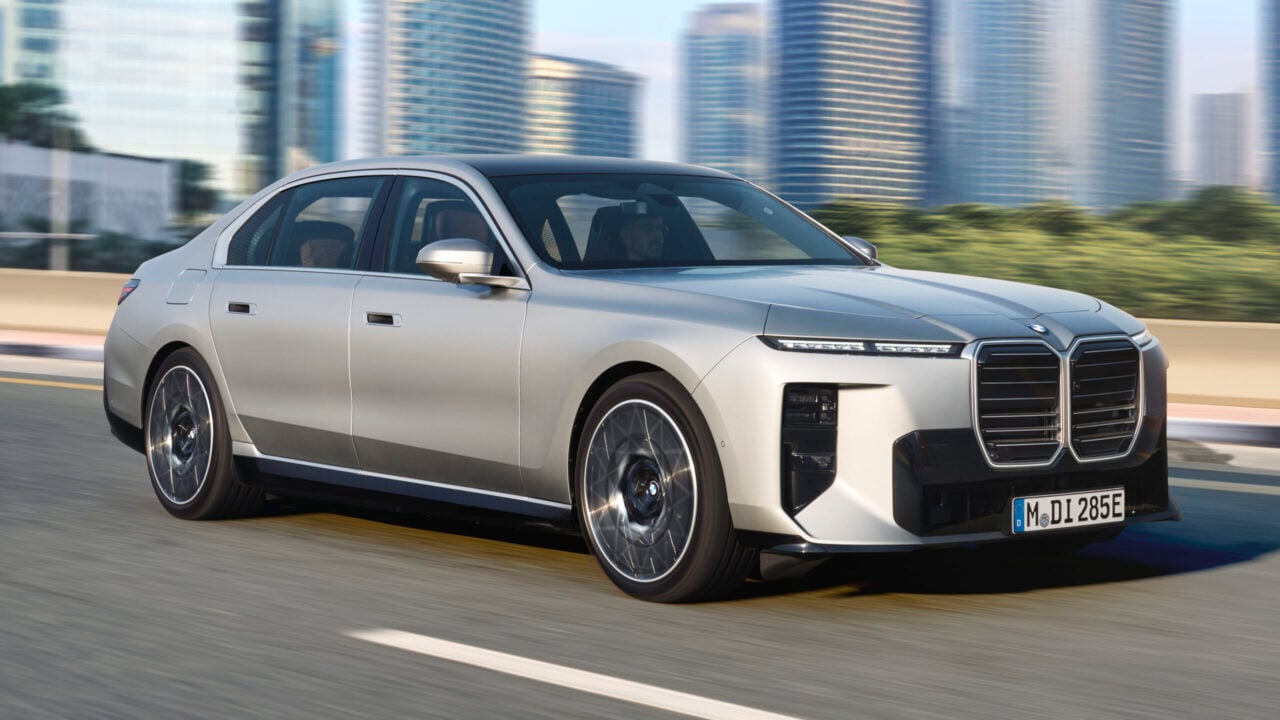
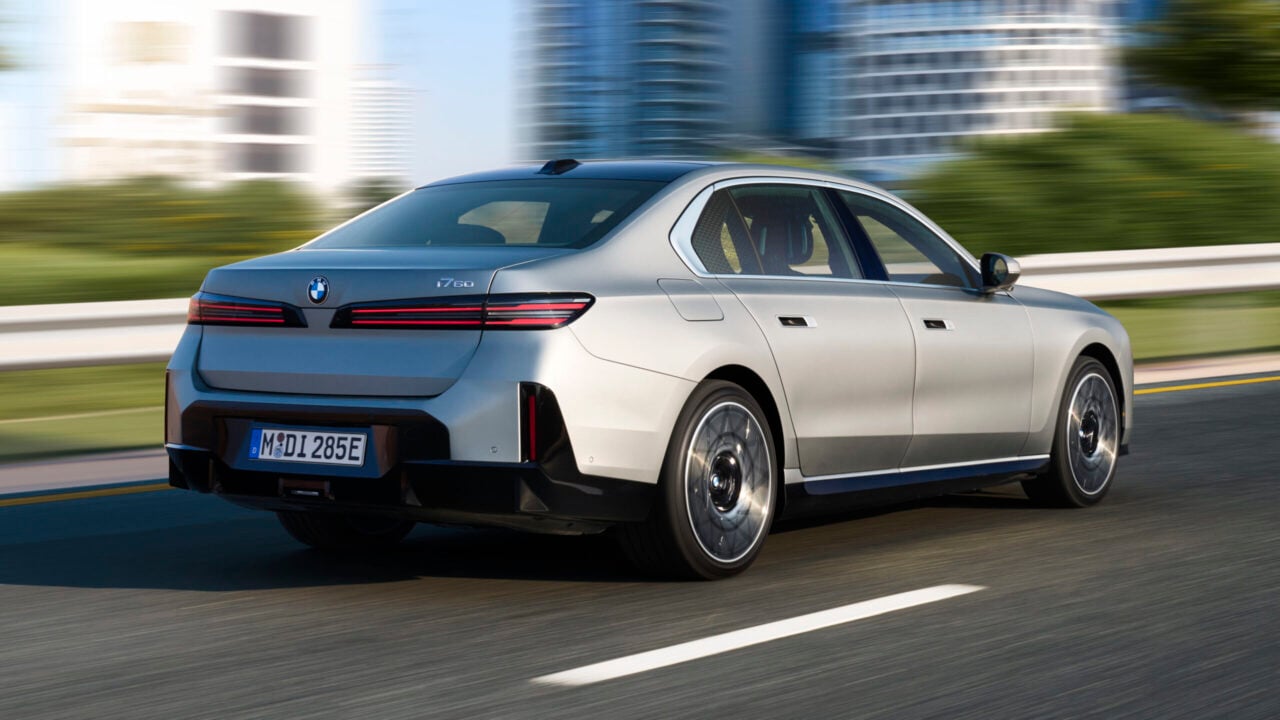
The BMW i7 gives the flagship sedan a clean electric identity. BMW calls it the first all-electric 7 Series, and the 2026 i7 eDrive50 and xDrive60 carry estimated electric driving ranges of 301 to 314 miles and 296 to 311 miles, respectively, depending on configuration and conditions.
Electric power suits this kind of car because silence is already part of the luxury brief. The i7 does not need an engine note to create drama. Its strength is the way it turns smooth acceleration, low cabin noise, and instant response into a more modern version of limousine travel.
The rear cabin carries much of the personality. BMW offers a 31-inch Theater Screen with 5G connection, up to 8K resolution, Amazon Fire TV, and a standard Bowers & Wilkins Surround Sound System. In the right configuration, the i7 feels less like a sedan trying to impress from the outside and more like a private room moving quietly through traffic.
That is the i7’s strongest argument. It keeps the long, formal shape of a flagship sedan, then uses electric power and high-end cabin technology to make the old executive-car idea feel current again.
Genesis G90
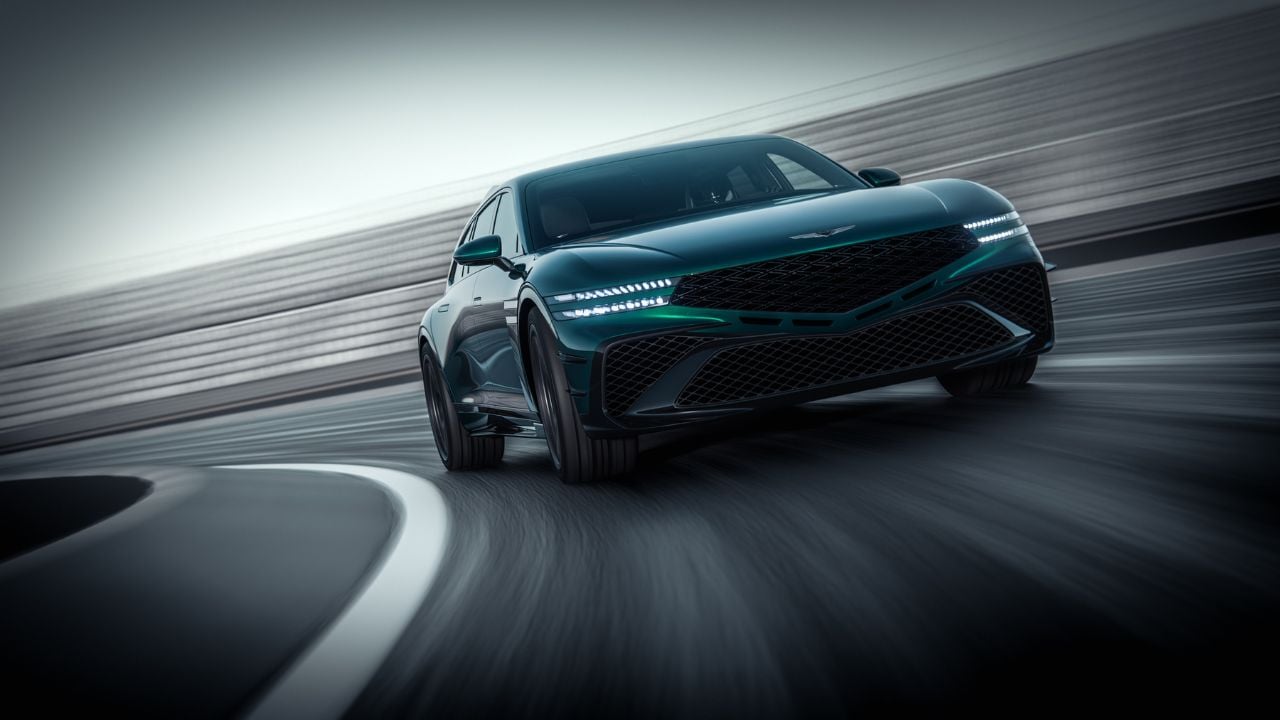
The Genesis G90 gives the flagship sedan segment a different kind of confidence. Genesis does not have the same century-deep executive-car mythology as Mercedes-Benz or BMW, so the G90 has room to feel more independent in its design and presentation.
The 2026 G90 is available with a 3.5-liter twin-turbo V6 with a 48V electric supercharger, designed to strengthen high-rpm power and low-end torque. Genesis also pairs the sedan with an 8-speed automatic transmission with Predictive Shift, which uses sensors and navigation data to adjust shift behavior for the road ahead.
The result is not a copy of an old German formula. The G90 leans into smooth power, a calm cabin, distinctive exterior surfacing, and a quieter kind of presence. It feels expensive without depending only on a legacy badge to create that impression.
That makes the G90 important in a shrinking sedan field. It shows that a flagship four-door can still feel fresh when the brand behind it has something to prove and the car itself is built around comfort instead of nostalgia.
Bentley Flying Spur
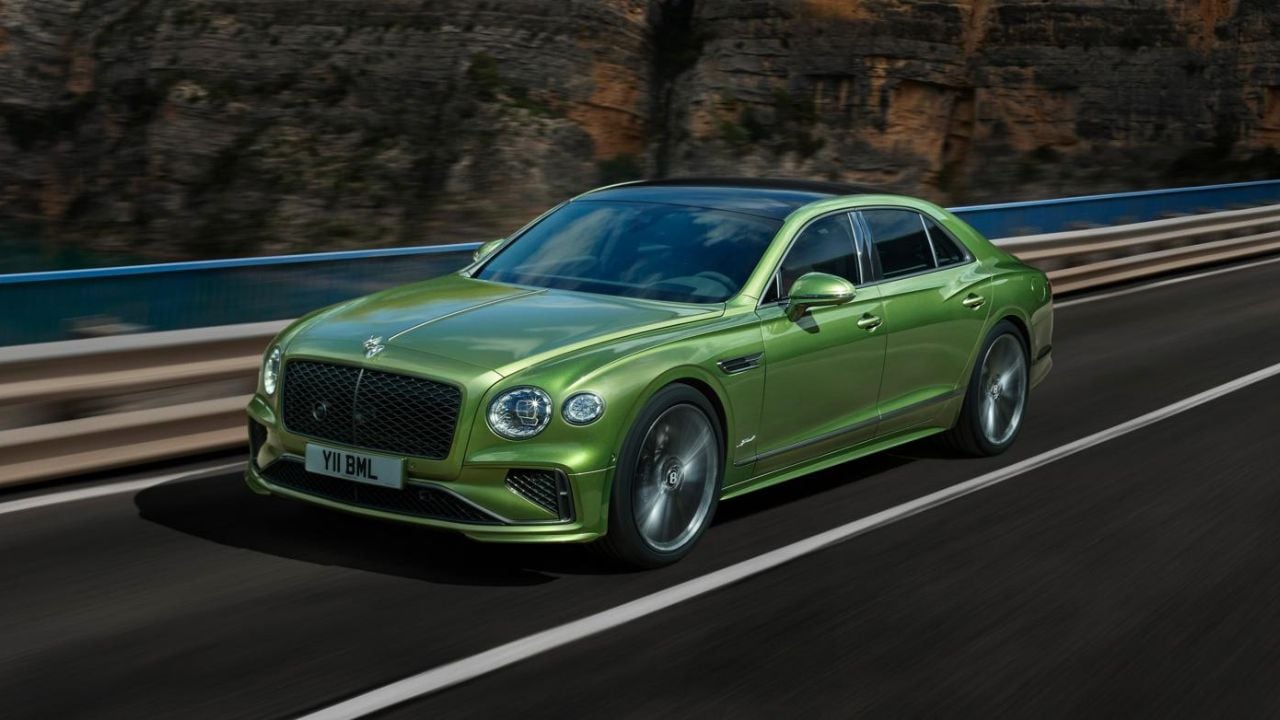
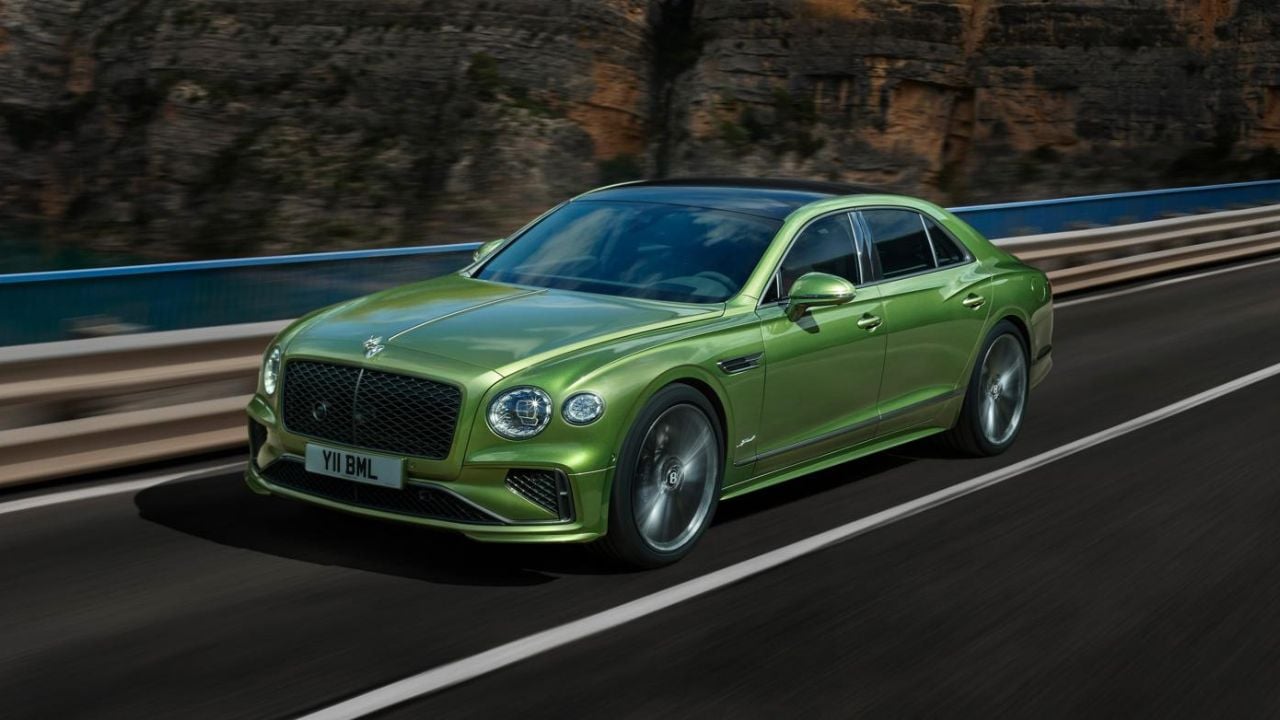
The Bentley Flying Spur keeps the flagship sedan spectacular at the top end of the market. It is large, powerful, richly trimmed, and unmistakably formal, but it is not just a rear-seat luxury object. It also carries the grand touring character Bentley has spent decades refining.
Bentley builds the Flying Spur around an Ultra Performance Hybrid V8 powertrain producing 771 hp and 737 lb-ft of torque. That output gives the sedan serious performance authority, but the car’s identity is broader than acceleration. Bentley emphasizes craftsmanship, comfort, generous passenger space, intuitive technology, and hand-finished interior details.
That combination is where the Flying Spur separates itself from ordinary luxury sedans. It can feel limousine-like from the back seat and deeply powerful from the driver’s seat. Few vehicles make those two roles feel so closely connected.
In a market where many expensive vehicles chase SUV dominance, the Flying Spur keeps the low, wide, grand sedan alive. It still understands the appeal of arriving in something elegant rather than merely large.
Cadillac Celestiq
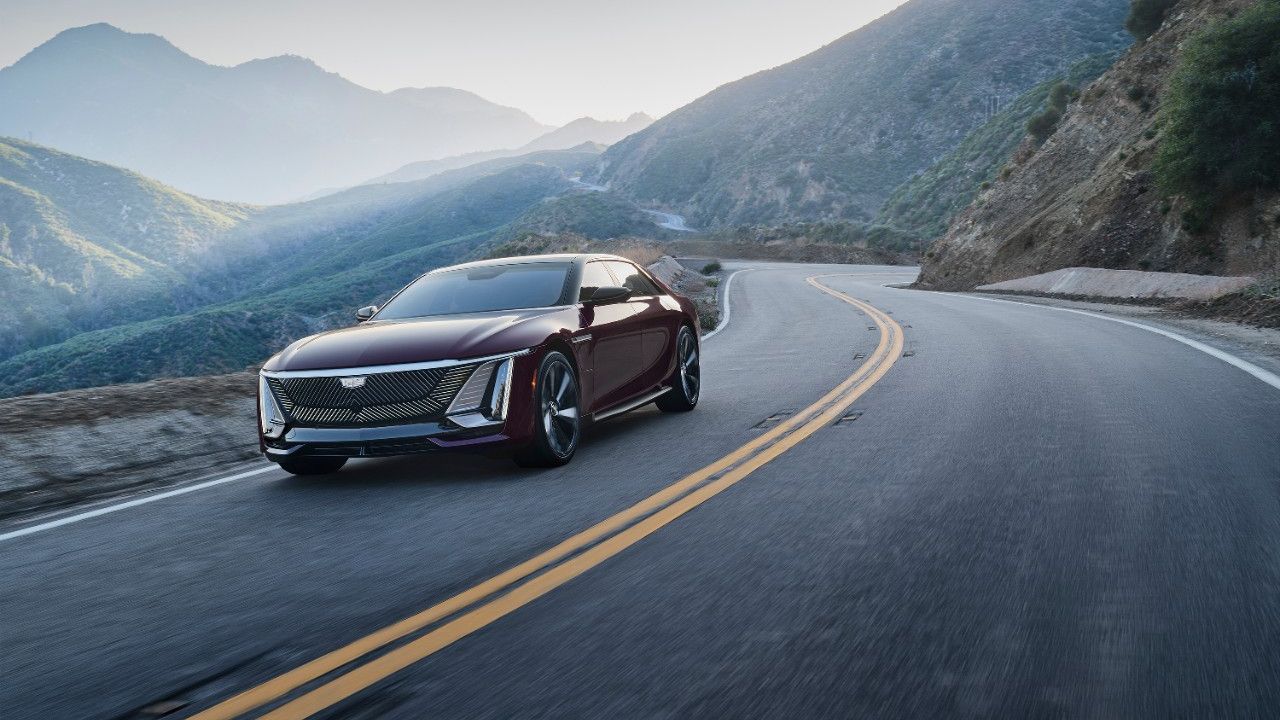
The Cadillac Celestiq is the most unconventional car in this group. It is not a traditional flagship sedan in the old DeVille or Fleetwood sense. It is a low-slung, hand-built, ultra-luxury electric flagship shaped around personalization, technology, and American design ambition.
Cadillac describes the Celestiq as a custom EV using some of the brand’s most advanced active, adaptive, and automatic technologies. Its chassis systems include active air suspension, Magnetic Ride Control, active rear steering, active roll control, adaptive all-wheel drive, and active aero grille shutters.
Those systems give the Celestiq a technical foundation worthy of its price and positioning. More important, they show Cadillac trying to define flagship luxury through craft and control rather than simply reviving an old sedan formula.
The Celestiq’s role is bigger than one model. It gives Cadillac a modern flagship with presence, rarity, and a sense of occasion. It suggests that the American luxury sedan idea can return as something lower, quieter, more personal, and more technologically ambitious than before.
Why The Flagship Sedan Still Has A Future
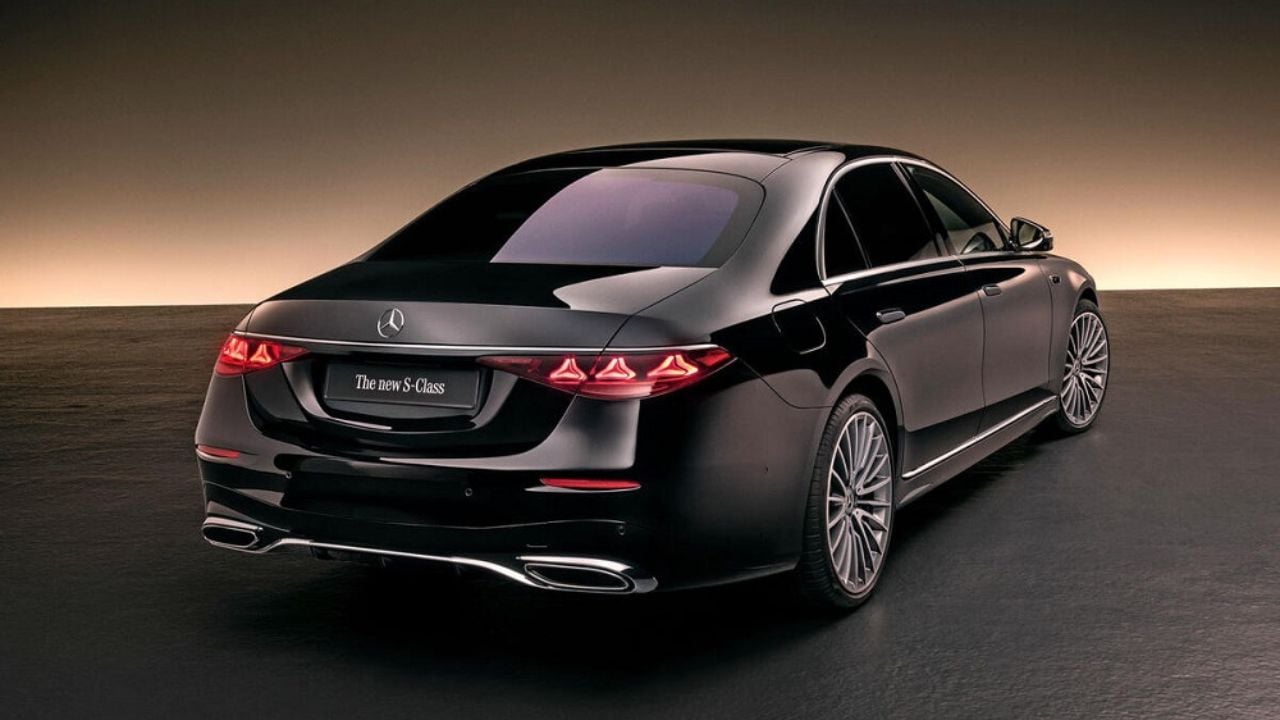
The flagship sedan survives by offering a form of luxury that SUVs rarely express as naturally. It is not trying to look adventurous or dominate a parking lot through height. It feels important through proportion, silence, ride quality, cabin detail, and the way it moves down the road.
The Mercedes-Benz S-Class still defines executive polish. The BMW i7 turns electric power into a quieter limousine experience. The Genesis G90 gives a newer luxury brand a serious flagship voice. The Bentley Flying Spur keeps the ultra-luxury sedan dramatic and handcrafted. The Cadillac Celestiq shows how an American flagship can return with electric power and custom-built ambition.
These cars do not suggest that sedans will reclaim the whole luxury market. That era is probably gone. Their strength is more selective now, and that may make them more interesting.
For buyers who still value a low seating position, a composed ride, a quiet cabin, and the feeling of being carried rather than simply transported, the flagship sedan remains one of the clearest expressions of luxury left.