Collector car predictions are risky. Nobody sees twenty years ahead clearly, and the market has a habit of humbling confident takes. Still, certain patterns repeat often enough to be worth paying attention to.
The biggest long-term gains usually come from cars that combine rarity, emotion, and a story that gets stronger with time. They are the last of something, the purest version of something, or the moment a formula disappears. That matters right now, as the industry moves away from big displacement engines, manual gearboxes, and analog driving feel.
That is the lens here. These are not guaranteed investments, just modern performance cars that already check multiple collector boxes and have a real chance to become symbols of this era rather than just fast used cars.
How This Was Built
The goal was to separate cars that are truly meaningful from those that are simply limited or expensive. A plaque and low production number are not enough. Each car here represents a real ending, peak, or disappearing formula, whether that is a final naturally aspirated engine, a last-of-its-kind platform, or a configuration the industry is leaving behind.
Production numbers matter, but identity matters more. A rare car without a story is just scarce. A rare car that closes a chapter tends to stick.
Current market behavior was considered as a signal, not the whole argument. Cars that already resist depreciation or draw early collector attention usually point to something deeper.
Each pick comes with a clear future narrative: last of the line, one of the very few, a configuration that will not return, or a defining version of a well-loved model. That is the kind of story that tends to grow louder over time, not fade.
Audi R8 GT
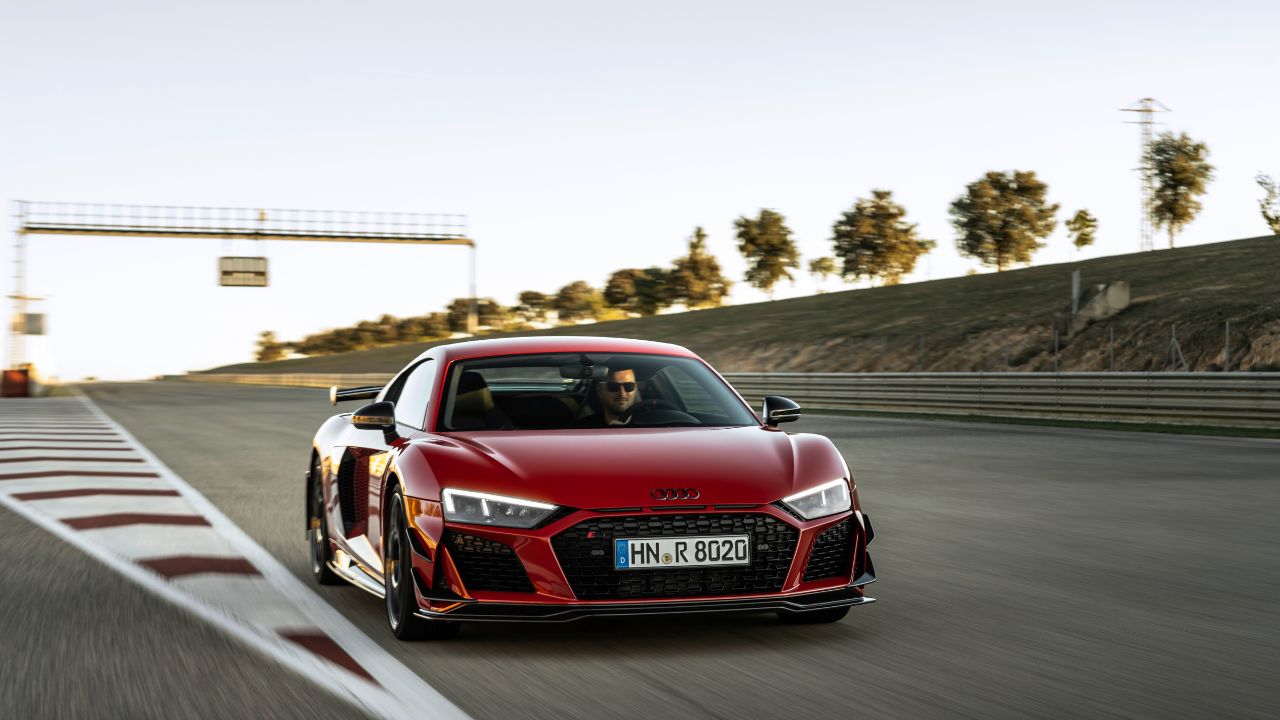
Start with the car that already feels preserved by memory. The Audi R8 GT is the final, most focused version of Audi’s halo supercar, pairing a naturally aspirated 5.2-liter V10 with 602 hp, rear wheel drive, and just 333 units worldwide.
Audi confirmed the final R8 was built on March 22, 2024, giving the GT a clean collector story. It is not just the last R8, it is the last naturally aspirated V10 Audi road car and one of the last truly analog-feeling exotics.
The formula is simple: brand significance plus an engine that is not coming back. Add in the R8’s usability and enthusiast following, and you get a car people actually connected with, not just stored.
When collectors look back on the end of internal combustion supercars, the R8 GT will read like a closing statement. Early sales, including a 901-mile example at $259,000, suggest the market already understands that.
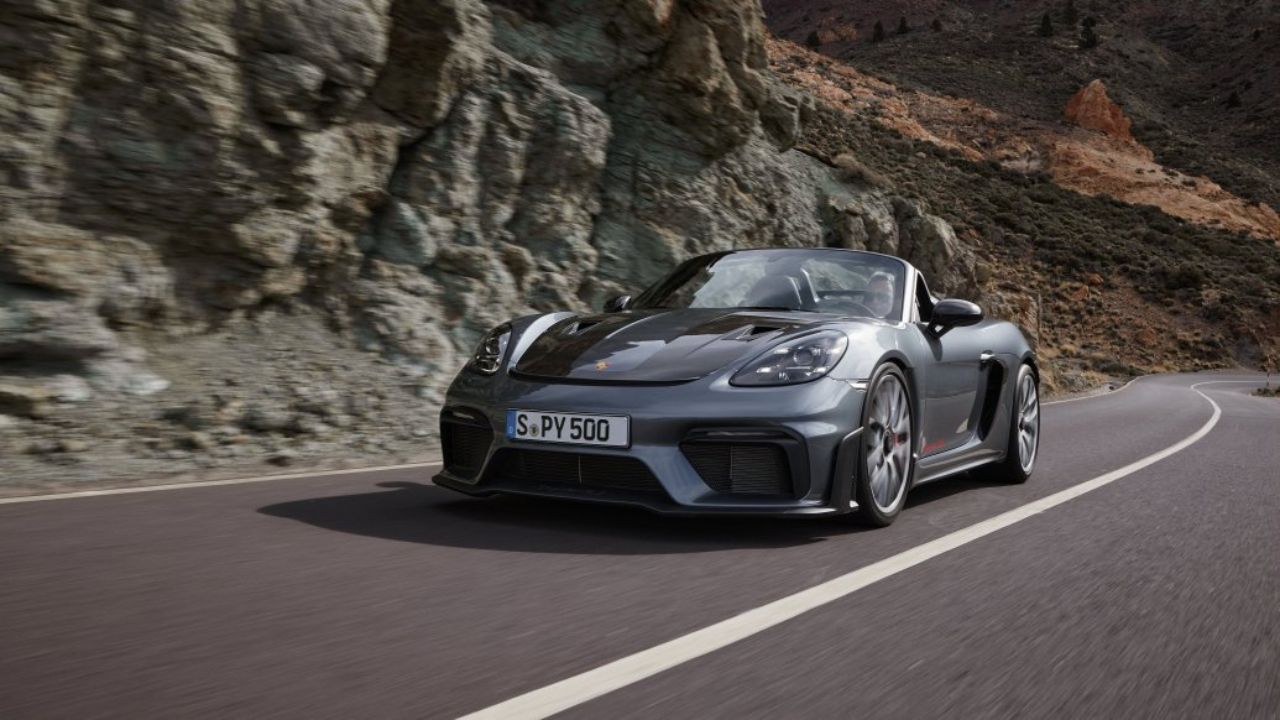
Porsche 718 Spyder RS

Few modern cars feel as distilled as the 718 Spyder RS. It takes the GT4 RS powertrain, a 9,000 rpm naturally aspirated flat six with 493 hp, and pairs it with an open-top, mid-engine layout Porsche itself framed as the “pinnacle.”
That framing matters. It signals a deliberate sendoff as naturally aspirated mid-engine Porsche sports cars approach their end.
The Spyder RS stacks multiple collector-triggers: open-top emotion, GT-division credibility, and a clear end-of-era narrative. It also appears to be holding value early, with listings ranging from the high $100,000s into the mid $200,000s.
Long term, this looks like one of the cleanest representations of what naturally aspirated Porsche roadsters were at their peak.
Cadillac CT5-V Blackwing With The Six-Speed Manual
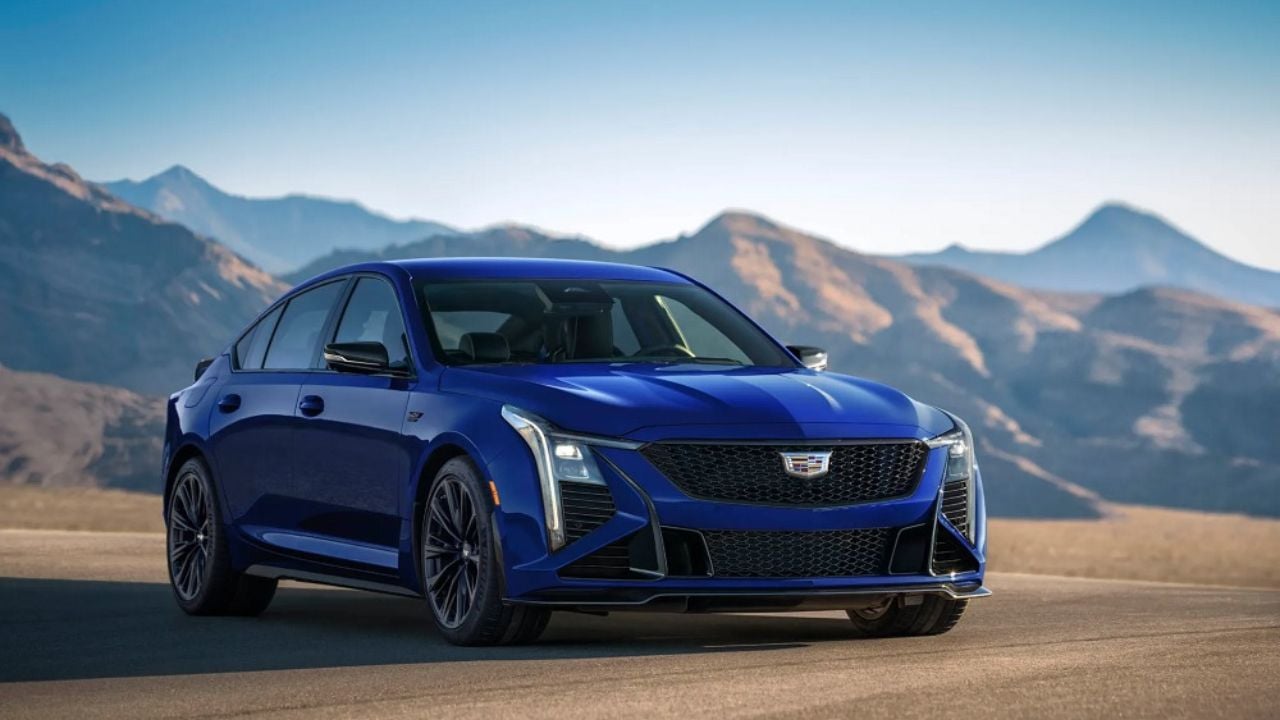
The sedan entry still feels slightly unreal. The CT5-V Blackwing combines a hand-built supercharged 6.2-liter V8 with 668 hp and, crucially, a six-speed manual.
A rear-wheel-drive luxury sedan with a manual and a 200 mph ceiling is not just rare by numbers, it is rare by philosophy.
That is what gives it long-term potential. Cars like this tend to age well because they represent a mindset that disappears, not just a spec sheet.
The manual version is the one that matters. Over time, “the last manual, supercharged V8 Cadillac sedan” becomes a much stronger story than any single performance number.
Jaguar F-Type ZP Edition
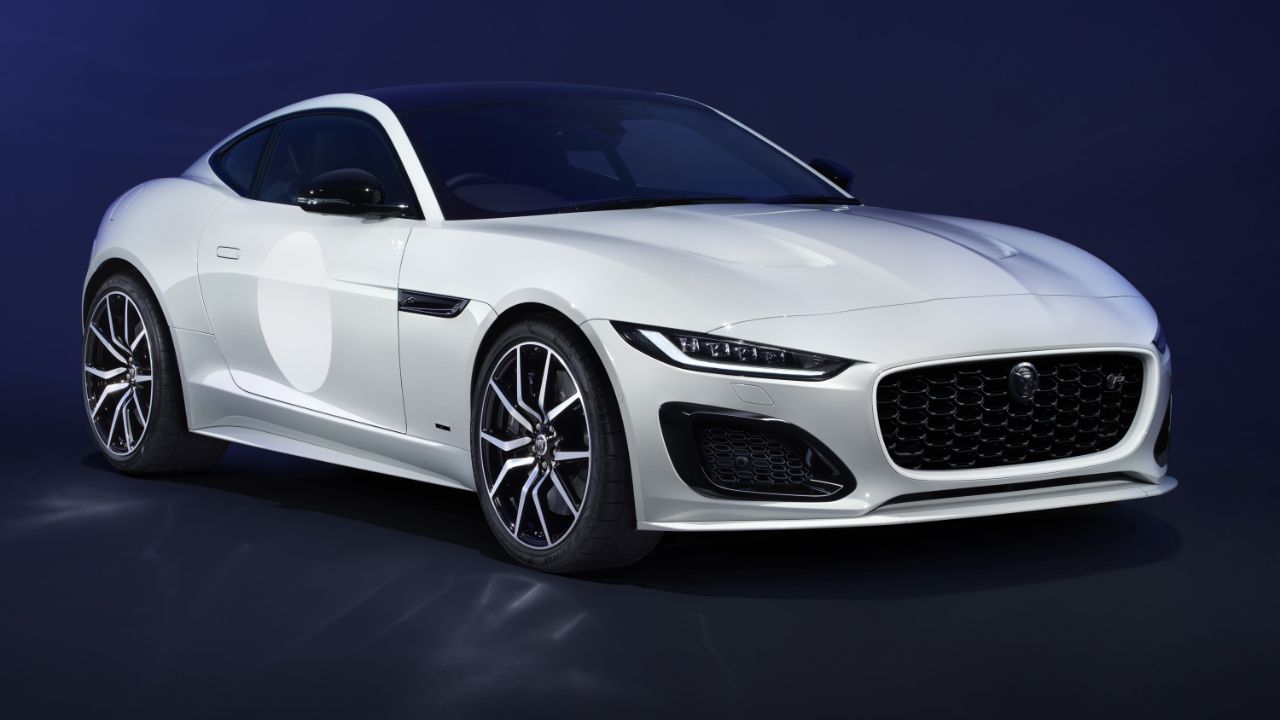
Beauty still matters more than buyers like to admit, which is part of the appeal of the F-Type ZP Edition. Jaguar built just 150 units as the final F-Type, and its last combustion sports car, powered by a 575 hp supercharged V8.
It is limited, visually striking, and tied to a lineage that runs through the XK and E-Type, which gives it more emotional weight than it might seem at first glance.
Cars like this often gain value as the market realizes what they represented. With Jaguar shifting direction, the last V8 sports car from the brand could become far more meaningful over time.
This is less about performance and more about symbolism, rarity, and timing.
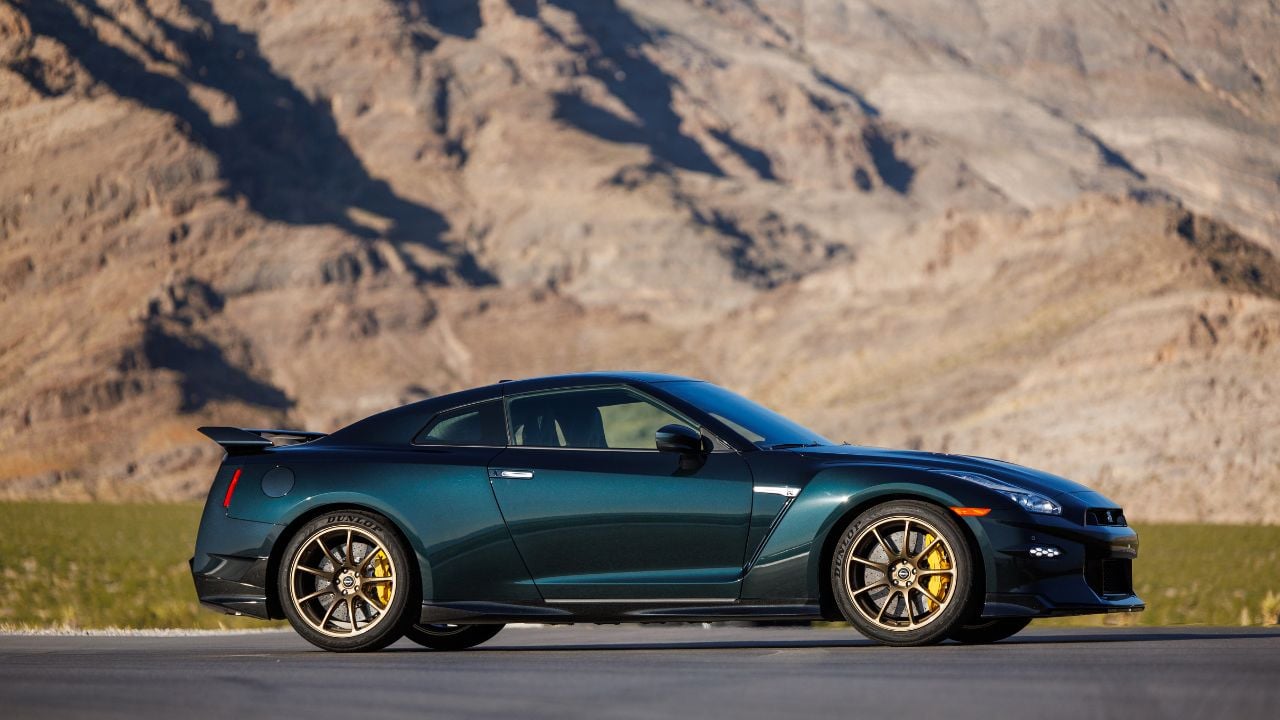
Nissan GT-R T-spec Takumi Edition
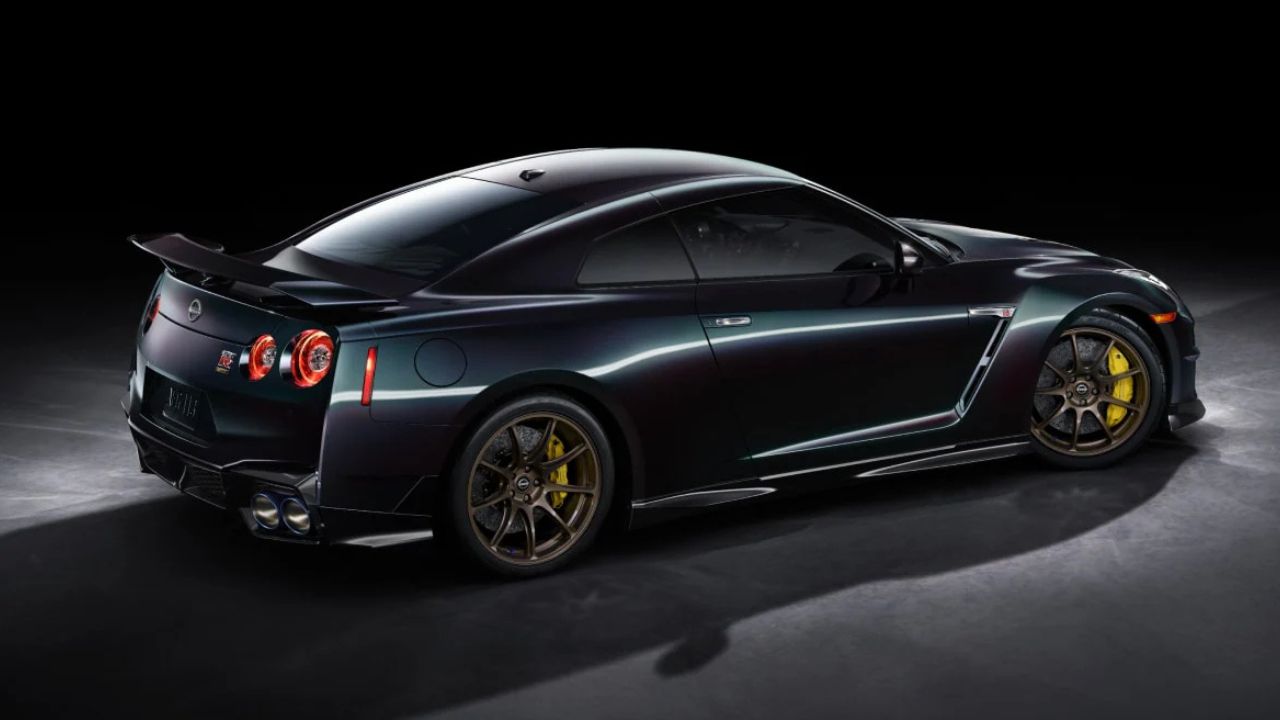
Long-running legends often peak at the end, and the GT-R T-spec Takumi Edition fits that pattern. Nissan limited it to 50 units as part of the R35 sendoff, with special attention to craftsmanship and presentation.
Final editions matter more when the model has built a long legacy, and the R35 had plenty of time to do that. By the end, it felt less like a current car and more like a finished story.
That is why the Takumi Edition stands out. It combines low production, a clear end-of-line moment, and a narrative tied directly to the GT-R’s identity.
In hindsight, these are often the versions people wish they had paid closer attention to.
Lexus IS 500 Ultimate Edition
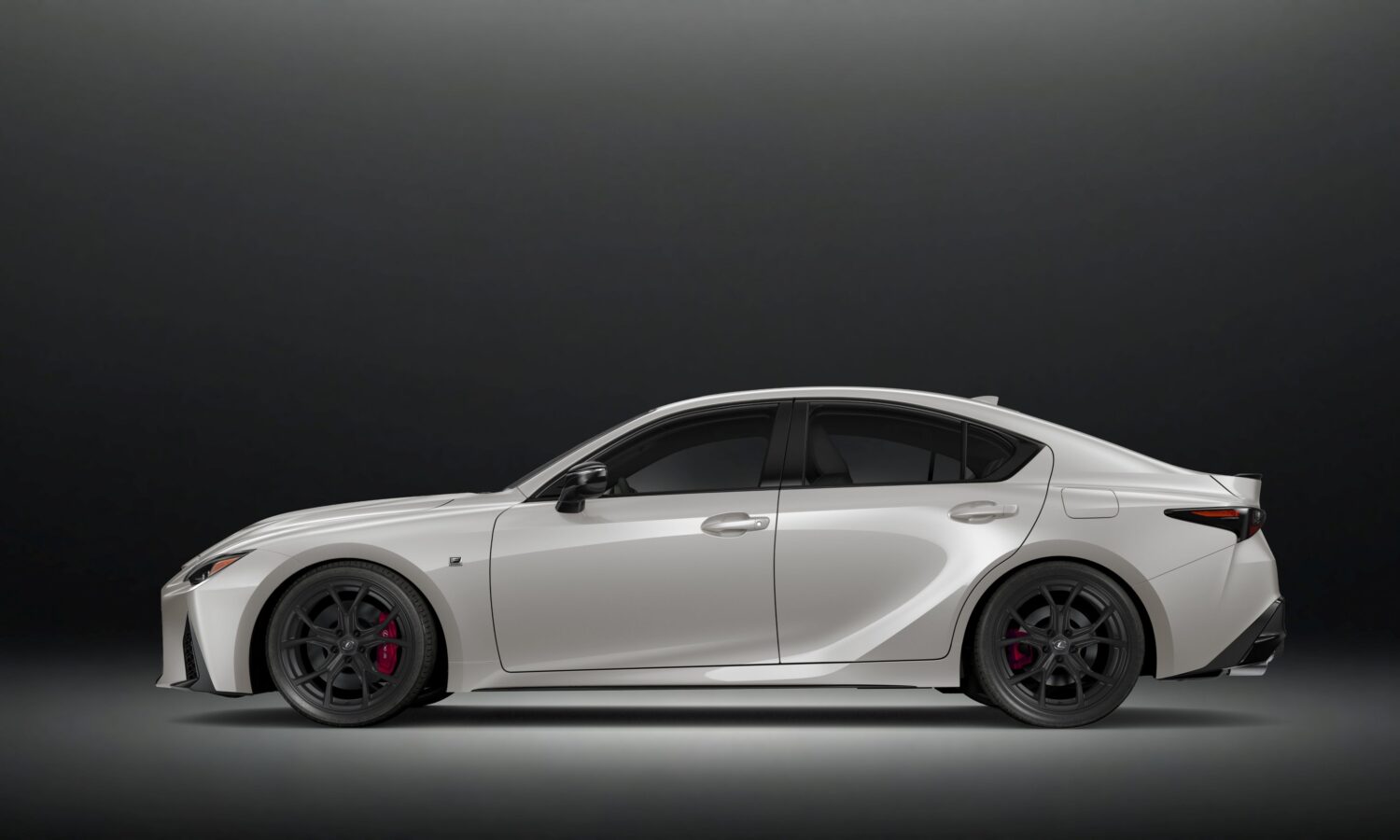
The sleeper here is the IS 500 Ultimate Edition. Lexus limited it to 500 units in North America as a send-off for one of the last naturally aspirated luxury V8s.
The formula is simple but increasingly rare: rear-wheel drive, a 5.0-liter V8, and a compact luxury sedan platform from a brand known for longevity.
It sits in a useful middle ground. Not too exotic to drive, not common enough to ignore, and tied to a configuration that is disappearing quickly.
Cars like this often take time for the market to fully catch on. Then the narrative, “one of the last naturally aspirated luxury V8 sedans,” takes on real weight.
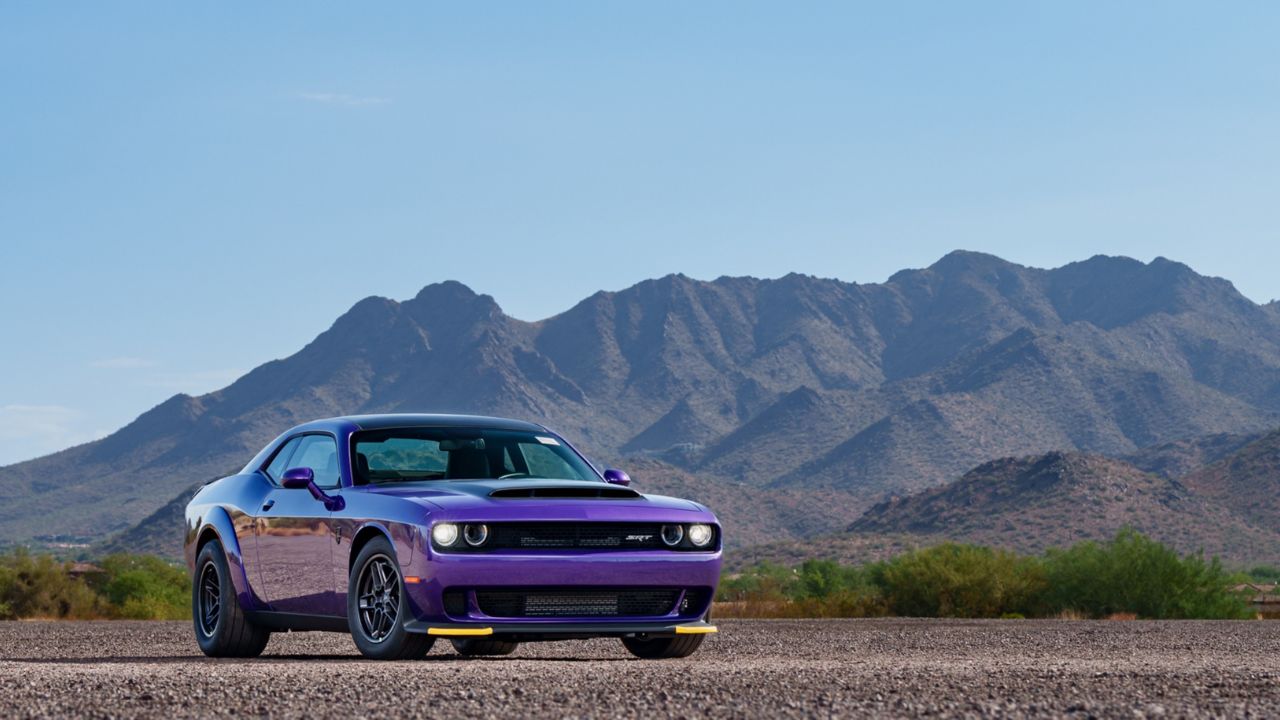
Dodge Challenger SRT Demon 170
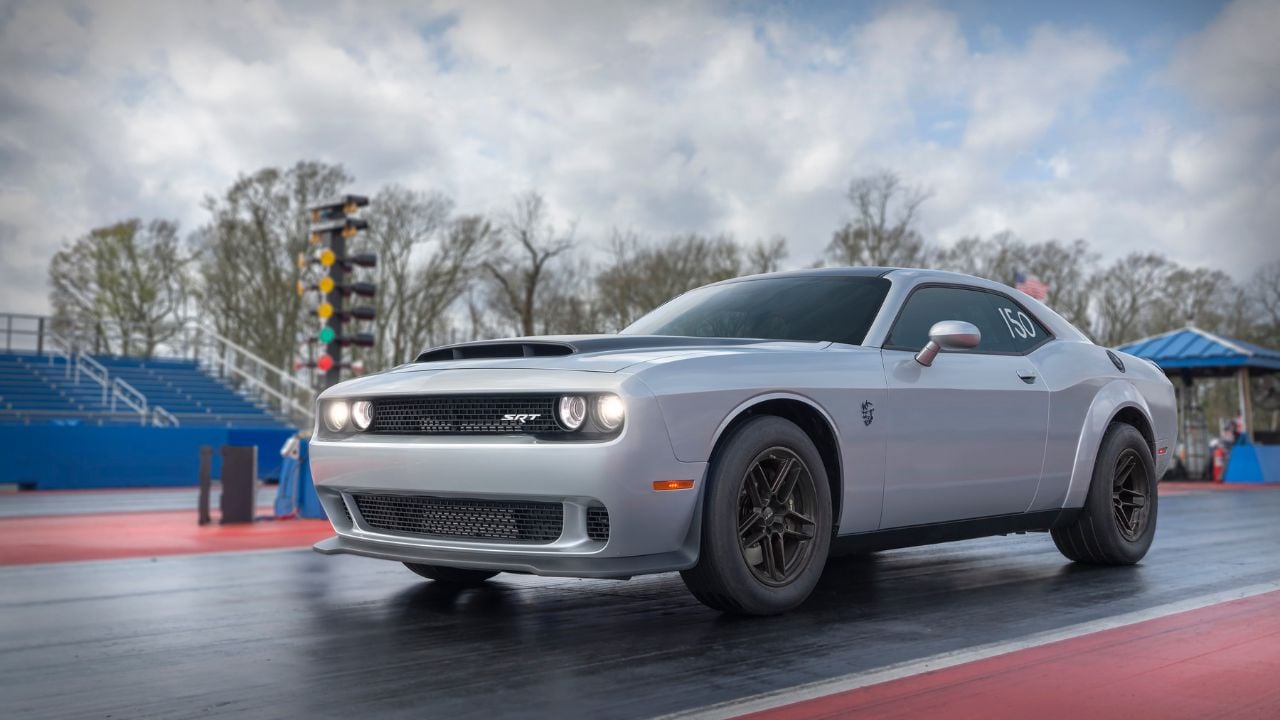
Then there is the brute-force candidate. The Challenger SRT Demon 170 is pure excess, with 1,025 hp, a claimed 1.66-second run to 60 mph, and planned production capped at 3,300 units.
Dodge built it as the final, most outrageous expression of the modern HEMI Challenger era, and that clarity matters. The Demon 170 does not need much explanation. Its purpose was obvious from day one.
That kind of instant identity is powerful in collector markets. Buyers already treat it as something special rather than just another used muscle car, with Hagerty tracking a recent sale at $138,075.
Twenty years from now, it could stand as one of the clearest symbols of how wild the final chapter of American muscle really became.
Why The Biggest Winners Usually Mean More Than Their Specs
That is the common thread running through all seven picks. Their future cases are not built on horsepower alone, even though several have plenty of it. They are built on meaning.
The R8 GT is the last V10 Audi supercar. The Spyder RS is a final open-top celebration of naturally aspirated mid-engine Porsche purity. The Blackwing manual preserves a type of super sedan that may never return.
Jaguar’s ZP Edition marks the end of an entire petrol sports car lineage. The Takumi Edition closes the R35 GT-R story with craftsmanship and scarcity. The IS 500 Ultimate Edition captures a fading luxury V8 formula. The Demon 170 turns the end of the American muscle coupe era into a fireworks show.
That does not guarantee any of them will double or triple on a neat schedule. Collector markets never behave that politely. But if the question is which modern performance cars already look like future symbols, these seven make a very strong case.
In twenty years, buyers will not just be chasing transportation. They will be chasing endings, engines, and the feeling of owning a piece of the moment before the industry changed for good.