
A truly fast manual car delivers a kind of satisfaction that a stopwatch can only partly explain. The number still matters, but so does the feeling that the driver has work to do. A hard launch is not just a button press, a launch-control sequence, and a clean line of code.
The quickest modern cars usually lean on dual-clutch gearboxes, all-wheel-drive systems, and software that removes much of the human messiness from acceleration. The fastest stick-shift cars feel more memorable precisely because they keep some of that messiness alive.
A clutch pedal changes the mood. The launch depends on timing, grip, revs, confidence, and the driver’s ability to turn a violent start into a clean one. Get it right, and the number feels earned.
These cars prove how hard a traditional manual can still leave the line. Some use all-wheel-drive traction, some use huge torque, and some rely on gearing, tires, and balance. All of them keep the driver involved in the result.
When A Manual Still Means A Real Clutch Pedal
Only factory production road cars with traditional driver-operated manual gearboxes qualify. Dual-clutch transmissions, single-clutch automated manuals, race specials, and tuner conversions change the nature of the comparison, even when they deliver spectacular numbers.
Published 0-to-60 mph results from major instrumented tests carry the most weight, with quarter-mile performance used to separate cars that land in the same range. Manual cars can vary dramatically by driver skill, launch surface, tire condition, gearing, and test procedure, so clean, well-documented numbers matter more than reputation.
A few famous names miss the cut despite enormous pedigree. Drama alone is not enough when another manual car has a quicker, better-supported launch figure.
2010 Porsche 911 Turbo
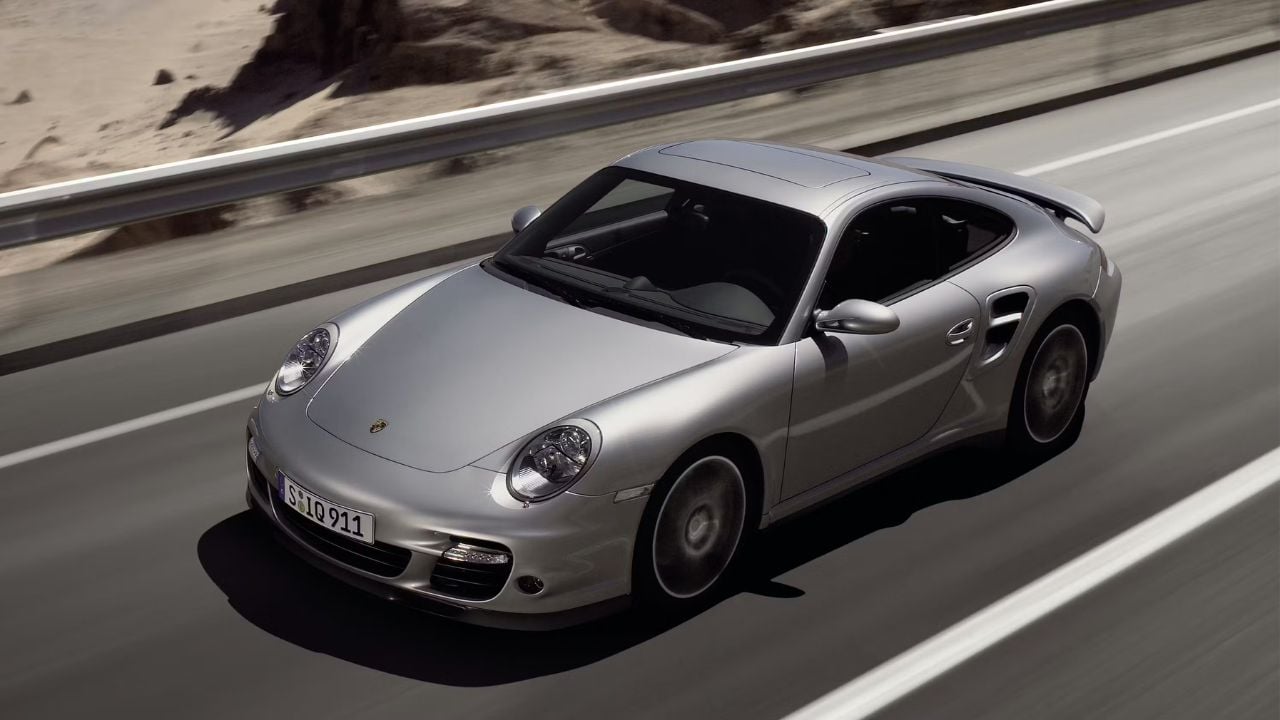
The 911 Turbo delivered a manual launch number that still sounds absurd. In MotorTrend’s comparison test, the six-speed manual Turbo reached 60 mph in 3.0 seconds and ran the quarter mile in 11.2 seconds, quick enough for the magazine to call it the fastest manual-transmission car it had ever tested at the time.
The achievement stands out even more when the full car comes into view. This was not a stripped drag special or a one-purpose machine. It was a civilized 911 Turbo with all-wheel-drive composure, everyday usability, and the polish expected from Porsche’s flagship performance model.
That combination made the result feel almost unfair. The Turbo had the traction to leave hard, the power to keep pulling, and the refinement to make the whole thing look easier than it was. It still demanded a real left leg and a real shift hand, which makes the number even more impressive.
2015 Chevrolet Corvette Z06

The Corvette Z06 turned rear-drive manual acceleration into a physical event. Car and Driver later cited the 2015 Z06 among its quickest manual-equipped benchmark cars at 3.2 seconds to 60 mph, while Chevrolet’s own manual-transmission estimate listed the same 3.2-second sprint and an 11.2-second quarter mile.
The source of that violence was not mysterious. The supercharged LT4 V8 made huge power, the rear tires had enough bite to make the car work, and first gear was long enough to avoid an upshift before 60 mph. In a manual car, that gearing detail carries real weight.
The Z06 felt savage in a way few modern performance cars still do. It was loud, physical, brutally quick, and still tied to a clutch pedal and shift lever. The launch number was only part of the story. The bigger impression came from how much force the driver had to manage.
2025 Porsche 911 GT3 Touring
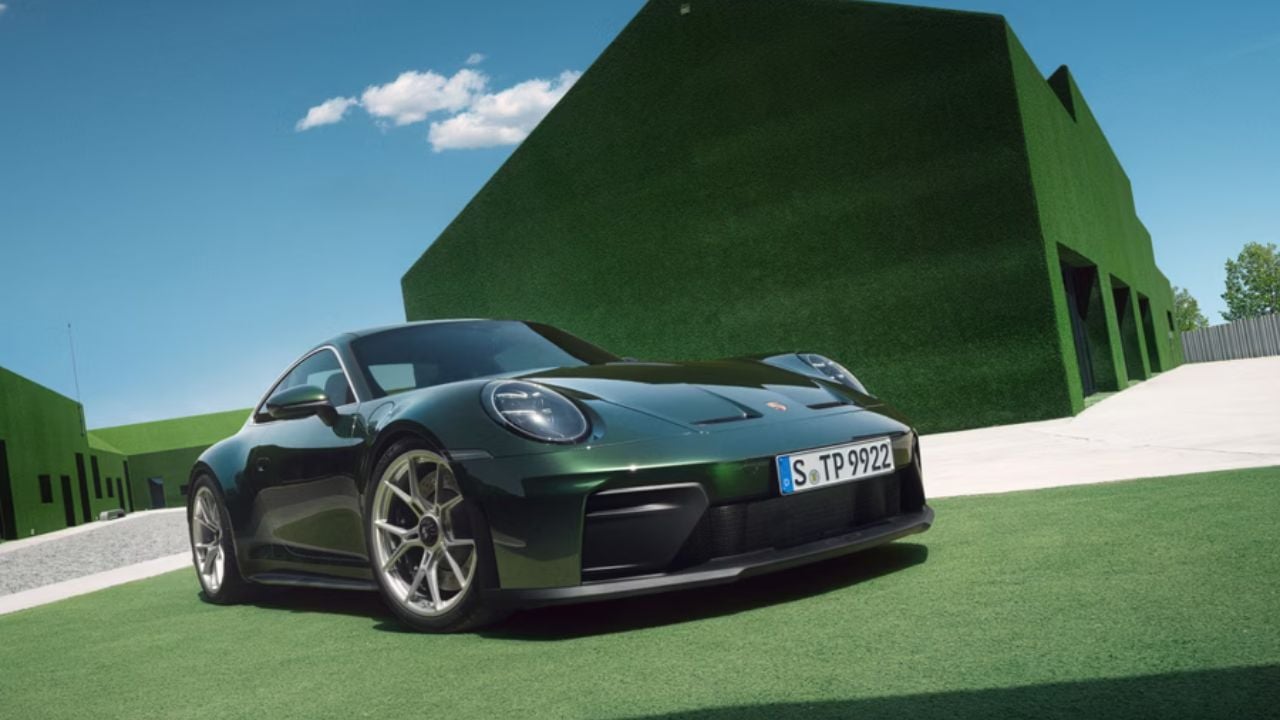
The GT3 Touring reaches its speed without turbocharged torque or drag-strip theatrics. Car and Driver recorded 3.2 seconds to 60 mph and 11.3 seconds in the quarter mile at 127 mph from the 2025 manual Touring, an extraordinary result from a car built around steering feel, revs, and balance as much as raw acceleration.
The subtle body makes the number even better. Without the giant rear wing and visual aggression of the standard GT3, the Touring looks cleaner and quieter, yet underneath it sits one of the quickest stick-shift cars Car and Driver has tested.
The naturally aspirated flat-six does not flatten the driver with low-rpm boost. It builds speed with precision and commitment, asking for revs and rewarding clean inputs. The Touring feels elegant first, then suddenly very serious.
2022 Porsche 911 Carrera GTS
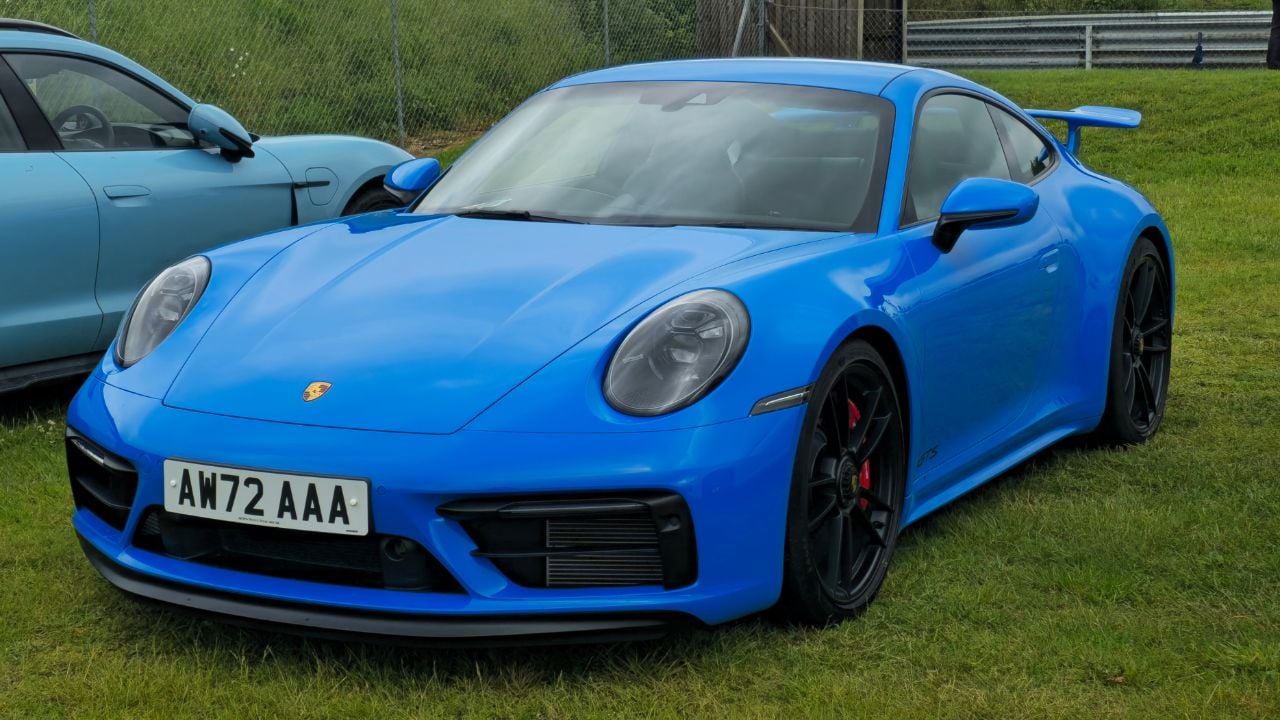
The Carrera GTS manual landed a number that made the middle of the 911 range look shockingly serious. Car and Driver measured the seven-speed manual GTS at 3.2 seconds to 60 mph and 11.3 seconds in the quarter mile at 126 mph, then noted that it tied the quickest manual-equipped cars the magazine had tested.
The GTS is not presented as a stripped acceleration special. It sits between the Carrera S and the GT3, with enough comfort and versatility to feel like a rounded sports car rather than a single-purpose weapon.
That range of ability gives the number real bite. The GTS can behave like a polished daily sports car, then launch with the kind of pace once reserved for far more extreme machinery. It is quick in a way that sneaks up on you, then stays in your head.
2011 Porsche 911 GT2 RS
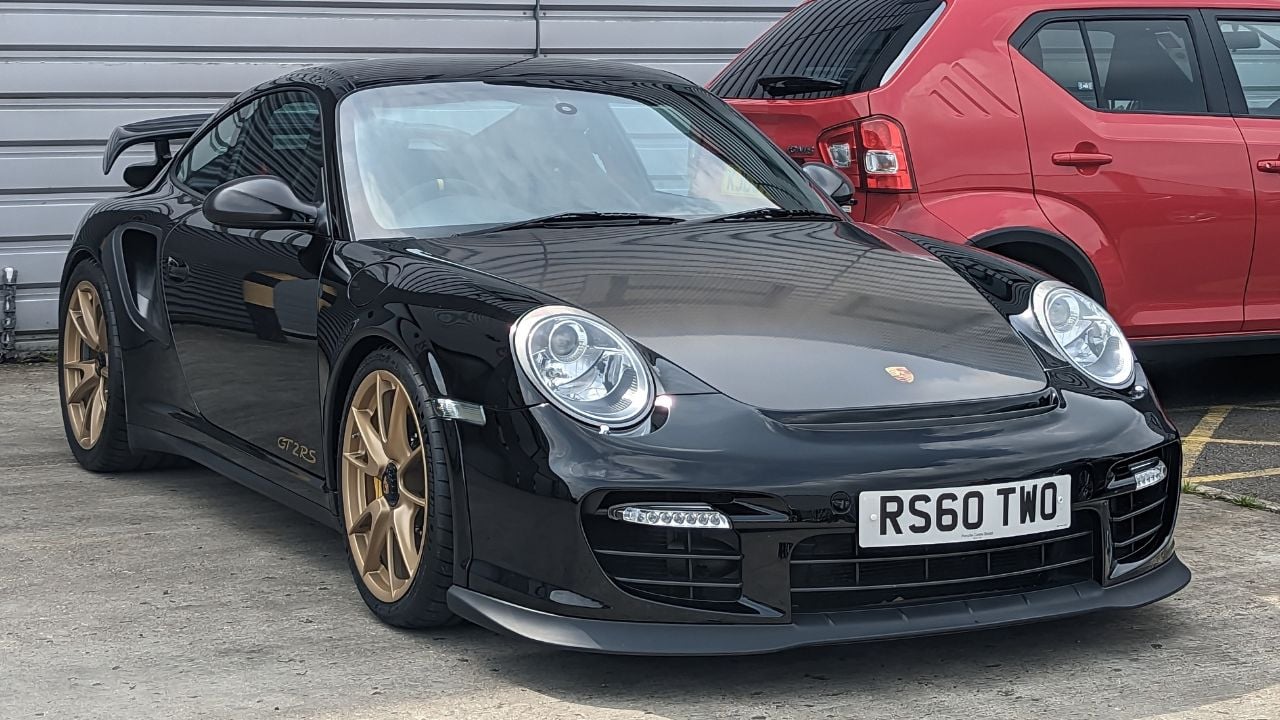
The GT2 RS shows why 0-to-60 mph alone never tells the full story. Car and Driver recorded 3.3 seconds to 60 mph from the 2011 GT2 RS, just behind the 3.2-second group, but the car’s deeper numbers reveal its real violence: 11.1 seconds in the quarter mile at 133 mph and 150 mph in 14.4 seconds.
Once moving, the twin-turbo flat-six pulled with a force that made the launch feel like only the opening act. Rear-wheel drive, a six-speed manual, massive turbocharged thrust, and a serious reputation gave the GT2 RS a level of intensity few modern supercars can match.
It was never merely quick. It was overwhelming, and in a very old-school way. The driver had to respect the car, not simply activate it.
2017 Dodge Viper ACR

The Viper ACR brought one of the most extreme manual-transmission personalities ever sold for road use. Car and Driver’s test listed the 2017 ACR with a six-speed manual, 645 hp, a 3.3-second run to 60 mph, and an 11.5-second quarter mile at 126 mph.
The numbers were only one part of the experience. The ACR paired a huge naturally aspirated V10 with rear-wheel drive, serious aero, enormous tires, and a manual gearbox in a car that demanded full attention from the driver.
There was nothing soft or automated about the way the Viper made speed. It felt raw, loud, wide, and physical, even by supercar standards. The launch was quick, but the personality was the real event.
2005 Ford GT

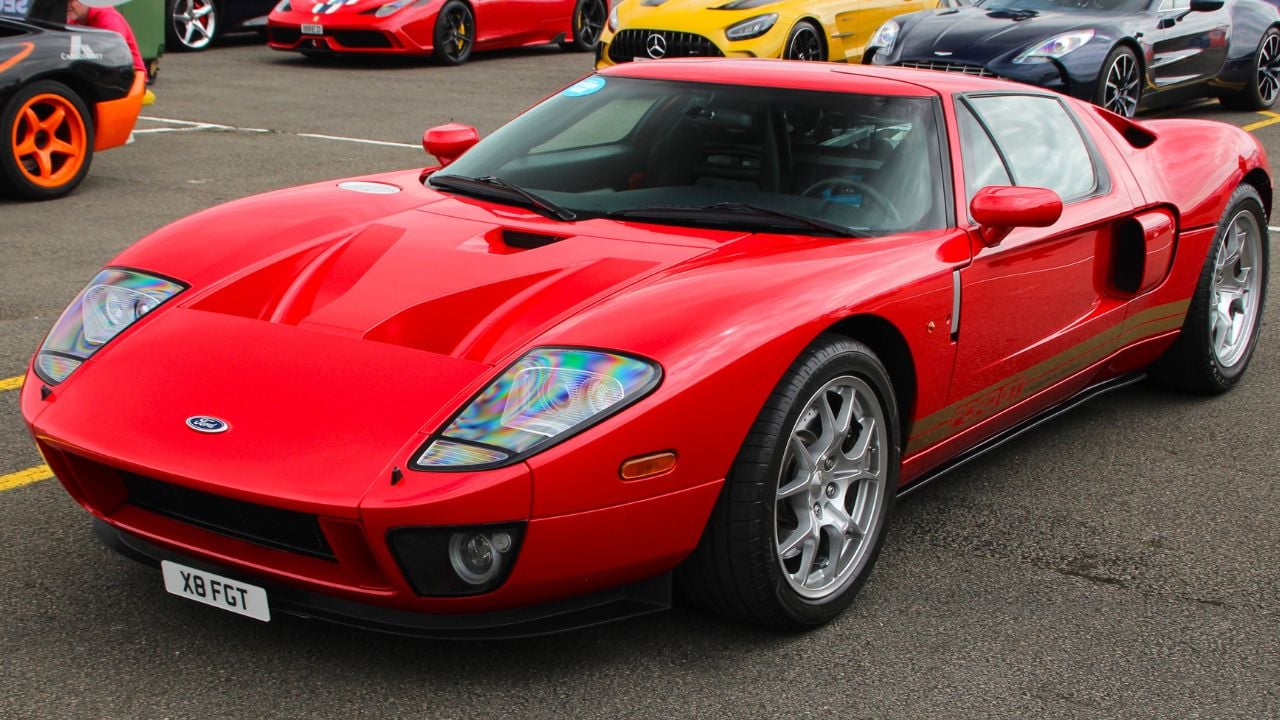
The Ford GT remains one of the great manual-transmission statements of the modern supercar era. Car and Driver recorded 3.3 seconds to 60 mph and 11.6 seconds in the quarter mile at 128 mph, serious performance from a car with a traditional six-speed manual and a supercharged V8.
The GT’s first gear was long enough to avoid a shift before 60 mph, and its clutch was famously manageable for a car with this much performance. Those details helped the launch, but they also showed how carefully engineered the whole package was.
The supercharged V8 had enough breadth and torque to make the car feel almost calm by exotic standards. The speed was dramatic, but the delivery was stable and surprisingly manageable. That contrast remains a huge part of the Ford GT’s appeal.
The Fast Cars That Still Need You
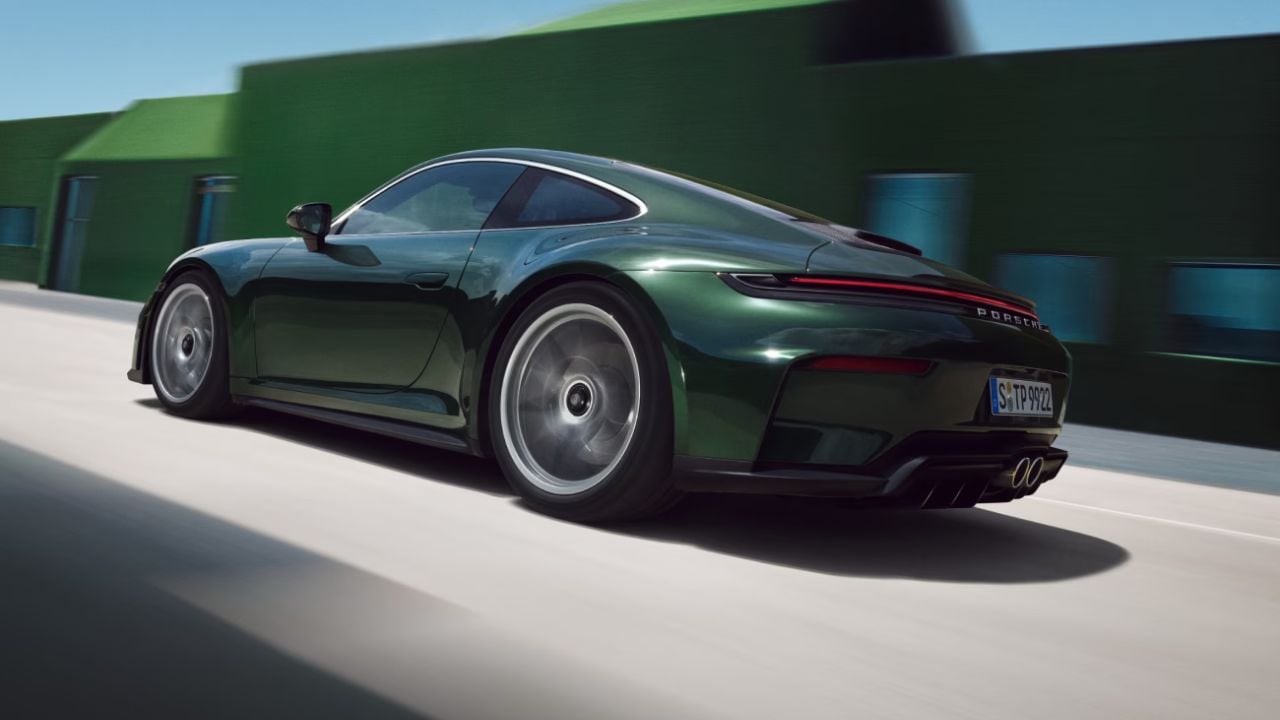
None of these cars feels quick in quite the same way. The 911 Turbo uses traction and precision. The Corvette turns huge power into a fight the driver can actually win. The GT3 Touring and Carrera GTS make astonishing pace feel measured and exact. The GT2 RS, Viper ACR, and Ford GT deliver their speed with force that lingers long after the shift is complete.
Manual acceleration still carries a different emotional weight. The driver feels the clutch take up, judges the grip, times the shift, and knows the number came from a machine that still needed human timing to get there.
As performance cars become smoother, quicker, and more automated, machines like these will only feel more special. The stopwatch can tell you how fast they are. The real appeal is that they still ask the driver to earn it.