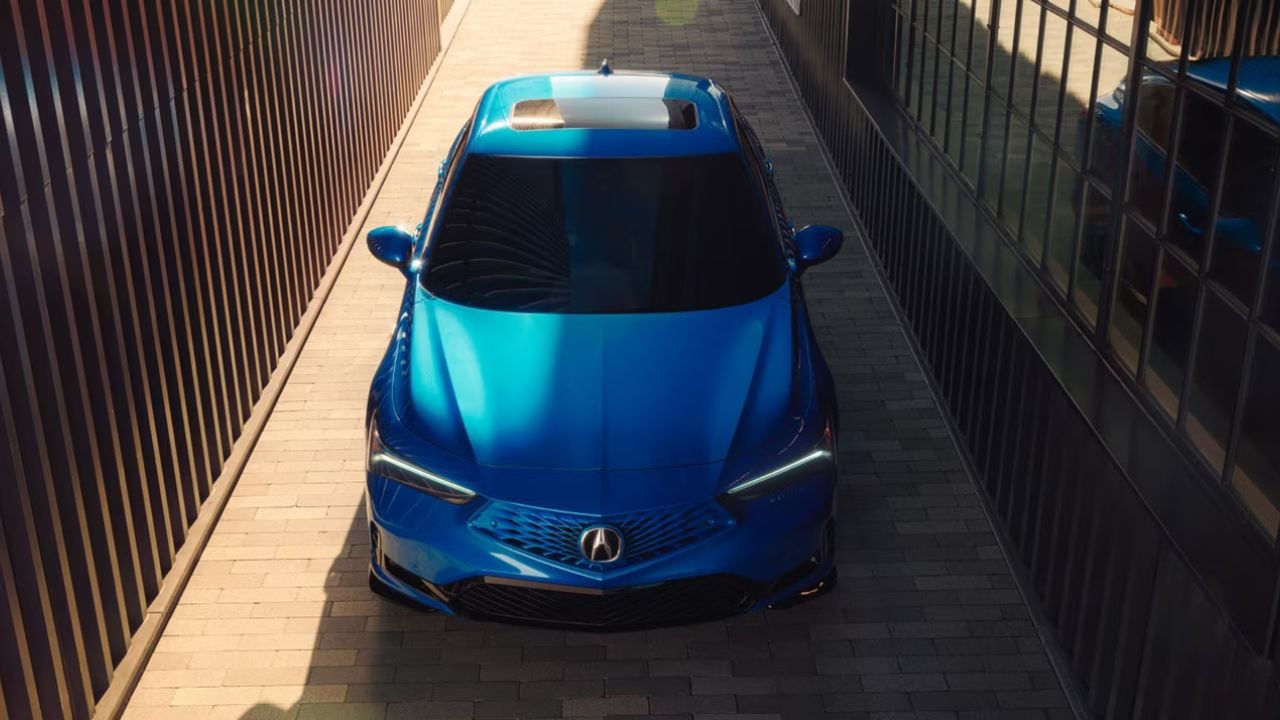
Finding a genuinely good luxury car under $50,000 sounds easier than it is. Plenty of premium brands advertise an appealing starting number, then make you climb several trims before the cabin, tech, and day-to-day comfort really feel special. That is why this category needs a little discipline. A luxury badge alone is not enough, and neither is a low sticker price on a stripped base model no one would actually want to live with. In today’s market, though, there are still real answers. The current field stretches from cars like the 2026 Acura Integra, which starts at $33,400, to options like the 2026 Lexus IS at $46,795 and the 2026 Mercedes Benz CLA 250 at $42,750, so there is still room to shop carefully without crossing into true big money territory.
The best cars here do more than wear a premium emblem. They need to feel meaningfully upscale from the driver’s seat, offer a trim level that still makes financial sense, and deliver something clear in return for the money, whether that is ride quality, cabin design, real-world refinement, strong standard equipment, or long-term ownership logic. This list stays focused on cars, not SUVs, and it leans toward models that still make a strong argument even before the options list gets out of hand. That matters more than ever now that many traditional compact and midsize luxury sedans have drifted well past the $50,000 mark.
What Makes These Picks Worth The Money
To make this headline mean something, this is not just a collection of the cheapest cars sold by luxury brands. The goal here is to find seven models that actually fit the job. That means they come from premium marques, sit under the $50,000 ceiling in trims that are not absurdly bare, and offer a personality that buyers can understand immediately.
Some are comfort-first cars. Some are small sport sedans. Some are value-heavy entries that punch above their class. What ties them together is that each one gives the buyer a believable luxury experience without pushing the price into the next tax bracket. In a market where many BMW 3 Series, Mercedes-Benz C-Class, and better-equipped Audi and Lexus models quickly move beyond this budget, these seven still hold the line in a way that feels useful rather than symbolic.
Acura Integra
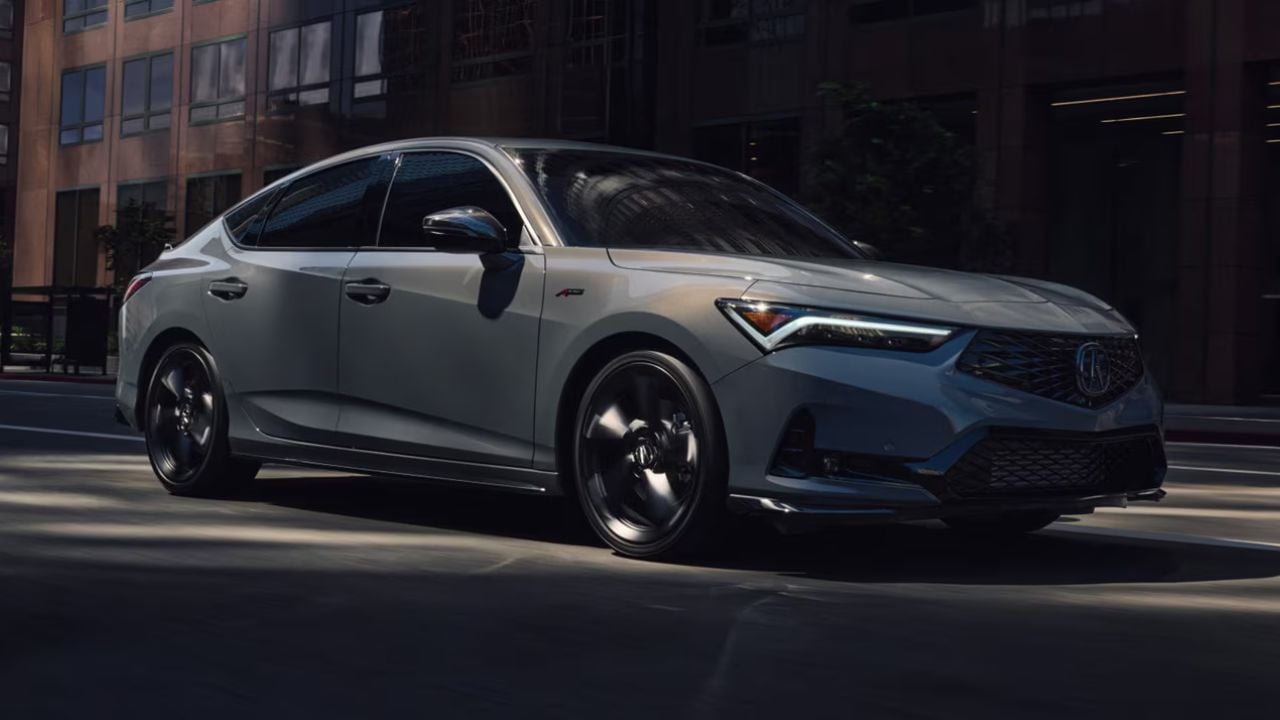
The Acura Integra is the easiest car on this list to underestimate. At first glance, it looks like the affordable entry point, which it is, but that undersells what makes it such a strong buy. Acura lists the 2026 Integra at $33,400, while the A-Spec with Technology Package lands at $39,200, and that better-equipped trim is the one that really justifies its place here.
It gives buyers a premium sport compact with a 200 horsepower turbo engine, clean interior design, excellent everyday usability, and one of the most practical body styles in the segment thanks to its liftback layout. It is not the plushest car in this group, but it is one of the smartest because it feels polished, efficient, and easy to live with every single day.
Audi A3
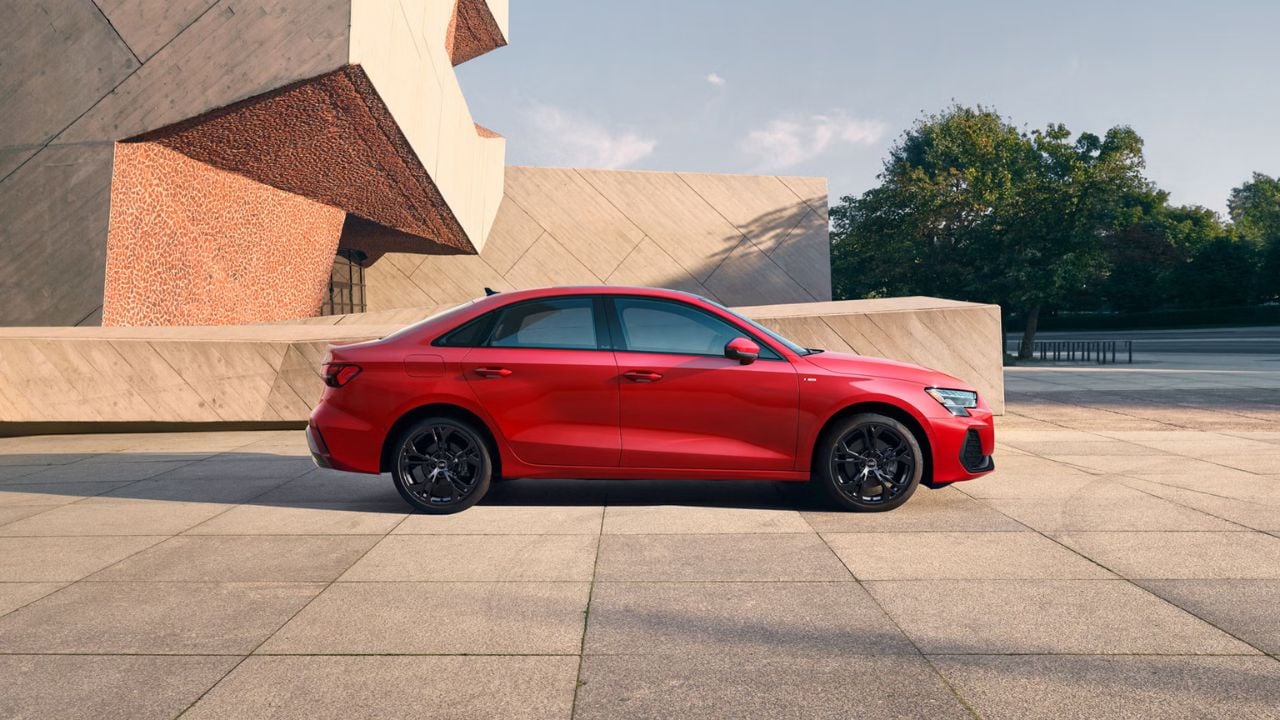
The Audi A3 remains one of the cleanest answers in the compact luxury category because it still feels like a proper Audi instead of a compromised starter car. The 2026 model starts at $40,100, and Audi gives it standard quattro all-wheel drive, a panoramic sunroof, LED headlights, and a 201 horsepower turbocharged 2.0 liter engine.
Audi also quotes a 0 to 60 mph time of 6.0 seconds, which is quick enough to keep the car lively without turning it into a harsh sport sedan. More important than the numbers, though, is the way the A3 presents itself. The design is crisp, the cabin is tidy and upscale, and the whole car feels engineered rather than padded with gimmicks. For buyers who want a compact sedan that still feels genuinely premium, it is one of the best fits under this budget.
BMW 228 Gran Coupe
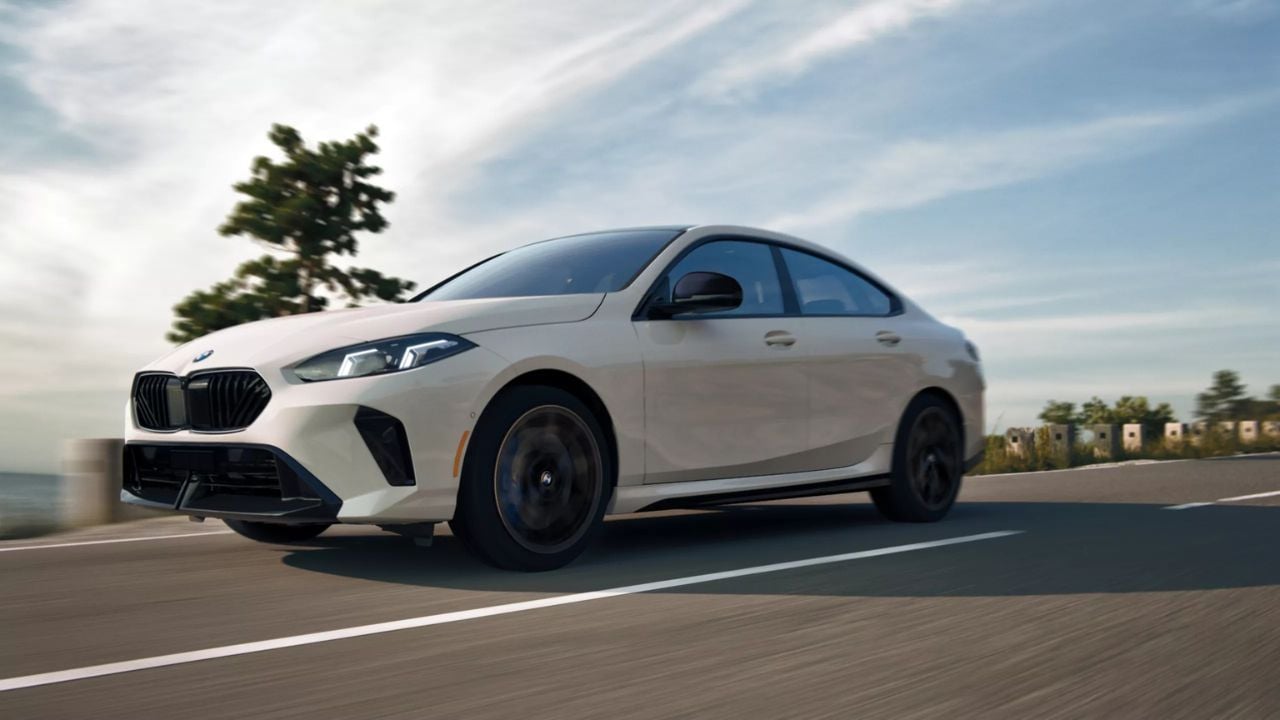
BMW’s 228 Gran Coupe is not the old-school rear-drive BMW sedan purists still romanticize, but that is not really the point here. What matters is whether it makes a convincing luxury car case at this price, and it does. BMW lists the 2026 228 Gran Coupe at $40,000, with 241 horsepower, a 6.1-second run to 60 mph, standard adaptive M suspension, standard Harman Kardon audio, wireless charging, and BMW Digital Key Plus.
That is a strong equipment story for the money, and it gives the car far more substance than a badge-only entry model. It also looks sharper than many bargain premium sedans and offers a cabin that feels modern, crisp, and expensive enough to justify the monthly payment. It may not be the most traditional BMW here, but it is one of the most defensible under $50,000.
Genesis G70
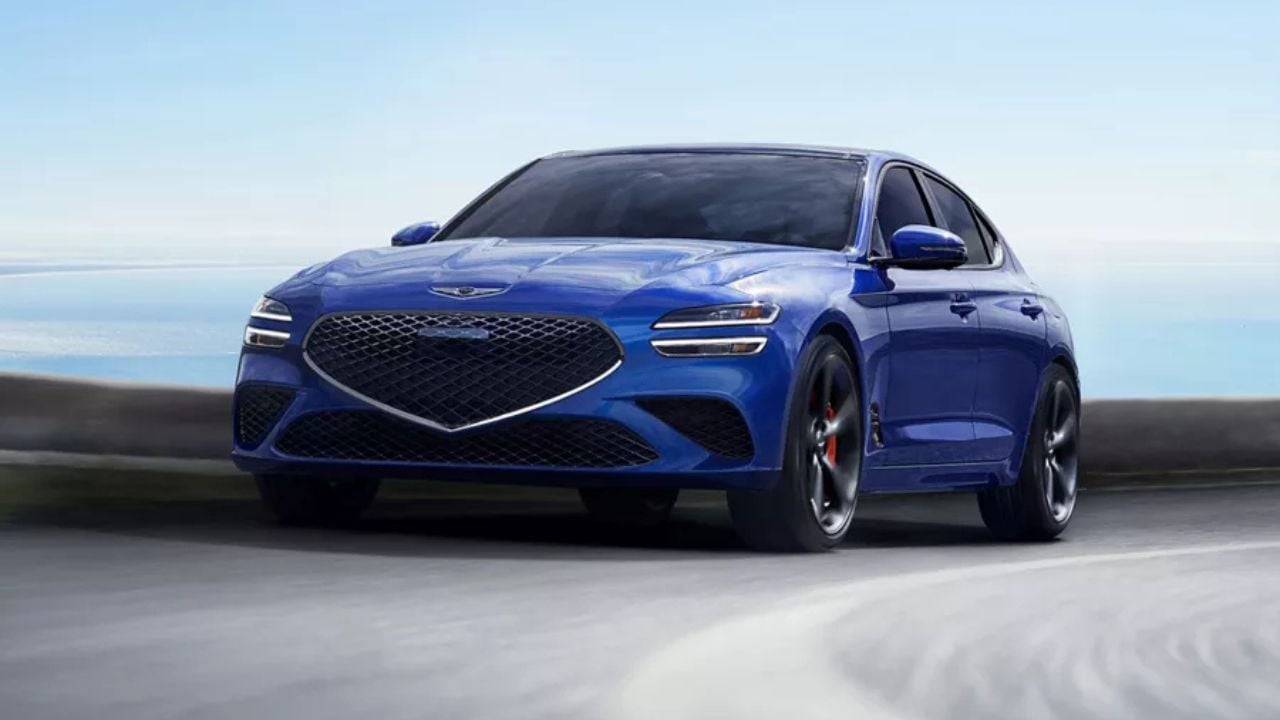
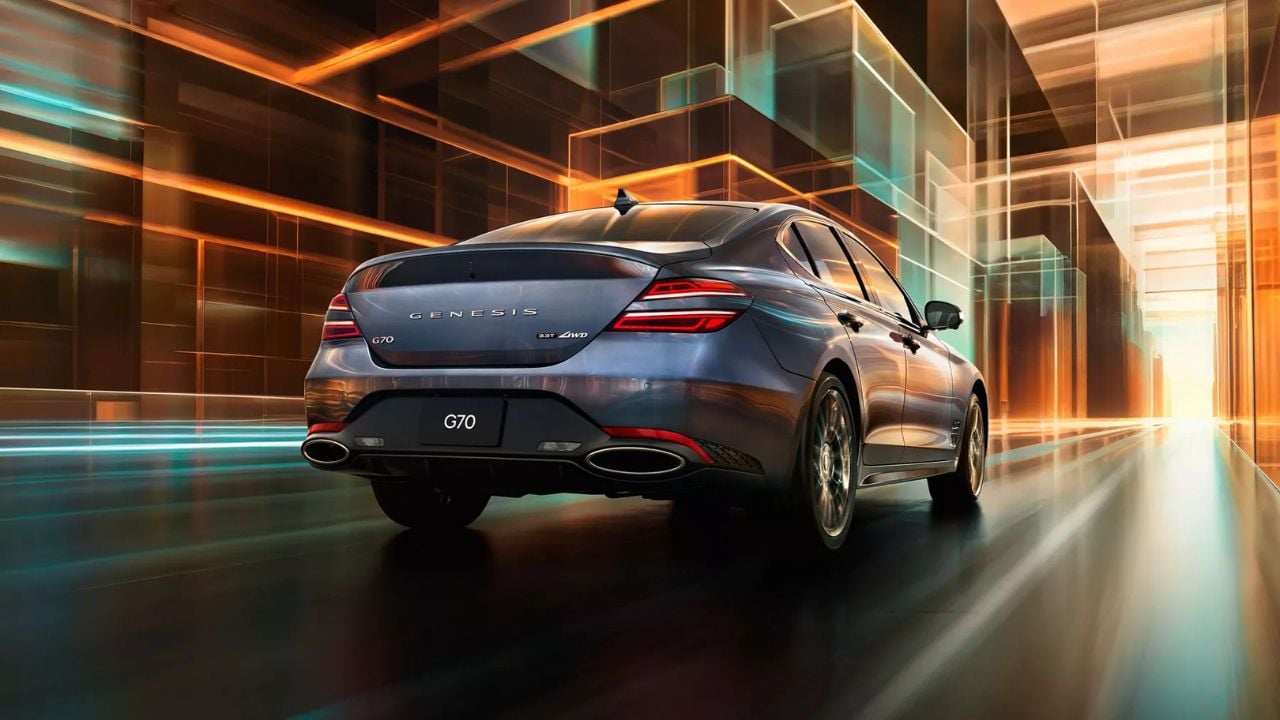
If this article were only about which car feels the most expensive for the money, the Genesis G70 would be very close to the top. Genesis lists the 2026 G70 at $43,450 to start, and even the base 2.5T configuration makes a serious case with 300 horsepower, rear-wheel-drive architecture, and the kind of composed ride and handling balance that gives the car real depth beyond its feature list.
Genesis also highlights details like available 16-way adjustable seating and premium leather, which helps explain why the G70 continues to feel richer inside than many rivals at the same price. This is the car for buyers who want their luxury sedan to feel substantial, a little athletic, and a little more special than the usual German defaults. It is still one of the best values in the segment.
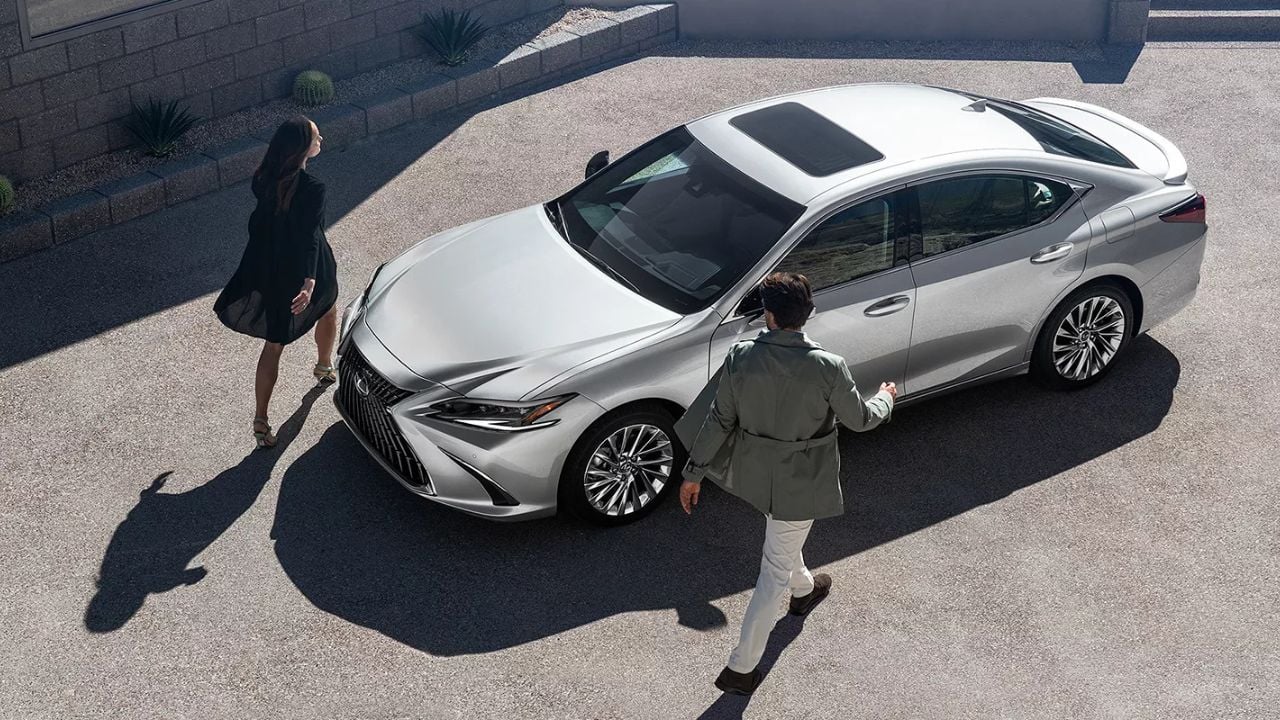
Lexus ES
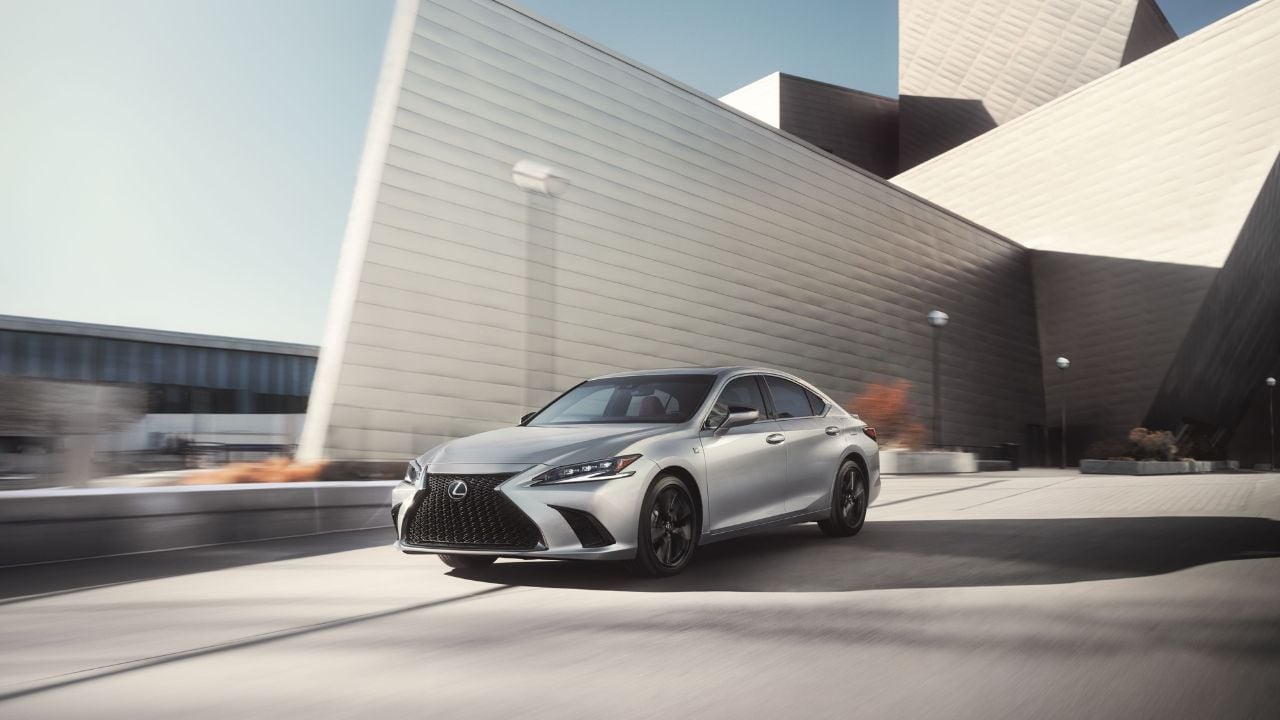
The Lexus ES takes a very different approach from the G70, and that is exactly why it belongs here. Lexus lists the current 2025 ES at $43,435, and that buys a midsize luxury sedan that leans hard into comfort, quietness, and low-stress ownership. This is not the car for someone shopping by lap times or steering feel.
It is the car for someone who wants to slide into a handsome cabin, enjoy a calm ride, and trust the thing to make sense three or five years from now. The ES also offers a broad lineup, including all-wheel drive and hybrid variations, while the ES 350 brings a 302 horsepower V6 for buyers who want smoother, effortless power. In a market full of luxury cars that try to impress by being busy, the ES still stands out by simply being excellent at comfort.
Lexus IS
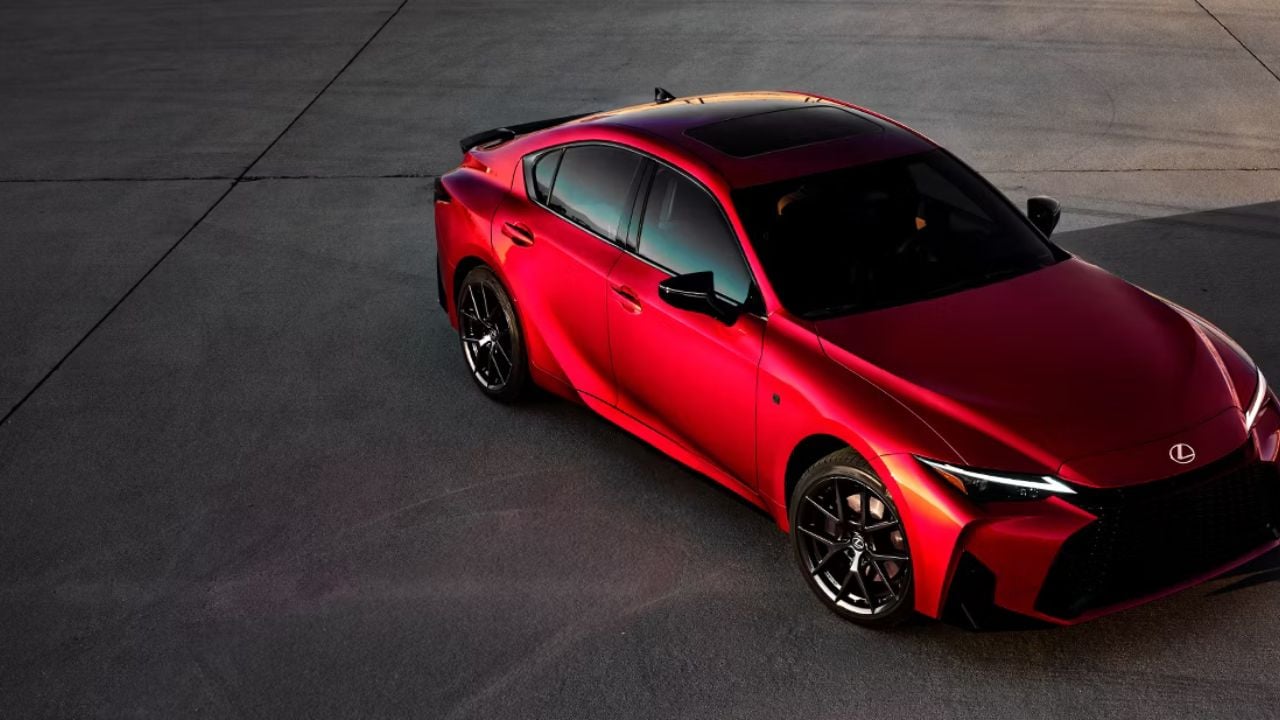
Where the ES is soft-spoken and comfort-centered, the Lexus IS is the sharper, more focused sibling for buyers who still want a traditional sport sedan flavor. The 2026 IS now starts at $46,795, and Lexus has simplified the range so that the model is offered only as the IS 350. That means every version gets the 311 horsepower 3.5 liter V6, and the F SPORT Design trim still stays below the $50,000 ceiling. That alone makes it stand out in a world where naturally aspirated luxury sport sedans are getting rare. The IS is not the roomiest car in this class, and it is not pretending to be.
Its appeal is that it still feels like a compact rear-drive sport sedan with a real engine, handsome proportions, and the kind of character many modern entry-luxury cars have started to smooth away.
Mercedes-Benz CLA 250
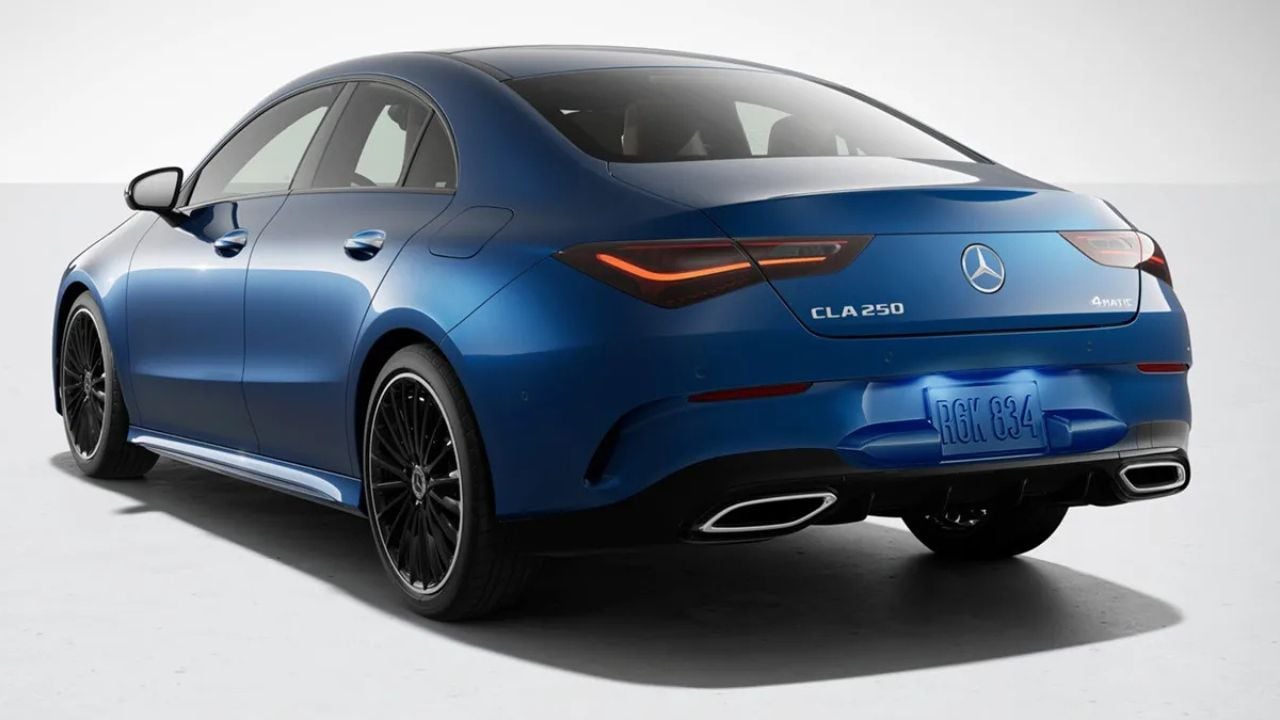
The Mercedes-Benz CLA 250 works because it gives buyers something many entry-luxury cars struggle to deliver, a genuine sense of occasion. Mercedes-Benz prices the 2026 CLA 250 at $42,750, and even at that level the car comes with a panoramic roof, wireless smartphone integration, a digital cockpit, and a richly styled four-door coupe body. Under the hood is a turbo four making 221 horsepower and 258 lb ft of torque, which is enough to keep the car responsive without overpowering its more comfort-oriented mission.
The big reason it belongs here, though, is presentation. The CLA still feels like a Mercedes from the moment you open the door, and that matters in this price band. If you want a luxury car that feels stylish and special before you even start comparing options, the CLA remains one of the strongest answers.
The Best Luxury Budget Still Has Real Choices
A $50,000 ceiling does not buy effortless luxury anymore, but it still buys real luxury if the choices are smart. The cars here all make sense for different reasons. The Integra is the clever all-rounder. The A3 and CLA bring compact premium style. The BMW 228 Gran Coupe and Genesis G70 lean harder into sporty appeal.
The Lexus ES is the calm, grown-up choice, while the Lexus IS is the enthusiast-friendly answer that still feels refreshingly old school. That mix is what makes this part of the market interesting. There is no single correct choice here, but there are still several genuinely good ones, and that is better news than many luxury car price tags suggest.