
Some European cities are at their sharpest before breakfast. The shop shutters are still half-closed, delivery carts move across stone streets, café chairs are being set outside, and the first bells or tram sounds carry farther than they will later in the day. By lunch, those same lanes may be full of tour groups, heat, restaurant callers, and camera stops.
Dubrovnik, Florence, Seville, Tallinn, Lisbon, Rothenburg ob der Tauber, and Kraków all reward an early start because their old centers are built from details that are easier to notice before the day gets loud: limestone steps, river reflections, orange trees, medieval walls, tiled lanes, timbered houses, flower stalls, and empty squares.
1. Dubrovnik, Croatia
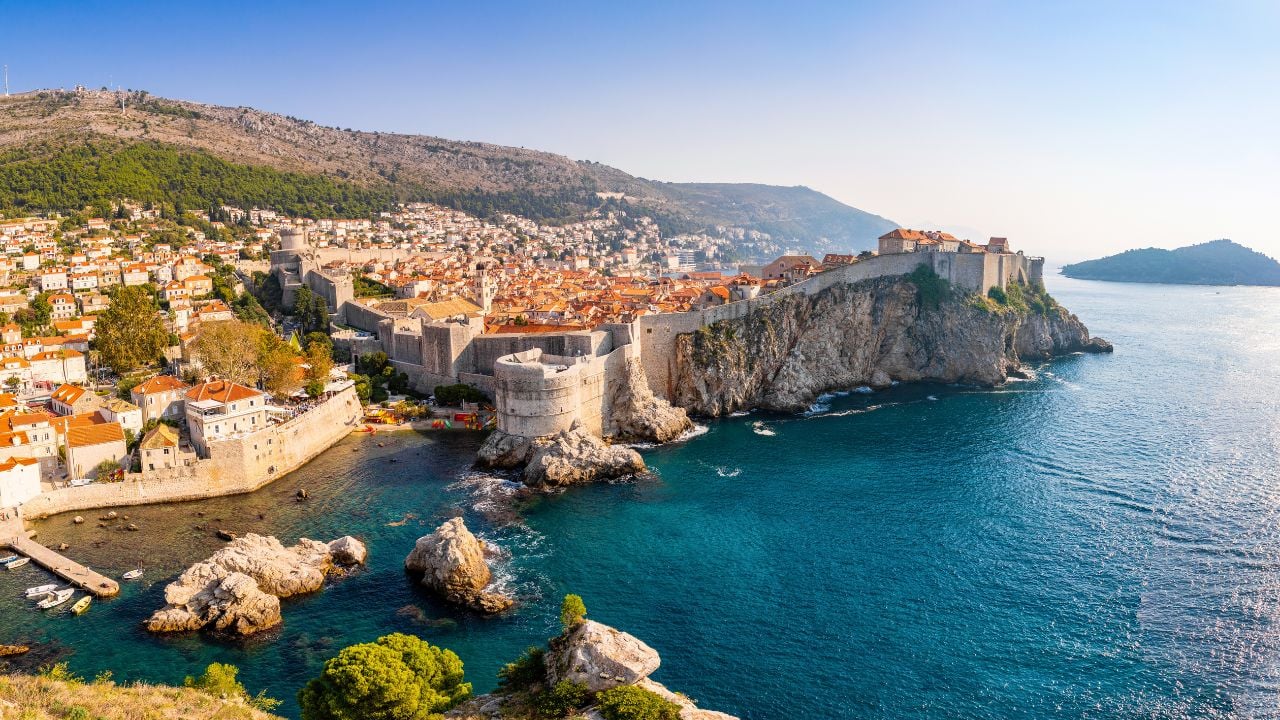
Dubrovnik’s Old Town is best entered before the stone streets fill. The Stradun is still being swept, shutters lift from shopfronts, café tables appear one by one, and the limestone underfoot has not yet picked up the full heat of the day.
The official heritage site says today’s Dubrovnik city walls were shaped from the 13th century onward and stretch about 1,940 meters, with towers and fortresses built into the system. Early on the walls, visitors can stop at the steps, look over roof tiles, hear bells from inside the city, and move without being pushed along by the midday line of people.
The first route should stay simple: enter the gates early, walk the Stradun while the shopfronts are still opening, then go up to the walls before the limestone and exposed stairs become hard work. By late morning in summer, the narrow lanes hold more bodies and the wall walk gives back every bit of sun it catches.
Morning Dubrovnik has salt air, pale stone, rope barriers still loose at entrances, and workers crossing the main street before the tour groups arrive. That hour gives the Old Town room to breathe.
2. Florence, Italy
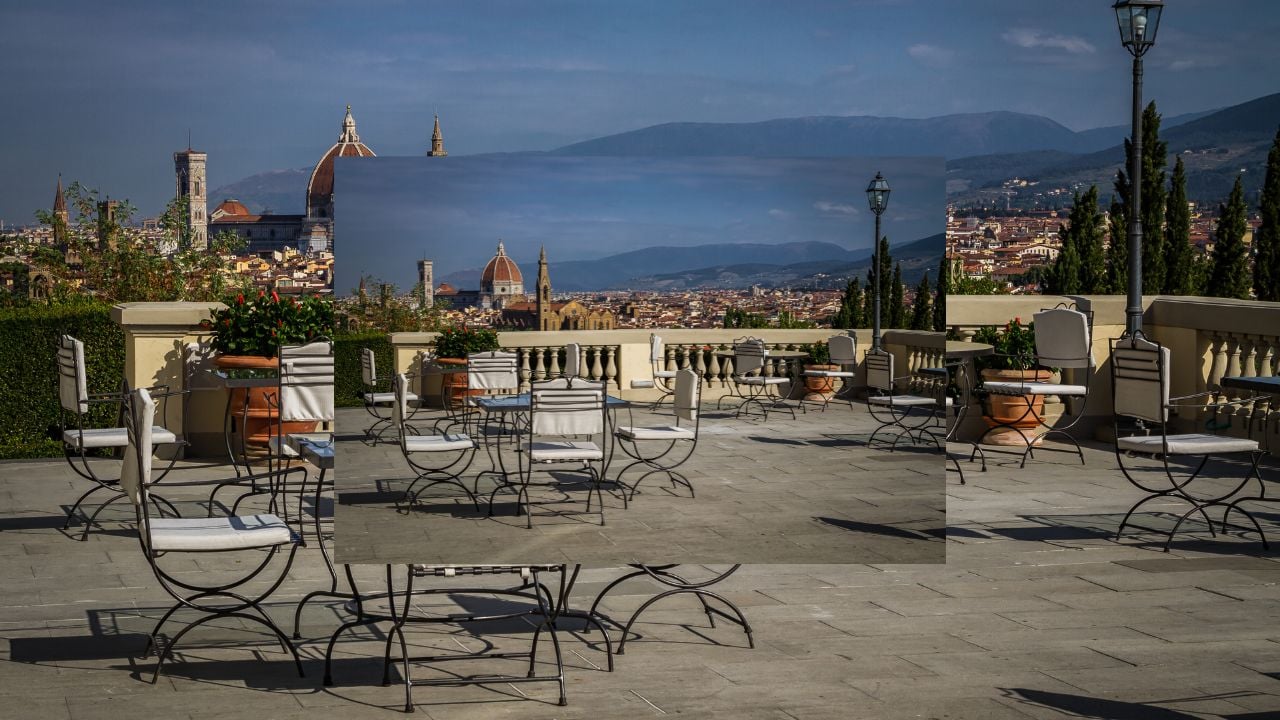
Florence’s center is compact enough that one early walk can cross several of the city’s strongest scenes before the streets tighten. The Duomo marble looks cleaner before the square fills, Piazza della Signoria has more space around the statues, and the Arno carries the old bridges in flatter morning light.
The Uffizi Galleries are open Tuesday to Sunday from 8:15 a.m. to 6:30 p.m., with the ticket office closing at 5:30 p.m. A first-entry museum visit works well for travelers who want the Botticelli rooms and long corridors before the day’s museum fatigue sets in.
Before the larger groups arrive, Florence gives visitors door knockers, chapel façades, empty stone corners, bakery smells, market setup, and quieter steps across Ponte Vecchio. The city’s famous names are close together, but the small surfaces carry much of the pleasure.
Start with the Duomo exterior, walk toward Piazza della Signoria, cross near the Arno, then choose the Uffizi or a slow breakfast nearby. Florence does not need a long morning route; it needs enough space to see the marble, river, shutters, and old stone before the center turns into a moving crowd.
3. Seville, Spain
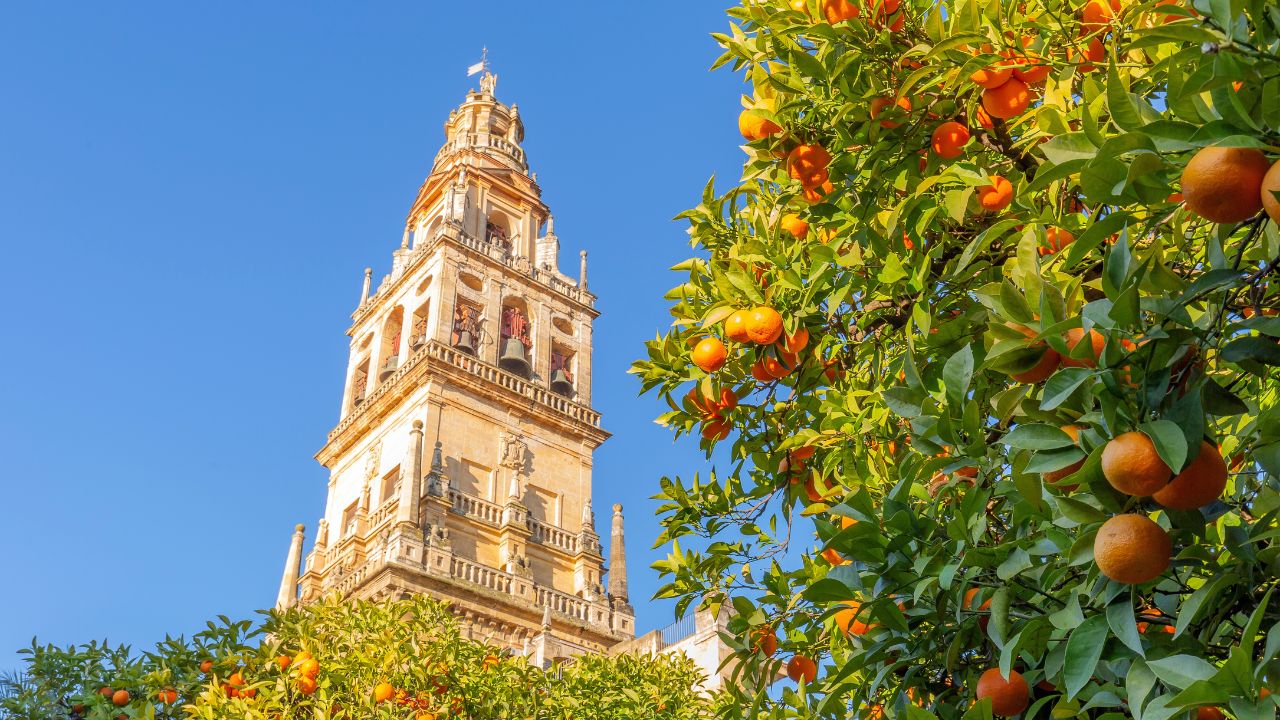
Seville’s old center is easier to take in before the heat rises from the paving stones. Orange trees, tiled walls, shaded lanes, café con leche, cathedral bells, and the first movement around Santa Cruz give the morning a different shape from the crowded middle of the day.
The official Real Alcázar site identifies itself as the official site for the monument and describes the Alcázar as Europe’s oldest royal palace still in use. A first-slot visit gives the palace rooms, courtyards, tilework, gardens, and shaded passages more space before the heat and tour traffic build.
A good morning can stay around the Alcázar, the cathedral exterior, and Santa Cruz. The lanes near the palace are narrow enough that they become harder later, especially in summer, when shade matters as much as beauty.
Seville is famous for late dinners and warm nights, but the morning belongs to orange trees, tiled courtyards, iron balconies, delivery vans, church bells, and the quick walk to coffee before the sun takes over the old center.
4. Tallinn, Estonia
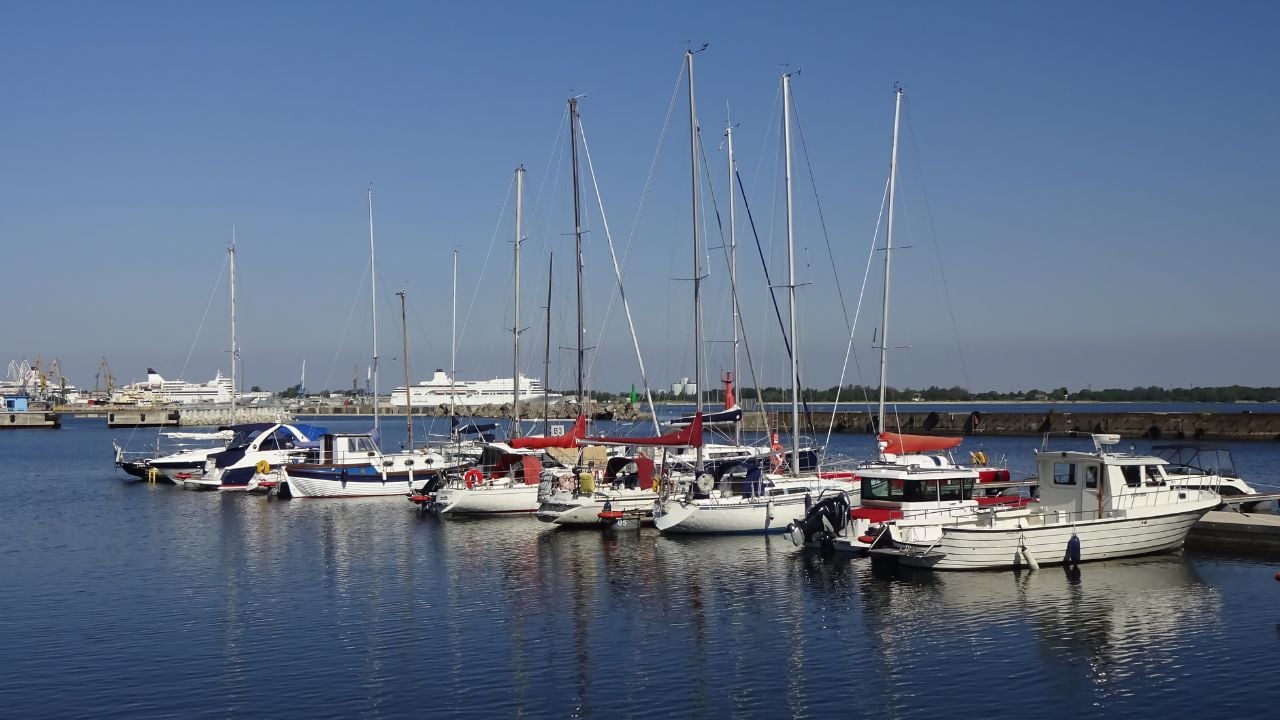
Tallinn’s Old Town works beautifully in the morning because the medieval lanes have space around them. Town Hall Square is easier to cross, the climb toward Toompea is cooler, and the city walls, church spires, gates, and pastel façades stand out before terraces and tour groups fill the old center.
Visit Tallinn notes that the Old Town is on the UNESCO World Heritage List while remaining lively rather than frozen in place. UNESCO says Tallinn preserves its medieval street layout, building plots, squares, and large sections of town defenses.
Start near Town Hall Square, take the lanes uphill toward Toompea, then pause near the viewing platforms before the main foot traffic arrives. The route brings cobbles, walls, towers, church fronts, iron signs, and old merchant houses into one short morning climb.
The current image shows Tallinn’s Seaplane Harbour area rather than the Old Town. Before publishing, replace it with an image of Town Hall Square, Toompea, city walls, towers, or medieval lanes so the picture matches the section.
5. Lisbon, Portugal
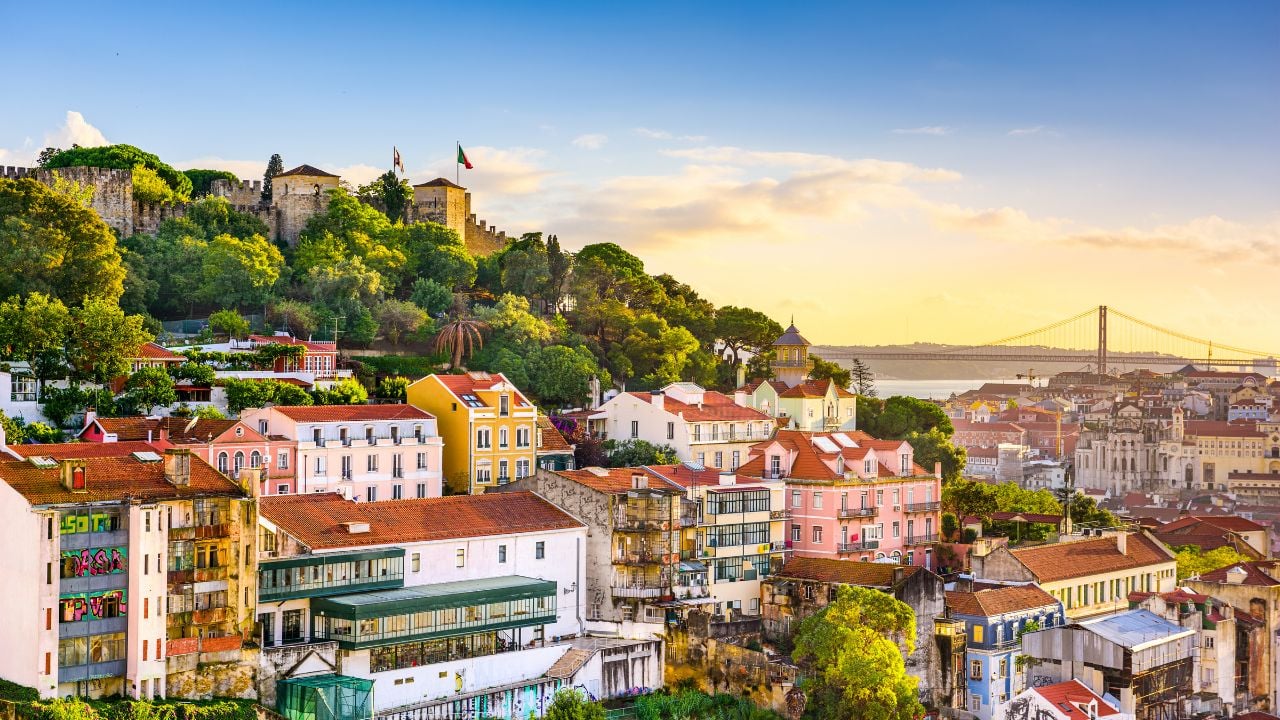
Lisbon asks more from the legs than many first-time visitors expect. In the morning, Alfama’s climbs are cooler, the tiled walls catch softer light, and the miradouros are easier to enjoy before the lanes fill with people looking for the same turns and tram stops.
Visit Lisboa describes Alfama as the oldest and most traditional neighborhood in the capital, with cobbled lanes, alleys, and steep inclines. Those streets are better taken slowly, with stops for tiled façades, laundry lines, tiny staircases, church corners, and openings toward the river.
Tram 28 belongs to the same early start. Visit Lisboa calls the No. 28 tram a little treasure on rails and says it passes through historic and residential quarters, past azulejo-covered buildings, hills, miradouros, and squares.
Later in the day, the tram can become more crowd than ride. In the morning, Lisbon still has the sound of metal on rails, bakery counters opening, café cups on small tables, and steep streets before the heat settles into the stones.
6. Rothenburg ob der Tauber, Germany
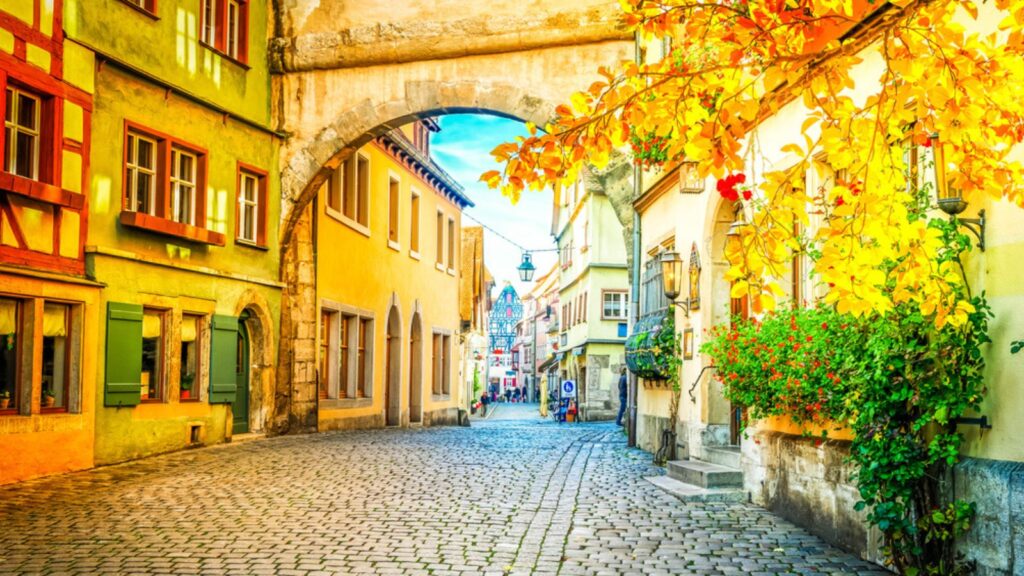
Rothenburg ob der Tauber is small enough that its streets can change quickly once day visitors arrive. Before the buses and shop crowds, the timbered houses, towers, gates, cobbles, and wall passages look less like a stage set and more like a town waking up.
The town’s official tourism site describes Rothenburg ob der Tauber as a living testimony to medieval history, with a well-preserved old town above the Tauber valley and characteristic half-timbered houses. The same site highlights the completely preserved city wall as one of the ways visitors can step into the town’s past.
The wall walk is the cleanest first move. Go before breakfast or soon after, when the covered sections, towers, tiled roofs, gardens, and narrow streets below still have space around them. Afterward, return to the center as bakeries, cafés, and small shops open.
Rothenburg’s morning has empty wall passages, timbered façades, shop signs, quiet gates, and the sound of footsteps on stone. By midday, the same lanes can carry a very different weight of visitors.
7. Kraków, Poland

Kraków’s Main Market Square has enough scale for crowds, carriages, café terraces, and tour groups, but early morning gives its edges more definition. The Cloth Hall arcades, St. Mary’s Basilica, flower stalls, pigeons, empty chairs, and surrounding façades are easier to see before the square turns busy.
Kraków’s official tourism site calls Main Market Square the city’s most important public space and one of medieval Europe’s most expansive market squares. UNESCO also describes Kraków’s historic center as a 13th-century merchants’ town with Europe’s largest market square and numerous historic houses, palaces, and churches.
Start at Rynek Główny, cross the square while the café rows are still setting up, then continue through quieter Old Town streets toward Wawel or Kazimierz. The first hour brings church bells, delivery vans, flower sellers, pigeons, and more room around the Cloth Hall.
Kraków has strong evening life, but morning gives the historic center its cleanest street-level details: stone arcades, basilica towers, market stalls, old façades, and the sound of the square before the day fills it.