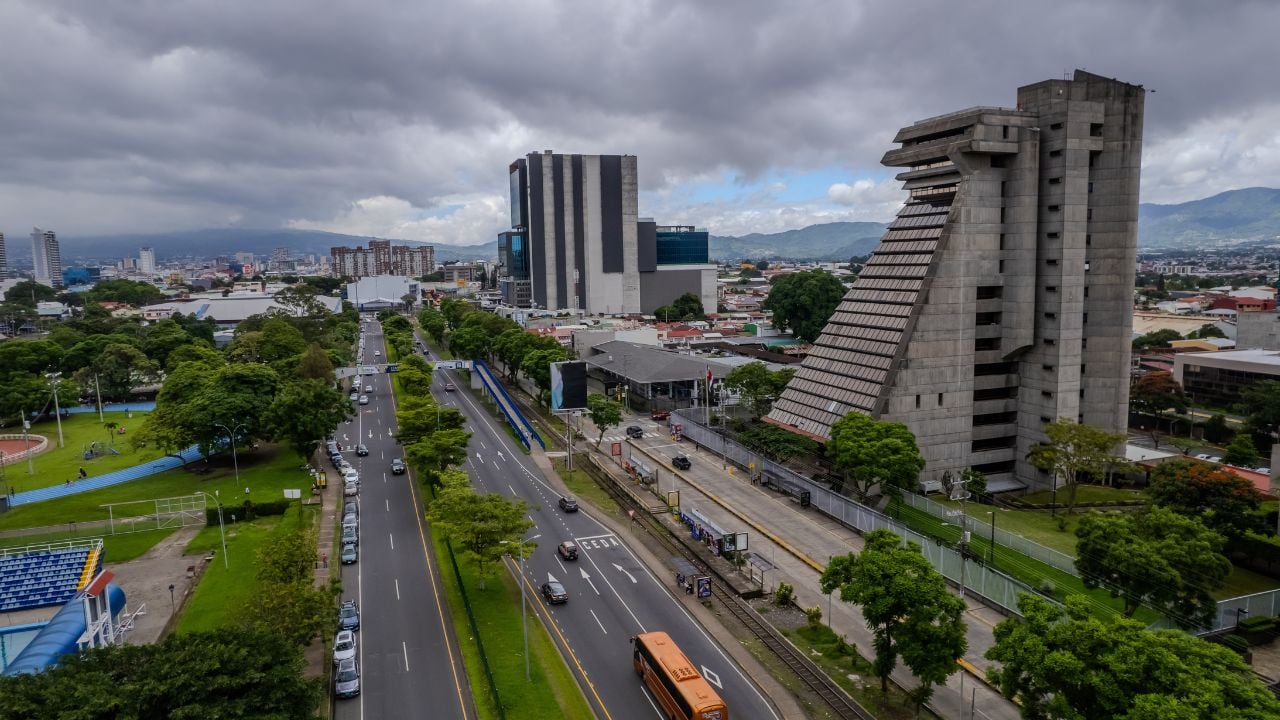
Planning a later-life move abroad gets a lot easier when the math works before the fantasy kicks in. This list focuses on places where a fixed income can often stretch into a comfortable routine—regular dining out, the option for private medical visits, and a home in a pleasant area—depending on the city you pick and how you like to live. I also prioritized destinations with clear legal pathways that retirees commonly use, so these aren’t random “cheap” picks with murky residency rules.
One reality check before anyone starts browsing ocean-view rentals: entry and residency decisions still sit with immigration authorities, and consular requirements can vary by office. Visas, resident cards, and final admission are often separate steps, so timing and paperwork matter. For living costs, I used Numbeo’s cost-of-living snapshots as directional benchmarks and treated them as starting points, not guarantees, because real monthly spending depends heavily on neighborhood, healthcare choices, and habits.
1. Panama
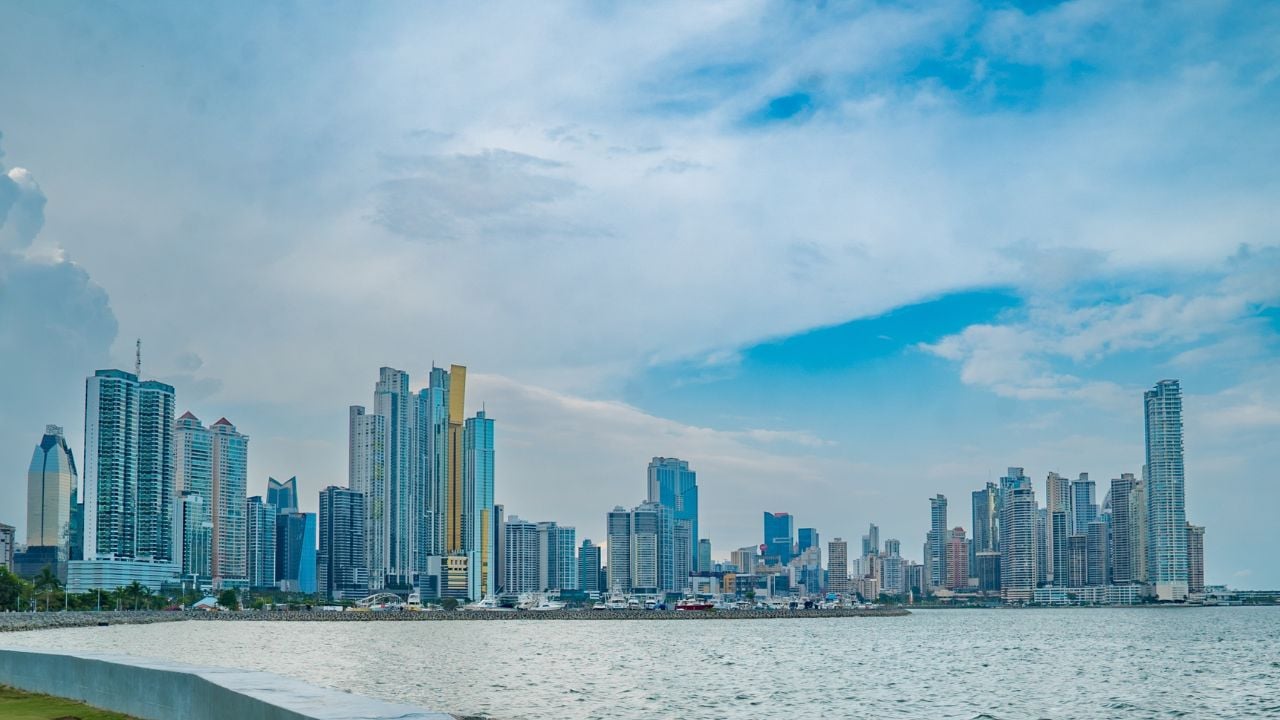
Panama keeps showing up in later-life relocation conversations because the pensioner route is unusually straightforward on paper and the economy is dollar-based. The Embassy of Panama’s Pensionado overview spells out a minimum pension of US$1,000 per month, plus US$250 for each dependent, and notes that applications are filed in Panama through an immigration lawyer. If you want the official checklist format, the Servicio Nacional de Migración requirements sheet (PDF) lays out the core documentation and the same income thresholds.
Once the paperwork is handled, the lifestyle flexibility is the real draw. Some retirees base themselves in Panama City for hospitals, flights, and amenities, then escape to cooler highland towns when they want a slower pace. For a “numbers first” reality check, see Numbeo’s Panama country snapshot, and for entry/visa basics (which can change), the Embassy’s visa and entry guidance is a useful starting point.
2. Mexico
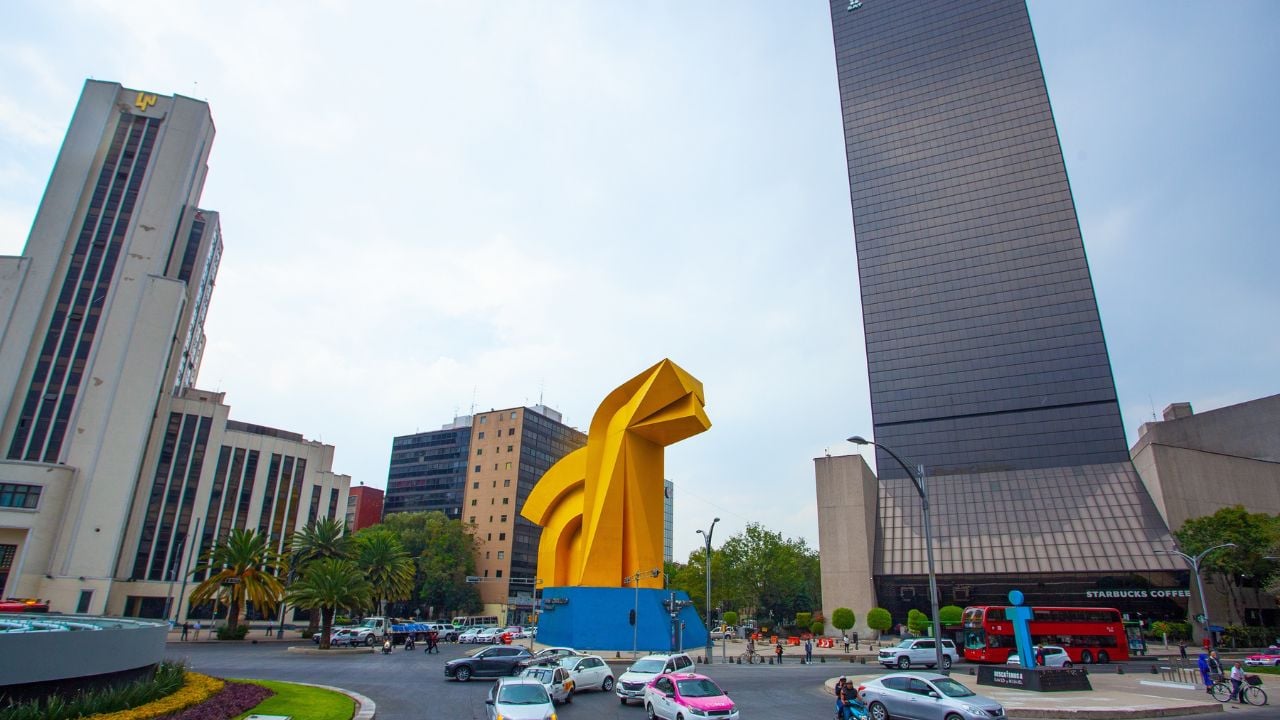
Mexico stays near the top for Americans because it pairs proximity with a huge menu of lifestyles, from colonial inland hubs to beach communities, and a healthcare system with plenty of private options in major cities. The Consulate of Mexico in Seattle visa guidance describes the temporary resident path for stays longer than 180 days and under four years, and it also frames permanent residence as the route commonly used by retirees planning a long-term move.
The practical detail many people miss is the “two-step” rhythm: the visa is the entry document, and the resident card is typically finalized after arrival. Multiple Mexican consular pages explain that you must complete the exchange process with the Instituto Nacional de Migración (INM) once you’re in Mexico (often within a set window), and this Mexican consular explainer on Temporary Resident Visas is a clear example of how that “visa first, INM card next” process works. For cost context, start with Numbeo’s Mexico snapshot, then sanity-check it against the specific city you’re considering.
3. Ecuador

Ecuador earns its reputation through a mix of manageable day-to-day costs, compact geography, and a retiree-focused residency category that’s spelled out on an official government portal. The Ecuador government guide for the “visa de residencia temporal jubilado” is a useful anchor because it shows the current fee structure (including the application and issuance fees) and notes a 50% exemption for seniors 65+.
It also points applicants to the official online platform used for visa requests and payments, which matters because “where you apply” is often as important as “what you qualify for.” You can find that platform link directly on the government page, including serviciosciudadanos.cancilleria.gob.ec. For a living-cost baseline to compare cities like Cuenca versus Quito or coastal hubs, see Numbeo’s Ecuador snapshot.
4. Colombia

Colombia has become a serious contender for later-life relocation because it combines big-city medical infrastructure with a lively day-to-day culture and pricing that can feel dramatically lower than many North American metros. The Colombian Foreign Affairs Ministry page for the Special Temporary Pensioner’s Visa lays out the category, including the pension requirement tied to a multiple of minimum wages and the listed study and visa fees, so you’re not guessing at the basic math before you start gathering documents.
This option can also work for couples and families, not only solo movers. The same official page explains beneficiary eligibility for close family members (with proof of relationship and dependence), which helps people plan the move as a household rather than a one-person experiment. For cost-of-living context, compare your target city to Numbeo’s Colombia snapshot. If you like seeing how expats rate destinations more broadly (useful, but not a legal source), you can also skim InterNations’ expat survey rankings as a “vibes and experience” supplement.
5. Thailand

Thailand remains a magnet for retirees chasing a comfortable routine with strong food culture, service density, and warm weather—especially once you move beyond the most expensive tourist zones. The Royal Thai Consulate-General (Los Angeles) retirement visa guide lays out the major retirement-related pathways (Non-Immigrant O, O-A, and O-X), the age minimum (50+), and the “no employment” rule that many people don’t fully process until after they’ve daydreamed about a casual side gig.
It’s also unusually clear about financial evidence. For example, it lists options such as an 800,000 baht bank deposit or a monthly pension income threshold, depending on the category and supporting documents. If you’re applying through the official system, the guide points to Thailand’s e-Visa portal for online applications. For cost context, start with Numbeo’s Thailand snapshot, then compare that baseline to the specific city you’d actually live in (Bangkok math is not Chiang Mai math).
6. Costa Rica

Costa Rica isn’t the cheapest pick in this lineup, yet it stays popular because many Americans value political stability, established expat networks, and relatively easy access from the U.S. The legal anchor is straightforward: Costa Rican law explicitly recognizes “pensionados” as a temporary residence subcategory, and it includes the minimum pension threshold. You can read the full text in the Ley General de Migración y Extranjería (Ley 8764), which includes the pension requirement and the structure around temporary residence validity and renewals.
In real life, the comfort-versus-cost equation often comes down to geography. Premium beach enclaves can be priced like resort towns anywhere, while inland areas can feel far more reasonable for rent, services, and day-to-day living. For a baseline benchmark, you can compare against specific cities; see Numbeo’s Costa Rica snapshot.
7. Peru

Peru deserves more attention in U.S. retirement conversations because the official process for rentista residency is clearly published, and everyday costs can be very attractive outside the priciest districts. The government service page for solicitar calidad migratoria para rentista residente explains that foreigners with pension income or permanent rent can apply online through Migraciones, along with the core conditions and proof requirements.
The same portal is refreshingly specific about logistics: it outlines the online workflow, lists a payment step (including the fee and code used for the process), and gives a stated processing timeline—details that help organized planners build a realistic calendar instead of guessing. For cost-of-living context, start with Numbeo’s Peru snapshot, then drill into the district-level reality where you’d actually live.
If you’re turning this into a publish-ready slideshow, the smartest editorial move is adding one line under each slide: requirements can change, so applicants should verify with the relevant consulate or migration authority before booking. That tiny sentence prevents a lot of future chaos, and chaos always charges extra.