Plenty of travelers sort the map by vibes. If a place uses the euro, shows up in Europe-facing sports and media, or sits near Greece on a flight map, it can get mentally filed under “Europe” even when standard geography labels disagree. Travel marketing can reinforce that vibe overlap, because “familiar” sells.
Continents are human-made categories with fuzzy edges, yet major reference systems still place many Euro-adjacent favorites in Asia or Africa. The picks below are the ones most often mislabeled in casual conversation and then surprise people the first time they look at a globe. Each one is worth the trip, just not for the reason your brain assumed.
1. Cyprus

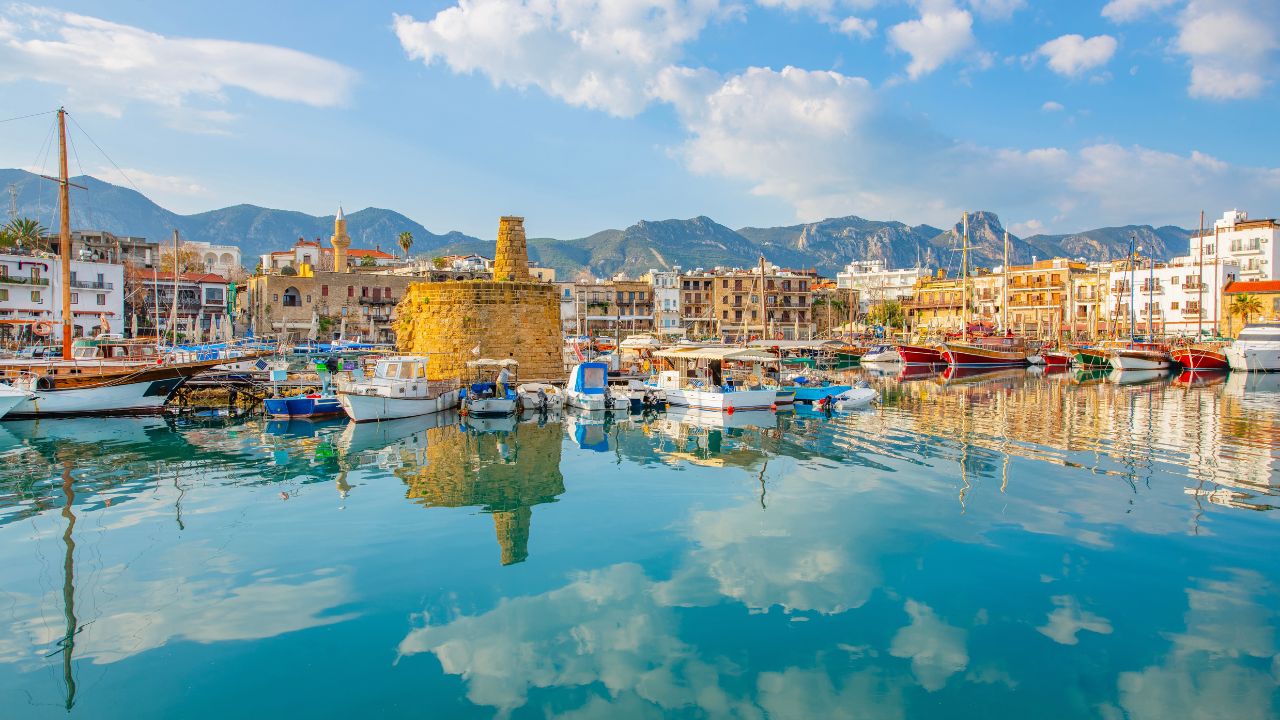
European cues show up fast here: Greek influence is strong, the currency is the euro, and the island gets packaged with classic Mediterranean itineraries. In photos, it reads like a cousin of Crete or Rhodes, with beaches, tavernas, and sunlit stone towns. That branding makes the “Europe” assumption feel effortless.
Geography tells a different story in many standard references. The UN’s M49 geoscheme groups Cyprus in Western Asia, and Britannica notes how close it sits to Turkey and Syria. For planning, treat it like an Eastern Mediterranean base: split time between the coast and the Troodos interior and expect a mix of cultures that feels like a crossroads rather than a single lane.
2. Israel

Israel often “feels European” to visitors because many airlines route it like a short hop from major hubs, and Tel Aviv’s cafe rhythm can resemble coastal cities farther west. Cultural links, diaspora travel patterns, and packed winter flight schedules reinforce that shortcut. A lot of people also confuse “Mediterranean” with “European” by default.
Britannica is clear on placement: Israel is a country in the Middle East at the eastern end of the Mediterranean Sea. Travel logistics follow that reality: plan around Shabbat closures for certain services, keep an eye on regional entry requirements, and build a buffer for airport security procedures.
3. Morocco

This one is the ultimate optical illusion. Spain is right across the Strait of Gibraltar, and plenty of trips sell Morocco as a quick add-on, which makes it sound like a continental detour. French and Spanish influence in parts of the country adds to the mislabeling.
Morocco is in Africa. Britannica describes it as a mountainous country of western North Africa directly across the Strait of Gibraltar from Spain. That location is a gift for travelers: you can pair Atlantic surf towns with Atlas mountain villages, then pivot into desert-edge landscapes, all without crossing any European border.
4. Egypt
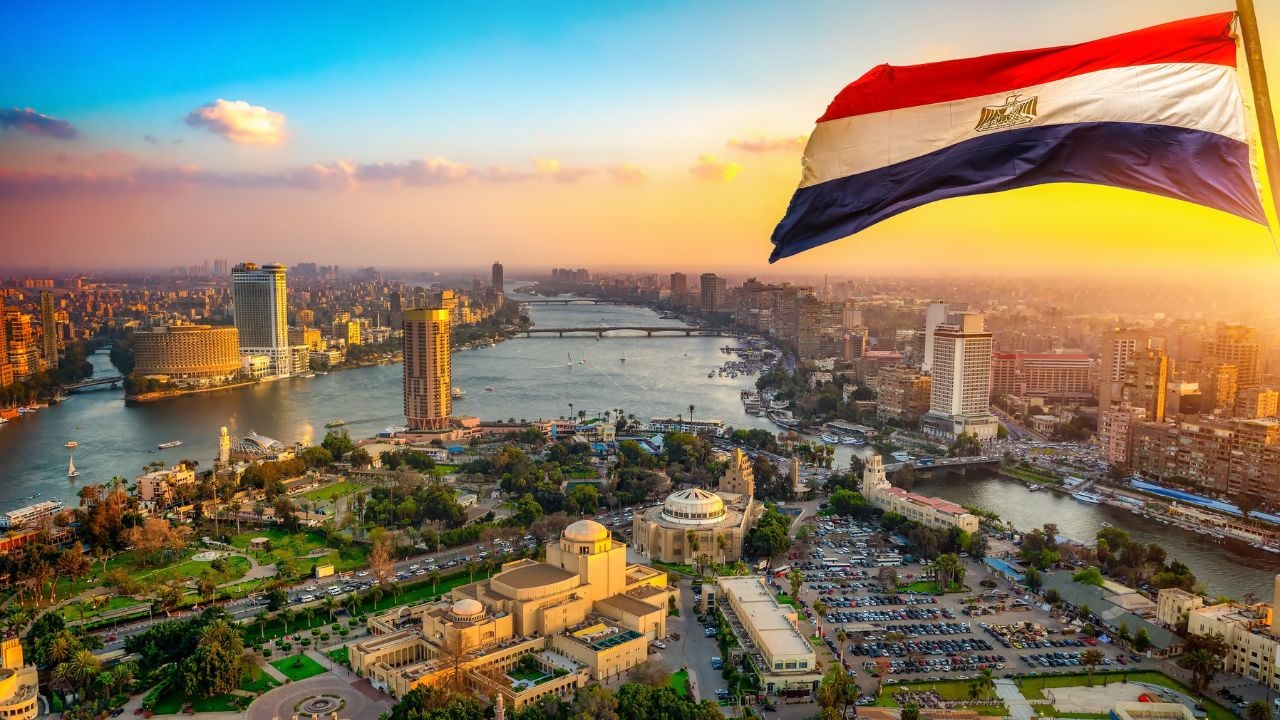
Ancient history gets taught alongside Greece and Rome, so people unconsciously slot Egypt into a “Europe story,” even though it is not on that continent. Mediterranean ports and Red Sea resort brochures can blur the mental line. Toss in nonstop flights from London or Paris and the confusion gets louder.
Britannica places Egypt in the northeastern corner of Africa, and it describes the Sinai Peninsula as linking Africa with Asia. For a smoother trip, design the route by regions: Nile Valley sights, then a separate beach segment, because distances are bigger than they look on a tour poster.
5. Armenia
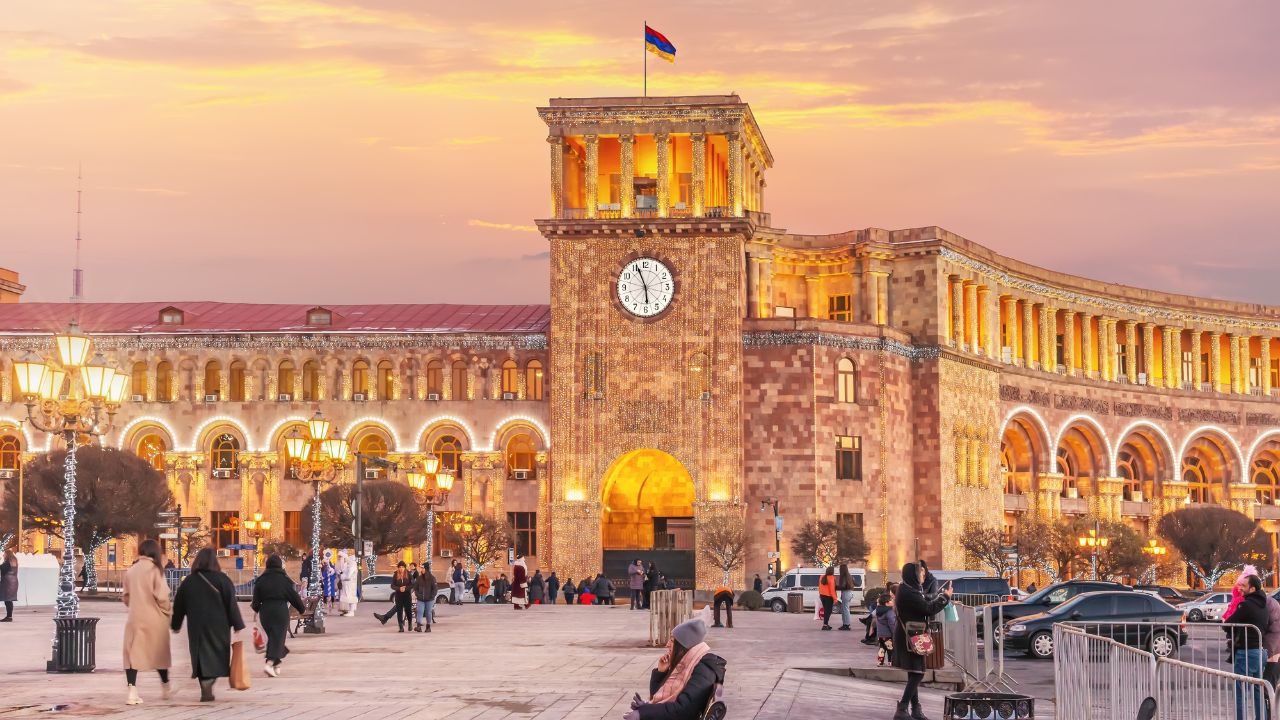
Armenia gets mislabeled because it shows up in the same conversations as Europe-adjacent places, especially in culture and competition circuits. Travelers hear “Caucasus” and picture Eastern Europe without checking the map. The result is a country that feels familiar in references, yet unfamiliar in placement.
Britannica describes Armenia as a landlocked country of Transcaucasia and places it in western Asia. On the ground, expect mountainous terrain, dramatic monasteries, and a capital city that works well as a hub for day trips, especially when road conditions shift by season.
6. Azerbaijan
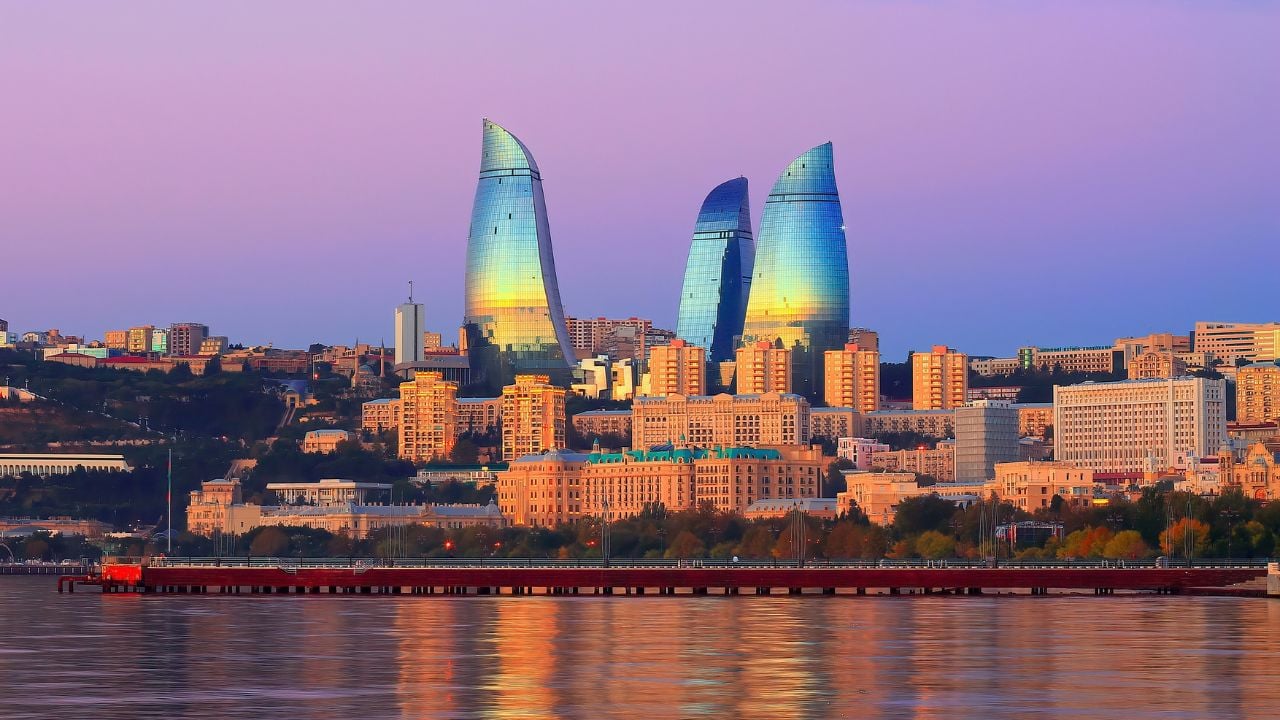
Azerbaijan is another place many people file under Europe because it appears in Europe-facing media and travel chatter. Baku’s modern skyline and Caspian waterfront photos can feel like a twist on familiar city breaks. That aesthetic trick is powerful.
Britannica’s summary places Azerbaijan in Transcaucasia in western Asia. For visitors, the practical angle is paperwork and timing: check visa rules early, then balance city time with a day outside Baku to see landscapes that do not match the “European city” stereotype at all.
7. Turkey
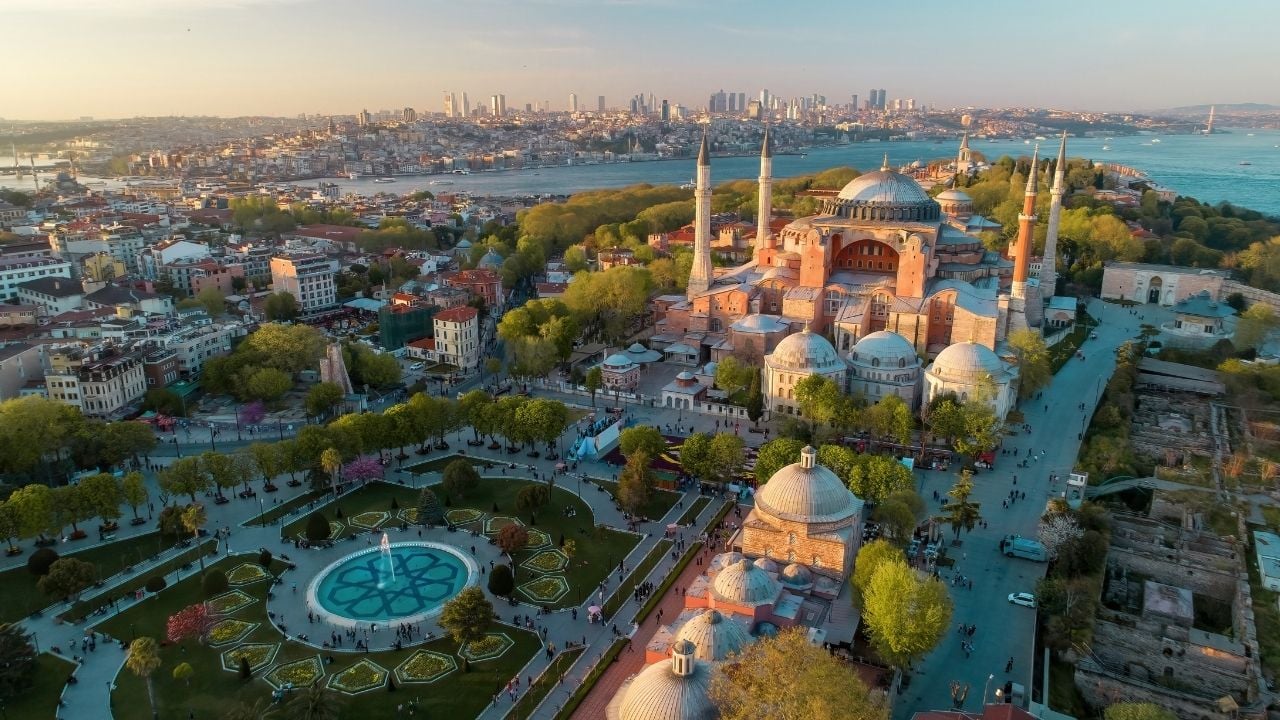
Turkey is the classic case where the honest answer is “both,” yet many travelers still label the whole country as European out of habit. Istanbul’s fame, plus cruise routes and Aegean beach marketing, pulls the assumption toward Europe. Repetition turns that habit into “fact” in casual conversation.
Britannica describes Turkey as lying partly in Asia and partly in Europe, while noting that nearly all of its land lies in Asia. Trip planning works best when you respect scale: treat Istanbul as its own chapter, then choose one additional region such as Cappadocia or the Aegean coast instead of trying to see the whole country in a single week.