
Portugal is easy to enjoy when the route is realistic. The problems usually start before the trip, when first-timers try to squeeze Lisbon, Porto, the Douro Valley, Sintra, the Algarve, Madeira, and the Azores into one short vacation.
Those places are not interchangeable. Lisbon and Porto pair well by train. Lisbon and the Algarve can work if the trip has enough time. Madeira and the Azores are separate island trips, not casual add-ons to a packed mainland route.
The details matter before flights and hotels are locked in. Train tickets, toll roads, city taxes, Lisbon’s hills, and Schengen entry rules can all affect the way the trip feels on the ground. None of them is complicated, but ignoring them can waste time fast.
A stronger first Portugal trip usually has fewer bases, better-timed train legs, realistic city walks, and a budget that includes the smaller charges visitors often miss. These six tips help keep the trip focused before the booking page turns into a commitment.
1. Do Not Treat Lisbon, Porto, and the Algarve Like One Quick Triangle

Portugal looks compact on a map, but a good first trip still needs enough time between bases. Lisbon and Porto make a strong city pairing. Lisbon and the Algarve can work for travelers who want beach time. Lisbon, Porto, the Douro Valley, Sintra, the Algarve, and an island region in one week is a different story.
The issue is not that the connections are impossible. CP, Portugal’s national railway operator, says Alfa Pendular trains run up and down the country, including routes such as Lisbon to Porto and Braga to Faro.
The problem is what all those moves do to the trip. Every new base adds packing, checkout, station time, transfers, and another hotel arrival. A seven- or eight-day visit can start feeling less like Portugal and more like a loop through waiting rooms and luggage racks.
For a first visit, choose a route with a clear shape. Lisbon plus Porto works well for cities, food, tiles, river views, and train travel. Lisbon plus the Algarve works better for travelers who want more beach time. Add the Douro, Madeira, or the Azores only when the trip has enough days to justify the extra movement.
2. Book Trains Early When the Route Matters
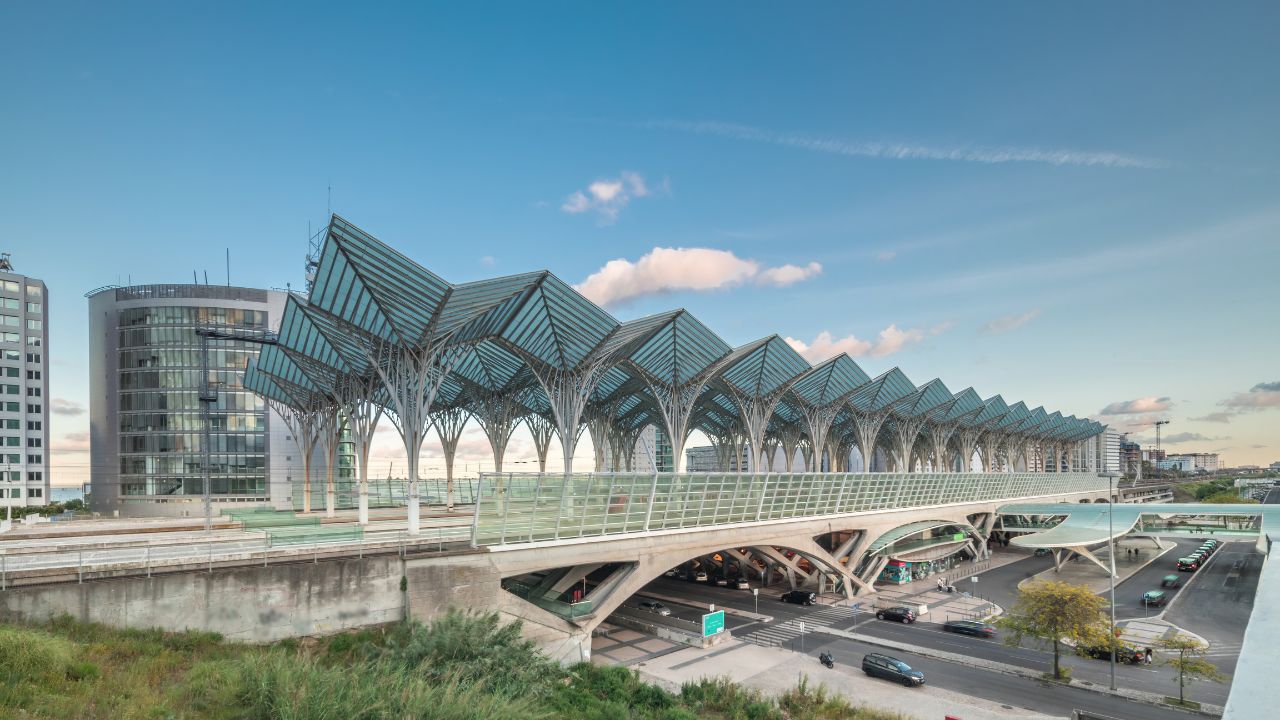
Train travel is one of the easiest ways to connect Portugal’s major mainland cities. Lisbon, Coimbra, Porto, Braga, Faro, and other rail-friendly stops can fit into a sensible route without forcing visitors to rent a car for the whole trip.
CP’s online ticket office lets passengers buy tickets for Alfa Pendular, Intercidades, Regional, InterRegional, Coimbra Urban trains, and some Porto Urban add-ons. CP also says passengers can choose seats on eligible trips.
Book important long-distance legs once the hotel plan is firm, especially for weekends, holidays, summer travel, or a route that depends on arriving at a specific time. A Lisbon-to-Porto train is not something to treat like a random city bus if the rest of the day is built around it.
Keep arrival day more flexible. A delayed flight, slow passport line, or late bag can make a tightly booked train stressful before the trip has started. Save the fixed rail plans for days when the schedule is already under control.
3. Plan for Hills, Pavement, and Slower City Walks
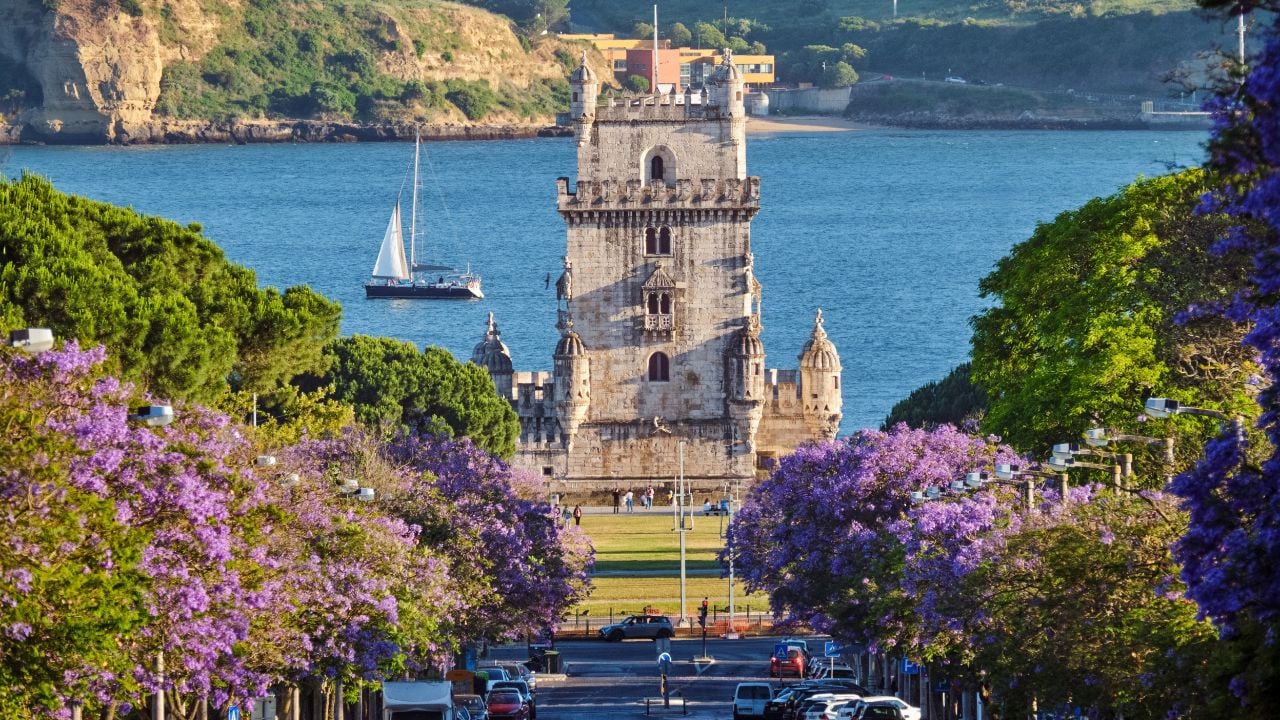
Portugal’s prettiest city walks can be harder on the legs than first-timers expect. Lisbon is the clearest example: steep streets, stairs, viewpoints, tiled sidewalks, and crowded trams can turn a simple sightseeing day into a long climb.
Alfama, Bairro Alto, Chiado, and the miradouros are better when visitors do not stack every uphill neighborhood into the same afternoon. Comfortable shoes matter, and so does route order. A day that looks short on a map can feel very different when every second street rises sharply.
Group neighborhoods instead of fighting the hills all day. Build one morning around Alfama, another around Baixa and Chiado, and give Belém its own block of time rather than forcing it into a packed central Lisbon day.
Trams, funiculars, metro rides, and taxis should support the plan, not rescue it. Use them before the route becomes a staircase marathon, especially in heat, rain, or after a long meal.
4. Budget for Tourist Taxes and Small Local Charges
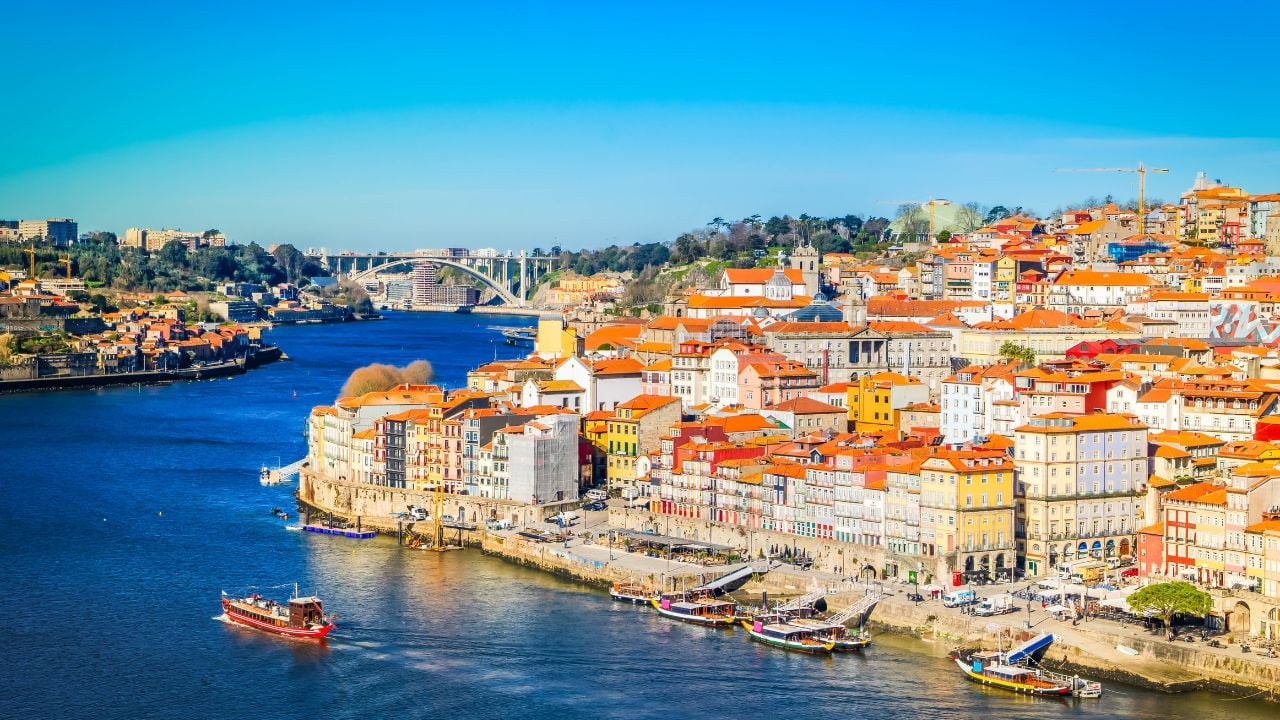
The hotel price on the first booking screen may not be the final amount paid. Lisbon’s official municipal information says the city’s overnight tourist tax is €4 per night, up to a maximum of seven overnight stays in a row per person.
Porto also charges a municipal tourist tax. The city’s official tourist-tax flyer lists the MTT at €3 per night, up to a maximum of €21, or seven consecutive nights.
These charges are usually manageable, but they should be in the budget before checkout. They can feel annoying when travelers only planned from the hotel-platform total.
Small extras can add up too: luggage storage, airport transfers, beach chairs, museum booking fees, tolls, public bathrooms, taxis, and restaurant cover charges. A daily buffer helps most in Lisbon, Porto, the Algarve, and busy coastal towns where short rides and small charges show up often.
5. Understand Toll Roads Before Renting a Car

A rental car can be useful for the Algarve, Alentejo, smaller villages, Douro viewpoints, and parts of the coast. It is usually less useful inside Lisbon or Porto, where parking, traffic, steep streets, and historic-center layouts can turn the car into a problem.
Before booking a car, decide whether the route actually needs one. Trains, buses, taxis, rideshares, and day tours may cover the trip better if the plan is focused on cities. A car makes more sense when the itinerary includes beaches, rural stays, viewpoints, or villages that are awkward by public transport.
Tolls are the detail many visitors notice too late. Visit Portugal says motorway travel is subject to tolls and explains that Portugal has both conventional and electronic tolls.
Do not leave the rental counter without knowing how tolls will be handled. Ask whether the car has a Via Verde or electronic toll device, which roads require electronic payment, and how charges will appear after the trip. That one conversation can prevent a confusing bill weeks later.
6. Check Entry Rules and Future ETIAS Timing Before Booking Far Ahead

Portugal is part of the Schengen Area, so travelers from visa-exempt countries need to check broader European entry rules, not only Portuguese ones. Portugal’s government explains that a Schengen visa provides for short stays of up to 90 days per period of 180 days for tourism, family visits, business, and similar purposes.
For most short vacations, this is simple. It matters more for longer trips, repeat visits, digital-nomad-style plans, or routes that combine Portugal with Spain, France, Italy, Germany, Greece, or other Schengen countries. Time in those countries can count toward the same short-stay limit.
Future travel authorization rules are changing too. The European Union says ETIAS will be the new travel authorization for visa-exempt travelers entering 30 European countries and is scheduled to start operations in the last quarter of 2026.
Check the official rules close to the travel date, especially for trips booked far ahead. Fixing entry questions before flights and hotels become nonrefundable is easier than trying to solve them after the itinerary is already paid for.