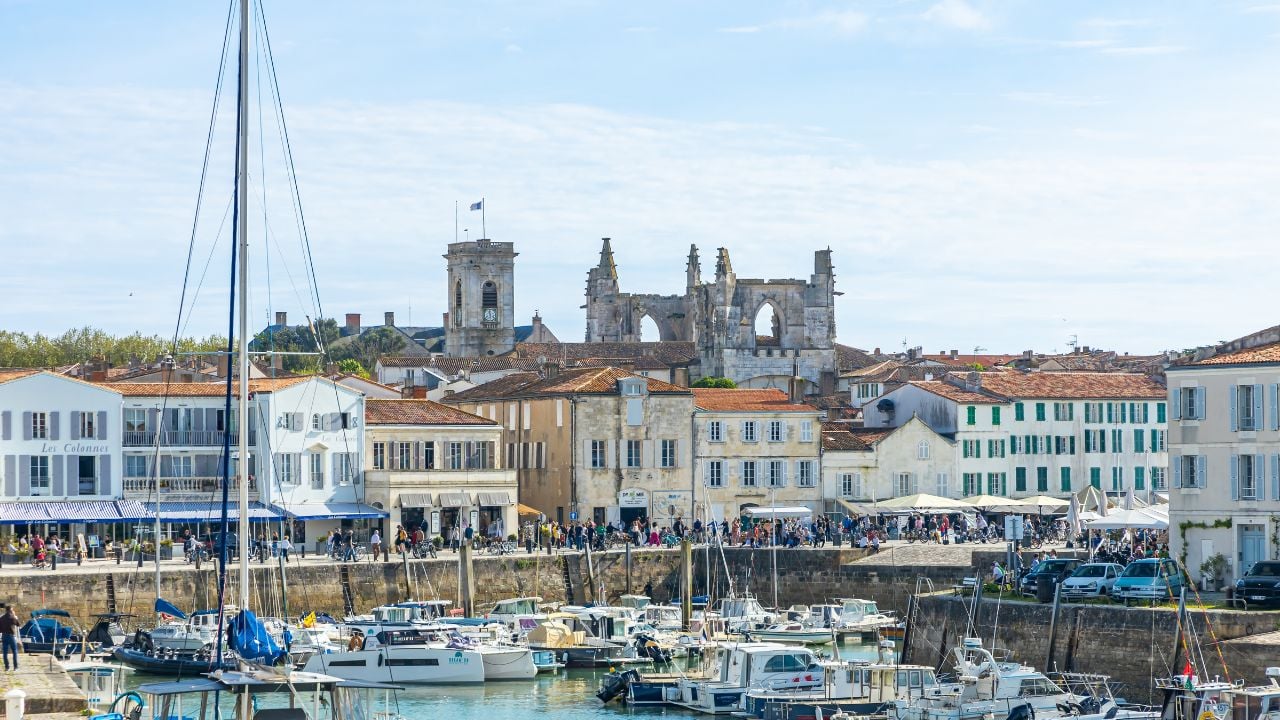
The vacations that feel lively without draining travelers usually have one thing in common: the main experience starts close to the arrival point. A ferry dock opens into a car-free island town, a harbor gathers boats and restaurants, a lake path circles a famous view, or an old center keeps dinner, history, and water within walking distance.
Mackinac Island, Victoria, Lake Bled, Nafplio, St. Augustine, and Île de Ré all offer that kind of trip. They have enough scenery, food, walking routes, and one memorable activity to make each day feel distinct, but they do not require a minute-by-minute schedule.
The pleasure comes from physical details: bicycle bells on a car-free island, float planes crossing a Canadian harbor, wooden boats on an Alpine lake, Greek balconies above narrow lanes, coquina walls in Florida, and salt marshes beside Atlantic cycling paths.
Travelers still need to check ferry times, boat schedules, weather, parking, bike rentals, fortress climbs, and dinner reservations. The difference is that the main day does not depend on complicated transfers or a long list of paid attractions.
1. Mackinac Island, Michigan
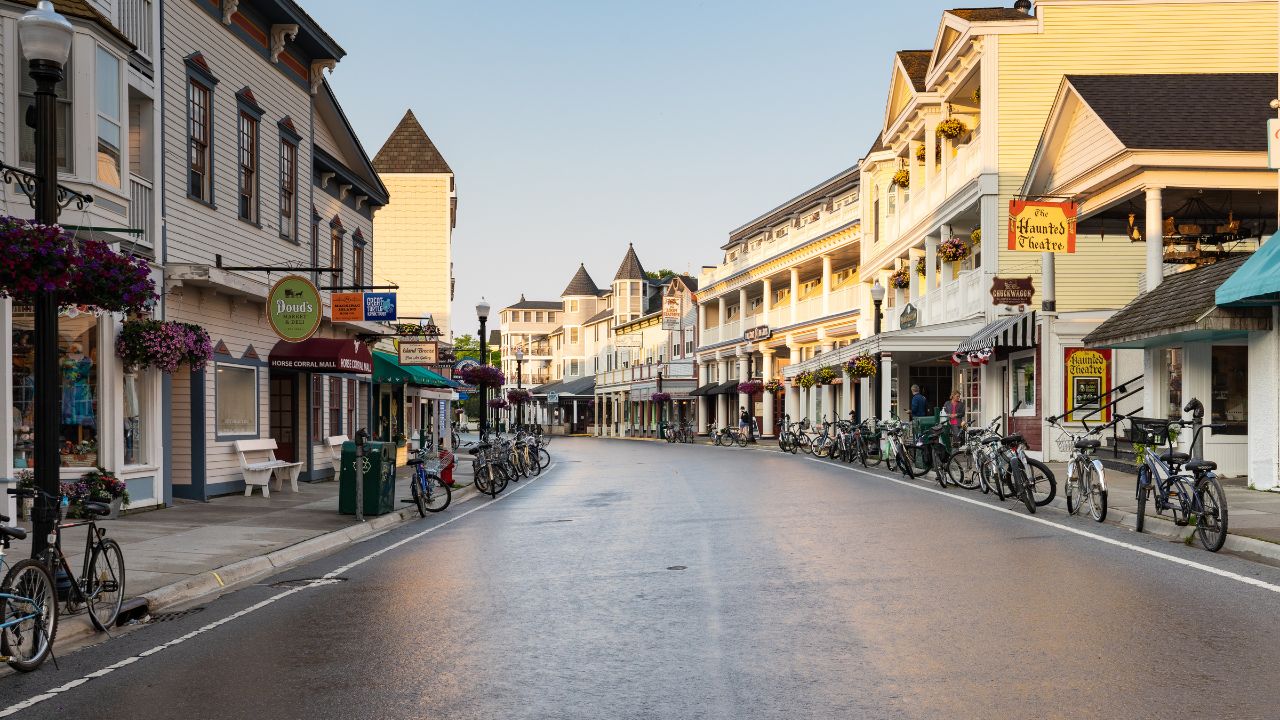
Mackinac Island changes the trip as soon as travelers leave the ferry. Downtown streets carry bicycles, pedestrians, horse-drawn carriages, hotel porches, fudge shops, water views, and old resort architecture instead of traffic. Mackinac Island Tourism describes the island as car-free for more than 100 years, with the horse still central to daily movement.
The car-free rule gives the island its most memorable soundscape. Bicycle bells, carriage wheels, ferry horns, hoofbeats, and conversations outside shopfronts replace the usual engine noise of a busy vacation town. The pace feels different because transportation is part of the setting, not just a way to move between stops.
A full day does not need to stretch far. Travelers can rent bikes, follow the waterfront, stop for fudge, visit historic sites, sit near the harbor, or ride farther into the island’s trail system. Mackinac Island Tourism says visitors move by horse, bicycle, and on foot, with more than 70 miles of trails available for longer walks or rides.
Ferry schedules shape the trip more than sightseeing pressure. Staying overnight gives the island its best hours: early streets after rain, quieter waterfront paths, and downtown lights after many day-trippers have left.
2. Victoria, British Columbia

Victoria starts at the Inner Harbour, where the city’s visitor life gathers in one visible place. Flower beds, water taxis, ferry movement, the Parliament Buildings, hotels, restaurants, museums, and waterfront paths all sit close enough for an arrival walk that already feels like part of the vacation.
Tourism Victoria says the harbour serves whale-watching and ecotourism businesses, float planes, ferry connections, and water taxi service. Those working details keep the harbor from feeling decorative. Boats arrive, tours depart, planes cross the water, and the waterfront keeps changing through the day.
A strong Victoria day stays near the harbor before adding a larger outing. Travelers can walk the water, visit a museum, stop for lunch, take a water taxi, or book a whale-watching trip from the waterfront. The city has gardens and coastal excursions nearby, but the Inner Harbour already gives the first day a complete center.
Victoria’s advantage is the short distance between comfort and scenery. Dinner, evening walks, ferry links, harbor views, and central hotels remain close after dark, which keeps the trip from turning into a chain of rides across town.
3. Lake Bled, Slovenia

Lake Bled delivers its main image before travelers have done anything ambitious. The island church sits in the middle of the lake, the castle rises on the cliff above, and the Julian Alps frame the water behind them. The setting looks dramatic, but the basic visit stays compact.
The island gives the day its classic activity. The official Bled Island site says visitors reach the island by traditional pletna boat, electric boat, or small boat. That short crossing adds movement and ceremony without turning the day into a long excursion.
The lake path, cafés, viewpoints, boat landing areas, and cream cake stops keep the rest of the day close to the water. Travelers can walk part of the shoreline, ride to the island, look up toward Bled Castle, and still leave time for dinner without treating the lake like an athletic challenge.
The best timing depends on weather and crowds. Early walks bring calmer water and fewer tour groups, while late light gives the island and castle a stronger outline. A boat ride, shoreline walk, and one viewpoint are enough to make the lake feel complete in a single day.
4. Nafplio, Greece
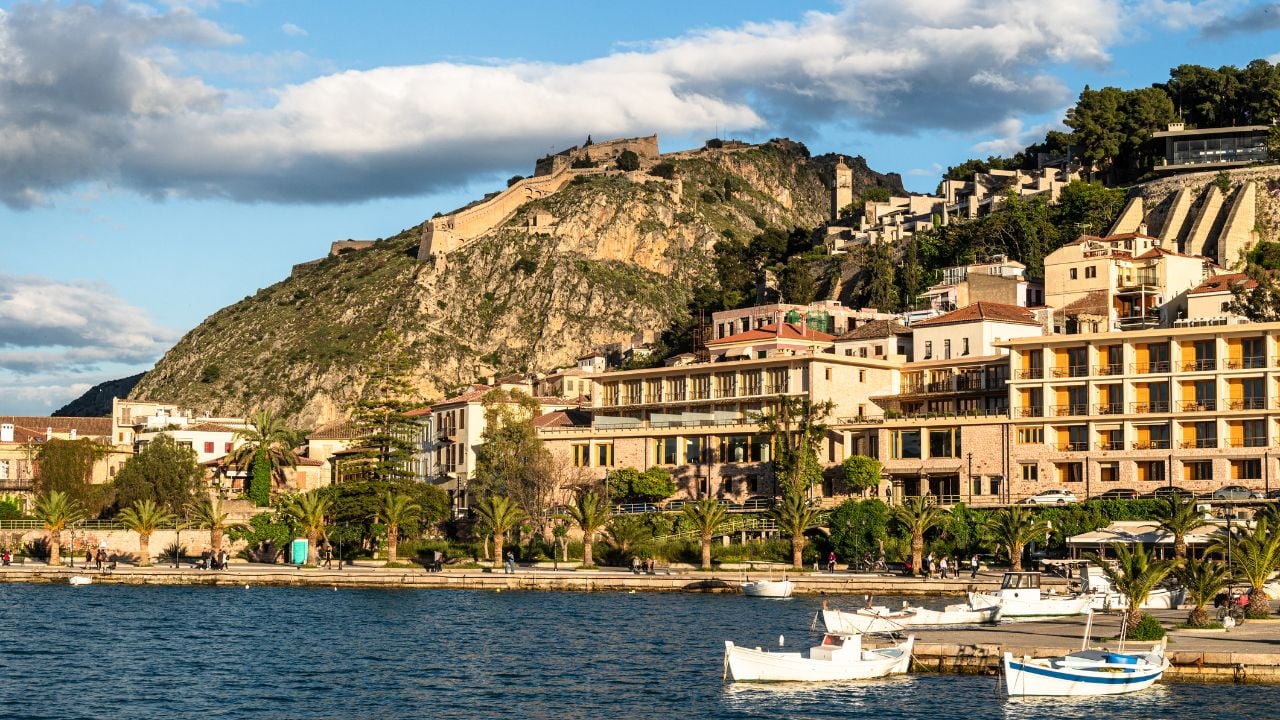
Nafplio gives a Greek escape a compact shape. Neoclassical houses line the old town, balconies hold flowers above narrow lanes, Syntagma Square gathers cafés and restaurants, and the harbor keeps the Argolic Gulf close to nearly every walk.
Visit Greece recommends starting with the medieval Old Town, narrow alleys, well-preserved mansions, bougainvillea, and Turkish fountains. Those details make the center worth exploring before any fortress climb or archaeological day trip enters the plan.
Palamidi Fortress adds height and history for travelers who want one active outing. The climb is best handled outside the hottest part of the day, since the reward is a wide view over the red roofs, harbor, Bourtzi fortress, and Argolic Gulf. After that, the old town’s tavernas, shops, and waterfront paths take over the slower part of the day.
Nafplio also works as a base for Mycenae and Epidaurus, but the town should not be reduced to a hotel stop between ancient sites. The harbor, balconies, fortress silhouette, and evening squares give the stay its own identity.
5. St. Augustine, Florida

St. Augustine gives a Florida trip more texture than beach time alone. Coquina stone, Spanish colonial streets, museums, church towers, courtyards, live music, and bayfront views sit inside a historic district that rewards walking more than driving.
Visit St. Augustine notes that many buildings in the historic downtown date back to the 1700s and that the district is listed on the National Register of Historic Places. That puts restaurants, shops, old buildings, museums, and churches inside a district with documented historic weight.
A good day can move from St. George Street to Castillo de San Marcos, then toward a courtyard lunch, a bayfront walk, or an evening ghost tour. The city feels lively because history, food, and entertainment share the same walkable center rather than sitting in separate resort zones.
Parking and summer heat still need planning. Staying near the historic district or using a clear parking strategy keeps the day focused on the old streets, fort, water, restaurants, and evening atmosphere instead of circling for a space.
6. Île de Ré, France
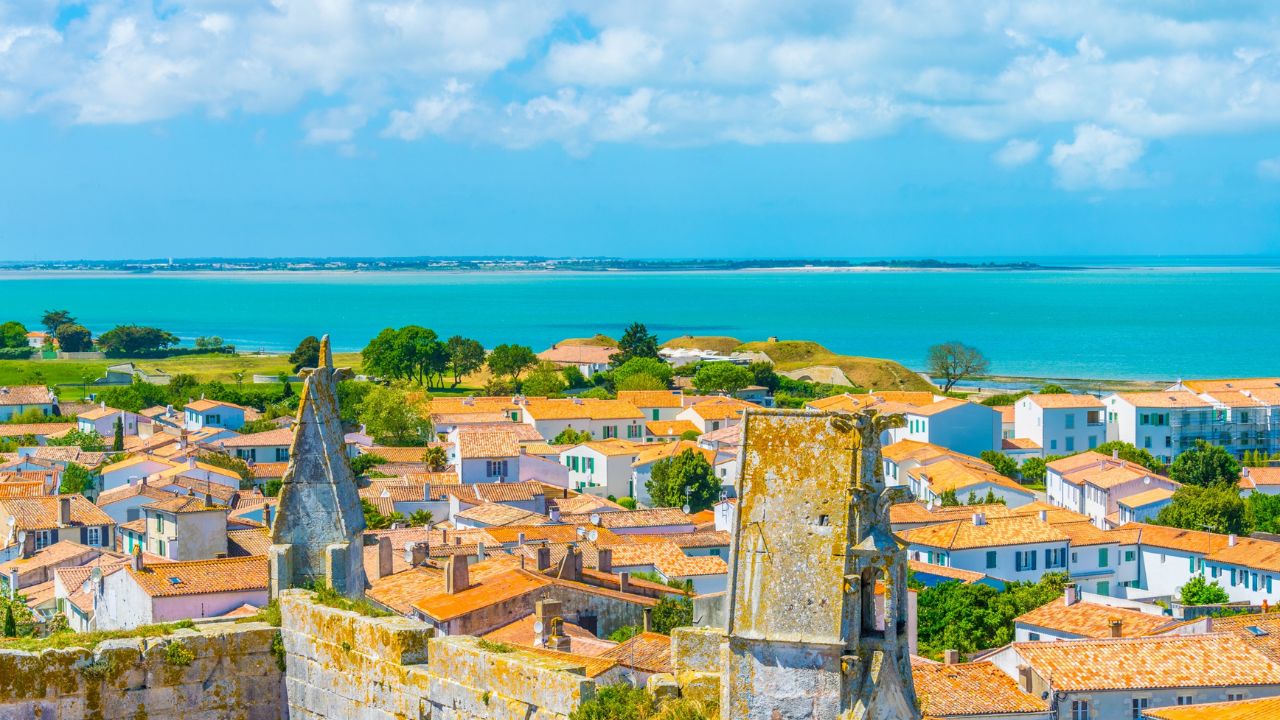
Île de Ré builds a seaside holiday from villages, bikes, salt marshes, harbors, markets, beaches, and whitewashed streets. The island does not need a resort schedule because its main pleasures sit along short routes between village centers and the coast.
The official Île de Ré tourism site presents the island through ten villages and varied landscapes. It also says cycling is one of the best ways to explore, with routes through villages, marshes, beaches, and forests. Another official listing notes that the island has 138 kilometers of cycle paths and bike hire points in all ten villages.
A day on Île de Ré might start with a village market, continue by bike through salt-marsh paths, pause for oysters or seafood near a harbor, then end with a beach walk or sunset in Saint-Martin-de-Ré. The cycling network turns those pieces into a realistic day instead of a list of scattered stops.
Wind, summer crowds, bridge traffic, and bike rental availability affect the experience. The island works best when travelers choose one or two villages per day, then let the beaches, marshes, and harbor meals fill the spaces between them.