
Some destinations carry visible scars: patched stonework, memorial gardens, and museums that do not sugarcoat the past. The surprising part is how often those same locations feel welcoming, organized, and full of everyday life. History did not vanish, but the atmosphere changed.
Each place below saw serious conflict in recent memory, then moved into rebuilding, reconciliation, or long stretches of relative calm. Each one offers a clear reason to visit, plus a way to engage respectfully with what happened. Before booking, always check your government’s latest advisory because conditions can shift.
Dubrovnik, Croatia

In the early 1990s, this walled Adriatic landmark took heavy shelling. Protecting it became a global priority. The World Heritage agency placed it on its “in danger” list in 1991 and coordinated a large restoration effort after the fighting. Official records still document the damage and the long repair campaign that followed.
Walk the limestone streets now, and it is hard to imagine artillery aimed at the rooftops. Fortresses, seawalls, and baroque facades make the old quarter feel like a movie set, except it is very real and very lived-in. For a calmer visit, aim for shoulder season and take the first entry slots to avoid cruise-hour surges.
Mostar, Bosnia and Herzegovina
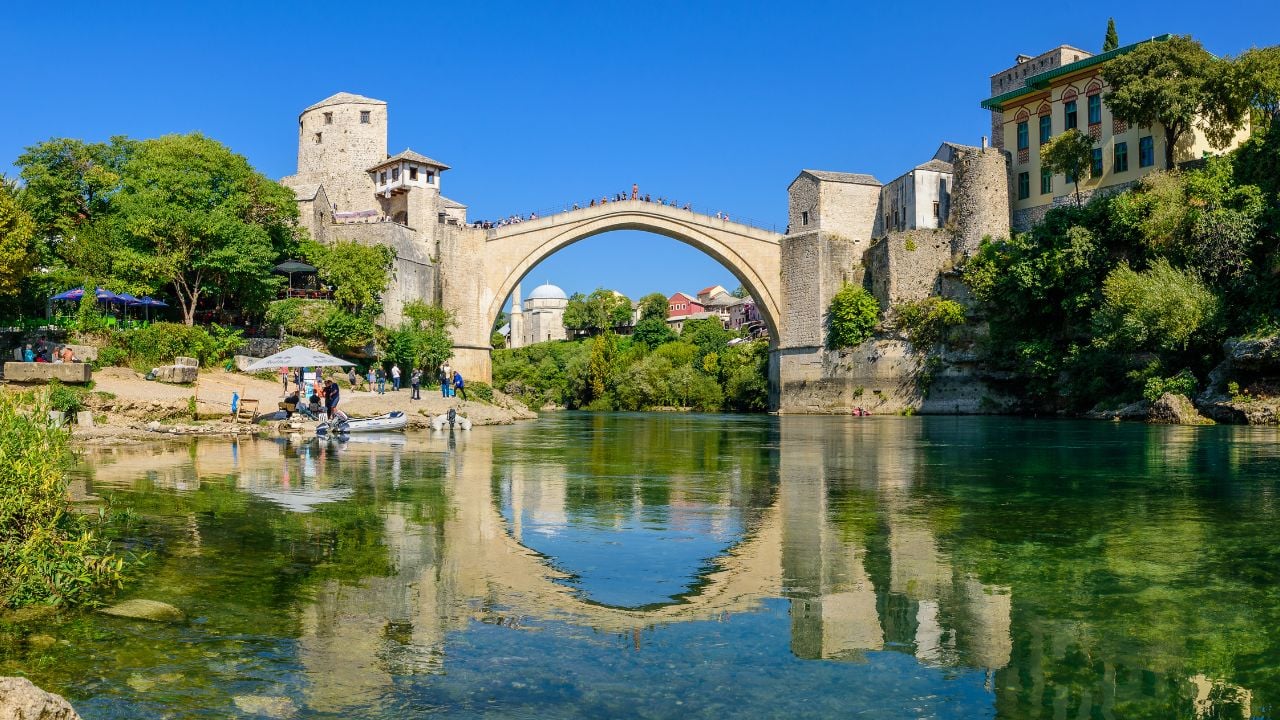
High above the Neretva, the Old Bridge became a symbol because it was destroyed on 9th November 1993 and later rebuilt under international supervision. Reporting on the 20th anniversary of the reconstruction notes the bridge was rebuilt in 2004 with support from UNESCO and the World Bank. The wider Old Bridge area was added to the UNESCO World Heritage List in 2005. That timeline matters because it shows a deliberate decision to restore shared heritage, not simply replace infrastructure.
Today the stone arch frames café terraces, craft stalls, and the famous diving tradition in summer. A good approach is to pair the old town with a short visit to local museums that explain what the river valley endured. Keep photos mindful around memorial markers, especially in quieter neighborhoods.
Belfast, Northern Ireland
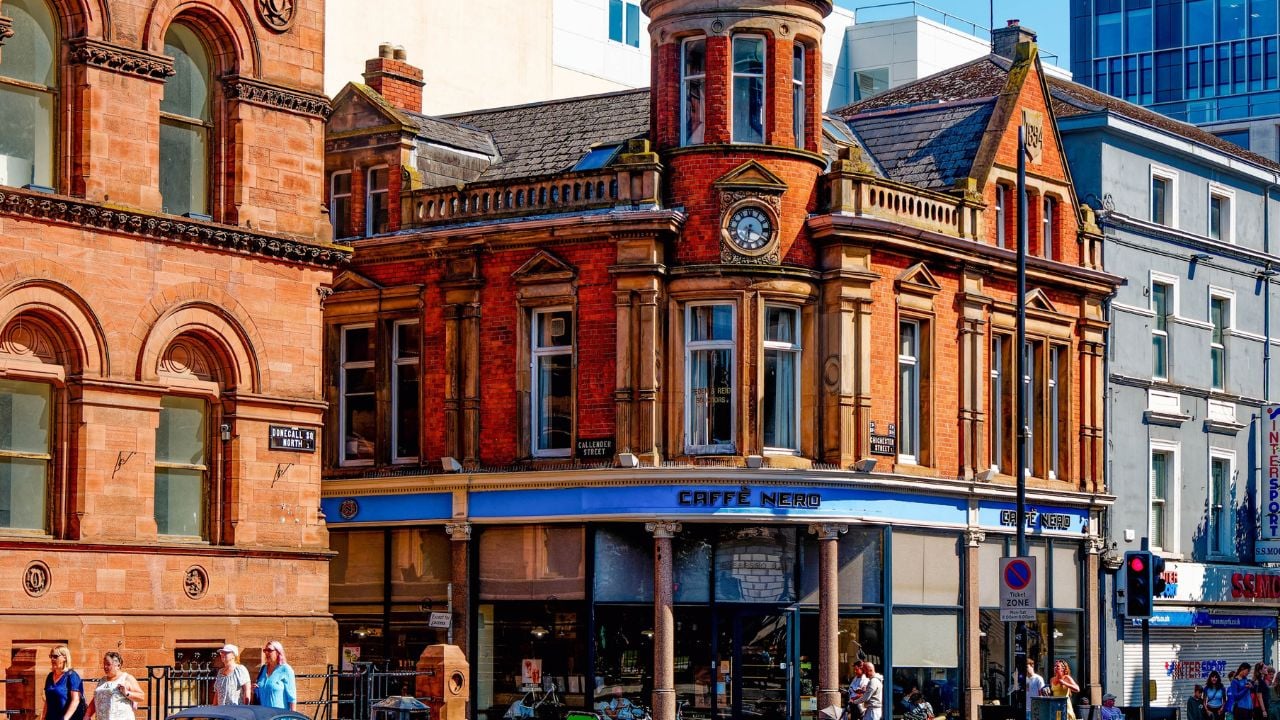
For decades, political violence shaped daily routines across Northern Ireland, with tension concentrated in and around Belfast. The Good Friday Agreement, signed on 10th April 1998, is widely credited with ending a long cycle of violence and anchoring the peace process. That agreement changed what street life could look like, even if some divisions remained visible.
A modern itinerary can include mural corridors, the Titanic Quarter, and guided walks that explain the peace walls without turning them into a spectacle. Food halls and live music venues give the evening a normal, upbeat rhythm. The best tour centers local voices and avoids simplistic “good guys versus bad guys” storytelling.
Siem Reap, Cambodia

Cambodia’s late 20th-century turmoil did not end neatly, but major armed struggle is widely marked as concluding in 1998. UN-linked tribunal materials and later reporting describe that end point as the close of a long civil conflict. Meanwhile, Angkor was inscribed on the World Heritage List in 1992, creating a foundation for cultural recovery and visitor demand.
Siem Reap now functions as a relaxed base for dawn temple visits, market browsing, and riverfront evenings. Start early at major complexes to beat heat and crowds, then save smaller ruins for later hours. Dress codes are enforced at sacred sites, so light clothing that still covers shoulders and knees keeps things smooth.
Kigali and Volcanoes National Park, Rwanda
Rwanda’s recent past includes the 1994 genocide against the Tutsi, documented in detail by the United Nations and the US Holocaust Memorial Museum. Kigali’s memorial sites are powerful, and they set a serious tone that deserves time and quiet attention. Visiting with care means learning first, then letting the rest of the itinerary feel lighter.
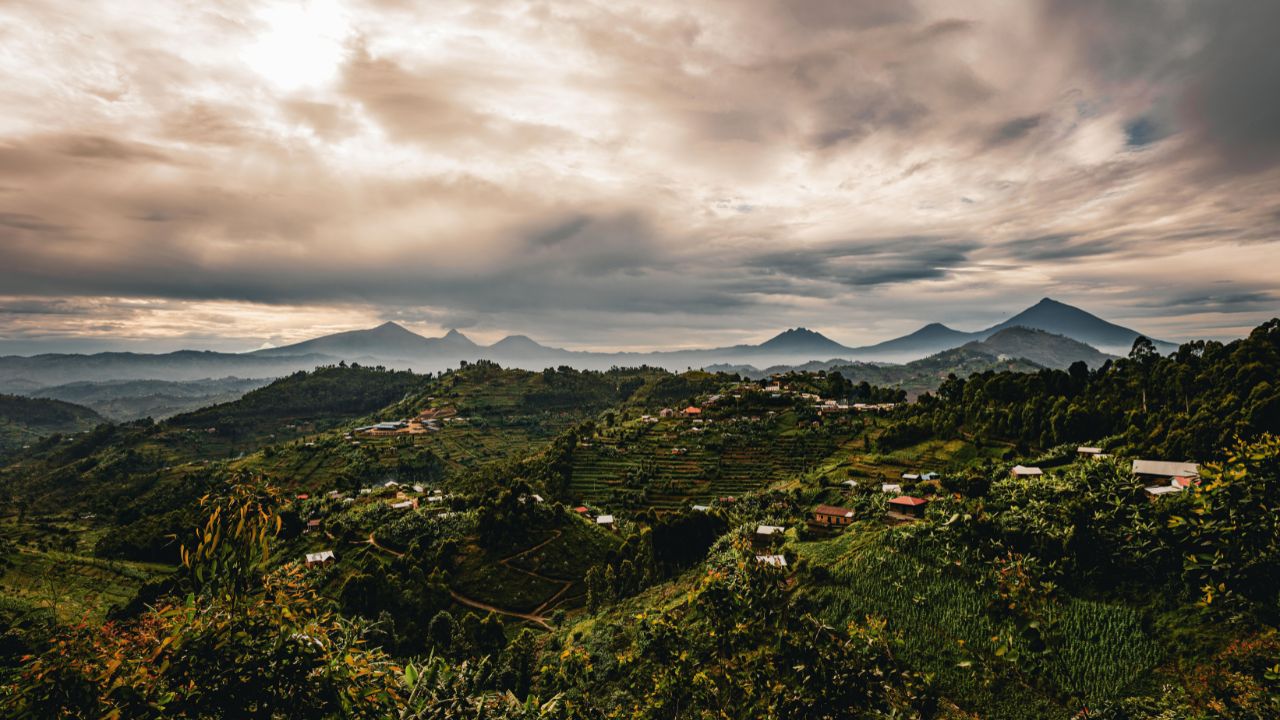
North of the capital, Volcanoes National Park is a signature draw, with guided tracking focused on habituated mountain gorilla families in the Virunga range. Official tourism information lays out how treks work, while current advisories note elevated risk in certain border areas, especially near the Democratic Republic of the Congo. Plan permits far ahead, and choose operators who brief guests on both etiquette and regional updates.
Huế and the former DMZ region, Vietnam
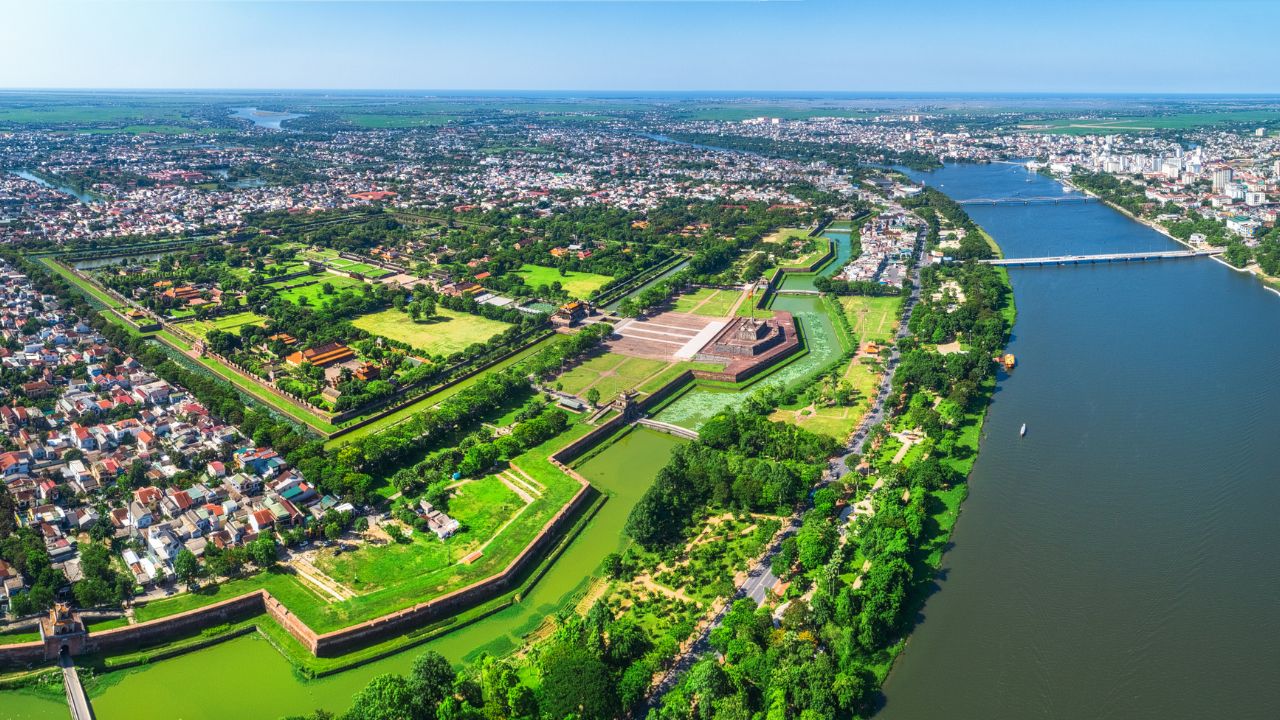
Central Vietnam includes landscapes that were once defined by intense combat, yet they have shifted into places of reflection and routine life. An AP report on the 50th anniversary era describes former battlefields drawing visitors alongside a fast-changing, economically vibrant country. That mix, remembrance plus modern energy, is exactly what makes the region compelling.
Huế pairs imperial architecture with sobering museum stops, and day trips can reach tunnel systems and former front-line corridors. Hiring a reputable guide helps with context, logistics, and respectful pacing at memorial sites. Pack for sun and sudden rain, because weather can swing quickly on the coast and in the hills.