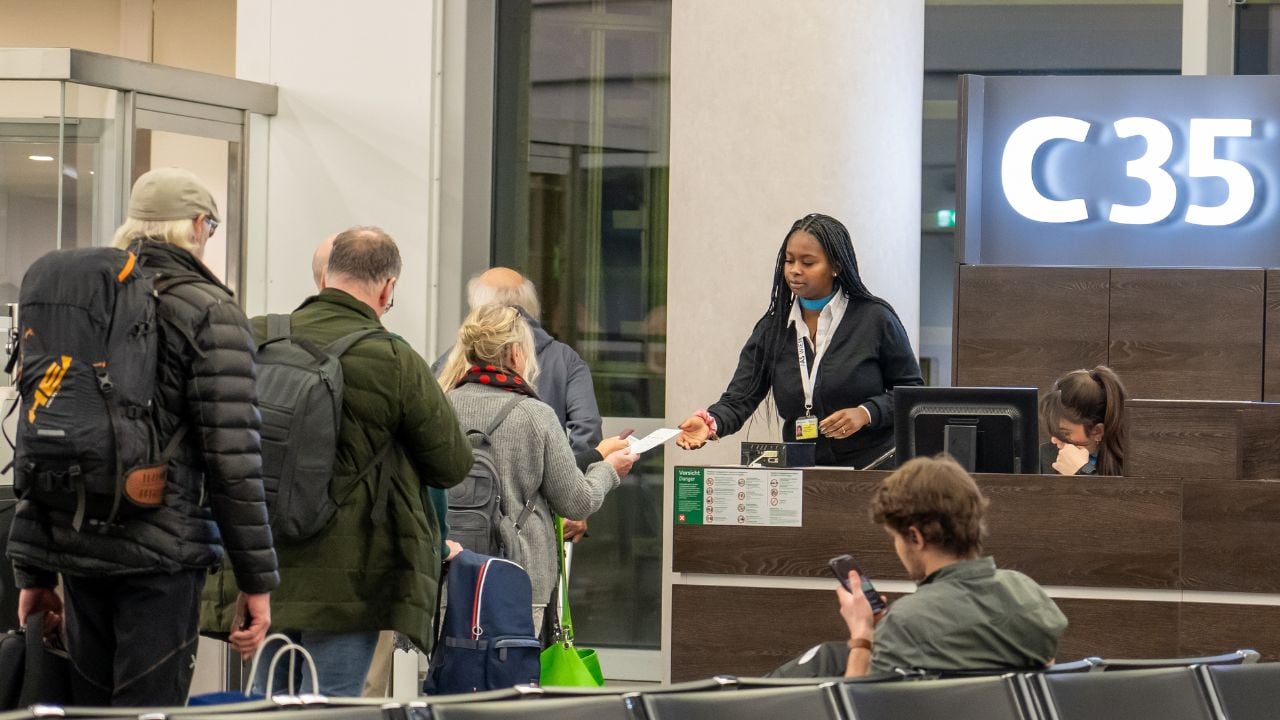
Airport security works best when nobody tries to become the main character. The checkpoint is built for routine, speed, and risk screening, which means a clever line or irritated speech usually lands with all the charm of a dropped suitcase. TSA’s own travel advice is blunt on this point: preparation helps, loose items slow things down, and certain remarks can create unnecessary trouble. That may sound obvious, yet airports keep proving that obvious lessons need a fresh yearly reminder.
That is why some phrases are worth retiring before your next flight. They do not merely sound annoying. They can trigger extra screening, cause delays, or turn a minor inconvenience into a much bigger mess. Experts and officials tend to agree on the same basic rule: at security, calm and boring are winning personalities. The less drama you bring to the checkpoint, the faster everyone gets where they are going.
1. “I Have a Bomb”
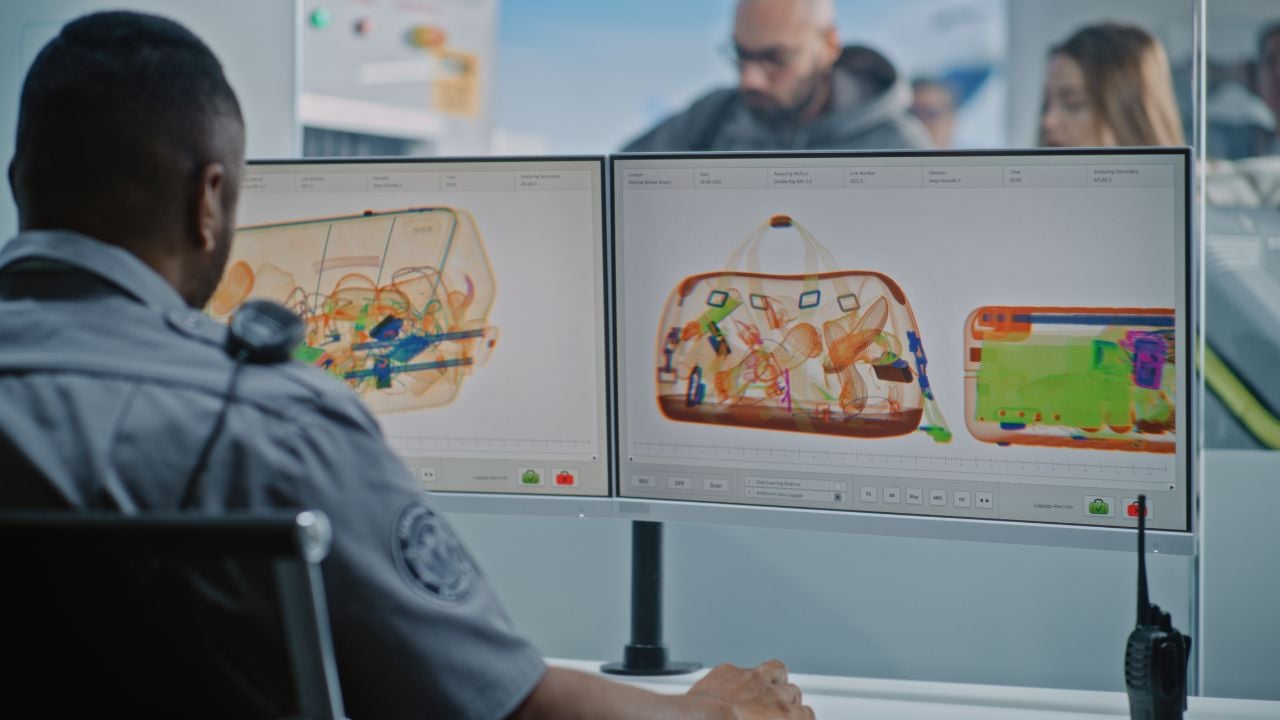
Nothing good follows that sentence. TSA officers have explicitly told travelers never to joke about carrying an explosive device or claim they have a bomb with them, even in jest. Airports are not required to decode your sense of humor, and the security system is designed to react first and sort out intentions later. One reckless comment can turn an ordinary screening into a far more serious event.
That is what makes this phrase so foolish. A checkpoint is built around identifying potential threats before they move any farther into the terminal. Staff are not there to reward edgy timing or appreciate your stand-up ambitions. In practical terms, this is the fastest route from “funny in my head” to “why am I still here an hour later?” Even if you meant nothing by it, airport security is one of the last places on earth where anyone is expected to give irony the benefit of the doubt.
2. “It’s Just Water”
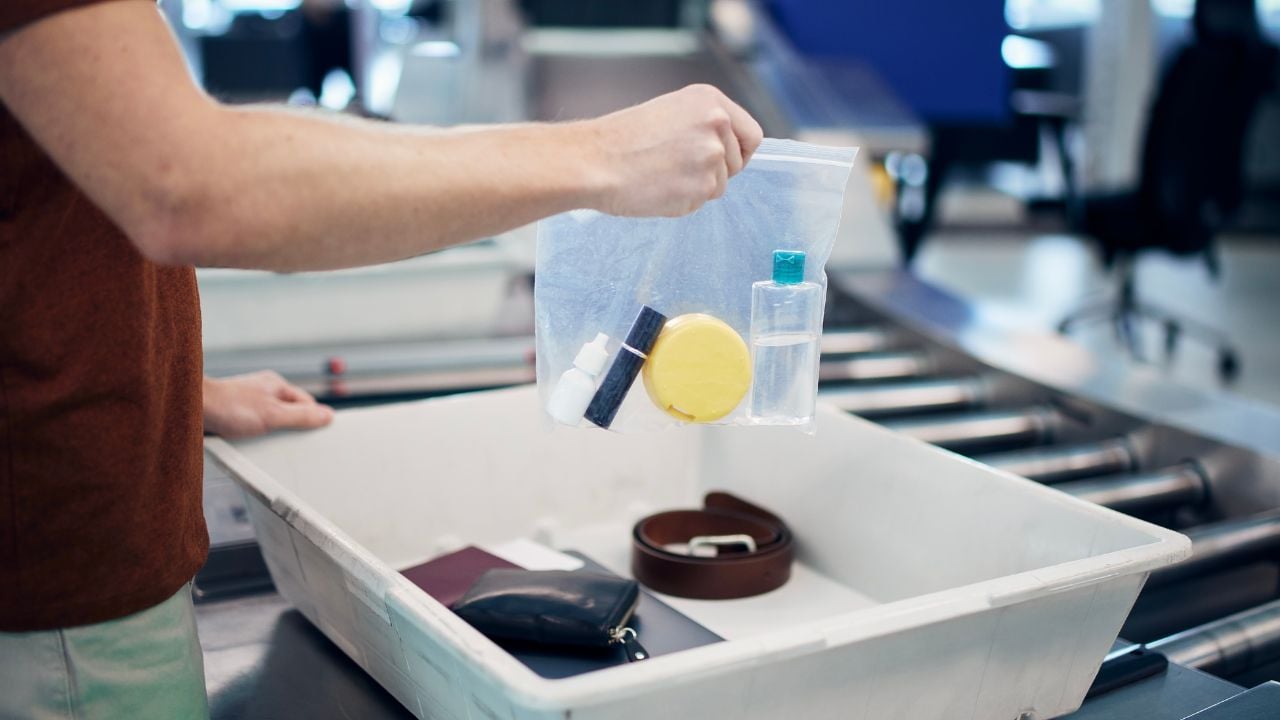
Travelers say this as if confidence can shrink a bottle. TSA’s liquids rule still limits carry-on liquids, aerosols, gels, creams, and pastes to containers of 3.4 ounces or 100 milliliters, packed inside one quart-size bag. A full drink, oversized sunscreen, or giant shampoo is not suddenly acceptable because the passenger sounds offended. The bottle does not care about your tone.
There are real exceptions, but they are specific rather than negotiable. TSA allows larger amounts of medically necessary liquids in reasonable quantities, and those items do not have to fit inside the standard quart-size bag, though passengers should declare them during screening. The smart move is knowing whether your item qualifies before you reach the front of the line. Trying to litigate the emotional importance of your water bottle at the bin station is a doomed little courtroom drama. Security rules are built for quick decisions, not passionate speeches about hydration.
3. “I Forgot My Gun Was in There”
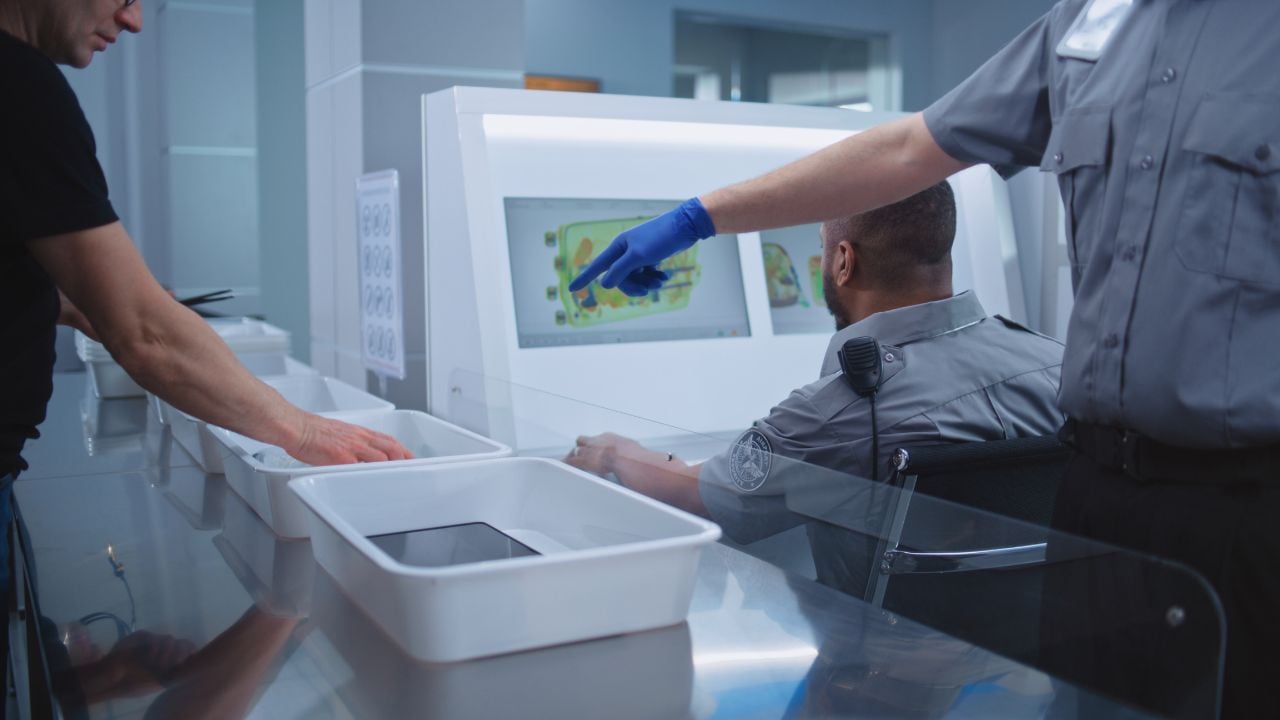
This sentence has become an airport-security classic for all the wrong reasons. TSA states that firearms are prohibited in carry-on bags and may travel only in checked baggage when unloaded, locked in a hard-sided container, and declared to the airline at check-in. The rules are not subtle, and “I forgot” does not magically convert a prohibited item into an innocent misunderstanding. It simply adds a fresh layer of alarm to a situation that was already bad.
Recent TSA guidance shows the problem is still very real. The agency says civil penalties for bringing a firearm to a checkpoint can reach nearly $15,000 depending on the circumstances. Law enforcement involvement is also possible, which is not exactly the pre-boarding mood most people were hoping for. Forgetting a gun in your bag is not a travel whoopsie. It is a spectacularly avoidable own goal. In airport logic, “I forgot” does not sound reassuring. It sounds like one more reason to slow everything down and ask harder questions.
4. “My Regular License Is Fine”
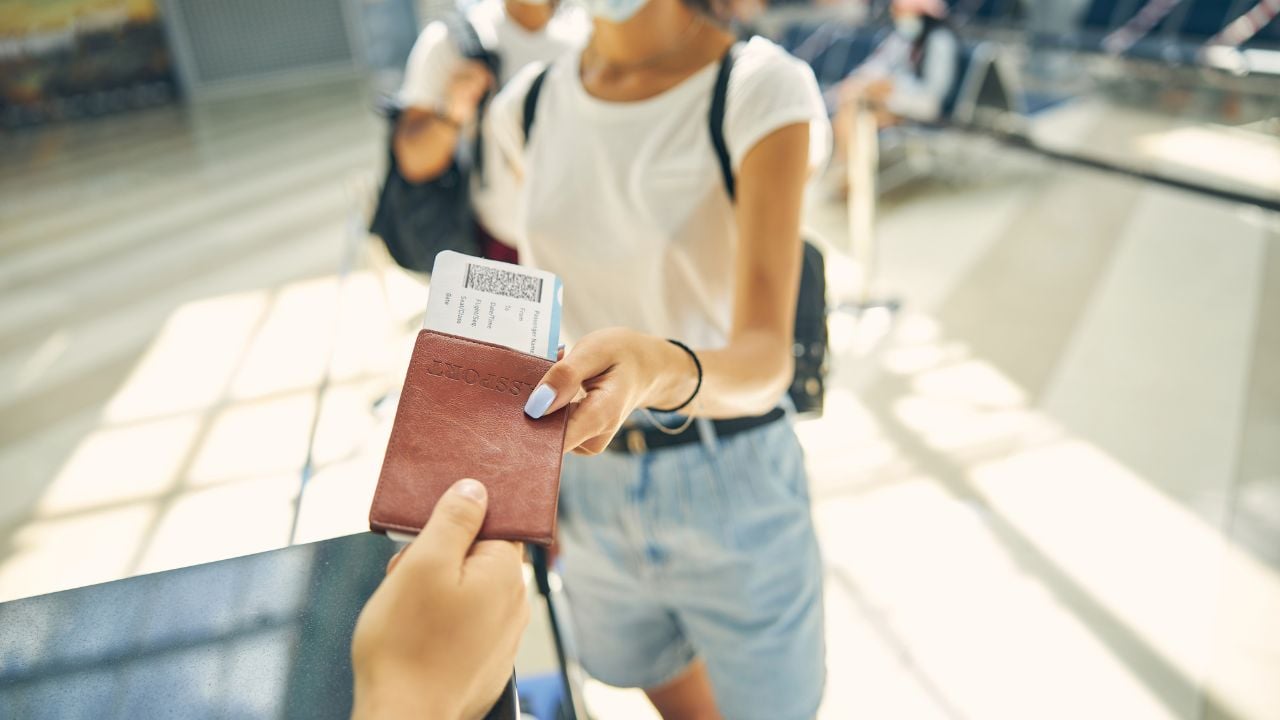
That line got a lot shakier after REAL ID enforcement arrived. TSA says that as of 7 May 2025, state-issued driver’s licenses and IDs that are not REAL ID compliant are no longer accepted as valid identification at airport checkpoints for domestic flights. Travelers now need a REAL ID-compliant credential or another acceptable form of identification, such as a passport. Hoping the officer will wave through an outdated habit is not a strategy.
This catches people because routine is powerful. Many fliers used the same license for years and assumed the next airport visit would work exactly the same way. Security does not run on nostalgia, though, and a document problem discovered at the checkpoint is about as useful as remembering your umbrella after the storm ends. The better move is painfully simple: check your ID before travel day, not during a public crisis beside the stanchions. A surprising number of airport problems are just ordinary procrastination wearing a travel outfit.
5. “That’s Not How They Did It at My Airport”
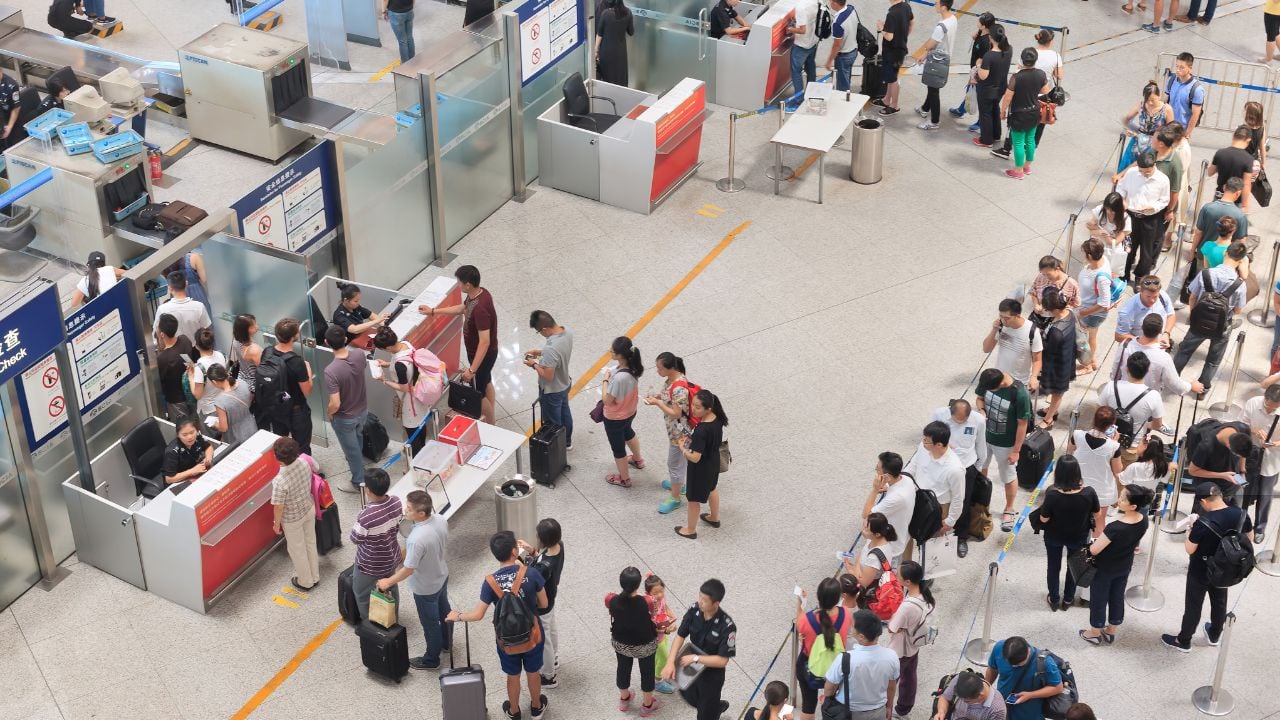
Passengers love this complaint because it sounds logical. TSA, however, has said that screening procedures can vary by airport because different checkpoints use different technologies, even while the agency follows standardized protocols overall. So yes, one airport may handle electronics, bins, or body screening a little differently from another. That variation is part of the system, not proof that the officer in front of you has invented a personal vendetta.
The lesson here is wonderfully unglamorous. Listen to the people running the lane you are actually standing in, not the memory of what happened in Denver, Miami, or somewhere three layovers ago. TSA also advises travelers to empty pockets completely before screening to avoid unnecessary pat-downs and delays. Arguing that another airport let you keep doing things your way rarely speeds anything up. It mostly announces to the room that you would like to be difficult in several time zones. At a checkpoint, local reality always beats travel lore.
6. “But I Have Precheck”
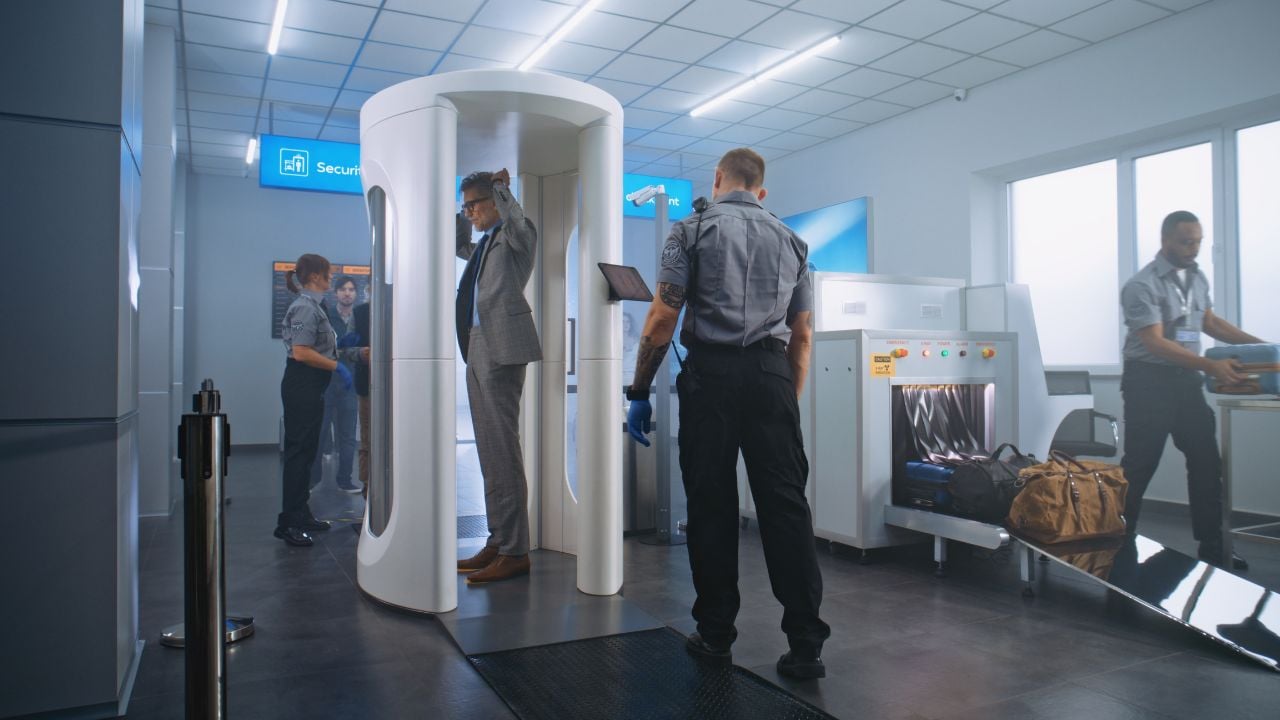
TSA PreCheck helps, but it is not diplomatic immunity with roller wheels. TSA states clearly that all travelers will be screened and that no individual is guaranteed expedited screening. The agency also says it uses unpredictable security measures throughout the airport, which means a PreCheck-eligible passenger can still face a different process on a given day. Membership is a convenience, not a crown.
That is why invoking PreCheck like a personal rank usually falls flat. Officers are still following procedure, and the procedure is allowed to be dynamic. A traveler who treats any extra step as an insult only makes the lane slower and the atmosphere worse. The smoothest approach is almost insultingly basic: bring acceptable ID, know what is in your bag, follow instructions, and leave the status performance for a hotel loyalty app. The checkpoint does not care what tier you are. It cares whether you are ready.