Some cities explain themselves before a visitor has finished the first coffee. A canal tells you where to walk. A harbor shows where the evening will gather. A compact old quarter gives the trip a center without asking anyone to study a transit map at lunch.
Utrecht, Aarhus, Galway, Ghent, Trieste, and Victoria all have that useful quality. None of them feels like a puzzle on arrival, yet none is flat or forgettable. Each gives newcomers a strong first anchor: water, music, cafés, old streets, markets, towers, or a working harbor.
The point is not that these places are empty or undiscovered. They have busy weekends, tourist corners, and popular photo spots. Their strength is proportion. A visitor reaches the good part quickly, then finds enough detail nearby to keep walking.
A central hotel changes the whole experience in these cities. Stay close to the main canal, harbor, square, old quarter, or waterfront, and the trip starts with a real place instead of a transfer problem.
1. Utrecht, Netherlands
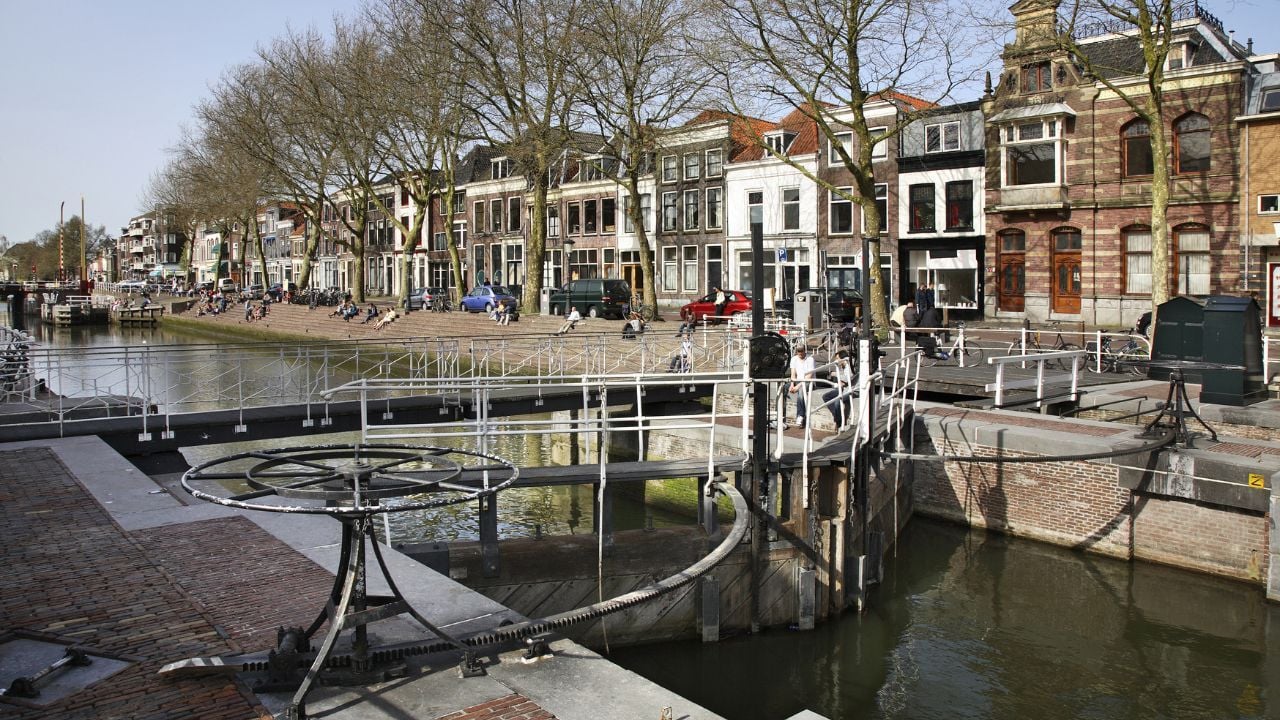
Utrecht introduces itself at canal level. Along the Oudegracht, the usual Dutch postcard details are all there—brick houses, bicycles, bridges, narrow façades—but the wharf terraces below the street give the city its own signature. A visitor looks down and sees cafés tucked beside the water, then crosses a bridge and finds another angle a minute later.
Discover Utrecht presents the city through biking, walking, and centuries-old canals. That is the right way into the center. The Dom Tower area, canal streets, shops, cafés, and restaurants all sit close enough for an arrival afternoon that feels complete without turning into a landmark chase.
Utrecht works best when the first few hours stay near the old canal core. Walk the Oudegracht, pause at one of the lower terraces, then drift toward the Dom area before dinner. The city has museums, bike routes, and outer neighborhoods for a longer stay, but the canal gives newcomers the cleanest introduction.
A hotel near the center keeps the evening simple. After dinner, the same water-level terraces and bridge views become the return route rather than another navigation problem.
2. Aarhus, Denmark
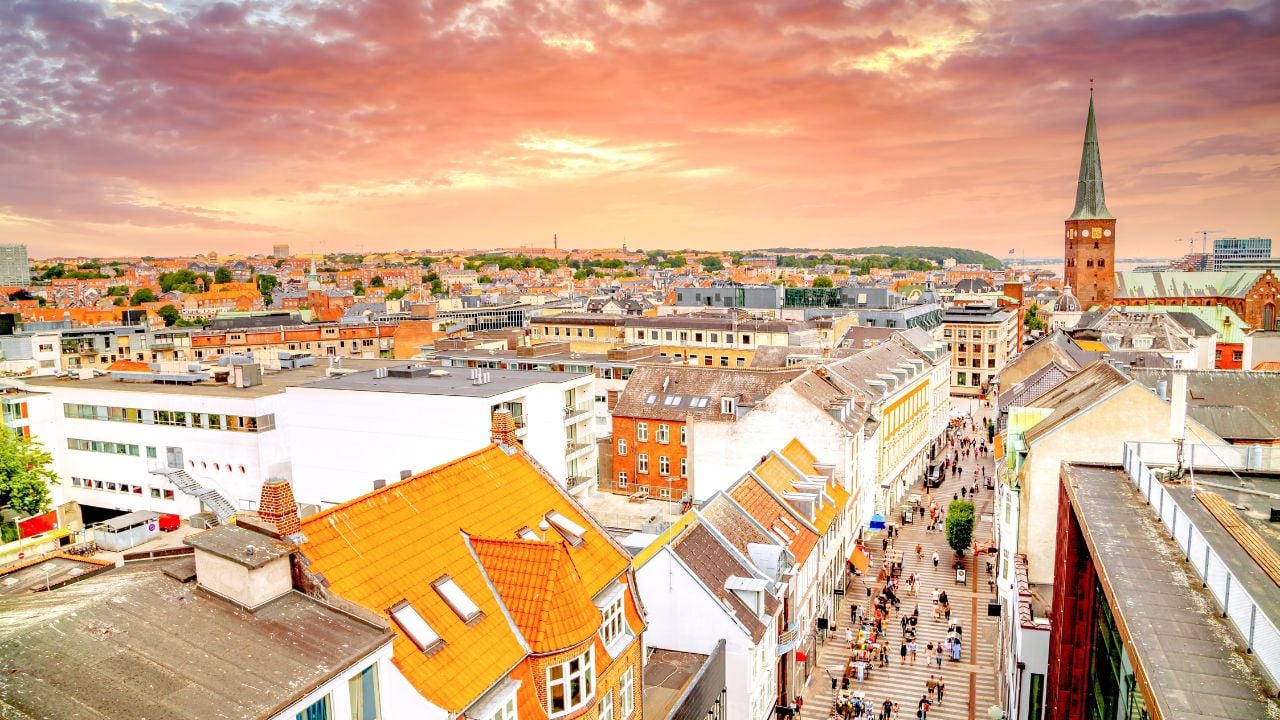
Aarhus does not announce itself with the force of a capital. Its appeal builds through smaller signals: a good coffee shop, a design storefront, a narrow old street, a museum close enough to reach after lunch, and a harbor district that changes the city’s mood without feeling far away.
The Latin Quarter is the strongest starting point. VisitAarhus describes it as the city’s oldest and one of its most charming quarters, with small shops, coffee shops, and cozy restaurants. It gives first-time visitors an immediate neighborhood rather than a loose collection of attractions.
From there, Aarhus opens in different directions. ARoS supplies the museum block, Aarhus Street Food gives the casual meal, and Aarhus Ø shifts the day toward waterfront architecture. Vestergade and Trøjborg add more local texture once the center feels familiar.
The city suits travelers who like a place with culture but not constant ceremony. It has enough design, food, students, museums, and harbor life to feel alive, yet the center stays manageable for a short stay.
3. Galway, Ireland
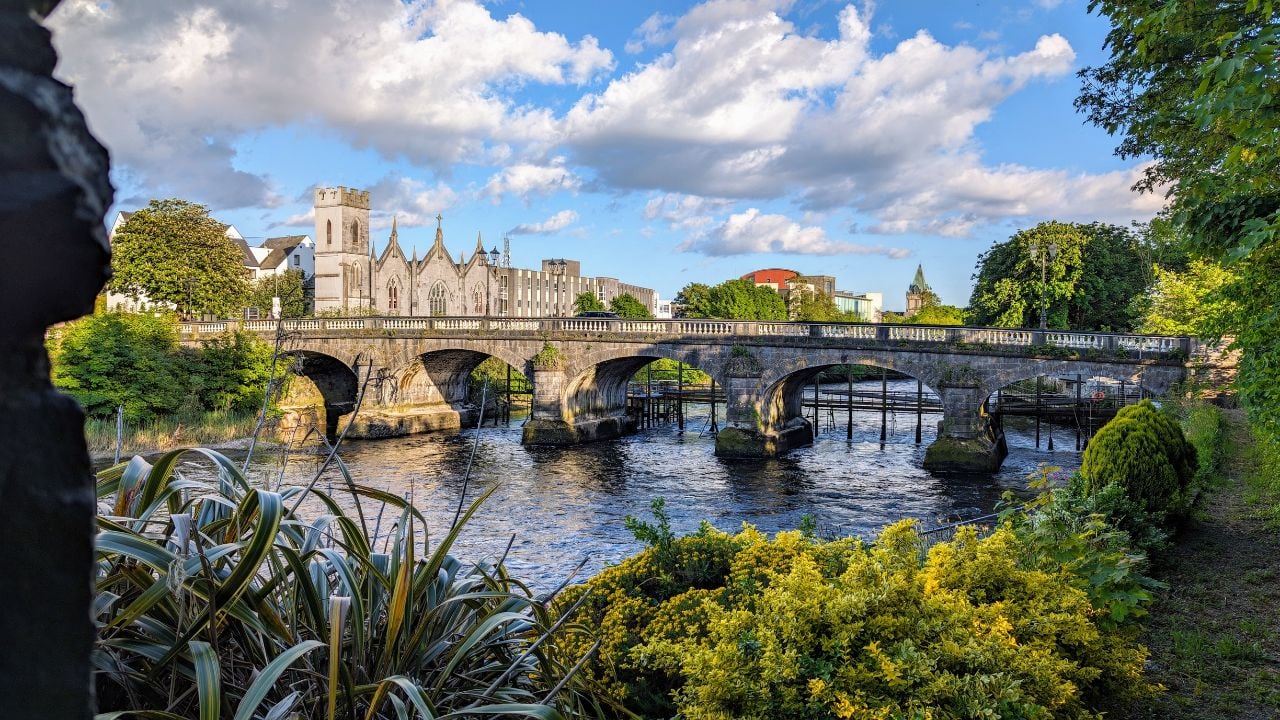
Galway is a city a visitor hears before fully understanding the map. Shop Street and Quay Street pull people toward buskers, pub doors, seafood, small shops, and the Latin Quarter. The route is short, but it rarely feels empty.
Traditional music gives the evening a real center. Discover Ireland says Tig Cóilí in Galway’s Latin Quarter is famous for traditional Irish music sessions and draws both locals and visitors. That kind of venue makes the city feel social without needing a formal event ticket.
The main walking area links Eyre Square, Shop Street, Quay Street, the Latin Quarter, Spanish Arch, the River Corrib, and the walk toward Galway Bay. A visitor gets pubs, music, river views, cafés, and dinner options inside a compact area, which is exactly why Galway works so well after a long travel day.
The mistake is treating central Galway as leftover time after a full-day excursion. Connemara, the Aran Islands, and the Cliffs of Moher deserve their own planning. The city itself deserves one unrushed evening.
4. Ghent, Belgium

Ghent has enough medieval scenery to impress immediately, but it avoids the glass-case feeling that sometimes settles over historic cities. The canals, guild houses, towers, bridges, cafés, students, and evening bars all share the same center. Old beauty and daily life sit side by side.
Visit Gent offers a 4.2-kilometer city walk for first-time visitors, built around major highlights and local character. The distance says a lot: the introduction is walkable, but not thin.
Korenmarkt, Graslei, Korenlei, the three towers, and the streets around the water give newcomers a strong first circuit. The city’s best moments often come from the transitions: a canal edge leading into a square, a tower view opening above a café row, a museum stop turning into dinner in Patershol.
Ghent should not be used only as a quick pause between Brussels and Bruges. Give it a full day and an evening, and the city becomes more than a pretty canal stop.
5. Trieste, Italy

Trieste feels familiar quickly, but not in the usual Italian way. It looks toward the Adriatic, carries a Central European edge, and gives the first afternoon a natural sequence of sea, square, canal, café, and bookshop.
Turismo Friuli Venezia Giulia describes Trieste through its Central European character, multicultural atmosphere, historic cafés, varied architecture, and sea views. Those traits are not hidden in separate corners. They appear within a short walk from Piazza Unità d’Italia to the waterfront and Canal Grande.
The café culture gives the city its pace. Trieste’s links to James Joyce and Italo Svevo add weight to a coffee stop, especially in the historic cafés tied to literature, poetry, and art. A visitor does not need a packed museum schedule to feel the city’s identity.
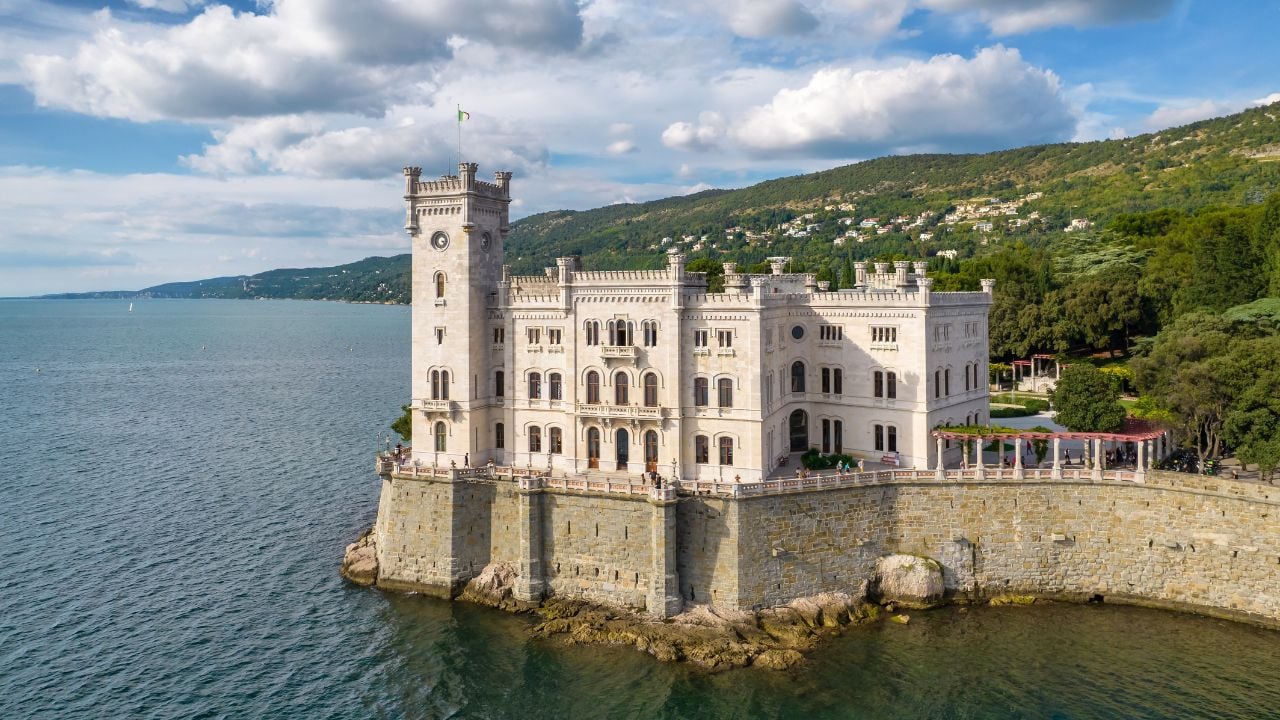
Miramare Castle, Opicina, Karst walks, and coastal excursions belong to another part of the trip. The central introduction is tighter and more distinctive: Piazza Unità d’Italia, Molo Audace, Canal Grande, cafés, sea air, and dinner within walking distance.
6. Victoria, British Columbia

Victoria gives newcomers the rare gift of an obvious center. The Inner Harbour is not just a view; it is where arrivals, tours, restaurants, museums, hotels, ferries, float planes, and waterfront walks begin to connect.
Tourism Victoria says the harbour serves whale-watching and ecotourism businesses, float planes, ferry connections, and water taxi service. That working role keeps the waterfront from feeling like a decorative backdrop.
The first walk naturally gathers around the Inner Harbour, the BC Parliament Buildings area, nearby museums, lunch stops, and the paths along the water. The city gives visitors a clear loop before they decide whether the next day belongs to Butchart Gardens, whale watching, or a longer coastal plan.
Staying near the Inner Harbour pays off at night. Dinner, ferry links, museum stops, water views, and the walk back to the hotel stay close enough to keep the trip easy without making it feel small.