A good weekend trip does not need to feel like homework. Nobody wants to spend two days checking train times, fighting museum queues, and wondering if they picked the wrong neighborhood for dinner.
The best short breaks usually start much easier than that. You arrive, drop your bag, walk into the center, and the place starts giving you things to do: a square with cafés, a river path, a church tower, a market, a harbor, a museum you did not expect, or a restaurant window that makes lunch plans for you.
These six places are strong weekend choices because they do not waste your time. They are compact enough to understand quickly, but not so small that you are finished after one walk. You can build the trip around one or two proper sights, then leave space for wandering, eating, sitting outside, and changing plans without guilt.
Some are old university towns. Some are food cities. Some sit by the water. All of them give a two-night escape more than one good memory, which is exactly what a short trip needs.
1. Braga, Portugal
Braga is the kind of city where you can arrive in the afternoon and start walking almost immediately. The old center has enough cafés, tiled buildings, churches, gardens, and small streets to make the first few hours feel like you have already done something, even if all you really did was follow your feet.
The cathedral is a good place to begin. Braga City Council says the city is home to the oldest cathedral in Portugal, and that matters when you are standing in a city that still feels very easy to use. You are not walking through a frozen historic district. People are shopping, drinking coffee, meeting friends, and moving through streets that have been important for centuries.
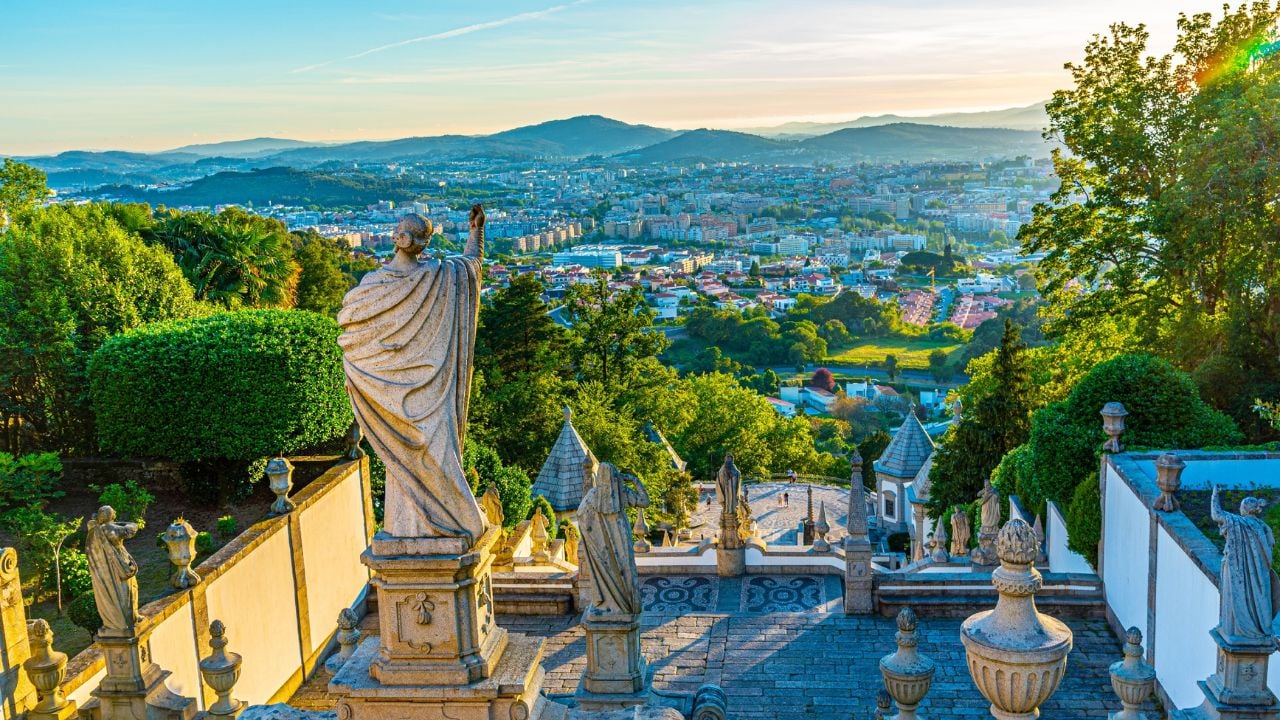
Then there is Bom Jesus do Monte. This is the part of Braga you should not squeeze in like a quick extra stop. The sanctuary sits above the city on Mount Espinho, and the climb is part of the experience. The staircase rises through chapels, fountains, statues, and terraces, with views getting better each time you turn around.
UNESCO describes Bom Jesus do Monte as a cultural landscape overlooking Braga, developed over more than 600 years. You do not need to know all of that history to enjoy it, but it helps explain why the place feels bigger than a normal viewpoint.
Back in the center, keep the evening simple. Find dinner, order vinho verde, and walk a little after dark when the streets are calmer. Braga is not a city that needs to shout at you. Give it one weekend, one good climb, and one slow meal, and it does the job beautifully.
2. Maastricht, Netherlands
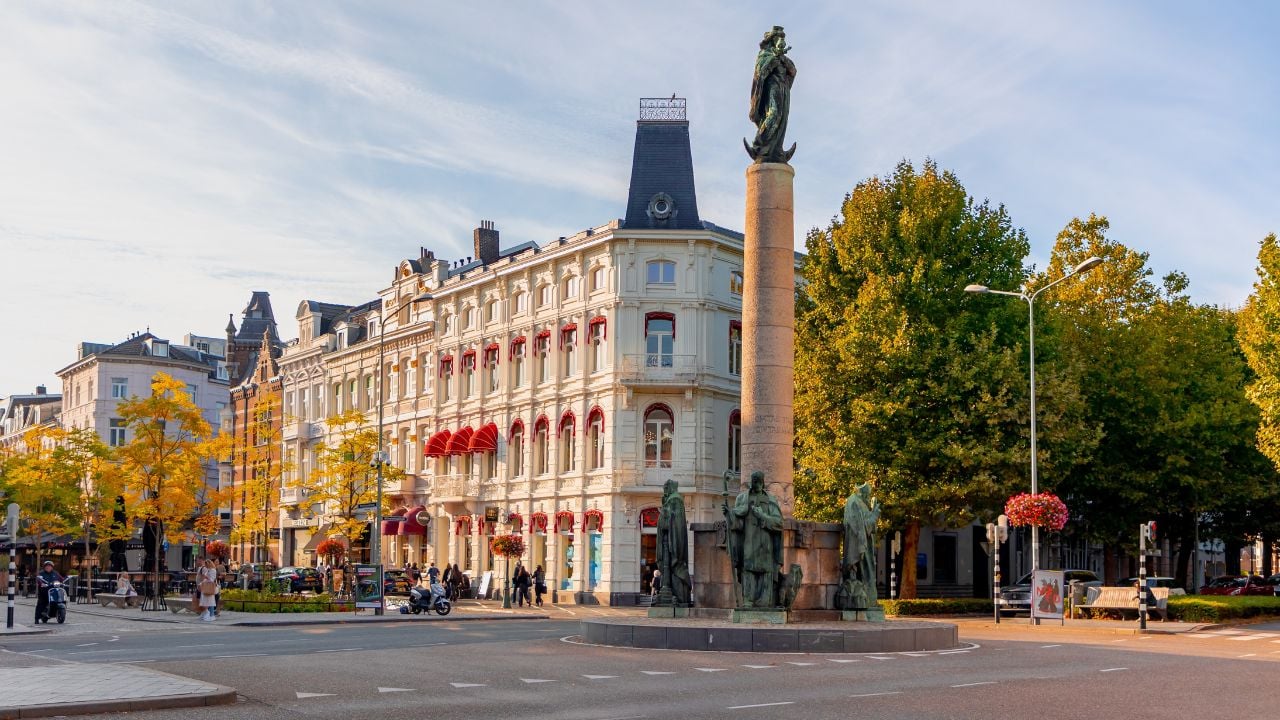
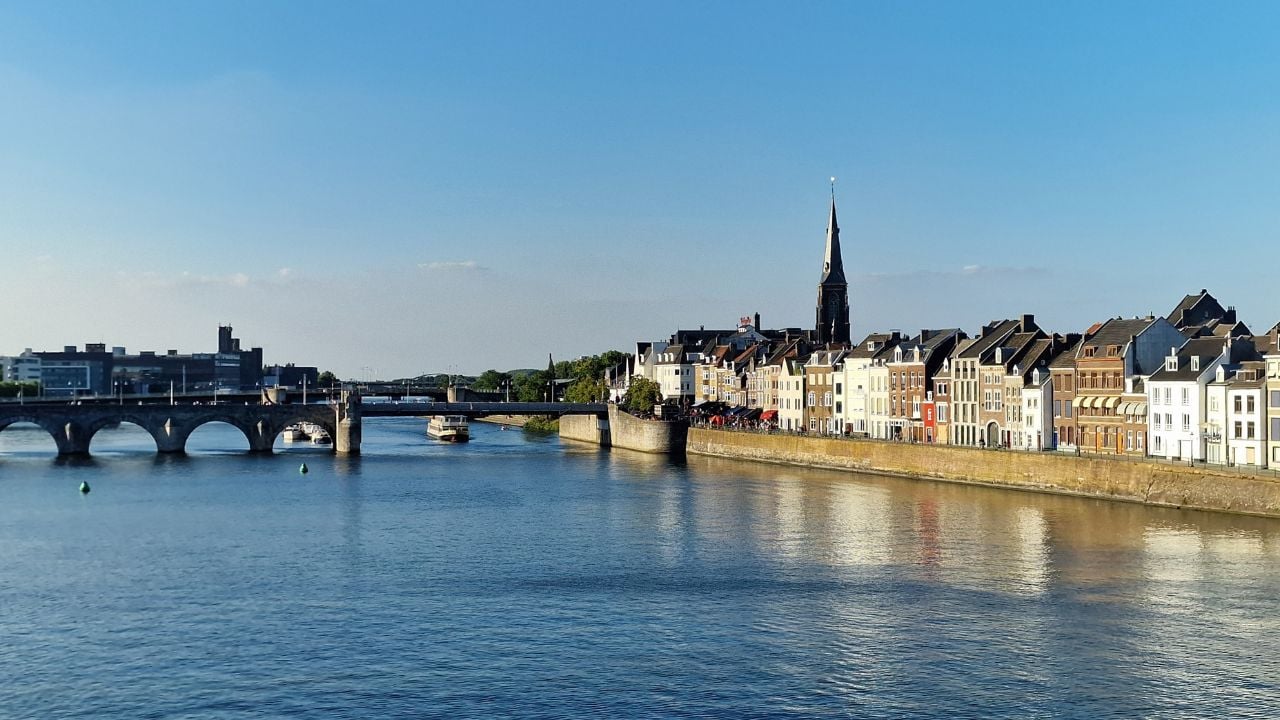
Maastricht does not look like the Dutch city many first-time visitors imagine. There are no postcard canals doing all the work for you. Instead, you get stone streets, church squares, the Meuse River, café terraces, and a city center that feels older and more southern than Amsterdam or Rotterdam.
Start around the Vrijthof, where the Basilica of Saint Servatius and the surrounding terraces make it easy to lose the first hour. This is not the kind of square where you need a complicated plan. Sit down, order coffee, look at the buildings, and let the city introduce itself slowly.
After that, cross toward Wyck. The walk over the river changes the mood without asking much from you. One side gives you the historic center and big squares; the other brings quieter streets, shops, restaurants, and the feeling that local life has not been pushed out by visitors.
Maastricht also has one of the better surprises for a weekend trip: you can go underground. Maastricht Underground runs guided tours through caves, Fort Sint Pieter, casemates, and other underground locations. It is a good break from the pretty-street-and-terrace routine, especially if you want one experience that feels different from a normal city walk.
If the weather turns, the Bonnefanten is an easy cultural stop, with old masters, modern art, and contemporary exhibitions inside its distinctive Aldo Rossi-designed building. That is enough for a full weekend: one good square, one river walk, one underground tour, one museum, and plenty of time left for dinner.
3. Brno, Czechia

Brno is a good choice when you want Czech streets, cafés, beer, trams, and old buildings, but you do not want to spend the weekend moving through Prague crowds. It is big enough to keep you busy and small enough that you can understand the center without studying the map for half an hour.
Freedom Square is an easy first stop. Trams pass through, people cut across the square, and the surrounding streets give you cafés, bars, shops, and restaurants without making the city feel polished only for tourists. From there, you can walk toward Petrov Hill and the Cathedral of Saints Peter and Paul, whose towers are one of the city’s clearest landmarks.
Visit Czechia notes that the cathedral’s towers, together with Špilberk Castle, form the characteristic silhouette of Brno. That is useful when you are walking around for the first time. Look up, find the towers or the castle, and the city starts to make sense.
Špilberk Castle is worth the climb, not just for the building but for the view back over the city. It gives you that satisfying weekend-trip moment where the streets you just walked through suddenly line up below you. Do it earlier in the day if you want time afterward for a long lunch or a lazy beer.
Then Brno changes direction completely with Villa Tugendhat. UNESCO calls it a pioneering work of modern 20th-century residential architecture, and it really is a different kind of stop from the castle and cathedral. Clean lines, open space, modern design, and the story of one house give the weekend a sharper edge than you might expect from a simple Czech city break.
4. La Rochelle, France
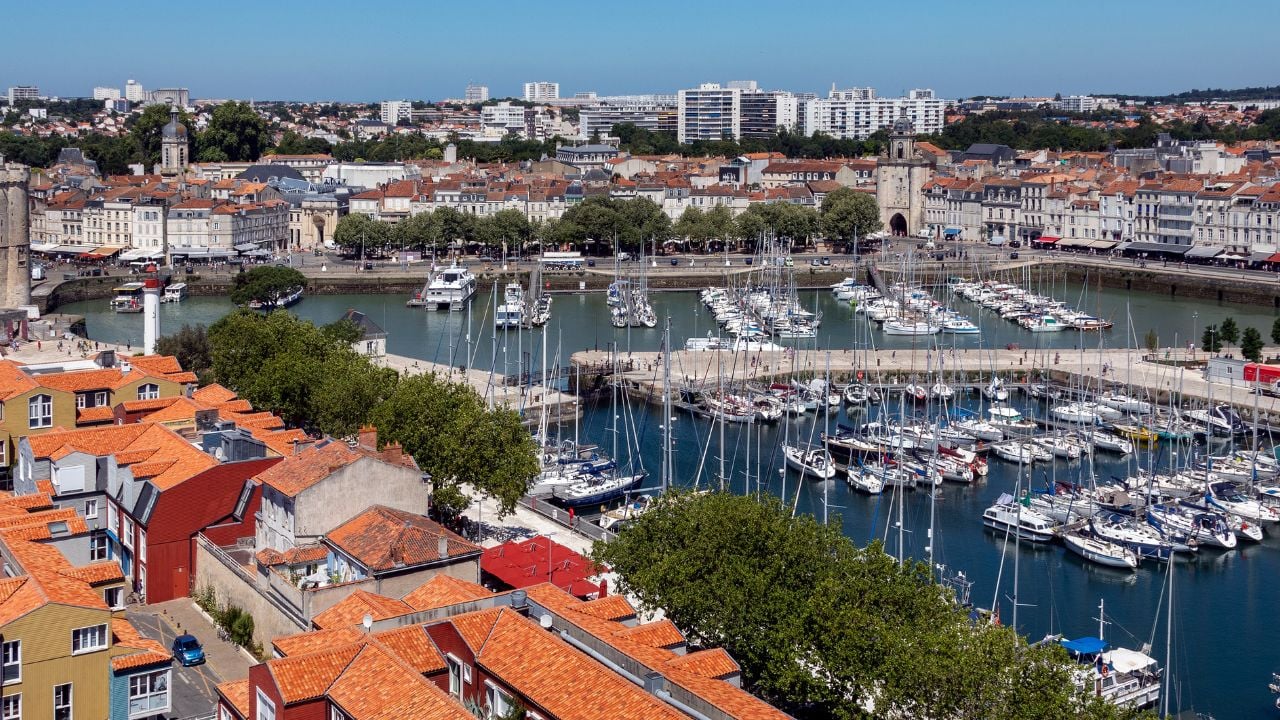
La Rochelle does not need a long introduction. You arrive near the Old Port, see the stone towers standing over the boats, smell seafood coming from the terraces, and suddenly the weekend already makes sense. Walk a little, eat something from the sea, come back when the evening light hits the harbor. That is half the trip right there.
The Old Port is the place to start because the city seems to gather around it. Boats move in the water, people sit along the quays, restaurant terraces fill around lunch, and the pale stone buildings catch the Atlantic light in a way that makes even a short walk feel like part of the vacation.
The famous towers are not just background decoration. The official monument site says the towers of La Rochelle are remnants of medieval maritime fortifications. Saint-Nicolas, la Chaîne, and la Lanterne still frame the old harbor, and they give the waterfront the kind of drama most coastal towns would love to have.
The plan should stay simple here. Spend the morning around the harbor, move into the arcaded streets, stop for oysters or a casual seafood lunch, then return toward the water later in the day. La Rochelle is especially good when you do not overpack the schedule. The port, the towers, the old streets, and the food already carry most of the weekend.
If you want to stretch the trip, the local tourism office points visitors toward cycling, culture, gastronomy, and practical services across La Rochelle and the surrounding area. But for a short stay, do not make it complicated. The harbor is the reason you came, and it deserves more than one pass.
5. Tartu, Estonia
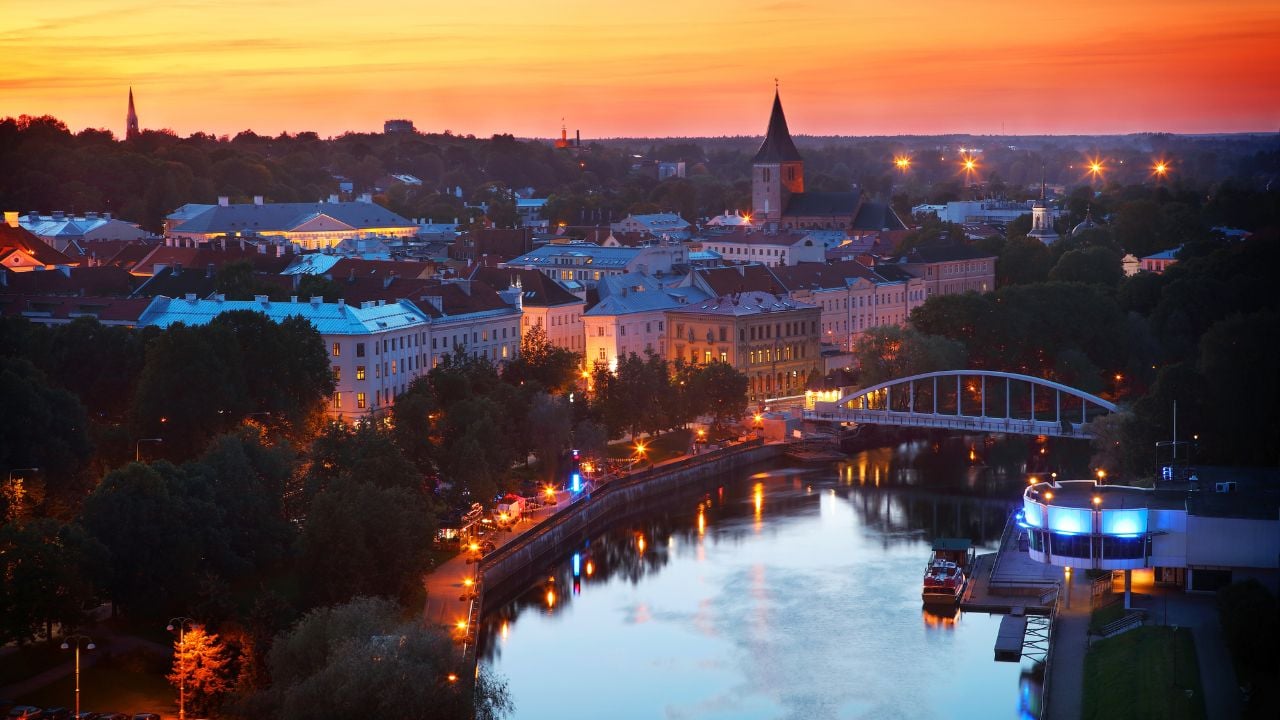
Tartu is small, but it is not empty. Start near Town Hall Square, where the pastel buildings, café tables, and the “Kissing Students” fountain give you an easy first stop. You can take a photo, sit for coffee, and still have most of the center within walking distance.
The university is not just a fact for the guidebook. You notice it in ordinary things: students crossing the square with backpacks, bikes locked outside cafés, bookshops, laptop screens in windows, and bars that do not go quiet the moment dinner is over. It feels like a place where people actually live and study, not a city center kept only for visitors.
Walk toward the Emajõgi River and the pace changes again. The streets open up, the water cuts through the city, and the weekend starts to feel less like sightseeing and more like being somewhere new for a couple of days. That is the best way to use Tartu: do not rush from sight to sight. Let the square, the river, and the university area take up time.
Toome Hill is another good piece of the day. It gives you paths, trees, old university buildings, and viewpoints without turning the afternoon into a serious hike. From there, you can drop back down toward the center for a museum, dinner, or another coffee because the city never makes you travel far for the next thing.
Tartu and Southern Estonia held the European Capital of Culture title in 2024. You do not need to build the whole weekend around that, but it is a useful sign of what kind of city this is: small on the map, serious about culture, and much better than a quick glance suggests.
6. Parma, Italy

Parma is dangerous for anyone who says they are only going away for “a light weekend.” The city is elegant and calm, but food is everywhere: deli windows, cheese shops, prosciutto, filled pasta, wine, and restaurant menus that make a quick lunch sound like a bad idea.
Start in Piazza Duomo. The cathedral and baptistery give Parma its postcard moment, with stone, frescoes, and one of those Italian squares that makes you slow down without thinking too much about it. It is a good first stop before the city pulls you toward food, which it absolutely will.
Italy’s national tourism site highlights Parma for art, music, food and wine traditions, cultural sites, and nightlife. That sounds broad, but on the ground it is simple: see the cathedral, walk the center, look into the food shops, then choose lunch carefully because this is not the place to waste a meal.
The food reputation is not just travel talk. UNESCO lists Parma as a Creative City of Gastronomy, and Parma Welcome connects that identity to protected products such as Prosciutto di Parma DOP and Parmigiano Reggiano DOP.
For a short stay, that is more than enough. A cathedral square in the morning, a slow lunch, a shop window full of local specialties, and an evening walk through the center can make Parma feel much bigger than its size. Just do yourself a favor and do not arrive full.