There is something especially powerful about a car that arrives at the end of a bloodline. First models usually get the headlines, because they promise a new future. Last models often carry a different kind of weight.
They are the final expression of an idea that once felt permanent, whether that idea was a big American V8 sedan, a naturally aspirated German supercar, or a proper front engine Jaguar sports car. In the last few years, the industry has said goodbye to several machines like that, and the result is a group of cars that already feel bigger than their production numbers. They mark the point where an era stopped being current and started becoming history.
That is what makes this kind of article more interesting than a simple farewell list. These cars matter because each one closed a real chapter. Some ended a layout. Some ended an engine philosophy. Some ended a brand tradition that had survived for decades. The six below all fit because they did more than wear a final edition badge.
Each one stood at the edge of a change the industry could no longer avoid, and each one now feels like a marker for something the market used to make room for more often.
What Qualifies A Car For This List
For a car to belong here, it had to be more than the final production year of a familiar nameplate. That alone is not enough. The stronger standard is this: the car needed to represent the last meaningful version of a specific automotive idea.
That could mean the final naturally aspirated V10 supercar from a major brand, the final Chrysler V8 sedan, the final internal combustion Jaguar sports car, or the final Korean fastback sport sedan that genuinely chased the German establishment. In other words, this list is about endings you can actually feel from behind the wheel, not just endings recorded in an archive.
I also focused on cars that closed their chapters with conviction. A weak final model rarely becomes memorable. The right farewell car usually sharpens the qualities that made the line worth caring about in the first place. That is why the list leans toward machines with big engines, distinct layouts, bold identities, and a clear sense of purpose.
They were not apologizing for what they were. They were celebrating it one last time, and that is exactly what gives them their staying power now.
Dodge Challenger SRT Demon 170
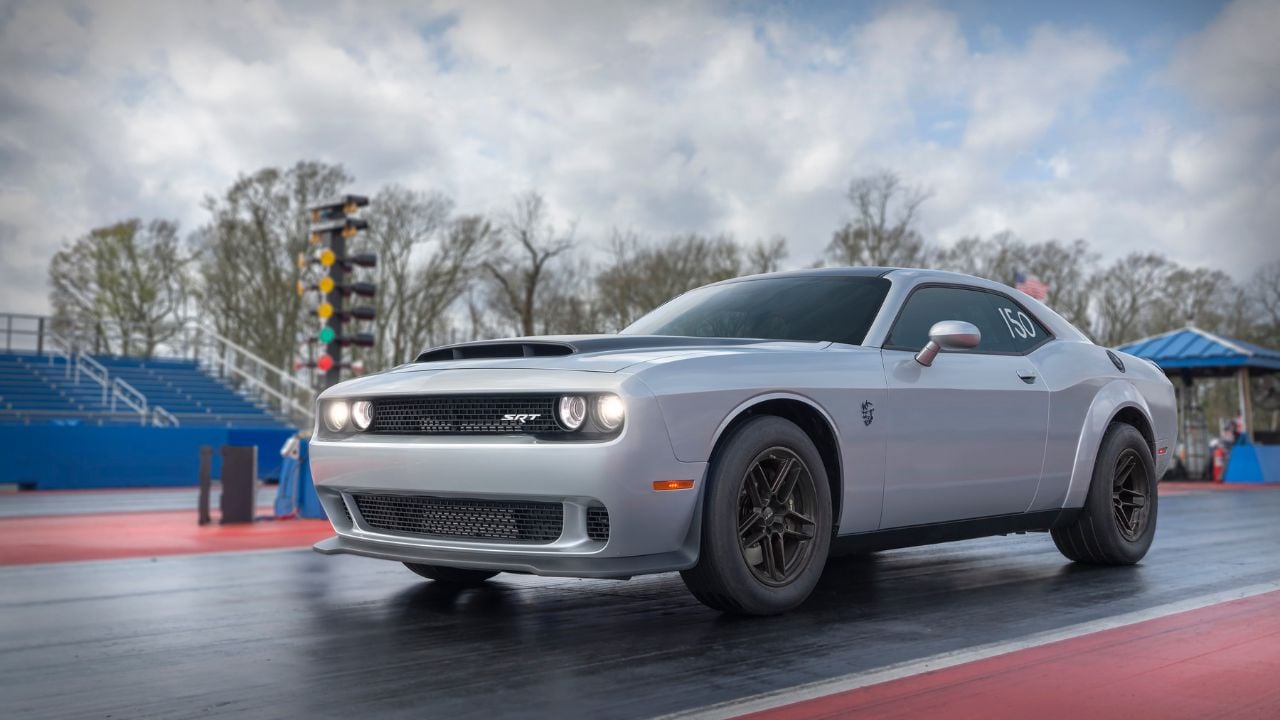
The Demon 170 was never going to leave quietly. Dodge launched it as the seventh and final 2023 Last Call special edition for the Brampton built Charger and Challenger family, and then made sure the specs felt suitably outrageous.
On E85, the supercharged 6.2 liter HEMI V8 delivered 1,025 hp and 945 lb ft of torque, with Dodge claiming a 1.66 second run to 60 mph. That sort of number almost feels cartoonish, yet it is exactly why the car fits this list so well. The Challenger had always been the most theatrical of the modern American muscle coupes, and the Demon 170 pushed that personality to its absolute limit.
What makes it the last of its kind is not simply that the Challenger ended. It is the way it ended. This was the final, unapologetic expression of the giant two door HEMI muscle coupe as Dodge had defined it in the modern era. There was no attempt to soften the message or modernize the formula into something safer and more polite.
The Demon 170 simply doubled down on drag strip violence, absurd power, and the kind of American excess that only made sense because the clock was about to run out. That clarity gives it real historical weight. It was the end of an age, and Dodge made sure everyone heard it.
Audi R8 GT
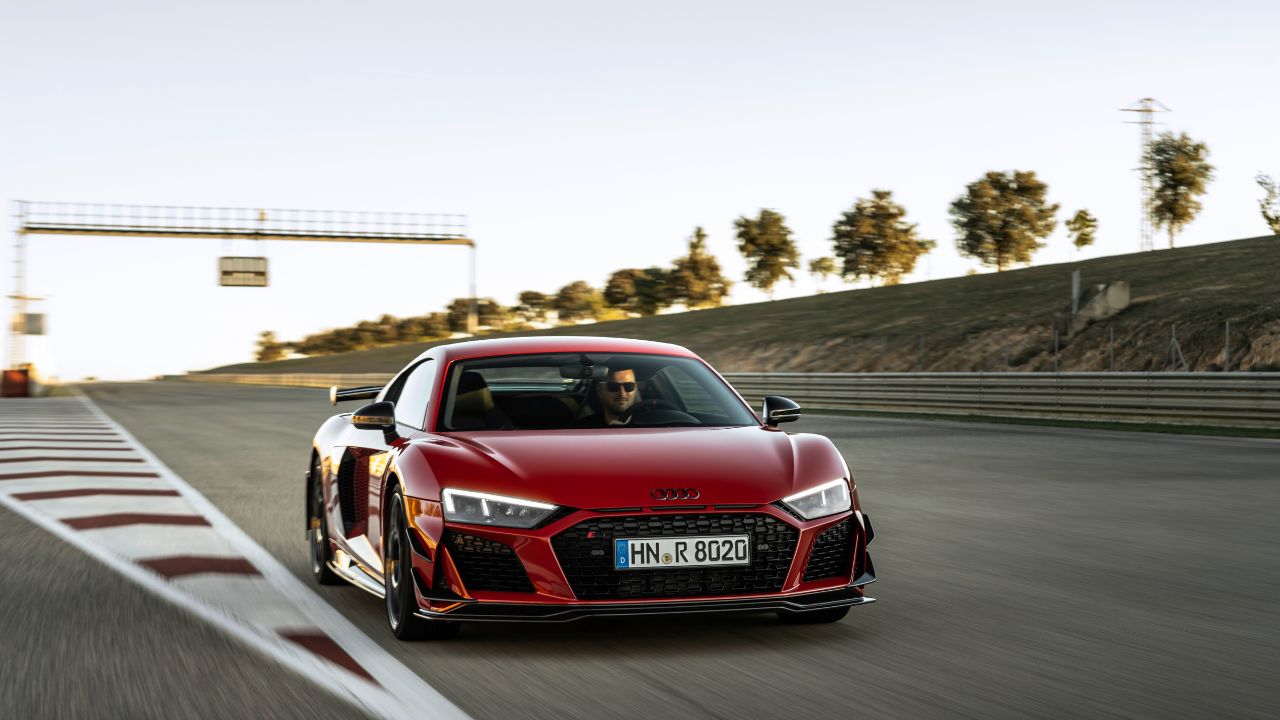
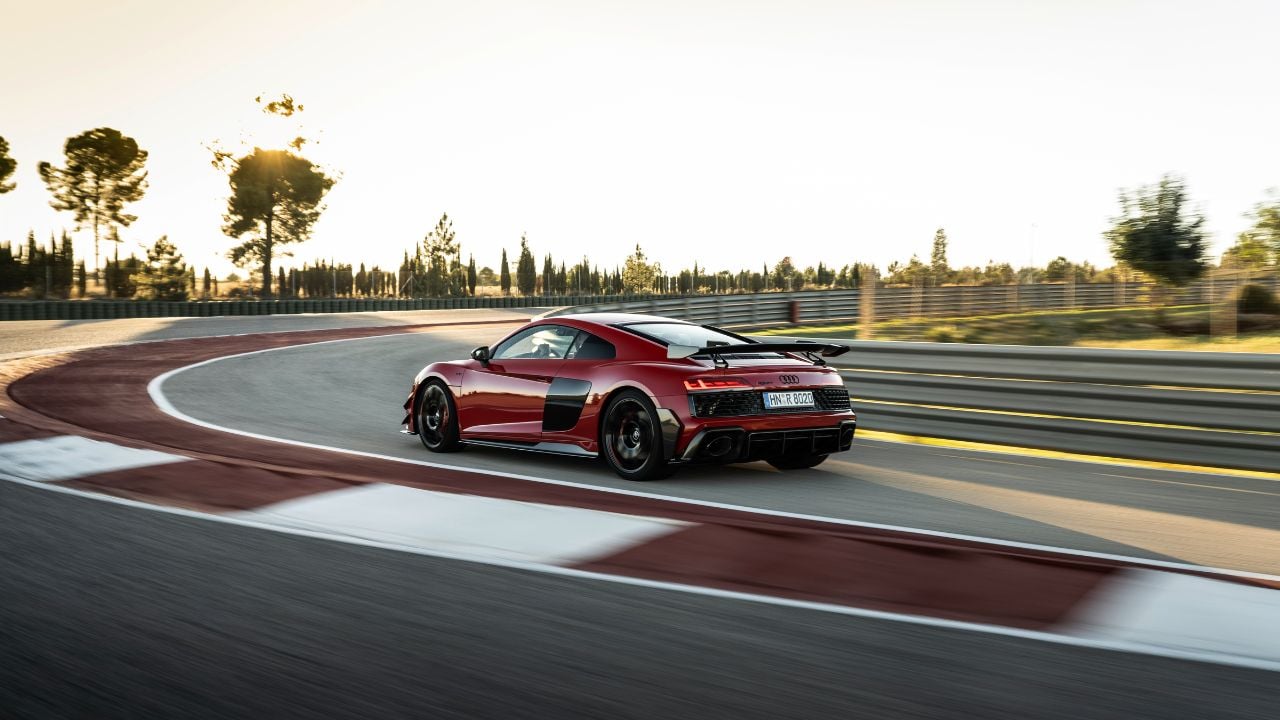
The Audi R8 always had an unusual place in the supercar world. It came from a brand better known for all weather sedans and tech heavy luxury cars, yet it delivered a mid engine layout, a proper exotic silhouette, and eventually one of the great naturally aspirated V10s of the modern era.
By the time the final R8 GT arrived, Audi had distilled that formula into something even more focused. The rear wheel drive GT made 602 hp from its 5.2 liter naturally aspirated V10, and Audi said 2023 would be the final model year for the R8 in the United States. Production of the model ended in March 2024, closing one of the most distinctive chapters in Audi’s history.
That makes the R8 GT the last of its kind in several ways at once. It was the final Audi halo supercar, the final naturally aspirated V10 road car from the brand, and one of the last big name supercars that still felt rooted in old school mechanical drama rather than hybrid strategy.
The R8 spent years being praised for its usability, but that almost undersold its deeper appeal. At its best, especially in late rear drive form, it was an exotic that still felt honest. The last GT captured that honesty beautifully. It did not try to reinvent the idea. It simply sharpened the parts people loved and let the V10 take a final bow with nothing in the way.
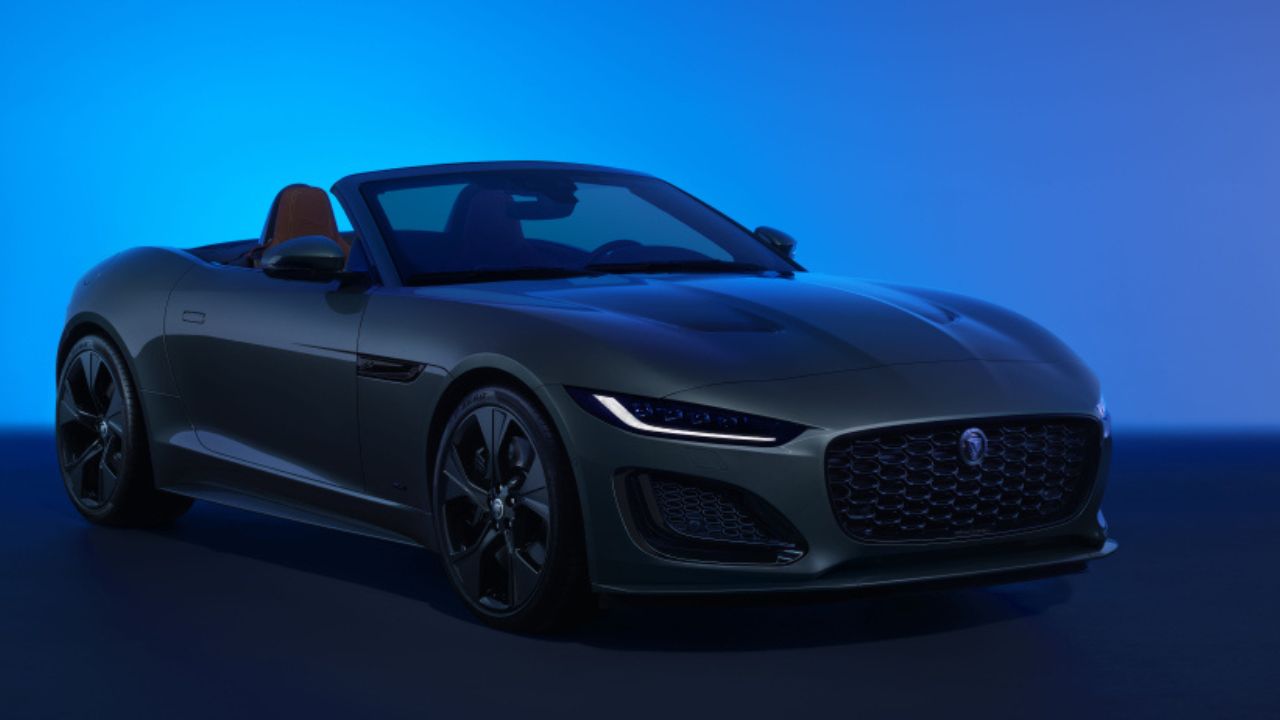
Jaguar F-Type R75
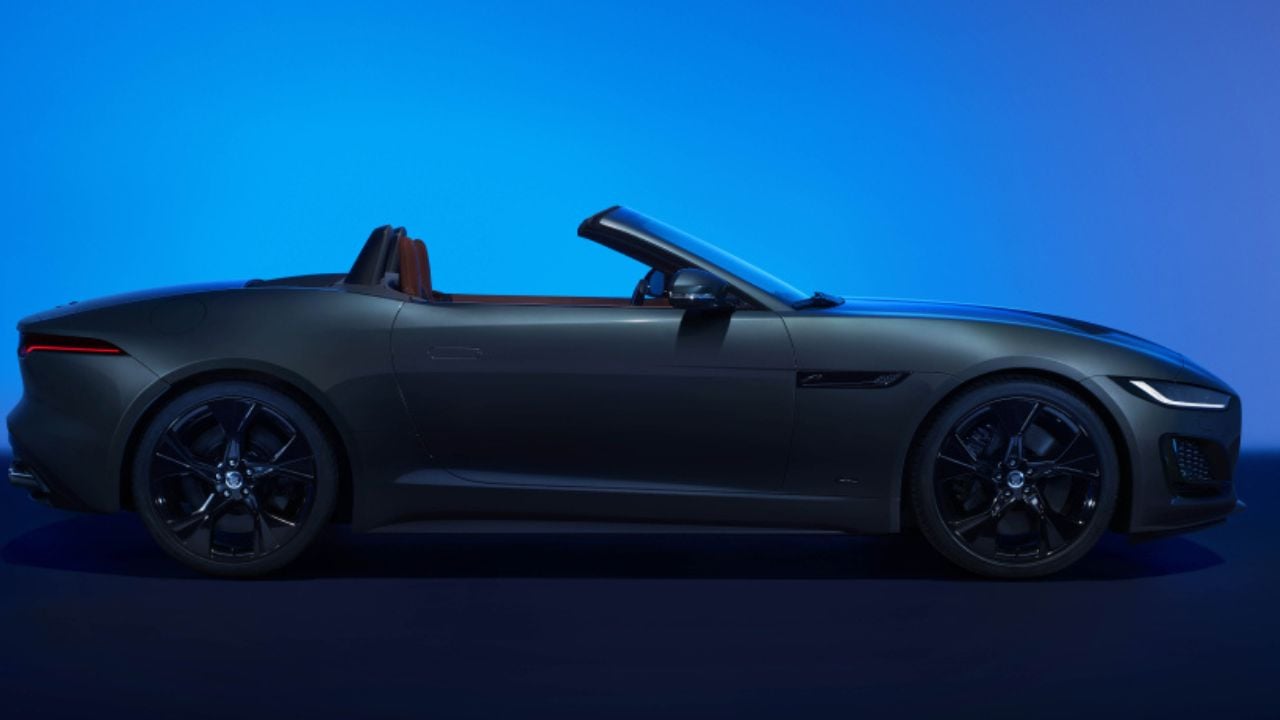
The F-Type already carried a heavy burden when it launched, because every Jaguar sports car ends up being measured against ghosts like the E-Type. Yet over time, the F-Type grew into something stronger than nostalgia bait. In final form, especially as the F-Type R75, it became a handsome, forceful, front engine two seater powered by a supercharged 5.0 liter V8 with up to 575 hp.
Jaguar’s own final model year messaging made the car’s role unmistakable. The 2024 F-Type celebrated 75 years of Jaguar sports cars, and the company stated clearly that it marked the final time a Jaguar sports car would be offered with an internal combustion engine. Production then wound down at Castle Bromwich as Jaguar prepared for a new electric era.
That gives the F-Type an importance that goes beyond its sales numbers. This was the final traditional Jaguar sports car, meaning a low slung front engine coupe or convertible built around sound, proportion, and a sense of occasion. It closed a lineage that reached back through the XK line and the E-Type to some of the most romantic British performance cars ever made.
The F-Type never tried to be delicate. In V8 form, it was muscular, loud, and a little wild, which turned out to be a very fitting way for Jaguar to leave the genre. The last Jaguar sports car was not timid, and that feels exactly right.
Chrysler 300C
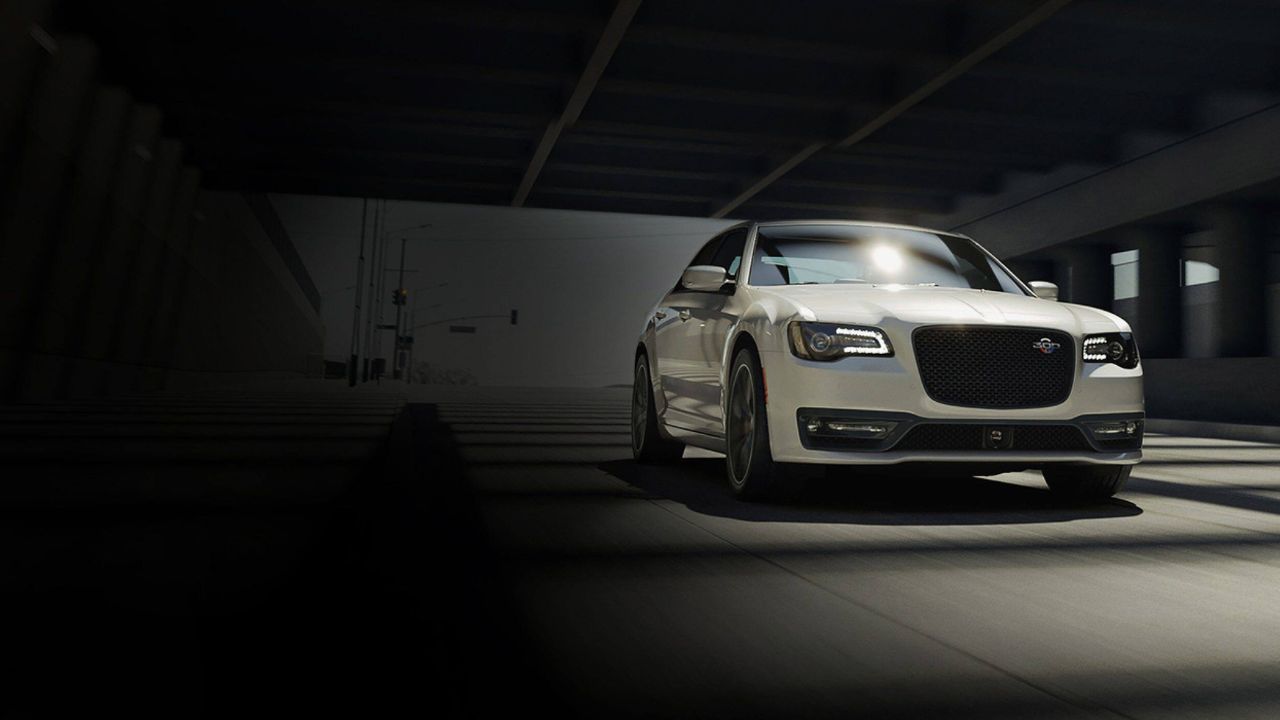
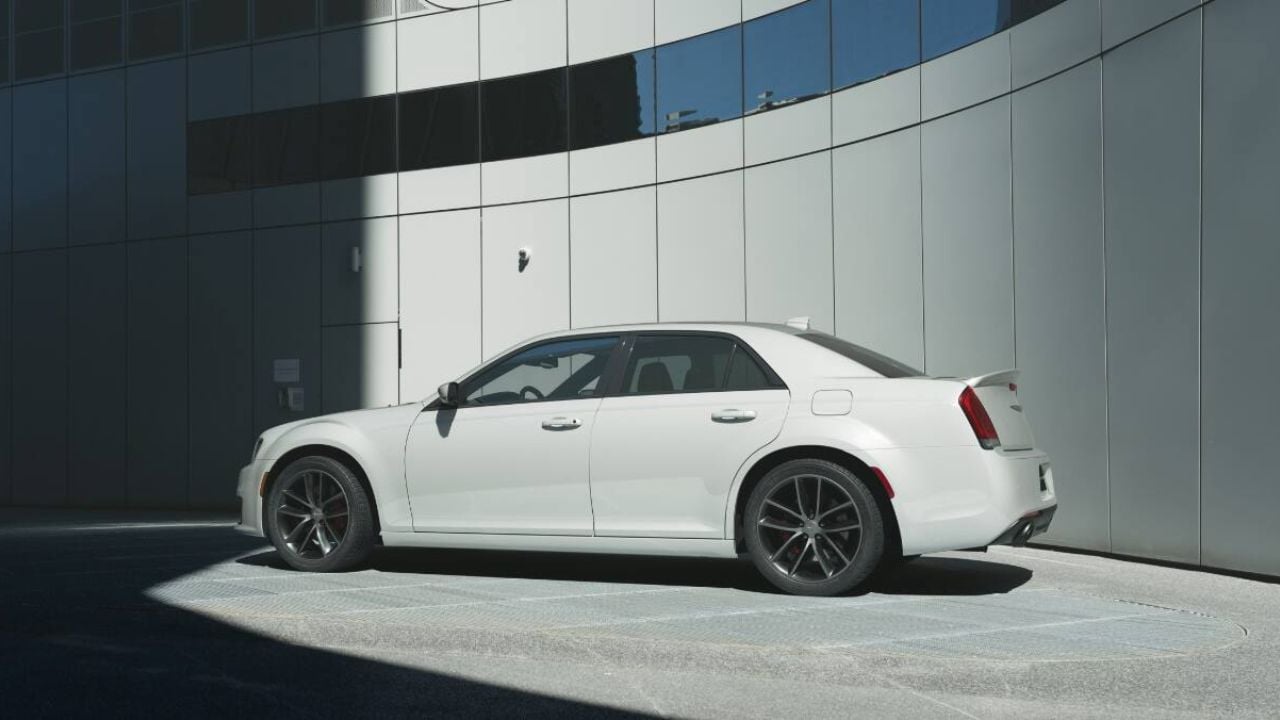
The final Chrysler 300C felt like a car from a different timeline, which is exactly why it belongs here. Chrysler brought it back for 2023 with the 6.4 liter HEMI V8, rated at 485 hp and 475 lb ft of torque, then made it clear that the model was both a tribute to the 300’s past and a sign that production would end after the 2023 model year.
When the final 300C rolled off the line at Brampton, it took with it one of the last genuinely old school American sedan formulas still offered by a mainstream domestic brand.
The reason the 300C matters is not that it was perfect. It is that almost nobody else was still building something with this much swagger and this little shame. Big body, big V8, rear drive architecture, blunt styling, and a sense that a sedan could still be about presence as much as efficiency.
For years the 300 occupied a strange but valuable place in the market, serving buyers who wanted a full size American car with some attitude left in it. The final 300C pushed that idea to its cleanest modern form. It did not arrive pretending to be the future. It arrived as a reminder of what the large American sedan used to stand for, and then it left before the market could ask it to become something else.
Kia Stinger Tribute Edition
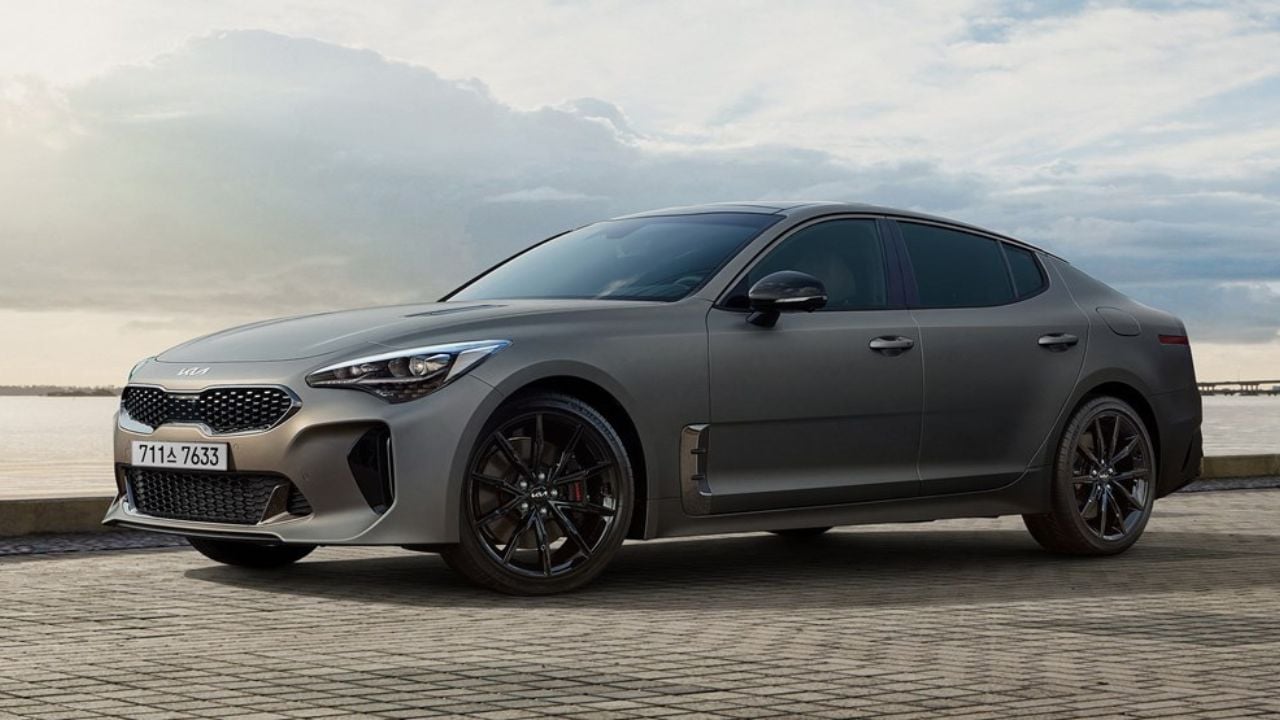
The Stinger was the car that changed the way a lot of people talked about Kia. When it debuted, the brand was still not supposed to build something like this: a stylish fastback sport sedan, front engine, rear or all wheel drive, with a twin turbo V6 and a genuine desire to bother German rivals.
By the time the 2023 Stinger Tribute Edition arrived, Kia itself framed the moment as the end of an era. The Tribute Edition marked the end of the Stinger’s six year production run, and it built on the GT2’s 3.3 liter twin turbo V6, good for 368 hp and 376 lb ft. It also closed the career of Kia’s first enthusiast-oriented sport sedan built around rear- or all-wheel drive, and the brand’s boldest attempt to take a direct swing at the German establishment.
That is why the Stinger feels like the last of its kind in a way few people expected when it first launched. It was Kia’s boldest attempt to prove that the brand could build a true enthusiast flavored grand touring sedan without leaning on old luxury tricks or apologizing for the badge.
The fastback shape, the rear drive character, and the big V6 all gave it an identity that stood apart from ordinary midsize transportation. That kind of risk has become harder to justify in the current market, which is exactly what gives the Stinger its meaning now. It was not just a good Kia. It was the last Kia that tried this exact kind of ambitious, slightly rebellious performance experiment.
Lexus RC F Final Edition
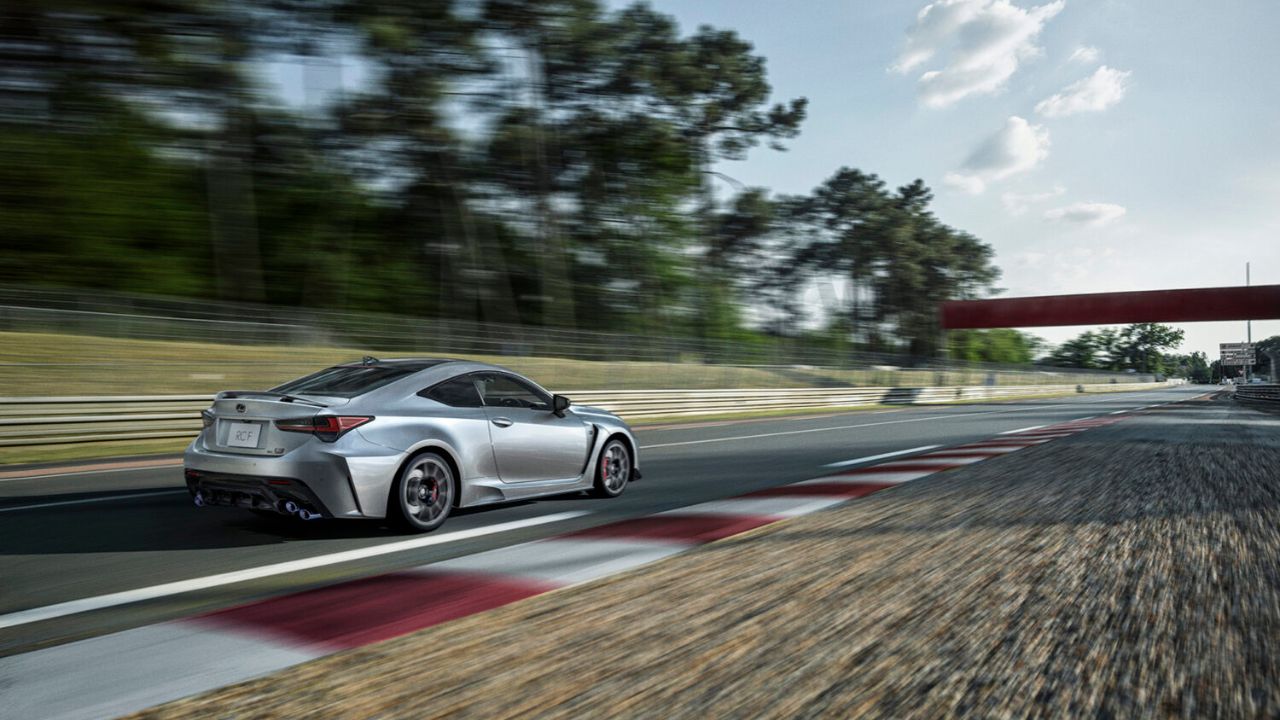
The RC F never lived in the center of the conversation the way German rivals often did, but that may become part of its charm in hindsight. For 2025, Lexus announced that the RC and RC F would be discontinued at the conclusion of the model year, giving the high performance coupe a final mono spec sendoff as the RC F Final Edition.
That final version kept the car’s defining feature, a naturally aspirated 5.0 liter V8 producing 472 hp, along with the big Brembo brakes, adaptive suspension, and GT3 flavored stance that had always made the RC F feel like a little more than a standard luxury coupe with a loud engine.
What makes the RC F the last of its kind is the combination of things it represented. It was the final F branded Lexus coupe, one of the last naturally aspirated V8 luxury performance coupes from Japan, and a rare example of a modern premium car that still believed in revs, displacement, and mechanical character over turbocharged efficiency.
That gave it a slightly stubborn quality, which only makes it more interesting now. Lexus let the RC F leave the stage still sounding like itself, still using the engine that defined it, and still refusing to become a smaller, more efficient imitation of something else. In a market that keeps simplifying performance into numbers and software, that sort of old fashioned conviction feels increasingly valuable.
Why These Cars Matter More With Time
The cars on this list all share one quality that the market rarely rewards in the moment: they committed fully to an idea. None of them feels half hearted in hindsight. The Challenger embraced excess.
The R8 protected the naturally aspirated supercar. The F-Type carried Jaguar’s sports car bloodline to its combustion finale. The 300C defended the big American sedan. The Stinger proved a Korean brand could take a serious swing at the sport sedan class. The RC F kept the naturally aspirated Lexus performance coupe alive to the very end.
That is why “last of their kind” cars tend to age so well in the imagination. They are not just discontinued products. They are the final complete sentences in stories the industry may never write the same way again. Some replacements will be quicker.
Some will be cleaner. Some will even be better in measurable ways. Yet these six will keep mattering because they were the closing argument for ideas people still care about deeply. And a strong closing argument has a way of lingering long after the room goes quiet.