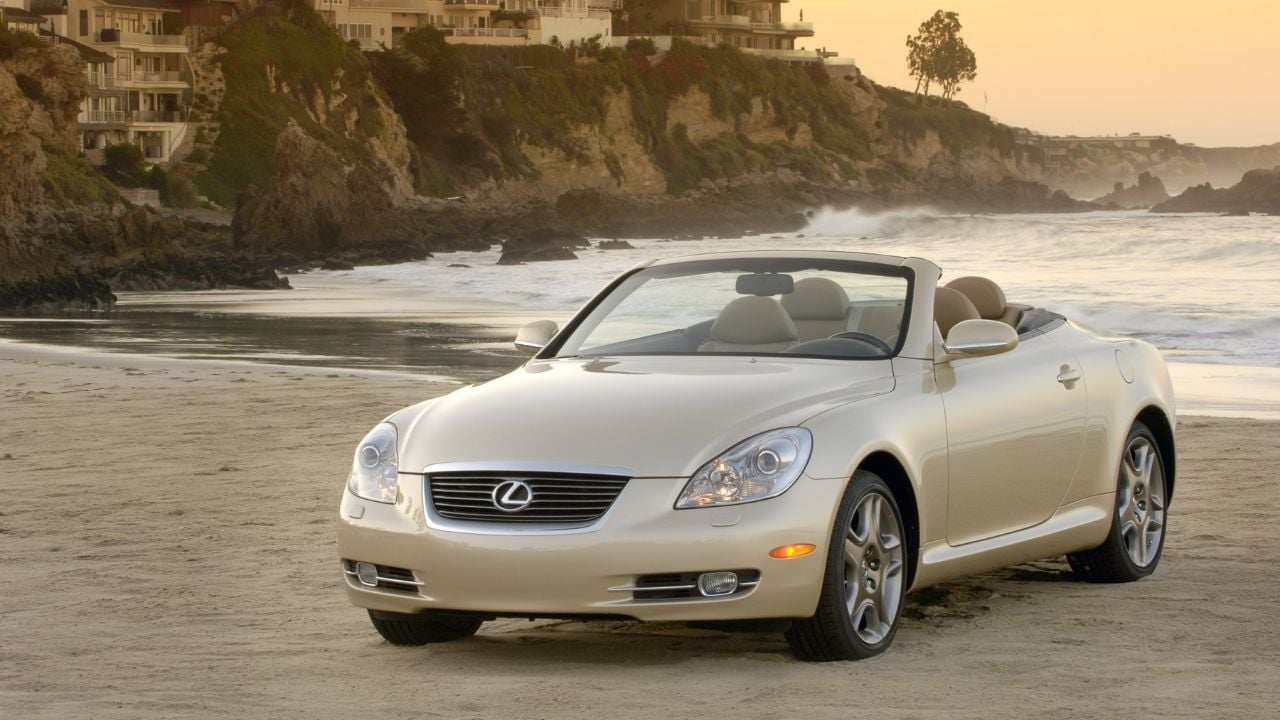
Warm weather changes the way people shop for older cars. A coupe may look tempting in February, but by late spring, a clean convertible with the right color, service history, and ready-to-drive feel can suddenly look much harder to ignore.
The better values usually sit below the obvious collector names. Not air-cooled 911s, early Thunderbirds, or perfect E-Types, but newer roadsters and grand-touring convertibles that still deliver open-air character without trophy-car pricing.
Price still matters. The wrong convertible is the one that looks cheap in March and needs a soft top, tires, cooling work, and an electrical chase by June. A sunny weekend car only feels like a deal when it is already sorted enough to enjoy.
These five convertibles stand out for buyers who want something recognizable, usable, and still reachable before the best warm-weather listings get picked over. Each one has a clear reason to care, a real driving personality, and enough seasonal appeal to make late-spring shopping feel urgent.
Porsche Boxster 986
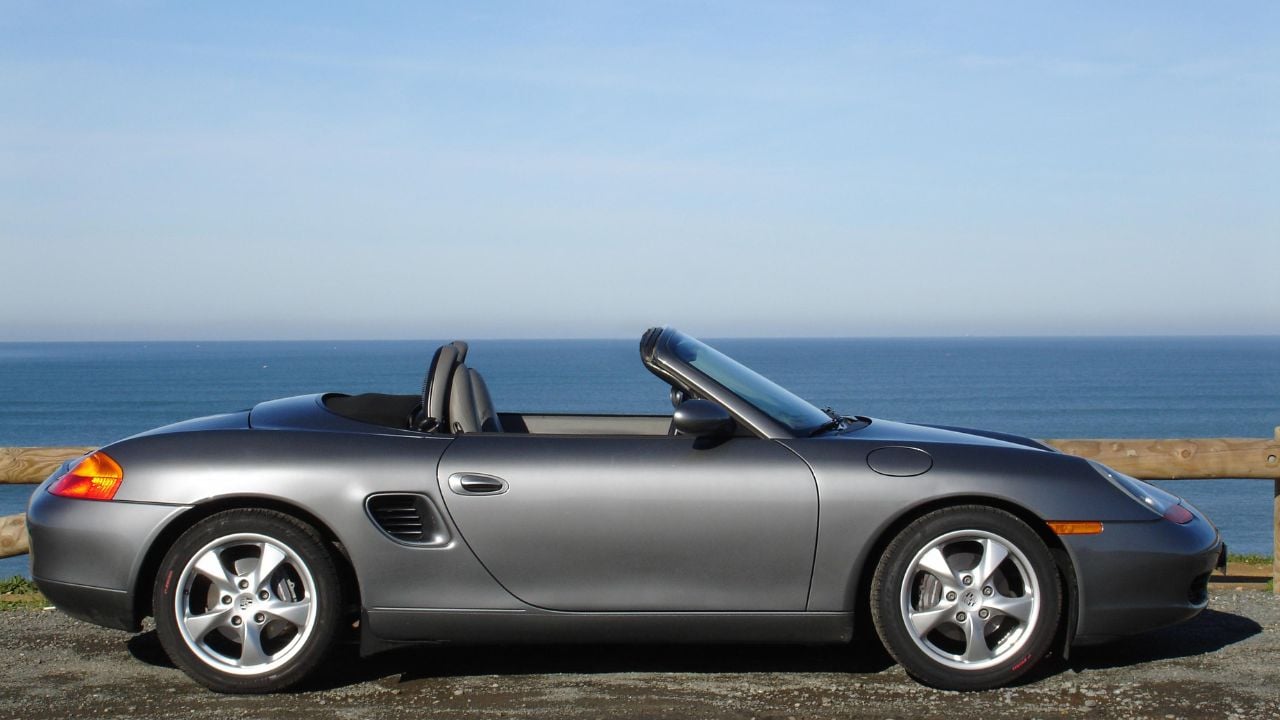
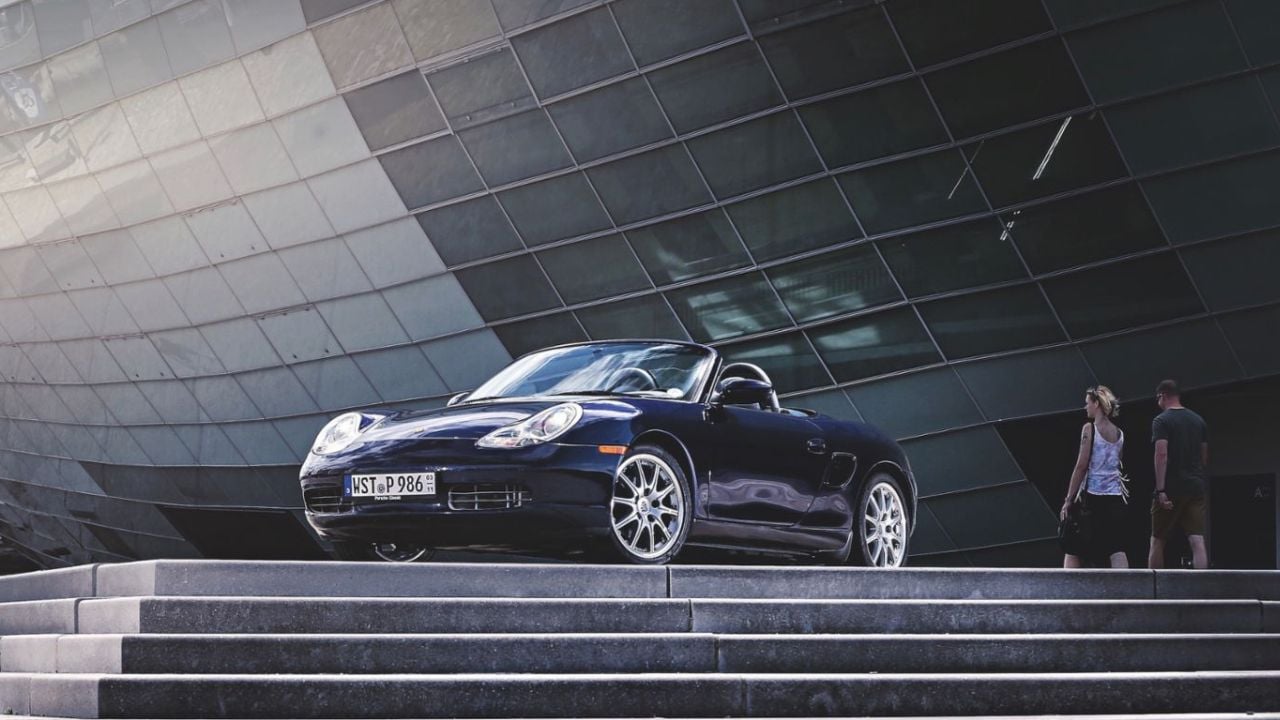
The first-generation Porsche Boxster has moved from cheap used Porsche to legitimate modern classic. It brought mid-engine balance, flat-six sound, open-air driving, and real Porsche steering to buyers who could never reach 911 money.
Classic.com lists the 986-generation Boxster market around the mid-$15,000 range on average. That keeps the early Boxster in a very different price world from older 911s, even though the driving position, steering feel, and engine note still feel unmistakably Porsche.
The Boxster S is the version many shoppers watch first. Edmunds lists the 2003 Boxster S with a 3.2-liter flat-six rated at 258 hp and 229 lb-ft of torque, paired with a six-speed manual transmission and rear-wheel drive. Earlier 2000 to 2002 Boxster S models made slightly less power, but they still bring the bigger-engine character that separates the S from the base car.
A pre-purchase inspection is essential. Buyers should check service history, cooling-system work, clutch condition, top operation, oil leaks, and IMS-bearing documentation. A sorted 986 delivers a level of balance and road feel that many newer convertibles traded away.
BMW Z3 Roadster
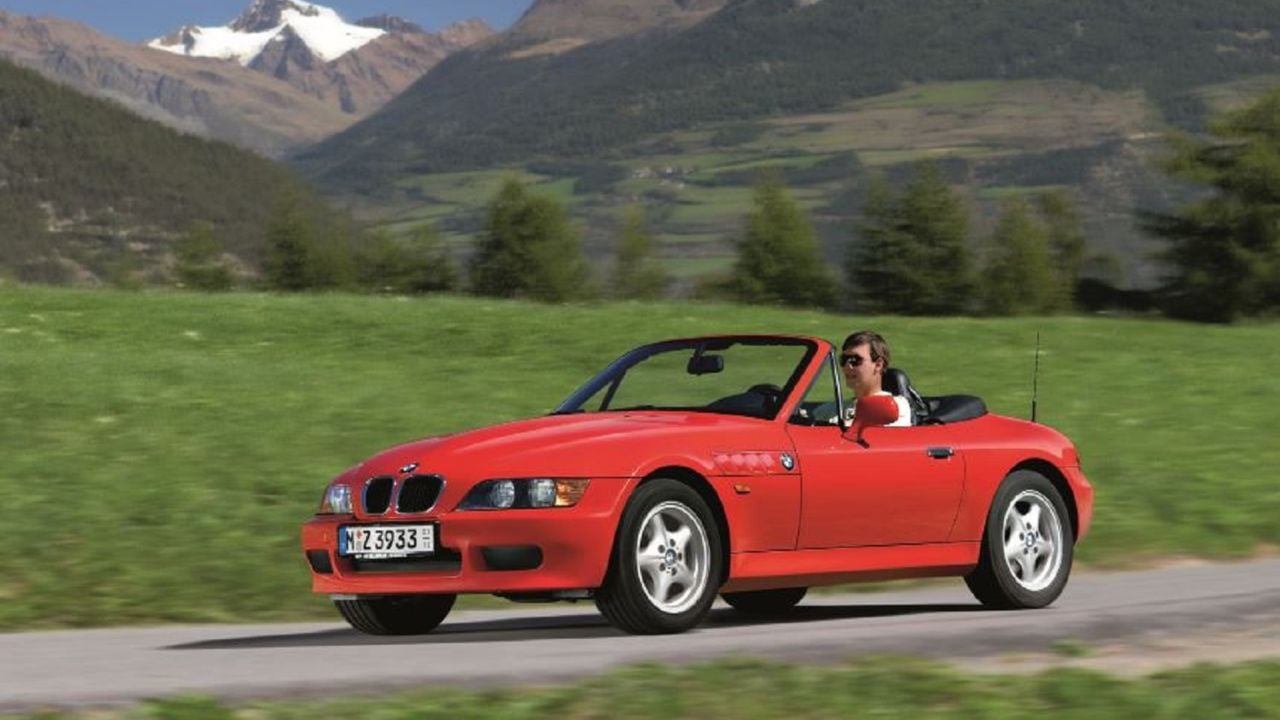
The BMW Z3 Roadster has aged into the kind of compact, analog convertible that feels better with time. It has a long hood, short rear deck, rear-wheel drive, simple controls, and enough BMW parts sharing to keep ownership realistic for careful buyers.
The six-cylinder cars are the stronger target. Edmunds lists the 1998 Z3 2.8 with a 2.8-liter inline-six rated at 189 hp and 203 lb-ft of torque, while the later 2001 Z3 3.0i raised output to 225 hp and 214 lb-ft. Those engines give the Z3 the relaxed pull and sound that make it feel more special than the four-cylinder versions.
Classic.com lists the Z3 2.8 Roadster market around the low-$12,000 range on average, while the broader Z3 Roadster market sits higher because it includes more desirable variants. That keeps the 2.8 especially interesting for buyers who want a real BMW roadster without jumping into M Roadster money.
The Z3 rewards buyers who choose condition over rarity. Look for cooling-system records, healthy suspension bushings, a dry trunk, working seat motors, good rear-window condition, and a soft top that seals properly. A clean six-cylinder Z3 gives drivers a charming summer roadster with real BMW character and fewer distractions than later luxury-heavy convertibles.
Lexus SC 430
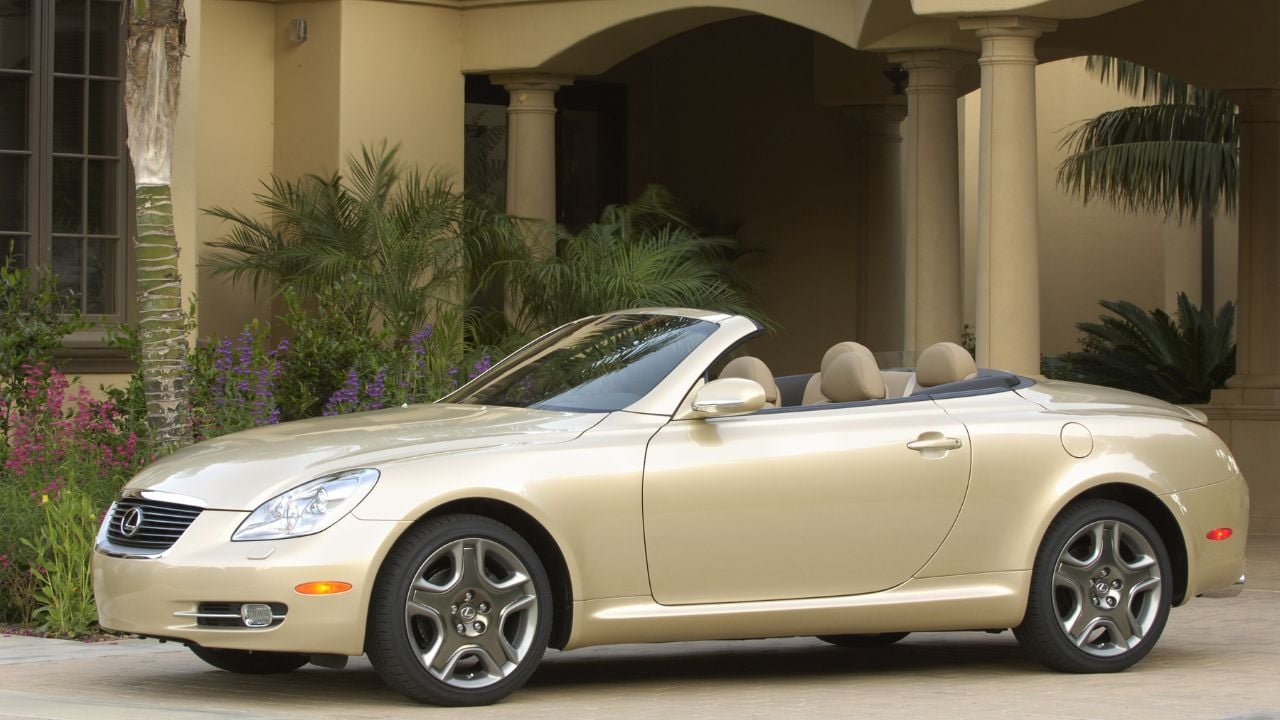
The Lexus SC 430 is finally getting a fairer look. Early criticism focused on styling and weight, but time has changed the conversation. Today, its retractable hardtop, smooth V8, rear-wheel-drive layout, rich cabin, and Lexus build quality give it a very different appeal from a sharp sports roadster.
The mechanical package is easy to understand. Edmunds lists the 2002 SC 430 with a 4.3-liter V8 rated at 300 hp and 325 lb-ft of torque, paired with a five-speed automatic and rear-wheel drive. Classic.com lists the SC 430 Z40 market around the low-$20,000 range on average.
The SC 430 is the relaxed choice here. It is built for sunset drives, highway miles, and quiet weekend trips rather than aggressive back-road work. Hagerty UK has also argued that the SC 430 works better when understood as a smooth grand tourer instead of a sports car.
Buyers should inspect the retractable hardtop mechanism, timing-belt history, suspension condition, interior wear, air conditioning, seat memory, and navigation electronics. A clean example with good colors can feel like a mature collector buy before the broader market fully agrees on what the SC 430 has become.
Pontiac Solstice GXP
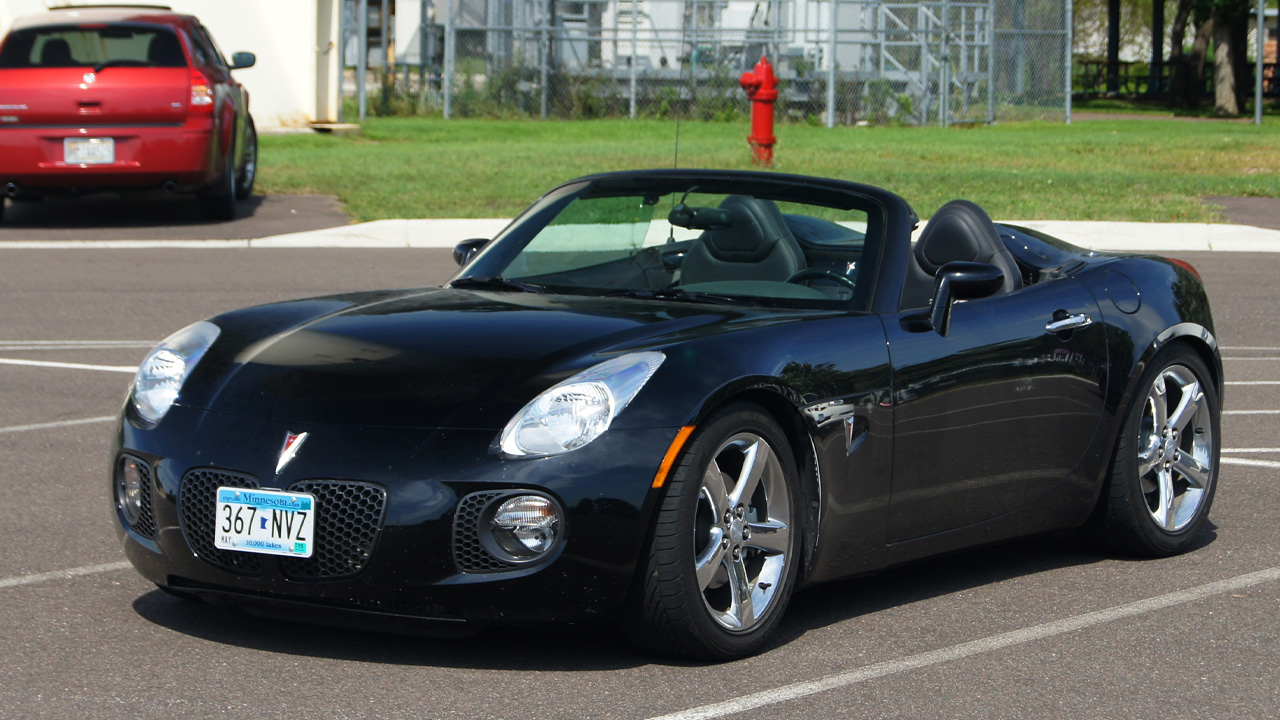
The Pontiac Solstice GXP has the right ingredients for a quietly interesting collector convertible. It came from a discontinued brand, used a dramatic two-seat roadster shape, offered a manual transmission, and packed real turbocharged performance into a small rear-wheel-drive package.
The GXP is the version to watch. KBB lists the 2008 Solstice lineup from 173 hp in the base convertible to 260 hp in the GXP and SCCA T2 Champion Edition models. Classic.com lists the broader Pontiac Solstice market around the mid-$16,000 range on average, though clean GXP cars and special editions can move well beyond ordinary base-roadster money.
The Solstice is not as easy to live with as a Miata or Boxster. Its small cabin, limited cargo space, and fussy soft top make it more of a weekend toy, but those quirks also help clean GXP examples feel more distinctive today.
A clean GXP with a manual transmission, original body panels, unmodified engine hardware, and careful maintenance history gives collectors something modern enough to use and unusual enough to stand apart from the usual Miata and Boxster crowd.
Ford Thunderbird
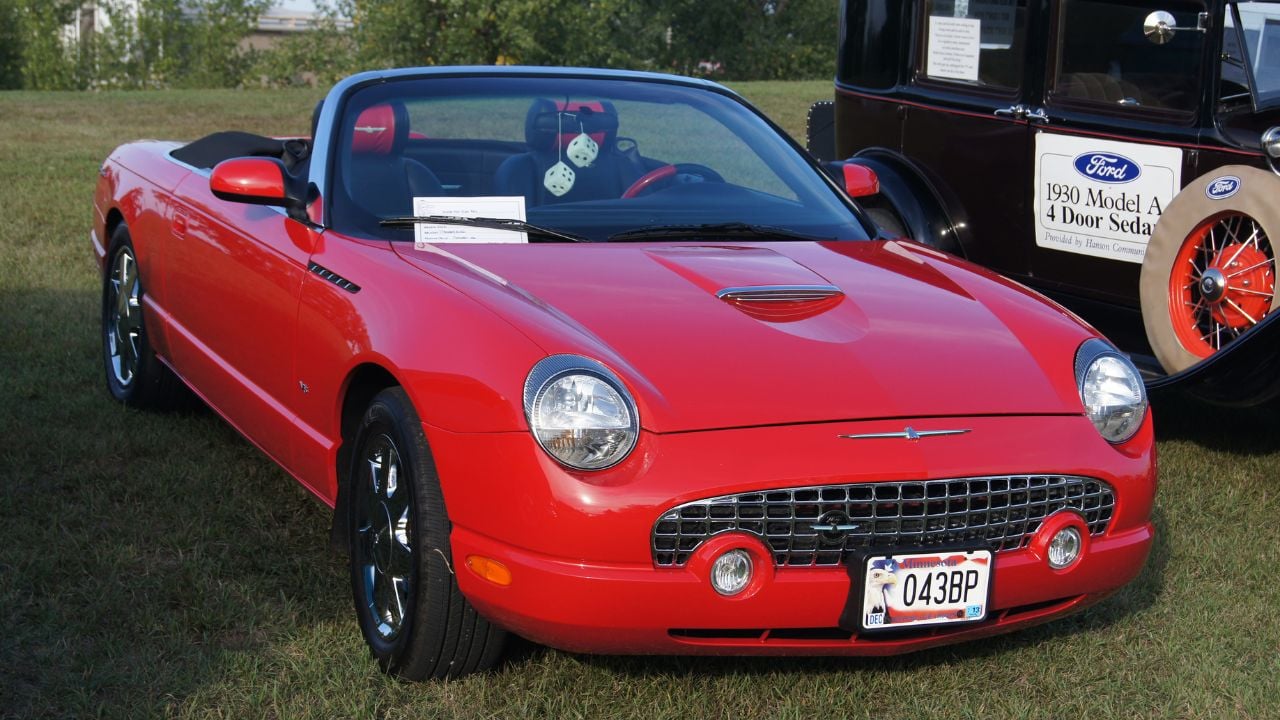
The 2002 to 2005 Ford Thunderbird has spent years waiting for the collector market to take it seriously. That slow burn is exactly why it fits this topic. It has retro styling, two-seat proportions, a removable hardtop, a power soft top, V8 power, and a nameplate with deep American history.
The 2003 to 2005 cars are especially appealing because Ford raised output after the first model year. KBB lists the 2005 Thunderbird with a 3.9-liter V8 rated at 280 hp and 286 lb-ft of torque, while the 2002 model was less powerful.
Classic.com places the 2002 to 2005 Thunderbird market around the high-teens to roughly $19,000 on average, with special editions and low-mile cars bringing more. Hagerty has also argued that Ford’s retro Thunderbird could develop stronger future-classic appeal as buyers reassess the model.
This is a cruiser, not a canyon carver. The best examples have low miles, complete hardtop equipment, clean paint, working accessories, and strong interior condition. Color matters too, especially on special editions and well-preserved cars. A carefully bought Thunderbird gives collectors a comfortable summer convertible with recognizable style and a far lower buy-in than early two-seat Thunderbirds.
Why These Convertibles Are Worth Shopping Before Summer
Summer does not create collector demand by itself. It makes the right convertible harder to ignore. A clean roadster or grand-touring drop-top feels different when the weather turns, the evenings stay bright, and buyers start imagining actual drives instead of garage projects.
The smart buyer still needs discipline. Service records, top condition, rust inspection, clean ownership history, original equipment, and working accessories matter far more than a shiny listing photo.
A good convertible should feel ready for the first warm weekend, not months away from being usable. A cheap listing loses its charm quickly if the car needs a soft top, cooling work, suspension parts, tires, or electrical repairs before it can be enjoyed.
That is why these five cars are worth watching before summer demand picks up. They still offer personality, value, and open-air charm, but the best examples are the ones buyers tend to notice fastest once the weather starts doing the selling.