Taxis can drain a city-break budget when every museum, market, dinner, hotel, and station transfer becomes a separate ride. Some European cities make that easier to avoid. Their old centers, riverfronts, food streets, stations, and transit stops sit close enough that walking and public transport can handle most of the day.
These five cities are useful for Americans who are used to bigger distances at home. A taxi may still make sense for late arrivals, heavy luggage, mobility needs, rain, or a hotel far from transit. But in Bordeaux, Porto, Munich, Lyon, and Ljubljana, the main sightseeing day can often be built around feet, trams, metros, funiculars, and short station walks.
1. Bordeaux, France
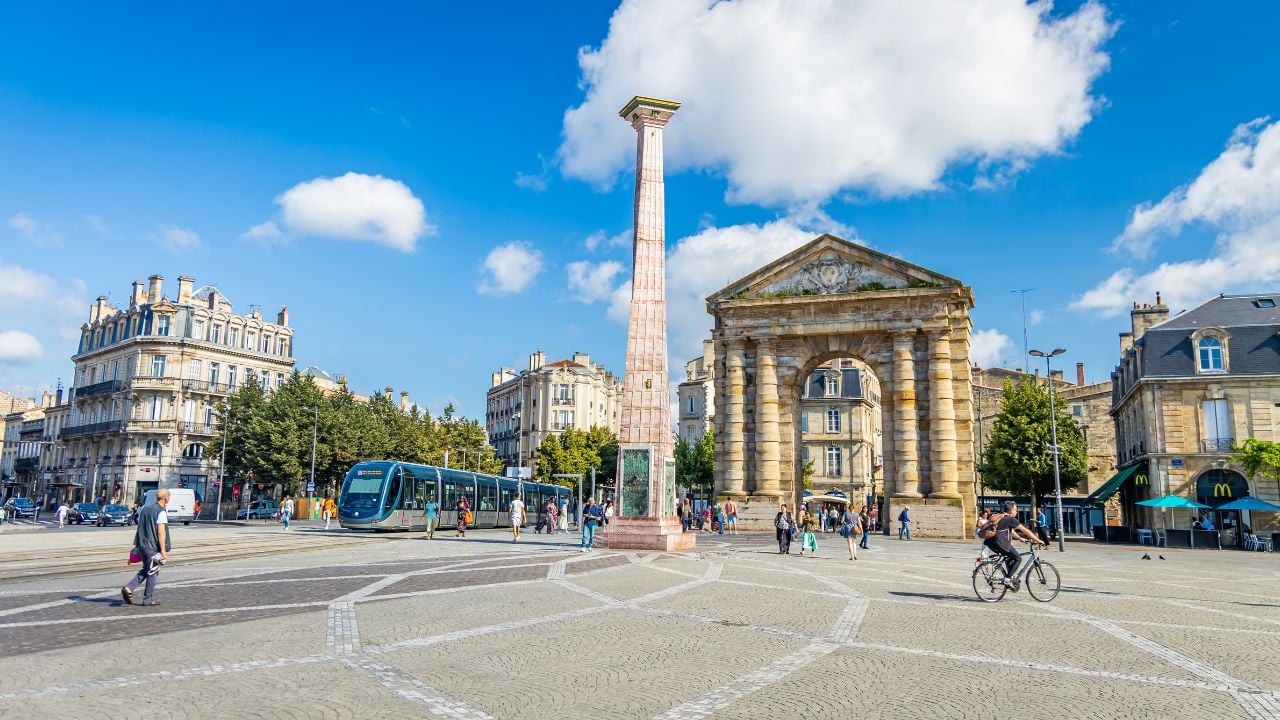
Bordeaux is a good taxi-saving city because the historic center already works as a walking route. The tourism office offers a UNESCO-listed Bordeaux walk through private mansions, monumental gateways, harmonious façades, and major streets in the old center.
That route keeps visitors on foot through the parts of Bordeaux many first-timers came to see: stone façades, wide squares, shopping streets, café corners, wine bars, and the Garonne riverfront. A hotel near the historic center, Saint-Jean station, or a useful tram stop can remove several short taxi rides from the trip.
Bordeaux Tourism also points visitors toward a tram network, buses, river shuttles, bikes, and other transport options. Use the tram for longer hops, then walk the central streets instead of paying for a ride every time the route crosses town.
A simple Bordeaux day can move from the old center to the riverfront, continue through shopping streets or museum stops, and end at dinner without needing a car between each piece.
2. Porto, Portugal
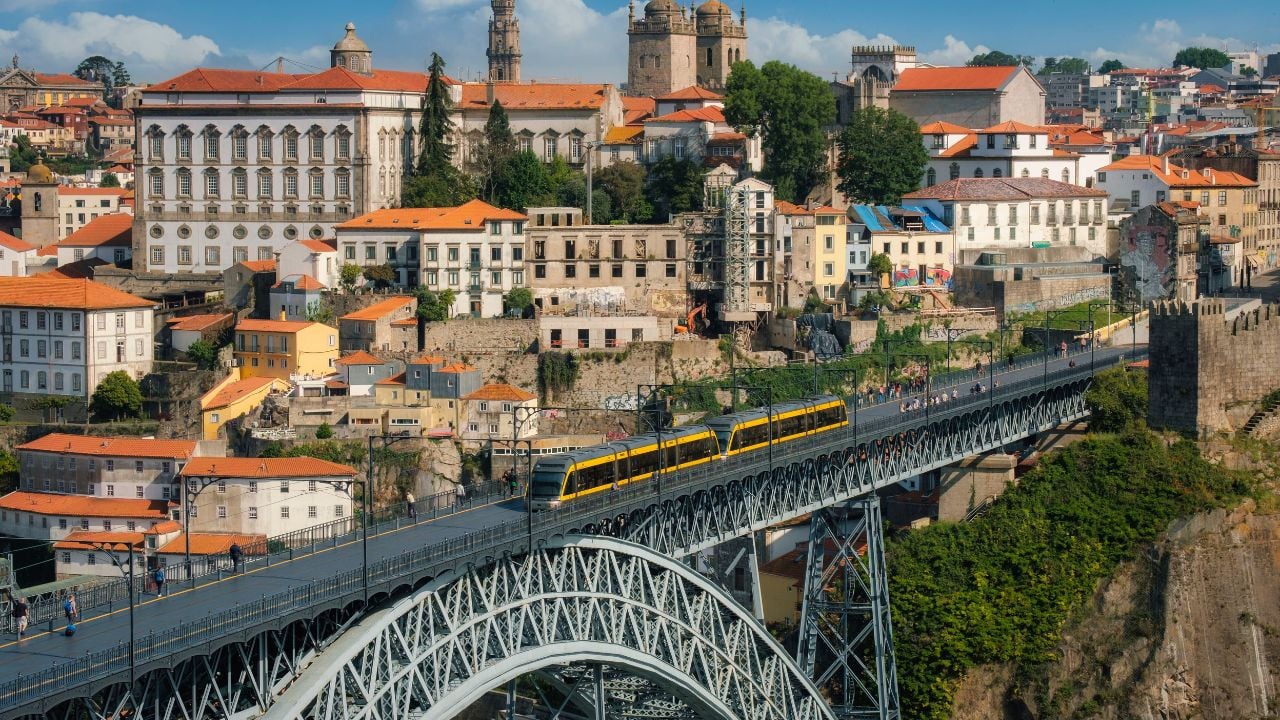
Porto is walkable, but it is not flat. The city saves taxi money for travelers who plan the day around hills instead of pretending they do not exist. UNESCO describes the Historic Centre of Oporto, Luiz I Bridge, and Monastery of Serra do Pilar as an urban landscape built along the hills overlooking the mouth of the Douro River.
That terrain puts São Bento Station, the cathedral area, Ribeira, the Dom Luís I Bridge, and Vila Nova de Gaia into a compact but steep route. Walk downhill when possible. Cross the bridge when the weather is clear. Use the metro, bus, funicular, or a short ride when the climb back up is the part that will waste energy.
The airport connection also helps. Porto Airport says travelers can reach the airport or city center by metro, with Line E running every 20 or 30 minutes depending on the time and day.
For many visitors, Porto does not require repeated taxis. It requires shoes with grip, a hotel location chosen with hills in mind, and a willingness to use transit when the route points back uphill.
3. Munich, Germany
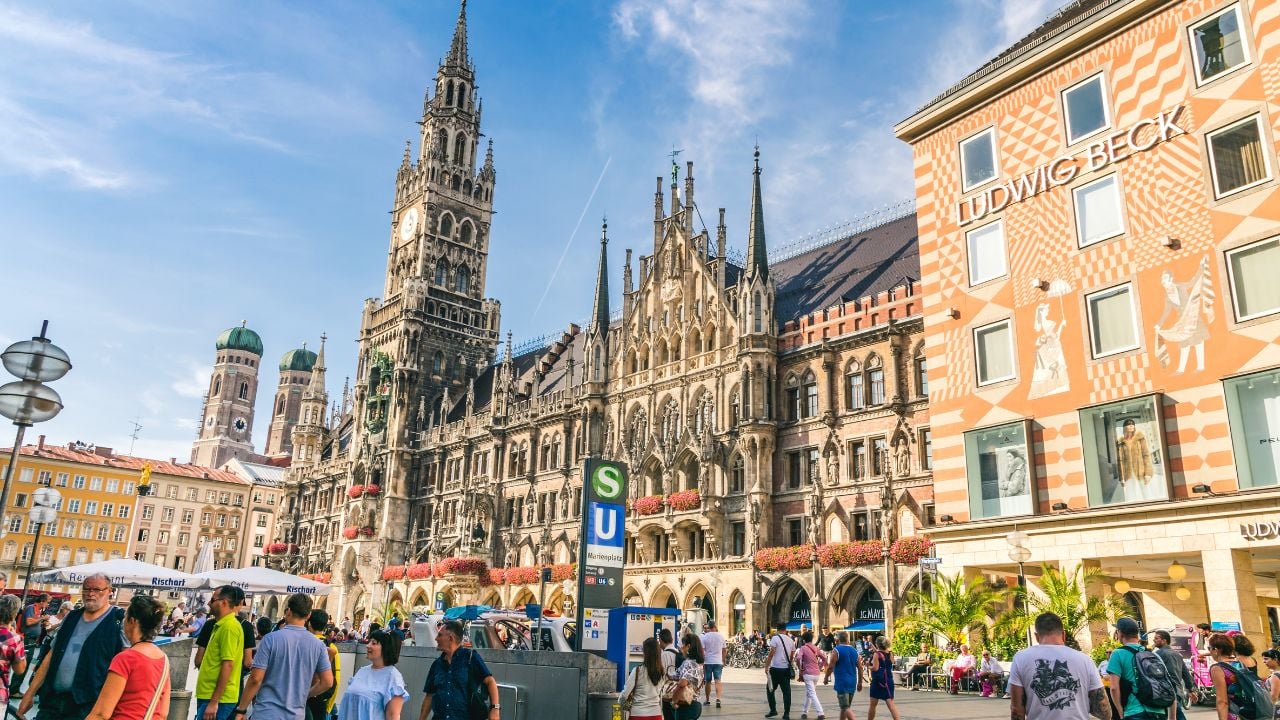
Munich keeps many first-visit stops close to the Altstadt. Munich’s official tourism site describes the old town through places such as Marienplatz, the town hall, Old Peter, Frauenkirche, Viktualienmarkt, traditional inns, and long-established shops.
That gives travelers a compact walking loop before any taxi is needed. Start around Marienplatz, walk to Viktualienmarkt for food stalls, continue toward Frauenkirche or Old Peter, then add the Residenz, Hofgarten, or nearby shopping streets depending on the day.
When the route leaves the center, Munich Tourism’s transport guide points visitors toward the city’s public transport system, including underground, S-Bahn, bus, tram, fare zones, tickets, travelcards, bike hire, taxis, and walking options.
A visitor can walk the old center in the morning, then use the U-Bahn, S-Bahn, tram, or bus for museums, palace areas, beer gardens, or neighborhoods farther out. Taxis are useful late at night or with luggage, but they do not need to carry the whole city break.
4. Lyon, France
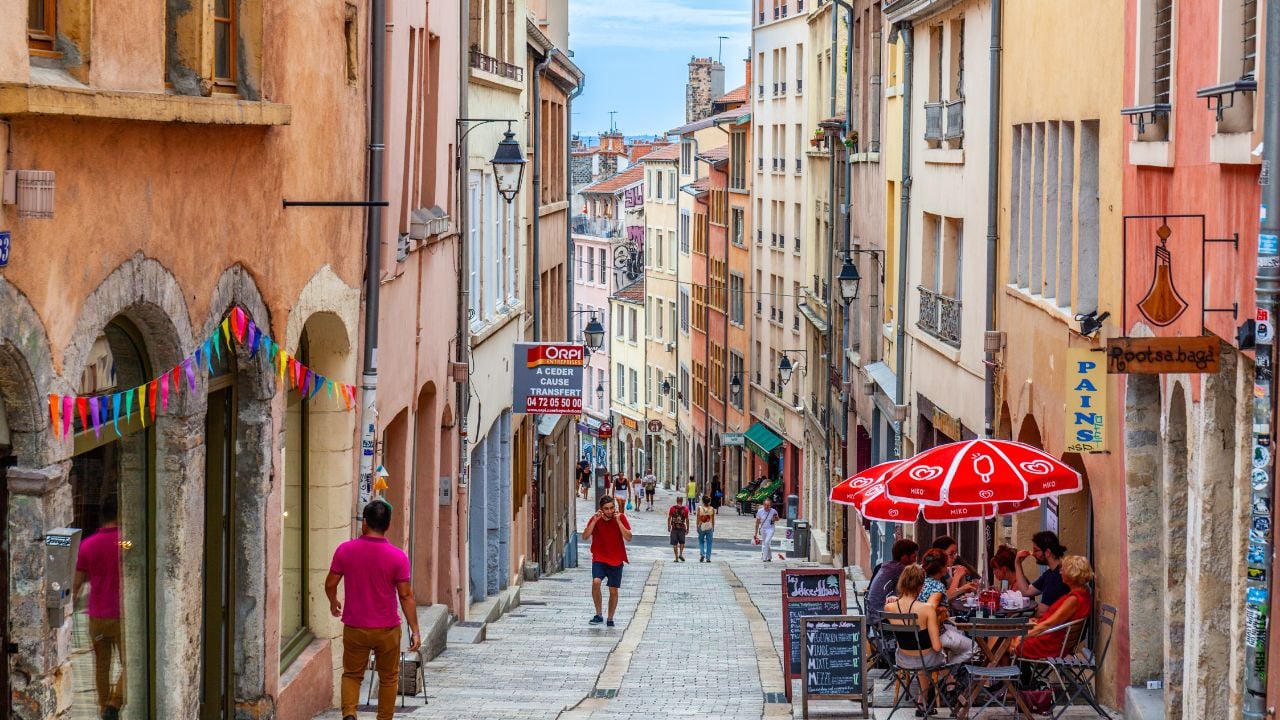
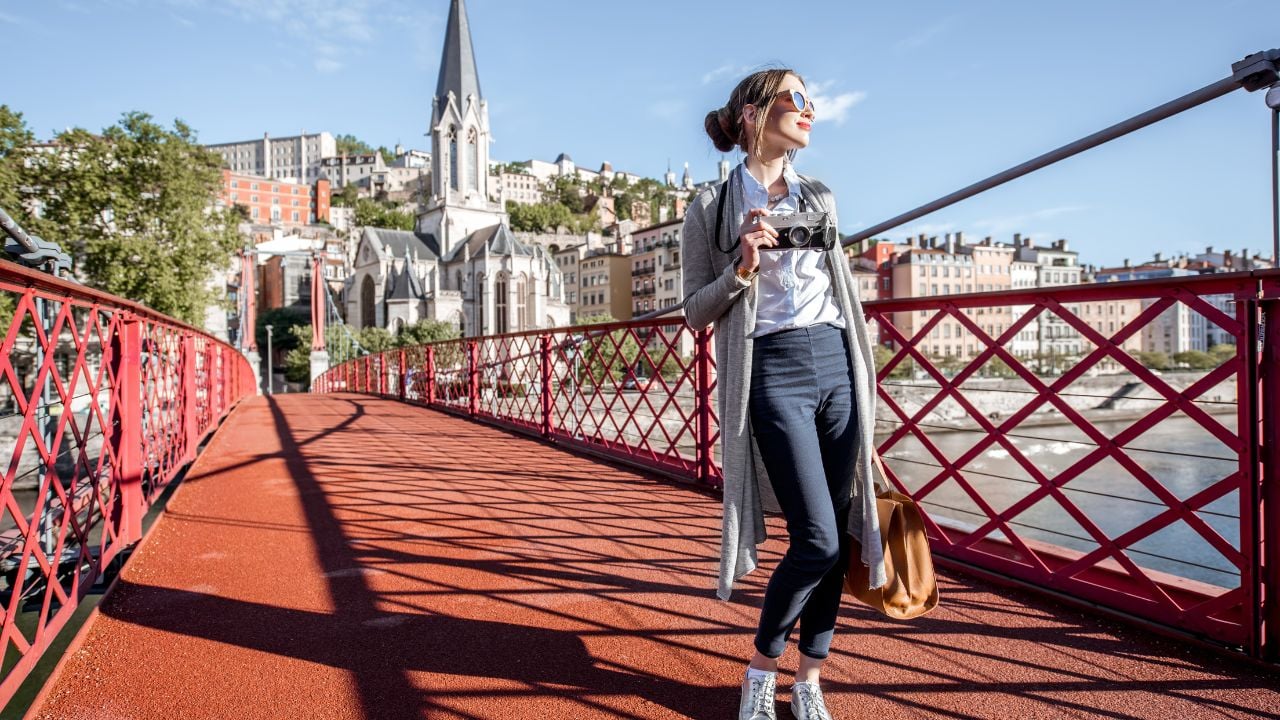
Lyon works well without constant taxis because the center gives visitors several useful walking zones close together: Vieux Lyon, Presqu’île, the Saône, the Rhône, food streets, river bridges, and the slopes above the old town.
The official tourism office highlights Lyon’s traboules and courtyards in Vieux Lyon, the Croix-Rousse slopes, and the Presqu’île. Those covered passageways and courtyards reward walking because many of the details sit behind doors, lanes, and stairways that a taxi would simply pass.
For hills and longer distances, the TCL network handles the backup. Lyon Tourism says the network includes 4 metro lines, 7 tramway lines, 150 bus, trolleybus and shuttle lines, 2 funicular lines, 1 river shuttle, and 3,000 stops.
The funicular is the practical move for Fourvière. Walk Vieux Lyon and the river areas, then use the funicular instead of turning the climb into a taxi ride or a sweaty uphill push.
5. Ljubljana, Slovenia
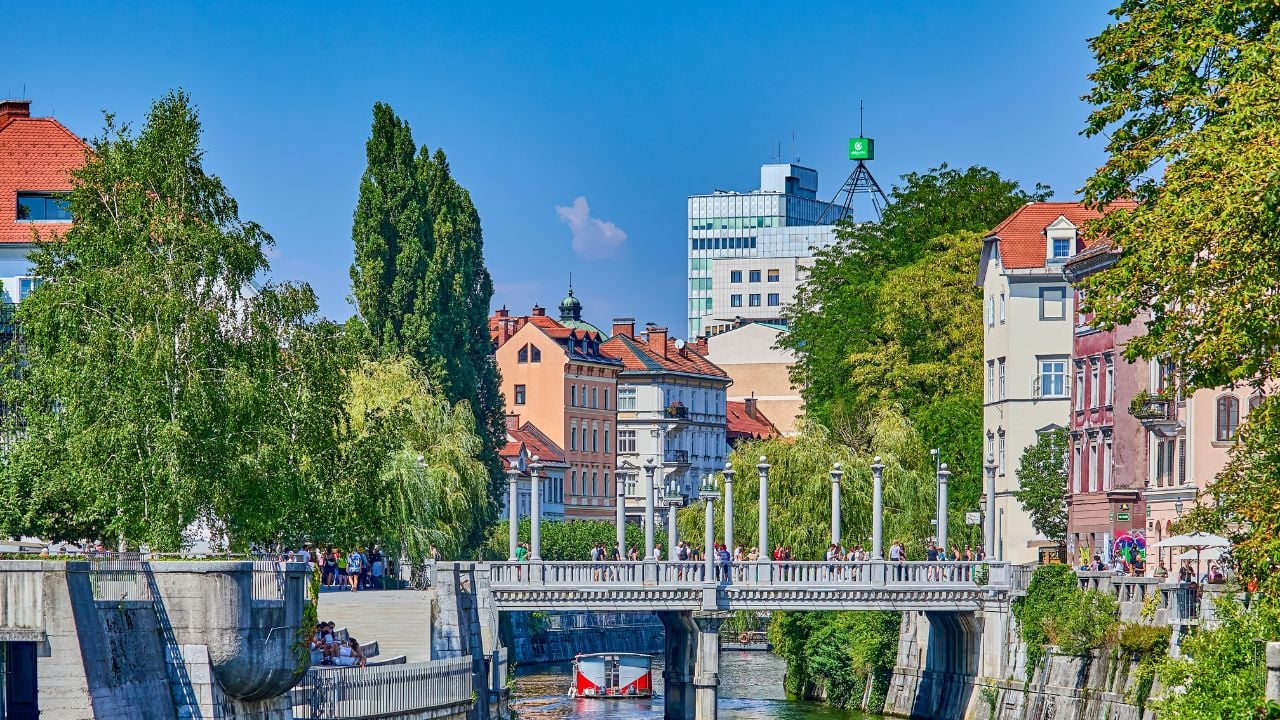
Ljubljana is the clearest taxi-saving city on this list because the center is built around walking. Visit Ljubljana says the city center has been closed to motor traffic since 2007 and has 20 hectares of pedestrian zones.
That car-free core connects the riverfront, Central Market, Triple Bridge, old-town lanes, cafés, bridges, and many central sights without repeated rides across town. For Americans used to cities where every plan starts with a car, Ljubljana can feel unusually simple once the bags are dropped.
Visit Ljubljana also points travelers toward city buses, the BicikeLJ bicycle-sharing system, and the funicular railway to Ljubljana Castle. The castle funicular is the obvious taxi replacement for anyone who wants the hilltop view without paying for a ride or walking the full climb.
A practical Ljubljana day can start on the riverfront, continue through the market and old town, cross the bridges, add Tivoli Park, and use the funicular for the castle. Save taxis for the airport, heavy luggage, or late-night situations instead of using them for the central sightseeing loop.